







![[EXCLUSIVE] Dragon’s Dogma 2: Dark Arisen Team Opens Up About the Expansion’s Name, New Norgan Region, and Performance Goals](https://cdn.gamerbraves.com/2026/07/Dragons-Dogma-2-Dark-Arisen_Interview_FI-360x180.jpg)






After multiple seasons of iteration and one major expansion already reshaping the experience, Diablo IV: Lord of Hatred arrives with something bigger in mind than just new content. It closes the Age of Hatred storyline while simultaneously overhauling core systems across every class, redefining how progression, builds, and endgame structure feel moment to moment.
Set in the ancient Amazon homeland of Skovos, the expansion pushes the Wanderer toward a final confrontation with Mephisto while introducing sweeping mechanical updates like redesigned skill trees, the return of the Horadric Cube, and the new War Plans endgame framework. More importantly, many of these changes affect the entire game, not just expansion owners, making this feel less like a traditional DLC and more like a turning point for Diablo IV as a whole.
After spending time with Lord of Hatred ahead of release, it quickly becomes clear that this isn’t just the conclusion of a story arc. It’s Blizzard’s strongest statement yet about what Diablo IV is meant to be going forward—and for many players, it may finally be the version of Sanctuary they’ve been waiting for.
Story
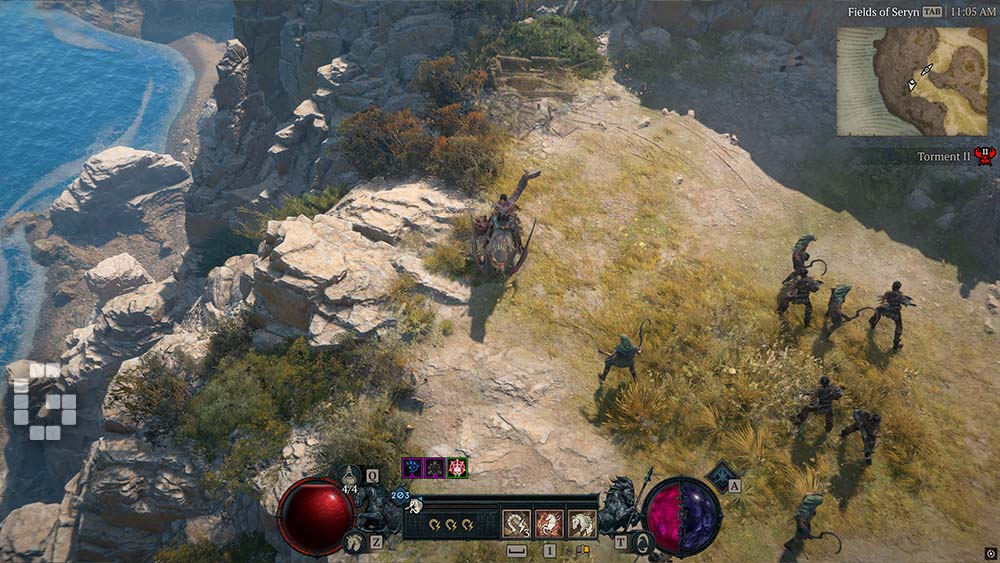
Lord of Hatred will conclude the Age of Hatred saga that began in Diablo IV. Taking place after Diablo IV DLC 1 Vessel of Hatred, the story drives the Wanderer toward a final confrontation with Mephisto, the Lord of Hatred, one of the three Prime Evils in Diablo lore and the eldest brother to Diablo and Baal. His deception and ever-growing influence threaten to twist Sanctuary into a world consumed by malice.
As Hell’s legions surge and the ancient Pools of Creation draw Mephisto ever closer to power, the fate of humanity hangs by a thread. To stop him, the Wanderer must embrace an old foe long believed to be dead. Lilith returns, her prophetic final words proving true, forcing a perilous alliance bound by necessity rather than trust.
With time and allies running out, the Wanderer races desperately to stop Mephisto before hatred reshapes the world forever. We won’t spoil too much here, but I can say this, it brings the saga to a perfect close. There are no lingering cliffhangers, just a story filled with surprises… and moments that hit with sacrifices and immense sadness.
This time, the narrative also places a stronger focus on Lorath as a central figure. As Barry Morales, Associate Production Director, explains:
“Diablo IV has always been connected to previous games through the Horadric order and characters like Tyrael, but we haven’t really had the opportunity to deliver a strong, complete arc for one of our central characters. With Lord of Hatred, we wanted to prioritize that with Lorath. He’s been with the player since the very beginning of Diablo IV, serving as both a guide and a mentor – especially in his relationship with Neyrelle and carrying the weight of his past, including his history with the Amazon Queen Adreona, which comes into focus in this expansion. Players that want to go even deeper, check out The Lost Horadrim!”
New Location
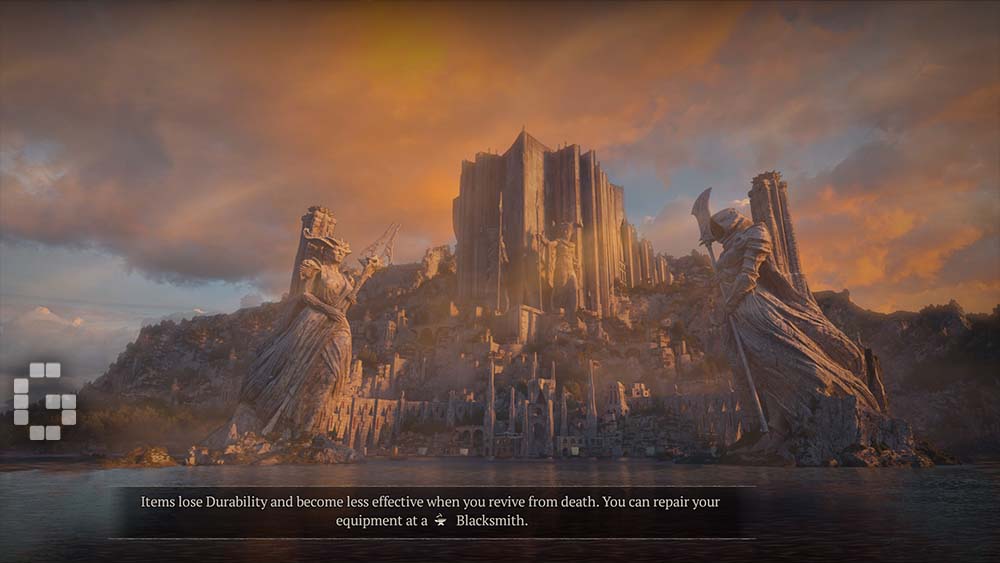
This time, the new region introduced is Skovos, Sanctuary’s oldest and most storied land, and the site of its very first civilization, built during the age of the nephalem. Both Inarius and Lilith once walked these lands in ages past, and long after the Purge, the Askari rose to build their own civilization upon Skovos.
A number of wars have been fought across Skovos throughout its history, and despite countless invasions, it has never been conquered. Today, it remains the sacred homeland of the Amazons, who stand as its enduring guardians.
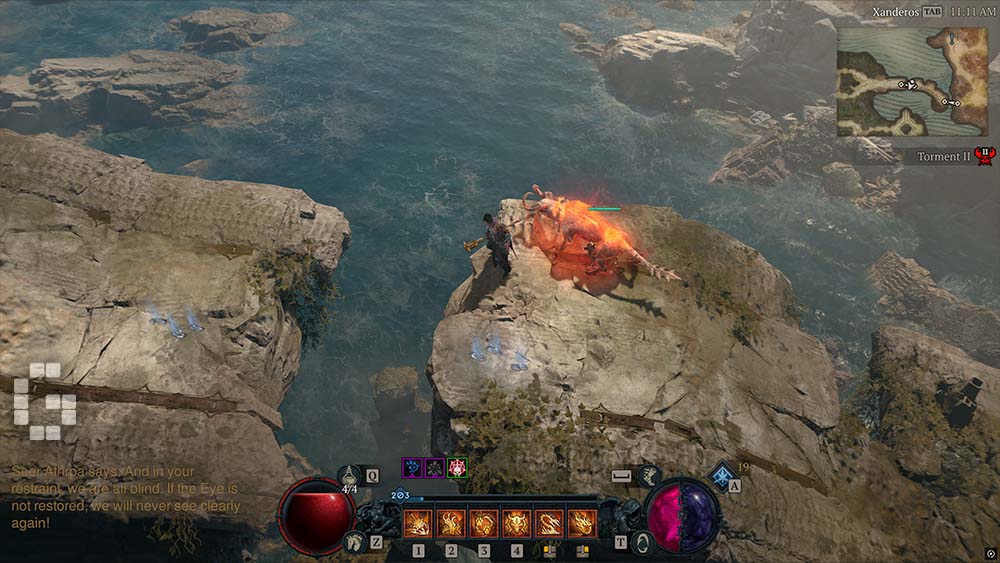
Blending rugged coastlines, storm-lashed forests, and ancient ruins steeped in forgotten magic, Skovos stands out as one of the most visually striking regions we’ve explored so far.
What really surprised me is that it’s actually very bright and vibrant, almost radiant at times, offering a refreshing contrast to the darker, more oppressive areas we’re used to in Diablo 4. That said, the corrupted areas do stand in stark contrast to the untouched parts of the region, feeling far closer to the grim, familiar environments we’ve seen elsewhere in Sanctuary.
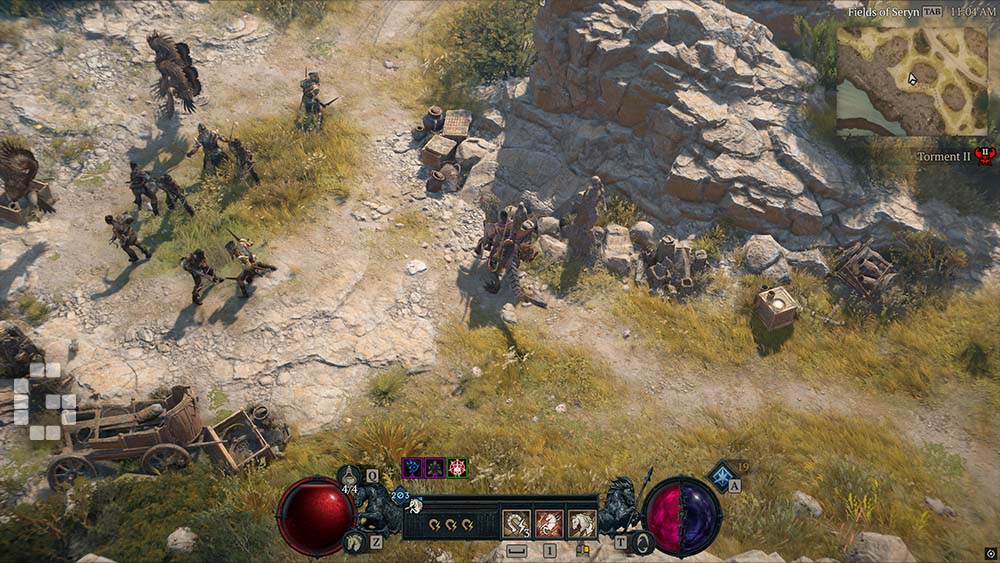
On top of that, the music really helps bring Skovos to life. Senior Composer Ted Reedy shared that while Diablo IV’s base game already laid the groundwork, it always felt more open-ended, like the beginning of something, which meant going too big too early could feel overly dramatic. With Lord of Hatred, the story is more focused and the stakes are higher than ever, making it the right moment to fully evolve the emotional scale of the soundtrack.
With Skovos being the birthplace of humanity, the concept of the Firstborns became a strong thematic backbone to build from. And since Skovos is ruled by two Queens, the Oracle and the Amazon, the team wondered if having two distinct vocalists could make their presence felt throughout the score. Combined with orchestra, choir, and culturally inspired instruments like the aulos, lyre, and electric violin, the result is a unique soundscape that gives Skovos its own identity, while imparting an appropriate sense of scale and emotional depth for the story.
New Classes
As for why the team chose to introduce the Warlock rather than bringing back a familiar favourite like the Amazon, Associate Game Director Zaven Haroutunian explained that it comes down to the relationship between the two new classes.
The Paladin and the Warlock are designed as two sides of the same coin, Angels and Demons, together representing the Eternal Conflict at the heart of Diablo’s narrative and this expansion.
With the Paladin already serving as a returning class, the team also wanted to ensure there was something entirely new for players to discover. That’s where the Warlock comes in, offering a fresh playstyle and identity for those looking for something different.
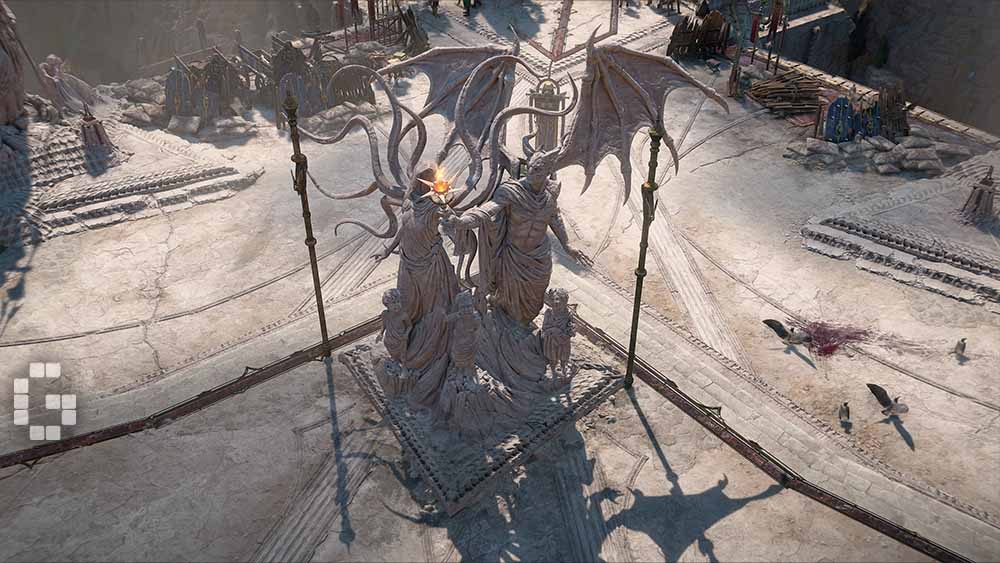
We also asked Haroutunian whether the team felt they missed an opportunity by not releasing an Amazon class alongside the expansion, since Lord of Hatred brings players to Skovos, the Amazon homeland.
Haroutunian responded that it has been exciting to finally visit Skovos in-game. He also noted that the Paladin is the most requested class, and alongside the Warlock, both help support the expansion’s overall design vision, which is centered around the Eternal Conflict that lies at the heart of the series.
However, he emphasized that the team doesn’t see this as a missed opportunity, as that would imply the door is closed, which it is not. Just because players have visited a region does not mean classes tied to that region cannot or will not be created in the future, and that applies to Skovos just as much as any other part of Sanctuary.
Paladin
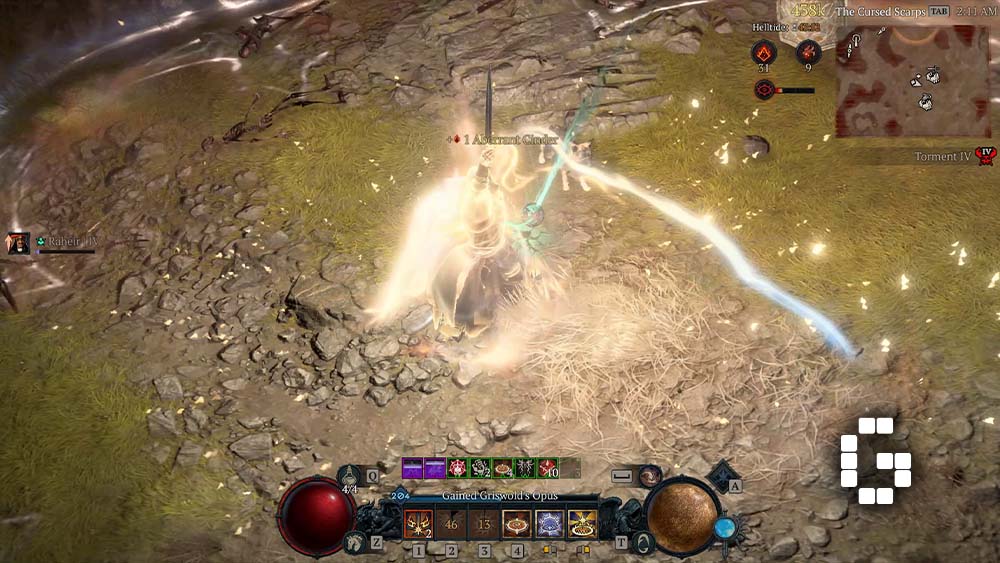
The Paladin returns from Diablo II and will be introduced in Diablo IV: Lord of Hatred, with players who pre-order the expansion also gaining access to the class in the base game.
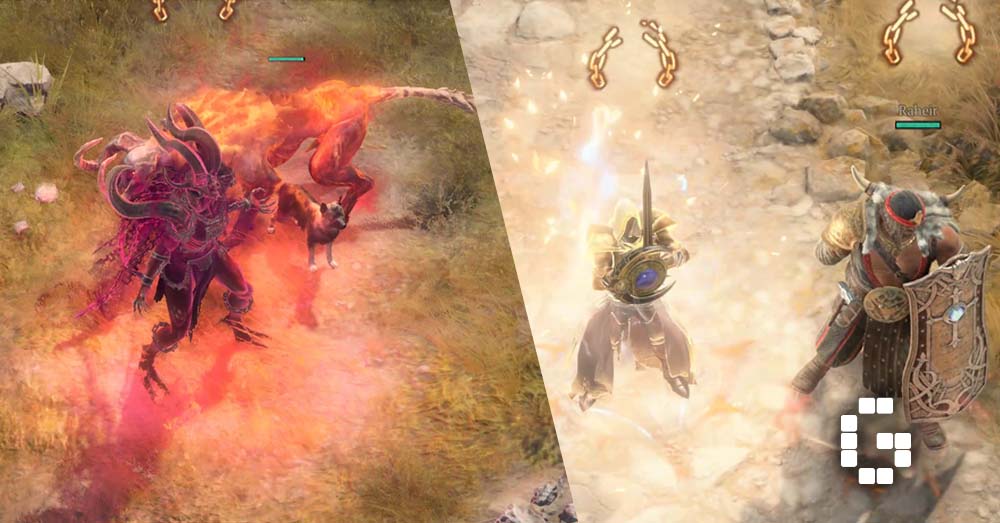
Paladins augment medieval armor and heavy weaponry with the holy power of the Light. They are able to channel powerful auras, summon holy weapons to smite enemies, and stand as indomitable guardians on the battlefield.
Many players have already gotten their hands on it in Season 12, where it currently sits comfortably in the S-tier. It’s especially strong for speed farming, offering a smooth, fast, and highly efficient gameplay experience.
Warlock
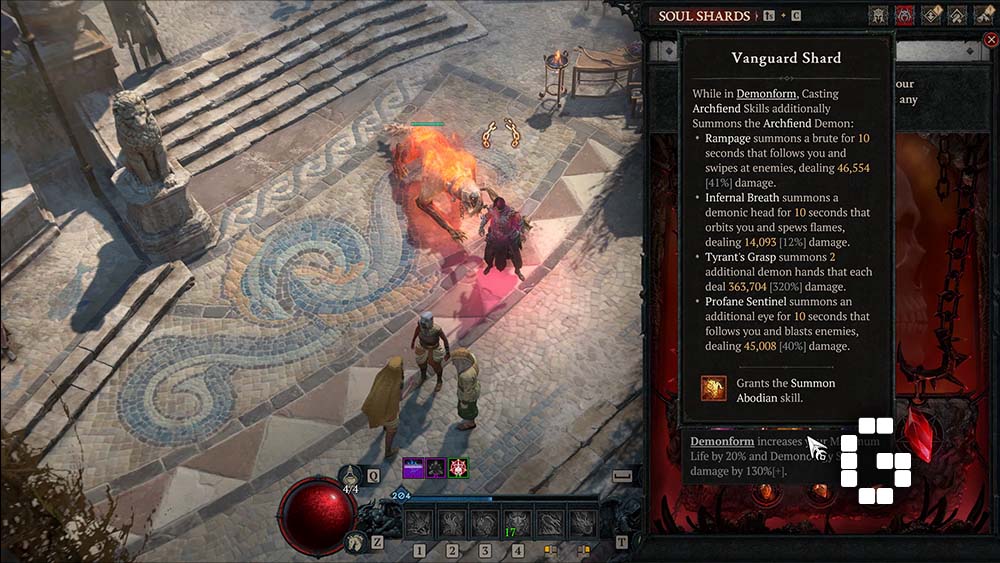
The Warlock is a magic-user at the height of their power, able to tear demons straight from Hell to serve them.
Burdened by infernal insight, the Warlock is a willpower-based class themed around chains and hellfire. Their abilities focus on demonology, fire, and shadow magic, making them a complex class to master compared to simpler archetypes like the Paladin.
In combat, the Warlock uses two resources: Wrath and Dominance. Wrath fuels spells, while Dominance is used to summon demons. Their gameplay revolves around chaining combinations—summoning, modifying, consuming, or detonating demons to empower the next ability. Their ultimate even allows them to transform into a demon.
Warlock also features a Soul Shards system, allowing them to summon a long-term demon that follows them based on their build. For example, a Hellfire-focused build might summon an Abodian as a persistent companion.

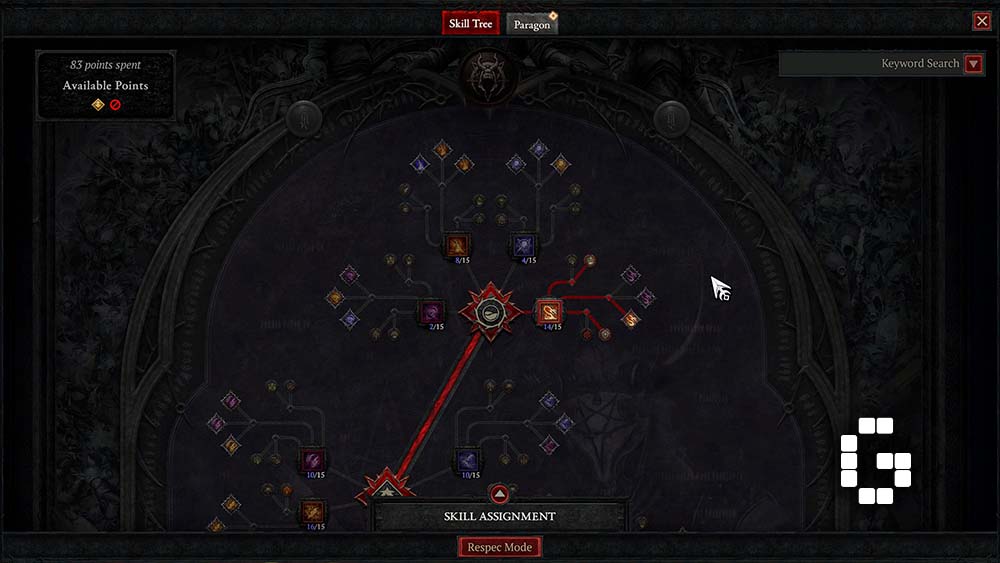
Regarding the design philosophy, Associate Game Director Zaven Haroutunian explained that while different versions of the Warlock share the same high-level creative foundation rooted in Diablo’s core lore, each iteration is designed to be the best version of the Warlock for the game it’s in. The team aligned certain elements such as iconography and terminology, but did not specifically try to match or avoid anything, instead trusting each team to make the best call for their respective game.
For players looking to get started, Associate Director of Game Design Colin Finer highlighted a Demonology-focused build as a strong entry point. By pairing Demonology skills with Ae’grom, the Legion Soul Shard demon, players can summon unending waves of demons to overwhelm their enemies, a true feeding frenzy. This build centers around Ae’grom’s ability to spawn large numbers of lesser demons, which can then be amplified through skills like Command Fallen and Bombardment to unleash even more demons onto the battlefield. Combined with the Fiend of Abaddon ultimate, nothing will stand in your way.
Major Core System Rework
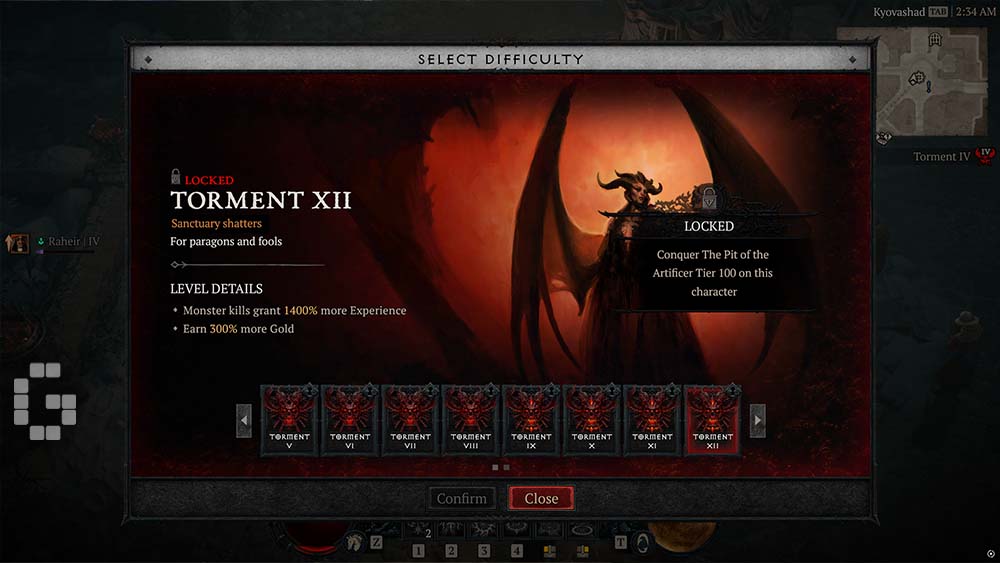
The expansion introduces a wide range of systemic changes affecting all 8 classes, regardless of whether the expansion is purchased. These include a full rework of class skill trees with new skill variants, an increased level cap, and an expanded endgame that now goes up to Torment 12, which is unlocked by completing a corresponding Pit tier. The Pit itself has also been expanded with more monsters, bosses, and environments, including rare but lucrative encounters.
In addition, the update introduces a new Talisman system that enables set-like bonuses, along with a reimagined crafting system inspired by the Horadric Cube.
Full Rework of Class Skill Trees


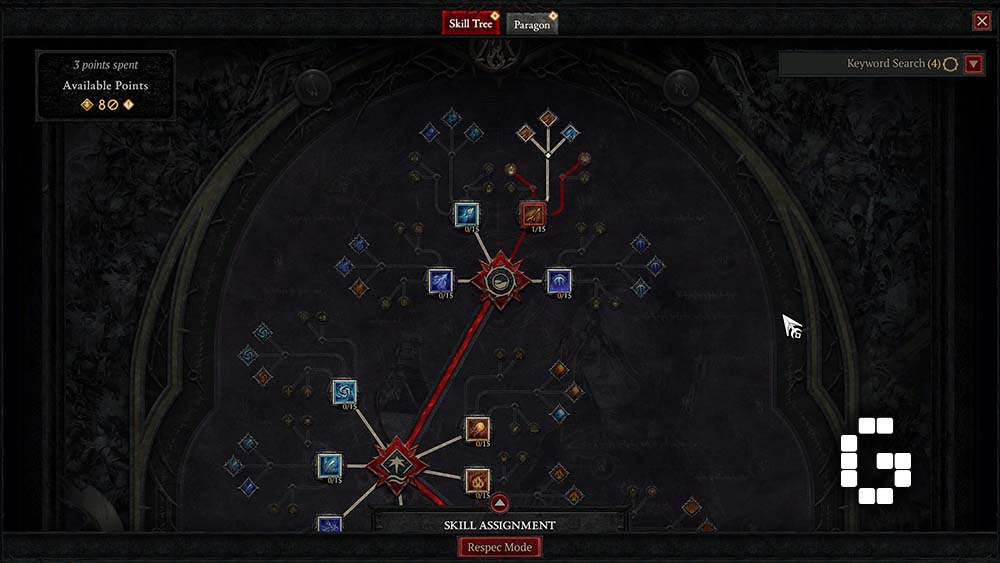
Starting with the most significant change, every class’s skill tree has been reworked. The new design focuses more on enhancing individual skills, removing generic stat-based upgrades and instead introducing dedicated nodes that directly modify and strengthen specific abilities.
Overall, the skill trees feel far more flexible and open-ended. For example, if you’re running a Hellfire-focused build, you can now fully commit to that theme by converting most of your core skills into Hellfire-based ones, without being restricted by mismatched skill attributes.
This opens up much more creative freedom across classes. Druids, for instance, can now lean fully into a Werewolf-focused playstyle, while even Barbarians can experiment with summon-focused builds.
War Plans
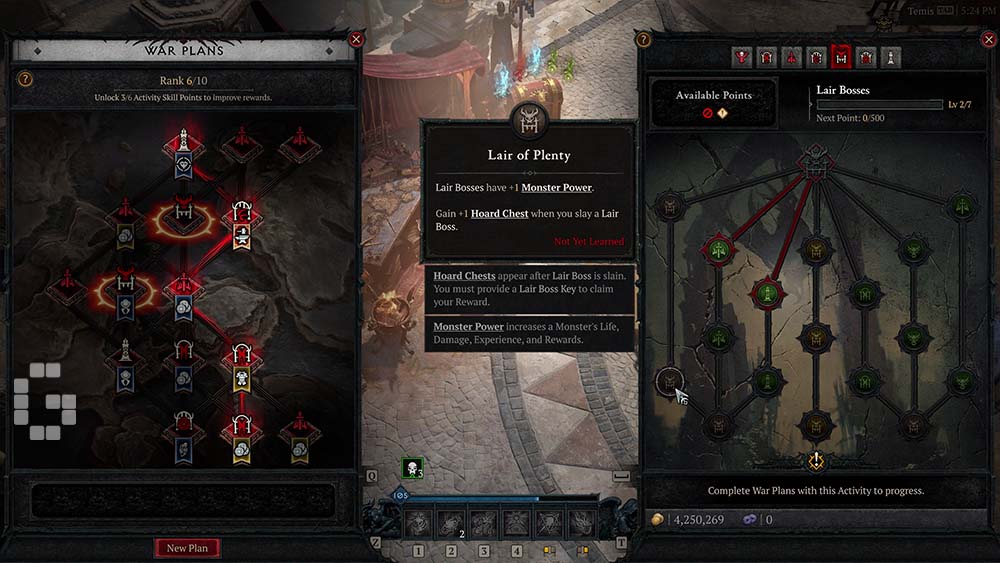
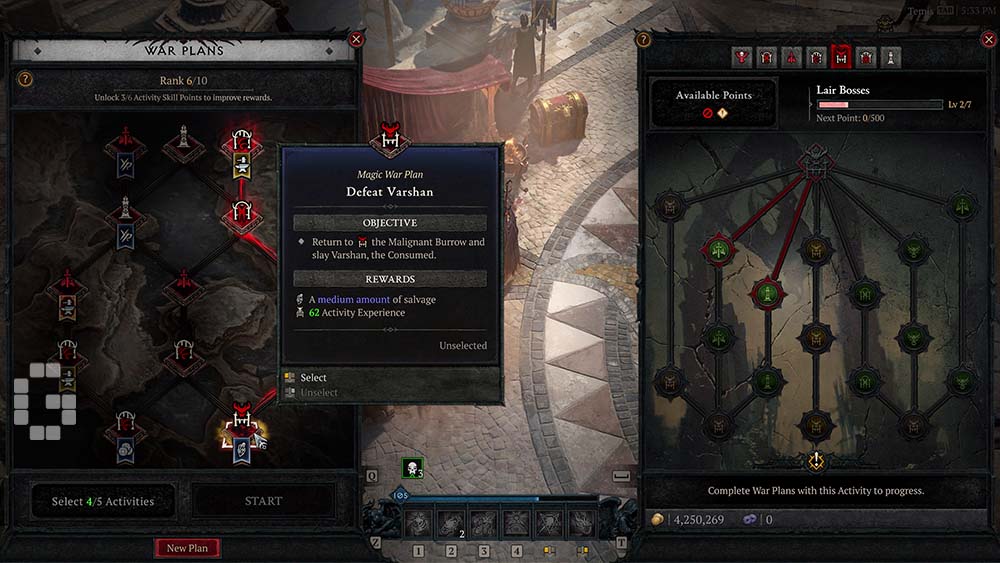
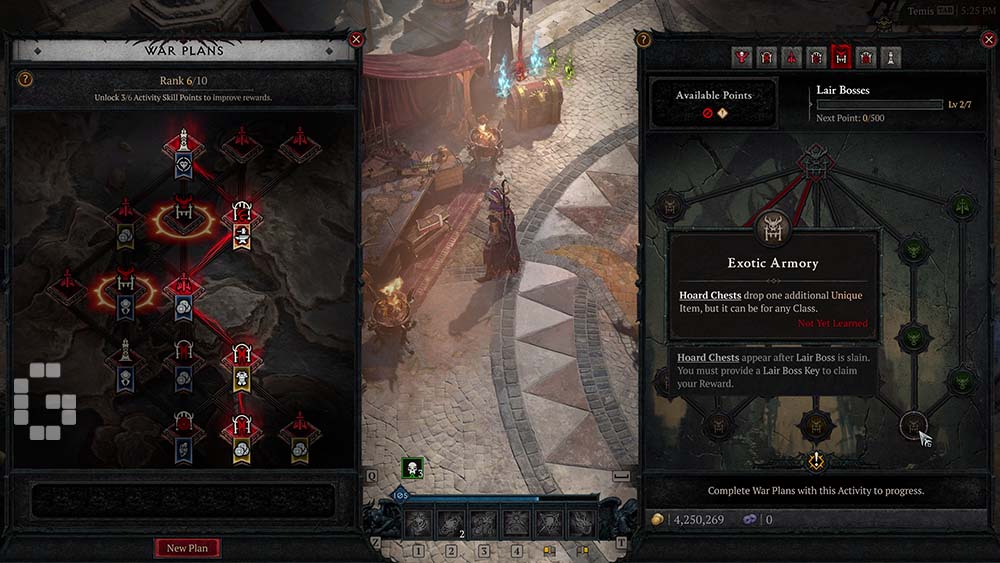
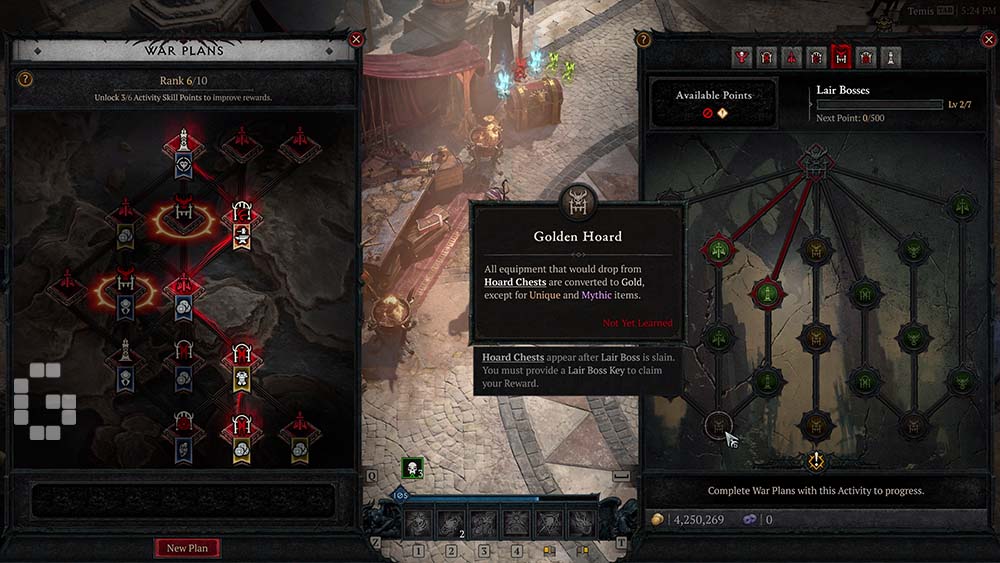
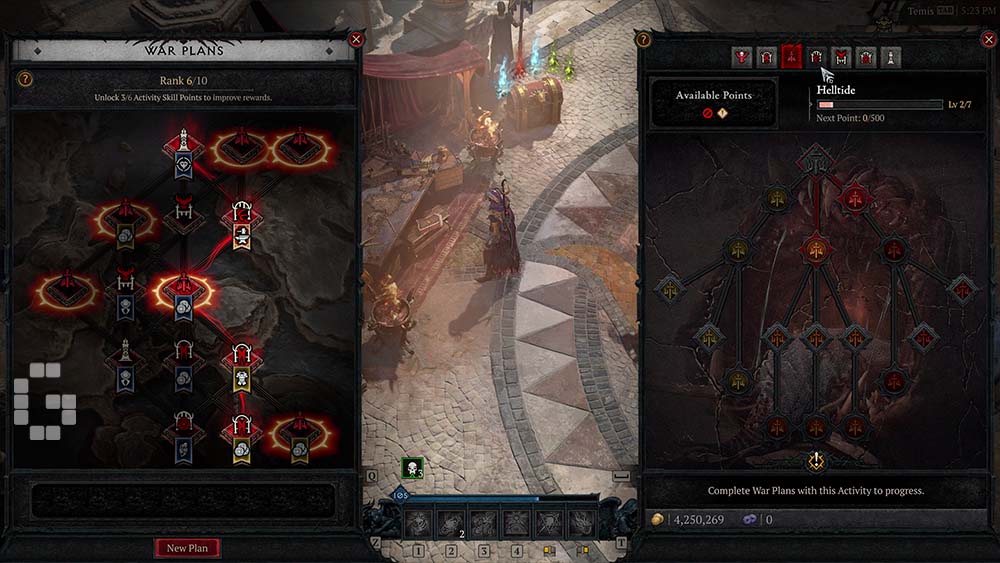
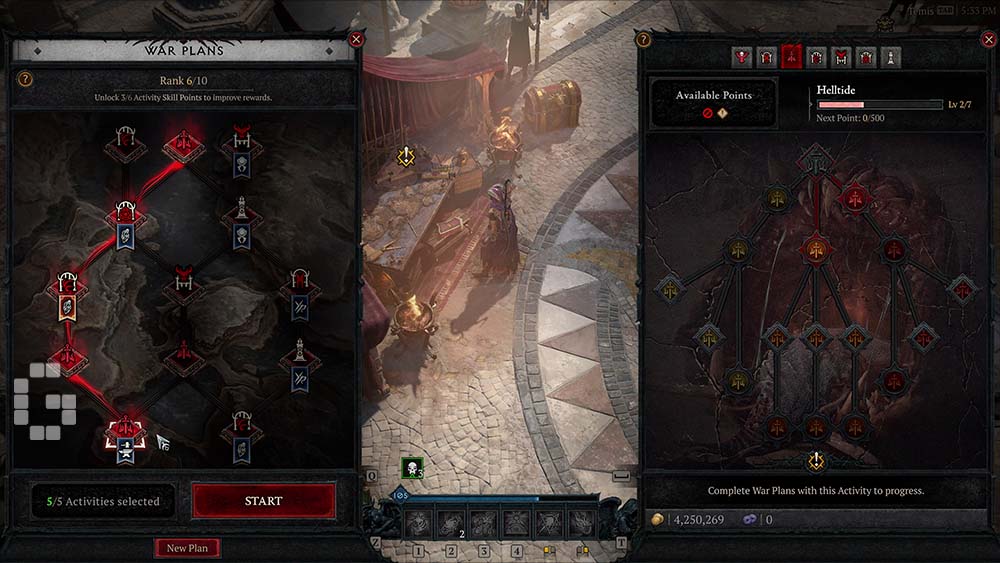
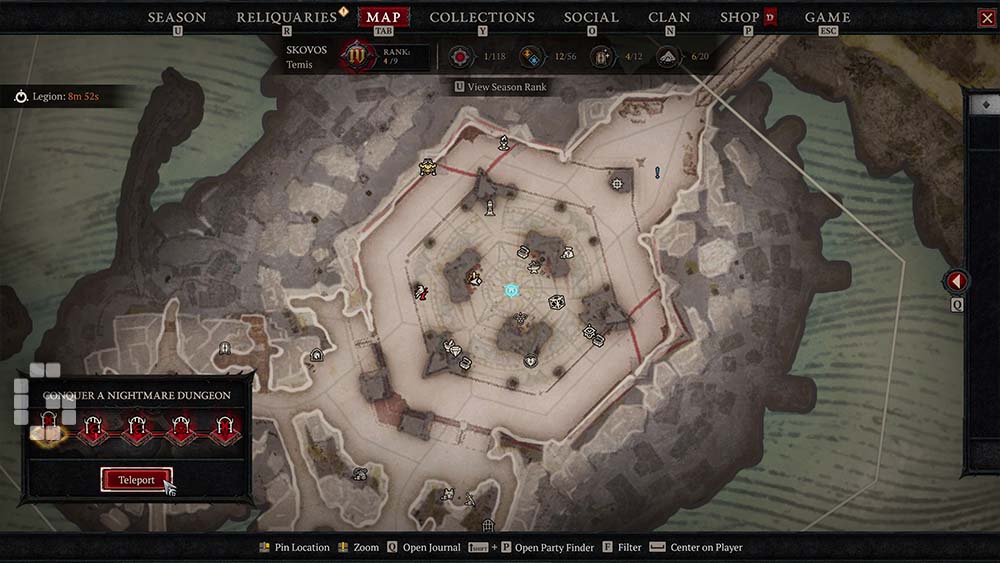
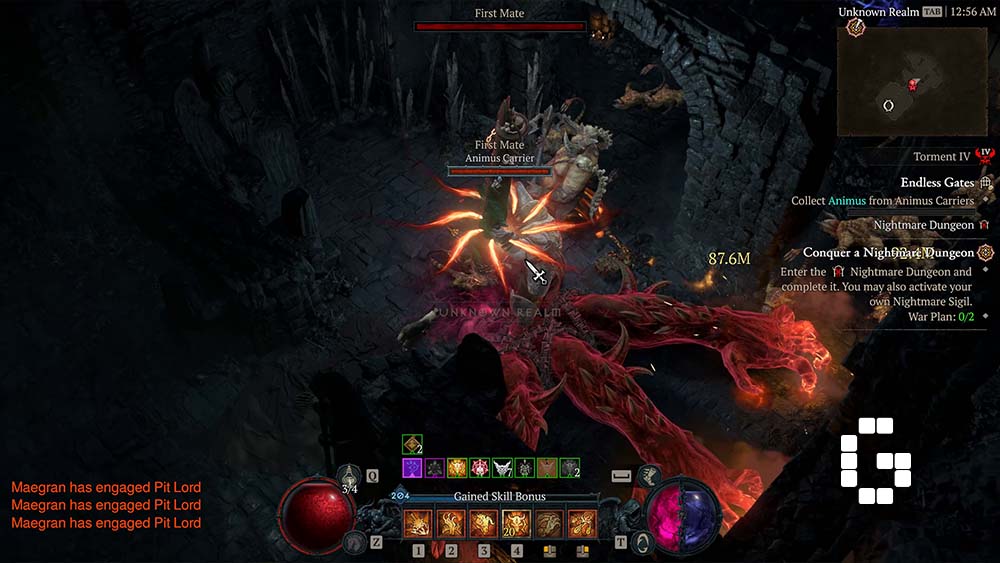
Players can build a structured endgame path through the War Plans system, selecting up to five activities, such as The Pit, Infernal Hordes, Helltides, Nightmare Dungeons, Lair Bosses, and Kurast Undercity, in any order. Modifiers can be applied to each activity to alter enemy types, rewards, and mechanics.
Once a War Plan is set, players can quickly teleport to their selected objective directly from the map interface. Completing these activities grants progression toward a dedicated War Plans tree, where players can unlock skill nodes and rewards, offering greater control and customization over their endgame experience.
For new players in particular, the team highlighted War Plans as one of the most exciting additions in the expansion. Associate Director of Game Design Colin Finer explained that the system provides a clear entry point into the endgame for both newcomers and veterans alike, consistently answering the question of “what should I be doing?” in a structured, fun, and rewarding way. He added that it has never been easier for players to jump in for any amount of time and still make meaningful progress on their character.
From my hands-on experience, War Plans does make the overall gameplay feel more directed and rewarding over repeated runs.
Items Power Changes and Horadric Cube Return
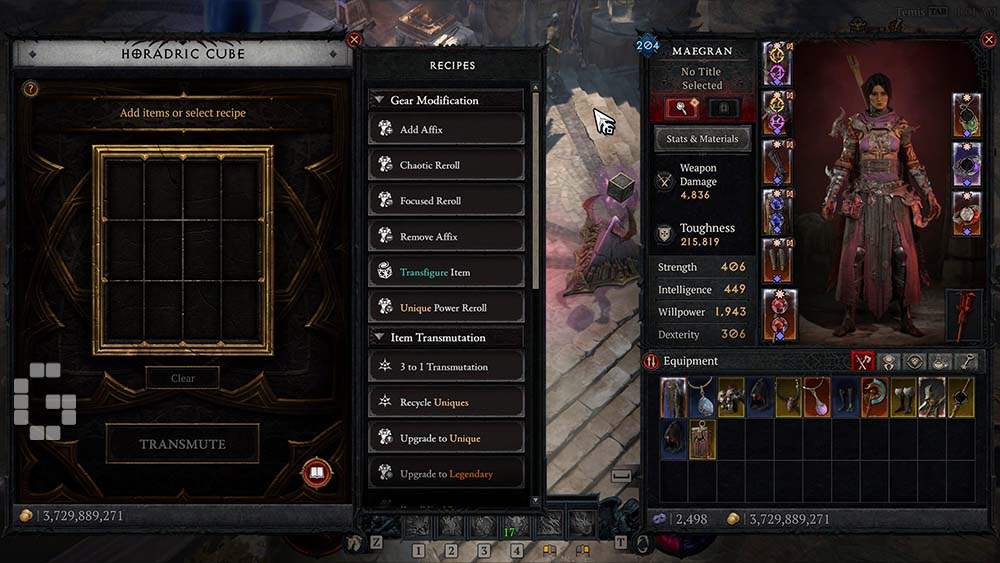
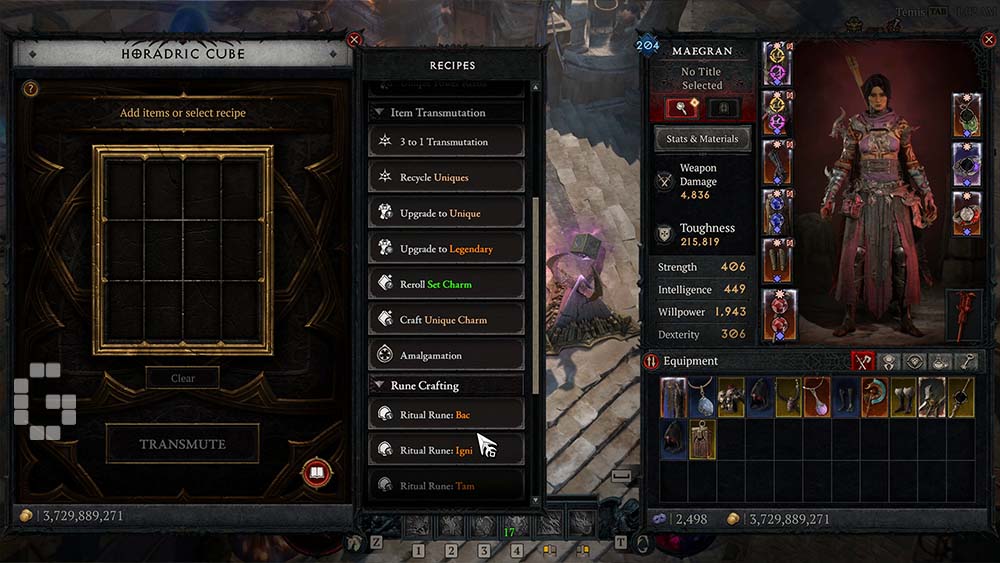
The Horadric Cube returns as a core item manipulation system, allowing players to add affixes, modify or remove properties, and transform gear into more powerful versions. This significantly reduces reliance on pure RNG drops and gives players more control over how their builds evolve over time.
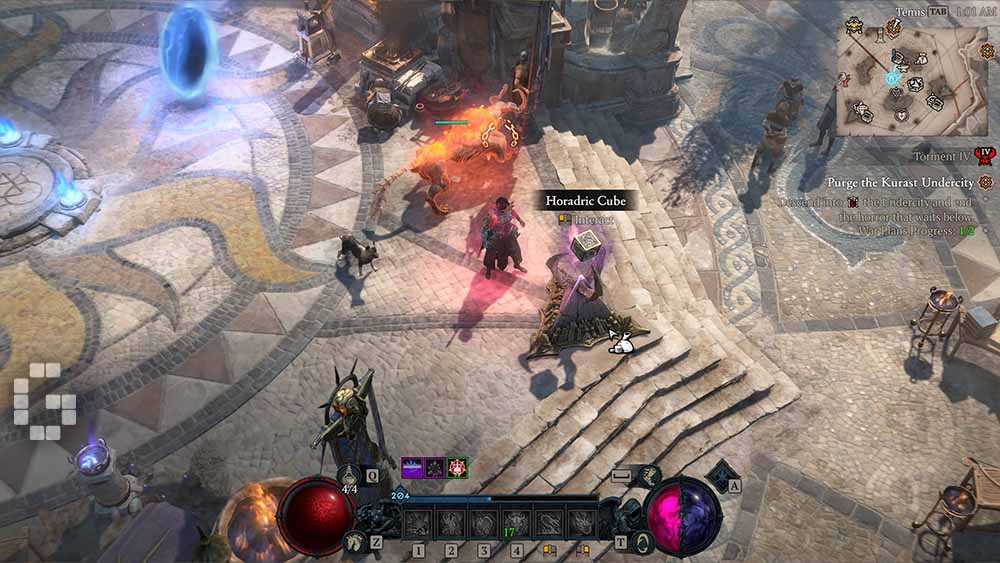
It is unlocked near the end of the campaign and becomes available in Temis, near the Waypoint, once the story is completed. Through a range of powerful recipes, players can upgrade existing gear, forge new items tailored to their build, and refine their loadout, making it an important tool for endgame progression and experimentation.
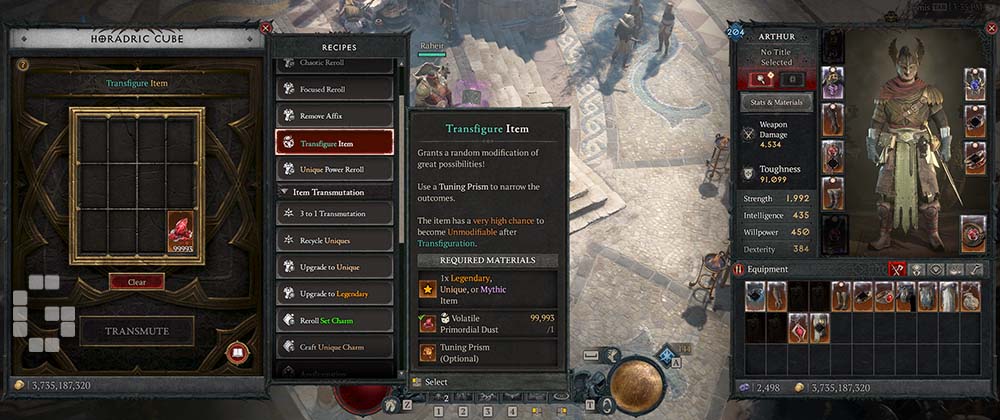
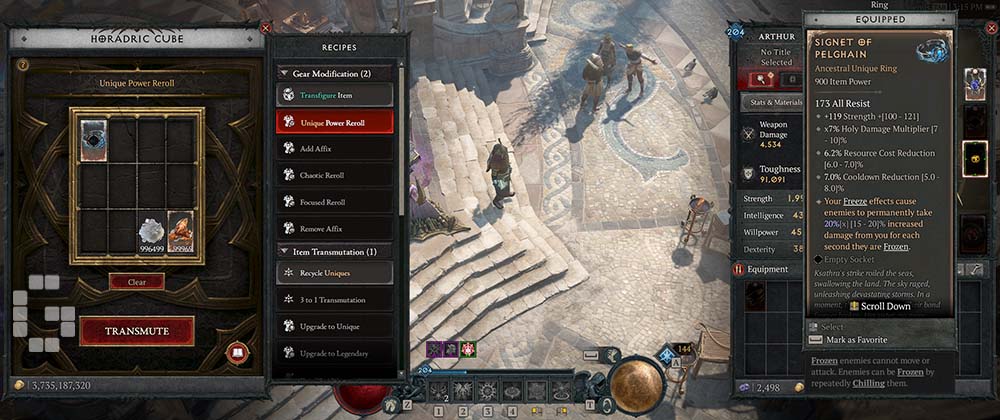
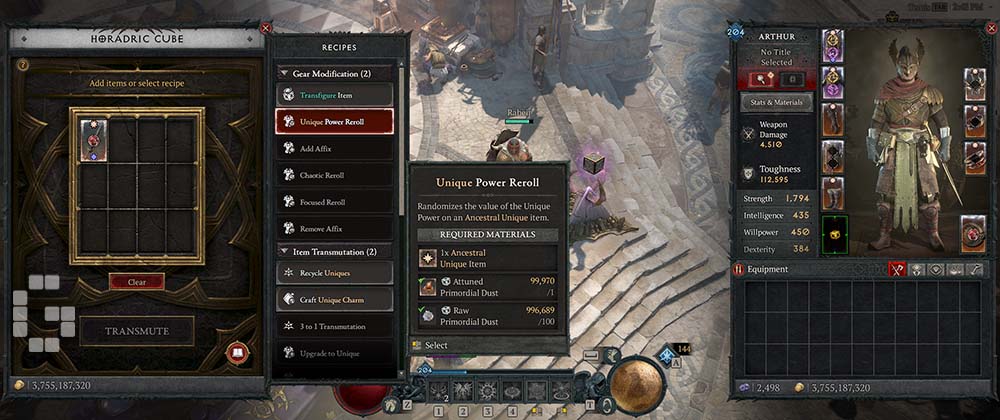
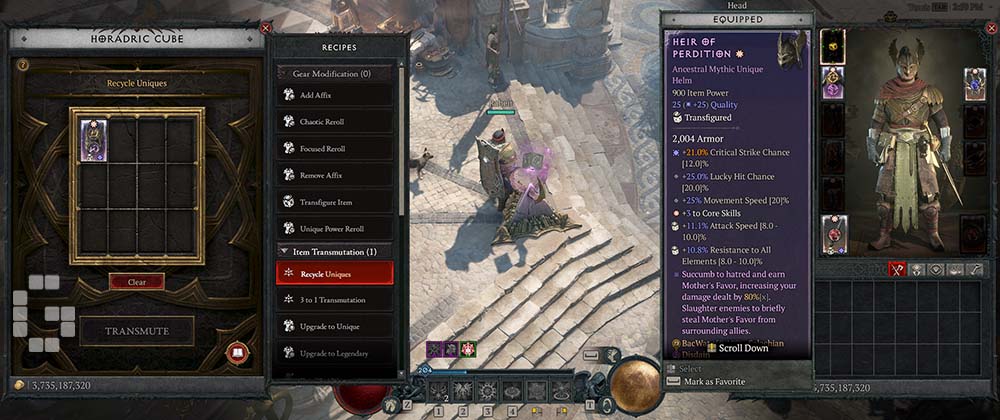
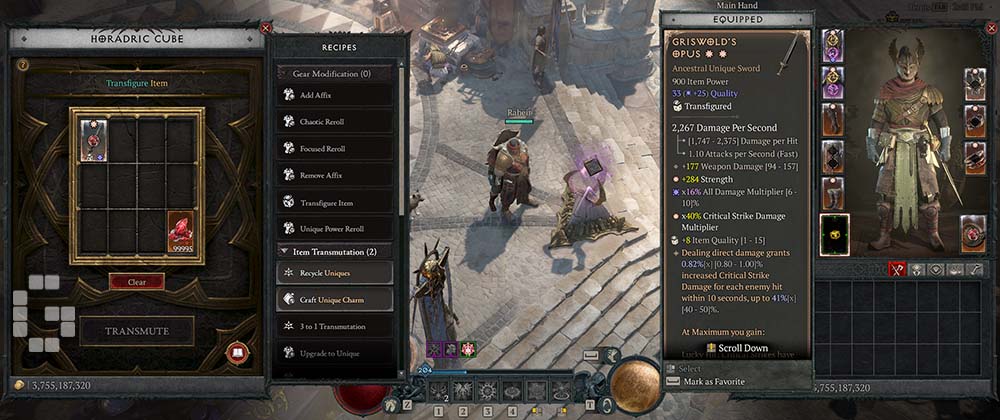
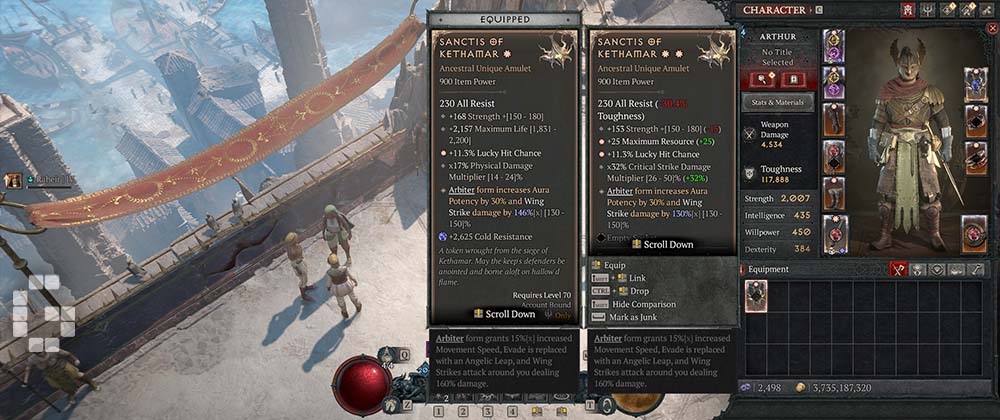
At the same time, itemisation has seen some noticeable changes. Unique items now roll with more random stats, but their Unique Powers can still be rerolled, giving players a bit more control. Legendary gear also allows stat rerolling, although it’s still heavily RNG-based.
Once you’ve finished setting up a build, there’s also the Transfigure system, which adds extra 2 affixes to Mythic Unique and 1 affix to Unique or Legendary items. The trade-off is that once you use it, the item is locked, you can’t make further changes, including Tempering and Masterworking. Others like upgrading to Legendary and Rune crafting also sit within the broader progression loop.
On top of that, some Mythic Unique powers have been reworked, and the Codex of Power has also been adjusted.
These changes come alongside concerns from players about the removal of some of the most powerful runes, and whether this pushes Runewords into a more limited, support-focused role. There are also ongoing questions about how the system will evolve moving forward.
Associate Director of Game Design Colin Finer addressed this by explaining that the team identified extreme outliers within the rune system — both underperforming and overpowered options — that were overly dominant and restricted build diversity.
He added that, alongside these balance changes, the Horadric Cube now makes it easier for players to target and acquire specific runes. In effect, the team is approaching the issue from both ends: refining the rune pool to encourage more diverse builds, while also improving player agency in obtaining the runes they need.
Looking ahead, runes remain an evolving system, especially with the Cube now reintroduced as a central part of the item ecosystem.
Charms & Talismans System
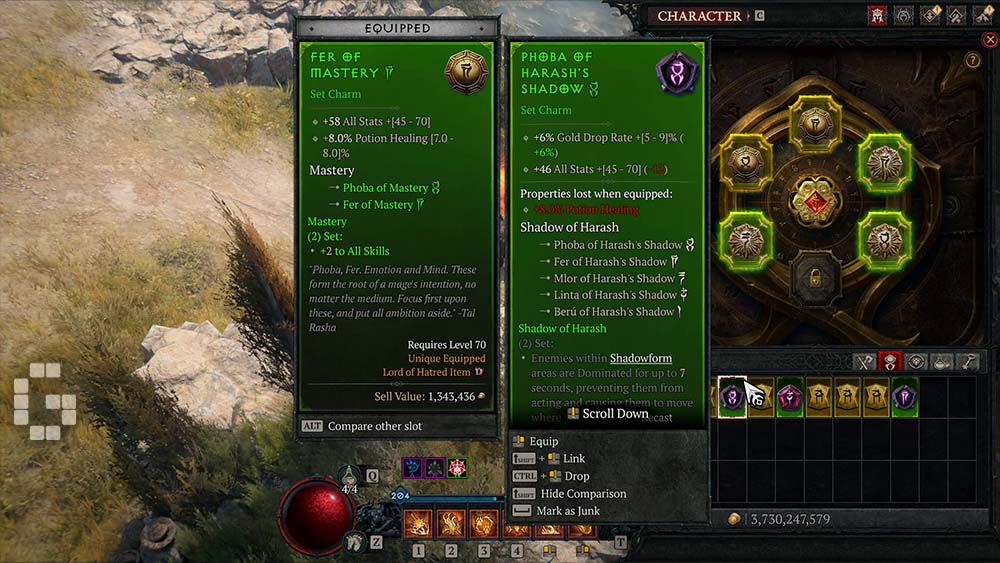
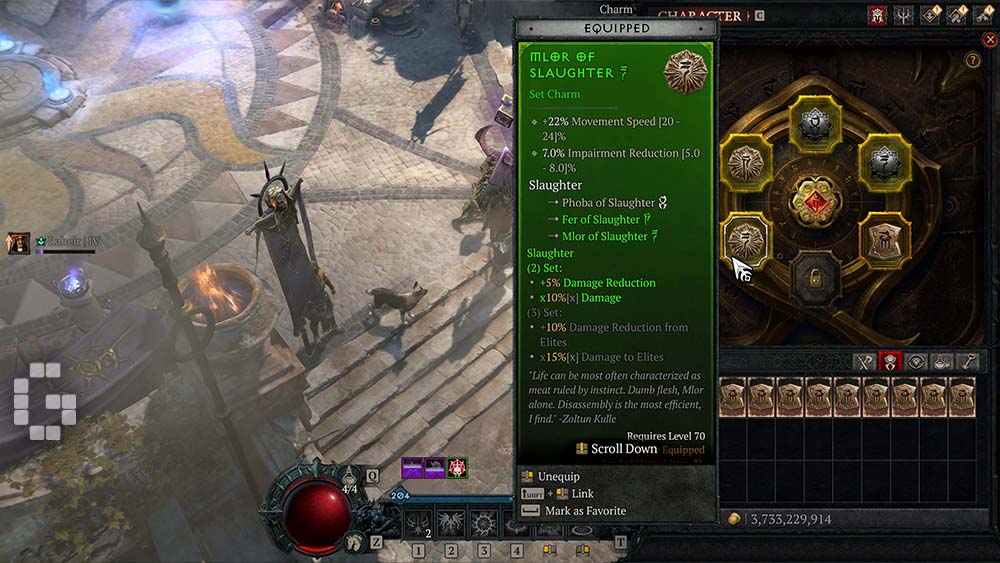
Charms can be socketed into Talismans to activate effects, with matching combinations unlocking set-like bonuses. This system allows build customization without occupying traditional equipment slots.
This is somewhat similar to Diablo 3’s set items, but it works differently and offers more flexibility. For example, if you want to farm gold, you can equip charms that boost your gold gains.
Echoing Hatred
A rare upgrade challenge activity triggered by special drops, featuring continuously evolving enemies, escalating difficulty, and dynamically increasing rewards, designed as a long-form endurance test for optimized builds.
You can roughly compare this to Diablo 3’s Greed Realm, but with a more robust activity system attached. This feature can only be accessed on Torment 1 or higher. The portal, Sightless Eye Disciple, leading to Echoing Hatred is located north of the Temis waypoint.
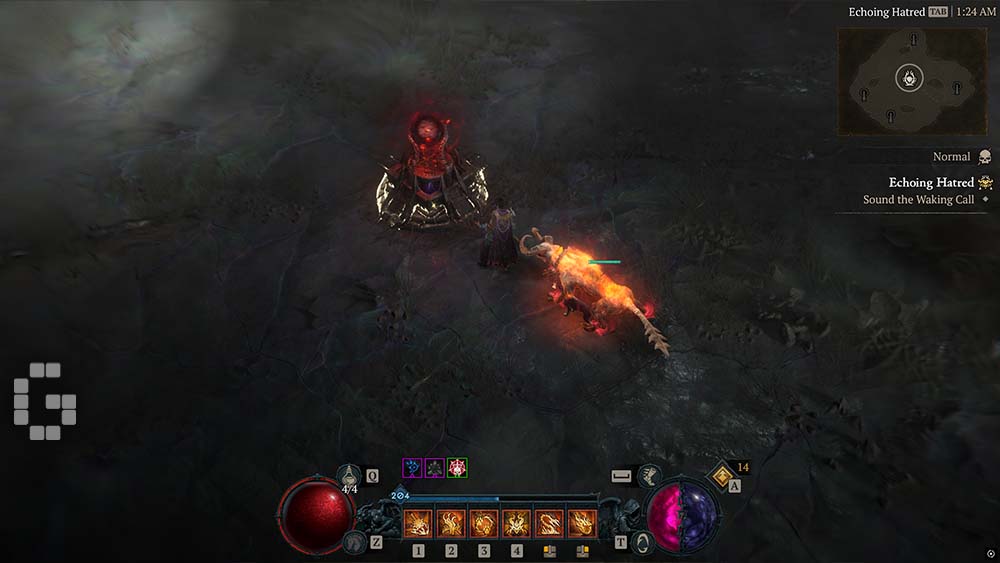
To enter, acquire the item Trace of Echoes, which drops from enemies in Skovos.
Loot Filter
A full loot filtering system is being added to the game, representing a major quality-of-life improvement that allows players to quickly sort and highlight desired items.
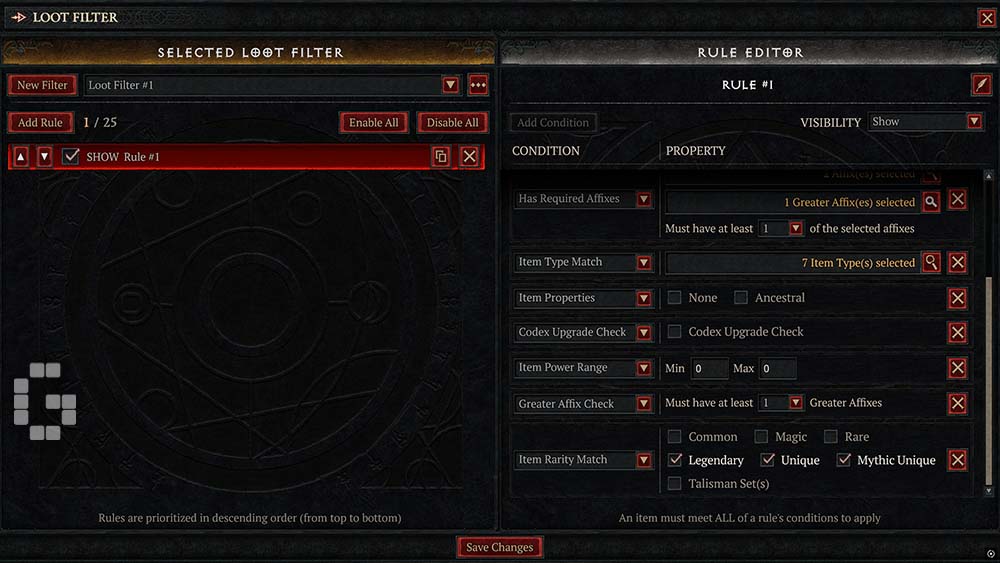
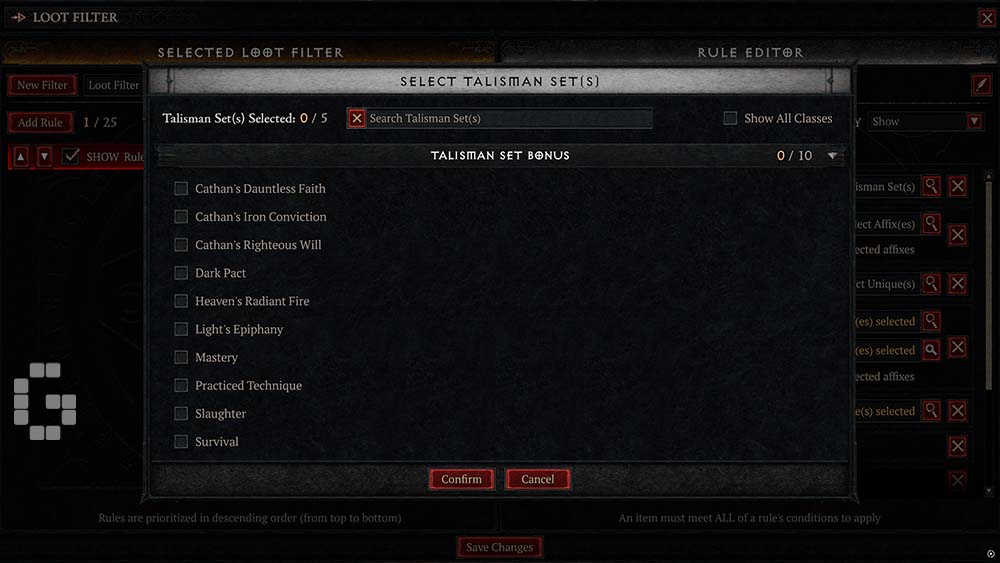
The extensive iteration across various systems throughout Diablo IV’s lifecycle was highlighted during the AMA session, alongside the question of whether Lord of Hatred represents the game at its best.
The team said they firmly believe Lord of Hatred is the best Diablo IV has ever been, describing it as the ultimate expression of the game.
They also noted that many of the features serve as a love letter to Diablo and its players, and that the update has been a significant labor of love. Internally, the team has been playing the game constantly, often getting immersed in the gameplay loop—grinding War Plans, using the map overlay for efficient navigation, and relying on the loot filter to highlight ultra endgame items.
Closing
Diablo IV: Lord of Hatred is a major overhaul that makes the game feel completely refreshed, bringing it closer to the kind of Diablo experience the players seem to be aiming for. The redesigned skill tree makes each class’s builds more flexible, so players aren’t forced into huge disadvantages just for choosing a different build.
But the downside is that stats which used to be easier to stack—such as critical strike chance from skill trees or gear itself—now need to be focused more heavily on gear. Instead of being supported through the skill tree, they now rely more on equipment, which means some compromises have to be made in item stats.
The story also feels like a clean, satisfying conclusion, without lingering loose ends. Overall, it feels like the best time for new players to jump in or for returning players to come back, as it takes the strongest parts of previous iterations and refines them into a more complete Diablo IV experience. With additions like War Plans, it also gives players clearer goals and a better sense of direction when it comes to the core “loot and grind” loop.
The ending of Lord of Hatred carries a stronger sense of finality compared to Diablo IV and Vessel of Hatred. When asked whether this marks the conclusion of the “Age of Hatred” arc and if future expansions will shift focus to new threats, Associate Production Director Barry Morales responded that “finality” in Diablo is often a debated concept, as the series has revisited major antagonists, including the Prime Evils, multiple times.
He clarified that this arc is being treated as the end of the Age of Hatred and the culmination of the player’s journey with Mephisto, from confronting his herald in wolf form in Vessel of Hatred to facing Mephisto directly in Lord of Hatred. He added that the team is pleased with how this narrative progression has come together.
As for what comes next, Morales stated that the focus is currently on Lord of Hatred, especially with the 30th Anniversary and BlizzCon approaching.




The Review
PROS
- The story reaches a clean, satisfying conclusion with no loose ends, wrapping up the Age of Hatred arc
- Fully reworked skill trees offer much greater build flexibility, allowing deeper specialization within a single playstyle
- War Plans addresses the classic "what should I be doing?" problem, making the endgame more accessible for both new and returning players
- The Horadric Cube's return reduces reliance on pure RNG drops, giving players more control over their gear
- A full loot filter is a long-overdue quality-of-life win
CONS
- Stats like critical strike chance have been moved out of the skill tree and onto gear, forcing more compromises in item affixes
- Unique items now roll with more random stats, and while Unique Powers can be rerolled, overall RNG pressure remains significant