




![[EXCLUSIVE] Brendan Gan Delivers One of Malaysia’s Best-Ever Worlds Results, Shares Thoughts on Pressure and the Local Scene](https://cdn.gamerbraves.com/2026/08/Brendan-Gan_Interview_FI-360x180.jpg)






![[BIC2026] Hiroaki Nagashima from Toei Games Talks New IPs, Indie Roots, and Asia-First Strategy](https://cdn.gamerbraves.com/2026/08/Toei-Games-BIC-2026_Interview_FI-360x180.jpg)
![[BIC2026] From Outsider to Organizer: How Isabella Seo Jungsook Helped Build Busan’s Indie Game Scene through BIC](https://cdn.gamerbraves.com/2026/08/Isabella-BIC-2026_Interview_FI-360x180.jpg)
![[BIC2026] CanOpener’s Logan Moon Opens Up About Dungeon Settlers Ahead of Its September Early Access Launch](https://cdn.gamerbraves.com/2026/08/Logan-Moon-BIC-2026_Interview_FI-360x180.jpg)


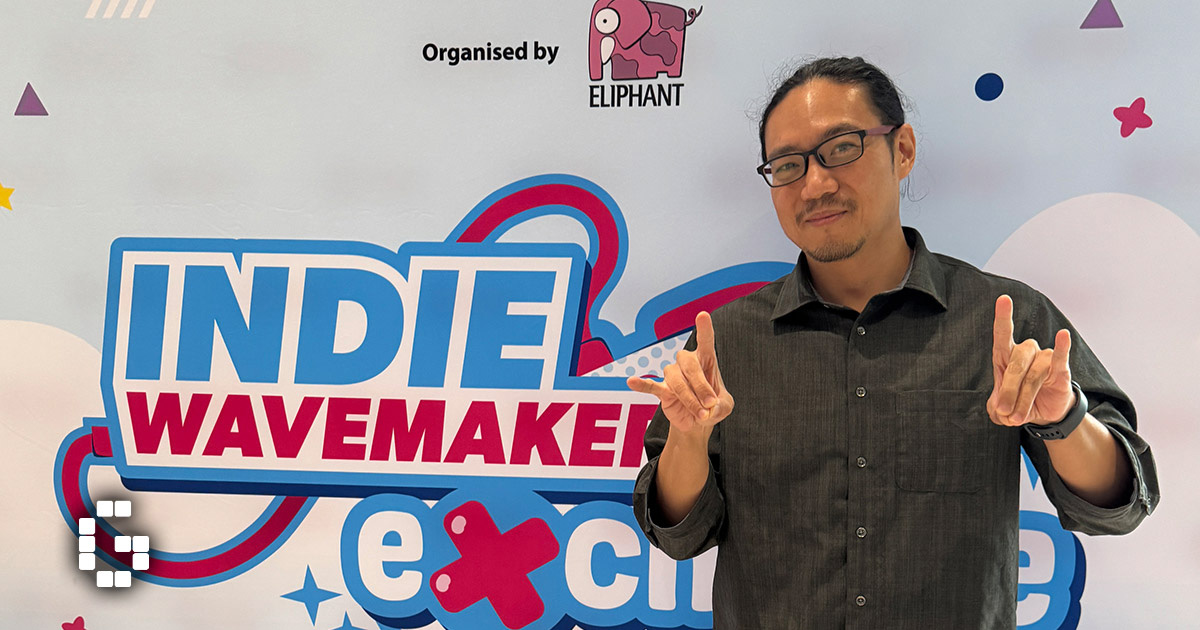
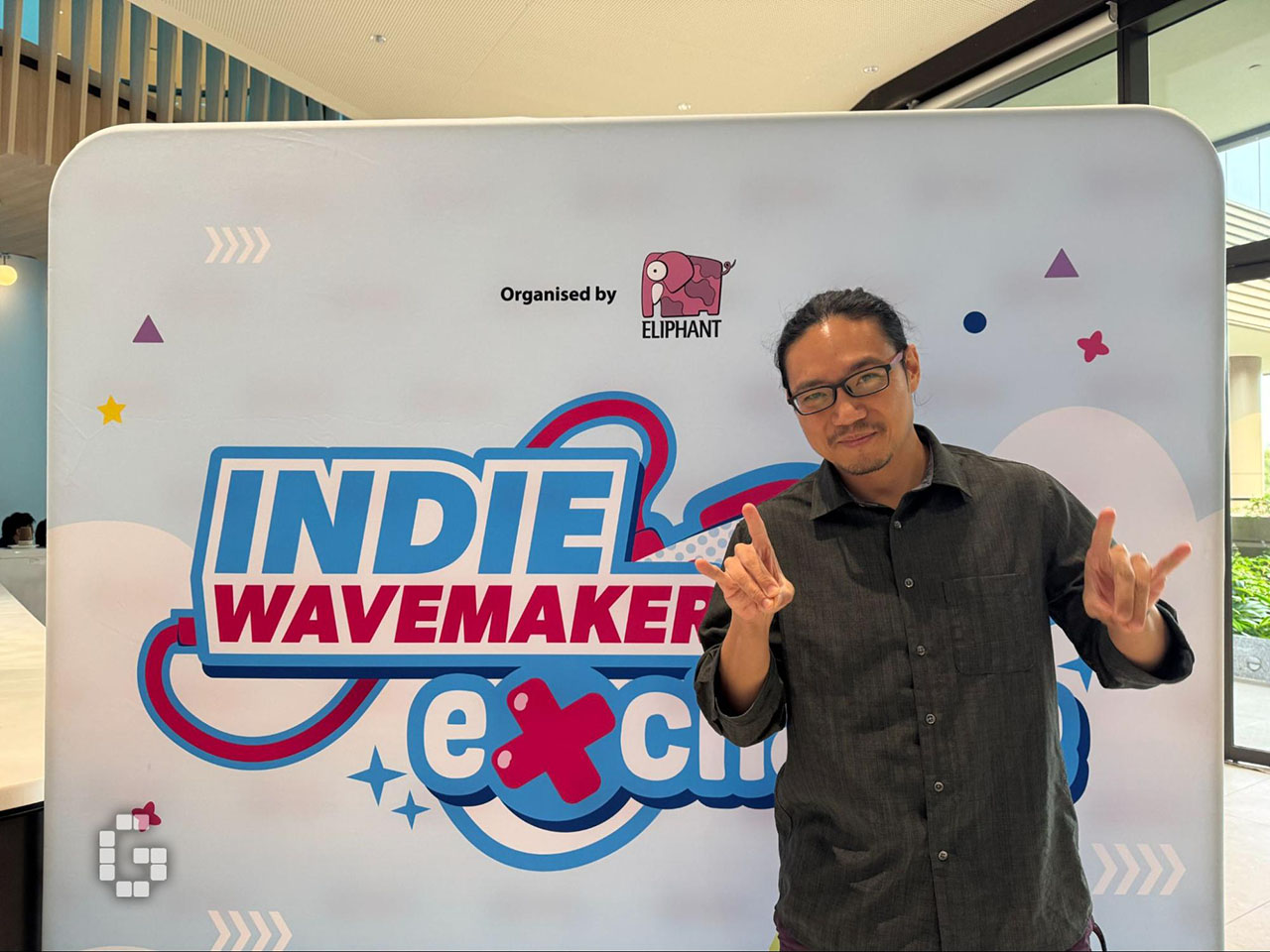
Getting a seat across from someone who has worked on PlayStation All-Stars, Final Fantasy XV Pocket Edition, and Silent Hill F doesn’t happen every day. At this year’s Indie Wavemakers Exchange, we managed to sit down with Al Yang, Studio Creative Director at NeoBards Entertainment, for an exclusive conversation about his winding path through the games industry and where he thinks the business is heading next. Yang was also part of a portfolio review session at the event alongside Teo Kah Hui, Portfolio Director at Keywords Studios, giving attendees a rare chance to get direct feedback from industry veterans.
Yang’s career reads like a tour of the global games industry. Before landing at NeoBards, he passed through Sierra On-Line, Square Enix, Blizzard, THQ, Sony SuperBot, and Bigpoint, picking up roles that ranged from sound engineering to character design to creative direction.
A Career That Started With Sound
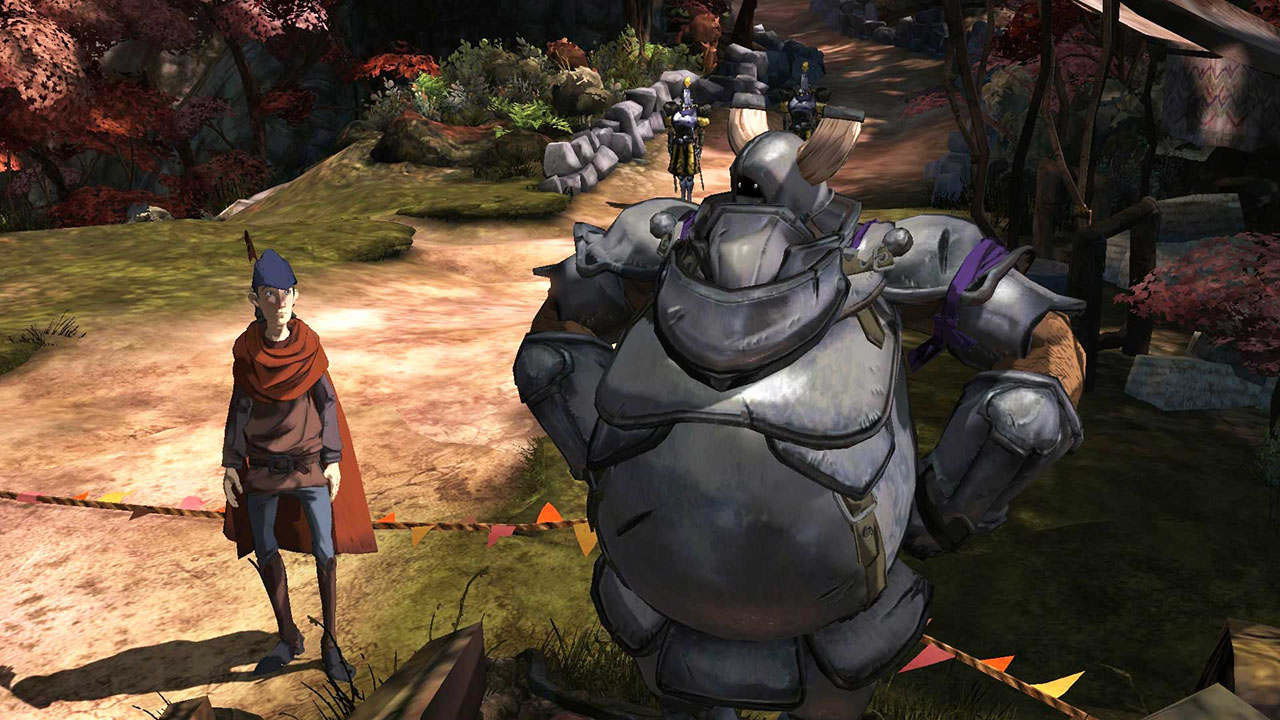
Yang didn’t start out chasing a design career. He studied music in university and began his working life as a sound engineer in Taiwan before shifting into design at Sierra On-Line, the studio behind King’s Quest.
“I have a music degree for my university before going to design at Sierra On-Line,” Yang shared. That studio, once part of Vivendi, was shut down when Vivendi sold its games studios to Activision, part of the larger Activision Blizzard merger. Titles like FEAR, King’s Quest, and Aces of the Galaxy came out of that studio before it disappeared.
From there, Yang moved through quality assurance roles at Square Enix and Blizzard in California, then to THQ’s online division in China. That eventually opened the door to a role at Sony SuperBot in Los Angeles, where he worked on PlayStation All-Stars.
Designing Characters for PlayStation All-Stars
Yang served as a senior character designer on PlayStation All-Stars, an arena fighting game built around characters pulled from across PlayStation’s history. He worked directly on Isaac from Dead Space and Sackboy from LittleBigPlanet, while also contributing to characters like Dante, Raiden, and Nathan Drake.
What stood out most for Yang was the range of studios and people he got to work with during development. “You might have a meeting with Kojima one day, and then the next day you’d be talking to the people at Media Molecule, and then you’d be talking to Santa Monica the day after that,” he said. “So it was really interesting just being able to work with a lot of different IPs. Super fun.”
Bringing Final Fantasy XV to Mobile
After four years in Germany working on the online PvP game Shards of War at Bigpoint, Yang got a call that brought him to Taiwan to work on Final Fantasy XV Pocket Edition, a condensed mobile version of the mainline game.
“They’re like, well, Final Fantasy. I’m like, when do I start?” Yang recalled about the offer. The goal behind Pocket Edition, he explained, was to let players experience the world and story of Final Fantasy XV without needing to commit to the full 80-hour experience.
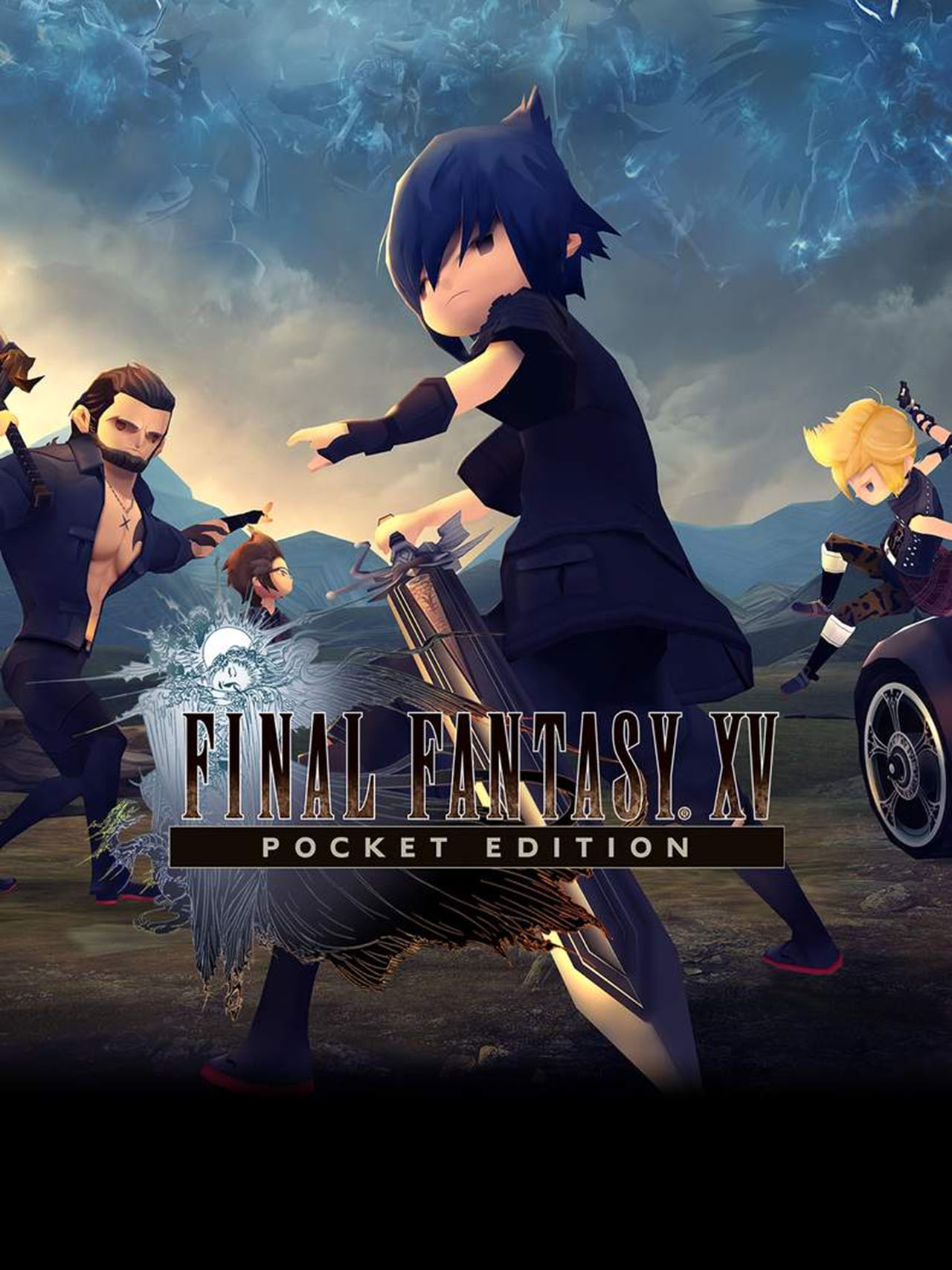
While director Hajime Tabata was involved with the project, Yang noted they didn’t work closely together. Interestingly, the same studio, XPEC, was also developing story DLC for Final Fantasy XV at the time, including Episode Ignis, Gladio, and Prompto, all being worked on in the room next door.
Watching Platforms and Player Habits Shift
Asked about how gaming platforms have changed over the years, Yang pointed to moments like the launch of the App Store on the iPhone 3G and the rise of Steam as turning points that reshaped how games reach players.
“At this moment, I think delivery systems… are all very mature right now,” Yang said. He believes the bigger shifts today are happening in how content is consumed and what players expect for their money, rather than in the platforms themselves.
He also pointed out how perceptions of mobile games have changed. Where console games were once seen as the higher quality option, some mobile titles now rival or outshine traditional releases, though building them at that level of quality comes at a steep cost. This is part of why he’s seeing some studios in places like Korea pivot back toward smaller, indie-style projects instead of chasing massive live service titles from the start.
Life at NeoBards: Full Development and Remasters
Yang joined NeoBards Entertainment about nine years ago. The studio operates across two main areas: full game development and co-development, and ports or remasters of existing titles.
On the full development side, NeoBards has worked on Resident Evil Resistance, Silent Hill F, and Dynasty Warriors M. On the remaster and port side, the studio has handled titles like the Onimusha and Devil May Cry Collections, Dead Rising Deluxe Remaster, and Mega Man EXE Collection.

What Goes Into a Remaster
Remastering older games isn’t a one-size-fits-all process, according to Yang. It depends heavily on the company involved and the scope of the project, and even the terminology gets blurry. “Is this a remaster? Is this a remake?” he asked, noting that reboots add another layer of ambiguity.
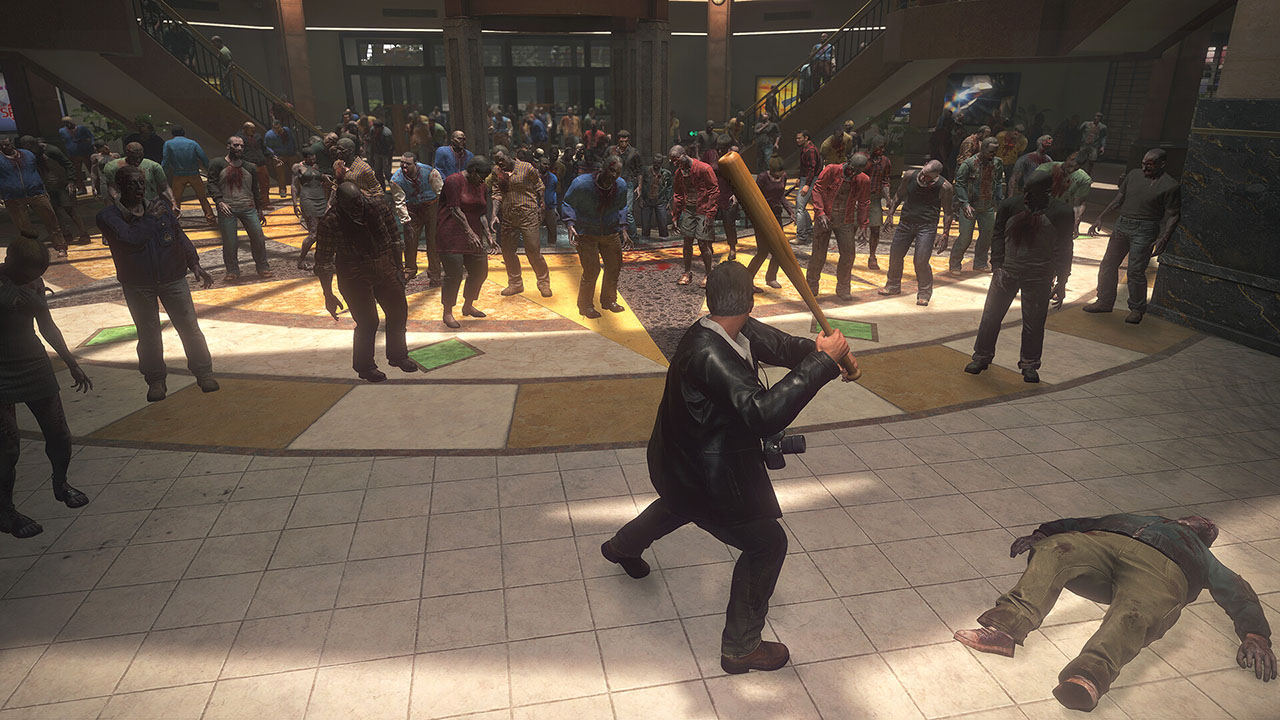
Most remaster work focuses on quality of life improvements. For Dead Rising Deluxe Remaster, built in RE Engine, the team added features like an auto-save option that wasn’t in the original, along with small structural changes such as adding stairs to a rooftop area where survivors used to get stuck while climbing.
Mega Man EXE Collection came with its own unique challenge, since some DLC had only ever been available in Japan through physical retail. “There was a virtual kind of YouTuber Mega Man that was added into there to kind of talk to you, react to you,” Yang shared, describing one of the additions made for the collection.
For the Resident Evil 7 HD remaster, moving the game from PS4 to PS5, the team looked at long-requested player feedback, such as the ability to skip cutscenes, something not possible in the original release. Still, Yang said the priority in most remasters is preserving the core experience while easing pain points players had with the original.
A Tough Moment for the Games Industry
Turning to the state of the industry in 2026, Yang didn’t sugarcoat his view. “I think we’re in a pretty bad spot,” he said.
He traced part of the problem back to the COVID era, when a wave of investment came into gaming from sources outside the traditional industry, paired with heavy consolidation as large companies acquired one another. Now, he said, the industry is seeing the other side of that cycle, with divestment and layoffs becoming more common.
At the same time, games are getting more expensive to make, a trend Yang said applies not just to traditional AAA titles but also to top-tier mobile games from companies like HoYoverse. This is part of why more studios are looking at smaller, indie-scale projects as a way to build a new IP without the enormous upfront risk of a big-budget release.
Chasing Trends and the Difficulty of Predicting Hits
When asked how a studio actually builds a successful IP, Yang was candid that there’s no reliable formula. Indie studios, he said, often just build what they personally find interesting, while larger companies, particularly big Chinese mobile game studios, tend to look for gaps in the market they can fill.
But chasing trends comes with risk. Yang pointed out that once a genre becomes hot, like extraction shooters currently are, the market saturates quickly, making it hard for any one game to stand out. He noted this isn’t new, citing past waves of copycats following League of Legends, Final Fantasy VII, and Street Fighter II.
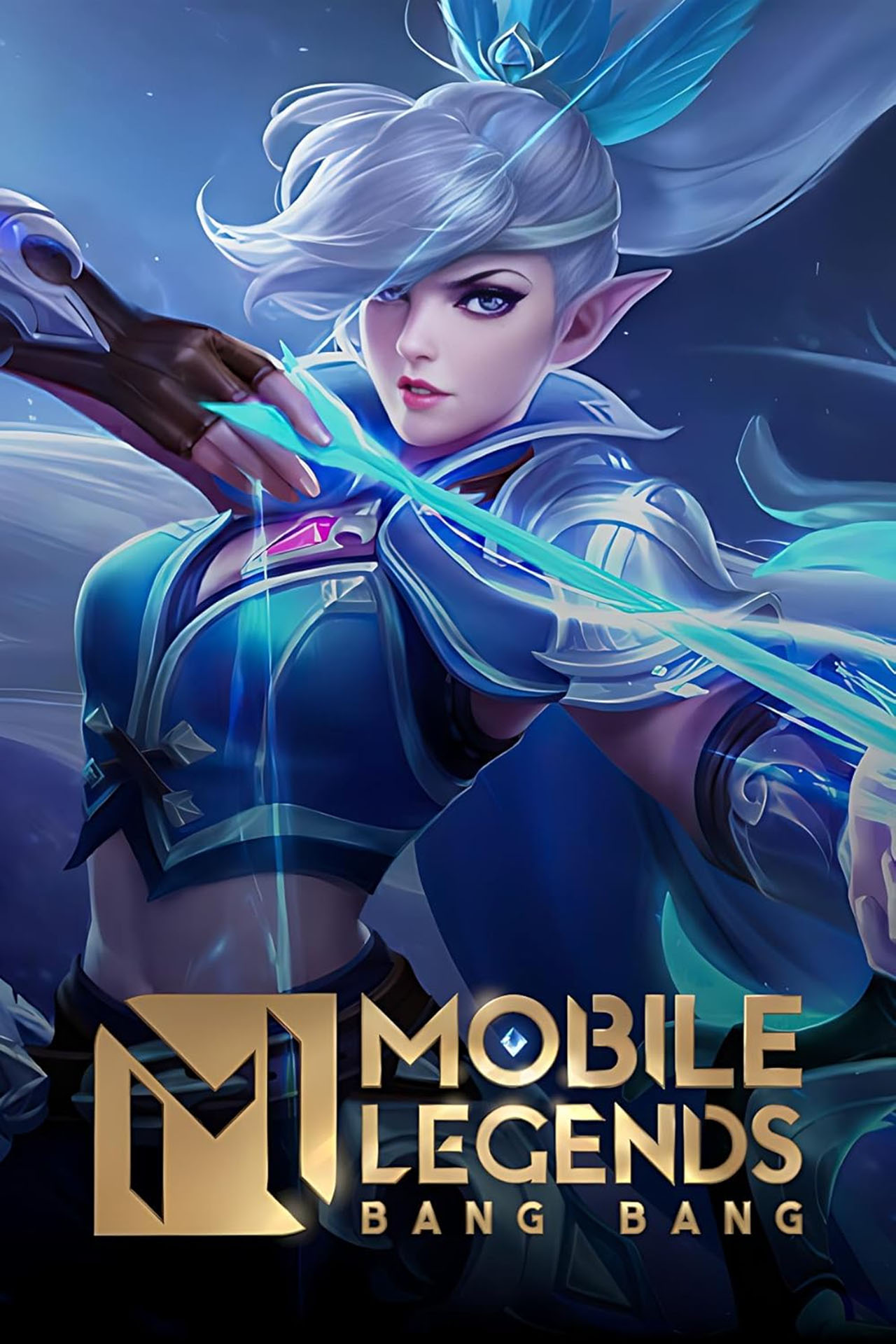
Yang also pointed to timing and platform choice as major factors. Mobile Legends: Bang Bang, for example, succeeded in part because it was early to mobile in Southeast Asia, not necessarily because it was the most polished game available.
Even so, Yang was clear that predicting what will actually catch on is largely guesswork. He brought up Among Us as an example, a game that existed for years before suddenly becoming a hit with streamers. “So did it get better over two years? I don’t think so,” he said. “It’s one of those things where part of it is you just build something interesting, but a lot of it is luck.”
What Makes a Game Worth Playing
For Yang personally, what makes a game interesting usually comes down to strong core mechanics and a compelling setting, shaped by his own background as a game designer.
On the topic of rising game prices, Yang explained that expectations have shifted alongside inflation. Games like Elden Ring, priced similarly to much smaller titles, pack in an enormous amount of content, which has raised the bar for what players expect at a given price point.
He compared the situation to choosing between quantity and quality in a meal. Some players want as much content as possible, while others prefer a smaller, more polished experience, and neither preference is wrong. As Yang put it, gaming has become so mainstream that liking games in general doesn’t mean much anymore. “It’s more like everybody watches movies,” he said, adding that what matters now is which specific kind of gaming experience someone enjoys.
Advice for Indie Developers
Asked what advice he’d give to indie developers trying to break into a crowded market, Yang stressed the importance of standing out, particularly through setting or visual style, since players scroll past thousands of games on platforms like Steam every day.
He also emphasized authenticity over chasing trends purely for commercial reasons. “Stay true to what you like. Build what you love, because I think players can feel if something feels very commercialized, or something feels like it’s a labor of love kind of deal,” Yang said. At the same time, he noted that developers still need to think commercially early on, since something as simple as key art on a store page can determine whether a player stops to look at all.