



![[EXCLUSIVE] Brendan Gan Delivers One of Malaysia’s Best-Ever Worlds Results, Shares Thoughts on Pressure and the Local Scene](https://cdn.gamerbraves.com/2026/08/Brendan-Gan_Interview_FI-360x180.jpg)






![[BIC2026] Hiroaki Nagashima from Toei Games Talks New IPs, Indie Roots, and Asia-First Strategy](https://cdn.gamerbraves.com/2026/08/Toei-Games-BIC-2026_Interview_FI-360x180.jpg)
![[BIC2026] From Outsider to Organizer: How Isabella Seo Jungsook Helped Build Busan’s Indie Game Scene through BIC](https://cdn.gamerbraves.com/2026/08/Isabella-BIC-2026_Interview_FI-360x180.jpg)
![[BIC2026] CanOpener’s Logan Moon Opens Up About Dungeon Settlers Ahead of Its September Early Access Launch](https://cdn.gamerbraves.com/2026/08/Logan-Moon-BIC-2026_Interview_FI-360x180.jpg)


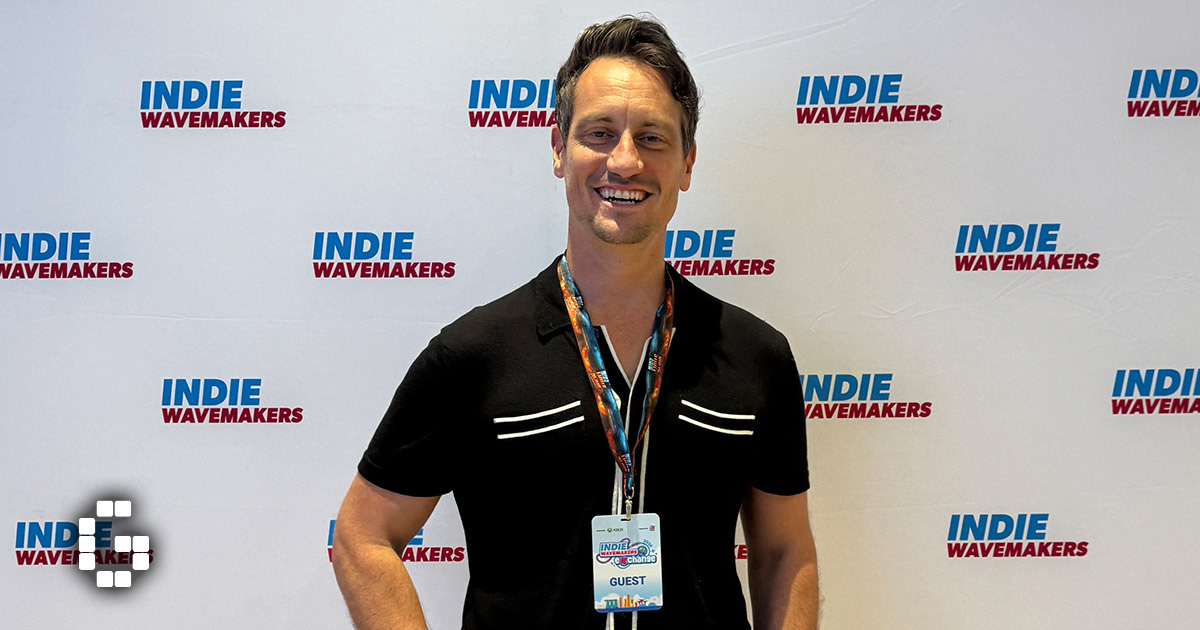
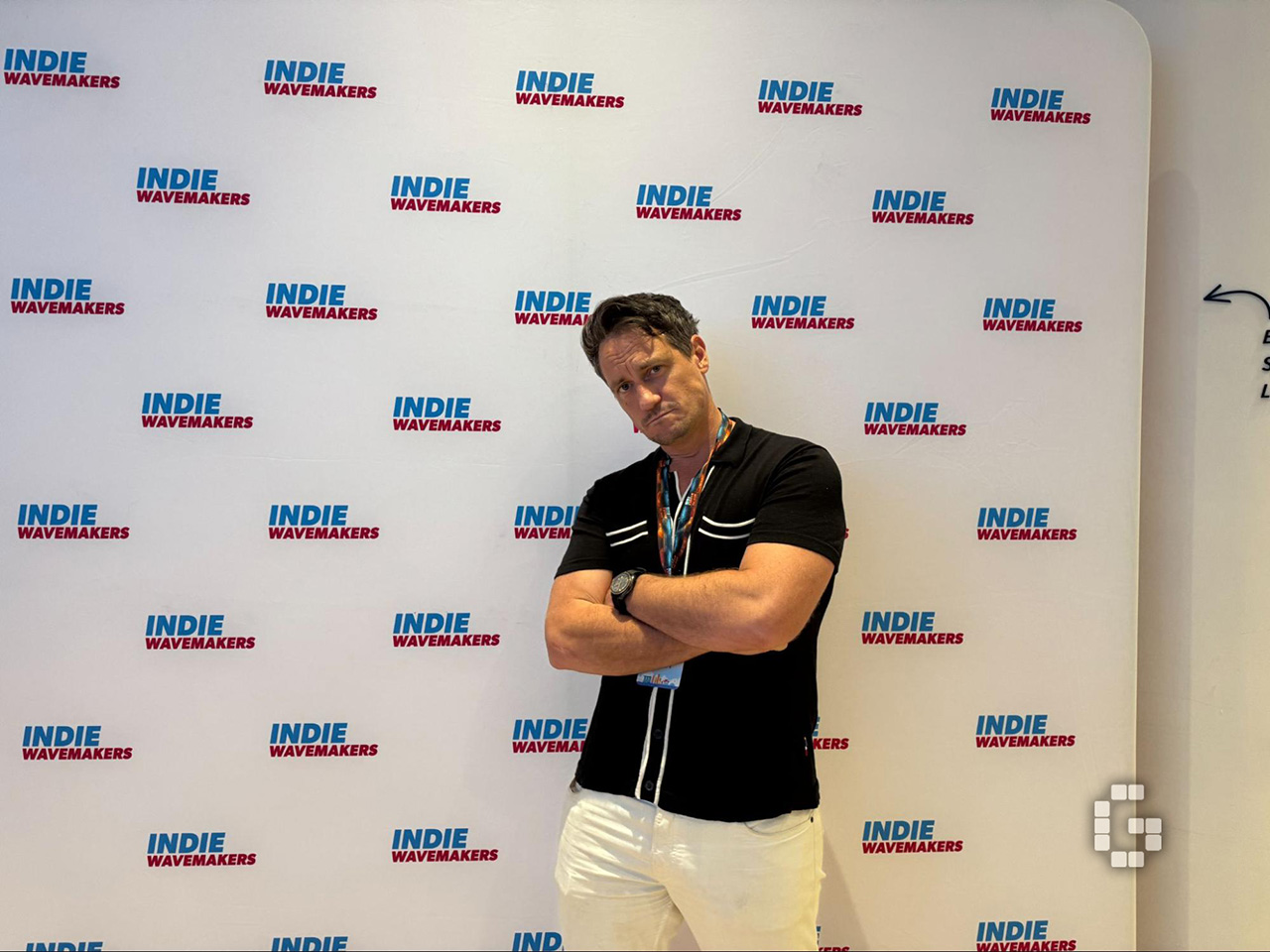
Jay Armstrong is the co-founder of Massive Monster, the studio behind Cult of the Lamb, one of the most talked about indie games of the past few years. He spoke with us in an exclusive interview during the Indie Wavemakers Exchange, shortly after taking part in a Q&A session at the event. In the conversation, Jay talked about his path into game development, why Massive Monster chose consoles over mobile, what he believes made Cult of the Lamb so successful, and what he thinks it takes for an indie developer to succeed today.
Discover the stories and lessons behind the success and pitfalls of the making of Cult of the Lamb 🐑
Join @JayMaxArmstrong, Co-Founder & Developer of @MassiveMonster, for a Q&A session that will focus on the full journey behind the massive hit, Cult of the Lamb. pic.twitter.com/OsbcF4ldEG
— Indie Wavemakers (@indiewavemakers) June 19, 2026
From Flash Games to Founding Massive Monster
Jay never studied game development formally. His background was in music and drawing, and it was a program called Flash that let him bring those two skills together. “I discovered there was a big, thriving Flash game scene, and I thought, wouldn’t it be cool to make one of those,” he said. He taught himself to code by staying up late reading about programming, made a game, and got it sponsored, which was common practice for Flash games at the time.
While still finishing university, he kept making games, one after another, until it started to feel like a real career. It was during this period that he met his future co-founders. One of them he found through a simple forum post asking who wanted to make a game. Together they made Super Adventure Pals, which didn’t sell particularly well but became a project the team loved, and it later formed the basis of their first console release.
The third co-founder, known as Jimp, was someone Jay had admired from a distance before they even met. They were introduced at a conference mixer, where a fan of Jay’s game turned out to be Jimp himself. “I love Super Adventure Pals,” Jimp told him. They hit it off right away. Massive Monster was founded in 2014, and this October will mark almost twelve years since the studio began.
Choosing Consoles Over Mobile
When Flash was dropped from mobile platforms, it upended the industry almost overnight. Jay recalled how their income for a single game commission dropped from around $20,000 to $4,000 in the space of a month, forcing quick decisions just to keep paying rent.
Faced with a choice between mobile and console development, the team chose console and PC because it matched the kind of games they wanted to make. “We were drawn to longer form, story driven adventure games, not the quick, puzzle-y, addictive loop that works well on mobile,” Jay explained. He noted that some of their peers from the Flash days, such as the team behind Fruit Ninja, found success on mobile, but he also observed that the mobile space was shifting toward free to play and gacha style mechanics, which made things harder for small independent teams. Looking back, he said he is glad Massive Monster went the direction it did, since console and PC offered the bigger scope and ambition the team wanted.
What Made Cult of the Lamb So Successful
Cult of the Lamb has, by a wide margin, become the studio’s biggest project. Jay admitted that combined, every other game Massive Monster has ever made still doesn’t add up to what Cult of the Lamb achieved, and that the scale of its success caught the team by surprise.
He pointed to a few reasons behind that success. The first was clarity of concept. “The player fantasy is crystal clear. Start a cult, everyone gets it immediately,” he said. The game wasn’t always framed this way. Early versions had players as a lost god riding a flying whale, a pitch that tended to lose people’s interest quickly. Once the idea shifted to building a cult, people understood it instantly. The team even researched actual checklists on how cults form, covering things like having a charismatic leader, rituals, and followers, and made sure the game reflected each of those elements.
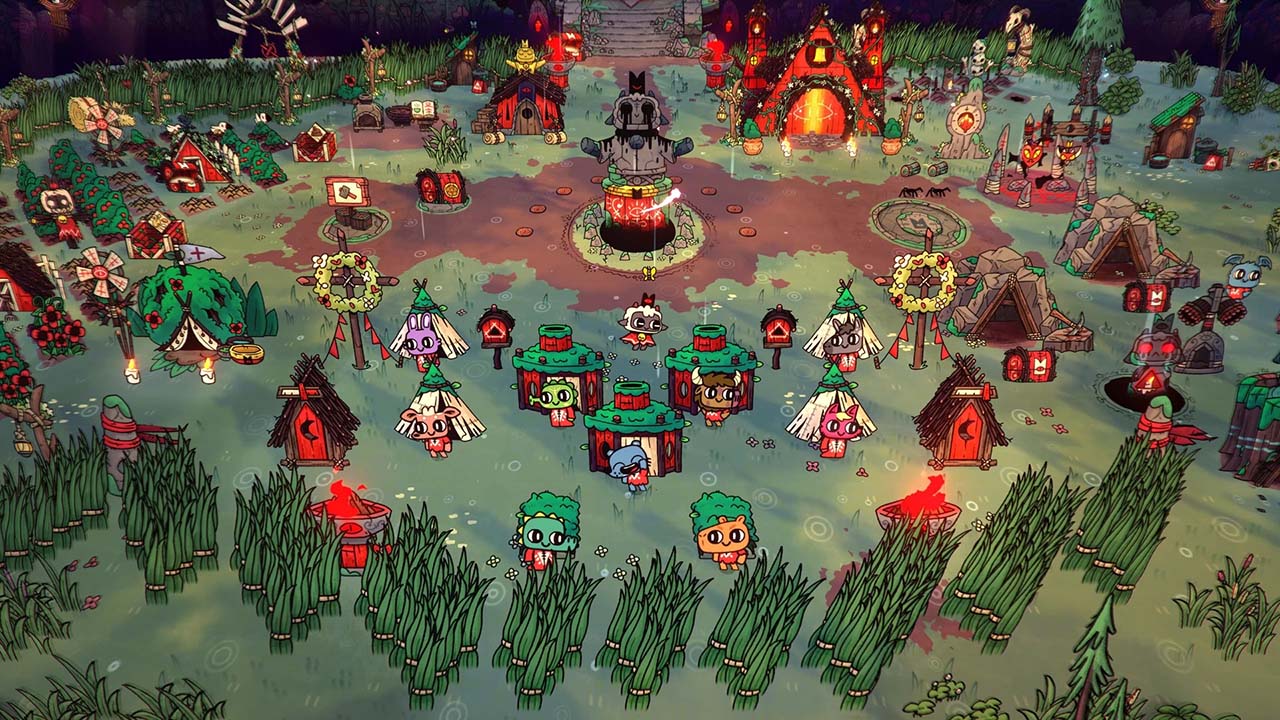
The second factor was the game’s visual style, blending cute and creepy in a way that gave it broad appeal. Older players were drawn to the darker themes, while younger players responded to the charm of the art style. Jay pointed out that the game’s soft, cute look allowed it to explore surprisingly dark material, such as feeding one follower’s meat to another, without it feeling gruesome. “That contrast is a big part of what makes it work,” he said.
Updates, DLC, and Keeping Players Engaged
After launch, Massive Monster rolled out three major free updates, each paired with a small five dollar cosmetic pack offering costumes for in-game followers. Jay said this approach let players support the studio if they wanted to, without locking meaningful content behind a paywall.
One of the updates introduced local co-op, which he described as a major factor in keeping the game alive, since it opened the experience up to couples and siblings playing together. More recently, the studio released a full paid expansion, adding several more hours of gameplay along with a new story and new dungeons. Jay said this has been an effective way of bringing players back to the game. While he couldn’t share specifics on what comes next, he confirmed the team isn’t finished with the Cult of the Lamb world and still has more stories they want to tell.
Monster Fund: Supporting Other Indie Developers
Beyond making games, Massive Monster also runs Monster Fund, a program built from the studio’s own experience of struggling before Cult of the Lamb found success. “We know how hard it can be to keep going when you’re running low on resources,” Jay said. The fund offers both financial support and mentorship to other indie developers, including weekly calls, advice on game design, and access to the contacts and lessons the studio has built up over the years.
The structure of support varies from project to project, sometimes involving an equity stake, sometimes a loan, and sometimes neither. Jay’s co-founder Julian is also setting up a physical workspace in Melbourne where funded developers can work alongside each other, with a free desk included as part of the support package. As Jay put it, the goal is simply “giving back to the community that helped us along the way.”
On Publishers and What Makes a Good One
Jay spoke openly about the value of Massive Monster’s partnership with publisher Devolver Digital, saying the association gave the studio instant credibility when Cult of the Lamb was first announced. He described Devolver’s approach as one where the studio focuses purely on making the game while the publisher handles porting relationships, marketing, and other surrounding logistics.
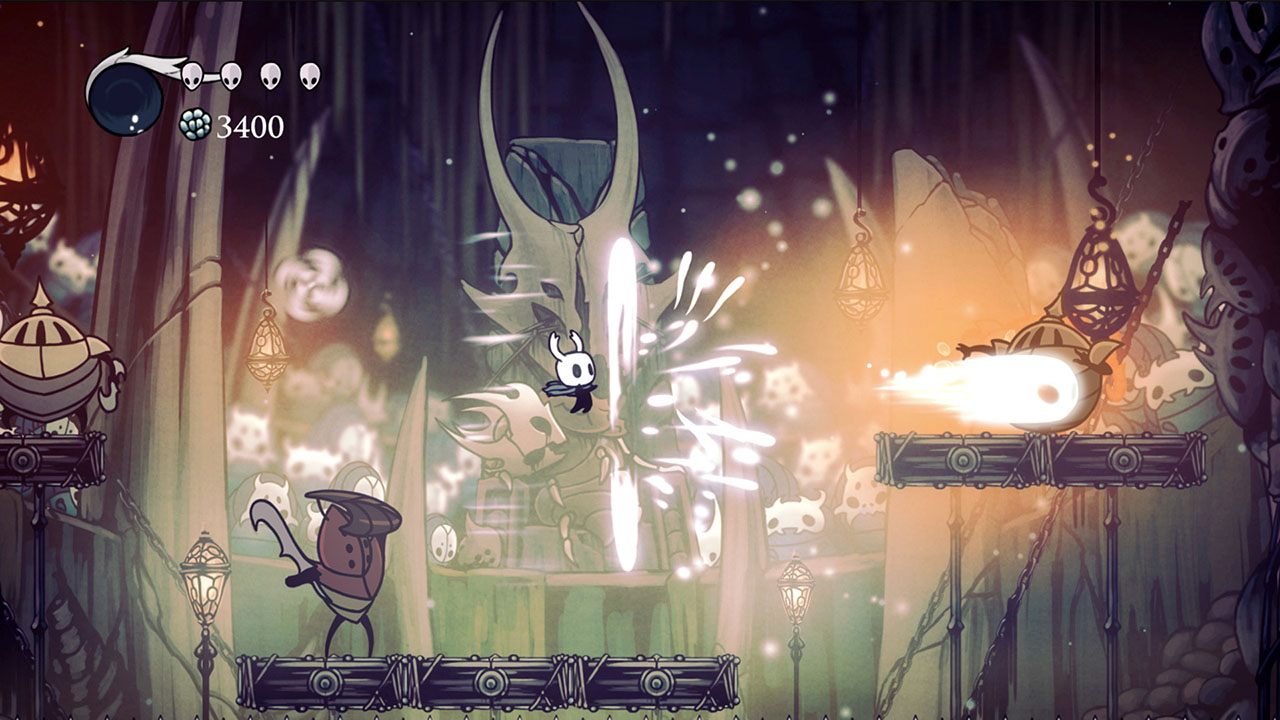
At the same time, he acknowledged that publishing deals aren’t necessary for everyone, pointing to Team Cherry’s Hollow Knight as an example of a major indie success built without a publisher.
Jay also shared a story about a contract he was once offered for a different project, one with fine print stating that missing a milestone would mean losing the game’s intellectual property, with the studio then charged to hire someone else to finish it. “That’s daylight robbery, and it’s targeted at developers who are desperate and don’t have the leverage to push back,” he said, noting that his team walked away from that deal. In his view, a good publisher genuinely has a stake in a developer’s success, offering guidance based on real experience rather than simply chasing trends. His advice to other developers considering a publisher was to look closely at their track record and talk to other studios they’ve worked with.
Advice for Indie Developers Starting Out
Asked what it takes to succeed as an indie developer today, Jay said it’s difficult to give one universal answer, since he has spent the last four years focused entirely on a single game. Still, he offered a few guiding questions for developers choosing what to work on.
The first is whether the game has a clear one line pitch that people can immediately understand. The second is why the game needs to exist at all, and what gap it fills that other games don’t. The third, which he described as the most important, is why the developer themselves is the right person to make it. “That question makes it personal,” he said. “And when it’s personal, there’s an element of truth to it. And truth gives your game depth.”
He also stressed the importance of building a strong team, since no one can do it alone, and staying adaptable to how players discover games, noting that short form content has become a major factor in reaching audiences in a way it wasn’t when Cult of the Lamb was first being developed.