

![[EXCLUSIVE] Brendan Gan Delivers One of Malaysia’s Best-Ever Worlds Results, Shares Thoughts on Pressure and the Local Scene](https://cdn.gamerbraves.com/2026/08/Brendan-Gan_Interview_FI-360x180.jpg)




![[BIC2026] Hiroaki Nagashima from Toei Games Talks New IPs, Indie Roots, and Asia-First Strategy](https://cdn.gamerbraves.com/2026/08/Toei-Games-BIC-2026_Interview_FI-360x180.jpg)
![[BIC2026] From Outsider to Organizer: How Isabella Seo Jungsook Helped Build Busan’s Indie Game Scene through BIC](https://cdn.gamerbraves.com/2026/08/Isabella-BIC-2026_Interview_FI-360x180.jpg)
![[BIC2026] CanOpener’s Logan Moon Opens Up About Dungeon Settlers Ahead of Its September Early Access Launch](https://cdn.gamerbraves.com/2026/08/Logan-Moon-BIC-2026_Interview_FI-360x180.jpg)


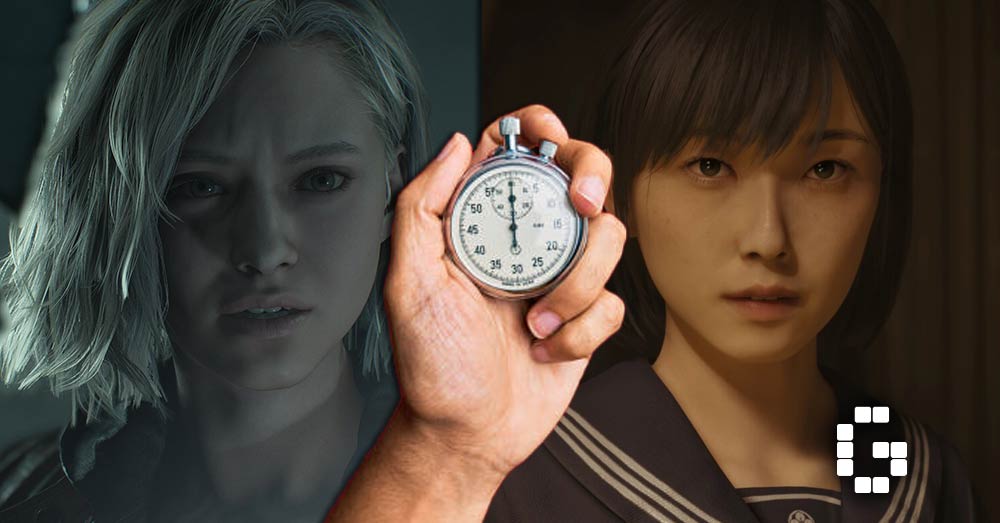
You just finished a game. The credits roll, you put the controller down, and the first thing you do is check how long you played. Maybe it was 6 hours, maybe 8. And somewhere in the back of your head, a number pops up with how much you paid for it and you start doing the math.
This is a conversation that keeps coming back, and recent titles like Silent Hill f and Resident Evil Requiem have pushed it front and center again. Both games drew attention for how short they felt on a first playthrough, and that alone was enough to split players right down the middle. Some walked away satisfied. Others felt shortchanged. So the real question is: does the number of hours you spend in a game actually tell you how much value you got out of it?
The “Price Per Hour” Mindset
There’s a popular way players measure whether a game was worth buying by dividing the price by the number of hours played. The lower the cost per hour, the better the deal. By that logic, a 6-hour game at full price looks like a bad investment compared to a 60-hour open-world game at the same cost.
It’s a straightforward way to think about it, and for a lot of players it makes total sense. Gaming isn’t cheap. Hardware, subscriptions, and games themselves add up fast. Wanting more hours out of a purchase is a reasonable expectation.
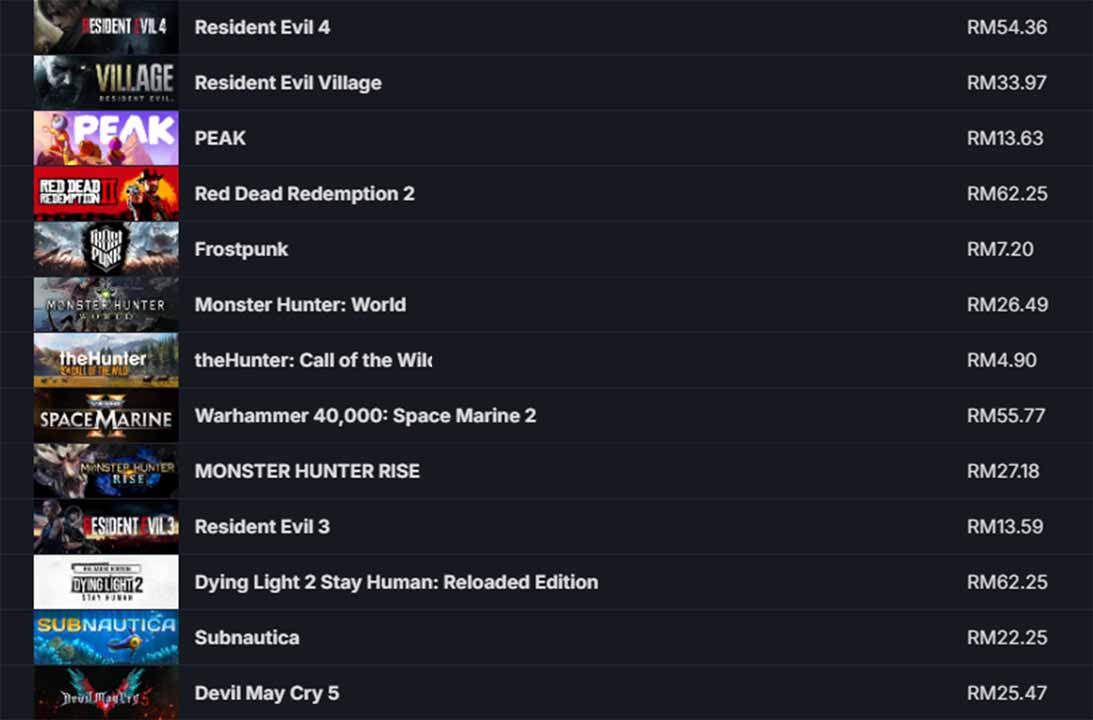
But this way of measuring value runs into a problem pretty quickly: it treats all hours as equal. An hour of padding with repeated side quests, slow travel, filler content counts the same as an hour of tight, well-crafted gameplay. The math works out, but the experience doesn’t always match.
This mindset also doesn’t account for how differently people play. A completionist who hunts every collectible and finishes every side quest will log far more hours than someone who goes straight through the main story in the exact same game. The “hours played” number is as much a reflection of playstyle as it is of the game’s actual content. Two players can pay the same price, have completely different runtimes, and walk away with entirely different verdicts on whether it was worth it.
When Shorter Games Pack More In
Some of the most memorable games in recent history are short ones. What they lack in length, they make up for in how deliberate every part of the experience feels. Nothing overstays its welcome. The pacing stays sharp. The story lands because it doesn’t have 40 hours of noise surrounding it.
Games in the survival horror genre like the ones that started this conversation have always leaned on tension and atmosphere. Those things are hard to maintain over a very long runtime. A horror game that drags risks becoming routine, and routine kills fear. A tighter runtime can actually serve the genre better, even if it means the playthrough ends sooner than some players expected.
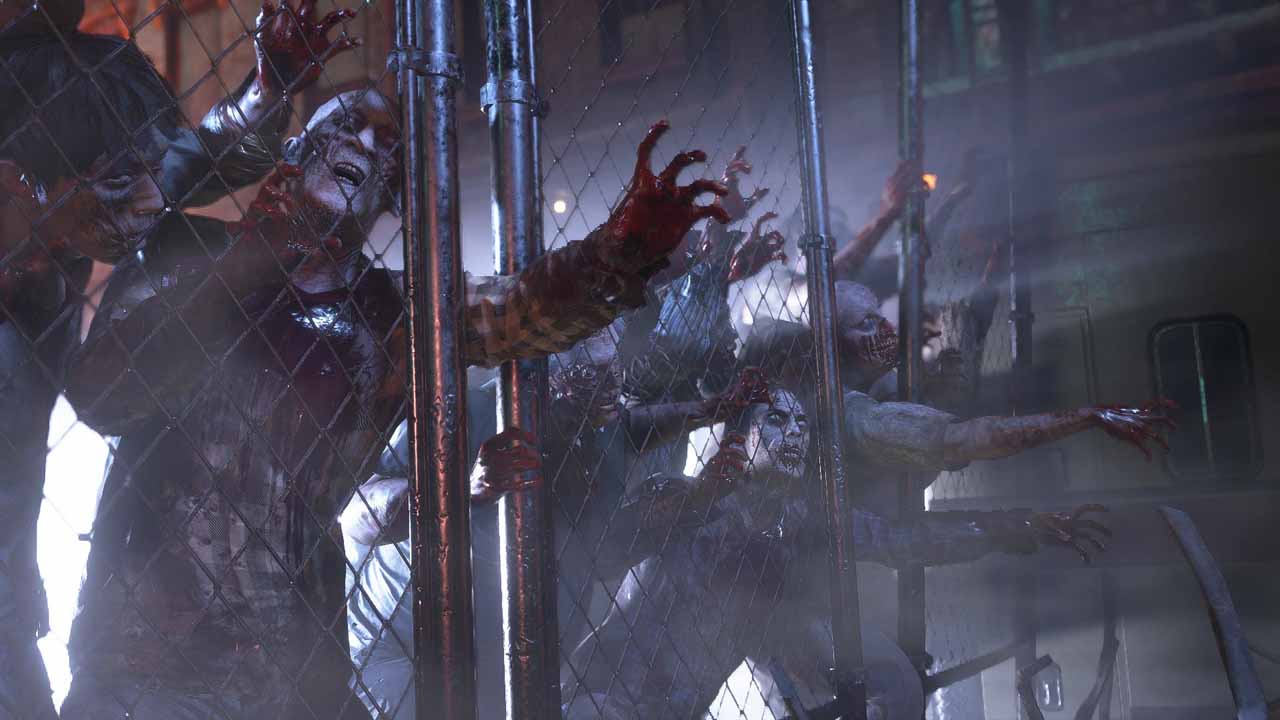
That doesn’t mean short games automatically get a pass. A short game still needs to justify its price. But “short” and “incomplete” aren’t the same thing.
There’s also something to be said about how a shorter game respects a player’s time. Not everyone has the luxury of sinking 40 or 60 hours into a single title. Shorter games are often more accessible to players with jobs, families, or people who still want a complete, satisfying experience without a weeks-long time investment. For that group, a focused 8-hour game isn’t a letdown. It’s actually the more practical option.
When Long Games Stretch Themselves Thin
On the other side, longer games aren’t automatically better. Many big-budget releases pad their playtime with repetitive tasks, sprawling maps filled with low-effort content, or mechanics that get recycled long past the point where they feel fresh.
Players often notice when a game is being stretched. There’s a difference between a game that earns its runtime and one that’s just adding hours to hit a number that sounds more justifiable on a price tag. When content feels like filler, extra hours don’t add value but could actually subtract from the experience.
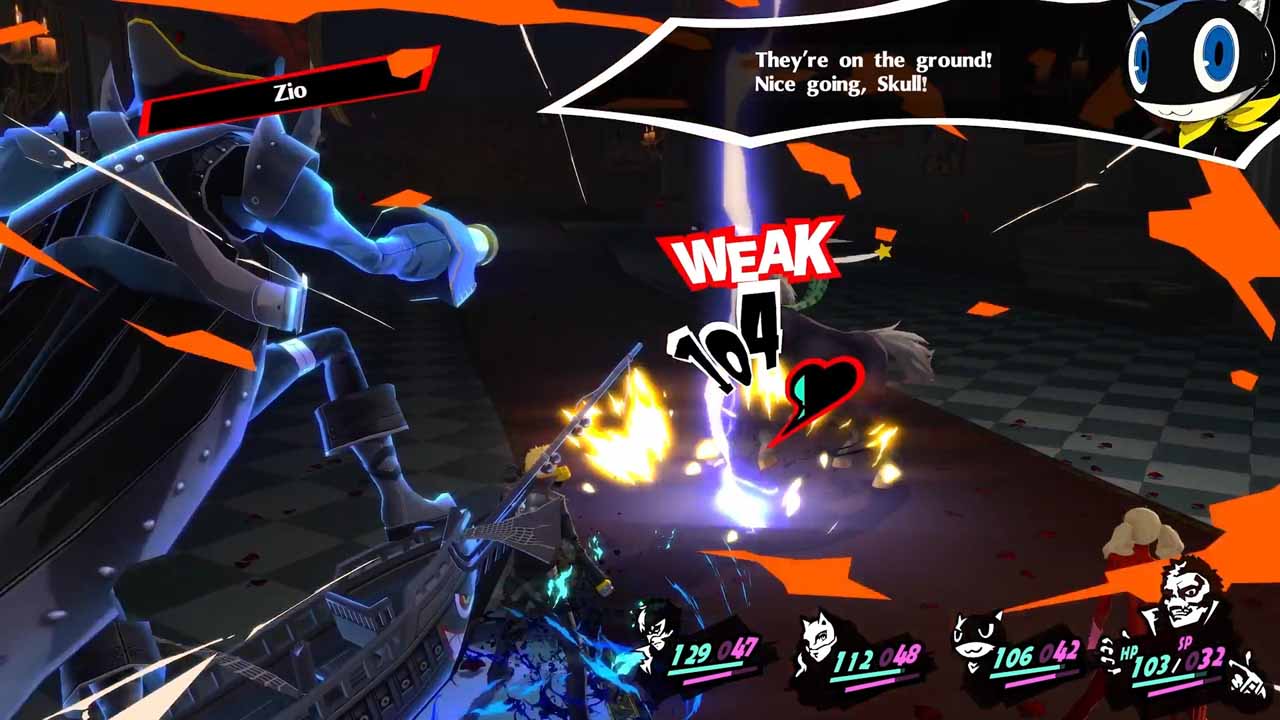
A 30-hour game where 15 of those hours feel optional or repetitive isn’t necessarily twice the value of a 15-hour game that’s focused from start to finish.
The issue goes beyond just boredom. When a game artificially extends itself, it can actually damage the parts that were genuinely good. A strong narrative loses its momentum when it’s constantly interrupted by busywork. A satisfying combat system starts to feel mechanical when you’ve repeated the same encounter type for the twentieth time. Length, in these cases, doesn’t just fail to add value but it actively gets in the way of it. The best long games earn every hour. The ones that don’t tend to be remembered more for their bloat than their highlights.
Replayability Changes the Equation
Here’s where the conversation gets more complicated. A 6-hour game that you play three times because the story branches, the mechanics reward mastery, or new modes open up has given you 18 hours of playtime. The first run might have felt short, but the game was designed with return visits in mind.
Silent Hill f and Resident Evil Requiem both exist in a franchise tradition where replaying games is part of the culture. Series veterans know that going back is expected, not optional. New difficulty settings, unlockable content, alternate routes can extend the experience well beyond the first playthrough for players willing to dig in.
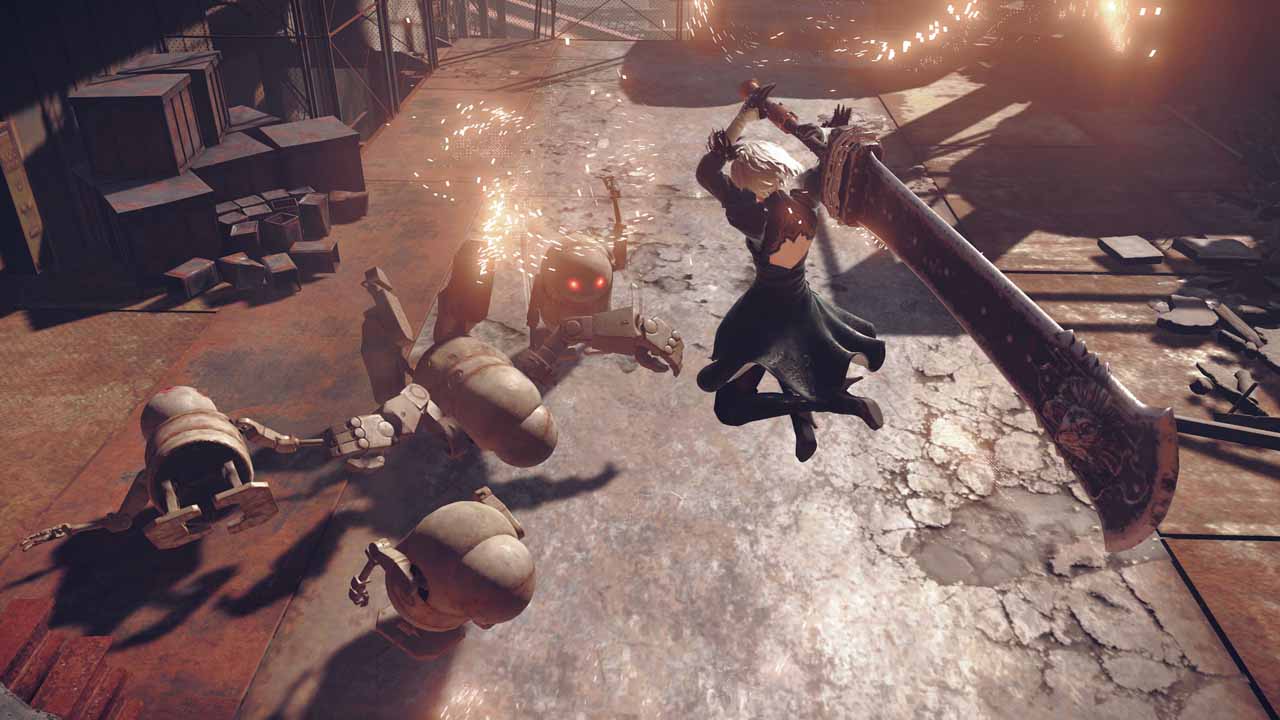
For players who play a game once and move on, that replayability means nothing. But it’s worth recognizing that some games are built differently, and judging them purely on a single run might not reflect what the developers intended.
The Grind and Live Service Games
Ask ten players whether they enjoy grinding in games and you’ll get ten different answers. Some people love it. There’s a genuine satisfaction in the slow build such as farming resources, leveling up, unlocking gear over hundreds of hours. It gives a game a sense of progress that keeps players coming back. For others, grinding is exactly the kind of content that makes a game feel like a chore rather than something they actually want to play.
This is where games like Dota 2 and League of Legends enter the picture. Both are free to play, and both have players sitting on thousands and sometimes tens of thousands of hours logged. By the price-per-hour standard, they’re practically unbeatable value. But does that make them great games?
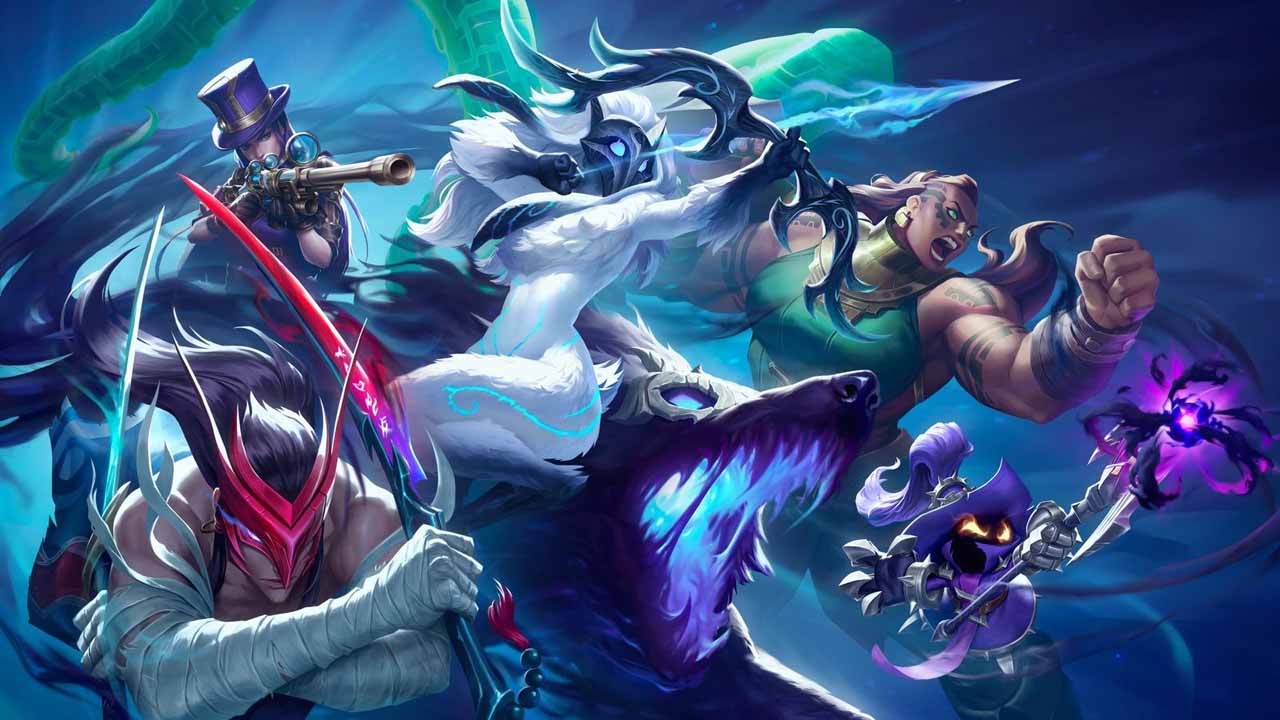
Not necessarily, and players themselves will tell you that. Spend five minutes in any community around these games and you’ll find people who love them deeply and people who openly say the games stress them out, frustrate them, or have long since stopped being fun yet they keep playing. The hours are there, but whether those hours represent genuine enjoyment or something closer to habit is a different question entirely.
Free-to-play also doesn’t automatically mean a game is worth your time. The absence of an upfront cost removes the pricing pressure, but it introduces different ones such as monetization systems, battle passes, cosmetic shops. The investment shifts from money to time, and sometimes both. A game being free doesn’t make it a good game. It just changes what you’re giving up to play it.
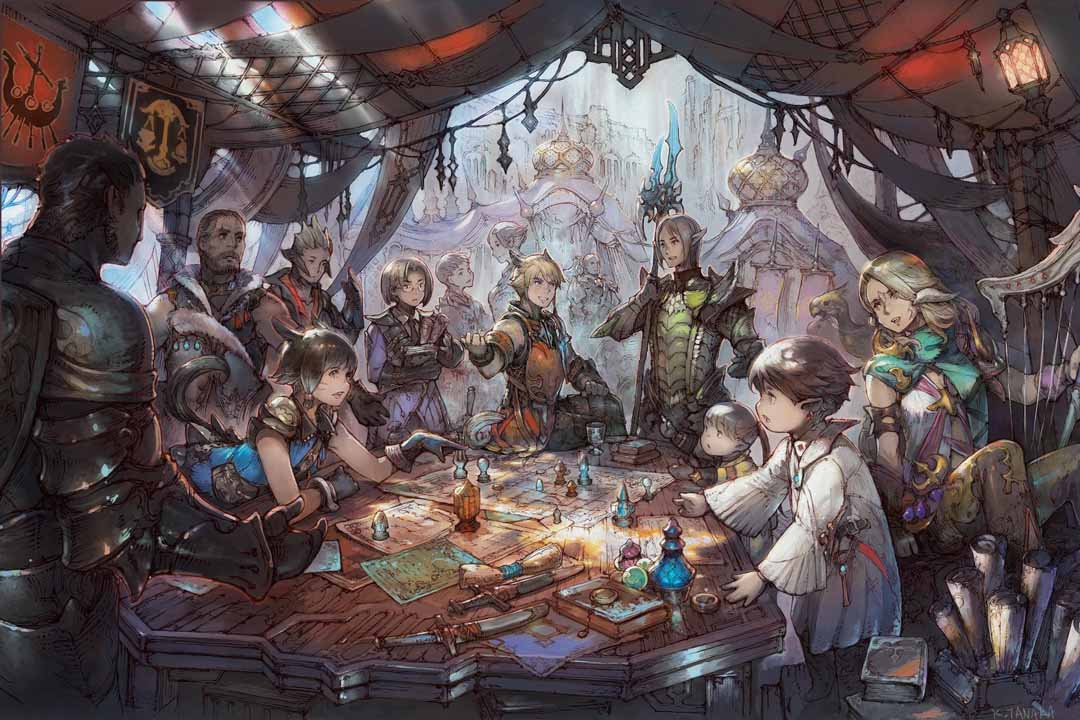
There’s another layer to games like Dota 2 and League of Legends that makes them hard to judge the same way you’d judge a packaged release: they’re not the same games they were years ago.
Dota 2 in 2016 and Dota 2 in 2026 share the same name and a lot of the same DNA, but the gameplay, meta, heroes, and systems have shifted significantly over that decade. A player who started in 2016 and one who started in 2024 have had fundamentally different experiences with the same title. Live service games don’t have a fixed runtime since they evolve, sometimes in directions that long-time players appreciate and sometimes in directions they don’t.
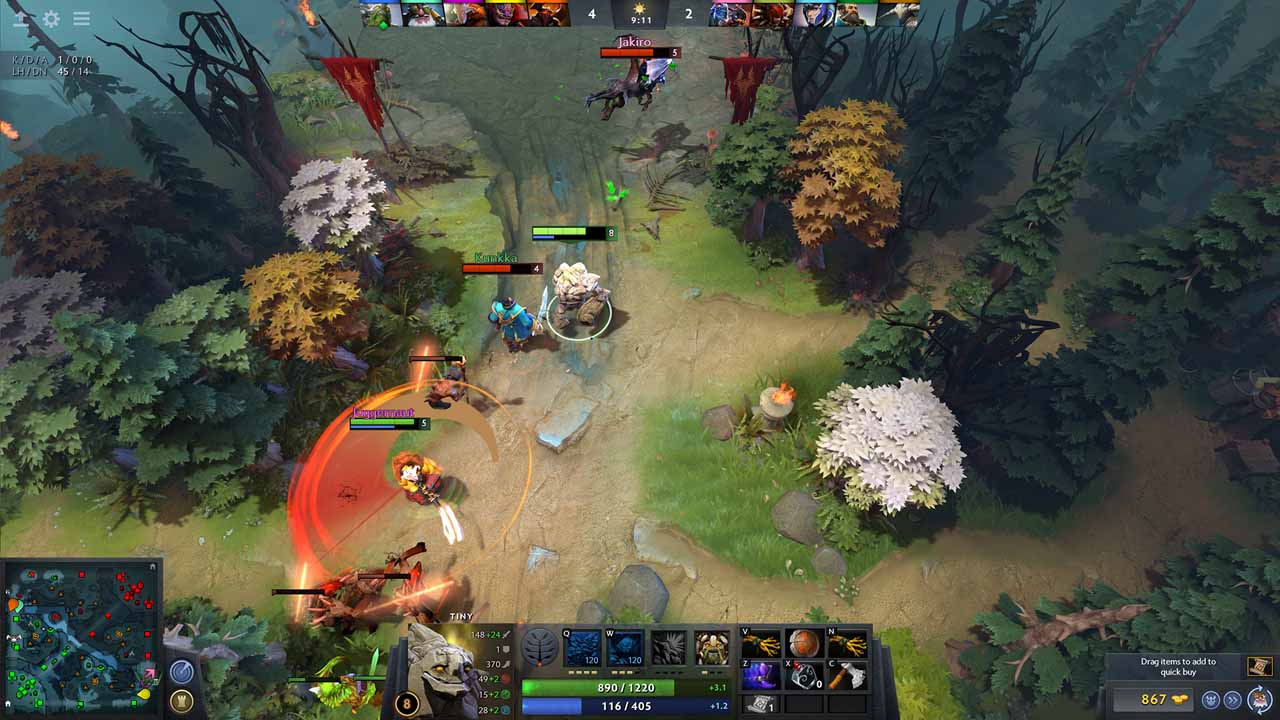
This makes measuring the value of a live service game genuinely complicated. The experience isn’t static. What made the game worth playing at launch might not be what keeps people there now, and what keeps people there now might push newer players away. The “game” is really a series of versions stacked on top of each other, and players are rating whichever version they happened to land on.
Horror Games Can Be a Different Case
When it comes to games like Silent Hill f and Resident Evil Requiem, there’s an argument that the runtime conversation looks different simply because of what kind of games they are.
Horror works best in concentrated doses. The tension, the dread, the moments that actually make you uneasy are hard to sustain over a very long period of time. And frankly, most players don’t want them to be. No one wants to be stressed out and on edge for 50 hours straight. That’s not an enjoyable experience, it’s an exhausting one.
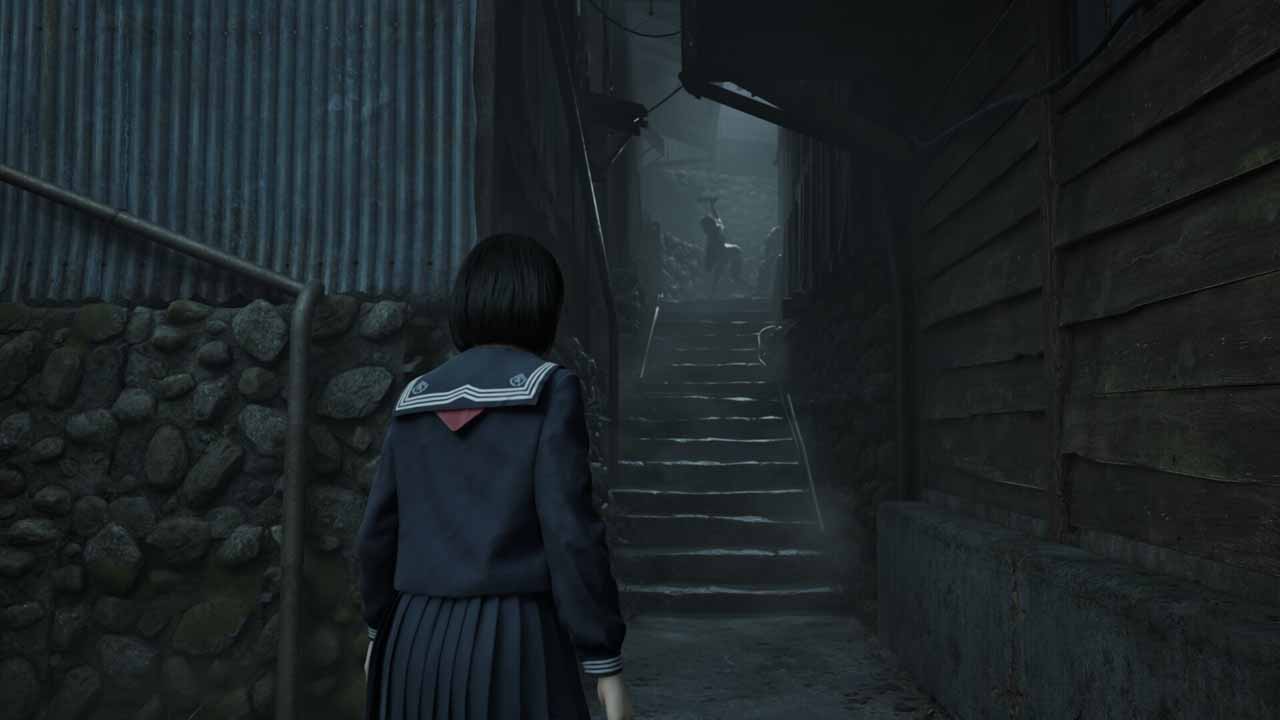
Part of what makes horror games effective is that they end. The relief of finishing, of surviving, of finally seeing the credits as part of the payoff. A horror game that overstays its welcome doesn’t just get boring, it loses the thing that made it work in the first place. Fear becomes familiar, and familiar stops being scary.
The continued commercial success of the Resident Evil series is a pretty clear signal that players, on the whole, are fine with what these games offer in terms of length. People are buying them, finishing them, and talking about them. The complaints about runtime exist, but they haven’t stopped the series from thriving. That suggests that for survival horror specifically, players understand even if they don’t always say it out loud that a tighter, shorter experience fits the genre better than a sprawling one would.
The Price Tag Sets the Expectation
One thing that often gets overlooked in this debate is that players aren’t just reacting to a game’s length, they’re reacting to its length relative to what they paid. And that distinction matters a lot.
A short indie game priced at a few dollars rarely gets the same criticism for its runtime. Players go in with calibrated expectations. But when a game launches at full AAA price, the expectation of what “enough content” looks like goes up significantly. It’s not that players are being unreasonable but the price point itself sets the standard.
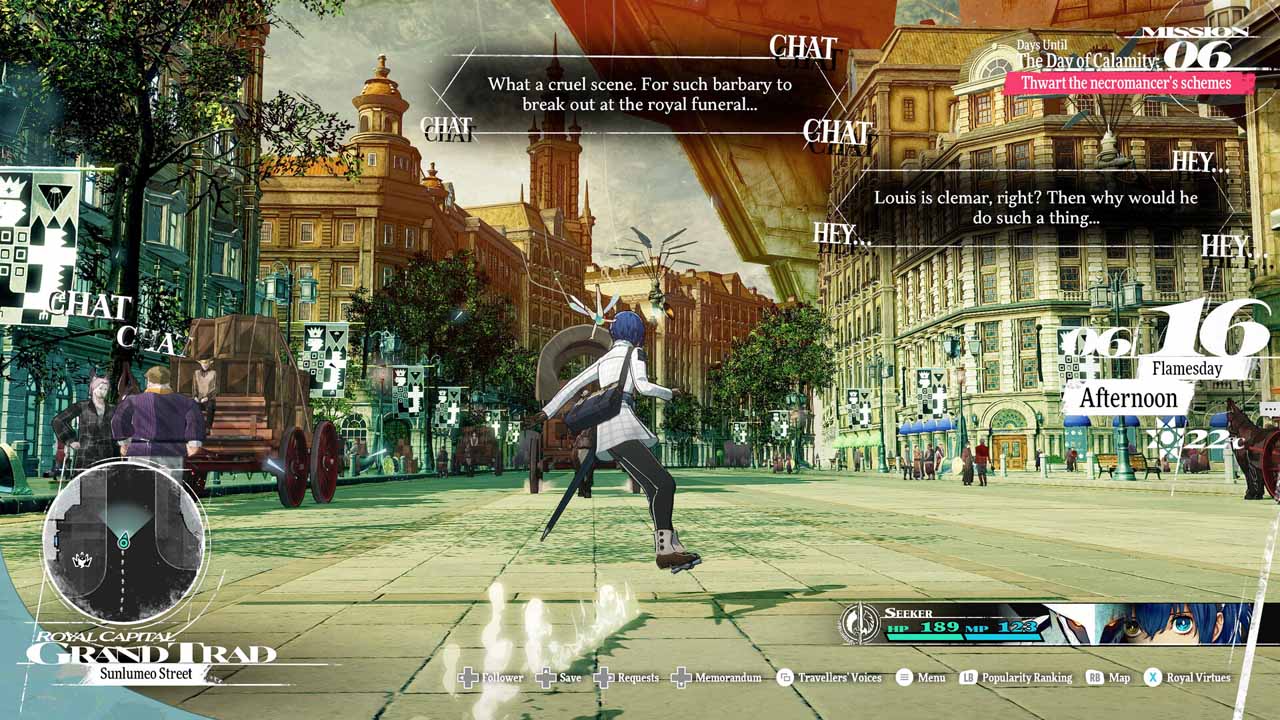
This is part of why the conversation around games like Silent Hill f and Resident Evil Requiem cuts deeper than it might for smaller releases. These are recognizable, big-name franchises sold at premium prices. Players aren’t just buying a game but they’re buying into a legacy, and that comes with a certain weight of expectation attached.
Some developers have started addressing this by pricing shorter, more focused experiences below the standard full-price ceiling. It’s a move that tends to be well-received because it signals an awareness of what’s being offered. When the price reflects the scope of the game, players feel more fairly treated even if the runtime is short. When it doesn’t, the frustration is almost inevitable regardless of how good the game actually is.
This suggests that the value debate isn’t purely about hours or quality in isolation but it’s also about honest communication between developers and players. A game doesn’t need to be long to be worth buying. But it does need to be priced in a way that matches what it’s delivering.
The Industry Knows It Too
This debate isn’t just happening between players online with people inside the industry have saying the same thing for a while now. In our previous interview with former PlayStation Worldwide Studios chairman Shawn Layden, he addressed the quality versus quantity question directly.
“I built a lot of games that were 40, 50, 80 hours of gameplay. And I’ll be honest, they’re not all quality hours. Some of those hours are driving across the desert to go get the Red Rock to open up the blue door. If we didn’t have that bit in it, it wouldn’t change the scope of the game.”

He also pointed to something that adds important context to why this conversation is getting louder now. The average age of gamers has shifted significantly. Where players were once mostly 18 to 22 years old, that average has moved into the early-to-mid 30s.
His vision for where things should go is straightforward, a tight 18 to 20 hours where every minute earns its place. Not longer for the sake of seeming like more, but focused enough that players don’t want to put the controller down.
What Players Are Actually Paying For
Length is measurable. Quality is harder to put a number on. But quality is ultimately what stays with players, the moment a game’s story lands a punch, the satisfaction of finally cracking a difficult section, the atmosphere of a world that felt genuinely alive.
None of those things are measured in hours.
That said, players have every right to feel like a game’s price should be matched by a proportional amount of content. The debate isn’t really about one side being wrong. It’s about what different players prioritize. Someone who values a tightly told, short experience and someone who wants dozens of hours of content aren’t wrong for having different expectations, it’s just that they’re just looking for different things.
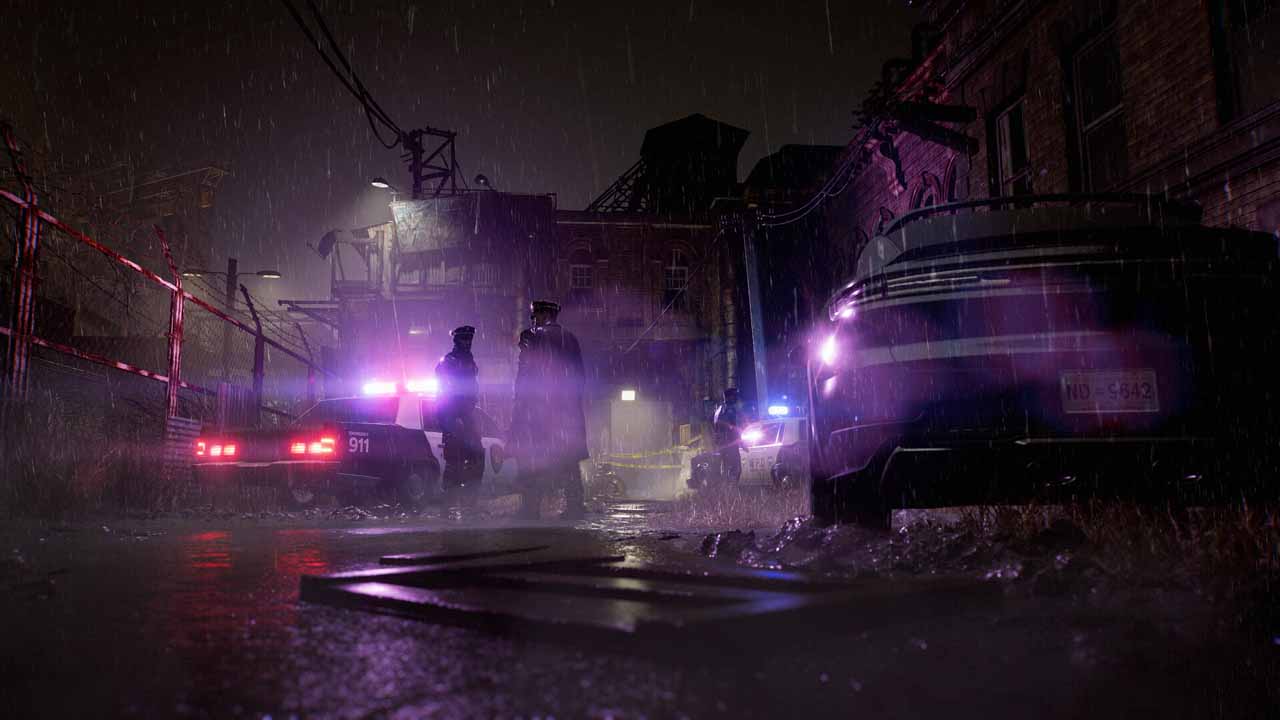
The fairest measure of value is probably a combination of both: a game should offer enough content to feel complete, and that content should actually be worth experiencing. Hours for the sake of hours don’t cut it. But a game that ends too quickly before its story or mechanics have room to breathe isn’t doing itself any favors either.
The conversation around Silent Hill f and Resident Evil Requiem isn’t really about those games being bad. It’s about players recalibrating what they expect from full-priced titles in 2025. And that’s a conversation worth having not because there’s a clean answer, but because it pushes developers and players alike to think more carefully about what makes a game genuinely worth your time.