




![[EXCLUSIVE] Brendan Gan Delivers One of Malaysia’s Best-Ever Worlds Results, Shares Thoughts on Pressure and the Local Scene](https://cdn.gamerbraves.com/2026/08/Brendan-Gan_Interview_FI-360x180.jpg)






![[BIC2026] Hiroaki Nagashima from Toei Games Talks New IPs, Indie Roots, and Asia-First Strategy](https://cdn.gamerbraves.com/2026/08/Toei-Games-BIC-2026_Interview_FI-360x180.jpg)
![[BIC2026] From Outsider to Organizer: How Isabella Seo Jungsook Helped Build Busan’s Indie Game Scene through BIC](https://cdn.gamerbraves.com/2026/08/Isabella-BIC-2026_Interview_FI-360x180.jpg)
![[BIC2026] CanOpener’s Logan Moon Opens Up About Dungeon Settlers Ahead of Its September Early Access Launch](https://cdn.gamerbraves.com/2026/08/Logan-Moon-BIC-2026_Interview_FI-360x180.jpg)


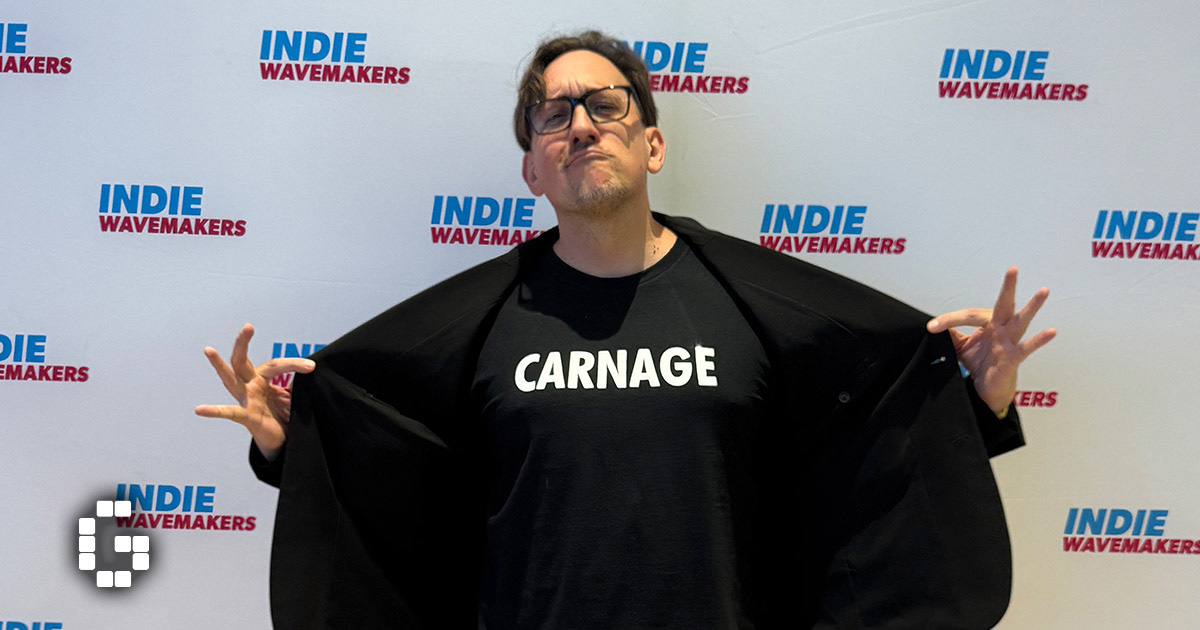
At this year’s Indie Wavemakers Exchange, presented by Xbox, Jon Carnage sat down for a Q&A session titled “How Weird Games Break Through,” where he spoke about how small, unusual, and personality-driven games manage to stand out in a crowded market. Carnage, who serves as Creative Director and Director of Cross Media at TinyBuild, and who co-created the Hello Neighbor animated series and movie, has spent years working across Twitch, Destructoid, and now TinyBuild, giving him a front-row seat to how indie games grow from small ideas into full-blown hits. After his on-stage session wrapped up, he agreed to sit down for an exclusive interview to go deeper into some of the topics he touched on, from how he spots a good game before anyone else does, to his thoughts on AI, streaming platforms, and what advice he has for developers just starting out.
Some of the weirdest games break through all the noise, and become viral sensations. How does that work?
Join @JonCarnage and examine how indie games can build visibility, attract communities, connect with creators, and grow from niche projects into cultural moments🏘️🏡🏡 pic.twitter.com/pQqknmIVdQ
— Indie Wavemakers (@indiewavemakers) June 25, 2026
Turning Games Into “New Media”
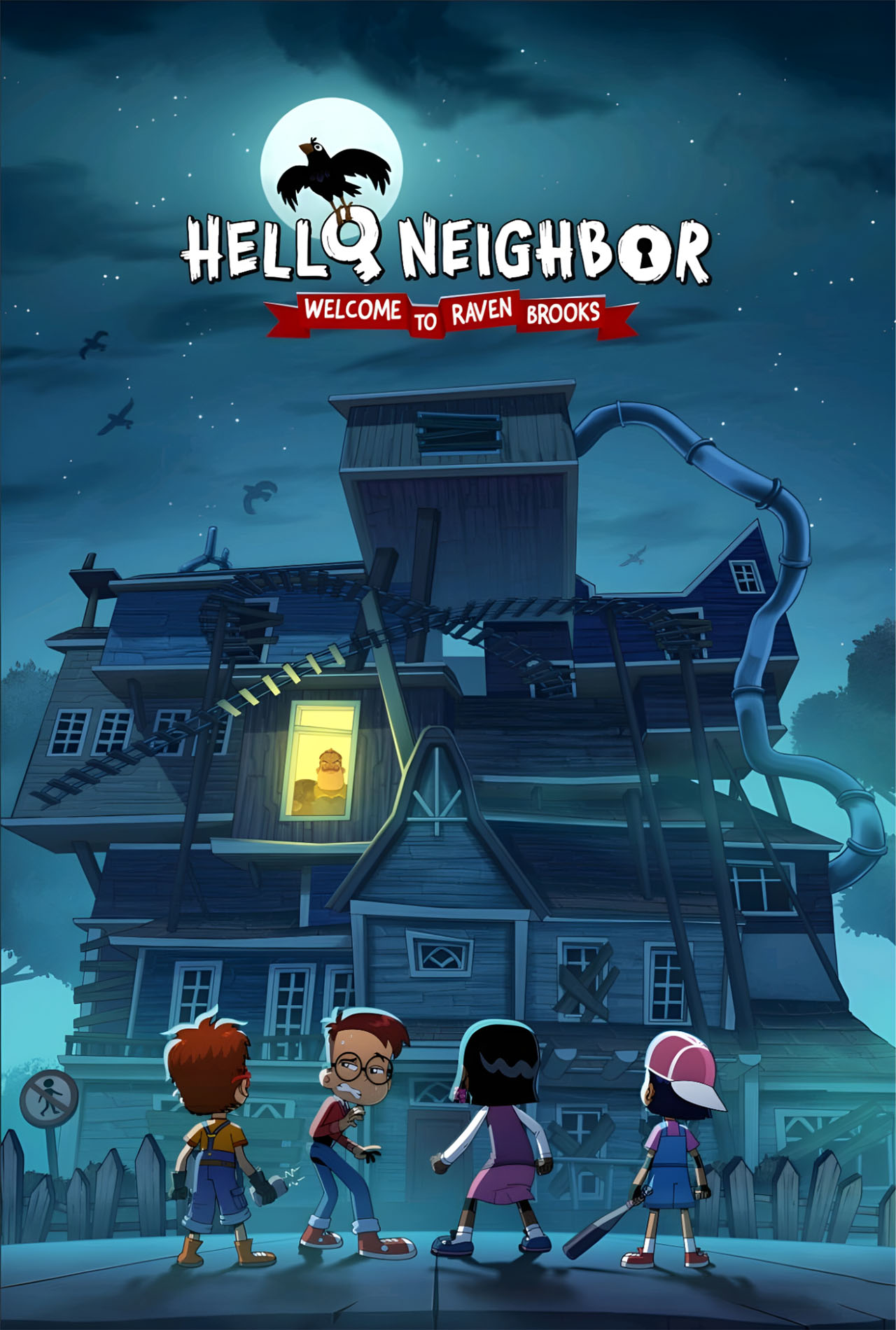
Carnage explained that his current role is about taking TinyBuild’s games and turning them into films and television, something the industry still calls “new media,” even though TV and film have been around for over a hundred years. “It just means taking the games that we have and making them into what is for our industry called new media, films, television,” he said, adding that the same label was once used for being on Twitch. “We’re calling television new media, even though TV was what had been around for a hundred years. And same thing with film. Film has been around for about 125 years.” His first project in this space was Hello Neighbor: Welcome to Raven Brooks.
He also talked about his interest in what he calls counterculture, or finding the opposite of something that already exists and making it work alongside it. “I’m really, I’m an expert at counterculture,” he said, using Superman and Batman as an example. He pointed to his own history at Twitch, where he created a chaotic, over-the-top pre-show called the “pre-pre-show” as a direct contrast to the more polished, traditional E3 presentations happening at the same time, describing it as “an all-night train wreck” that involved “crying, being thrown through tables, getting pro wrestlers to beat me up.”
“I’ve been able to figure out counter programming really well,” he said, adding that Hello Neighbor: Welcome to Raven Brooks works the same way. “They’re complementary to each other but they’re totally different when you start getting into the mechanics of them both.”
Spotting the Weird Ones Early
When asked how he finds these standout qualities in games, Carnage said it comes down to a kind of instinct he has built over his career, whether through Twitch, Destructoid, or his years scouting indie titles. “There’s just a uniqueness that happens with a lot of indie games,” he said. “I just gravitate or have like this magnetic connection to when I see something cool.” He said this pull could come from many places, whether it’s the art style, the music, the color choices, or the gameplay itself, and joked that he has “just been magnetically connected to dope shit” throughout his career.
“When I see something cool, I just know it’s going to be cool,” he said. He compared this to being a tastemaker, the same kind of instinct people in fashion or music industries rely on, where the reasoning behind a choice isn’t always easy to explain in words. “The word might be the best word that I might be able to describe as it is just a tastemaker,” he said, adding that people with this instinct “just know,” even if they struggle to explain why.
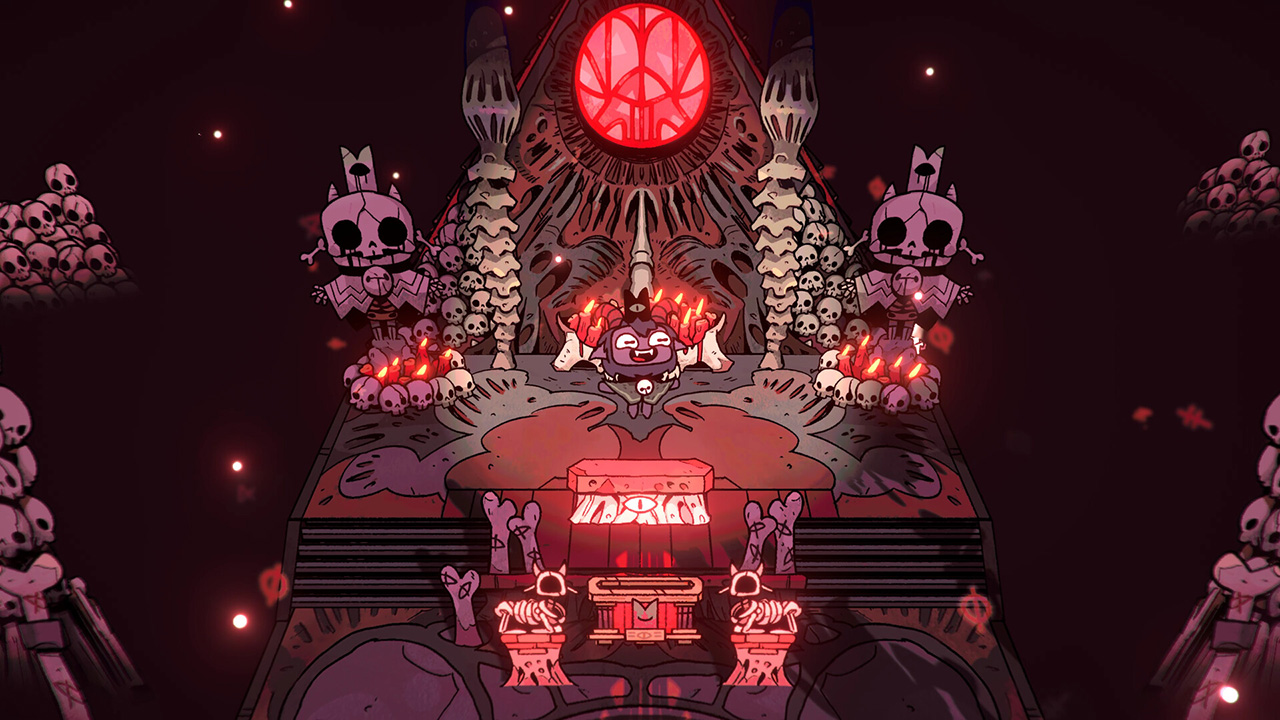
As examples, he brought up Cult of the Lamb, saying, “Had I seen that 30 seconds in, maybe even less, home run, I would have said, congratulations, there’s a hit.” He also described seeing the early prototype of what eventually became Potioncraft, recalling his reaction at the time: “Yo, that’s really interesting. That’s a home run.”
Not Exactly Steve Jobs, But Something Like It
When asked if his approach compares to how Steve Jobs saw products and design, Carnage agreed there were similarities in being able to see outside the usual way of thinking, though he joked that he prefers staying “inside the box” because it has air conditioning. “I think inside the box, because there’s air conditioning, there’s no humidity, it’s got television and internet and Wi-Fi. I think your inside the box is my outside the box,” he said.
He also spoke about his background as a kid who was heavily into comic books, wrestling, and video games at a time when none of those things were considered cool. “I have a hard time thinking of myself as anything other than just like really lonely nerd John, who played a lot of video games and watched way too much movies and read too many comic books as a kid,” he said, adding that he was “getting viciously beat up” for liking those things growing up.
He pointed out that pro wrestling and comic books eventually became widely accepted, something he described as being ahead of the curve. “I was, as a kid, way too ahead of the curve,” he said. “I remember hearing about the internet when I was like 15 and going, this is it, this is the future.” He said this pattern still shows up in his life today. “I still get into those arguments today about games, about music, about fashion, about all that stuff. I’m just obsessed with a lot of different things. I can’t stop thinking either.”
Where Indie Games Are Headed
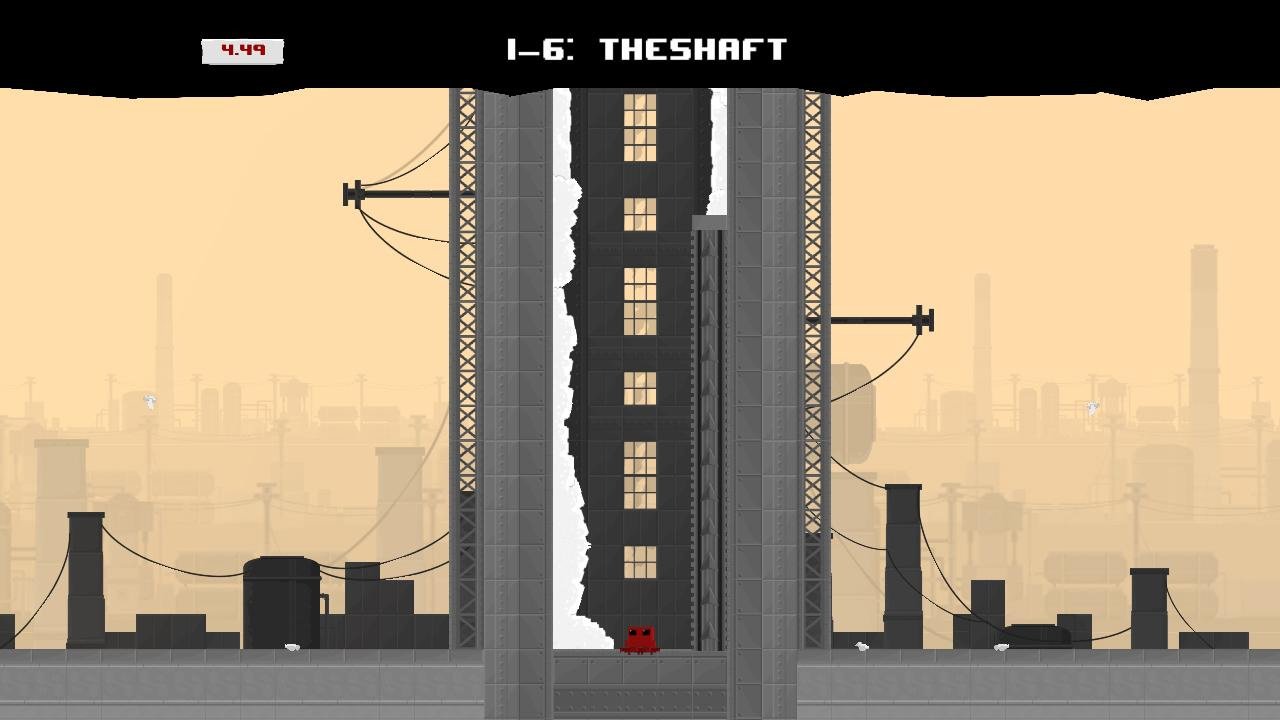
Looking ahead, Carnage said he believes indie games have always been the ones pushing the industry forward. “Indie gaming has always been a pioneer and I’ve always felt like they’ve been at the forefront of evolution in gameplay and tonal aspects and music and everything,” he said. He named games like Hotline Miami and Super Meat Boy as examples of indie titles that moved fast while bigger AAA studios were still figuring things out, adding, “I feel that AAA is going to have to maybe catch up to indie in that regard because indie has just been way ahead of it for so long.”
He also brought up how physical game releases could evolve, comparing them to how limited-run comic book prints work. He suggested publishers like Sony could announce that “every physical release will be a limited edition, it’ll be numbered,” and reissue titles later if demand calls for it. “You’ve now just made everybody happy,” he said. He compared this to the comic book market, pointing out that “you have a first print of Absolute Batman right now, which is the number one comic in America. And it’s doing really well. And everybody wants the first print.”
“So going back to your question of like, well, how do indie developers just stay ahead? I think they already are,” he said. “Every time I play indie games, I’m like, this is awesome. This is dope.”
The Other Side: Only the Strong Survive
Asked about the tougher side of the indie space, Carnage was direct. “Only the strong survive at this point. And I think it’s always been that way, right?” he said, pointing to Devolver Digital and TinyBuild as examples of studios that grew from indie roots into small AA publishers. “Devolver is there, TinyBuild is there,” he said.
He also touched on how the role of traditional publishers might be shifting, since developers now have access to more distribution platforms than before. “I do think that with the distribution networks that constantly are growing online… who knows if you need a traditional publisher anymore,” he said, adding that developers will need to take on more responsibilities themselves going forward. “Every game is going to be its own sit down conversation and indie developers are going to have to wear more hats than ever before.”
He referenced Edmund McMillen’s newer game as an example of a title that found an audience mostly through word of mouth rather than heavy marketing. “It’s a very weird RTS game with cats. I don’t really think it had any marketing or much word. It was all word of mouth,” he said.
Distribution Platforms and the Problem With Stadia
On the topic of game distribution, Carnage said having more platforms available is a good thing overall. “I think it’s amazing. I think that the more the better, right?” he said, adding that developers need to treat these platforms strategically. “Utilizing these platforms as tools for your business is important.”
When the conversation turned to Google Stadia, he said he believes the platform’s failure came down to something surprisingly simple: the name itself. “I think it’s really as simple as Stadia failed because of the name. No one can say it,” he said. He compared it to names people understood right away. “It’s like Nike, but you get it, right? Marvel Comics, you kind of just get it. PlayStation, Xbox, it took time, right? We finally get what that is. But Stadia, like, what is that?” He described it as “a very hardcore, very Google engineered name.”

He also pointed to the technical side of cloud gaming as a bigger issue, referencing OnLive as an earlier example of similar struggles. “I don’t think it ever really worked,” he said. Looking at how large modern games have become, he raised doubts about whether current infrastructure could keep up. “So can you imagine GTA 7, how big that is? I don’t know,” he said. “In our current infrastructure, I don’t think it’s possible.” On the cost of internet access more broadly, he added, “I hope it should be free. The whole world should just have free internet. That would be amazing.”
His Take on AI
When asked about artificial intelligence, Carnage said he sees it as a useful tool. “I think it’s a wonderful tool. I feel that we’re in a fourth turning for society,” he said, comparing the current moment to earlier pushback against new technology like YouTube, Twitch, torrenting, and even bicycles, all of which faced criticism before becoming widely accepted. “They said the same thing about bicycles… a pathway to the devil,” he said.
“This is the stupidest AI will ever be,” he said, pointing out that the technology keeps improving quickly. “Tomorrow or in six hours from now, it’ll be even smarter than it was before.” He recalled feeling the same excitement early on with YouTube. “When I first saw YouTube in 2006, I was like, oh my God, this is going to be amazing.” He noted that Twitch faced similar doubts when it launched. “People were like, this is stupid. They even hated the name Twitch.”
He added that he sees AI as something people should learn to use rather than avoid. “You can’t run away from it. You should learn it because the future is going to be hand in hand with AI,” he said, while also noting the financial risk tied to how much money has already been invested in the technology. “If AI collapses, you’ll see a recession because they’ve been pumping too much money into AI.” Reflecting on his own career, he said, “I use YouTube as a tool to find my creator’s voice,” describing the internet overall as something that has consistently given him new tools to work with.
Advice for Indie Developers
To close out the interview, Carnage shared advice for people hoping to break into indie game development, drawing from years of watching developers work on games long before they became well known, including Fruit Ninja and Jetpack Joyride during their early stages. He said the developers who tend to succeed share one trait: they don’t give up, even when facing doubt from others. “They don’t give up. No matter what, they don’t give up, man. They have a grit to them and a passion,” he said.
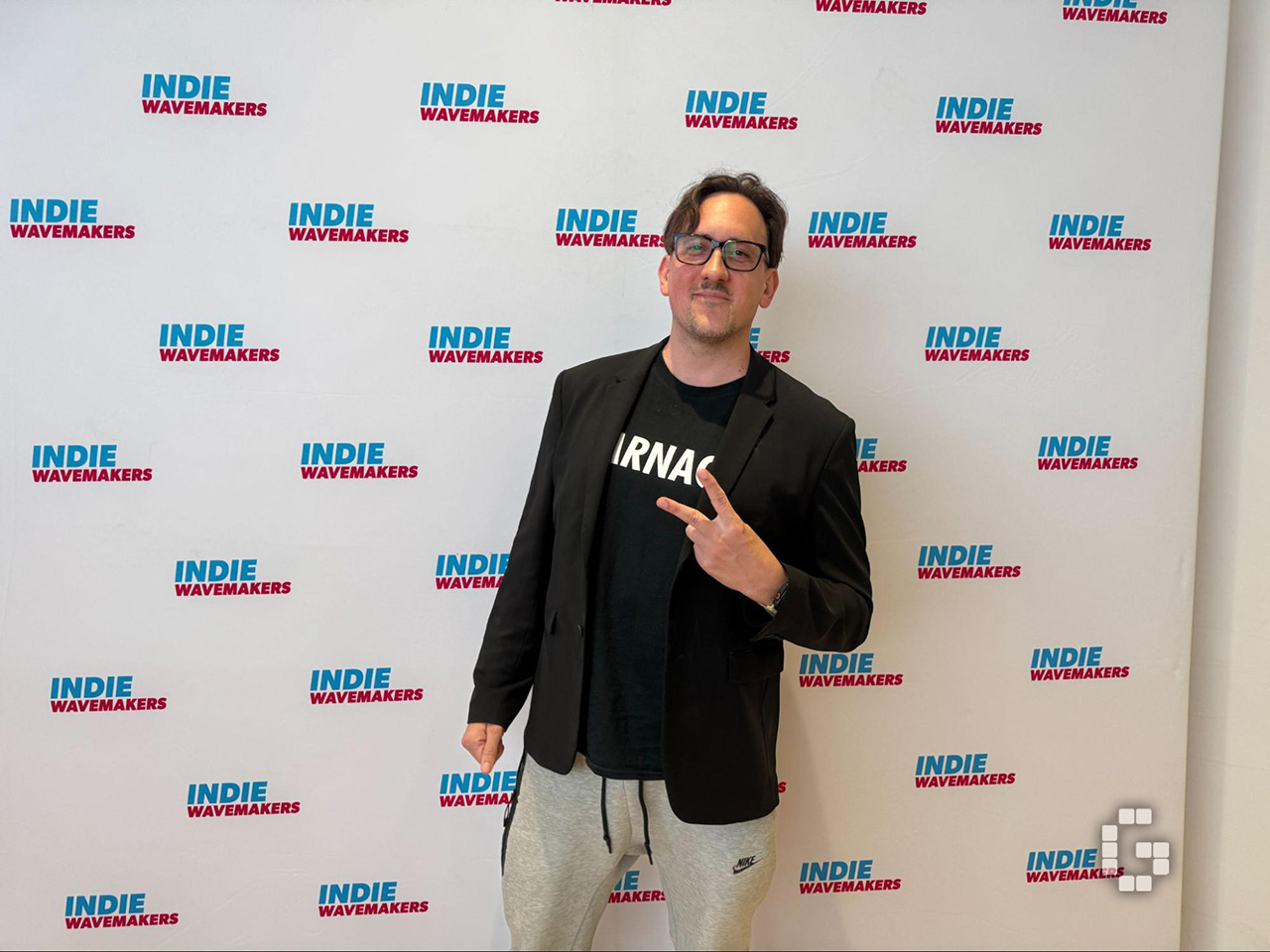
He was honest about the criticism developers should expect to hear along the way. “You’re going to hear a lot of bullshit… I don’t know if anybody’s going to like this game. You’re going to hear that from everybody,” he said. “But if you believe and have a vision for what you’re making, don’t stop.” He spoke about his own level of commitment to projects he believes in, including “taking out massive loans from credit cards. I am completely committed to it.”
He also brought up the history of the Mario franchise, noting that Mario Bros. 3 became a massive hit, but only after earlier, less successful entries in the series. His main message to new developers was simple: “You just never know what your IP will actually become when it’s ready. And when you’re ready to make that. So don’t give up.”