



![[EXCLUSIVE] Brendan Gan Delivers One of Malaysia’s Best-Ever Worlds Results, Shares Thoughts on Pressure and the Local Scene](https://cdn.gamerbraves.com/2026/08/Brendan-Gan_Interview_FI-360x180.jpg)






![[BIC2026] Hiroaki Nagashima from Toei Games Talks New IPs, Indie Roots, and Asia-First Strategy](https://cdn.gamerbraves.com/2026/08/Toei-Games-BIC-2026_Interview_FI-360x180.jpg)
![[BIC2026] From Outsider to Organizer: How Isabella Seo Jungsook Helped Build Busan’s Indie Game Scene through BIC](https://cdn.gamerbraves.com/2026/08/Isabella-BIC-2026_Interview_FI-360x180.jpg)
![[BIC2026] CanOpener’s Logan Moon Opens Up About Dungeon Settlers Ahead of Its September Early Access Launch](https://cdn.gamerbraves.com/2026/08/Logan-Moon-BIC-2026_Interview_FI-360x180.jpg)


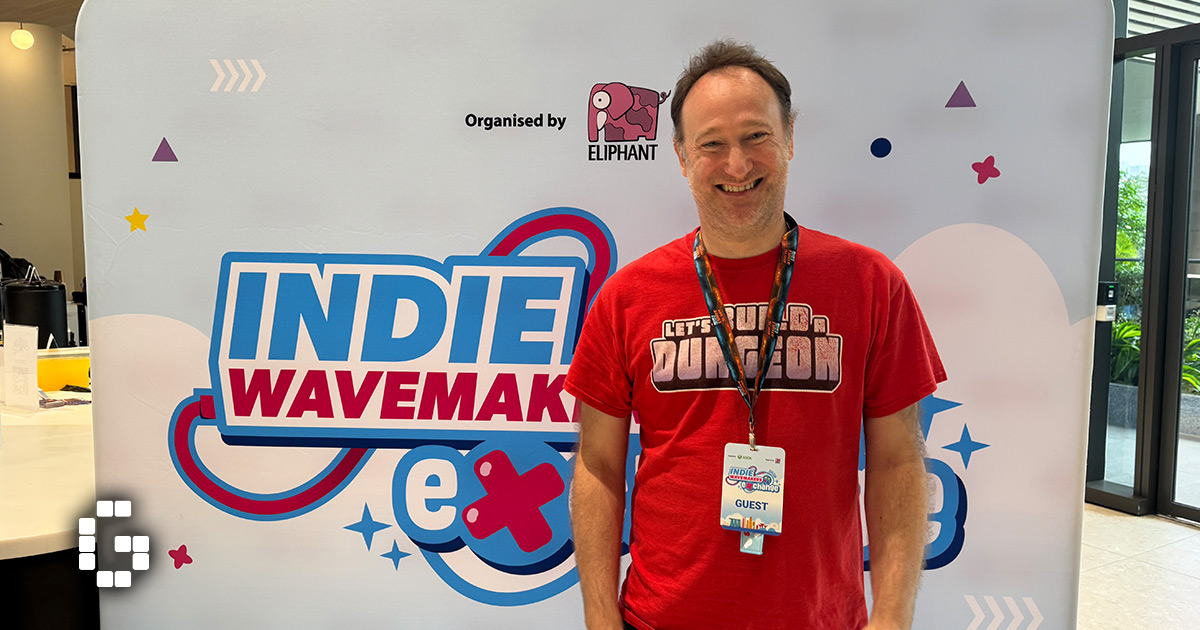
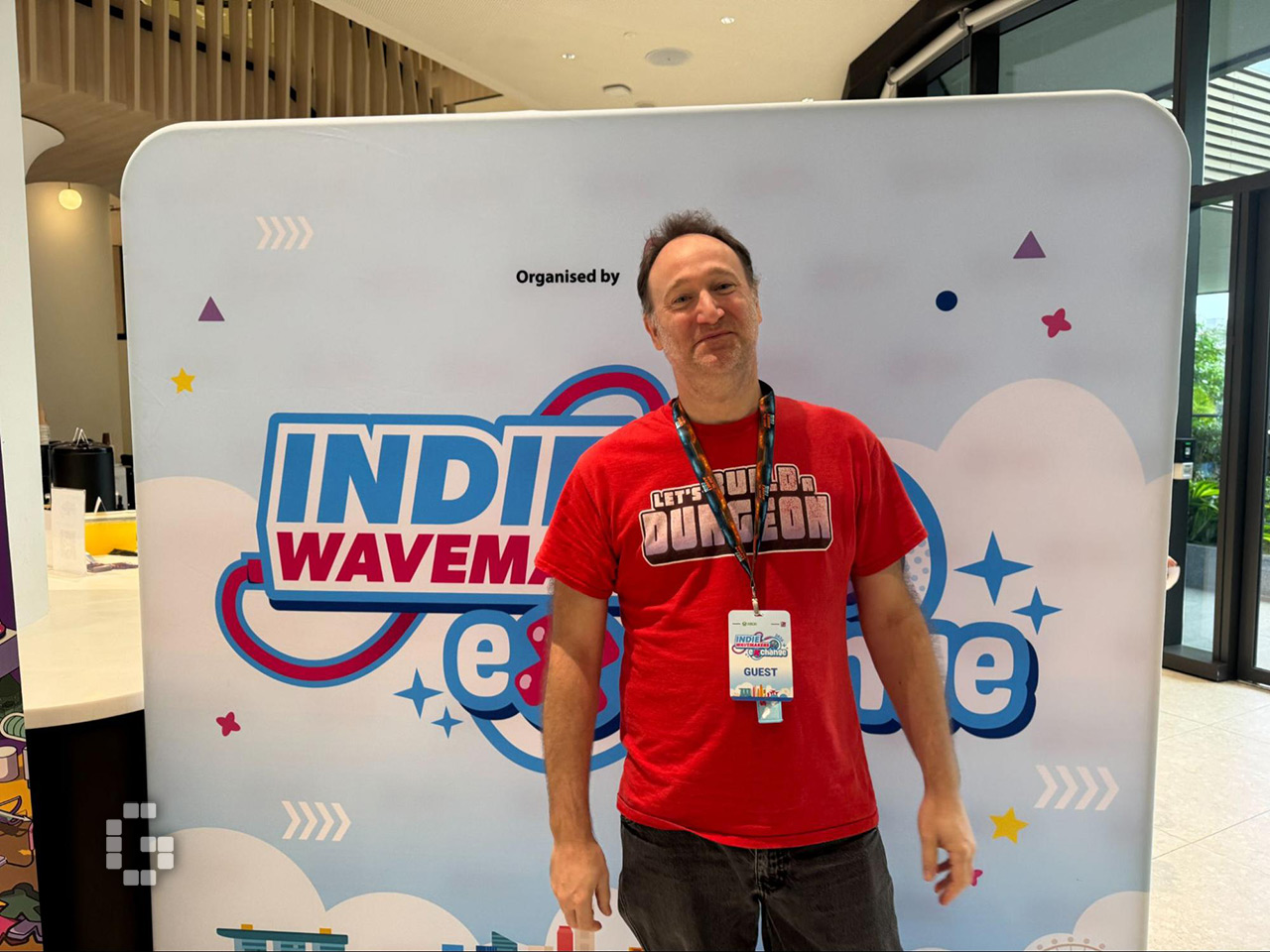
At this year’s Indie Wavemakers Exchange, James Barnard, founder and lead developer of Springloaded, took the stage for a public Q&A session where he spoke about his journey in game development and his upcoming title, Let’s Build a Dungeon. After the session wrapped up, Barnard sat down for an exclusive follow-up interview, giving a closer look into his career, his creative process, and what’s next for his studio.
A Career That Started With the Worst Rated Game Boy Advance Game
Barnard’s game development career began in the UK, where he worked on Game Boy Advance and Dreamcast titles before eventually building Springloaded. When asked if he has made 22 games, as counted from his public profile, he said the real number is much higher once his full career is included.
“If you go across my whole career, because I started in the UK, making Game Boy Advance games and Dreamcast games, I think it’s 60 or something now,” he said.
One title he brought up with pride was Rock’em Sock’em Robots, a game he made with Mattel that he claims holds a lower rating than the officially worst rated Game Boy Advance game on Metacritic. The original design leaned into a red versus blue rivalry concept, paired with placeholder music from Judas Priest, before Mattel stepped in and asked for changes to match the actual robot boxing toy. Once the team tried to force the game back into that mold, Barnard said they leaned all the way in the other direction.
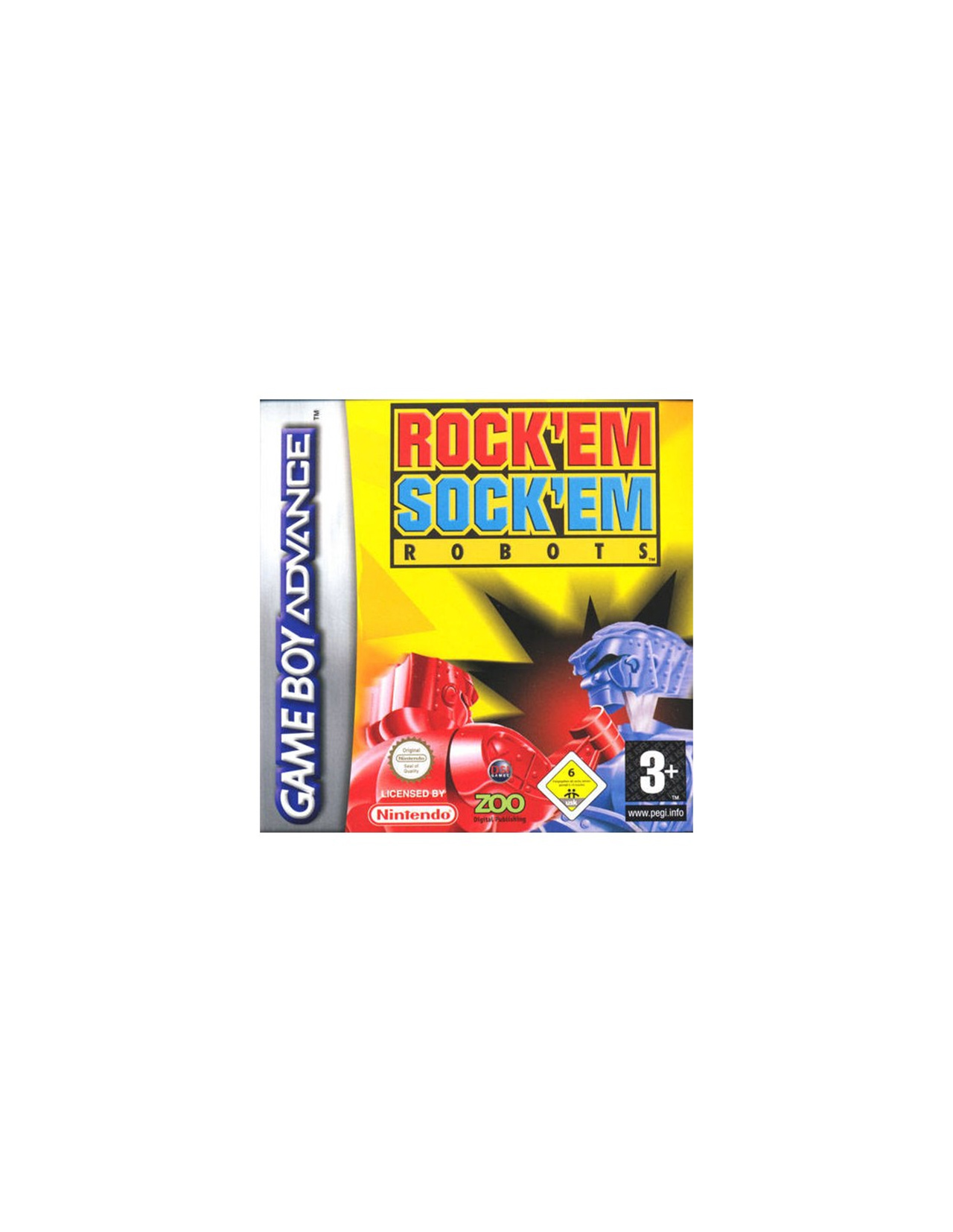
“We just made it as shit as possible,” he said, adding that the animations turned out so rough his boss ended up hiding them behind giant KO logos just to get the game out the door. Looking back on the whole saga, he simply called it his “proudest game.”
Why He Can’t Stop Making Games
Barnard also talked about what drives him to keep making game after game, describing it almost like a compulsion tied to how vividly he can picture an idea before it exists.
“It’s sometimes a bit like a curse, almost, that if I see something and I get an idea, I get very inspired by it, and I can see the game. Like I close my eyes and I can play the game in my mind,” he said.
That vividness comes with a cost, since he becomes fixated on getting the idea made and is left mourning the ones that never make it to a screen. To deal with that backlog, he created a personal project he calls an online graveyard, where unused game ideas get buried until he either revisits them or lets them go public.
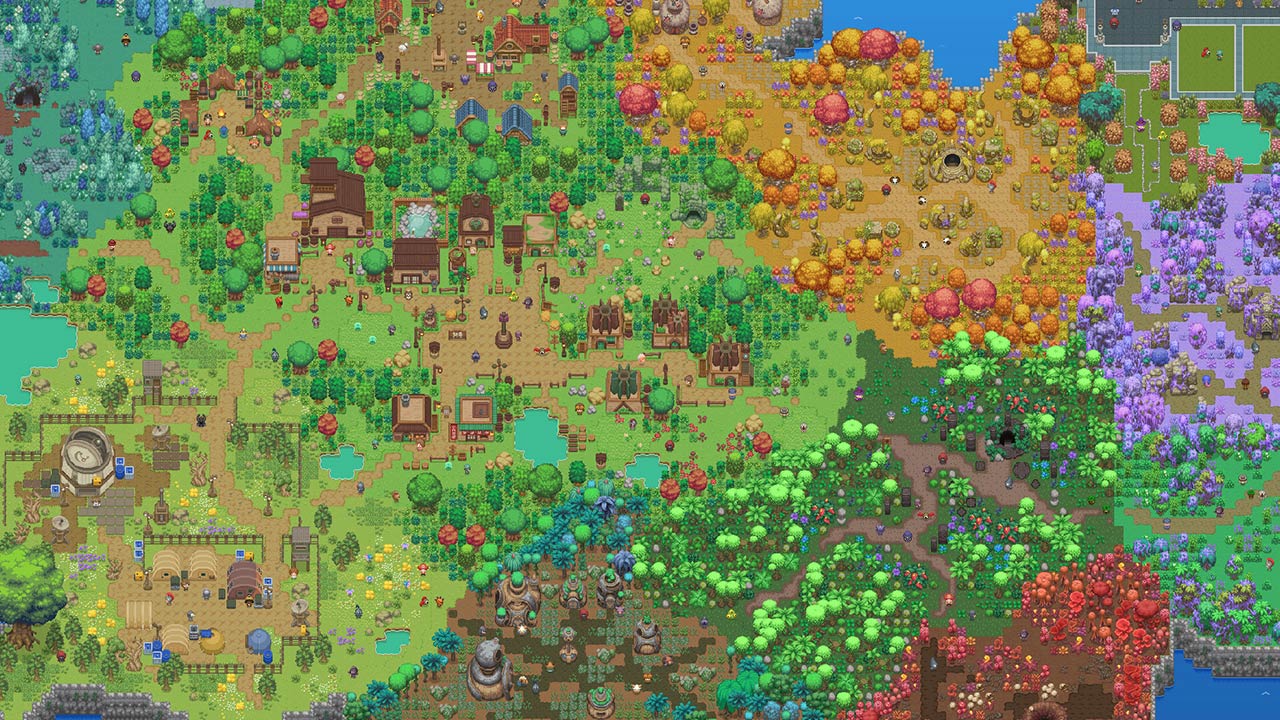
“Whenever you have an idea, I go to the grave, I go make a new grave, and I write the idea down. And then when I come back and tend to it, it’s like six months’ time. You’ve got to come back within six months, or else it opens up, and then anyone online can go and read the grave,” he said.
This same drive is where Let’s Build a Dungeon came from, born out of his own long-held wish to play something similar to Smash TV from a top-down view, complete with a mech he can hop in and out of. He said the idea only feels achievable now because the studio’s engine has matured enough to support it.
Let’s Build a Dungeon and the GTA VI Timing Question
On the topic of release timing, Barnard confirmed the game is planned to launch sometime this year, though an official date has not been announced. “We keep on telling everyone it’s coming out this year. So, yeah, I guess it’s coming out this year,” he said.
When asked if Springloaded might release during the same window as GTA VI, Barnard admitted the idea has genuinely crossed his mind, reasoning that curious players searching for GTA VI on Steam, where it won’t be available, might stumble onto his game instead. Still, he was quick to acknowledge the risk involved.
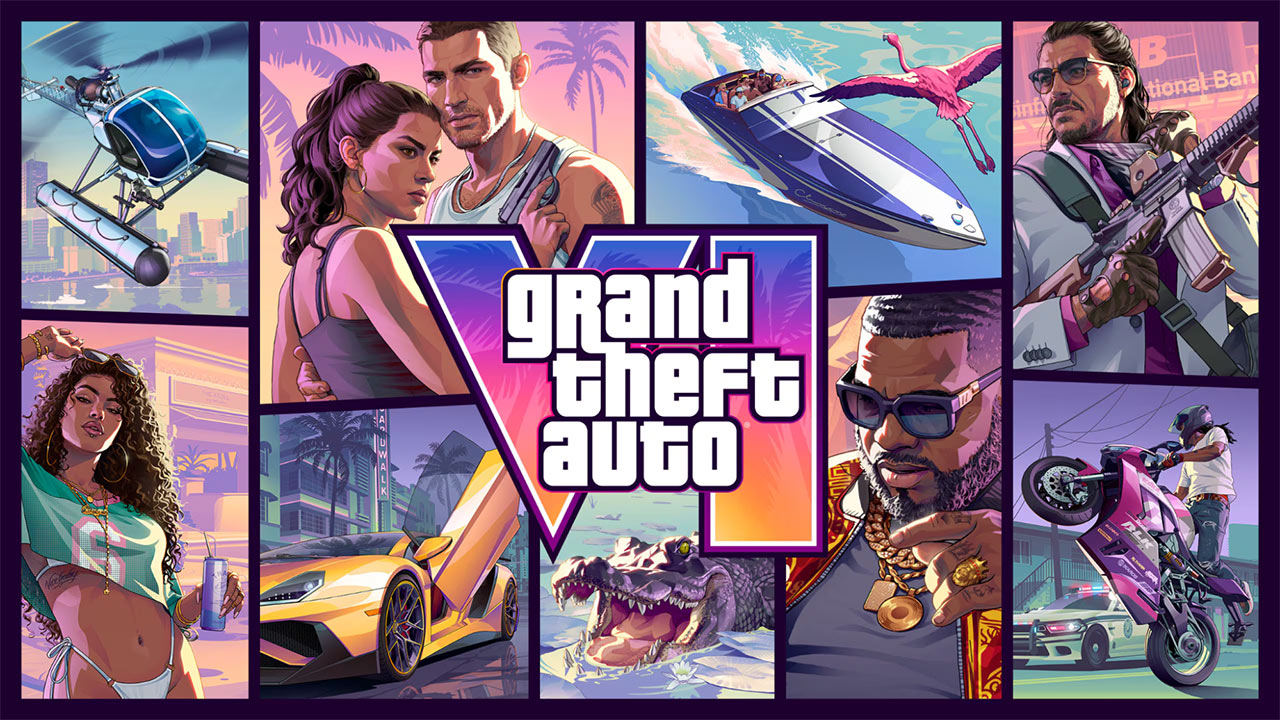
“That’s a very risky move for something I’ve spent five years making. It’s my biggest thing ever,” he said.
He described the game as an attempt to consolidate years of repeated mechanics work into one complete, refined project, joking that he was tired of coding health bars and conversation systems from scratch for the sixtieth time. Instead, he wanted to build the definitive version of all those systems at once.
Barnard was also asked about a possible Nintendo Switch release and kept his answer intentionally vague. “We haven’t announced it will be on Nintendo Switch, but I’m sure it will be. Would make sense. Why wouldn’t we release it on a popular console,” he said, before adding with a laugh that he’d rather the quote leave readers as confused as possible.
Choosing to Self-Publish for Creative Freedom
A recurring theme in the interview was Barnard’s preference for publishing his own games instead of working with external publishers. He explained that creative freedom is the main reason he continues in this line of work.
“The thing that I really crave for, the reason I do this job and don’t work something else is I want freedom. I want creative freedom,” he said.
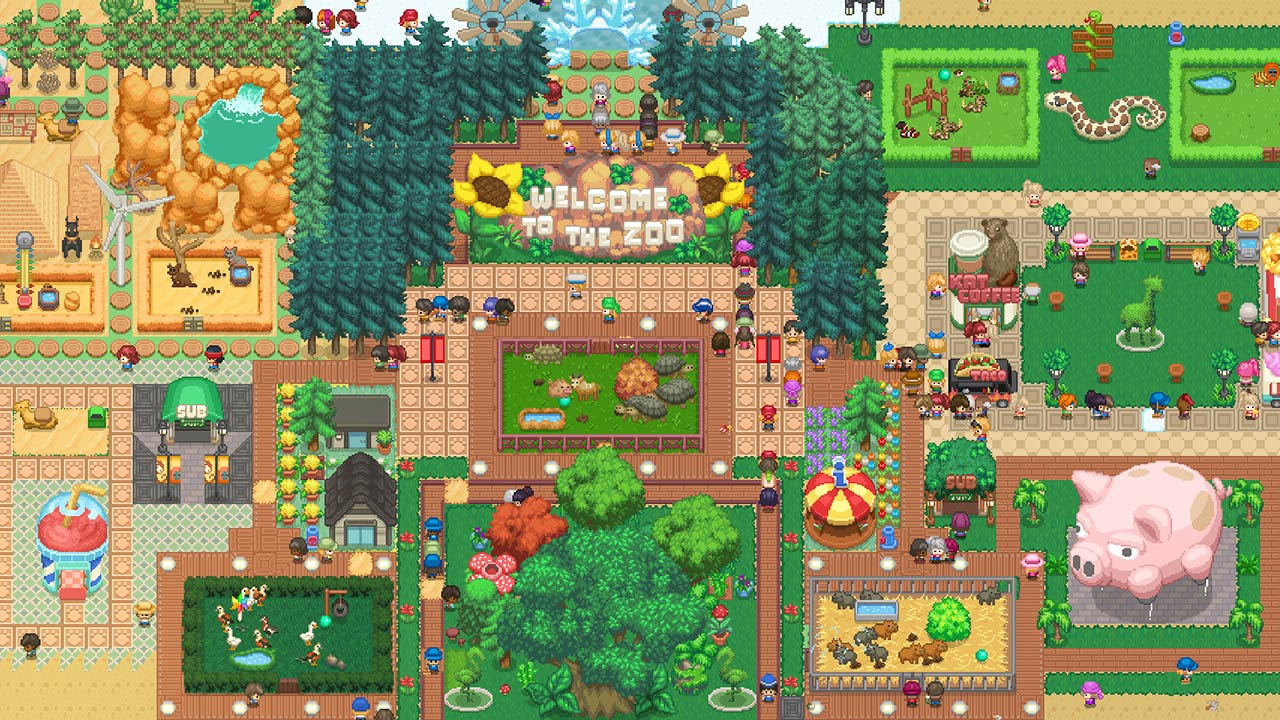
He added that unpredictability is part of the appeal, since surprise is what makes a game fun for him, and that’s exactly the kind of content a publisher would usually shut down. He pointed to a few examples from his own catalog to make the point: GORSD, where players punch their way out of an eyeball in a burst of blood and gore, and Heart Beaten, a game about repeatedly returning to a broken relationship that has players stabbing their own heart. He also brought up Let’s Build a Zoo, where players can either turn animals into burgers and handbags or push the opposite extreme and make the whole zoo vegetarian and self-sustaining, calling both directions “so ridiculous.”
From Solo Developer to a Team of 35
Barnard shared that Springloaded didn’t start as a large studio. “It was just solo dev for the first three games or something, and then it was me and one artist,” he said. Today, the studio has grown to about 35 people, based mostly in Singapore, with additional team members in Japan, the UK, the US, the Philippines, and Poland, including a programmer who previously worked on Cyberpunk and a friend who used to be a principal engineer at Epic.
He admitted that managing a growing team has been a learning process, especially since he still catches himself acting like a solo developer, going home to build something on his own and simply showing up the next day to announce it. More seriously, he acknowledged that handling people is genuinely difficult work.
“It’s difficult to manage people. It’s really hard because they’ve got emotions and stuff,” he said. Despite the growing pains, he made it clear that keeping the job enjoyable matters more to him than anything else, pointing to a well-stocked office beer fridge and a second office space rented out purely for hanging out.
“The one thing that’s really important to me is that making games is fun every day,” he said. “I think it’s important to laugh all the time and be stupid and have a fun environment. Otherwise, just go back and get a job in a corporation.”
Building a Connected Universe Across Games
Barnard revealed that Let’s Build a Dungeon includes a feature where players manage a video game studio and can eventually play games made within the game itself, including a nod to Let’s Build a Zoo. In the current demo, only two titles exist in that in-game list, but he suggested that list could eventually grow much longer.
He hopes to bring older Springloaded titles into this in-game library too, including mobile and 3DS games no longer available on their original platforms. “I don’t want those games to die. I really like them,” he said.
He also talked about how characters and story elements repeat across different Springloaded games, forming a loose, ongoing timeline that connects his catalog together, even if most players never notice it.
“I think it’s important that you know how stuff goes together just because then you can make it cohesive. Like I have backstories for all the characters, and I know a bit more about them than is presented in the game,” he said.
He compared the approach to how Star Wars handled the mystery of the Kessel Run for decades before finally explaining it, and said he enjoys leaving similar mysteries in his own games, including a hidden passcode in Let’s Build a Dungeon that even he hasn’t fully decided the answer to yet.
Advice for the Next Generation of Developers
Toward the end of the interview, Barnard was asked to share advice for newer game developers. His main message centered on understanding your real motivation for making games.
“You’ve got to think about why you’re making games,” he said, pointing back to a time when recognition wasn’t even part of the equation, when developers were mysterious, mostly unnamed figures and chasing fame for it was never really on the table.
He explained that pursuing game development purely for money is just as misguided, drawing from his own experience of being motivated by wanting to create things that excite him personally, like chasing the feeling of playing Burnout but reimagined as a golf game.
“If you’re not driven by that passion inside you then it’s going to be very difficult, because you don’t make money from it, it’s really difficult,” he said.
At the same time, he acknowledged that passion alone isn’t enough. “I definitely trimmed my ideas. I do look at the market fit like, oh, can this make any money,” he said, explaining that if an idea doesn’t line up with the market, the response is simply to move on to the next one he’s excited about.