







![[BIC2026] Hiroaki Nagashima from Toei Games Talks New IPs, Indie Roots, and Asia-First Strategy](https://cdn.gamerbraves.com/2026/08/Toei-Games-BIC-2026_Interview_FI-360x180.jpg)
![[BIC2026] From Outsider to Organizer: How Isabella Seo Jungsook Helped Build Busan’s Indie Game Scene through BIC](https://cdn.gamerbraves.com/2026/08/Isabella-BIC-2026_Interview_FI-360x180.jpg)
![[BIC2026] CanOpener’s Logan Moon Opens Up About Dungeon Settlers Ahead of Its September Early Access Launch](https://cdn.gamerbraves.com/2026/08/Logan-Moon-BIC-2026_Interview_FI-360x180.jpg)

![[EXCLUSIVE] From PlayStation to Indie Advisor: Shuhei Yoshida Talks Games, AI, and the Future of the Industry](https://cdn.gamerbraves.com/2026/08/Shuhei-Yoshida-BIC-2026-Exclusive_Interview_FI-360x180.jpg)


A few years ago, Ubisoft was one of the biggest names in gaming. Assassin’s Creed, Far Cry, Rainbow Six — these were household titles that moved millions of copies. The company was worth over $12 billion at its peak in 2021.
Today, that number has dropped to somewhere around $1.6 billion. So what went wrong? The short answer is: a lot of things, all at once, and they kept piling up faster than the company could handle. The longer answer involves bad bets on the wrong genres, ballooning development costs that bear little relationship to the quality of what shipped, and a leadership structure that seemed consistently unable to reckon honestly with its own failures until it was almost too late.
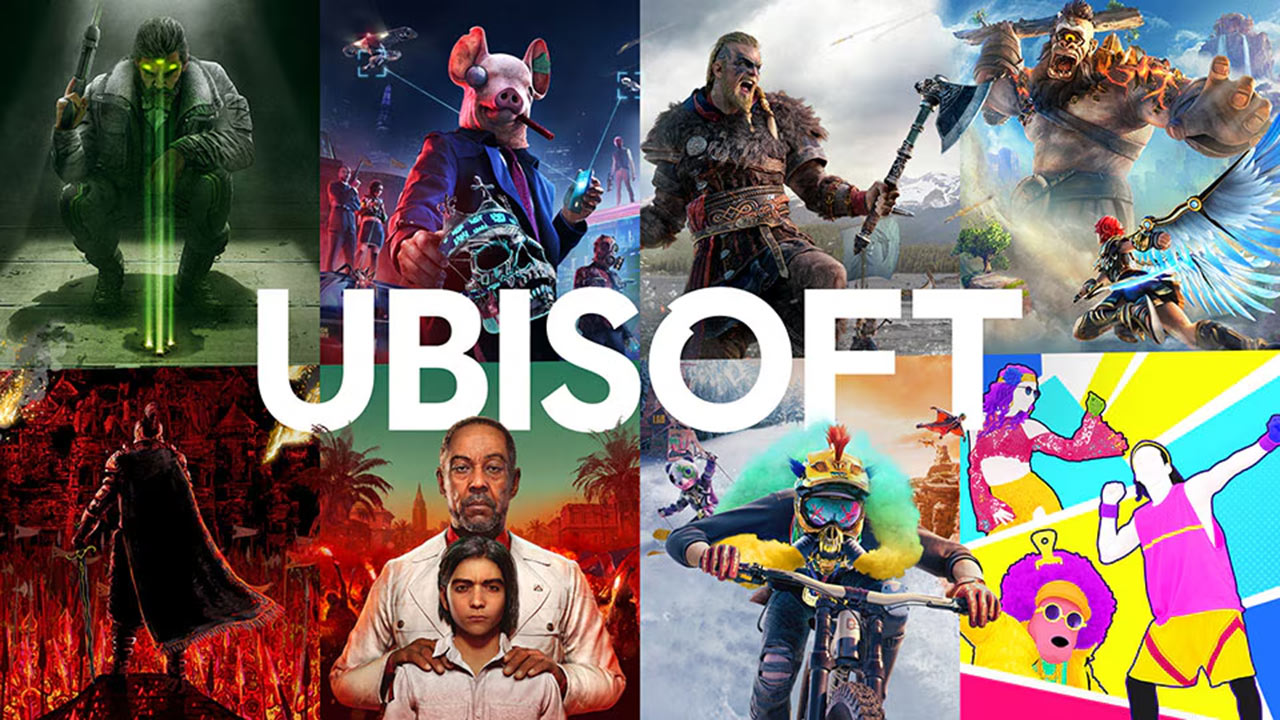
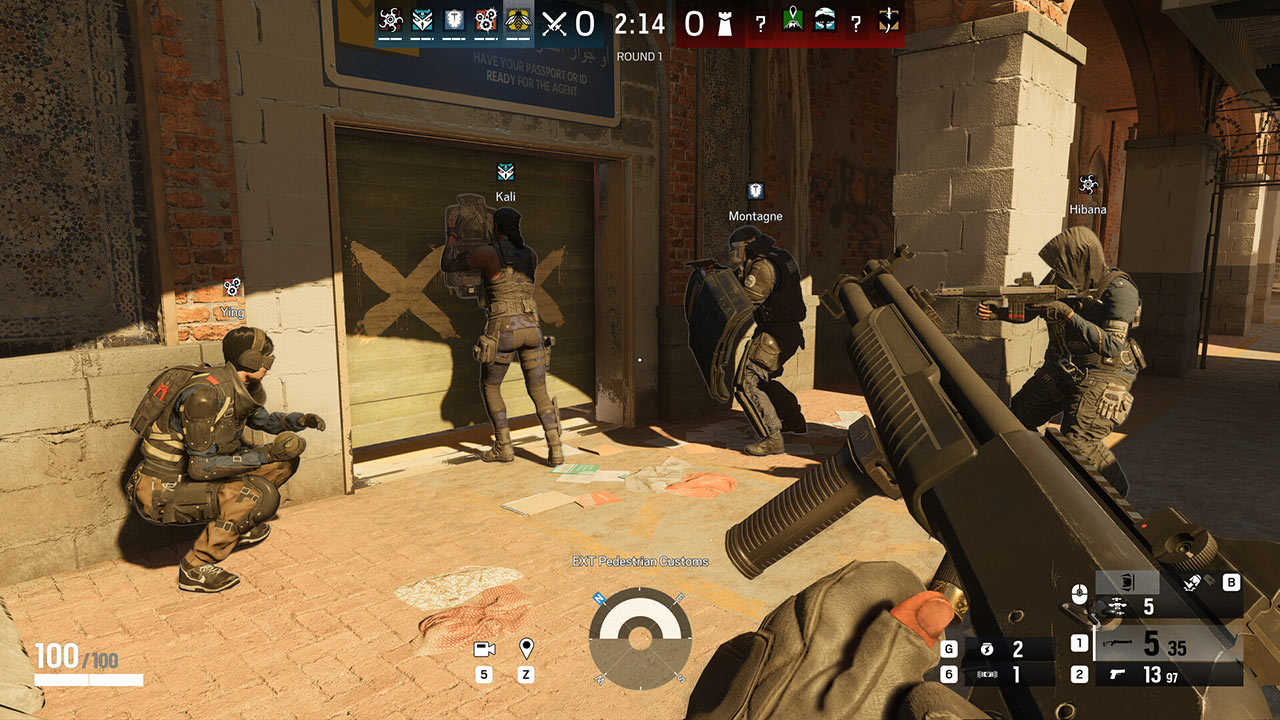
To understand how far Ubisoft has fallen, you first have to appreciate how high it once stood. At its peak, the scale was staggering. Assassin’s Creed alone has sold over 230 million units across the franchise and accumulated 155 million unique players. Far Cry has sold over 60 million copies, while Just Dance has moved over 80 million units and attracted over 120 million players. Rainbow Six Siege, launched in 2015 as a tactical shooter that many initially wrote off, quietly became one of the most played games in the world, with over 85 million registered users at its peak.
Assassin’s Creed Valhalla, released in November 2020, became the first game in the franchise to cross a billion dollars in revenue and drove Ubisoft to its most profitable quarter at that point in the company’s history. The future looked very bright.
The Numbers Don’t Lie
Ubisoft just recently published its full financial results for fiscal year 2026, covering the 12 months ending March 31, 2026, and the numbers are stark. Revenue came in at €1.4 billion, down 21.8% compared to the previous year. Net bookings fell 17.4% year-over-year to €1.5 billion. Digital net bookings dropped 16% to €1.33 billion. The final quarter of the fiscal year, covering January to March 2026, was the worst of it: revenue collapsed 47.3% in those three months alone, while net bookings fell 54% to €415 million. Operating losses widened from €196.5 million the prior year to €1.3 billion, a figure that reflects the full cost of the company’s restructuring, including write-downs tied to seven cancelled projects and six delayed games.
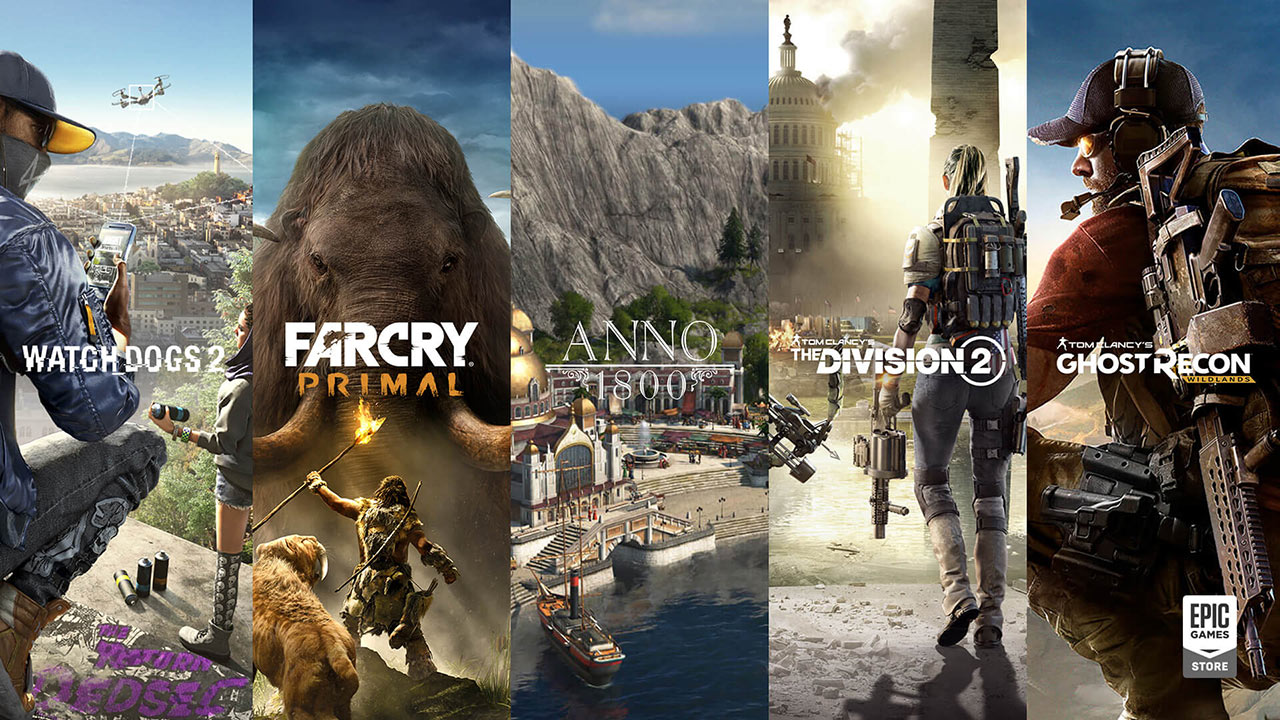
There were some genuine bright spots buried in the report. Rainbow Six Siege peaked at over 10 million monthly active users in March 2026. The Division 2 more than doubled its net bookings across the full fiscal year. Assassin’s Creed crossed 30 million players by year’s end. Avatar: Frontiers of Pandora, The Crew Motorfest, and For Honor all reported growth during the period, with Motorfest hitting record quarterly user numbers. Across consoles and PC, Ubisoft reached 36 million monthly unique users and 129 million unique users in total. But these were not enough to change the overall picture.
Ubisoft has already acknowledged that FY2026-27 will be a further “low point” in its free cash flow, with a softer release slate and continued restructuring costs weighing on the business. A strong rebound is being forecast for FY2027-28, with the company targeting positive free cash flow that year and describing FY2028-29 as the point at which it expects “robust” free cash flow to return. In his statement accompanying the results, CEO Yves Guillemot called the past fiscal year “one of decisive action” and described the transformation underway as one of the most ambitious in the company’s history.
A String of Costly Failures
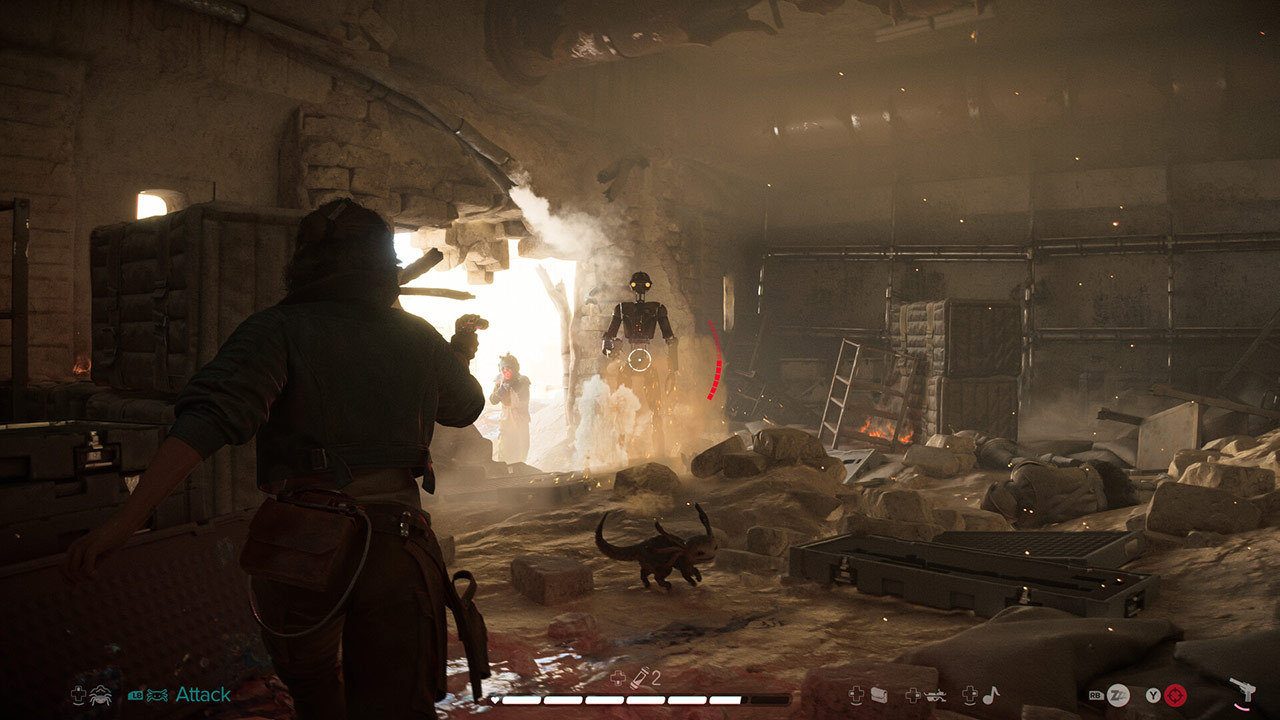
Star Wars Outlaws was supposed to be a statement. Released in August 2024 with a massive development budget and a lengthy, widespread marketing campaign behind it, the open-world Star Wars adventure was exactly the kind of high-profile, licensed blockbuster Ubisoft needed to deliver. Instead, it seriously struggled for sales. Players pointed to uninspired gameplay and technical problems at launch, and the reviews reflected that disappointment. Following its release, Ubisoft’s revenue in the first half of fiscal year 2025 fell nearly 20% compared to the same period the year before.
Then there was XDefiant, Ubisoft’s attempt at a free-to-play competitive shooter. The live service shooter barely got off the ground before rumors of its imminent demise began to spread. Around seven months later, Ubisoft confirmed that the game would be shut down. The game’s own executive producer later admitted it launched with very little post-launch marketing and suffered from serious technical problems tied to using an engine that wasn’t built for what the team was trying to do. The closure of XDefiant led directly to shutting down Ubisoft’s studios in San Francisco and Osaka, impacting roughly 277 employees in total.
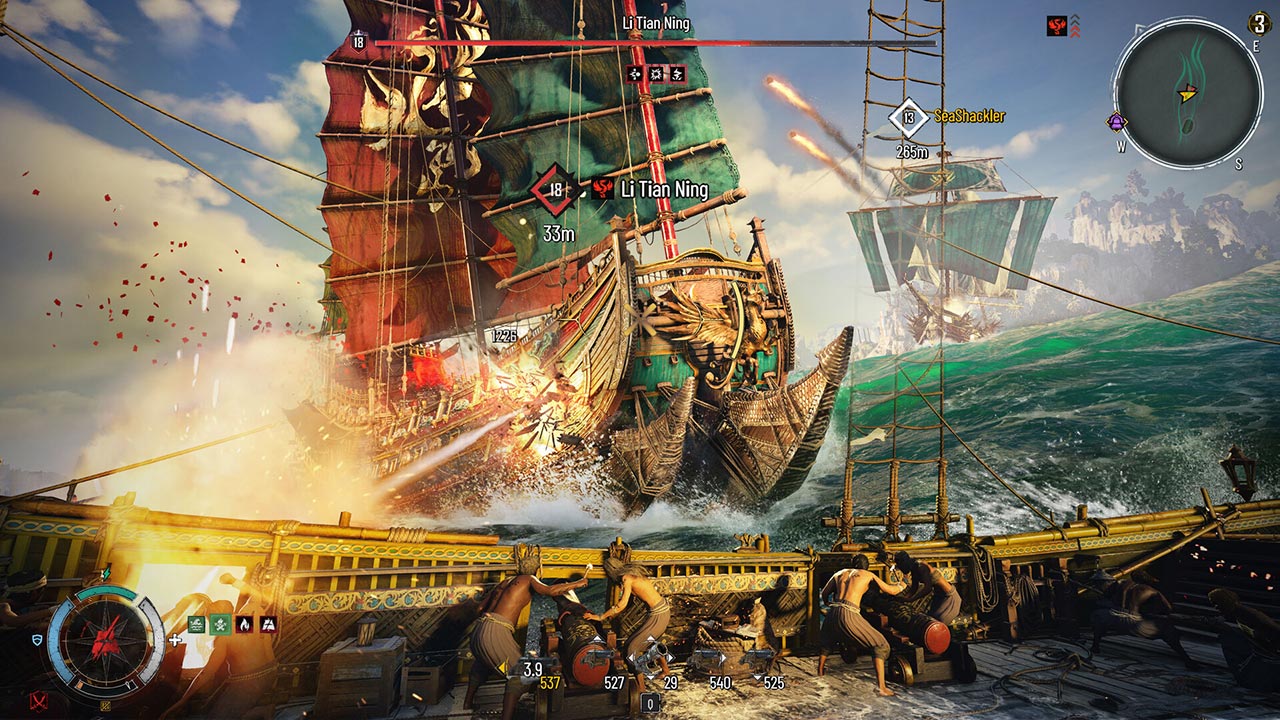
And then there’s Skull & Bones. According to anonymous sources within Ubisoft, speaking to YouTuber ENDYMIONtv, the game consumed somewhere between $650 and $850 million over its decade-long development, a figure that, if accurate, dwarfs what most blockbuster games cost and would make it one of the most expensive video game projects ever attempted. It is worth noting that this figure comes from unverified insider sources and has never been officially confirmed by Ubisoft. However, given the game’s famously chaotic development history, the number is widely considered plausible by industry observers. The game was first announced in 2017 but had quietly been in development since around 2014, delayed at least four times, and went through multiple complete restarts, each one sending the budget higher.
Part of what made the development so turbulent was the constant churn of leadership at the top. By the time Skull & Bones finally shipped, the game had burned through at least three creative directors. Elisabeth Pellen, who had been with the project since 2018, became its third creative director to depart, leaving the team shortly before launch after the game’s beta received a lukewarm reception. Before her, the project had already cycled through earlier creative leads as the game’s concept shifted from a standalone expansion, to a multiplayer survival game, to a live-service pirate title.
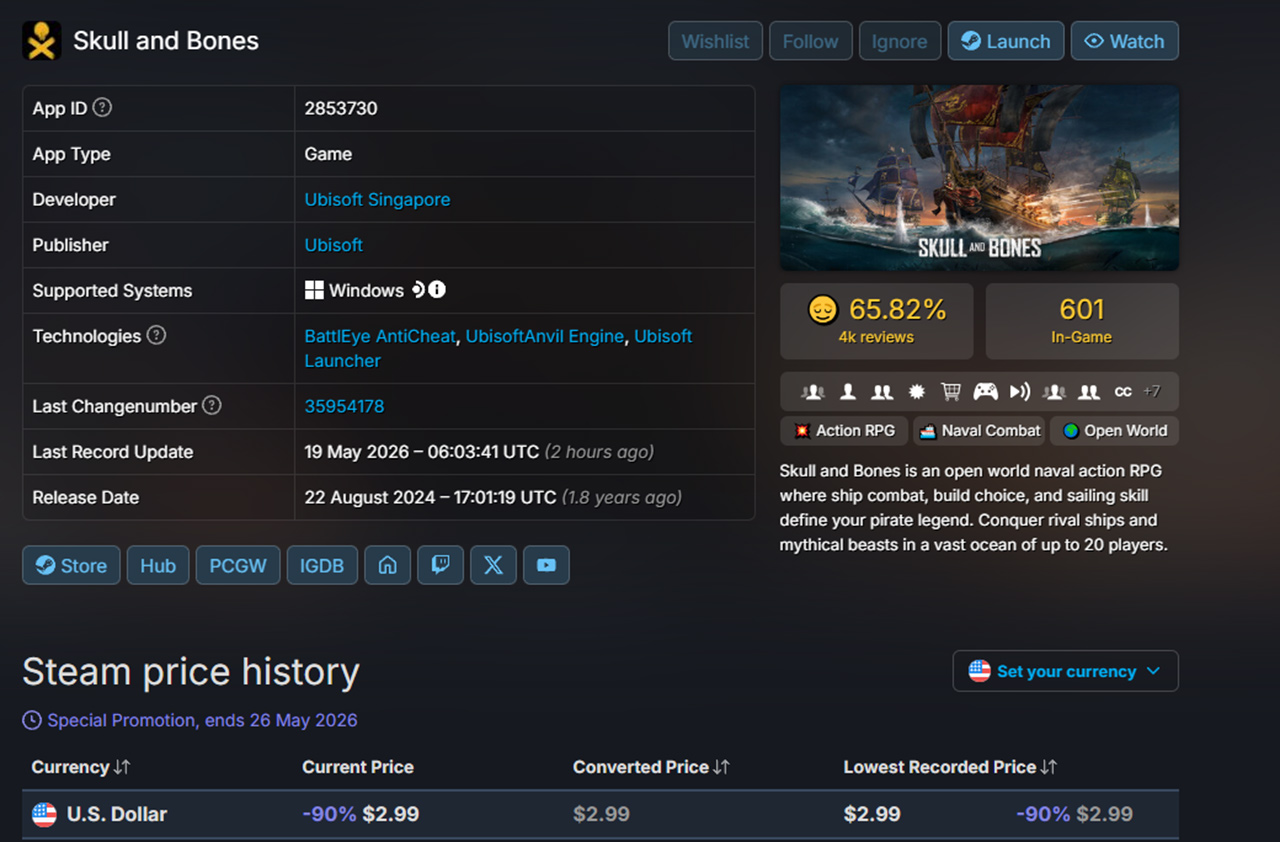
The game ended up landing quietly without making much of a mark. The game that Ubisoft’s CEO had called a “AAAA” experience to justify its $70 price tag was already on sale for $10 at Best Buy just six months after release, and as of 2026, it now lists for as low as $2.99, a 90% discount off its regular price. For now it works out to roughly $2.50 or $0.50 (during sale) per A in Guillemot’s “AAAA” label.
A Culture Problem Years in the Making
The financial failures didn’t happen in an isolated vacuum. Running alongside them, and in many ways predating them, was a culture problem that had been festering inside Ubisoft for years before it finally became impossible to ignore.
In the summer of 2020, a wave of sexual misconduct accusations swept through Ubisoft. An internal survey Guillemot published, drawing anonymous responses from over 14,000 employees, found that 25% had witnessed or experienced some form of workplace misconduct, and one in five said they did not feel respected or safe while at work. Staff who tried to raise concerns were reportedly told by HR, “They’re creatives, that’s how they work,” or “If you can’t work with him, maybe it’s time for you to leave.”
The accusations touched multiple regions and multiple levels of leadership. Ashraf Ismail, the creative director of Assassin’s Creed Valhalla, stepped down in June 2020 following allegations that he had pursued relationships with fans while lying about being married. His employment was formally terminated by Ubisoft in August 2020 following an external investigation. As of late 2023, Ismail had moved on to work at Tencent. At the executive level, former Chief Creative Officer Serge Hascoët and Yannis Mallat, the managing director of Ubisoft’s Canadian studios, both resigned in July 2020, along with Cécile Cornet, the company’s global head of human resources.
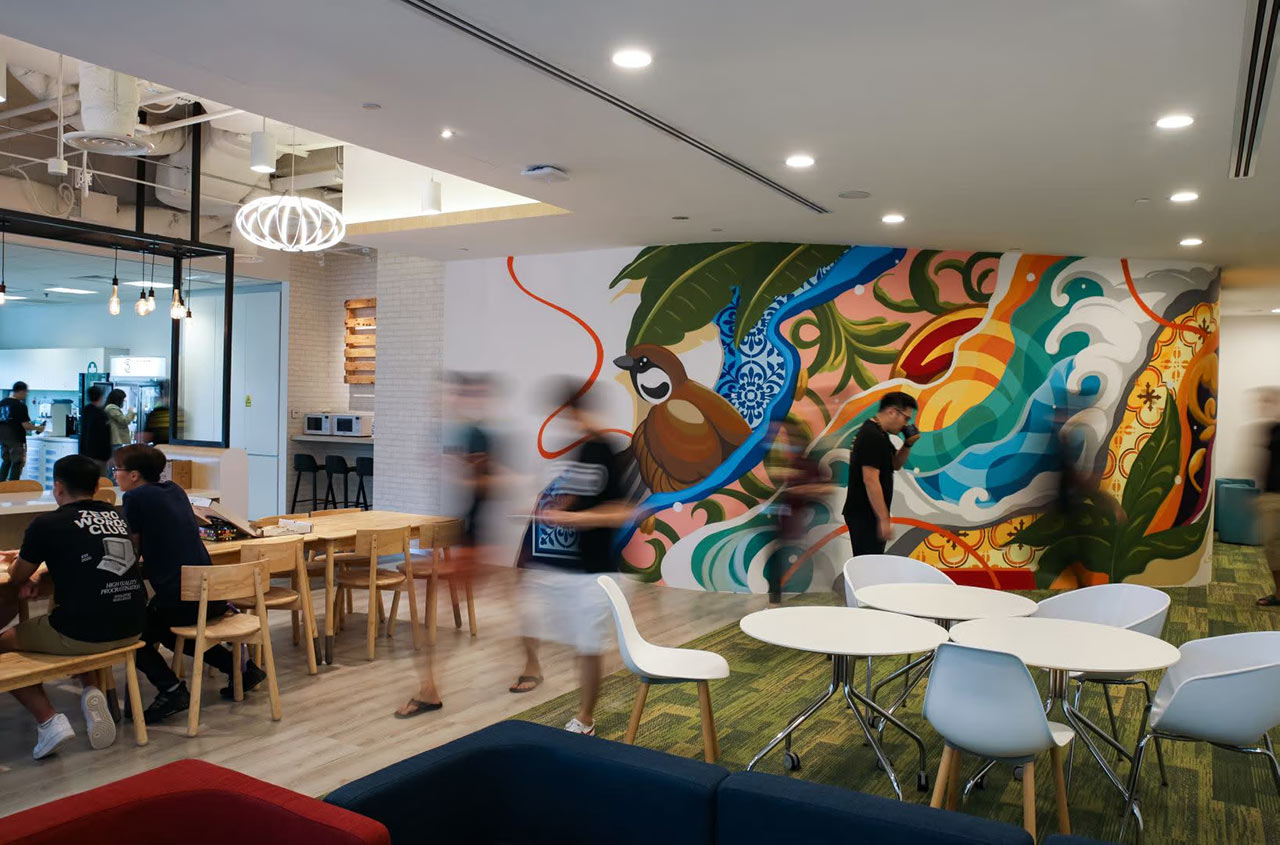
The problems extended to Southeast Asia as well. At Ubisoft Singapore, where Skull & Bones was in development. In November 2020, Ubisoft removed Hugues Ricour, the managing director of Ubisoft Singapore, following a leadership audit. The audit came after Gamasutra reported that Ricour had been accused by multiple sources of sexual harassment and of fostering a culture of fear and oppression at the studio. Sources told PC Gamer that anyone who raised complaints about Ricour’s behavior faced workplace repercussions that went ignored by Ubisoft’s HR department. Former developers described the Singapore studio as internally known as one of the worst Ubisoft offices in terms of culture, with one source saying “the head was rotten, so the body was incapable of functioning properly.” Ricour was not fired, but was transferred to Ubisoft’s Paris headquarters, where he was later listed as Production Intelligence Director on his LinkedIn profile, a response that did little to reassure the staff who had raised concerns.
The harassment issues were not confined to Paris and Singapore. Employees at Ubisoft-owned studio Nadeo accused its managing director Florent Castelnérac of harassment in 2020, with French union Solidaires calling publicly for his dismissal in September of that year. As of reporting in 2021, Castelnérac remained in his position.
The legal reckoning came years later. In October 2023, French police arrested five former Ubisoft executives as part of an investigation that had been building since a criminal complaint filed by the Solidaires Informatique union and two victims, with police spending a year gathering testimonies from 50 current and former employees. Trial proceedings began in June 2025 in Bobigny criminal court, where state prosecutor Antoine Haushalter described the evidence as “overwhelming” and said the case revealed systemic issues with sexism and abuse across the video game industry.
On July 2, 2025, the court found all three defendants guilty. Tommy François, former VP of editorial, received the heaviest sentence: a three-year suspended term.
CEO Yves Guillemot, who led the company throughout the entire period in which this conduct took place, was never charged. A subsequent open letter from Ubisoft employees accused the company of continuing to “protect and promote known offenders and their allies,” and said that management had generally ignored issues employees raised. They demanded an end to the practice of rotating accused executives between studios rather than removing them. Guillemot remains CEO today.
The Layoffs Keep Coming
The financial damage from these releases set off a wave of layoffs that has continued well into 2026. In January 2025, Ubisoft closed the Ubisoft Leamington studio and downsized several other studios, resulting in up to 185 staff being laid off. The company reported a strong decline in revenue in 2024 and laid off 700 employees in 2025.
In early 2026, Ubisoft set a goal to cut staff at its Paris headquarters by 200 employees as part of a larger reorganization aimed at achieving €200 million in additional cost reductions. According to our own coverage, these cuts are being proposed through a process called Rupture Conventionnelle Collective (RCC), a voluntary mutual termination agreement used by French companies that requires both union approval and government validation before becoming final.
One of the more notable casualties was Red Storm Entertainment, the North Carolina studio closely tied to the Tom Clancy franchise. The studio had been juggling at least 10 different projects at the time it was told to stop making games, including seasonal content for Rainbow Six Siege, the next Ghost Recon title, Beyond Good & Evil 2, and early planning work for The Division 3. The remaining staff will now function as a support hub, focusing on technical assistance and IT services rather than creative game design.
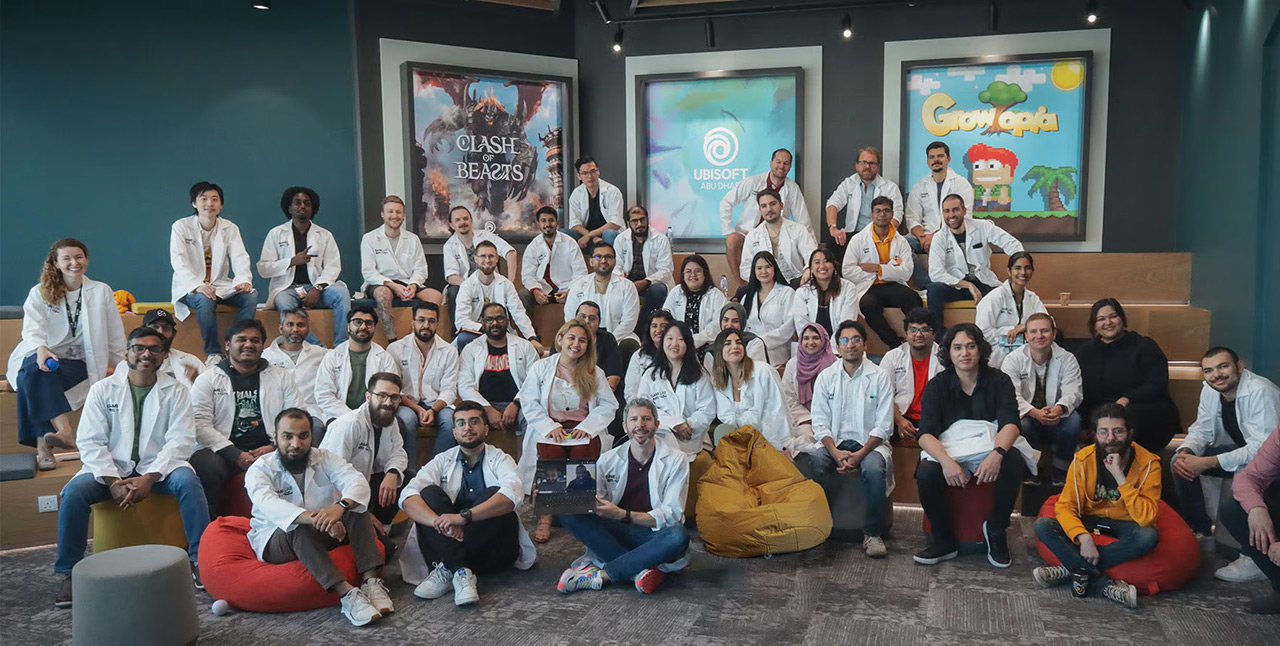
The closures extended further than many casual observers realized. In March 2024, Ubisoft cut 45 positions across its global publishing and Asia-Pacific divisions, with roles eliminated in local marketing, regional HR, and quality assurance teams in markets including India and China. In November 2025, Ubisoft quietly laid off 29 employees at its Abu Dhabi studio, discontinuing several mobile projects to consolidate around Growtopia, cuts that were first surfaced through LinkedIn posts from affected staff before Ubisoft officially confirmed them. The wave also hit studios in Düsseldorf, Stockholm, and Ubisoft Reflections, with restructuring across those three locations accounting for a significant portion of the 185 positions cut in January 2025. The geographic spread of these cuts tells its own story: this wasn’t surgical cost-trimming. It was a company shedding weight in every direction at once.
The Prince of Persia Problem
One of the more painful stories to come out of this period involves Prince of Persia: The Lost Crown. The game received positive reviews from critics but failed to meet the sales expectations of Ubisoft, leading to the development team being disbanded and a planned sequel being scrapped.
What made this sting even more was the context. Staff who worked on the game reportedly called it “the best production of my life,” and many had hoped the team could serve as a safe space for developers burned out from other troubled projects at the studio.
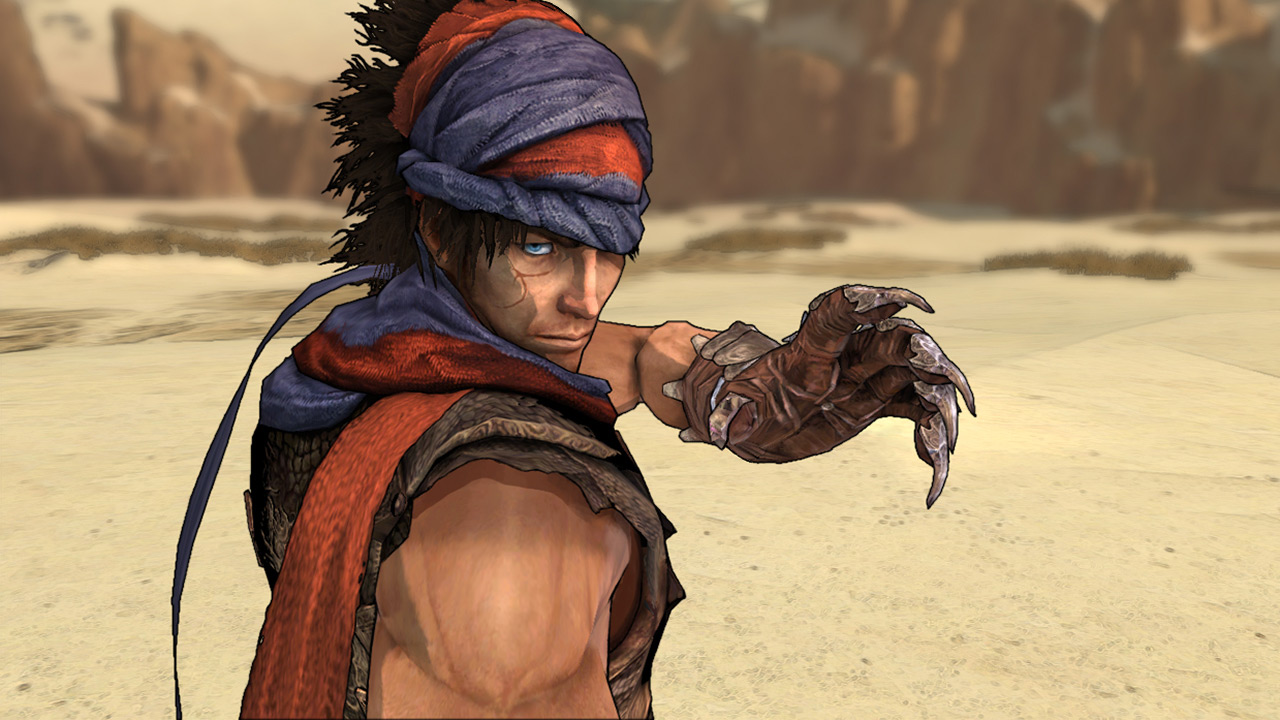
The Lost Crown had sold approximately 1.3 million units in its first year and went on to accumulate over 3 million players by September 2025, growth that came well after the team had already been let go. For many players and developers, it became a symbol of Ubisoft measuring success almost entirely on launch-window numbers.
There is a recent update, though: according to insider Gautoz, who first broke the news of the team’s disbanding, the core team behind The Lost Crown has reportedly been given the green light by Ubisoft to reunite and pitch new game ideas. Nothing has been formally confirmed by Ubisoft, and it remains to be seen what comes from it.
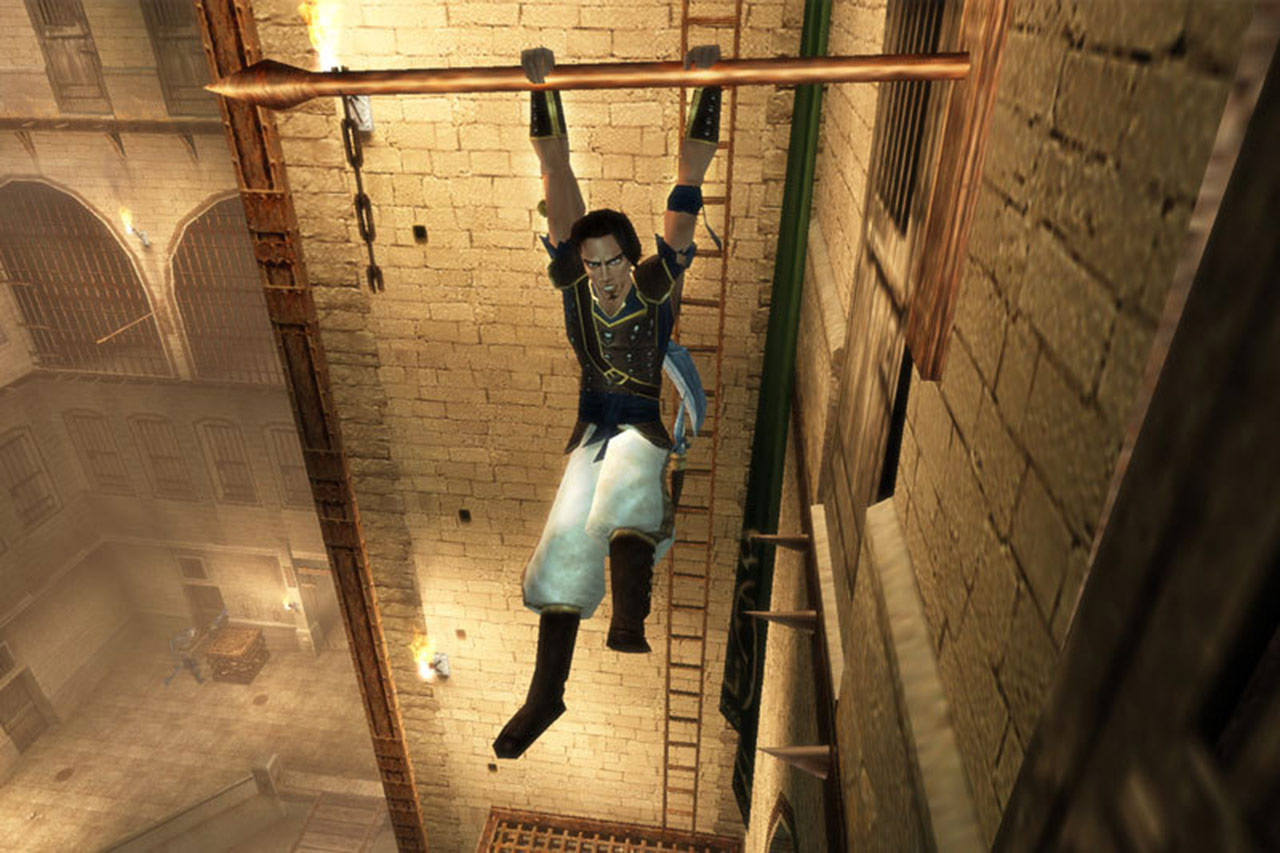
The Prince of Persia problems did not stop there. As part of its January 2026 restructuring, Ubisoft also officially cancelled a Prince of Persia: The Sands of Time remake, a title that had been in development since 2020, went through multiple delays, and switched development studios mid-production. The team behind the cancellation posted a message to fans acknowledging that while the game showed promise, it couldn’t reach the quality level it needed, and continuing would have required more time and resources than the company could commit to. Ubisoft stated that the cancellation doesn’t mean the end of the Prince of Persia series, and that four new IPs remain in development across the company.
Even Assassin’s Creed Shadows Wasn’t Enough
Assassin’s Creed Shadows launched in March 2025 after two delays, and it did well. It became one of the best-selling games of 2025 and had the second-highest day-one sales in franchise history, according to Ubisoft’s own financial report.
But even that wasn’t enough to turn things around. Ubisoft reported a €159 million loss for fiscal year 2024-2025, with a 20.5% drop in net bookings. Poor performances from other titles offset the strong sales from Assassin’s Creed Shadows.
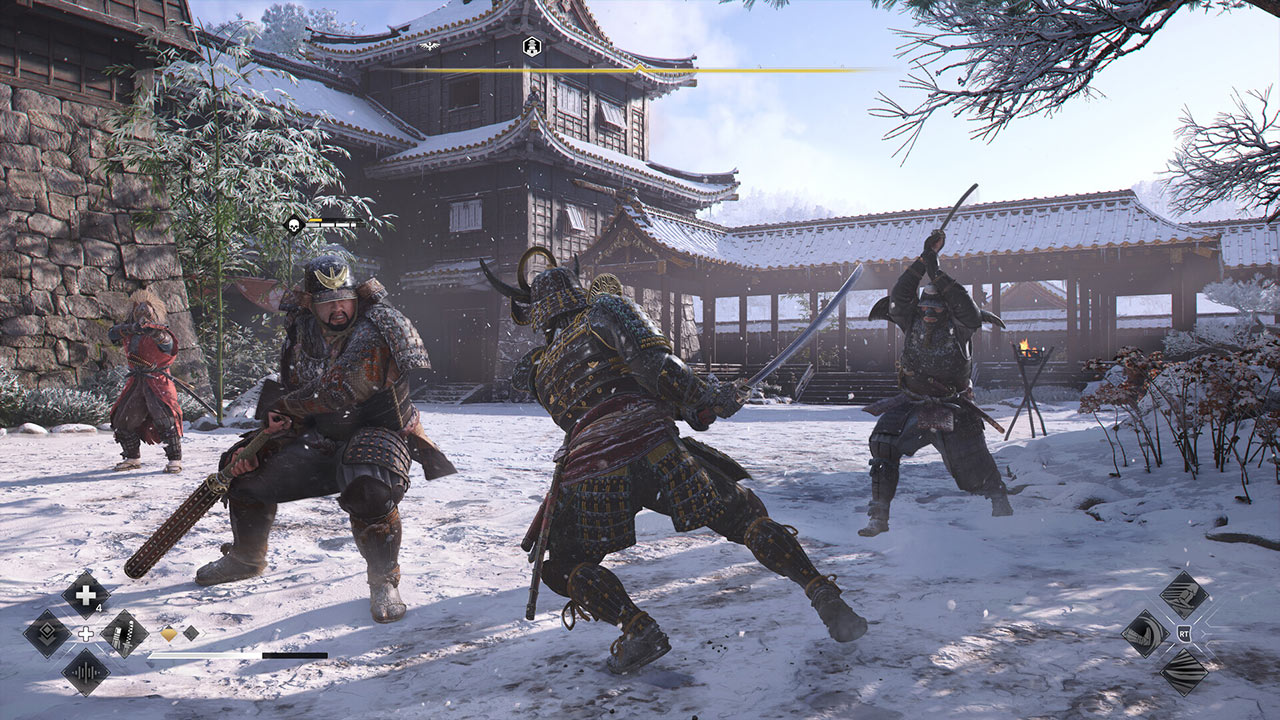
In January 2026, Ubisoft announced what it called a “major reset.” The company reorganized itself into five specialized “Creative Houses,” each focused on a distinct genre or type of game. Based on our own coverage of the announcement, the breakdown looks like this:
Vantage Studios handles the biggest franchises, Assassin’s Creed, Far Cry, and Rainbow Six, and is partly owned by Tencent. CH2 covers competitive and team-based shooters like The Division, Ghost Recon, and Splinter Cell. CH3 manages ongoing live service games like For Honor, Riders Republic, and Skull & Bones. CH4 focuses on fantasy and story-driven games including Rayman, Prince of Persia, Anno, and Beyond Good & Evil. CH5 handles casual and family-friendly titles like Just Dance, Uno, and Hasbro games.
Each house has its own leadership and is responsible for its own success. Six games were cancelled as part of the reset, including the Sands of Time remake and several unannounced titles, and seven more were delayed. For fiscal year 2026, Ubisoft forecasts net bookings of around €1.5 billion and an operating loss of roughly €1 billion, which includes a €650 million hit from the game cancellations and delays.
To lead Assassin’s Creed specifically under Vantage Studios, Ubisoft brought in a dedicated leadership team. Martin Schelling, who worked on entries like Black Flag, Origins, and Valhalla, takes over as Head of the Assassin’s Creed Brand. Jean Guesdo, the creative director behind both Black Flag and Origins, steps in as Head of Content. François de Billy, who served as production director on Origins and Valhalla, becomes Head of Production Excellence. Vantage Studios described the three appointments as central to driving the franchise’s long-term creative direction.
The Bigger Problem: Forgetting What Players Actually Want
Running through all of these failures is a thread that’s harder to quantify but impossible to ignore: Ubisoft, somewhere along the way, stopped making games people actually wanted to play.
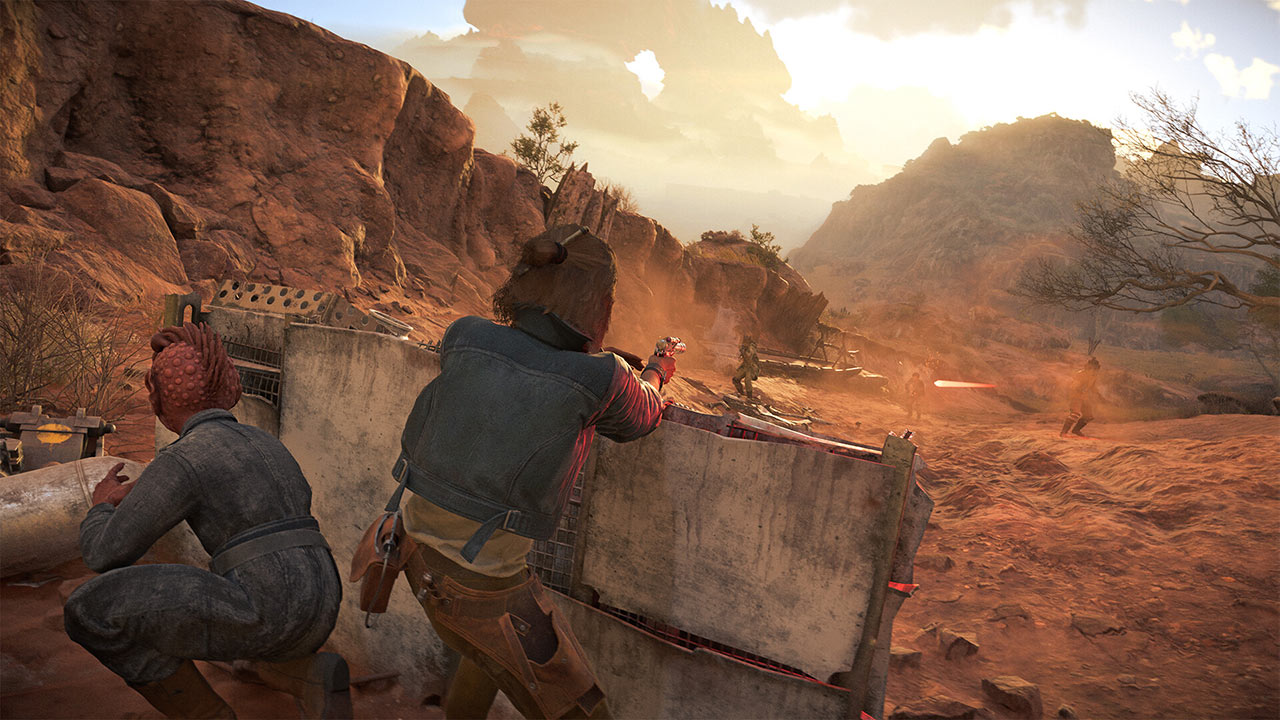
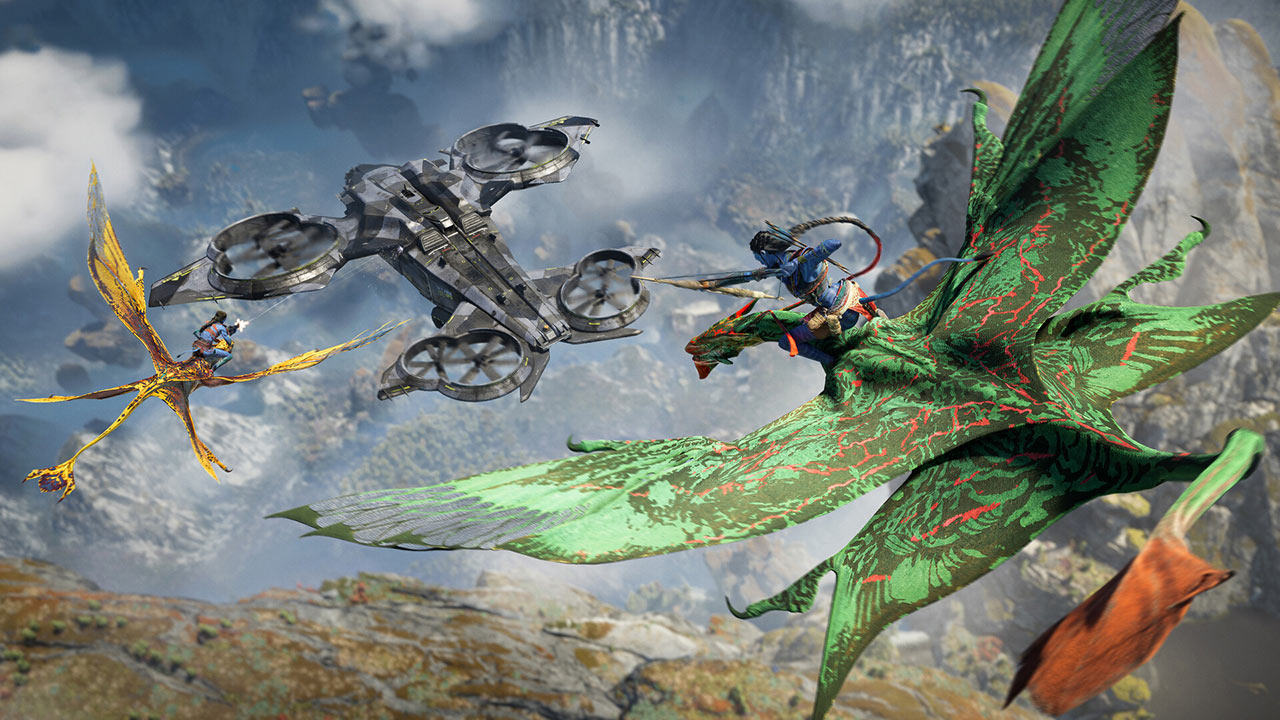
Star Wars Outlaws launched into one of the most beloved fictional universes in history and still couldn’t hold players’ attention, largely because the game itself wasn’t fun enough to carry the license. Avatar: Frontiers of Pandora had the same problem, another enormous IP, another middling open-world game that felt assembled rather than designed. The irony is that both Star Wars and Avatar are among the most recognizable entertainment brands on the planet. The built-in audience was there. The appetite for good games set in those worlds is undeniable. And yet Ubisoft still managed to underdeliver, which speaks less to the licenses themselves and more to the formula being applied to them.
There’s a useful way to think about this. Imagine walking into a restaurant because you’ve been craving fried noodles. The restaurant used to make the best fried noodles you’d ever had. But now, after years of internal reorganization and focus-group testing, they’ve decided fried rice is more scalable. You didn’t want fried rice. You’re not going to come back tomorrow. That’s roughly the dynamic Ubisoft built with its playerbase over the better part of a decade: a company that once had an instinct for what made games feel alive gradually replaced that instinct with metrics, live-service frameworks, and an assumption that brand recognition alone would move units.
The games that genuinely resonated during this period, with Prince of Persia The Lost Crown being the clearest example, tended to be the ones made by smaller teams operating with more creative freedom and less corporate oversight. The lesson embedded in that pattern is obvious. Whether Ubisoft has actually learned it remains the real question going forward.
Where Things Stand
Ubisoft is not gone, but it’s a very different company from what it was even three or four years ago. Its market capitalization has fallen by approximately 85% since January 2021. Dozens of studios have been closed or downsized, hundreds of developers have lost their jobs, and several long-awaited projects have been quietly killed off.
Whether the “Creative Houses” plan works out remains to be seen. The restructuring is ambitious, and Ubisoft is betting that giving individual divisions more focus and accountability will lead to better games. CEO Yves Guillemot has acknowledged the changes will hurt the company’s finances in the short term, particularly in 2026 and 2027, but framed them as necessary to build something more sustainable in the long run. With losses continuing into 2026 and a heavy road ahead, the company will need more than a reorganization chart to get back to where it once was.
On the technology side, Ubisoft has signalled that generative AI will play a role in its future. The company’s FY2026 earnings report confirmed that it is accelerating investment in a project called Teammates, described as its “first playable Generative AI experience.”
It is also worth noting that Ubisoft previously embraced NFT-based gaming through Ghost Recon Breakpoint’s Ubisoft Quartz initiative in 2021, a move that was widely criticized and quietly dropped. Whether the generative AI push follows a similar arc, or marks a genuine shift in how the company makes games, remains an open question.
Whatever ultimately happens, Ubisoft’s story over the past five years will serve as a cautionary tale for the games industry for years to come. It is a case study in what happens when a publisher loses sight of what players actually want, allows internal culture to rot unchecked for a decade, bets enormous sums on the wrong projects, and mistakes brand recognition for guaranteed success. The lesson is not complicated. The hard part, as Ubisoft itself has demonstrated, is actually learning it.