



![[EXCLUSIVE] Dragon’s Dogma 2: Dark Arisen Team Opens Up About the Expansion’s Name, New Norgan Region, and Performance Goals](https://cdn.gamerbraves.com/2026/07/Dragons-Dogma-2-Dark-Arisen_Interview_FI-360x180.jpg)



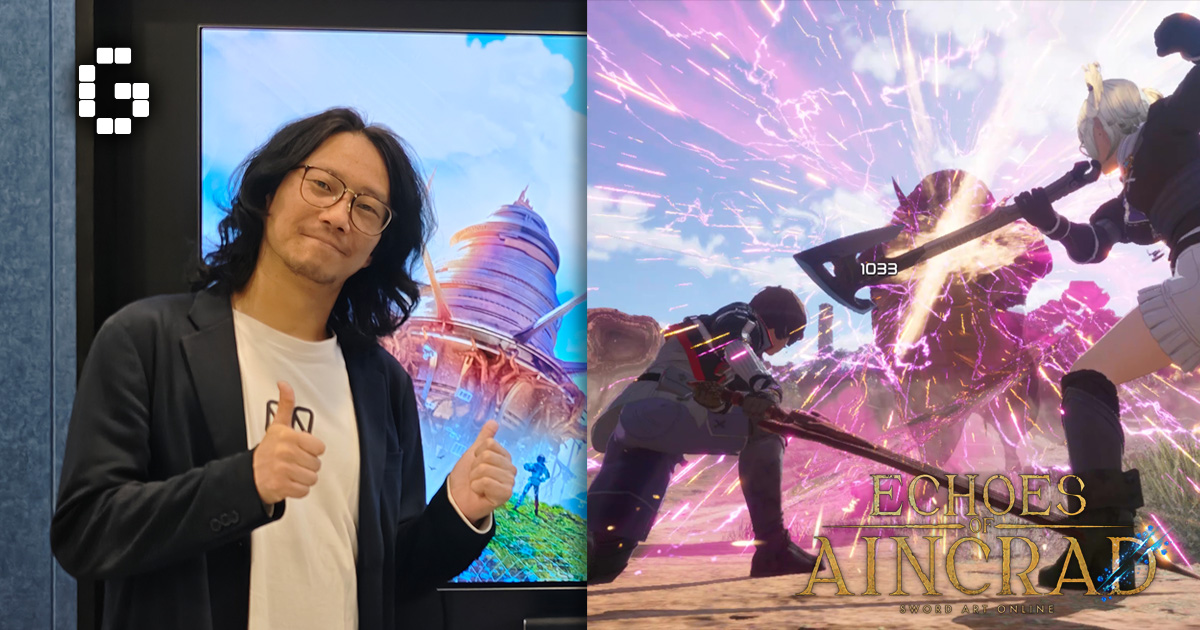
We sat down again with Yosuke Futami, producer of Echoes of Aincrad, for another round of questions covering everything from the game’s story design to its most daring mode. This time around, Futami opened up more about the development team’s thinking behind some of the game’s boldest choices, and what it actually took to bring the first two floors of Aincrad to life in a way that feels true to the source material.
A New Kind of SAO Story
One of the biggest shifts in Echoes of Aincrad is that players are no longer stepping into Kirito’s shoes. Instead, they create their own character and experience Aincrad as themselves. It is a departure that could have felt risky for a franchise so closely tied to its iconic black-clad swordsman, but Futami explains that the team saw it as the natural next step.
“We considered the story of Kirito and the others in Last Recollection to be complete, so we wanted to treat it as a natural stopping point,” he says.
“After that, as we explored a new approach for a console game, we came up with the concept of ‘what if it wasn’t Kirito, but yourself, joining Aincrad, the origin of the series and one of its most popular settings.’ That became the core concept of this title.”
The story is framed around what it would have been like to be an ordinary player present during the events of the Aincrad arc, without rewriting anything from the original canon. Kirito and other familiar faces still appear, and the established lore remains untouched. As Futami puts it, “while keeping the characters and histories of the original story as they are, this game’s story is built around the concept of ‘what if you were there as a Sword Art Online player, in that time and place.'”
That shift in perspective also opened up genuine creative room. Because the protagonist is no longer a known quantity with a fixed story, the team was free to design a character whose fate is genuinely uncertain. “Since Kirito is extremely skilled and everyone already knows how his story ends, we portrayed the protagonist and their group as characters whose actions after the game becomes a death game are genuinely hard to predict,” Futami adds. The experience is also meant to push players to think about the scenario personally.
“Unlike the original story told from Kirito’s perspective, we hope players will imagine: what would I do if I were thrown into this death game? What would other players do? And play with that in mind.”
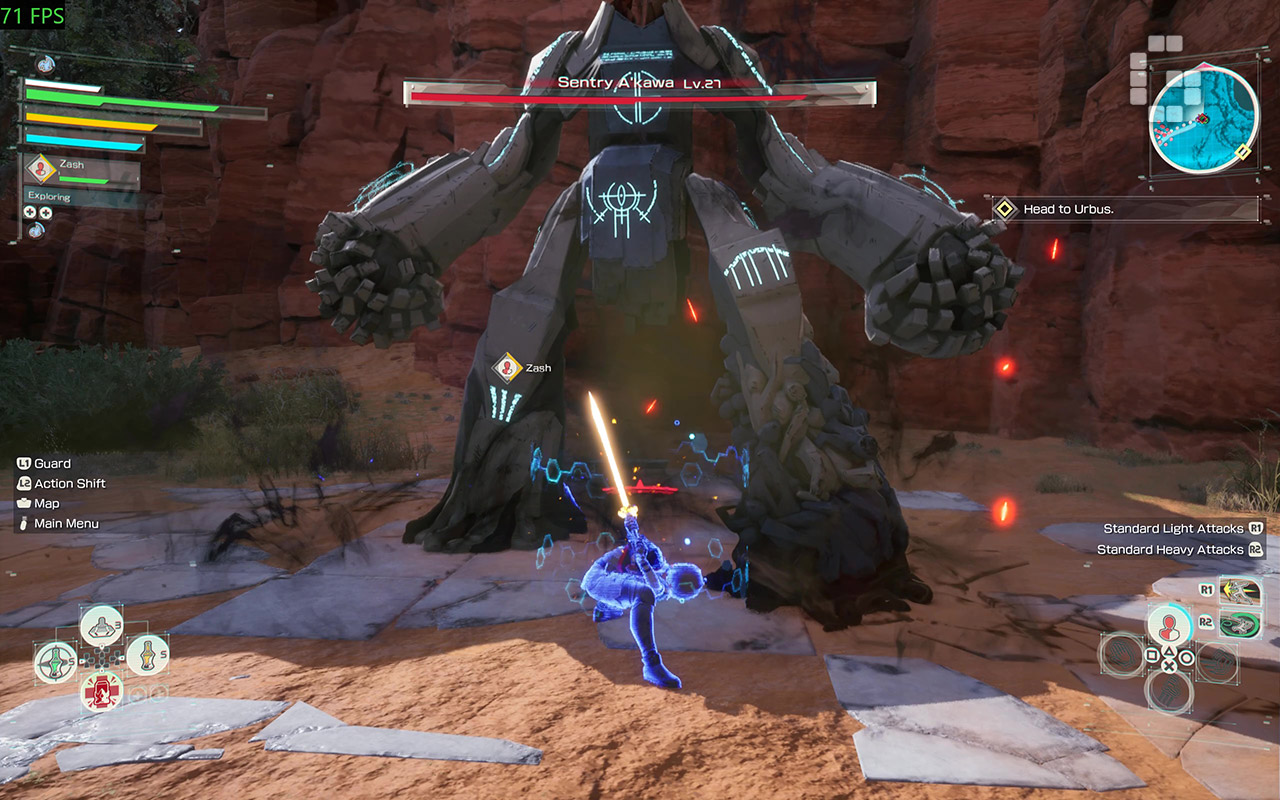
There is also a meaningful difference in how the protagonist is positioned within the game’s world. “In the original, Kirito already stood out as a top player during the beta test. In Echoes of Aincrad, the protagonist is also a beta tester, but starts as a beginner who learns from other players,” Futami explains. It is a subtle but important distinction that grounds the player character in a way that makes the journey feel earned rather than assumed.
Telling a Complete Story Without Going Full Live-Service
Futami is clear about what kind of game Echoes of Aincrad is meant to be. The main story covers the beginning of the death game and reaches a proper conclusion within this release. There are no plans for a live-service model, though sequels or follow-up titles are something the team would consider if the game connects with players.
“Within Echoes of Aincrad, the story of the start of the death game reaches its conclusion,” he says.
“However, if the game is well received by players, we would like to consider developing sequels or follow-up titles. We are not planning to operate it as a live-service title.”
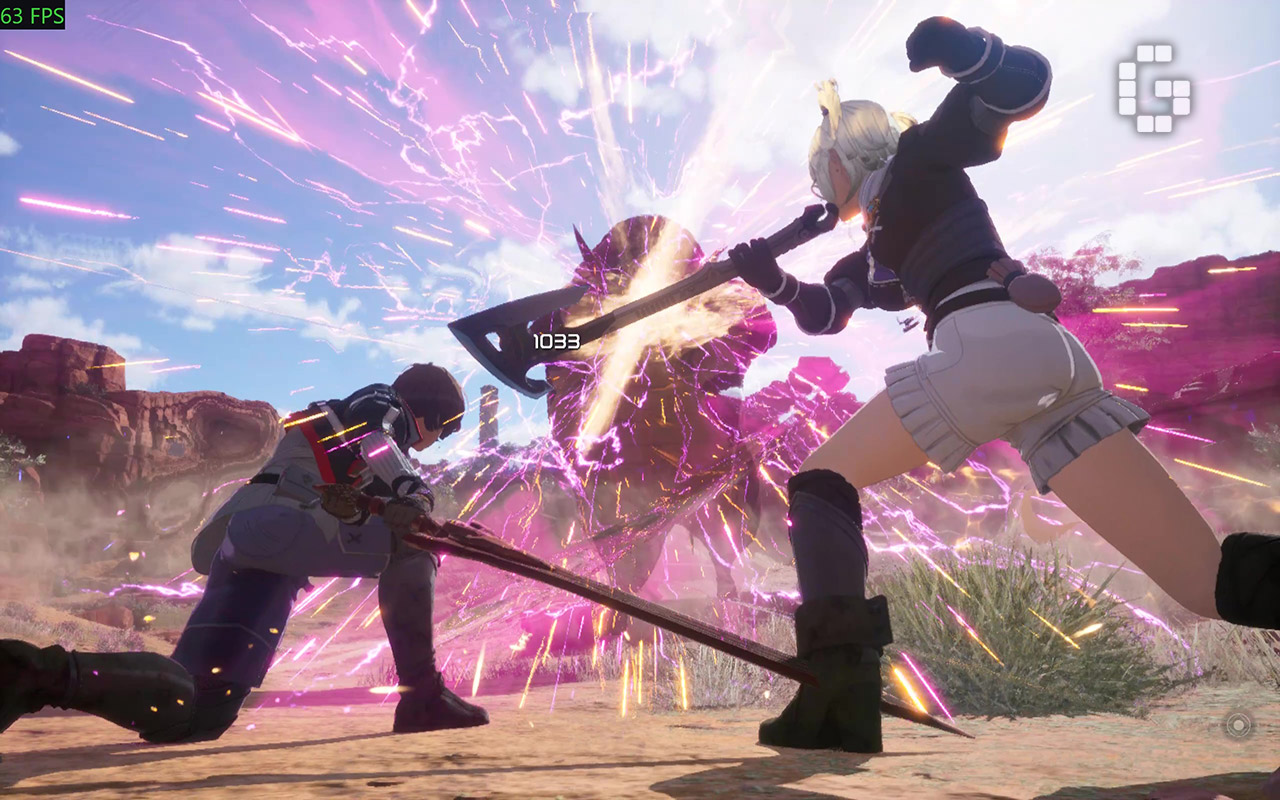
He draws a comparison to Sword Art Online the Movie: Progressive, noting that this title is approached as one focused episode within the larger Aincrad arc, covering just the first two floors rather than trying to tell the entire story at once. “The Aincrad arc of Sword Art Online is a grand story. We see this title as one episode within it,” Futami explains.
“Since Kirito and the original characters are not the main focus, this is a challenge for us as well. If it is well received by players, we hope to continue this story.”
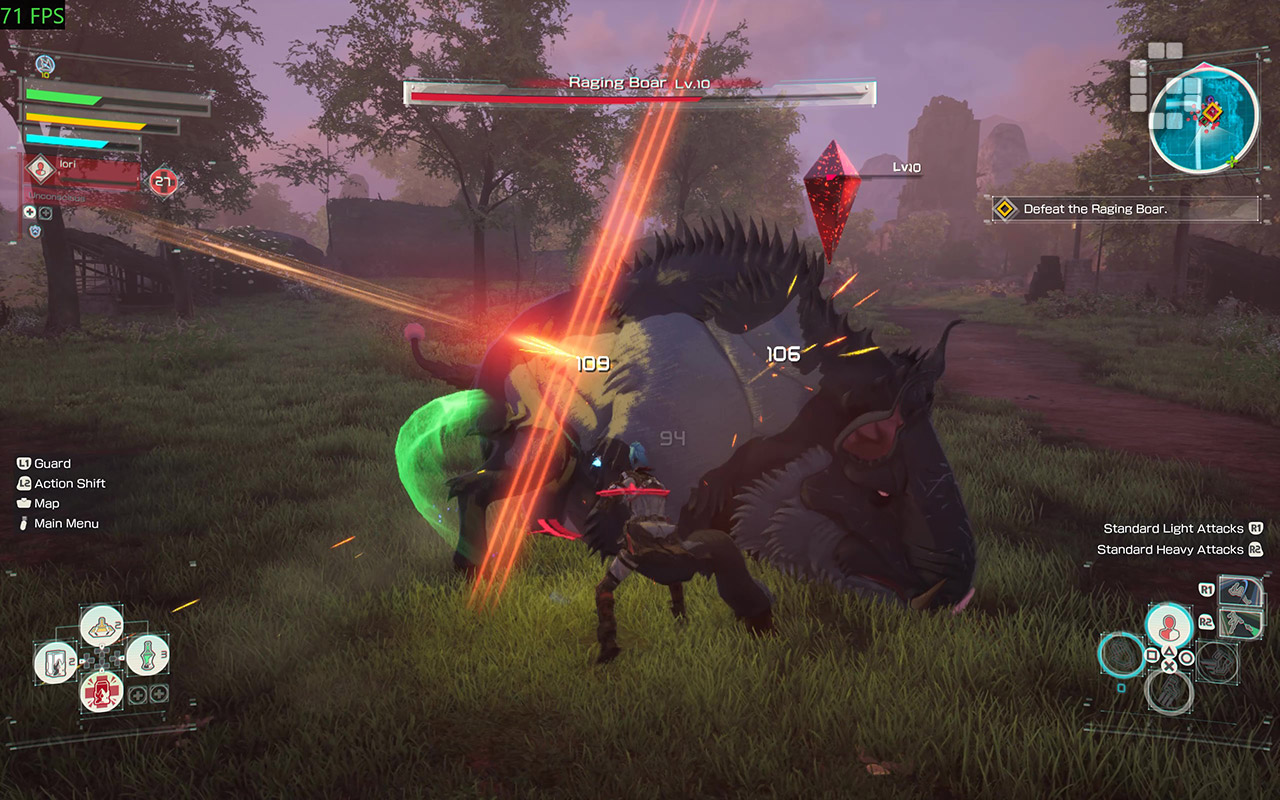
The highlights of the game are rooted in experiencing the arc from a fresh angle. “The biggest highlight is that players can experience ‘the prologue of the death game’ firsthand, from the hopeful days of the Aincrad beta test to the fear and emotional turmoil of being plunged into the death game,” Futami says. That emotional arc, moving from anticipation to dread, is central to what the team wants players to take away from the experience.
Building Aincrad at Full Scale
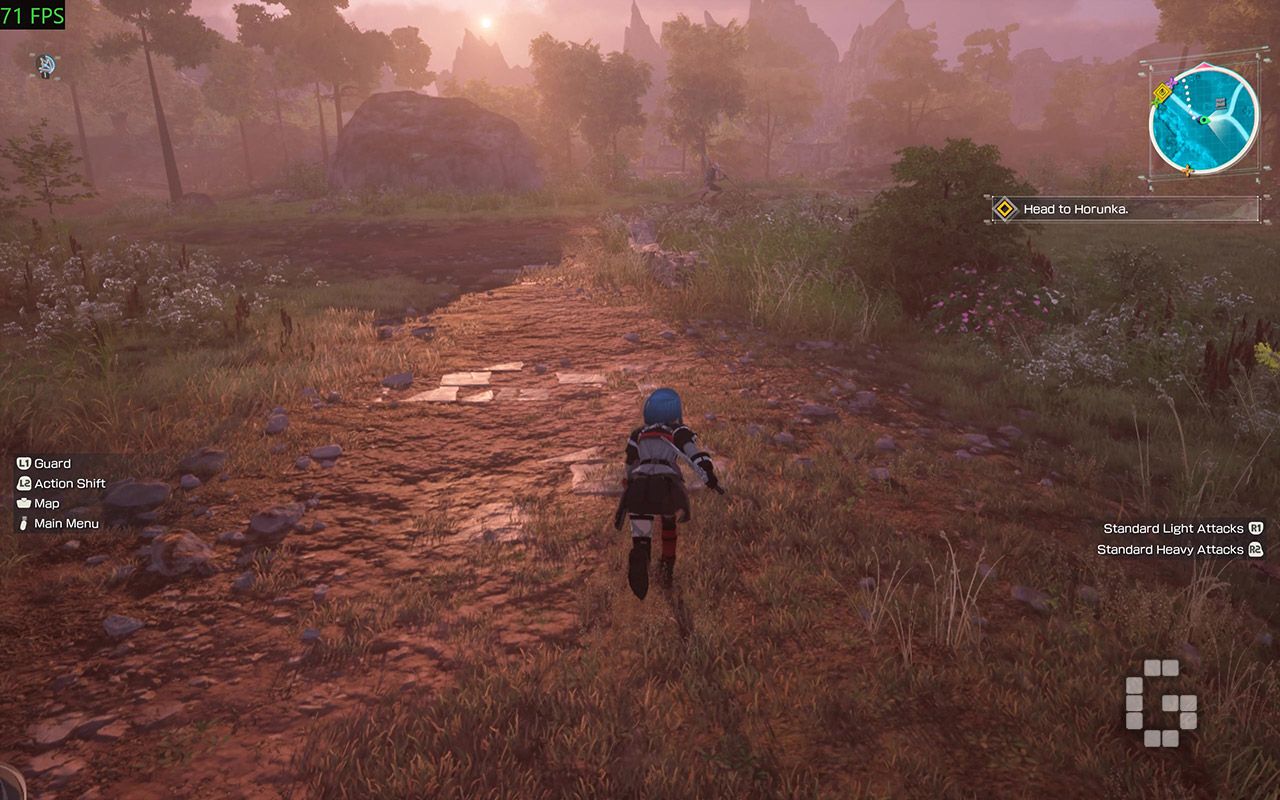
Recreating the first two floors of Aincrad turned out to be one of the team’s biggest technical and design challenges. “The 1st and 2nd floors of Aincrad are extremely vast, and since we recreated them on a similarly large scale in the game, it was very challenging to design them in a way that requires players to think and map out the areas themselves as they explore,” Futami says.
Rather than guiding players along a clear path at all times, the game expects some exploration and spatial reasoning. That said, the team made sure not to make it punishing. “Since players map things out themselves, some may get confused at first. However, if you pay attention to the environment and the map, you’ll find paths and landmarks that guide you the right way, and once you get used to it, it won’t feel too complicated,” he notes.
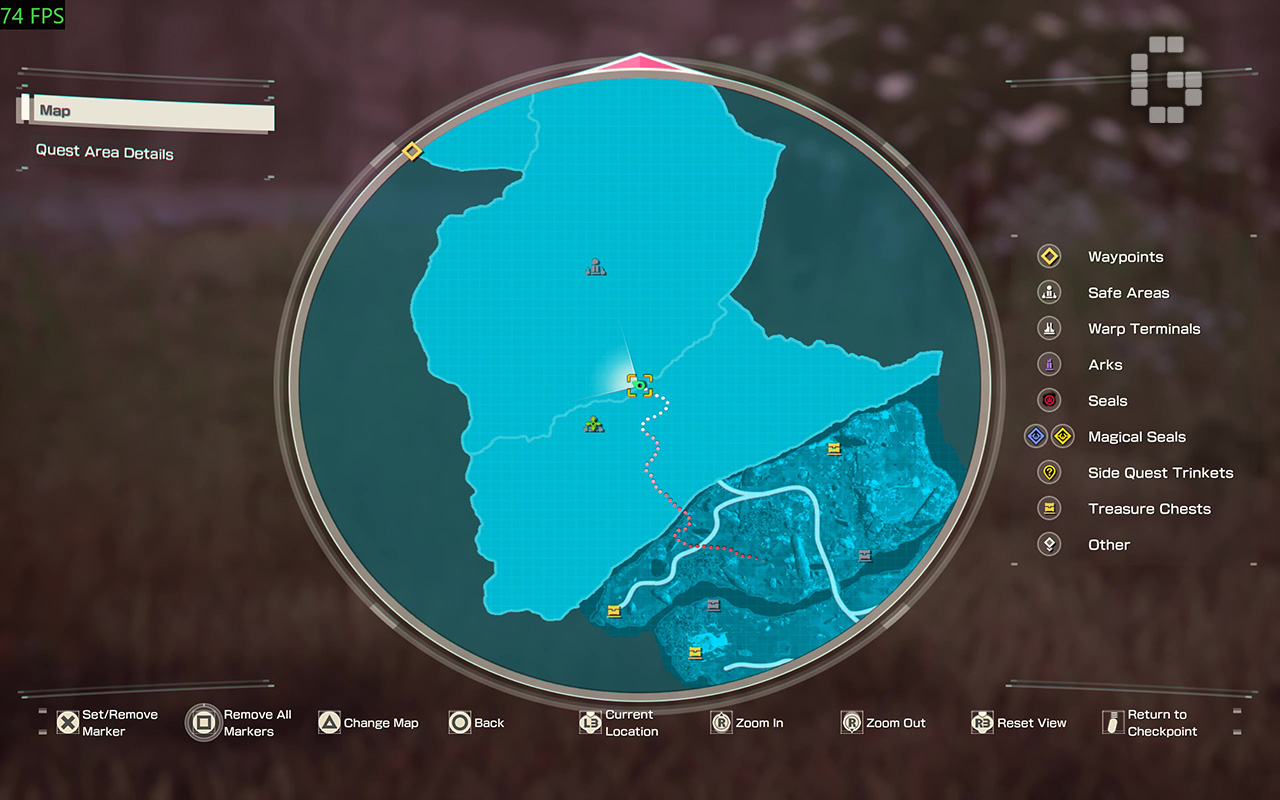
On the topic of vertical traversal, Futami clarifies that height differences are designed more as walls than as genuine hazards. There is no fall damage, so players will not get a game over from a bad drop. “Some items can create shortcuts, but in most cases, you can reach your destination by going around and finding another path,” he adds. The world is built to reward attentiveness rather than punish mistakes.
As for base locations, players will not be stuck in the Town of Beginnings for long. “Several towns from the original story appear as base locations, such as Tolbana,” Futami confirms, giving fans of the source material familiar places to look forward to. When asked about a personal favorite area, he did not hesitate. “We really love the road leading to the Labyrinth. When that enormous tower comes into view, even from far away, it’s an incredibly exciting moment.”
Death Game Mode and What It Actually Means
Perhaps the most talked-about feature is Death Game Mode, which is unlocked after clearing the game, or early for Deluxe and Ultimate edition owners. In this mode, a game over does not just send players back to a checkpoint. It deletes their save data entirely.
Futami describes the design as intentionally straightforward. “Death Game Mode has a simple design: instead of retrying after a game over, your save data is deleted.” He is quick to point out that the base game is not designed to be punishing, so the mode functions more as a tension layer than a difficulty spike.
“On Story or Normal difficulty, the game is balanced so that game overs won’t happen frequently. You can retry easily, and you’ll usually only lose if you let your guard down.”
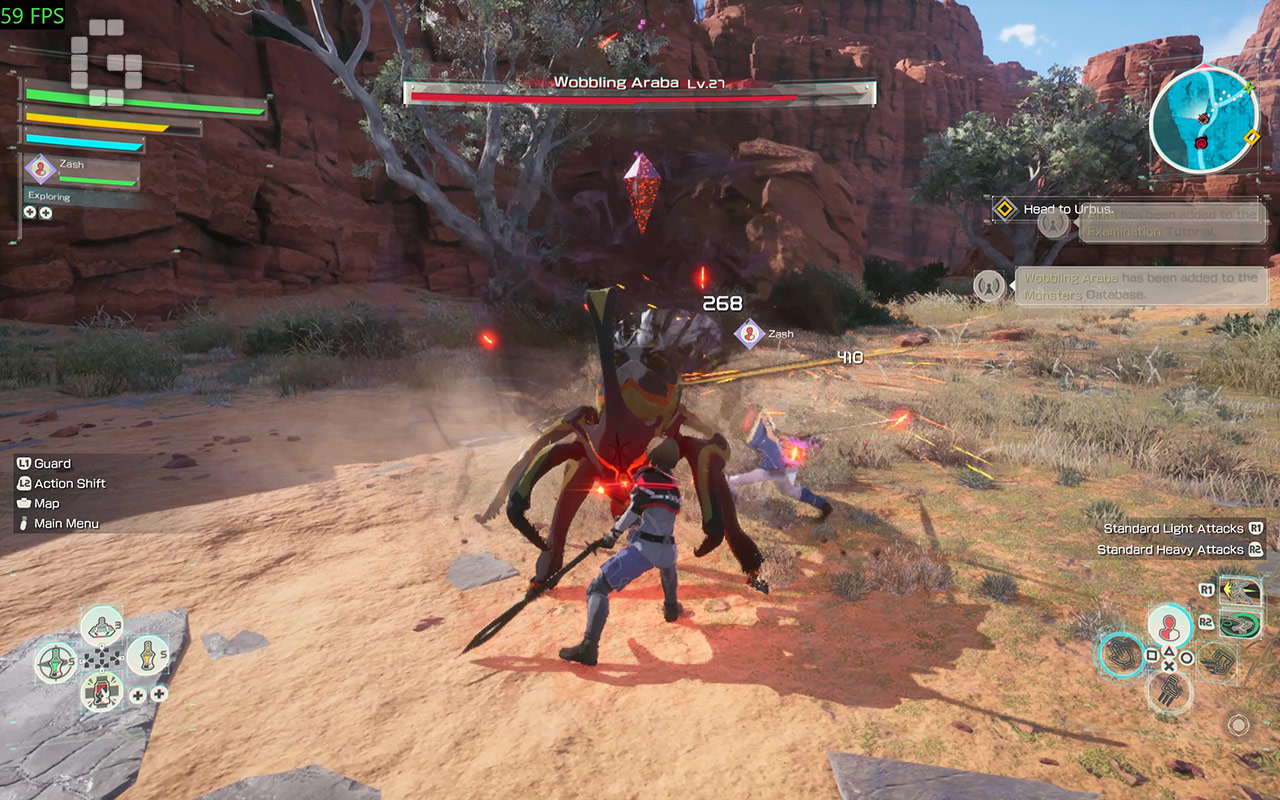
The stakes shift significantly once Death Game Mode is active. “In Death Game Mode, however, you can’t afford that carelessness. Even on the same difficulty, the tension becomes much higher. You must decide: play cautiously, or play boldly. Since staying alive is the most important thing, we encourage you to experience it yourself and find your own play style,” Futami says.
The goal behind it is to give players a taste of what the original characters actually felt during the death game arc. “We consider the greatest appeal of the Aincrad arc in Sword Art Online to be the tension and rawness of ‘dying for real when it’s game over.’ So we prepared Death Game Mode as a reward for clearing the game, allowing players to experience that feeling more deeply,” he explains.
Asked whether the team ever worried the mode might feel too intense for some players, Futami says the answer was straightforwardly no.
“The mode is intended for fans who want to experience the same tension the original characters felt, so we have no particular concerns. It is entirely up to the player’s choice, and it will likely provide a completely different experience from a typical RPG.”
Weapons, Companions, and Making the World Feel Like an MMO
With the player now in control of their own build, the weapon system carries a lot more weight. Because the player creates the protagonist rather than following a fixed character, Futami notes that the shift opened up the design space considerably. “Since the player becomes the protagonist, we were able to leverage the SAO setting to introduce a wide variety of weapons and skills, opening up new possibilities for a highly freeform gameplay experience.”
For those just starting out, Futami has a clear recommendation. “For beginners, we recommend the one-handed sword that the protagonist equips at the start. It has no awkward motion quirks, can be used with a shield, and is well-balanced overall.” For players looking for something with more edge, he points to daggers and two-handed axes as the standout options.
“Daggers allow for relentless swift strikes and strong attacks, delivering overwhelming firepower through sheer volume of hits. Two-handed axes are slower, but feature tricky movements and very high attack power.”
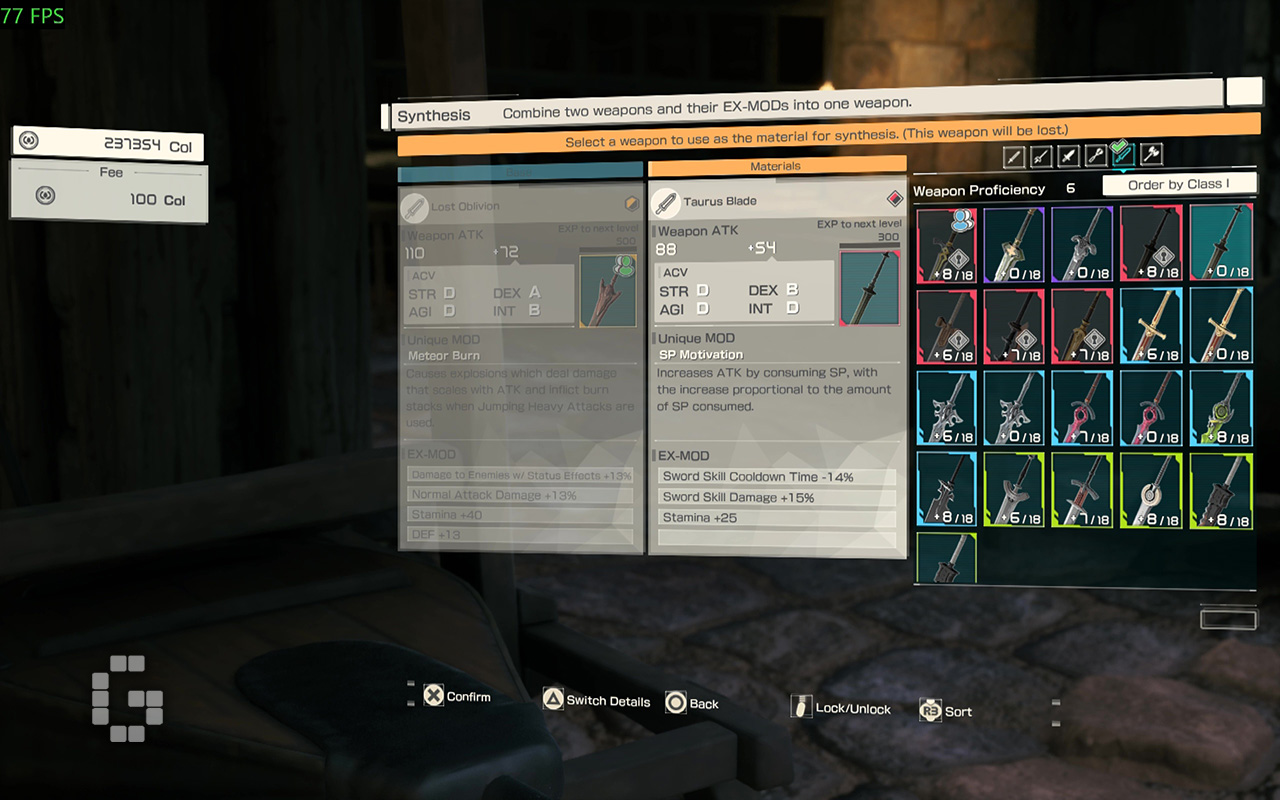
On the companion side, the team approached character design by asking a simple but meaningful question. “We thought deeply about ‘what kind of companions would venture through Aincrad alongside the player,'” Futami says. “We asked ourselves: if these were the companions joining the protagonist to clear Sword Art Online together, what kind of characters would you want to adventure with? The character designs grew naturally from that question.”
Keeping the feel of an online game world also required some creative thinking, especially given that this is an offline title. The team leaned on visual and interface cues to sell the MMO atmosphere. “The visuals have a high fantasy look, but the UI and effects, such as the way enemies disappear, are rendered in a digital style. Additionally, characters communicate through in-game messages, which helps convey the MMO feeling that is unique to Sword Art Online,” Futami explains.
The game also incorporates more modern touches, including in-game streamers and a Holo Crystal item that lets players record footage. “Features like streamers appearing in the game and the ability to record footage using a Holo Crystal reflect that modern sensibility,” he adds, noting that this was developed with support from scenario writer Makino and Straightedge Inc., the original license holder.
A Long-Held Goal, Finally Realized
There is a sense of genuine investment from Futami when talking about what this game represents for the team. “The game version of Sword Art Online has covered the story from the 75th floor all the way through the Alicization arc,” he says. “But we have always had one wish: to one day create a game where players could walk through Aincrad on their own, starting from the 1st floor.”
That wish is now a game, and the team has put considerable thought into making the experience feel meaningful beyond just nostalgia. “With support from Makino-sensei, who worked on the scenario, and Straightedge Inc., who holds the original license, we worked to deeply understand the world of Sword Art Online and craft a story that feels fresh even in a modern context,” Futami says.
Ultimately, what the team hopes players take from Echoes of Aincrad is something that goes beyond simply replaying a familiar story. “We sincerely hope this adventure is embraced by players, and that they come away wanting to see what happens next.”