








![[EXCLUSIVE] Dragon’s Dogma 2: Dark Arisen Team Opens Up About the Expansion’s Name, New Norgan Region, and Performance Goals](https://cdn.gamerbraves.com/2026/07/Dragons-Dogma-2-Dark-Arisen_Interview_FI-360x180.jpg)





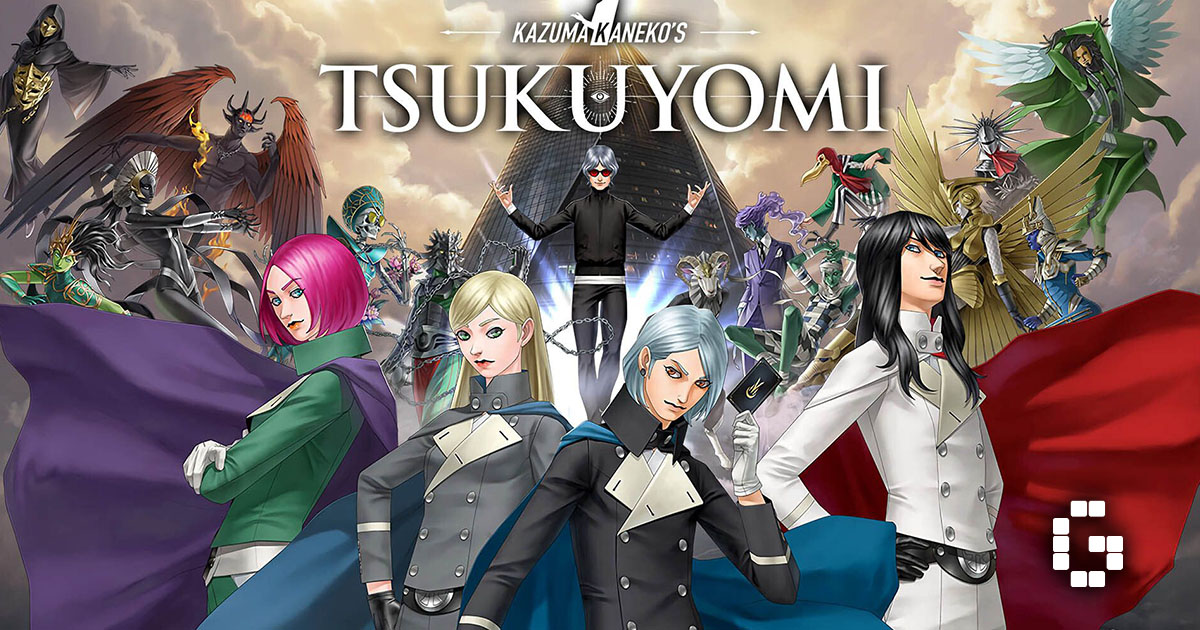
Barely a year after Tsukuyomi: The Divine Hunter came out, Kazuma Kaneko and COLOPL are back with an upgraded take on the game, this time called KAZUMA KANEKO’S TSUKUYOMI. It looks better, plays smoother, and clearly aims to be the “premium” version of the original, especially since that first release was built with mobile platforms in mind. But even with all these improvements, one issue still follows the game around: its use of generative AI, which remains one of the most talked-about and controversial parts of the whole package. Here’s a closer look at what the game gets right, where it struggles, and why that AI conversation just won’t go away.
The Story
The plot here doesn’t waste time with unnecessary buildup. Players take on the role of Izayoi Tsukuyomi, an elite agent working for a national defense organization, usually just called “Tsukuyomi” for short. Alongside partner Takenouchi Mutsu, the mission is to investigate THE HASHIRA tower, a place that has been taken over by monsters known as “Jinma.” Fans of Shin Megami Tensei will likely notice the resemblance to Raidou Kuzunoha, since the setup is fairly similar, complete with demons you fight and recruit along the way.
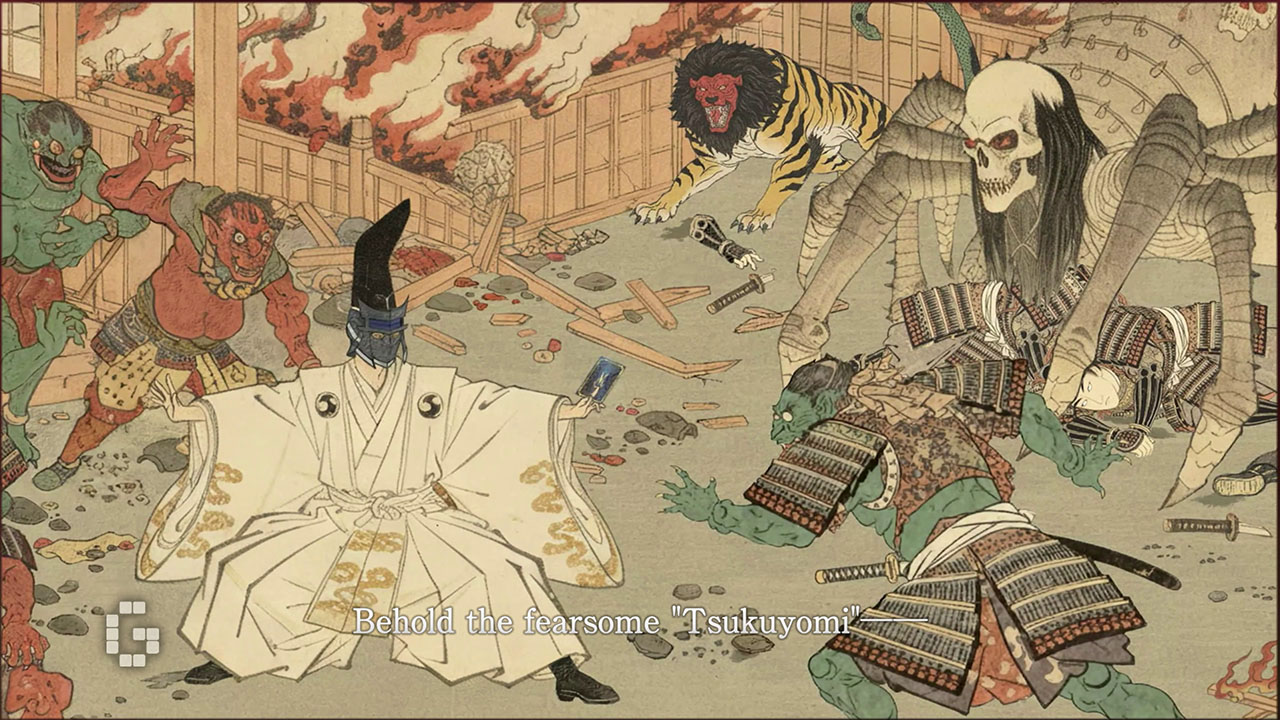
That’s really the extent of the story’s core setup. It’s simple and doesn’t spend much time developing its characters. Players can choose to play as different Tsukuyomi agents to see the story from other angles, which is a nice touch, but overall the narrative stays pretty plain. It mostly exists as a backdrop for the real draw of the game, which is the card-based combat and roguelike progression.
Combat
The gameplay is a turn-based card battle RPG built around three types of Jinma: Attack, Balance, and Defense. Keeping a mix of these in your deck matters a lot, since some enemies hit hard enough that you’ll need Balance or Defense cards to block the damage. Going all-in on Attack-type Jinma means taking full damage every time an enemy strikes. Thankfully, the game shows exactly how much damage is coming and how much you’ll actually take, so it’s easier to plan ahead and position your cards wisely. Each card also comes with its own skill, but using that skill removes the card from the battlefield right after, so it’s best to activate skills on cards that enemies aren’t currently targeting.
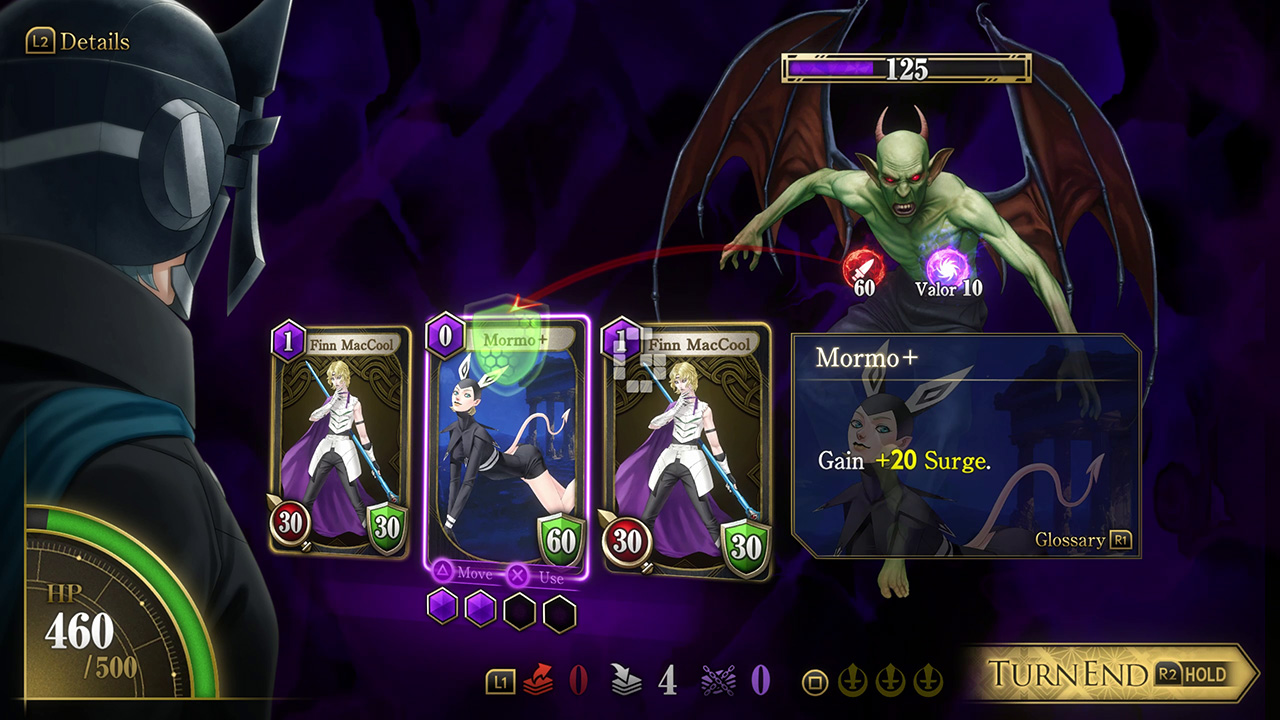
Summoning cards costs Odo, which refills at the start of every turn, meaning some turns allow only a card or two while others let you summon several, depending on cost. On the whole, the combat system is easy to pick up, especially for anyone who has played this type of game before. The real test comes at the end of each floor, where boss fights ramp up the difficulty significantly. These fights require sharp execution and just as much preparation beforehand, since one bad turn can end a run completely.
Progression
This is where things get trickier. There were moments where progress came to a halt simply because attack and defense stats weren’t quite strong enough, even with a solid deck. Some bosses can deal double damage or hit every card on the field at once, and without a Defense-type Jinma ready, players can end up taking that kind of damage several times in a row. Getting through fights like these usually requires a more balanced deck with support skills that boost attack, guard, or healing, but healing options for the player’s HP are limited overall. There’s only one Rest Site available before each floor boss, and it forces a choice between upgrading a card or recovering about 30% of HP. Random events and certain card skills can offer a bit more healing, but keeping HP topped up is a constant struggle.
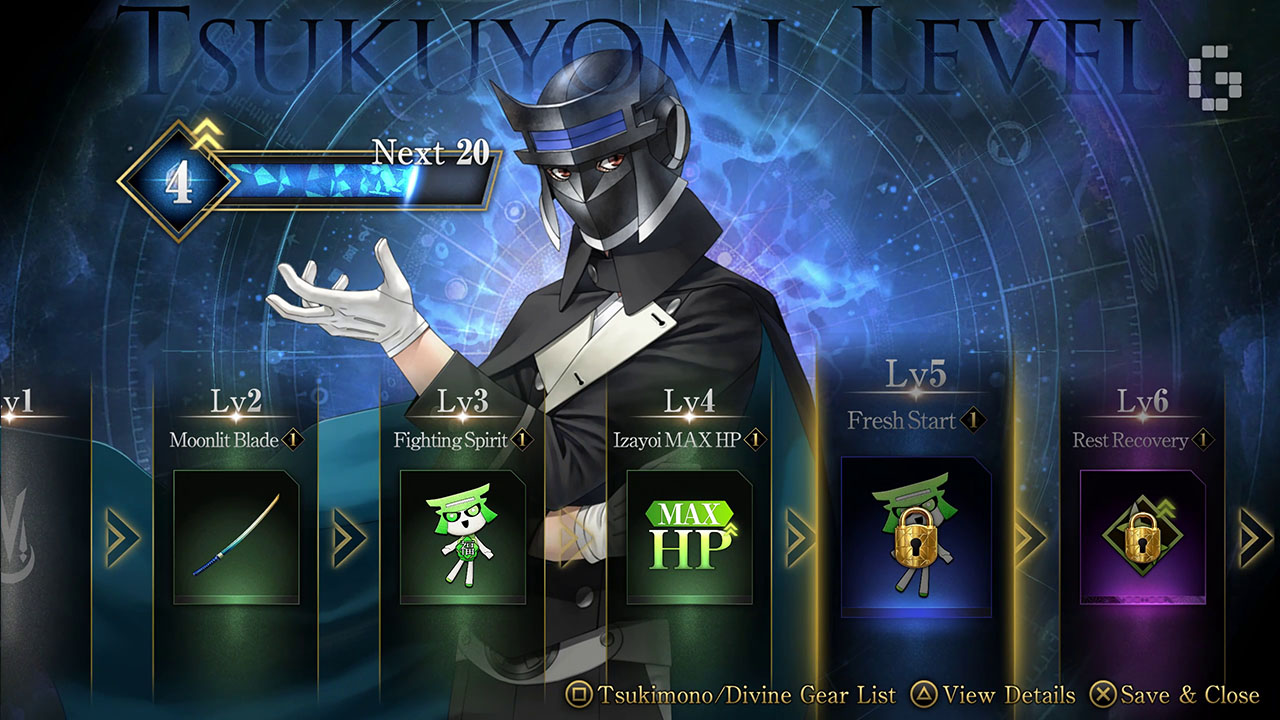
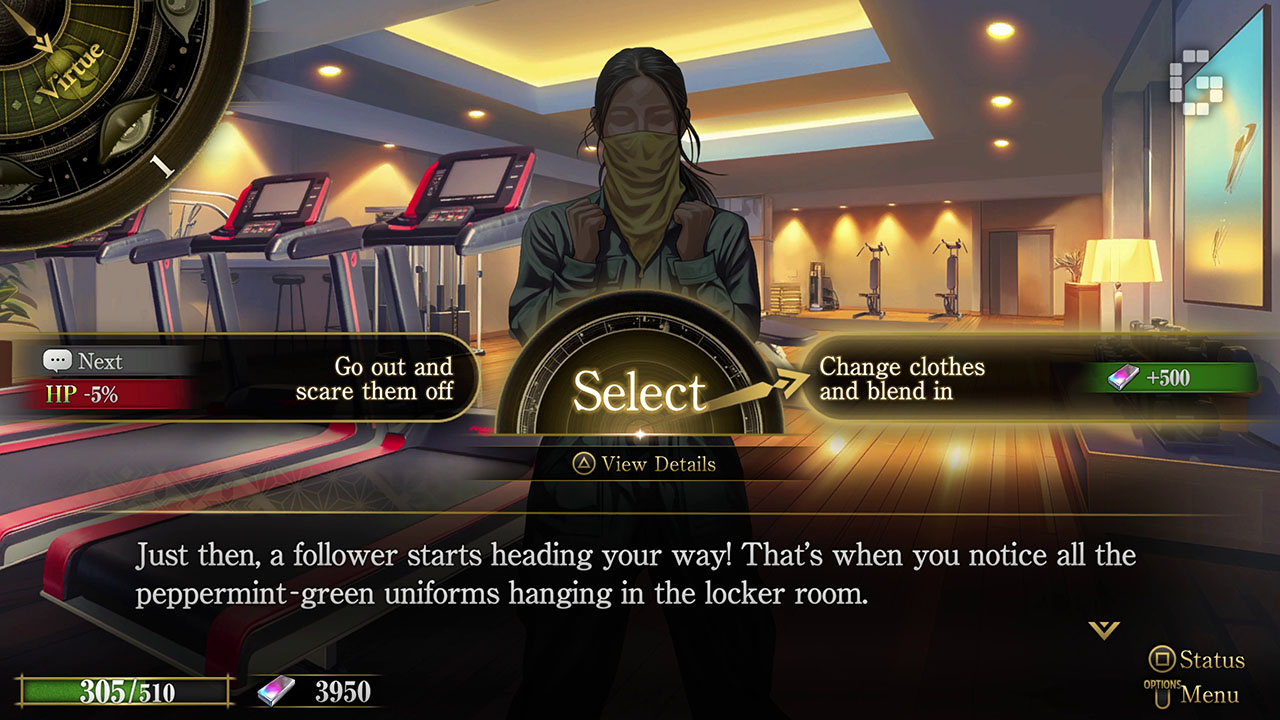
Progression also leans heavily on RNG. Combat feels fast and rewarding thanks to how quickly a deck can grow through Jinma cards earned during runs, and special Creation Cards from Okami, which can even be customized visually, add a fun layer to that growth. Leveling up after clearing a floor brings passive perks like HP boosts, bonuses tied to Tsukimono, and Divine Gear that can be saved for tough moments. All of this makes the sense of growing stronger feel smooth and satisfying, but it doesn’t always make up for the RNG-heavy parts of the game. Random events sometimes offer only bad choices, and the Jinma cards handed out aren’t always useful. On top of that, the first-person dungeon exploration is completely linear, with the character moving forward automatically except at intersections.

There’s no way to explore every part of a floor, and no way to skip encounters or events even when preserving HP really matters. Because of all this, players can hit walls where no amount of strategy helps, since the outcome often comes down to deck stats and passive bonuses instead. Losing means restarting a run from scratch, with no guarantee that the next attempt offers better RNG. A more gradual difficulty curve between regular enemies and bosses would help a lot here, since the current gap can make players feel far more prepared than they actually are heading into a boss fight.
The Generative AI Issue
This is the part of the game that’s hard to ignore. The developer isn’t hiding it either, since the Steam page openly states that generative AI was used for image, music, and video assets. The music use isn’t very noticeable, but the visual side is a different story, especially with the Jinma designs. A handful of cards look hand-drawn or at least follow Kaneko’s signature art style, but a large portion clearly show the same traits found in generic AI-generated art seen all over the internet.
This is a tough pill to swallow, especially since the game carries Kazuma Kaneko’s name as its key creator, someone widely respected as one of the most influential artists in the industry. Choosing to lean on generative AI, something that goes against what many artists have spent years working against, has understandably hurt both his reputation and the trust of longtime fans. Kaneko had previously said he wouldn’t use AI in his next project, and many expected this game to be that chance to make things right. Instead, generative AI still plays a major role in its visuals.
Verdict
Even with a thin story, an uneven difficulty spike, and the ongoing issue around generative AI, there’s still a genuinely fun and well-built game underneath it all. Releasing this upgraded version so soon after the original Tsukuyomi: The Divine Hunter shows real effort to improve the experience with the resources available, and the gameplay and visual upgrades back that up.
Whatever Kazuma Kaneko works on next will hopefully be stronger across the board, since this game, despite its strengths, still isn’t quite the legacy title he deserves to be remembered for.



The Review
KAZUMA KANEKO'S TSUKUYOMI
PROS
- Combat is easy to learn, fast paced, and very addicting.
- Much better presentation and overall gameplay feel compared to Tsukuyomi: The Divine Hunter.
- Engaging progression that are equally pretty fast paced.
- Boss battle always feel fun and challenging.
CONS
- Story and characterization feels really weak even with the option to play as multiple Tsukuyomi agents.
- There’s still prominent use of generative AI for the game assets.
- Can be too reliant on RNG with massive difficulty jump.
- Exploration is too linear with barely much freedom.
- Scarce healing resources.