







![[EXCLUSIVE] Dragon’s Dogma 2: Dark Arisen Team Opens Up About the Expansion’s Name, New Norgan Region, and Performance Goals](https://cdn.gamerbraves.com/2026/07/Dragons-Dogma-2-Dark-Arisen_Interview_FI-360x180.jpg)





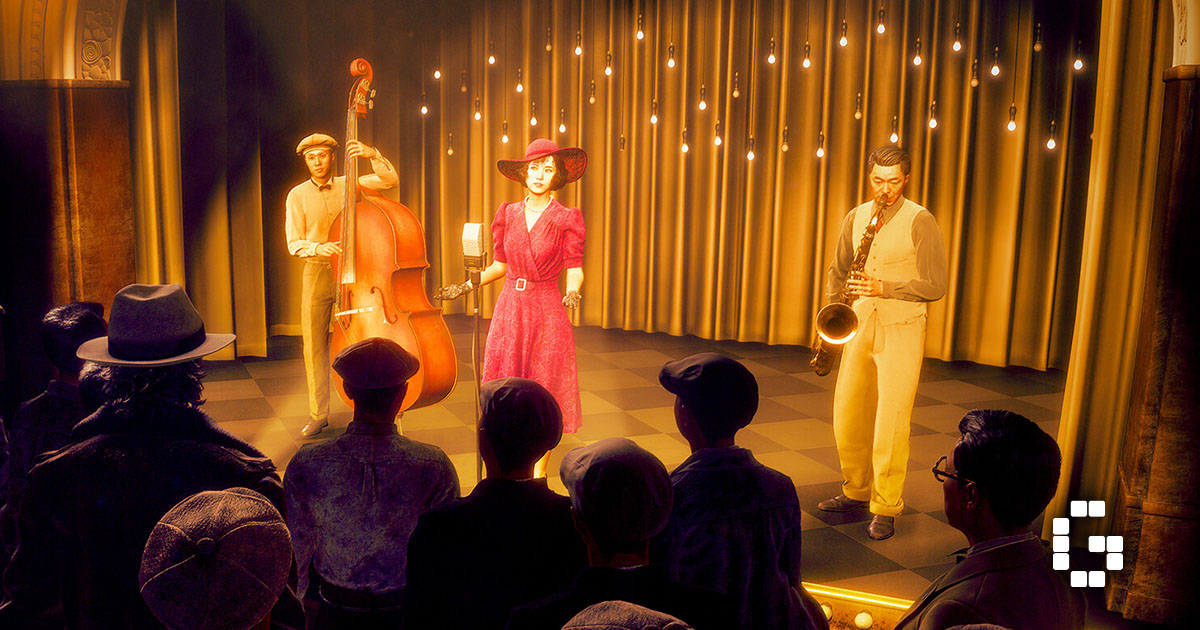
One of the more quietly interesting details in STRANGER THAN HEAVEN is how it weaves real jazz history into its story and setting. The game spans five decades across five Japanese cities, and at least one of those chapters puts music front and center in a way that reflects actual events from that era.
Jazz in Japan: A Quick Background
Jazz first arrived in Japan as early as the 1910s, brought over by Filipino musicians who performed on ocean liners and in hotel lobby orchestras in Osaka. By the 1920s, their regular visits had helped grow a small but steady jazz community in the country, and dance halls began opening up so people could enjoy the music.
In 1933, Japan got its first jazz cafe, called Chigusa. Known as a “jazu kissa,” it was more than just a place to listen to music. These coffeehouses also sold jazz records, making them a hub for fans of the genre.
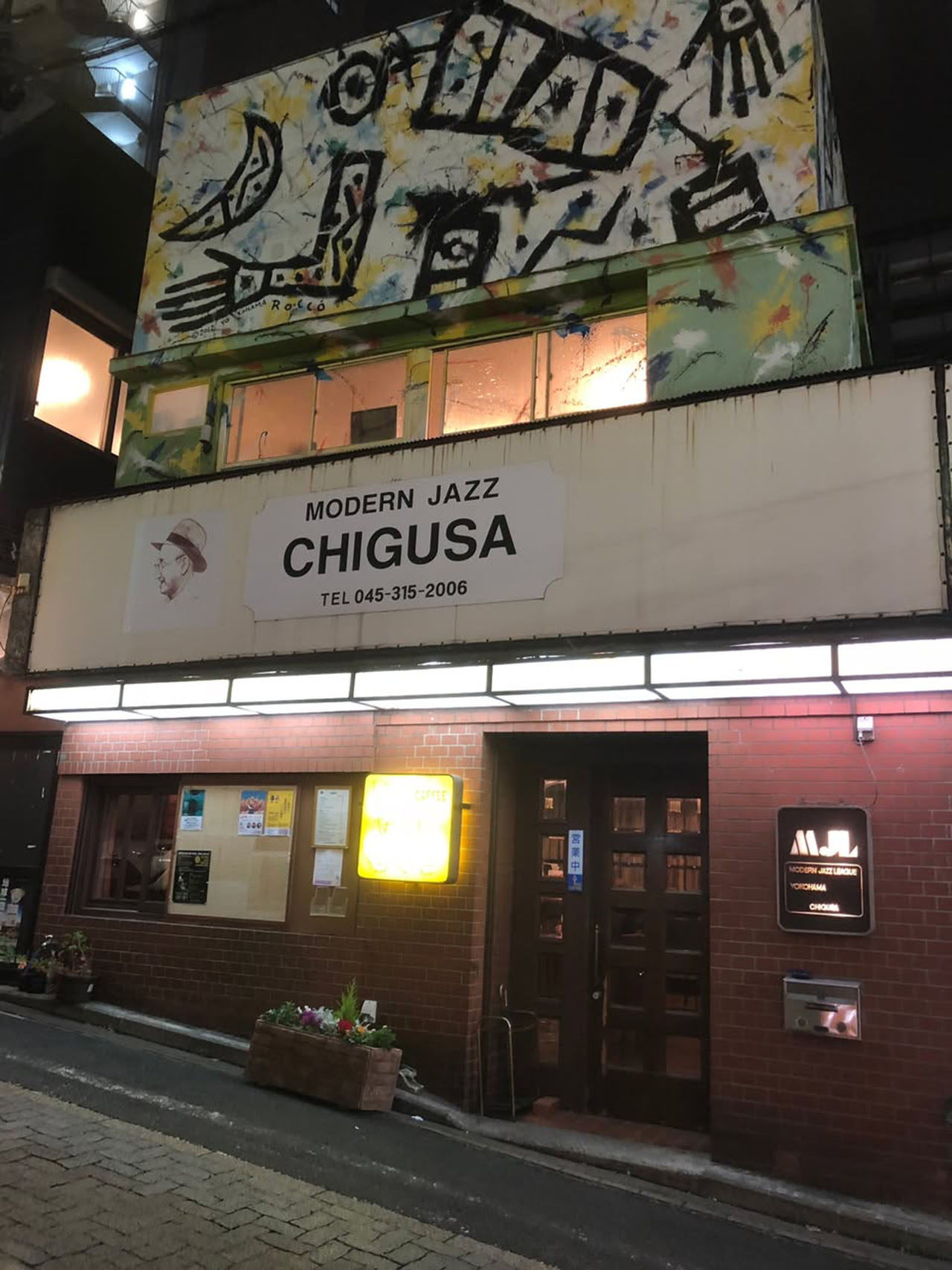
By 1943, the situation had changed dramatically. The Japanese imperial government officially banned jazz during World War 2, labeling it decadent Western culture and enemy propaganda originating from the United States. Citizens were ordered to destroy their records, and jazz kissas were shut down.
Musicians who had built careers around the genre were forced to pivot. Many had to switch to playing “light music” or patriotic military songs just to keep performing. Some tried to work around censorship in more creative ways. Prominent bandleader Ryoichi Hattori, for instance, wrote satirical songs about wartime shortages that were eventually banned by censors.
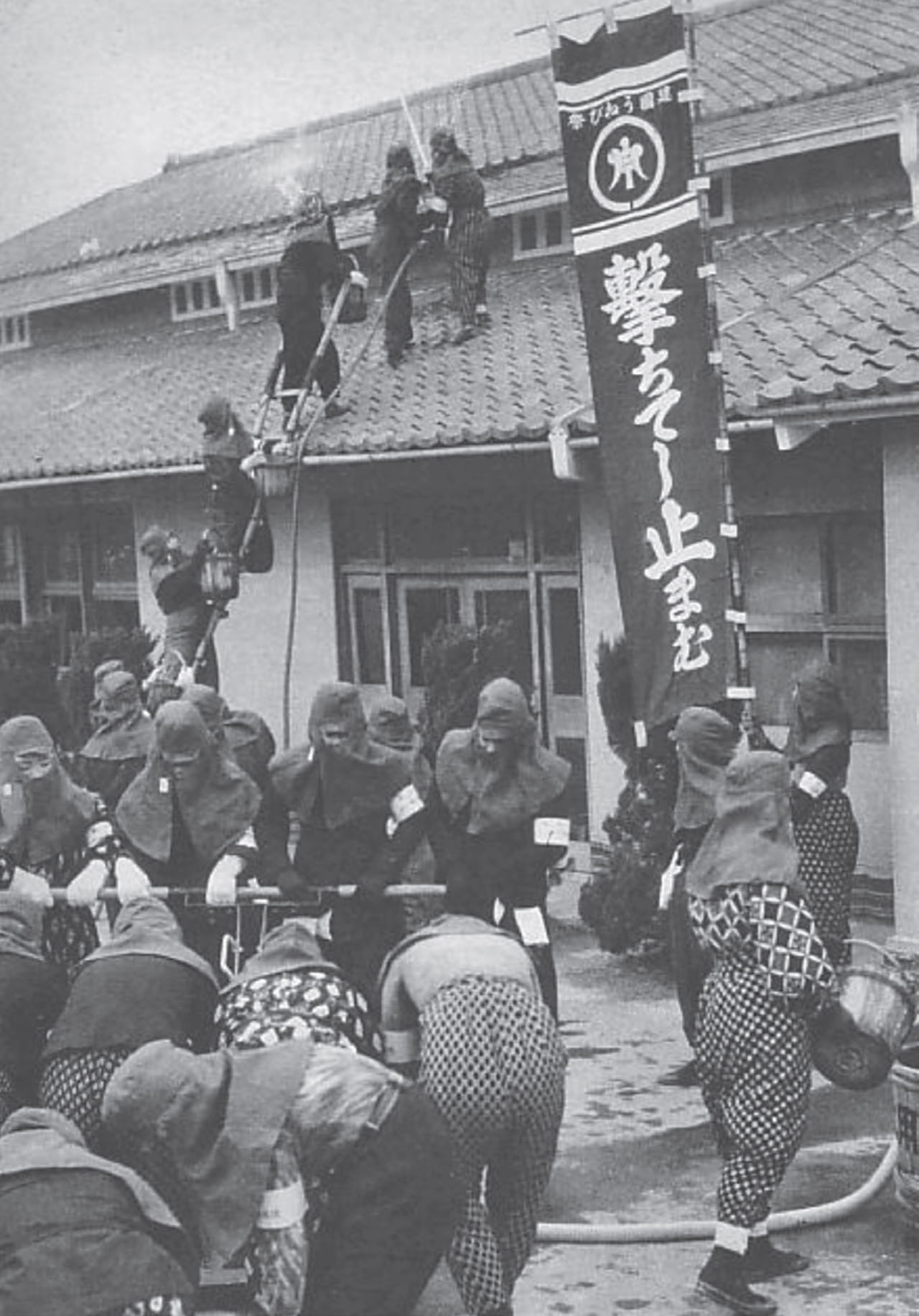
However, the genre had already taken such a deep hold in Japanese culture that the ban was never fully effective. Venues like Chigusa survived by hiding vinyl records, using government subsidies, and leaning on tight community networks. Fans across the country hoarded and hid imported jazz records in secret. Musicians continued performing jazz-like songs under different labels, and many people simply waited out the war.
When American Allied forces occupied Japan in 1945, the ban was lifted. Jazz came back almost immediately, fueled in part by American soldiers eager to hear the swing and big-band sounds from back home.
Where the Game Comes In
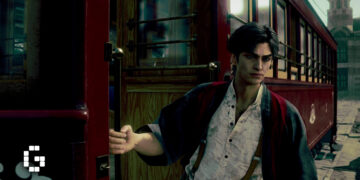
STRANGER THAN HEAVEN is set across five real Japanese cities: Kokura in 1915, Kure in 1929, Minami (Osaka) in 1943, Atami in 1951, and Shinjuku (Tokyo) in 1965. The 1943 chapter in Osaka is especially relevant here. Minami is described in the game as a buzzing entertainment district where protagonist Makoto Daito and his companion Yu go into show business together.
This puts the player right in the middle of the jazz ban period. The game also adds another layer to this: Makoto has American blood, which made him an outsider in Japanese society. The fact that Japan was simultaneously banning music with American roots puts him in a doubly difficult position.
Build relationships with singers, pick up unique sounds around you and work them into showbiz magic 🎶
For Makoto, being a showman is more than just a hobby – it's a matter of life and death pic.twitter.com/SWiQRbWPyD
— XBOX (@XBOX) May 6, 2026
Music is not just a backdrop in this game. It is an active part of how you play. Makoto is described as someone with a natural ear for music and the ability to find sounds in the world around him and turn them into compositions.
This idea is built directly into the mechanics. While exploring, players can walk up to sounds in the environment and record them, whether that is the sweep of a broom, a passing train, or even the noise of a fight. These recordings are saved in a library and can later be used with composers to build original pieces of music using different instruments and moods.
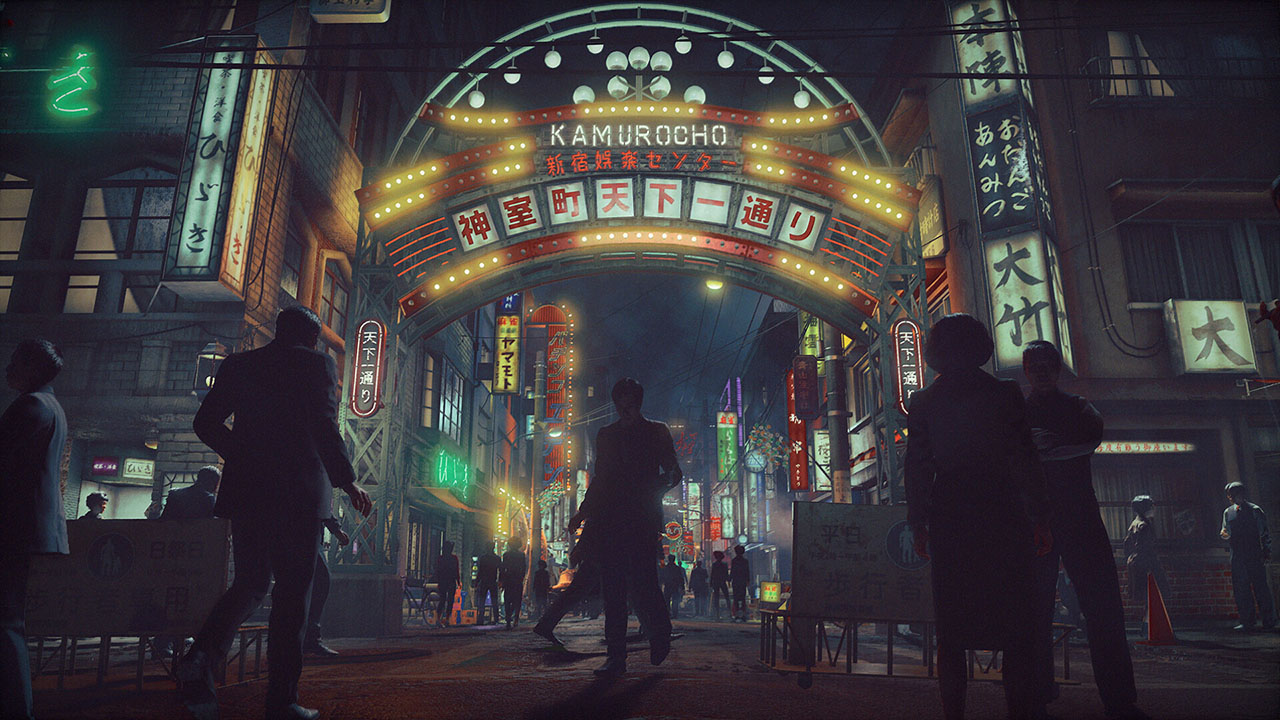
The show business side goes further. Makoto can scout performers by gathering information around town and listening in on conversations. He can organize performances, choose musicians, and put together setlists. One example shown during a broadcast featured the player assembling a five-piece band by selecting from a pool of performers.
Why It Matters
The history shown in the images and the details revealed about the game line up closely. The 1943 Osaka chapter drops players into an entertainment district at the exact moment jazz was being suppressed across the country. For a protagonist who is already navigating questions of identity and belonging because of his mixed heritage, that setting carries real weight. The game is not just using a time period as a backdrop. It is using one that had a direct and documented impact on the kind of music its story is built around.