






![[EXCLUSIVE] Dragon’s Dogma 2: Dark Arisen Team Opens Up About the Expansion’s Name, New Norgan Region, and Performance Goals](https://cdn.gamerbraves.com/2026/07/Dragons-Dogma-2-Dark-Arisen_Interview_FI-360x180.jpg)






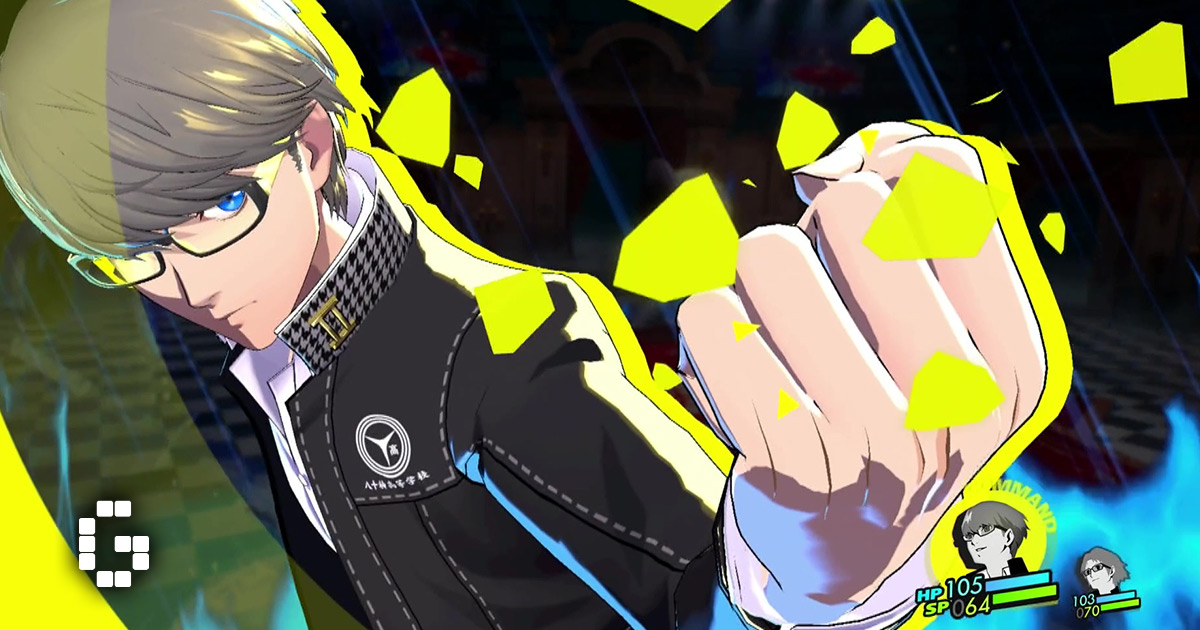
Persona 4 has stuck around for over a decade because of its characters, its mystery, and that unmistakable yellow and black TV world aesthetic. Now, with Persona 4 Revival on the way, a recent hands-on preview gave us a first real look at how the remake plays and feels.
Two gameplay segments, each about fifteen minutes long, were shown off. The first covered the party’s early trip into the TV world, ending with Yosuke Hanamura awakening his Persona. The second jumped ahead to the “Princess Yukiko’s Castle” dungeon, showing Chie Satonaka’s Persona awakening, some dungeon exploration, and a boss fight. It was not a massive slice of the game, but it was enough to get people excited for the full release.
The most obvious change is how much better the game looks. Inaba, which was held back by hardware limits and a blurry look on the original release, now has high-resolution textures and modern lighting. Streets, shops, streetlamps, and other background details are sharper, and the characters themselves look more expressive. Overall, the visual quality is said to be on par with, or even a bit above, recent Persona games. Cutscenes are once again handled by MAPPA, and their signature fluid camera work and detailed animation give both the quieter mystery moments and the bigger confrontations more impact than before. There are also some new touches added to the animation, like small shadows on screen suddenly getting swallowed by a much bigger one before the camera cuts back to the party, which adds a real sense of dread.
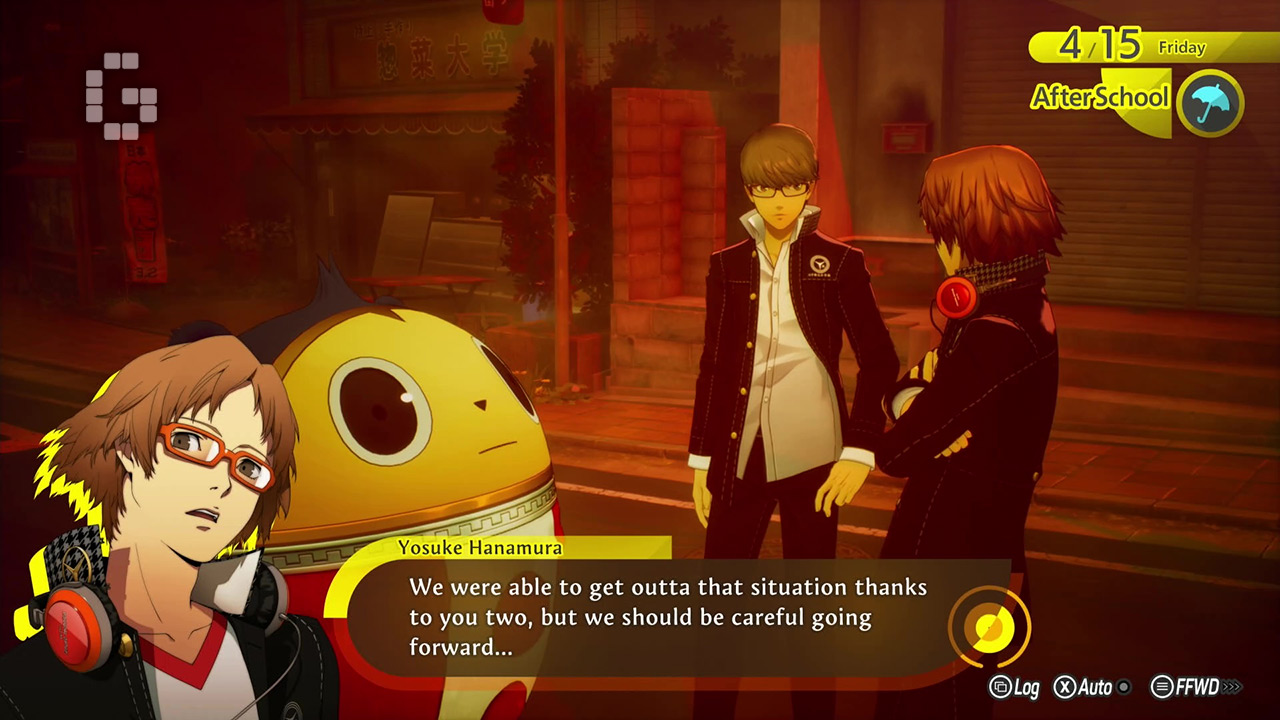
Conversations no longer rely on static character sprites and scrolling text the way the original did. Yosuke’s confrontation with his own shadow self is a good example. In the original, it was just text scrolling by before cutting to a cinematic. In Revival, the camera now cuts to close-ups and changes angles at key moments, using basic filmmaking techniques like shot reverse shot alongside the original dialogue. Since facing your own dark side is one of the game’s biggest themes, this kind of change helps the emotional weight of these scenes land better.
New Dungeon Mechanic and Combat
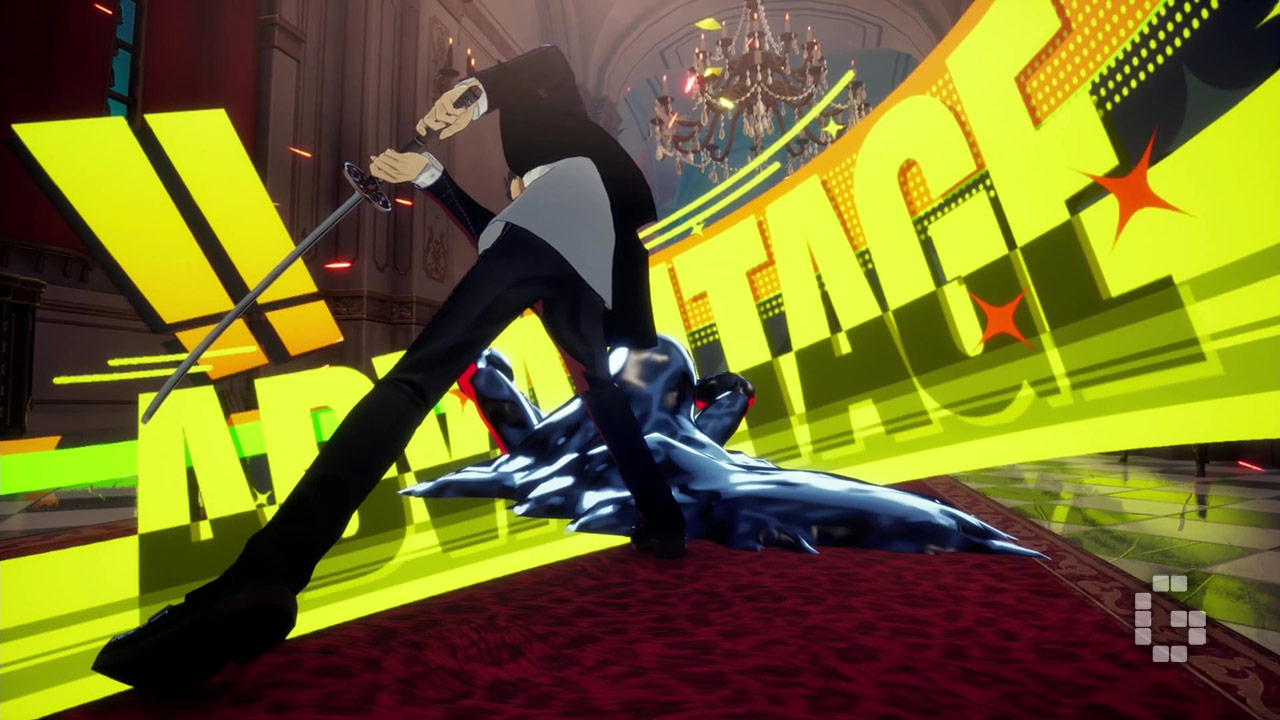
On the exploration side, the biggest addition is the “guard counter” mechanic. While walking around a dungeon, players can guard against a Shadow’s opening attack, which staggers it and triggers a special “Advantage” state, complete with its own animation and battle theme. This solves the old issue of not knowing what to do when a Shadow is chasing you, and it gives players more control in the dungeon. The guard stance can be held for as long as needed, so players can wait in position for a Shadow to come close before striking. Exploration is also helped along by a trail of yellow light particles. Following it leads to the next floor, while going the opposite direction is a good way to find side paths and treasure rooms, which should appeal to players who like to fully explore each area.
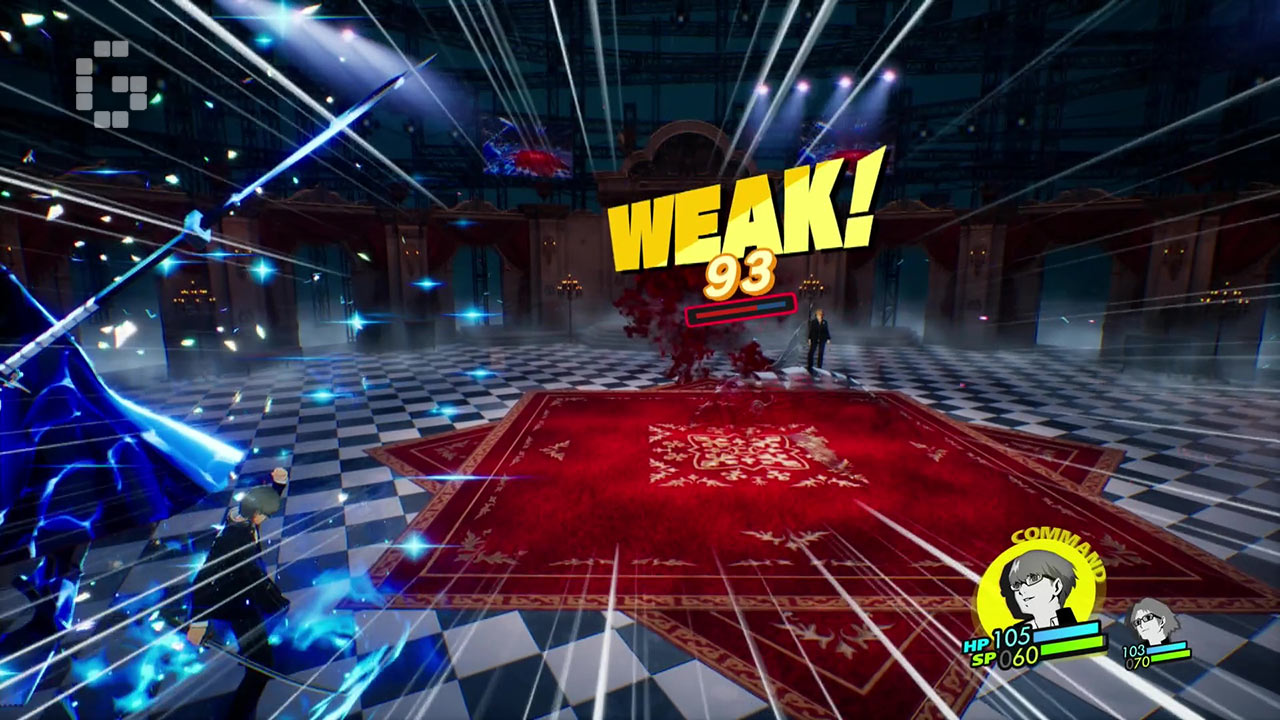
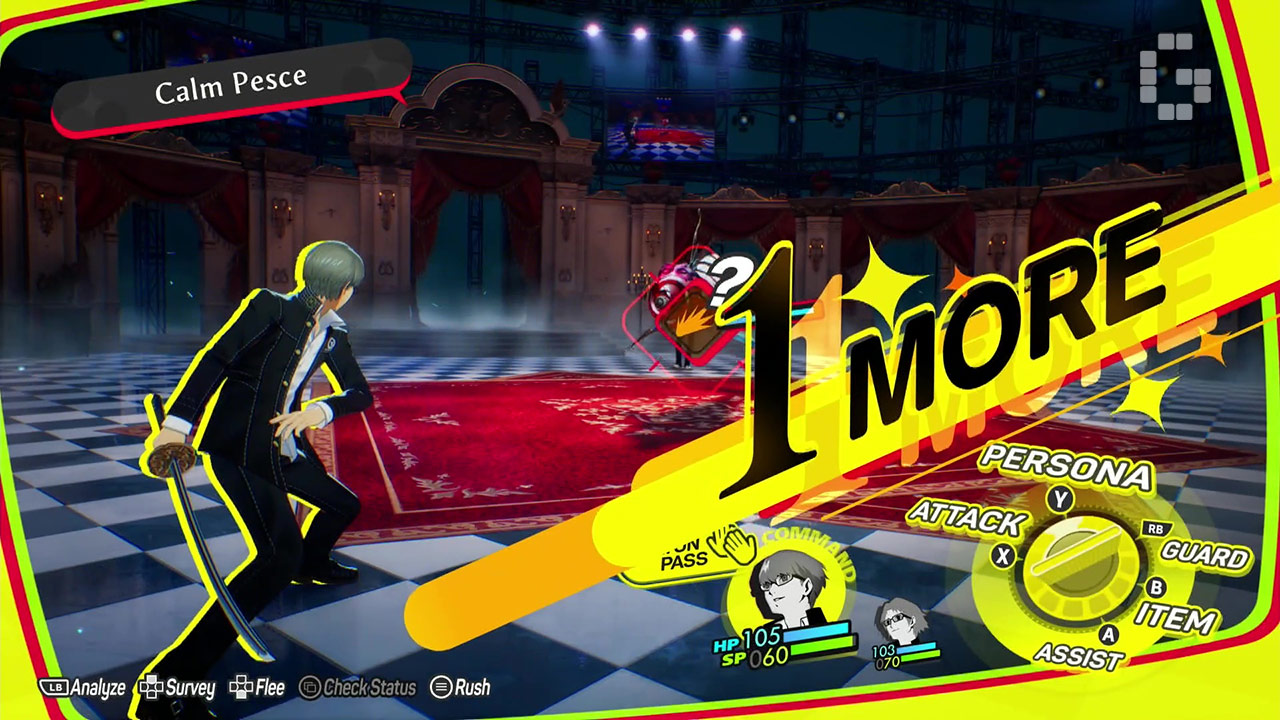
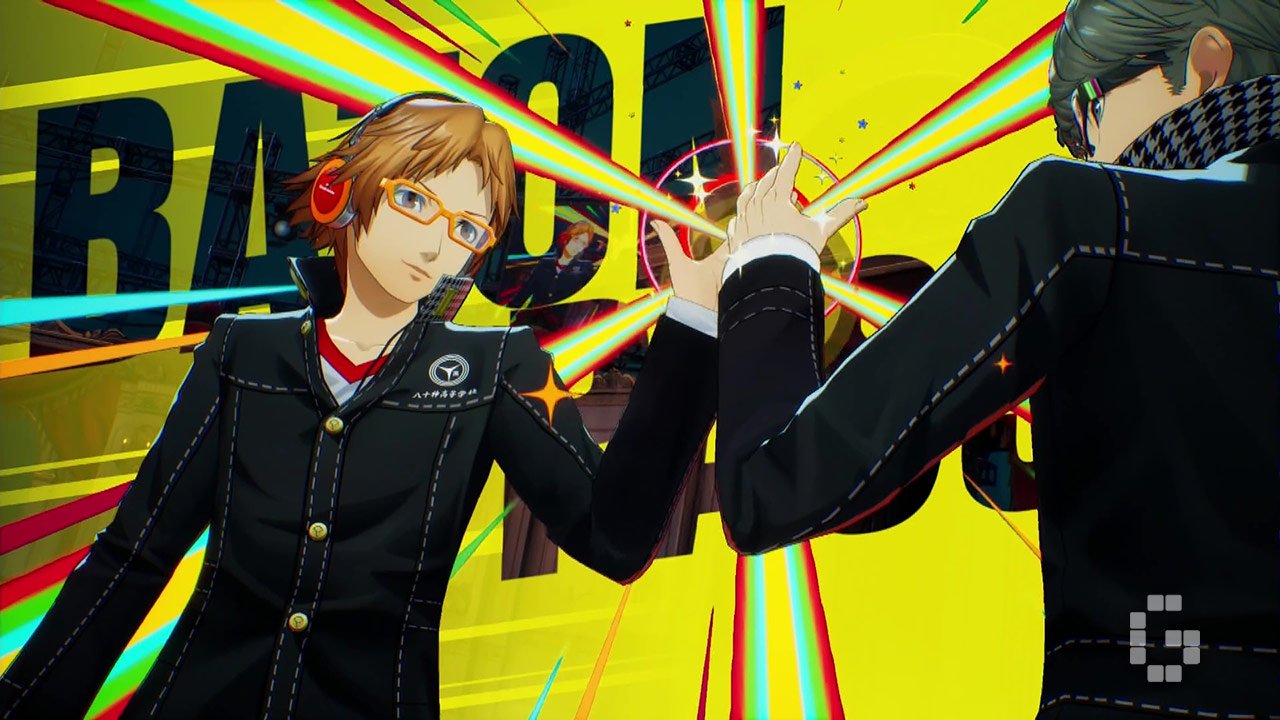
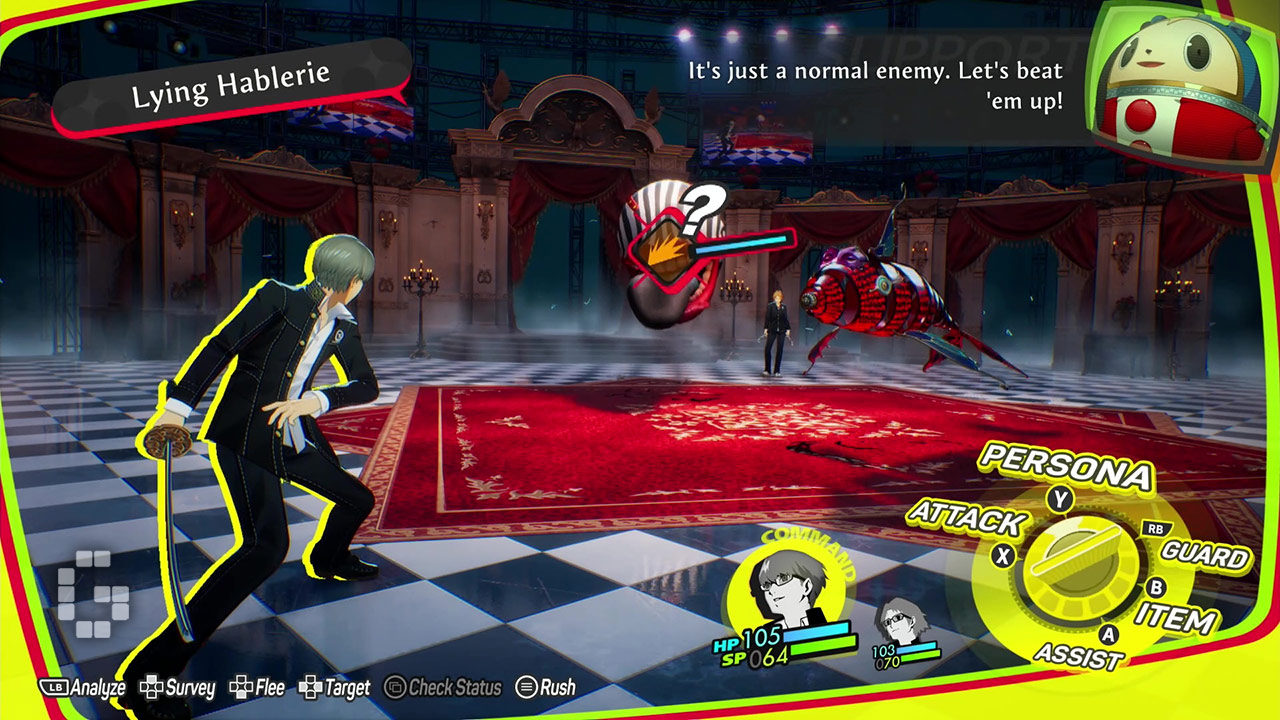
The core combat loop is unchanged for anyone who has played the series before: exploit enemy weaknesses, earn extra turns, knock down every enemy, then finish with an All-Out Attack. That said, there are some new elements. The reworked All-Out Attack animation is very flashy, possibly one of the best versions in the series so far. The returning Baton Pass system adds more strategy, letting players pass an extra turn earned from hitting a weakness to a teammate who can make better use of it, working similarly to how it has in other games in the series. Two previously announced mechanics, “Send Flying,” which knocks an enemy into others to spread status effects, and “Prime Time,” a free flurry of attacks once a gauge fills up that ends with a finishing blow, were not shown in this build, so how they actually work in practice is still unknown.
First Impressions
The way the game moves between combat and exploration is smooth. The results screen keeps the series’ usual style, with the party striking a pose, results appearing on screen, and the view cutting back to the dungeon through a surveillance camera style filter before exploration resumes. It ties in well with the game’s TV and screen focused art direction. The UI also stands out, keeping the original’s CRT television look but simplifying it into cleaner, symbol based design that feels both nostalgic and modern at the same time. On the music side, there are already three different regular battle themes, an unannounced new track for guard counter encounters, “Reach Out to the Truth” for Advantage states, and “Time to Make History” for standard battles, each one rearranged with a more modern sound.
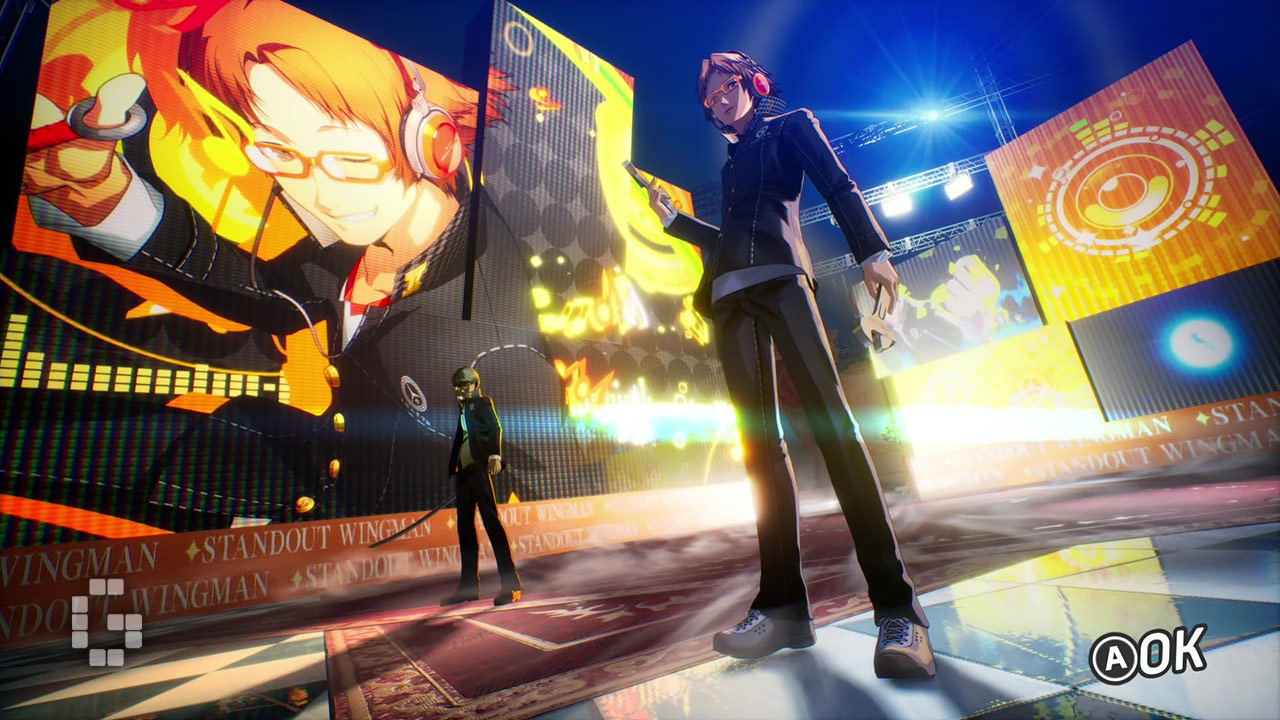
Based on what was shown, Persona 4 Revival is not a total reinvention of the original game. Instead, it looks like a refinement, taking what already worked in Persona 4 Golden and giving its more dated parts a modern polish. If the final game can match, or build on, what was shown in this preview, it could end up being one of the most complete entries in the Persona series so far. Still, thirty minutes of gameplay is a small sample for a JRPG of this size, so it is too early to say for certain how the full game will turn out. Based on this preview alone though, it is a game worth keeping an eye on.