
![[EXCLUSIVE] Brendan Gan Delivers One of Malaysia’s Best-Ever Worlds Results, Shares Thoughts on Pressure and the Local Scene](https://cdn.gamerbraves.com/2026/08/Brendan-Gan_Interview_FI-360x180.jpg)



![[BIC2026] Hiroaki Nagashima from Toei Games Talks New IPs, Indie Roots, and Asia-First Strategy](https://cdn.gamerbraves.com/2026/08/Toei-Games-BIC-2026_Interview_FI-360x180.jpg)
![[BIC2026] From Outsider to Organizer: How Isabella Seo Jungsook Helped Build Busan’s Indie Game Scene through BIC](https://cdn.gamerbraves.com/2026/08/Isabella-BIC-2026_Interview_FI-360x180.jpg)
![[BIC2026] CanOpener’s Logan Moon Opens Up About Dungeon Settlers Ahead of Its September Early Access Launch](https://cdn.gamerbraves.com/2026/08/Logan-Moon-BIC-2026_Interview_FI-360x180.jpg)


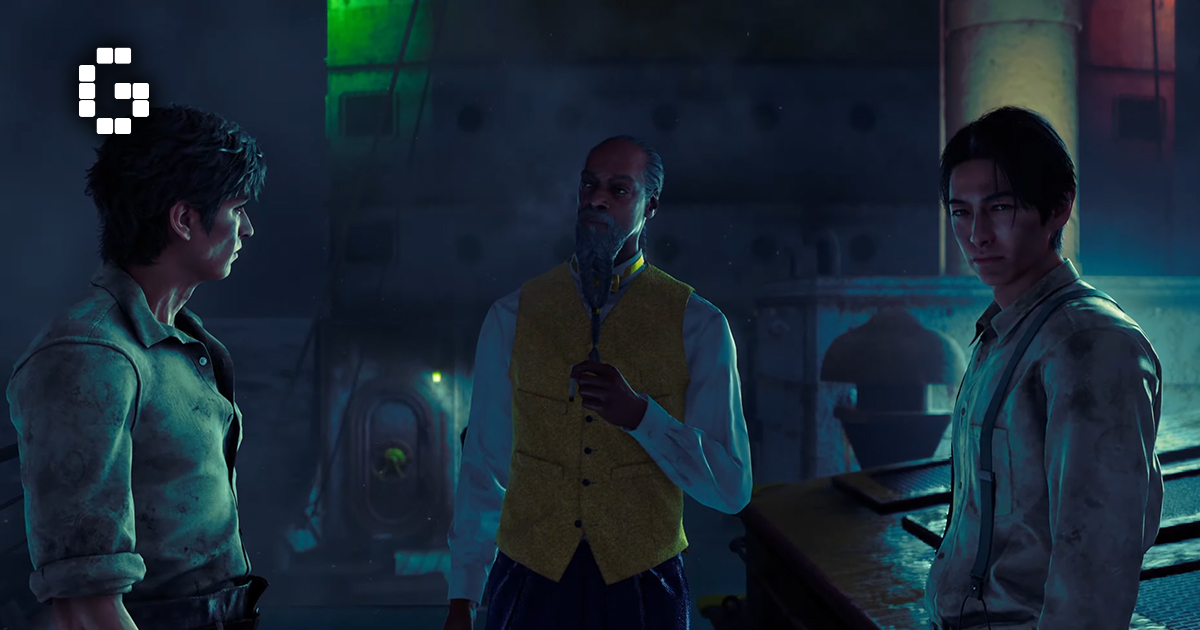
RGG Studio just held a dedicated 30-minute broadcast called “Xbox Presents: A Special Look at Stranger Than Heaven,” giving fans a deep look at the gameplay and story for their upcoming action-adventure game. Studio Head Masayoshi Yokoyama, Producer Hiroyuki Sakamoto, and Game Director Mikinobu Abe walked viewers through the game’s story, locations, combat system, and cast. Here’s a full breakdown of what was shared.
Stranger Than Heaven follows Makoto Daito, a man born in the United States to an American father and a Japanese mother. After losing both parents at a young age and facing years of hardship in the West, Makoto stows away on a ship in 1915 with the goal of starting a new life in Japan.
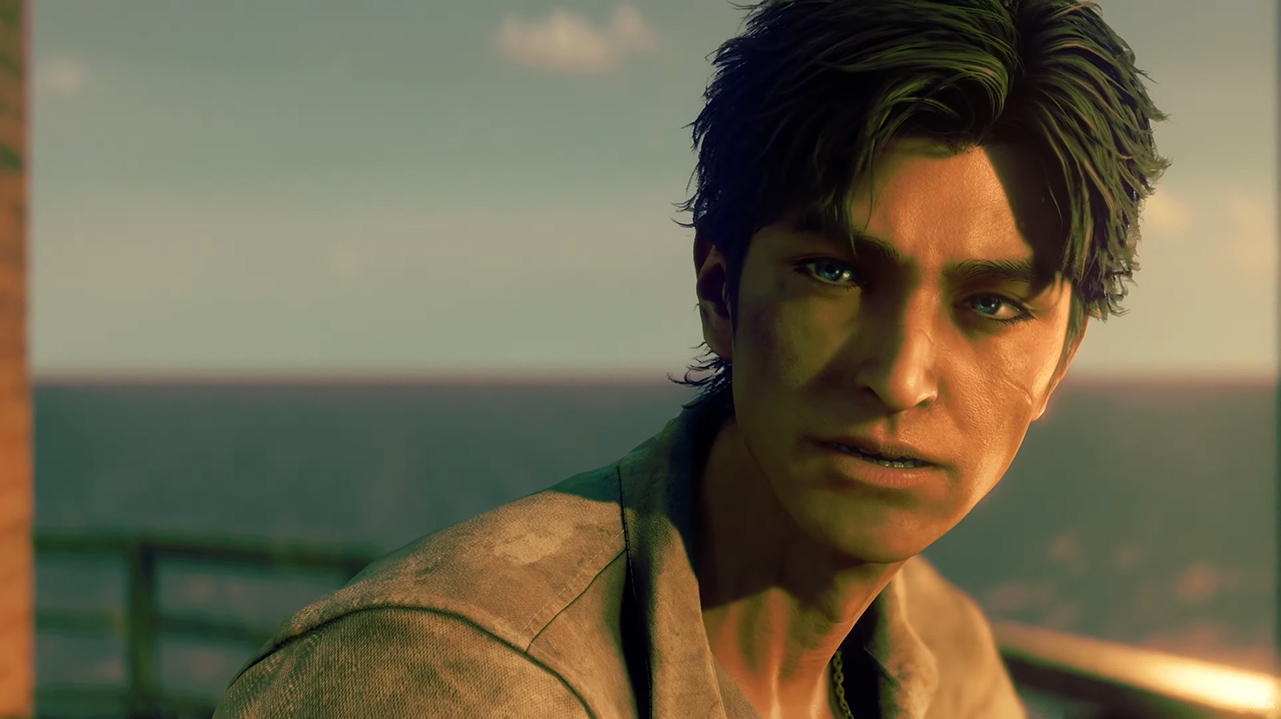
On that ship, he crosses paths with Orpheus, a charismatic and dangerous smuggler played by Snoop Dogg. He also meets Yu Shinjo, a slightly older boy who shares Makoto’s mixed heritage and similar ambitions. The two quickly become close friends, though their different goals eventually put them at odds. Makoto wants to survive and find his place in the world, while Yu has bigger plans to reshape Japan itself. Their paths split in Fukuoka but cross again later in the game when the two become partners in the entertainment business.
Five Cities, Five Decades
The game’s story unfolds across five locations, each set in a different time period and based on real Japanese cities.
The first is Kokura, Fukuoka in 1915, an industrial city in western Japan where workers from across the country gather looking for jobs. It’s also known for gambling, drinking, and crime, making it a fitting backdrop for Makoto’s early life in Japan.
Next is Kure, Hiroshima in 1929, a city centered around shipbuilding and heavy industry. It also serves as a meeting point for people from different countries, giving it a lively and unique character. This is where Makoto earns a reputation within the yakuza world, eventually joining the Iwaki Family and becoming known as the Red Oni.
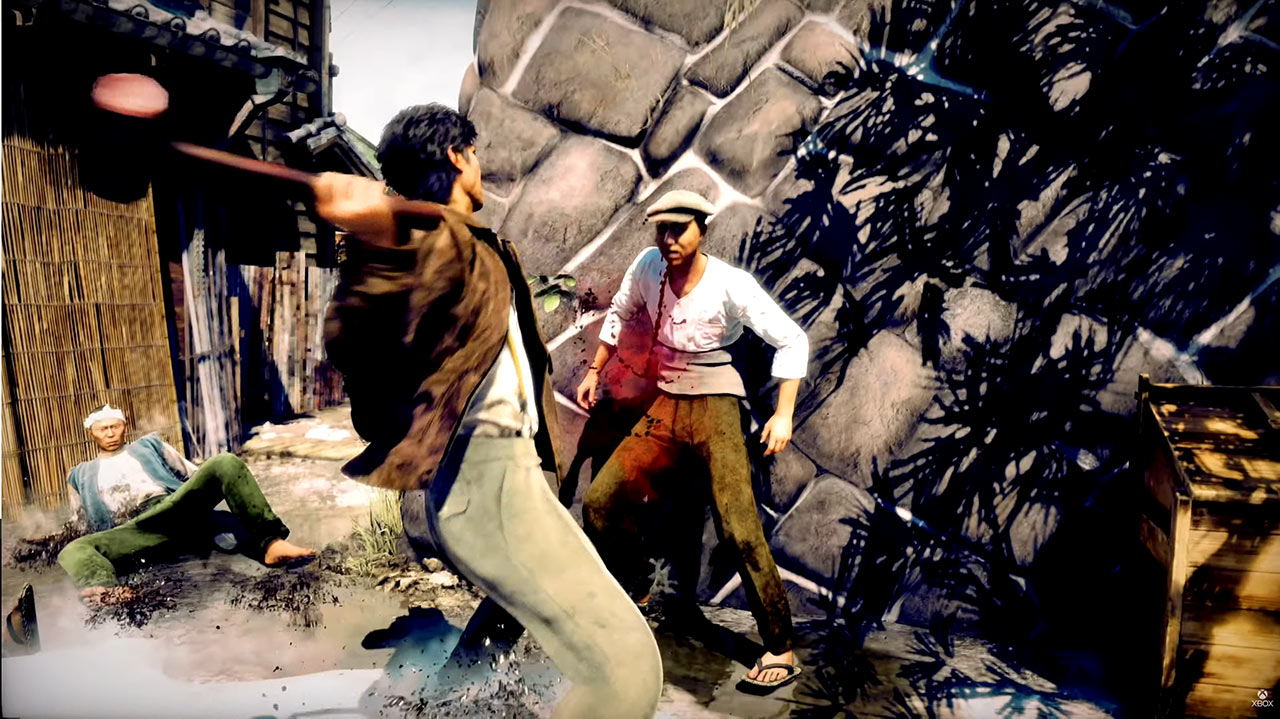
The third location is Minami, Osaa in 1943, a buzzing entertainment district where Makoto and Yu reunite and go into showbusiness together. On the surface, the city is full of life and new entertainment, but behind the scenes, the yakuza and the Italian Mafia are competing for power. The fourth setting is Atami, Shizuoka in 1951, a quieter, more scenic tourist destination known for its natural beauty. By this point in the story, American influence has started to shape Japanese culture, affecting fashion, music, and everyday language.
The story ends in Shinjuku, Tokyo in 1965, where Yokoyama teased that “a tremendous secret will be revealed.” More details on this section are still to come. Players can also take part in various minigames throughout these locations, including arm-wrestling, dice rolling, card games, and target shooting.
Makoto the Showman
Music plays a big role in Makoto’s story and in the game itself. Abe described him as having a natural ear for music and a strong ability to find sounds in the world around him and turn them into compositions.
This idea is built into the gameplay. While exploring, players can walk up to sounds in the environment and save them as recordings, from the sweep of a broom to the noise of a passing train or even the sound of combat. These recordings are stored in a library and can later be used with composers to build original pieces of music with different instruments and moods.
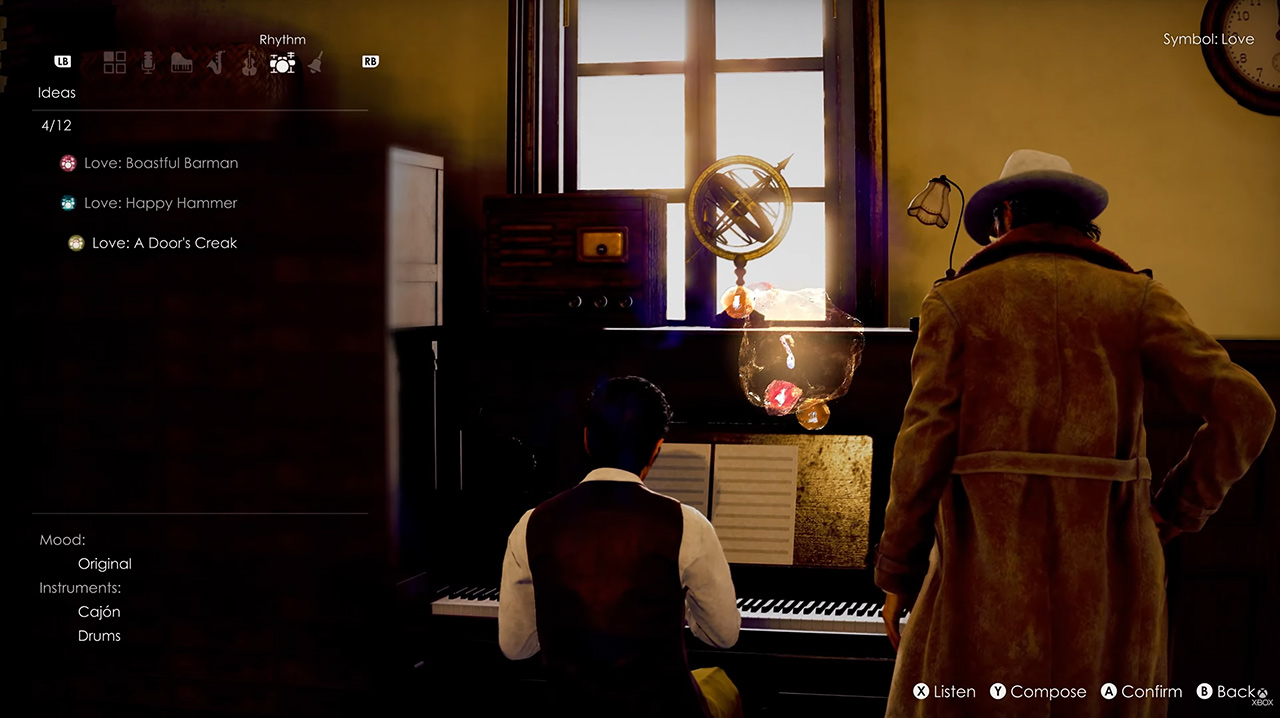
The showbusiness side of things goes further than just music creation. Makoto can scout talented performers by gathering information around town and listening in on conversations. He can then organize performances, choose musicians, and put together setlists. The broadcast showed an example where the player arranges a five-piece band by selecting from a group of performers.
Several real-world artists appear in the game as Singers, which are described as a special class of characters. J-Pop artist Satoshi Fujihara plays Takashi, a singer Makoto meets through yakuza connections who eventually becomes his assistant and protégé. American singer-songwriter Tori Kelly plays Suzy, an ambitious singer Makoto meets during the Shizuoka chapter. Both Fujihara and Kelly also co-wrote the game’s theme song, which was played during the broadcast.
A New Combat System
Stranger Than Heaven introduces a brand-new combat system built specifically for this game. Producer Hiroyuki Sakamoto called it one of the biggest features of the title.
What makes it stand out is that players control Makoto’s left and right sides separately. On Xbox, RB and RT handle the right arm and leg, while LB and LT control the left. This creates situations where, for example, if an enemy grabs one of Makoto’s arms, players can still fight back using the other. Players can also block with one side while countering with the other, and can hold down attack buttons to charge up more powerful hits.
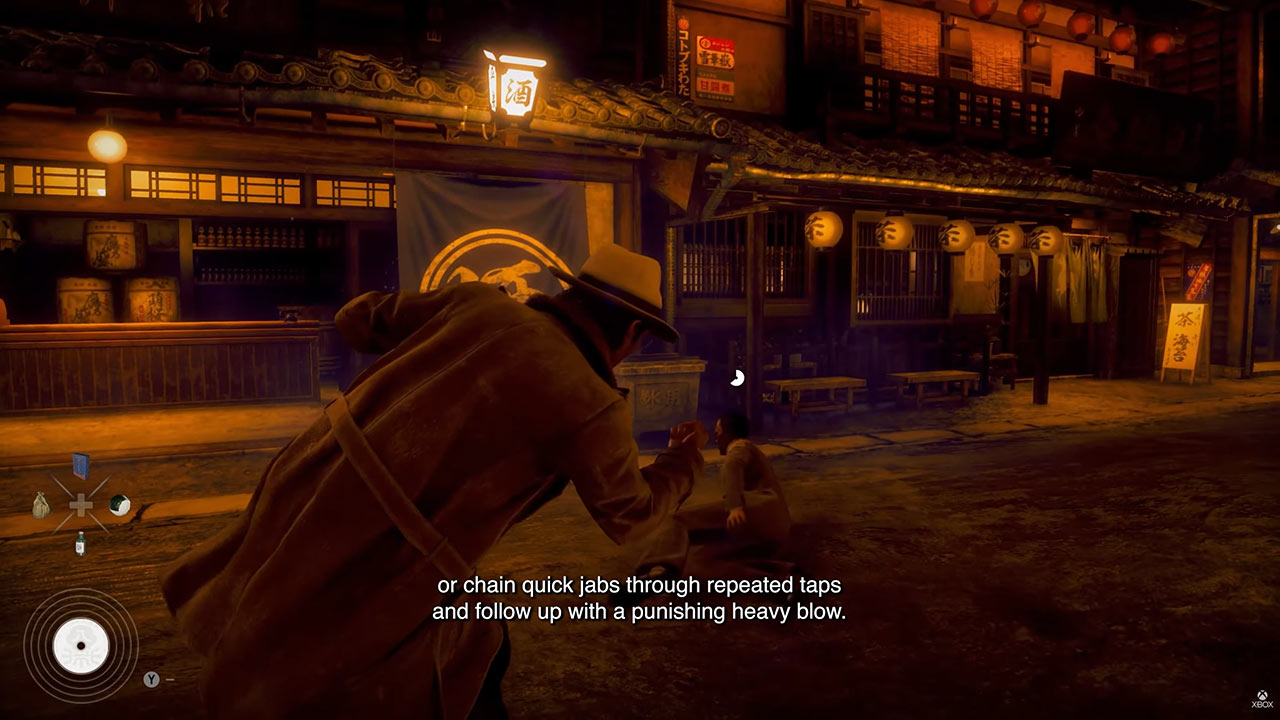
On top of the hand-to-hand combat, Makoto has access to a wide range of weapons including knives, hammers, mallets, katanas, and other inventions from the various eras the game covers. Weapons can be upgraded and come with special attacks and passive abilities. The game also features finishing moves and context-sensitive attacks depending on the situation.
Stranger Than Heaven is set to launch this winter for PlayStation 5, Xbox Series, and PC. It will also be available on Xbox Game Pass on day one and will support Xbox Play Anywhere.