Meta has confirmed the closure of three internal game development studios: Armature Studio, Sanzaru Games, and Twisted Pixel. These shutdowns affect teams that played key roles in the company’s push into virtual reality gaming under the Oculus Studios label.
The decision follows a Bloomberg report stating that Meta plans to cut more than 1,000 jobs from its Reality Labs division. Reality Labs oversees Meta’s virtual reality hardware, software, and content initiatives, including Quest headsets and first-party VR titles. The studio closures form part of a wider restructuring effort within the division.
Armature Studio and Its VR Contributions
Image Credit: Meta
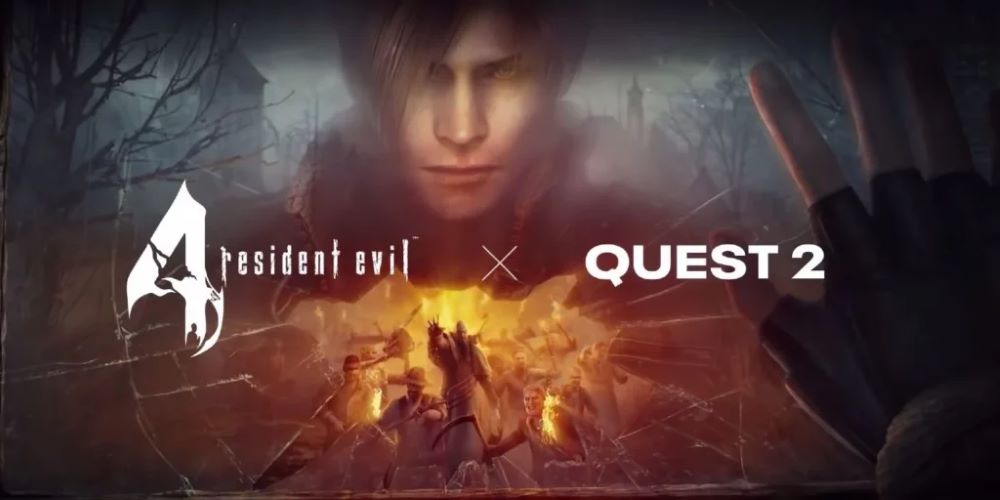
Meta acquired Armature Studio in October 2022. Before the acquisition, the studio developed the virtual reality version of Resident Evil 4, one of the most praised full-scale VR adaptations to date. Oculus Studios published the title prior to Meta’s purchase of the team.
After the acquisition, Armature did not release any new projects. Outside of VR, the studio earned recognition for Batman: Arkham Origins Blackgate and Where the Heart Leads. Its closure ends a short but notable chapter under Meta’s ownership.
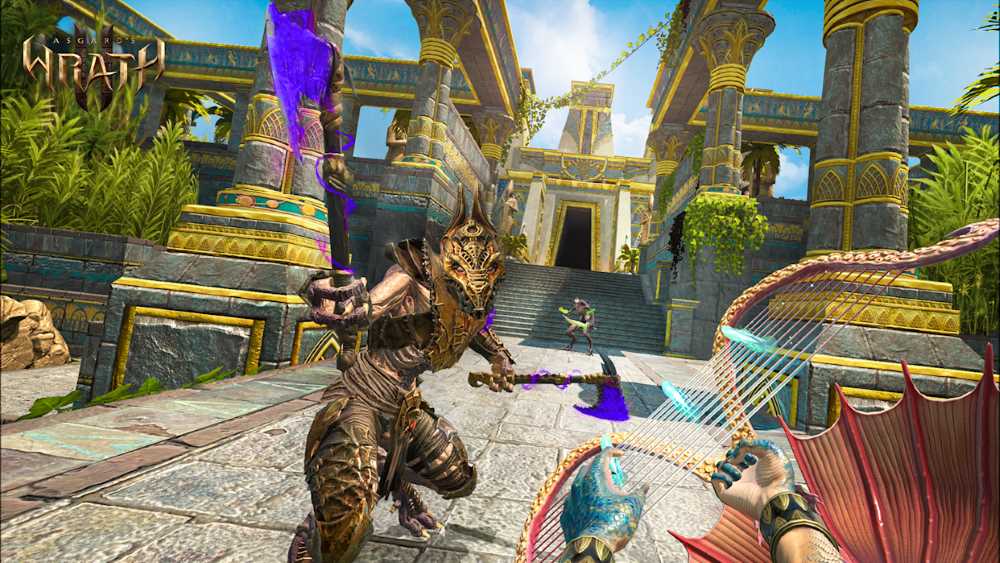
Sanzaru Games joined Meta earlier, with the acquisition completed in February 2020. The studio developed Asgard’s Wrath and Asgard’s Wrath 2, two of Oculus Studios’ most ambitious VR action RPGs. Meta positioned both titles as cornerstone experiences for the Quest platform.
Before its VR-focused work, Sanzaru built a strong reputation through collaborations with Sony Interactive Entertainment. The studio worked on Secret Agent Clank, The Sly Collection, and Sly Cooper: Thieves in Time. It also partnered with SEGA on Sonic Boom: Shattered Crystal and Sonic Boom: Fire & Ice.
Twisted Pixel’s Shift from Console to VR
Image Credit: Meta
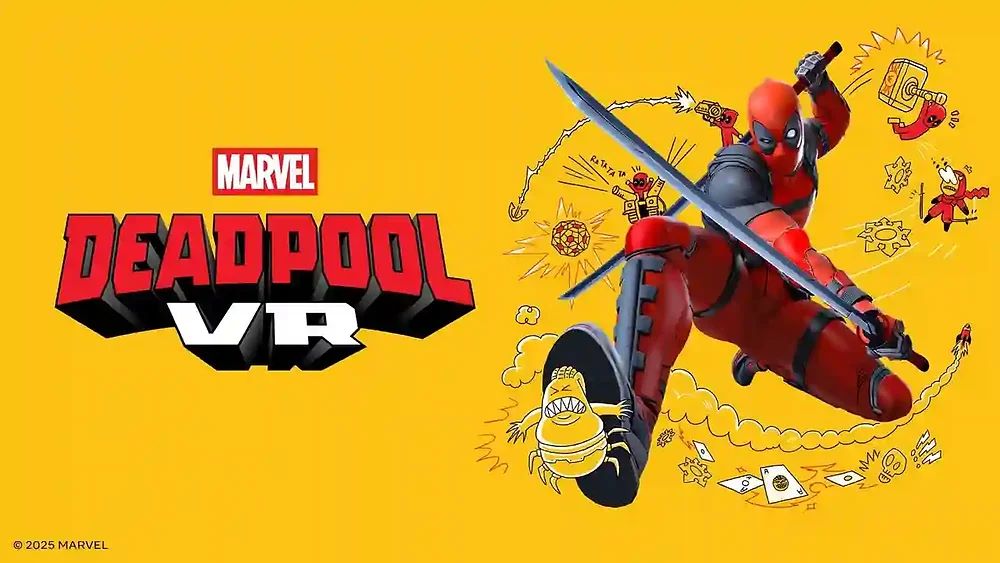
Meta also acquired Twisted Pixel in October 2022. Under Oculus Studios, the team developed Marvel’s Deadpool VR. The studio previously gained fame during the Xbox 360 era with titles such as ‘Splosion Man and Ms. Splosion Man.
Those games helped define Twisted Pixel’s creative identity. Their success made the studio a recognizable name long before its transition to VR development.
What This Means for Meta’s VR Future
The closure of three experienced studios raises questions about Meta’s future content strategy. While the company continues to invest in hardware and wearables, it may rely more heavily on third-party developers for VR software. For now, the move signals a leaner and more cautious approach to first-party VR game development.
An elite Society agent and contractor of the seal weapon Embrasque, Beatrix's ferocity when facing primal beasts is rivaled only by her insatiable hunger for glory.
Eustace
Earthrending Thunder
An elite Society marksman and contractor of the seal weapon Flamek Thunder, Eustace is efficient, laconic, and longs to live in a world of peace and quiet.
Fraux
Striking Strength
Pactbearer to The Devil, a primal seeking to create a new world order, Fraux is otherwise an ordinary skydweller whose heart, character, and temperament are filled with love and compassion.
Fediel
Darkness Personified
One of the Six Dragons, entities who exist beyond the confines of the natural world. Having dominion over darkness, she influences the very laws of nature.
A gamer through and through. I grew up playing all kinds of games and consoles, and even worked as a Game Designer and Game Artist for awhile. Now I venture into another path of gaming where I will pass all gaming knowledge to everyone, no matter how far or treacherous the journey is.









![[EXCLUSIVE] Dragon’s Dogma 2: Dark Arisen Team Opens Up About the Expansion’s Name, New Norgan Region, and Performance Goals](https://cdn.gamerbraves.com/2026/07/Dragons-Dogma-2-Dark-Arisen_Interview_FI-360x180.jpg)