






![[EXCLUSIVE] Dragon’s Dogma 2: Dark Arisen Team Opens Up About the Expansion’s Name, New Norgan Region, and Performance Goals](https://cdn.gamerbraves.com/2026/07/Dragons-Dogma-2-Dark-Arisen_Interview_FI-360x180.jpg)





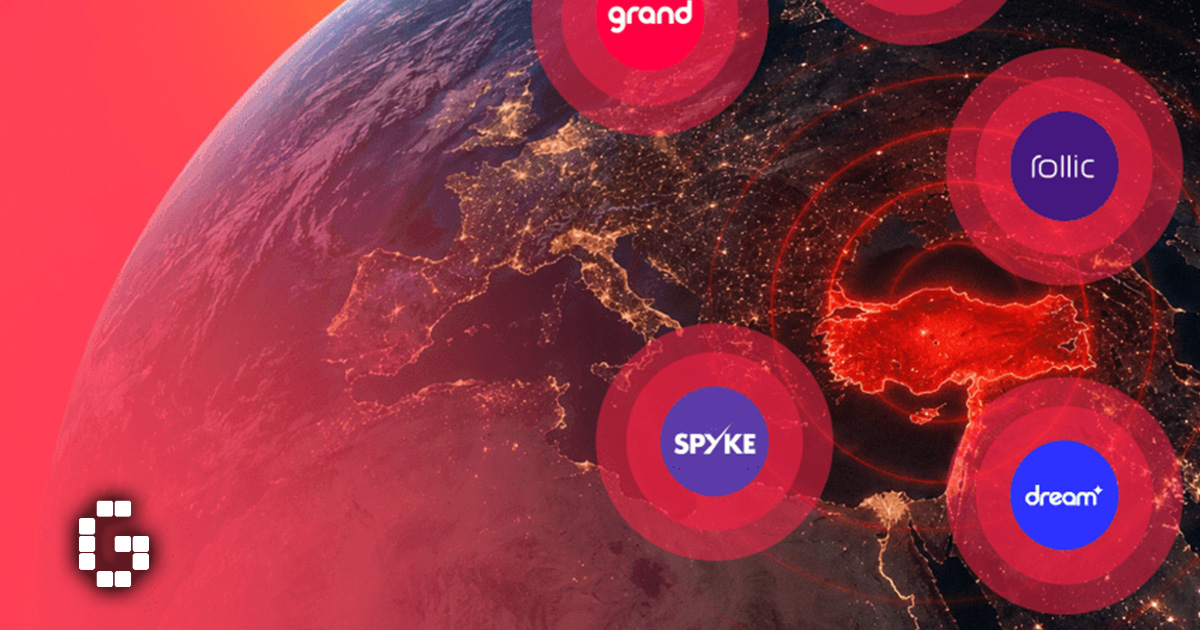
Turkey has quietly become one of the most important players in mobile gaming. Over the past six years, Turkish developers grew their worldwide revenue by 450%, from $504 million in 2020 to $2.76 billion in 2025, capturing 5% of the global mobile games market at a time when the rest of the world’s growth was nearly flat.
According to AppMagic, Dream Games and Peak Games together make up more than 80% of all Turkish publisher revenue. Dream Games alone accounts for 60% of that figure, built almost entirely on two titles: Royal Match and Royal Kingdom, which have combined for over $5.2 billion in lifetime in-app purchase revenue since launch.
Back home in Turkey, 2025 was the best domestic year on record, with local market revenue reaching $347 million, up 6% from the year before. However, downloads told a different story, falling 4% to 1.8 billion installs. Turkey’s gaming boom has shifted away from sheer volume and toward squeezing more revenue out of fewer, better games. The top-grossing titles in the Turkish domestic market in 2025 were actually foreign games: PUBG Mobile at $17.3 million, eFootball at $10.4 million, and Whiteout Survival at $10 million.

In terms of genre, Turkish developers are overwhelmingly focused on Puzzle games, which account for nearly 97% of their total worldwide revenue. Strategy games come in a distant second at just 0.9%.
On the investment side, 2025 was a historic year. Dream Games raised $2.5 billion in a single round from Blackstone and CVC, the largest fundraise in Turkish corporate history and more than every other investment made in Turkish mobile gaming since 2009 combined. Even setting Dream Games aside, the rest of the Turkish gaming ecosystem raised $234 million in 2025, which is 32 times more than what the entire market raised back in 2020. Good Job Games pulled in $60 million in July 2025, and Grand Games raised $30.1 million in January 2025 before securing another $70 million in May 2026, bringing its total over 16 months to $100 million. A growing network of domestic funds including Ludus Ventures, Laton Ventures, and WePlay Ventures is now backing the next generation of Turkish studios, many founded by alumni of Peak Games, Rollic, and Dream Games.

Turkish studios are not just generating revenue, they are actively shaping how the broader mobile gaming market works. Royal Match, developed by Dream Games, has become a major trendsetter in live operations. A timed event mechanic called Lava Quest, introduced in April 2024, spread so fast across the industry that the name itself became a generic term, now appearing in more than half of all popular casual and hybrid-casual games worldwide.
Turkey’s mobile gaming ecosystem has grown from a handful of breakout hits into a maturing industry with its own funding networks, publishing pipelines, and global cultural influence. The challenge going forward will be whether that success can spread beyond the handful of studios and genres currently driving almost all of the numbers.