




![[EXCLUSIVE] Dragon’s Dogma 2: Dark Arisen Team Opens Up About the Expansion’s Name, New Norgan Region, and Performance Goals](https://cdn.gamerbraves.com/2026/07/Dragons-Dogma-2-Dark-Arisen_Interview_FI-360x180.jpg)




When RGG Studio announced they were remaking Yakuza 3, fans had questions. The 2009 original holds a special place in the series’ history, but it also came with its share of criticisms, particularly around its combat system. Now, over 15 years later, the studio is bringing Kiryu’s Okinawa chapter back with Yakuza Kiwami 3, alongside an entirely new story expansion, Dark Ties, centered on fan-favorite antagonist Yoshitaka Mine.
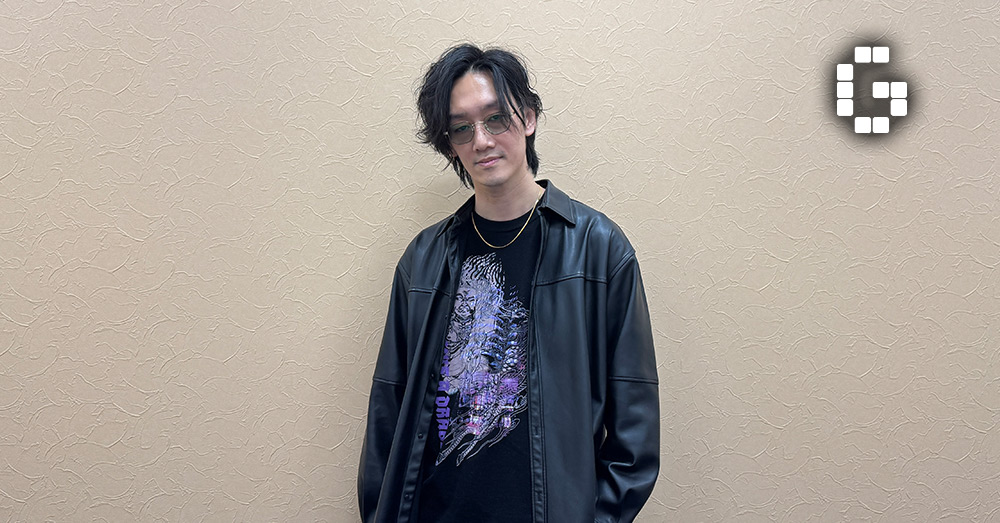
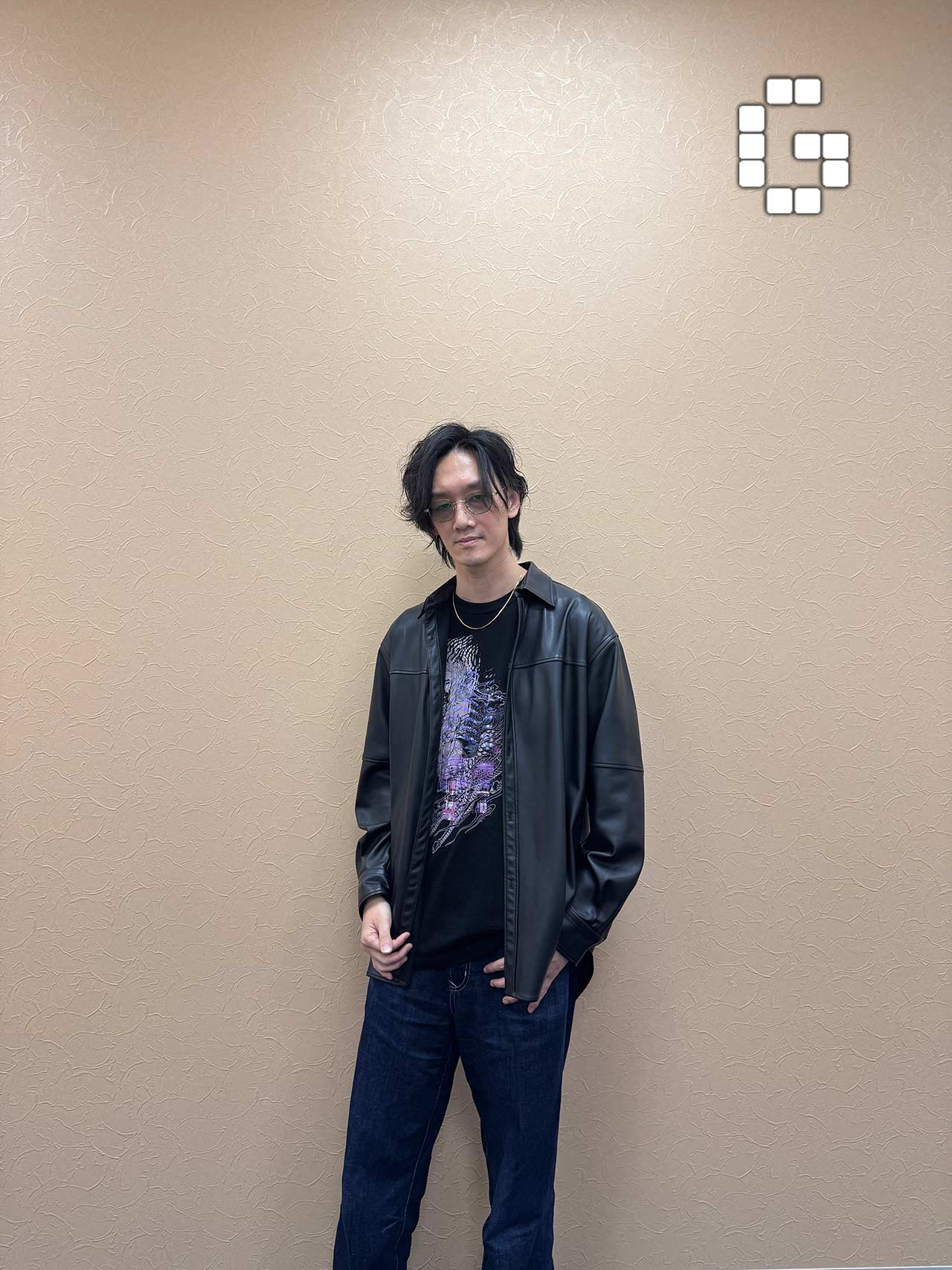
We recently sat down with Ryosuke Horii, Chief Director of RGG Studio and the mind behind both projects, to discuss the challenges of honoring the original while building something new, the philosophy behind their creative decisions, and why they chose to give Mine his own starring role.
Building on Modern Foundations
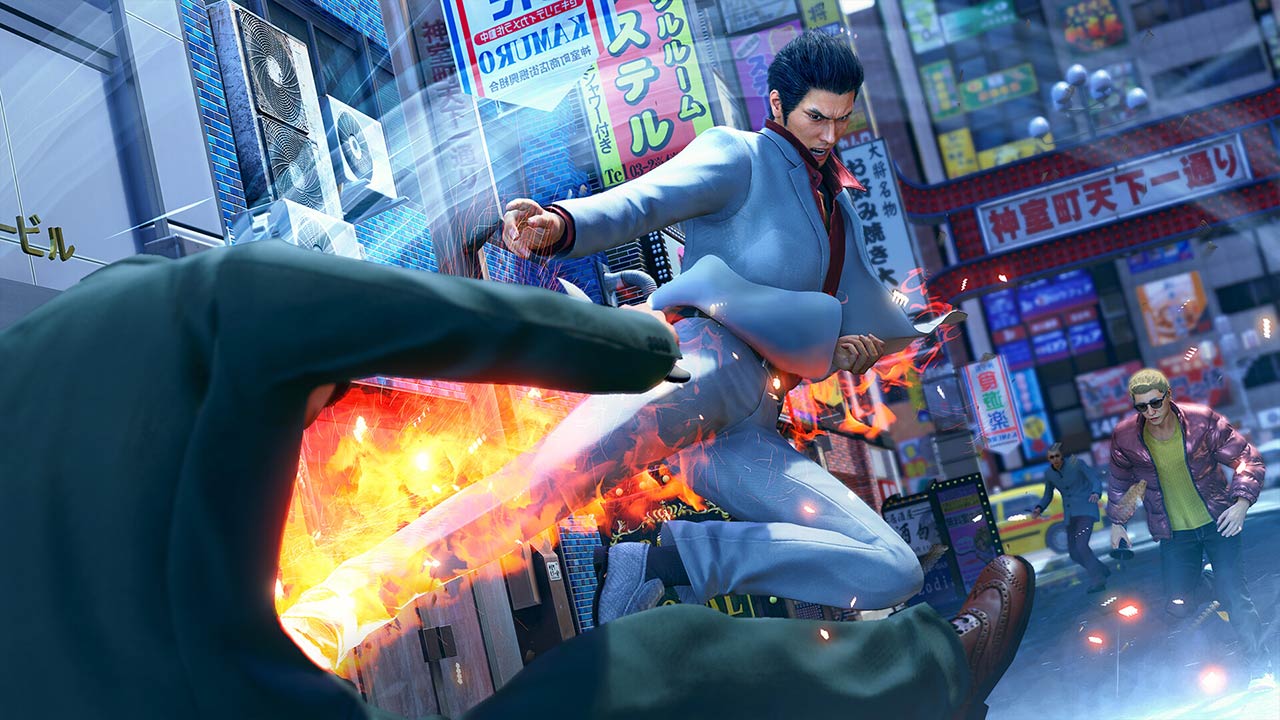
The jump to a modern engine in Yakuza Kiwami 3 & Dark Ties has opened new doors for the development team. Horii explained that they drew inspiration from their recent work on Pirate Yakuza, which featured Majima in fast-paced battles with jumps and dynamic action. “We have taken from that while also making it tune to be very Kiryu-like, because we do have Kiryu as the main character for this one,” he said. The team invested considerable time ensuring the combat felt authentic to Kiryu’s character while taking advantage of new technical capabilities.
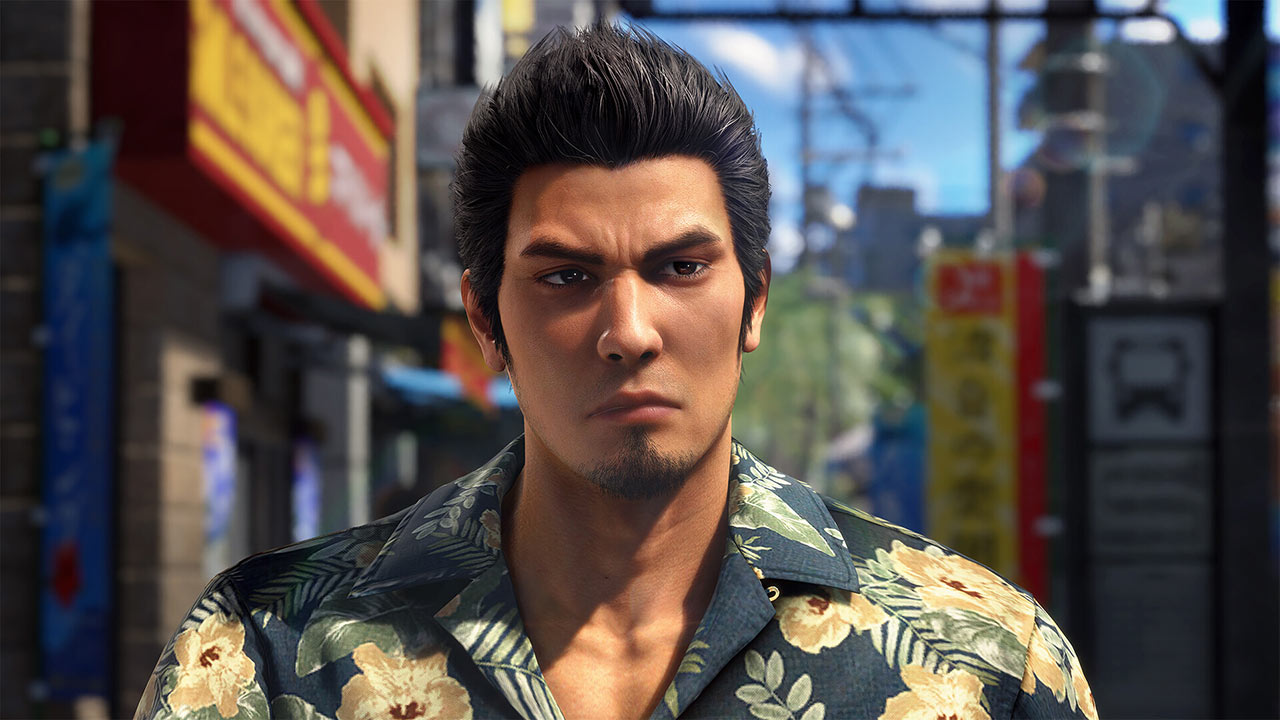
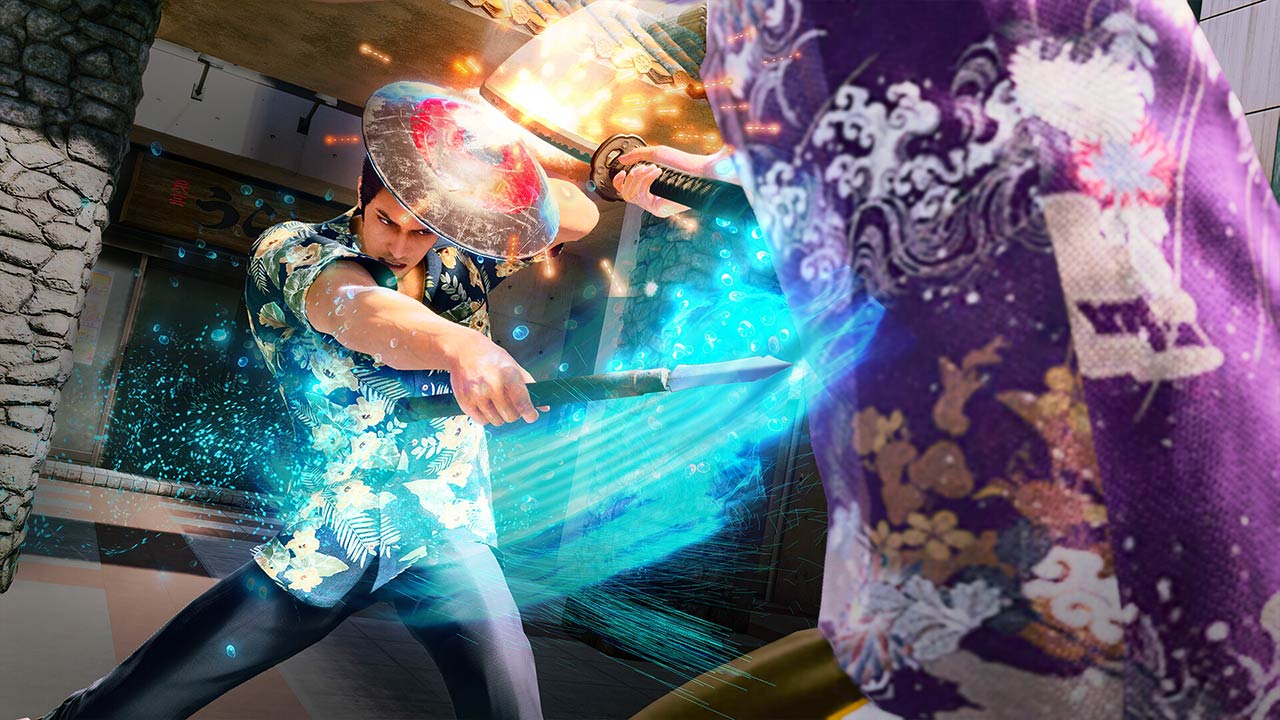
One of the most notable changes in Kiwami 3 is the introduction of the Ryukyu fighting style, which marks a departure from Kiryu’s traditional hand-to-hand combat. The decision came from wanting to connect the gameplay to the Okinawan setting. “We did some research about Okinawa, and we found this Ryukyu style, that is a traditional martial art there,” Horii explained. While they considered traditional Okinawan hand-to-hand styles, those ended up being too similar to Kiryu’s existing moves.
“We wanted something fresh, and we did feel maybe using weapons was a bit of a cheat to make it new, but it did end up being fun, so we did go with that.”
The Ryukyu style allows players to use eight different weapons, making it a powerful option. However, Horii assured that the original fighting style remains viable. “There are enemies where Ryukyu style is a better fit or it’s not and you should use the other style,” he noted. “Using both will end up being probably the most optimal way to play.”
Addressing the original Yakuza 3’s combat criticism head-on, Horii admitted that when the team replayed the original, they thought, “Wow, damn, this is hard.” After 15 years and significant improvements to systems, interface, and engine, the team approached combat with a fresh perspective. “We don’t really think about the original game when making this game, we just take a fresh start and make a good action game,” he said.
“It’s been 15 years since then, so all the systems and the interface and the engine, they have gone through very drastic changes and improvements.”
To maintain some connection to the original, they kept rough-edged moves like pro wrestling techniques, reflecting Kiryu’s younger age in this timeline.
“Kiryu is very young at this point in the timeline. So all the rough edge moves like the pro wrestling type moves that he has in there, that was put in there so that we could keep the feeling of the original.”
Balancing Old and New
The philosophy guiding Kiwami 3’s development can be summed up in Horii’s words: “Cherish the original, but don’t lean on it, don’t be too dependent on it.” The team was acutely aware that Yakuza 3 has passionate fans who might react negatively to changes. The challenge was determining what could change without losing the game’s identity. “If we change this, this would no longer be Yakuza 3, so those core elements we decided to keep,” Horii explained.
The main story’s spine remains intact, with characters keeping their core beliefs and life goals even if some settings were adjusted. “If we make the completely same game, Yakuza 3 is of course you can still get your hands on and play it, there would be less of a point to that and it would honestly be rude to the original game,” he said.
“We’re not trying to throw out the original but again at the same time if we make the completely same game, there would be less of a point to that.”
This balance extended to side content as well. Some elements from the original, like the revelation cutscenes where Kiryu uses his phone, were cut. While Horii acknowledged these were fun and popular, “those cutscenes took a lot of man hours to make. So rather than put that in again, we thought something new would be enjoyable for both us and the fans.”
Life at Morning Glory Orphanage
The relationship between Kiryu and the children at Morning Glory Orphanage receives expanded focus in Kiwami 3. What were simple sub-quests in the original now include full mini-games centered around daily chores. Horii’s personal experience as a father influenced these choices. “Based on his experience, he picked up the chores that are really difficult for him as a dad. So like, he sort of struggles with cooking and sewing. And he was like, if I struggle with this, then Kiryu probably struggles with this too.”
The sewing mini-game, transformed into a racing experience, came from an unexpected inspiration. Looking at how cloth rolls toward you on a sewing machine, Horii realized, “Wait this is Out Run, the SEGA racing game. It’s like Out Run because the road is coming to you rather than you going toward the road.” He added with a laugh that if players struggle too much, “you injure your finger and have drops of blood on there.”

These activities serve a purpose beyond entertainment. “For each child, we do have touching stories already. And you will be able to see their relationship with Kiryu,” Horii explained. The expanded content aims to make the emotional beats of the main story hit harder by building those connections through gameplay.
“The Morning Glory, Kiryu’s relationship with the children comes up in the main story as well, so for that side content, we put a lot of volume into that, because it will be depicting Kiryu’s relationship with the children, and it will be making the story with them more moving and touching.”
Supporting characters like Rikiya also receive more development. Horii noted that while Rikiya was prominent in the original, “his screen time was a bit low and it doesn’t really delve that deep into the character himself.” The remake explores questions like why Rikiya admires Kiryu so much and what drives his actions, giving players more scenes to understand his motivations.
“Why does Rikiya like Kiryu so much? Why does he want to be like him? Why does Rikiya act a certain way? So they tried to dive more into his feelings and what drives him as a person.”
Among the new content in Yakuza Kiwami 3 is Haisai Girls, a feature inspired by Horii’s personal interest in Japanese yankee gaming culture. “He really likes that aesthetic so he wanted to do it,” the translator explained. Despite a tight production timeline, the team had enough ideas and resources to make it work. The group action battles draw from similar concepts in Pirate Yakuza but with a fresh approach focused on destroying enemy bases, offering something new for returning players.
“We put in some changes so that people who have played previous games can find fresh new enjoyment.”
Dark Ties: Exploring Mine’s Story
The decision to create Dark Ties as a companion to Yakuza Kiwami 3 came from wanting to offer more than a simple remake after the ambitious Pirate Yakuza. “They decided, hey, why don’t we just add a whole Gaiden in there?” Horii said. Mine was the perfect choice not only because of his popularity, but because the team wanted to explore his character more deeply. “As an enemy character, he only comes out occasionally in the original game, so you don’t really get to see his thoughts or his feelings or his philosophies.”
Dark Ties marks the first time players control a yakuza as the main character. Unlike Kiryu or Kasuga, who help others out of kindness and justice, “Mine, on the other hand, he is not very heroic in nature, so he doesn’t go out of his way to help out others,” Horii explained. This creates different problem-solving approaches and potentially more depictions of underworld activities and inter-gang dynamics.
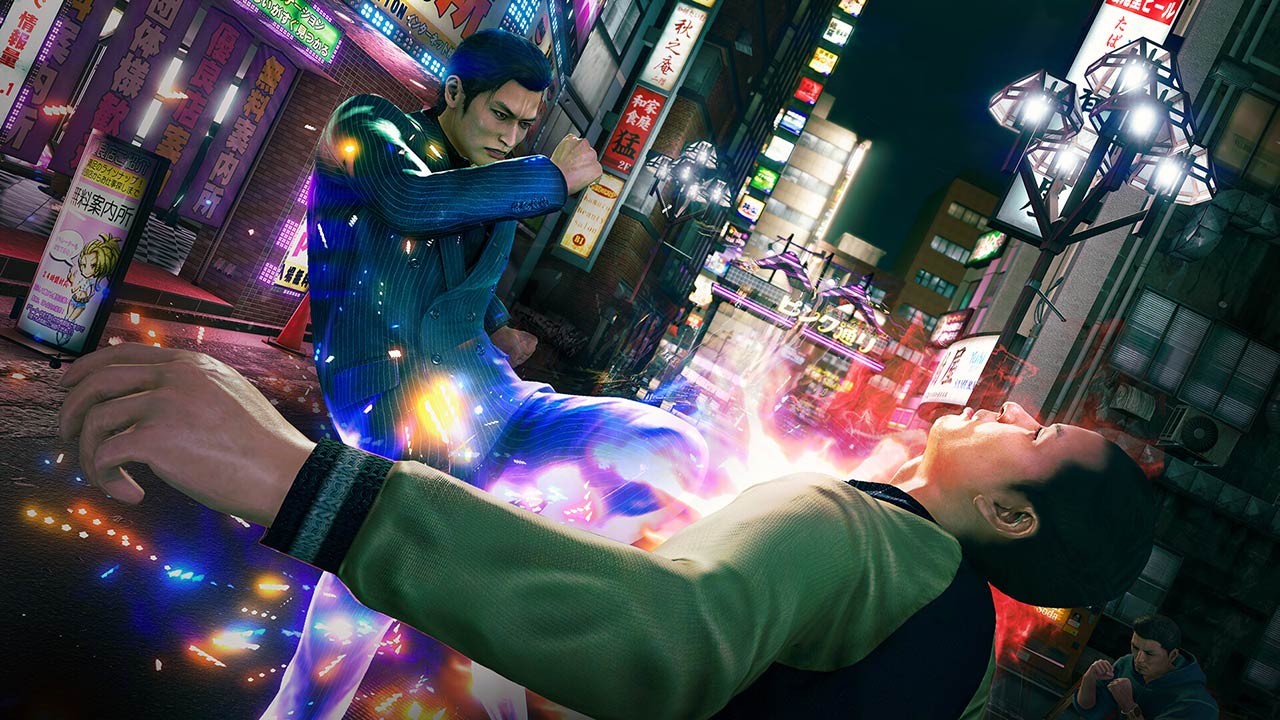
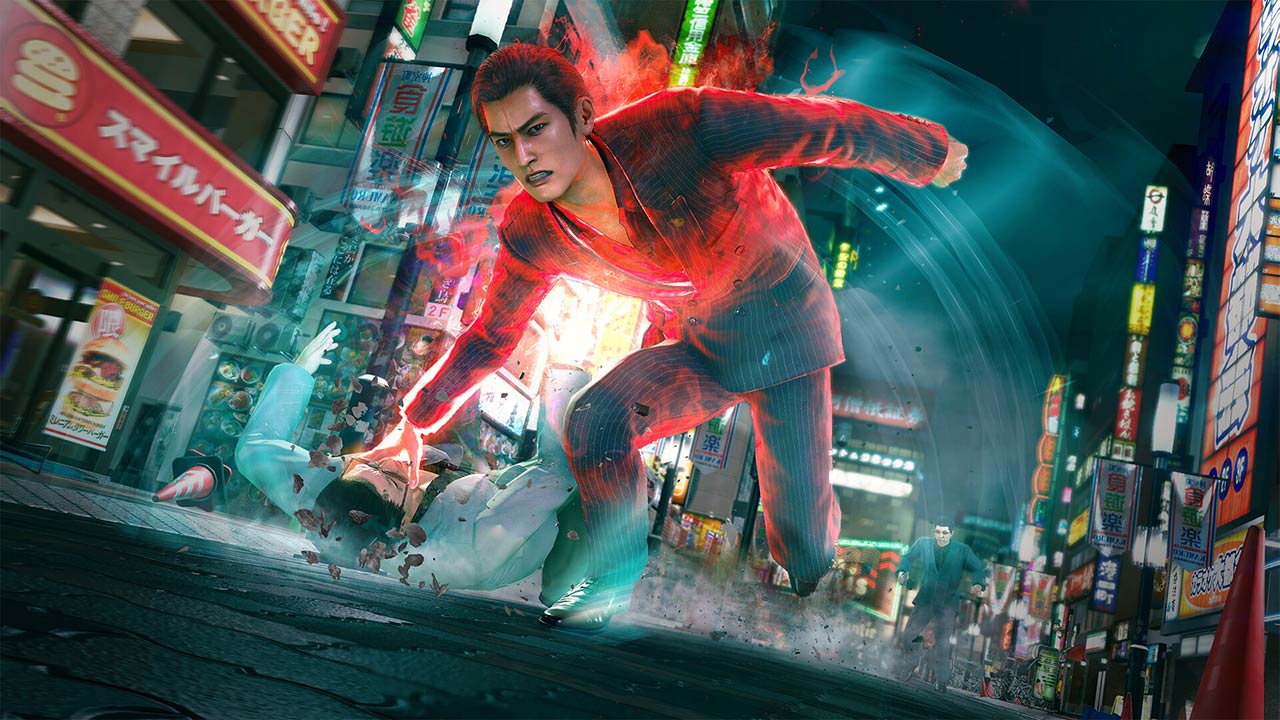
Mine’s combat style reflects his character. His shoot boxing is designed to be “cool and stylish” in contrast to the young, rough-edged Kiryu in Kiwami 3. But Mine has another side. “He also hides this like sort of insanity within him like you better not make this guy angry,” Horii said. The Dark Awakening style shows Mine completely breaking free of reason and logic, revealing his inner turmoil.
“Just the cool stylish shoot boxing would not be enough. So we have Dark Awakening where he completely breaks free of any reason and logic and shows his inner insanity.”
When asked what makes Mine so popular compared to other villains, Horii was honest: “His looks definitely are a factor especially with the young women demographic. Of course he’s more popular than Kanda.” But there’s more to it than appearance. Mine stands out visually among the typically rugged yakuza lineup, but his emotional depth resonates with players. “He has the looks, he has the money, he seems to have everything. But, like, inside, he always feels like there’s something missing,” Horii explained.
“He is, while he has everything, he is still a very lonely character and I think that’s something that people look at and they can really empathize with.”
Horii joked that while they won’t make all future villains hot men just because Mine is popular, “if we see this new Dark Ties selling like hot cakes maybe we’ll be seeing RGG just have hot men in the line up.”
Making Games for Fans, Not Services
RGG Studio maintains a clear philosophy about fan feedback. While Horii acknowledged that feedback reaches the team and they’re grateful for their loyal fanbase, he emphasized a crucial distinction.
“When making a game, they don’t think of it really as providing a service that fans want. But rather, they’re making something that they think will be enjoyable and will be enjoyable to the fans as well.”
This approach extends to how they handle different audiences. The team doesn’t try to change characters or their depictions based on demographics. “We keep our fundamentals the same, and we don’t really change characters based on what we think fans may like more, or what the current market may like more,” Horii said. While they’re unsure if fans will embrace all the new changes, they sincerely hope they will.
The goal is to exceed expectations rather than simply meet requests. “We love the fans, but we are hoping to make things that are beyond what fans are expecting,” Horii stated.
“While fan opinions are very important to us, we don’t want to get, like, pulled in or, like, changed by them too hard to change the game we’re making. Because that would really change, like, our core, like, philosophy as a development studio.”
Looking Forward
As our conversation wrapped up, Horii wanted to emphasize an important point about the remake.
“Yakuza 3, the original, does not disappear because we made Kiwami 3. Yakuza 3 is of course still available to everyone, so we’re hoping that we make something that people will be able to enjoy along with the original.”
Yakuza Kiwami 3 & Dark Ties represent RGG Studio’s commitment to honoring their past while pushing forward with new ideas and technology. It’s a remake that aims to be a new game, built for both longtime fans who remember the original and newcomers experiencing this chapter for the first time.
“It is a remake but is a new game with new elements so they’re building something that new and old fans alike will enjoy, so all the manliness of RGG games, all the feelings in there, and the uniqueness. It is a title that we packed all of the things people love.”
With all the elements fans love about RGG games packed in, Horii and his team are ready to show players what 15 years of evolution can bring to a classic story.