










![[EXCLUSIVE] Dragon’s Dogma 2: Dark Arisen Team Opens Up About the Expansion’s Name, New Norgan Region, and Performance Goals](https://cdn.gamerbraves.com/2026/07/Dragons-Dogma-2-Dark-Arisen_Interview_FI-360x180.jpg)






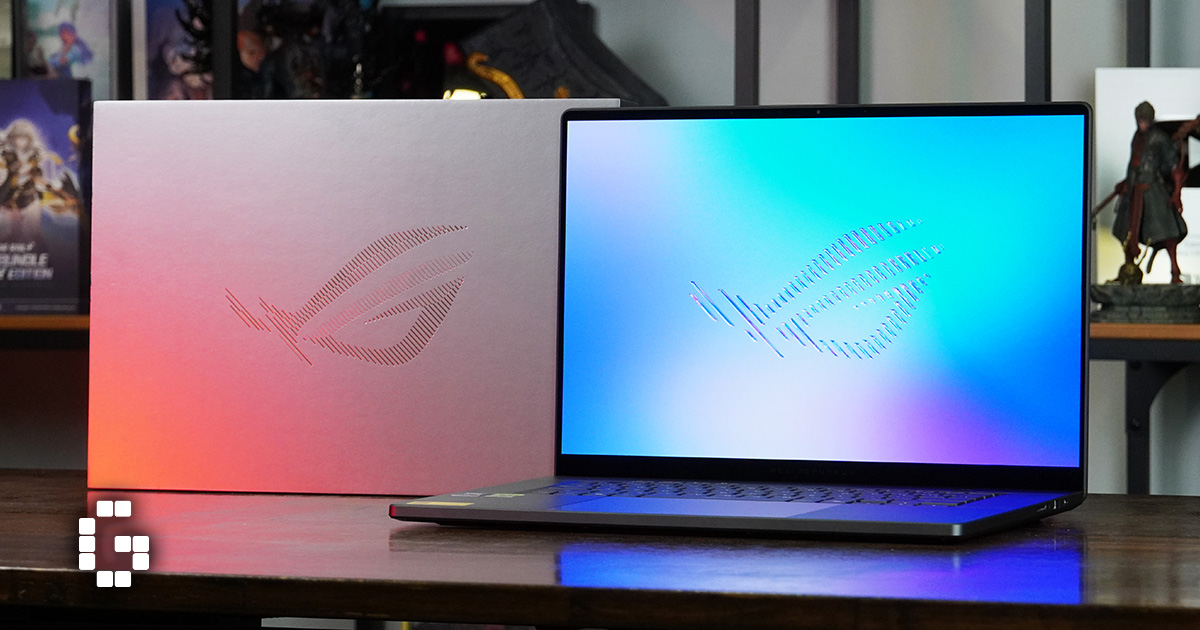
The ROG Zephyrus G16 has always been one of ASUS’s more ambitious laptops, and the 2026 version doesn’t back down from that reputation. It comes in with a sharp OLED display, capable internals, and a design that doesn’t feel like a sacrifice for the sake of power. But premium machines come with premium price tags, and whether that tradeoff makes sense depends on what you actually need. After putting this laptop through its paces across gaming, everyday use, and everything in between, here’s the full picture.
Design and Portability
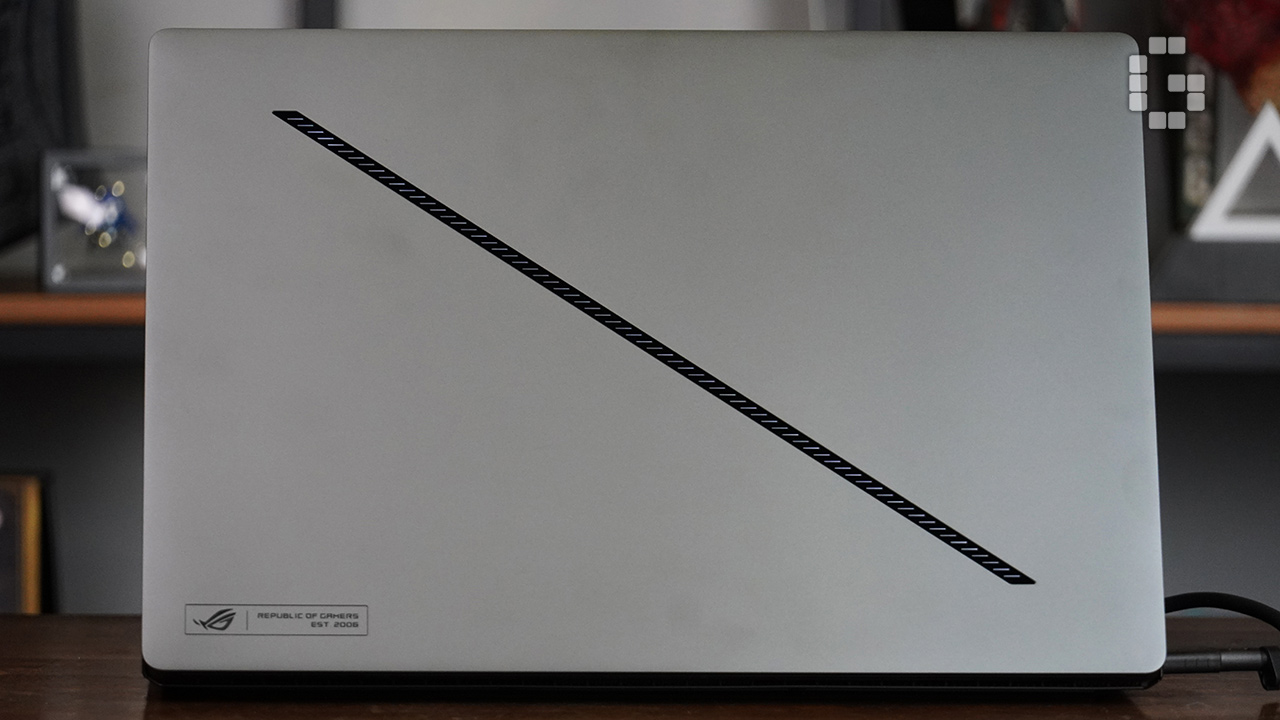
The first thing you notice when you pick up the Zephyrus G16 is that it feels genuinely well-built. For a 16-inch laptop, 1.85kg is a reasonable weight to carry around, and the build quality gives it a solid, premium feel without being unnecessarily bulky. ASUS also includes two charging options: a 250W main adapter for full performance and a lighter 100W USB-C adapter for when you’re on the move. It’s a small detail, but one that makes real-world use noticeably more convenient.
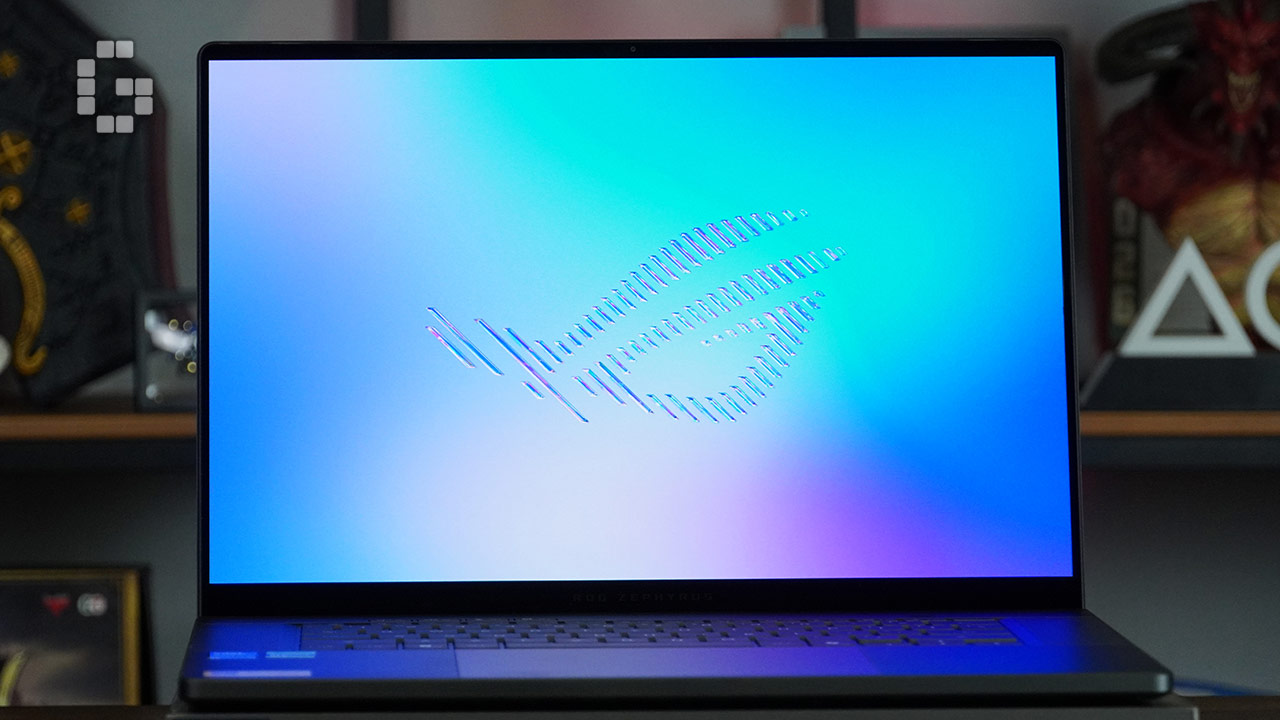
The display is easily one of the strongest selling points here. You’re looking at a 16-inch 2.5K OLED panel running at 240Hz, which is not a common combination at this screen size. OLED means colors are vivid, blacks are deep, and the overall image quality is noticeably better than what you’d get from a standard LCD display. It covers 100% DCI-P3, and G-Sync support keeps gameplay smooth and free of screen tearing. An anti-reflection coating rounds things out, making the screen more usable in brighter environments.
Performance
Under the hood, the Zephyrus G16 runs on an Intel Core Ultra 9 386H paired with an NVIDIA GeForce RTX 5060 Laptop GPU with 8GB of GDDR7 memory. The GPU runs at up to 115W through ROG Boost in both Turbo and Manual modes. 32GB of LPDDR5X RAM and a 1TB PCIe Gen 4 NVMe SSD round out the core specs. It handles demanding workloads and heavy multitasking without any notable issues.
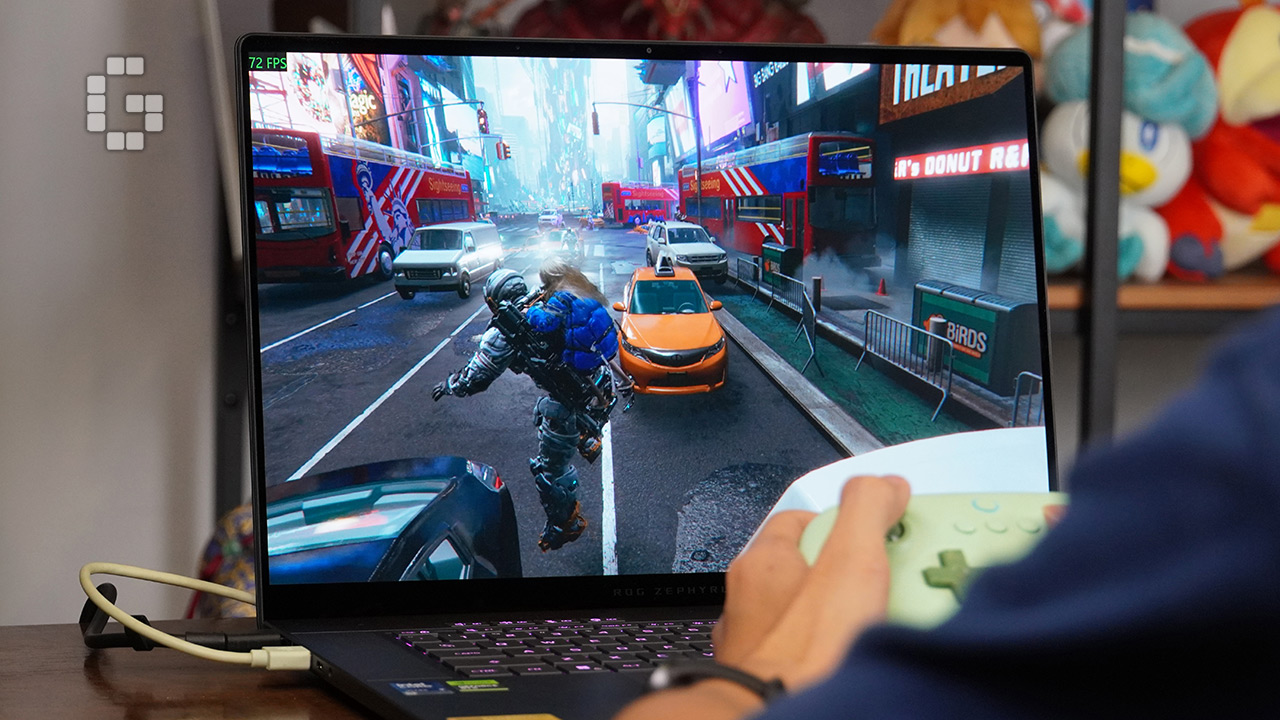
On the gaming side, three titles were tested: Pragmata, Crimson Desert, and Marathon. Pragmata on High settings averaged around 80 to 85 FPS, holding up well even in large open areas. Crimson Desert on Medium delivered a steady 60 to 65 FPS throughout, while Marathon on High came in at 65 to 75 FPS. Benchmark results came in at 10,523 on 3DMark Time Spy, 9,617 on PC Mark 10, and 42,155 on Cinebench GPU Performance, numbers that are well within a solid range for a laptop at this tier.
Audio and Battery
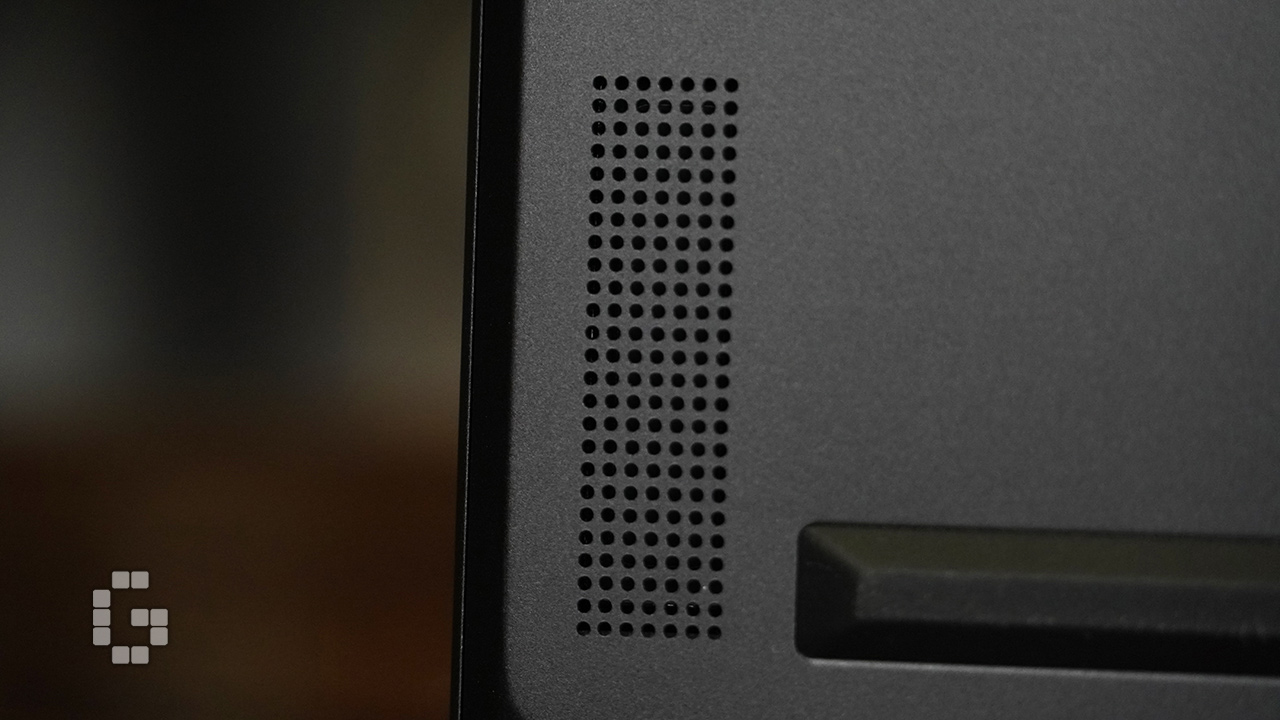
The audio also stands out for a laptop this slim. A four-speaker setup with dual-force woofers, tweeters, Smart Amplifier Technology, and Dolby Atmos support produces sound that is loud, clear, and has actual bass to it, which tends to be rare in thinner machines.
Port selection is practical and covers most needs: one Thunderbolt 4, one USB 3.2 Gen 2 Type-C with DisplayPort, Power Delivery, and G-Sync support, two USB 3.2 Gen 2 Type-A ports, HDMI 2.1, a UHS-II SD card reader, and a 3.5mm audio jack. A 90Whr four-cell battery keeps the system running through longer sessions.
Verdict
The ROG Zephyrus G16 (2026) is a well-rounded machine that delivers on its promises. The display is excellent, the performance is capable, and it manages to stay portable enough for everyday use. The price is the one hurdle that will give some buyers pause, but for those with the budget for it, this laptop holds up as a strong option in the premium gaming laptop space.







![[GUIDE] Illusion Connect: Re Codes & How to Redeem Them](https://cdn.gamerbraves.com/2026/06/Illusion-Connect-Re-Codes_Guide_FI-75x75.jpg)