



![[EXCLUSIVE] Dragon’s Dogma 2: Dark Arisen Team Opens Up About the Expansion’s Name, New Norgan Region, and Performance Goals](https://cdn.gamerbraves.com/2026/07/Dragons-Dogma-2-Dark-Arisen_Interview_FI-360x180.jpg)



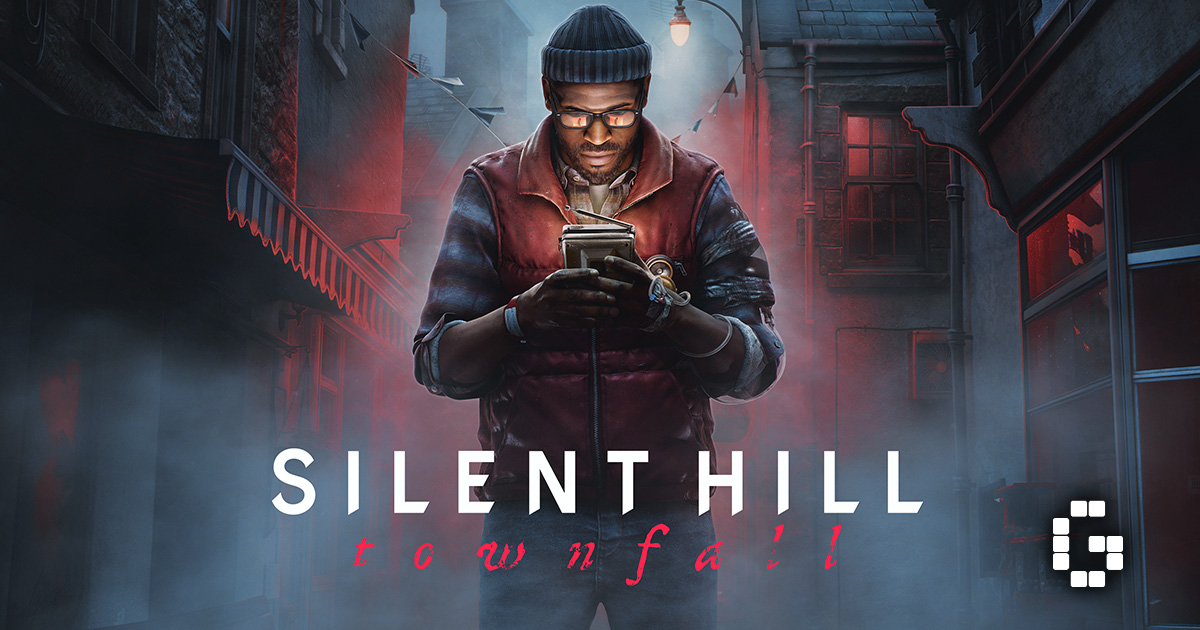
Silent Hill has always been a series that gets under your skin, and this year, Konami is once again handing the keys to a new team to keep that tradition alive with SILENT HILL: Townfall. We recently got a chance to sit down in an interview session with Motoi Okamoto, Series Producer for Silent Hill, and Jon McKellan, Writer and Director at Screen Burn Interactive, to learn more about SILENT HILL: Townfall. The conversation came together after a hands-on session with the game, where small details like its sound design left a strong impression before we even got the chance to ask about them directly. Here’s what they had to say about the game’s first-person shift, its approach to horror, and what players can expect when the credits finally roll.
One Game a Year, Many Different Voices
Townfall is the latest in a run of new Silent Hill titles, following the Silent Hill 2 Remake and last year’s Silent Hill F, each built by a different studio with its own style. Okamoto explained that this variety comes from Konami simply having no shortage of interested teams. “We’re in a fortunate position where we have a lot of teams with their own offers and pitches who are willing to create a Silent Hill project,” he said. He added that the deciding factor is confidence in what a team can deliver.
“If we feel confident in their capabilities of delivering a good Silent Hill game, we’re more than willing to cooperate with as many developers as we see fit.”
Even so, Okamoto noted there’s a limit to how much is released at once.
“We don’t want to fatigue the player base by having too many games out in such a short span, so right now, my personal goal is to aim for one game a year.”
Why Townfall Went First-Person
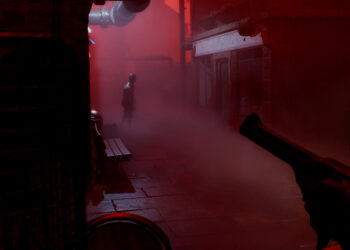
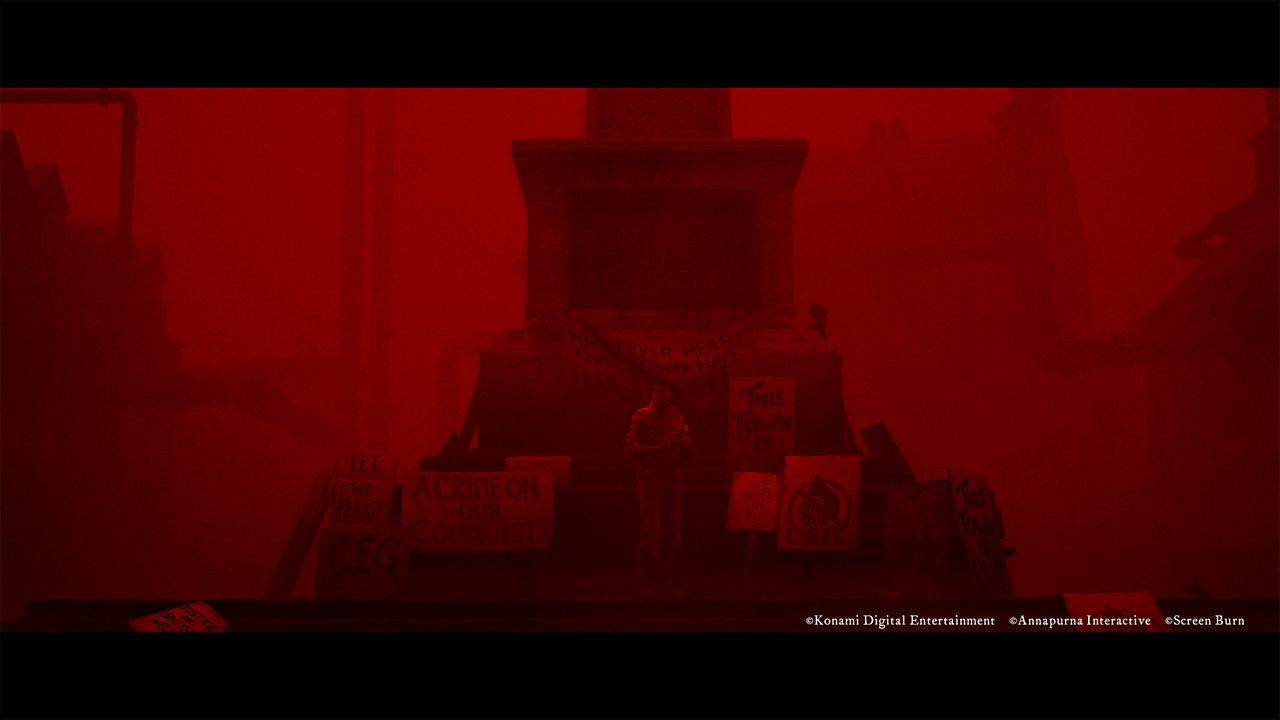
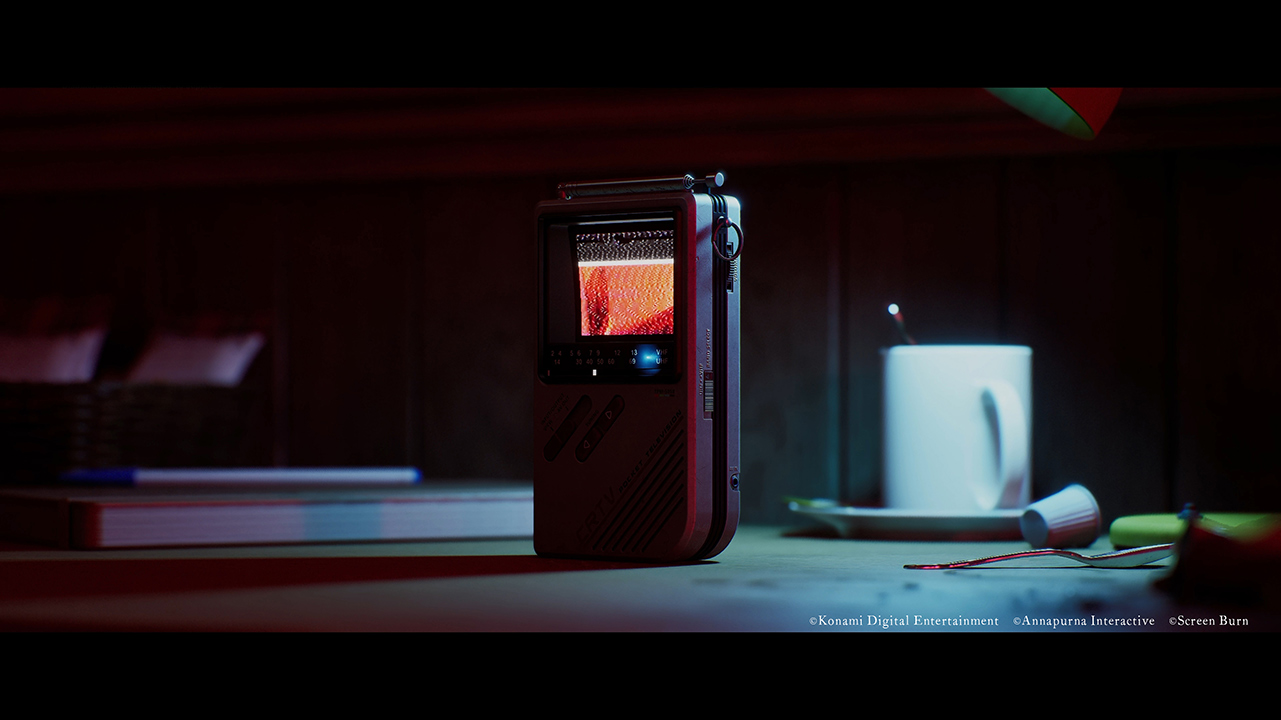
One of the biggest changes for the series is that Townfall is played entirely in first person, a first for Silent Hill. McKellan said this was one of the earliest decisions the team made, and it came down to two things. The first was the setting itself. “As a horror experience in this claustrophobic town, where the buildings are small and the streets are very cramped, it felt appropriate to be in that perspective to make use of that,” he said. The second reason ties directly to gameplay. “The CRTV gameplay is really only something you can do in first person, without having to render the UI on top of the screen like a mini-map,” McKellan explained. He added that removing a character model from the frame made the device feel more natural to use.
“Being able to bring that device up in front of the camera, without a character model standing between you and the game world, felt like the right way to go.”
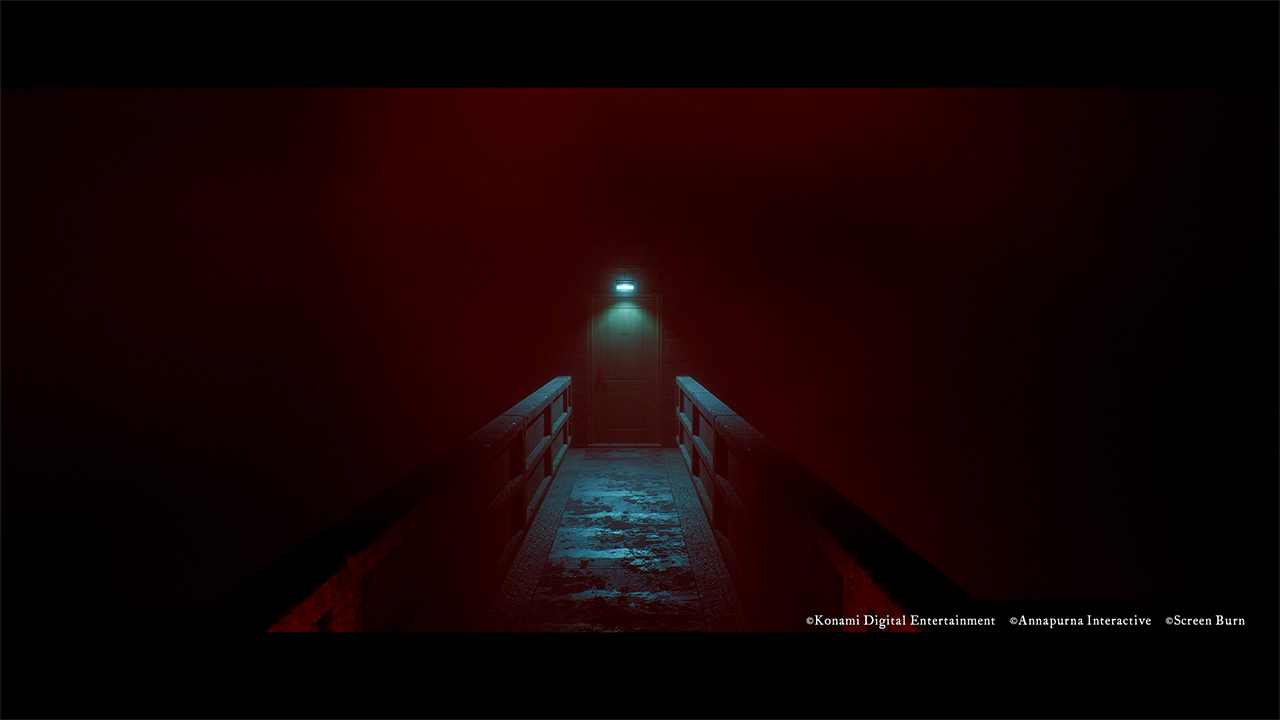
That perspective shift also changed how players search environments. In past games, items were easier to spot from a third-person view, but Townfall leans into a slower, more personal kind of searching. “First person was the goal from the beginning,” McKellan said.
“We wanted players to feel like they were searching through these people’s homes.”
He pointed to an early scene where players search a cupboard and can look closely at different objects, not just to find useful items, but to learn something about the people who once lived there. “The goal wasn’t just to find items for gameplay, but also to learn something about the people who lived there by looking closely at what they owned and what was in their home,” he said. According to McKellan, the town of St. Amelia and its residents are really the heart of the experience.
“The people of St. Amelia and the town itself are the real star of the show, and the closer you look, the more you learn about the people who lived there.”
Simon’s Mind, Reflected Through the CRTV
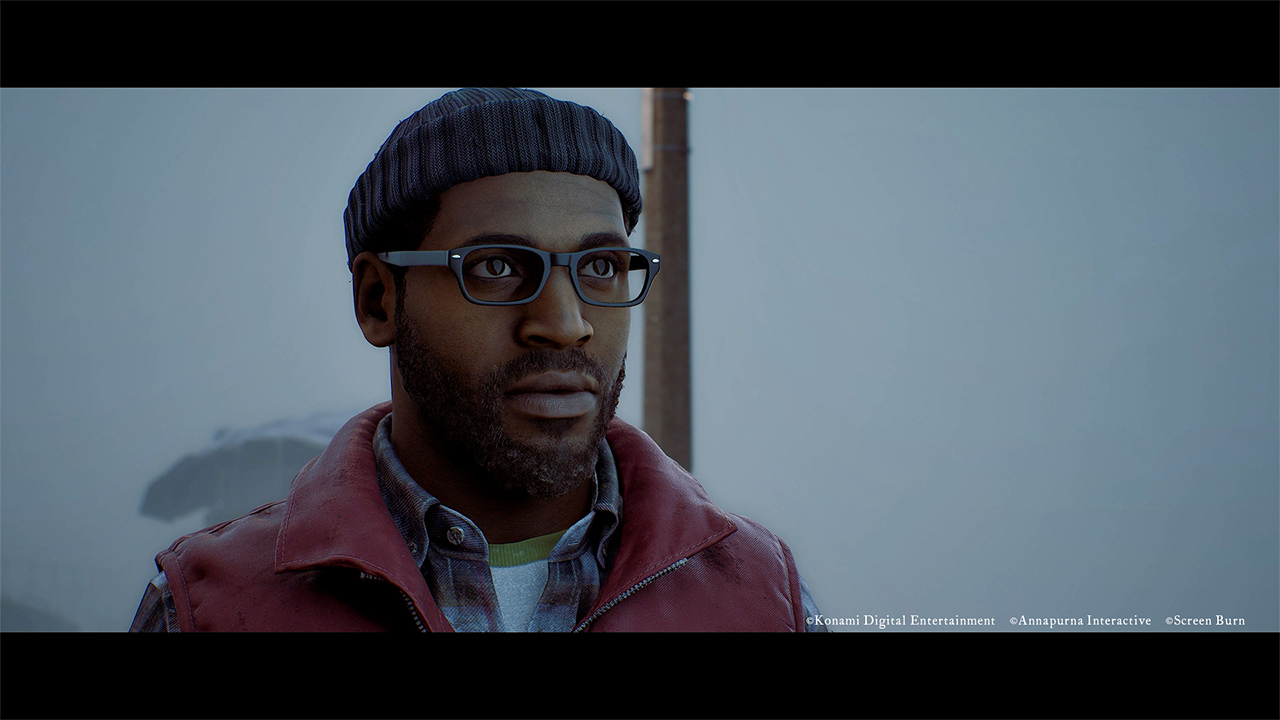
Silent Hill has a long history of showing a character’s inner trauma through the world around them, and Townfall continues that idea through its protagonist, Simon. McKellan confirmed that nearly everything in the game connects back to Simon’s psyche in some way. “I think it’s safe to say that almost everything within SILENT HILL: Townfall is in some way relevant to Simon and his psyche and what he’s been through,” he said. The CRTV device is no exception. “It’s going to show him things not just in terms of where enemies are in a gameplay sense, but also messages and connections with other characters,” McKellan explained, describing it as an expansion on what the classic Silent Hill radio has done in past games. Enemy designs and the Otherworld itself are also tied to Simon as a character, and McKellan said the meaning behind these elements becomes clearer as the story unfolds.
“By the time players finish the game, they’ll start to understand what those things truly represent.”
Since the game keeps players locked in first person during gameplay, we asked whether that makes it harder to read Simon’s emotions, like fear or confusion, compared to a third-person view. McKellan explained that this trade-off was intentional. “During active gameplay, no, you’re locked in first person, because we really wanted the player to feel like they were experiencing the action, the terror, the suspense as Simon,” he said. That said, the game does shift perspective for major story beats. “There are cutscenes throughout the game, whenever the story ramps up around conversations or meeting other characters, where you’ll see Simon in third person, in more traditional, cinematic cutscenes,” he said.
“That’s how we truly get across who Simon is as a character.”
Balancing Silent Hill’s Legacy With New Ideas
Silent Hill has built up a strong identity and a dedicated fanbase over the years, so we asked how Konami balanced protecting that legacy while giving Screen Burn room to bring its own ideas to Townfall. Okamoto said the process starts with each development team building its own internal guide, or what he called a “bible,” that defines what Silent Hill means to them. “That’s probably the best way to ensure the team has a firm, grounded understanding of what a Silent Hill game should feel like in their own eyes,” he said. He added that Konami doesn’t hand down a strict formula to its partner studios.
“We don’t try to dictate the specific type of game to our partner teams, as long as the game preserves a psychological horror narrative at its core, we don’t mandate requirements beyond that.”
McKellan agreed that this creative freedom was valuable, but said the team still had to stay true to what makes Silent Hill recognizable. “Having that creative freedom is very liberating, but we also need to make sure we retain the essence of what Silent Hill is,” he said. Since the series has existed for two decades, he noted that everyone has their own idea of what defines it, so the team focused on finding common threads across those interpretations. Working with both Konami and Annapurna Interactive gave Screen Burn a second opinion they could lean on.
“Working with both Konami and Annapurna gave us a kind of second opinion we could trust, to flag anything that felt too far off or too different.”
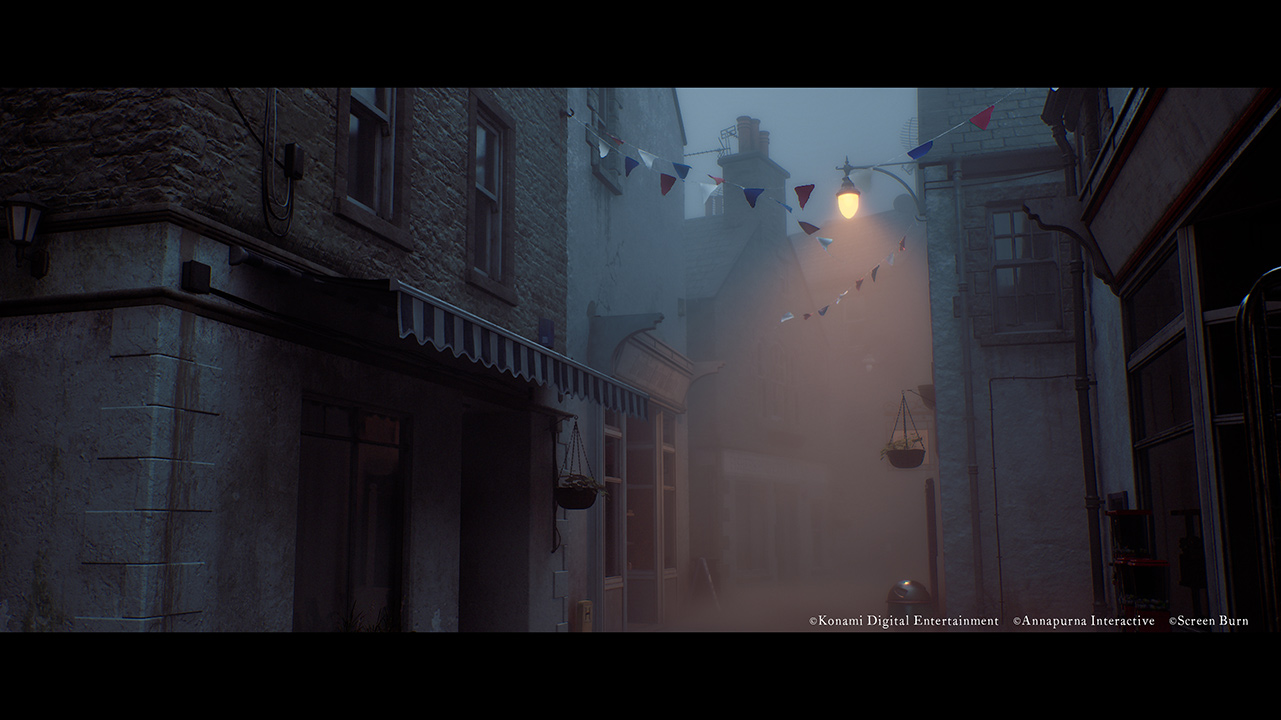
That collaboration also grew over the course of development. McKellan described Screen Burn’s own approach to horror as something Konami wanted to protect rather than change. “At Screen Burn, we have our own brand of horror, an understated British style of storytelling and scares,” he said. “That’s something Okamoto-san and the Konami team saw in us when we originally pitched, and something they wanted to preserve.” Okamoto explained that communication between the two teams looked different in the early days of development. “Early on, most communication with Screen Burn went through Annapurna Interactive, so in early development we didn’t communicate too directly, it felt like we were very distant relatives, in a way,” he said. That changed as the project moved forward.
“Later in development, we eventually started having a more direct line of communication and were able to work more closely together, especially during the QA phase, with daily exchanges happening several dozen times.”
The Role of Sound in Building Fear
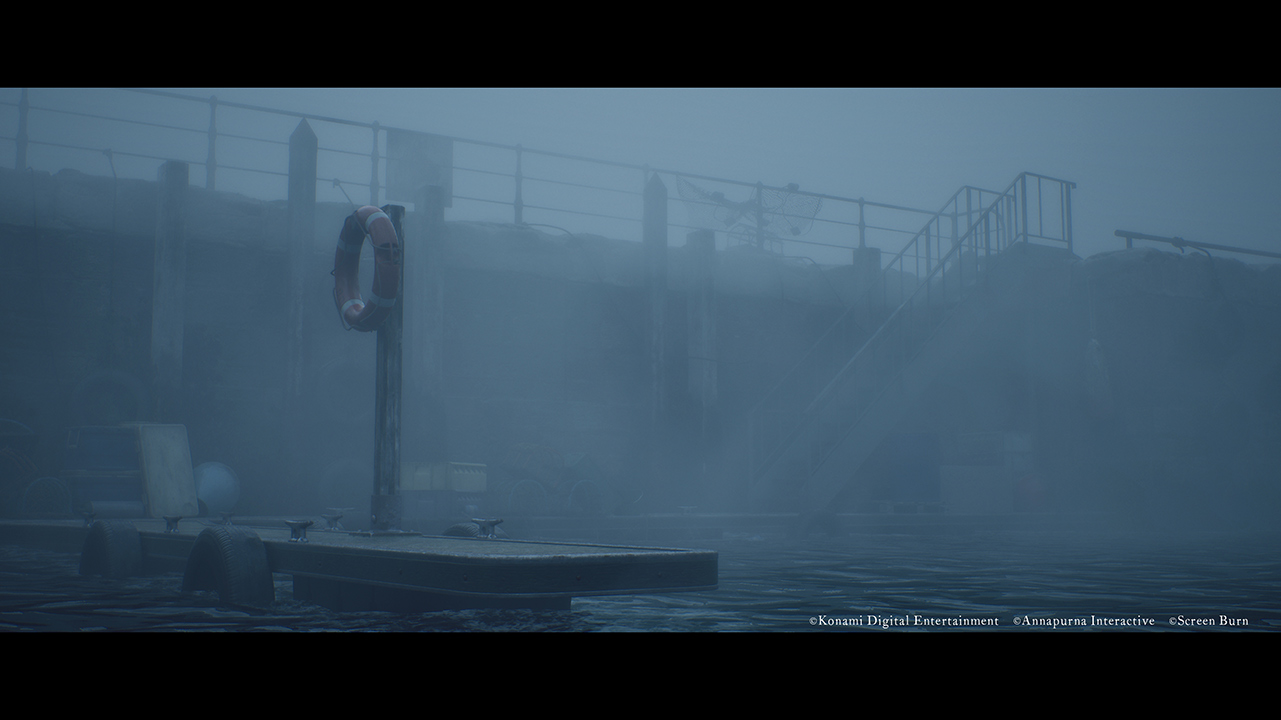
Sound design tends to carry a lot of weight in horror games, especially when visuals alone can’t tell the full story, and Townfall appears to lean heavily into this. McKellan said audio makes up almost half of the overall experience. “I think audio design is almost 50% of the experience, what you see and what you hear need to marry together well,” he said. To achieve that balance, the team put real effort into recording authentic sound. “Our audio director, Byron, and his team recorded sound effects on location around these towns,” McKellan said. The music followed a similar approach.
“Our composer even sampled the sound of objects from seaside locations and used them as percussion in the soundtrack.”
He added that this same level of care carried over into how enemies were designed to sound.
“Much like the character designs, the sounds enemies make are driven by what they represent first, and we iterate from there.”
Multiple Endings and What Comes After the Credits
Townfall features five endings in total, three main ones and two secret ones. When asked what he hopes players feel once the credits roll, McKellan explained that the story is built around player choice. “There are three main endings to the story and two secret endings,” he said. “For the main endings, the goal is for players to feel like it’s the natural conclusion to the story based on how they played, how aggressive or investigative they were, and so on, there are lots of different attributes that move the needle.” He wants the ending players land on to feel earned rather than arbitrary.
“We want them to feel like it’s the right one for them, not just an abrupt twist.”
Beyond the moment the credits roll, McKellan hopes the story stays with players a little longer. “We hope people feel it’s the natural conclusion, but also that they want to learn more and think about it. The themes of the game invite conversation around the finale, what the story means to them, and what they might do in the same situation.”
Unlike Silent Hill F, players won’t be locked out of the other main endings after their first playthrough. “All three main endings can be reached on your first playthrough, you don’t need to replay to get one ending and then unlock the others,” McKellan confirmed. The two secret endings work differently.
“The two secret endings require New Game Plus, so those come in your second playthrough onward.”
As for how long it takes to reach an ending, McKellan said it’s difficult to give an exact number, since the game’s mix of stealth and action means playstyles vary a lot. “It’s quite hard to put an exact number on it, given the stealth/action nature of the game, some players spend a lot of time hiding, others play more aggressively,” he said. Still, he gave a general estimate for a first run.
“We consider it a full-length game, and estimate the first playthrough takes anywhere from 10 to 14 hours depending on playstyle.”
Later playthroughs should move quicker.
“Subsequent playthroughs will be faster, since you’ll unlock things that help you reach certain endings more quickly.”