









![[EXCLUSIVE] Dragon’s Dogma 2: Dark Arisen Team Opens Up About the Expansion’s Name, New Norgan Region, and Performance Goals](https://cdn.gamerbraves.com/2026/07/Dragons-Dogma-2-Dark-Arisen_Interview_FI-360x180.jpg)






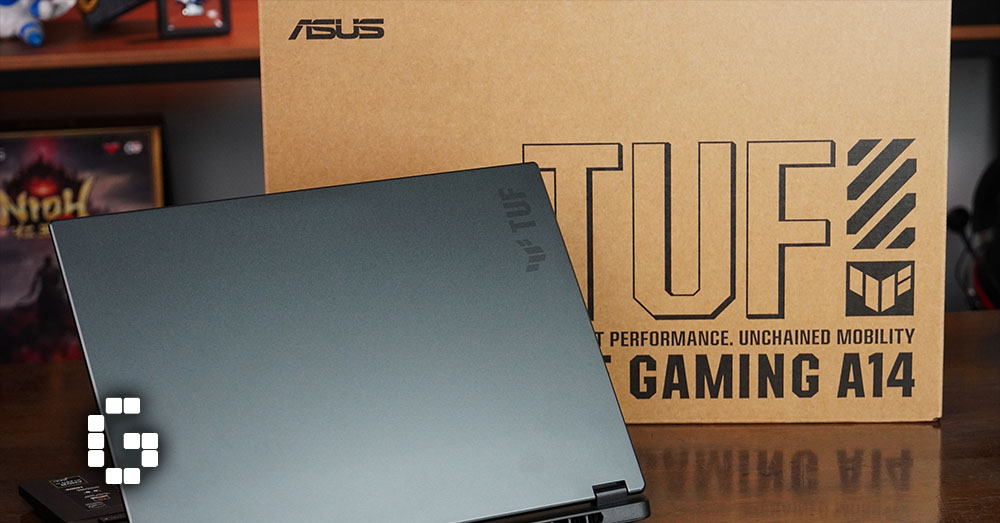
The ASUS TUF Gaming A14 (2026) enters a crowded gaming laptop market with a challenge many brands still struggle to solve: how do you build a machine that can game properly without forcing users to carry a heavy brick everywhere?
Having spent time with the larger ASUS TUF Gaming F17 previously, expectations for another TUF machine were fairly straightforward. Reliable? Probably. Durable? Most likely. Exciting? Maybe not. At first glance, the A14 looks like a familiar continuation of the TUF formula. But once used daily, it quickly becomes clear that this model is doing something different.
At just 1.48kg, the ASUS TUF Gaming A14 (2026) feels less like a traditional budget-minded gaming laptop and more like a serious attempt to merge portability, productivity, and gaming into one compact device.
ASUS TUF Gaming A14 (2026) Specifications
| ASUS TUF Gaming A14 (2026) Specifications | Details |
| CPU | AMD Ryzen AI MAX+ 392 (3.2GHz base / 5.0GHz boost, 12 cores / 24 threads) |
| GPU | AMD Radeon 8060S (Integrated, 40 Compute Units) |
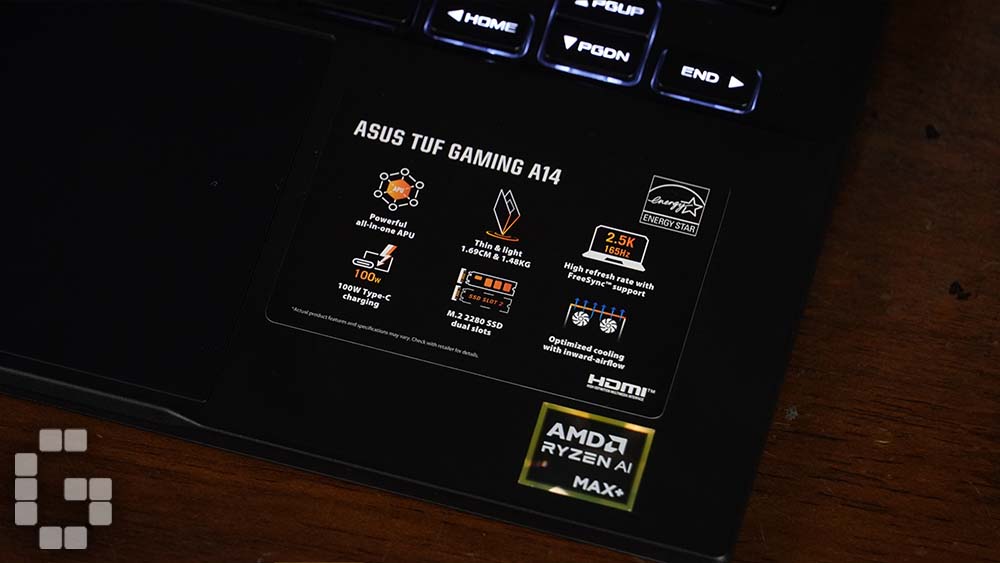
| Display | 14-inch 2.5K (2560×1600) IPS, 165Hz, 3ms, 100% sRGB |
| RAM | 32GB LPDDR5X 8533MHz, Quad-channel, On-board |
| Storage | Up to 4TB PCIe Gen 4 (2× M.2 slots) |
| Battery | 73Whr, 50% charge in 30 minutes |
| Weight | 1.48kg |
| Thickness | 1.69cm |
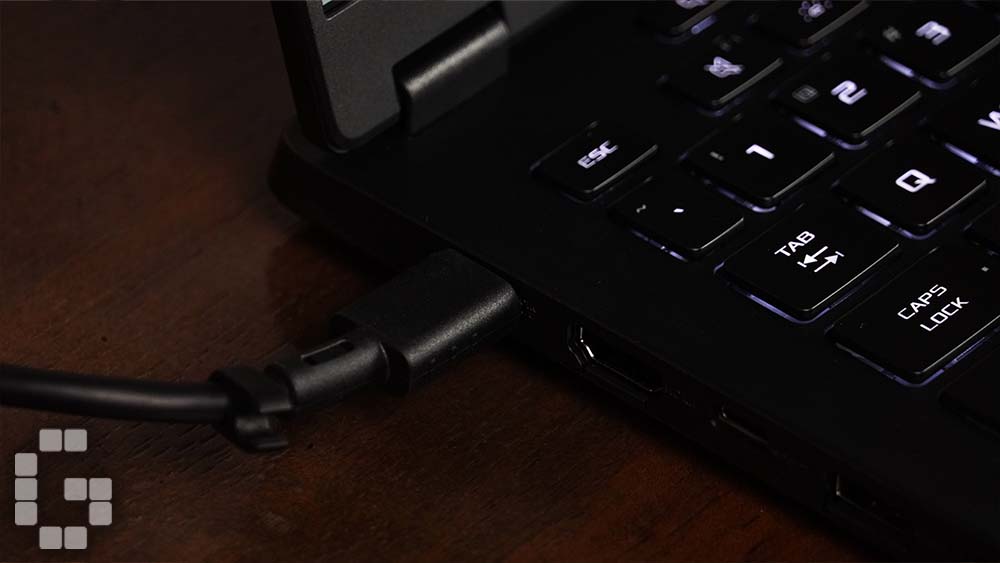
| Ports | 1× USB4 Type-C, 1× USB 3.2 Gen 2 Type-C, 2× USB 3.2 Gen 2 Type-A, 1× HDMI 2.1, 1× MicroSD (UHS-II), 1× 3.5mm jack |
| Cooling | 95W TDP, 97-blade dual fans, 0dB Ambient Cooling |
Design and Portability – A TUF Laptop That Travels Well
The first thing that stands out is the weight. Most gaming laptops still demand compromise when it comes to portability. The A14 does not.
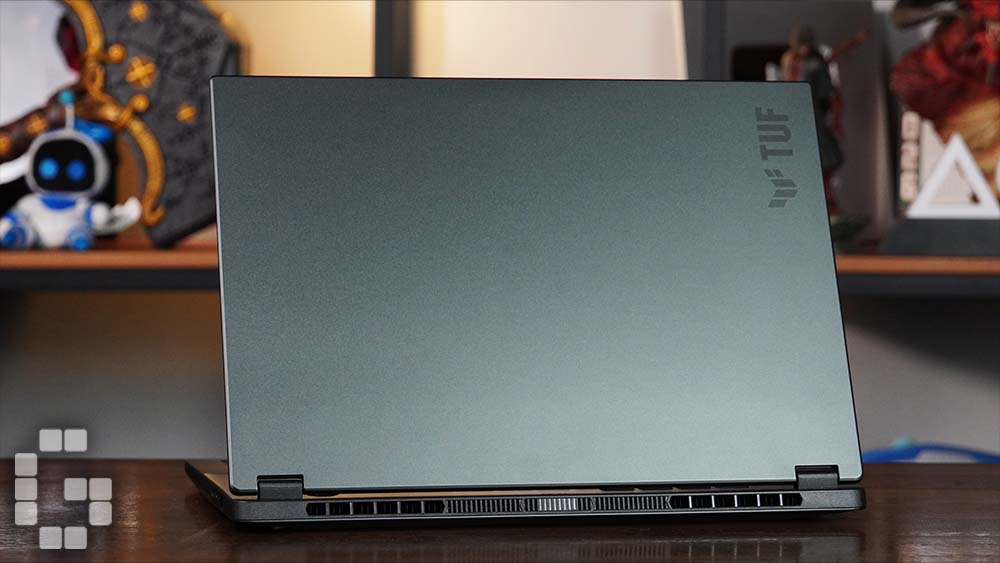
At 1.48kg and only 1.69cm thick, this is one of the most travel-friendly gaming laptops in its class. Slipping it into a backpack feels closer to carrying an ultrabook than hauling a gaming system. For students, creators, or professionals who move between home, office, and cafes, that matters more than raw benchmark numbers.
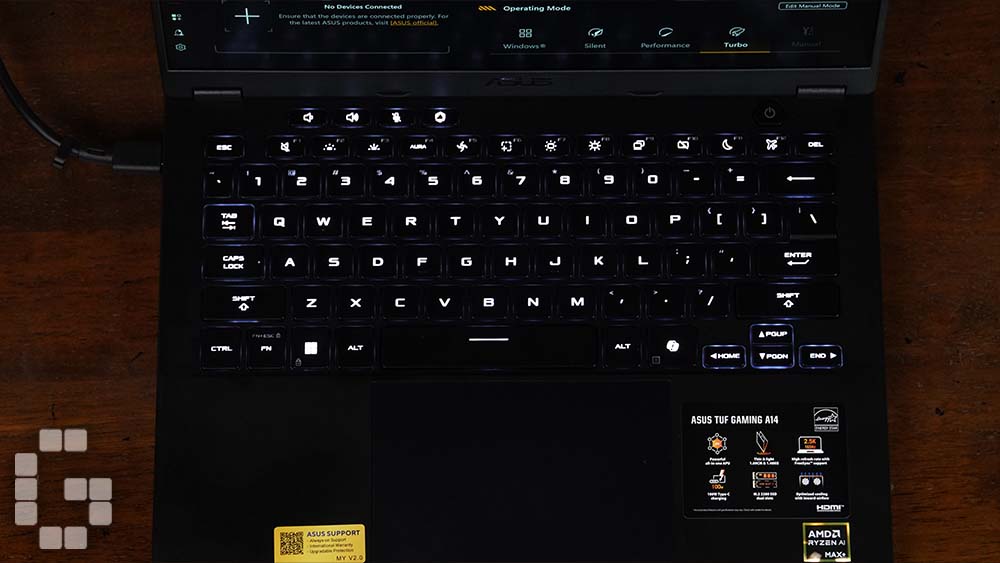
ASUS has also improved the visual presentation. CNC-machined corners and hinge detailing help elevate the design beyond the rugged utilitarian styling often associated with the TUF series. It still looks like a gaming laptop, but one with restraint.
The inclusion of a microSD card slot is another smart touch. That small feature adds real convenience for content creators or anyone regularly transferring media files.
Display – Premium Panel in a Compact Chassis
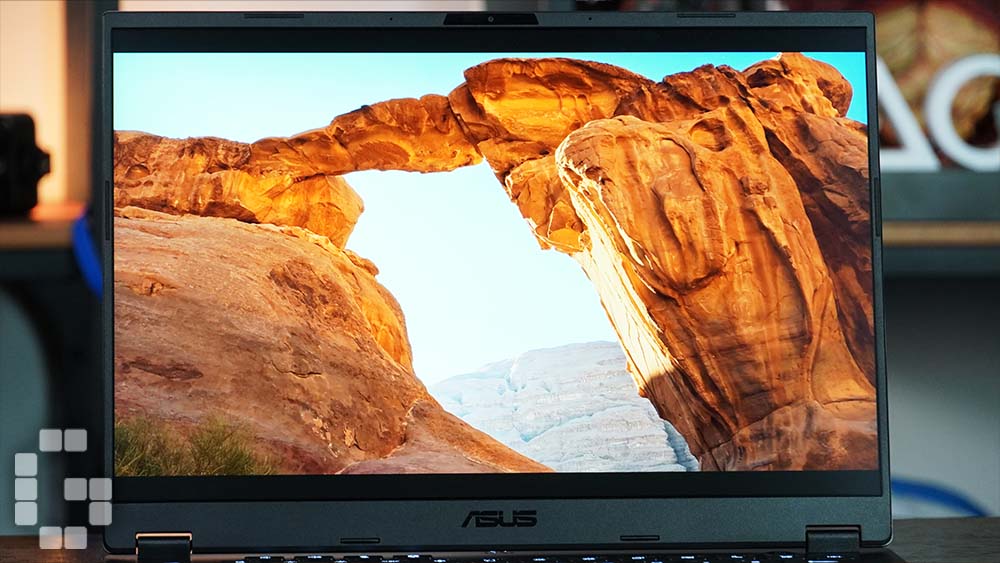
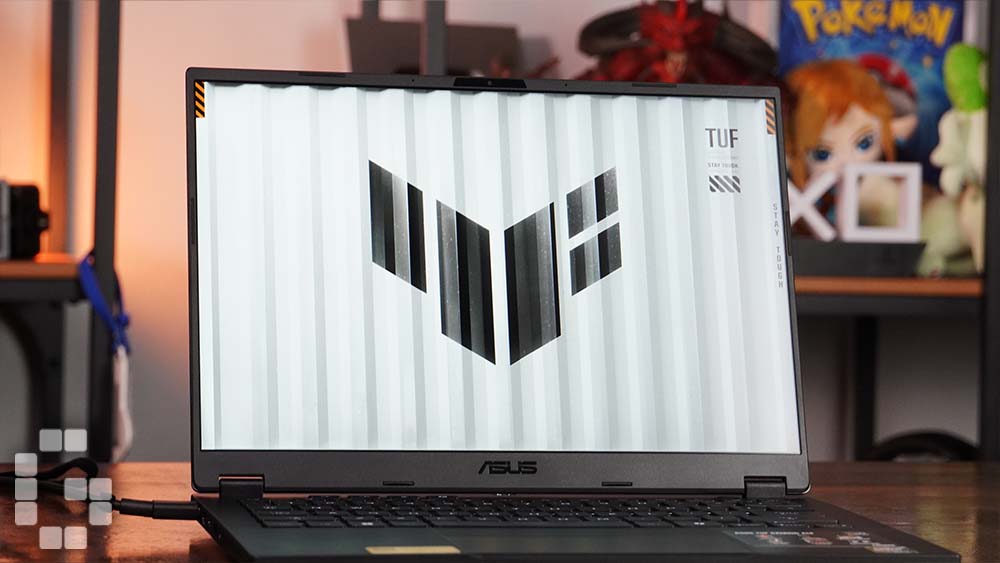
The 14-inch panel is one of the biggest strengths of the machine.
You are getting a 2.5K resolution (2560×1600) display with a 165Hz refresh rate and 3ms response time. For a laptop of this size, that is an aggressive and welcome spec sheet.
The 16:10 aspect ratio adds extra vertical screen space, which makes a difference whether gaming, editing documents, browsing, or multitasking. Once accustomed to 16:10, returning to 16:9 often feels cramped.
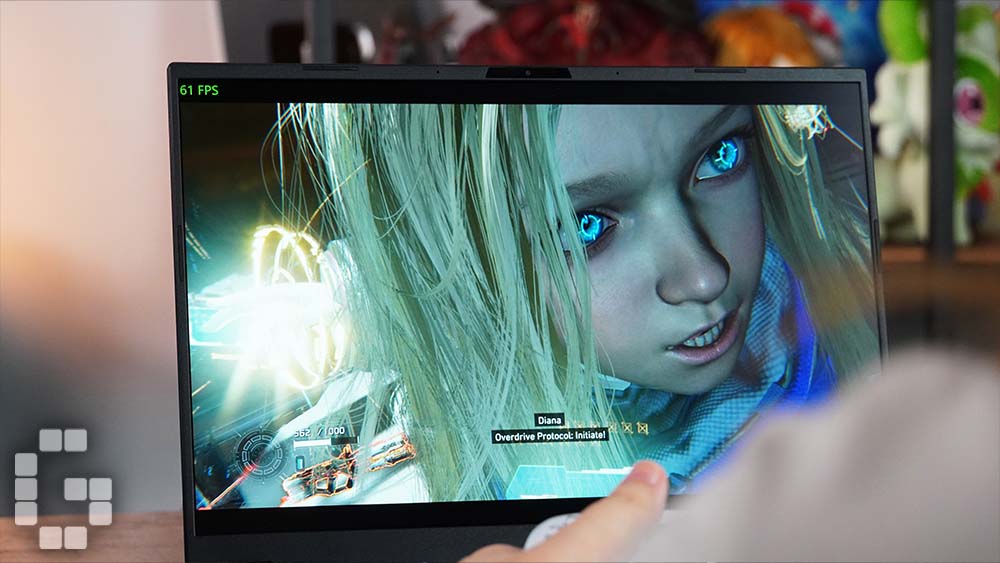
Color reproduction is also strong thanks to 100% sRGB coverage. Games look vibrant, movies have good punch, and creative workloads benefit from improved accuracy. The anti-glare finish further helps during daytime or brightly lit use.
AMD FreeSync support helps smooth frame pacing and reduce tearing during gameplay, which is especially useful when performance fluctuates in demanding titles.
Simply put, this does not feel like a compromise display.
Gaming Performance – Smart Expectations, Strong Results
The most obvious question surrounding a lightweight machine like this is simple: can it actually game?
The answer is yes, with the right expectations.
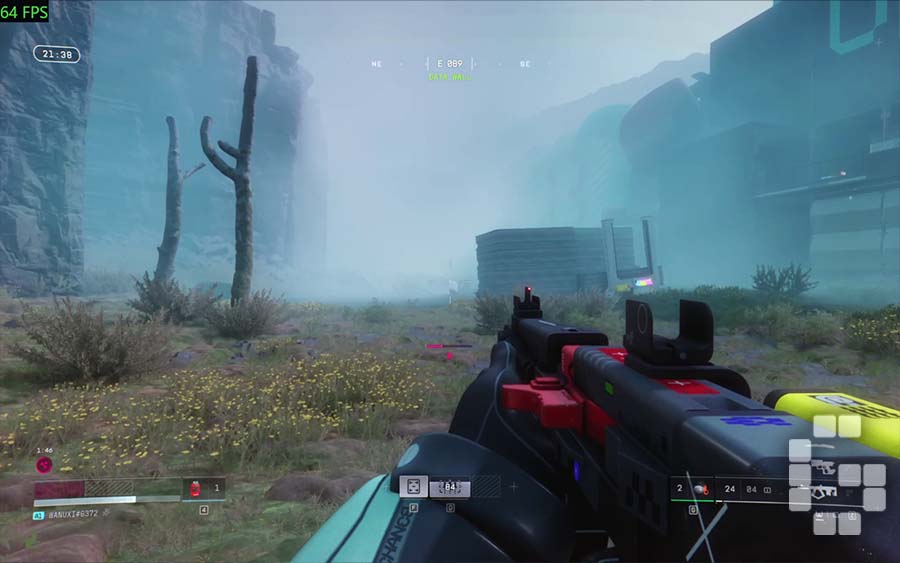
This is not a machine built to brute-force ultra settings at 4K. It is designed for practical gaming performance in a portable form factor, and in that role it succeeds.
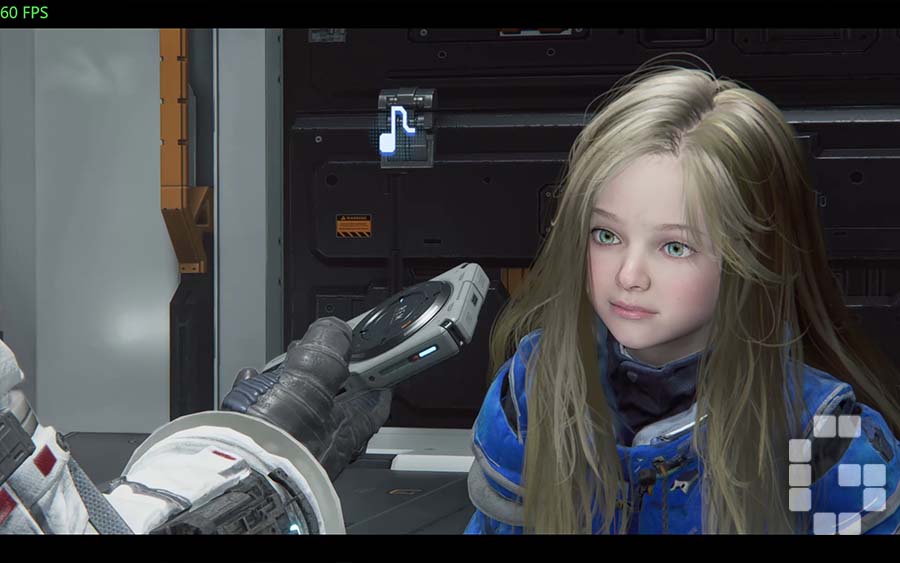
In Pragmata using Performance mode (roughly medium settings) under 2.5K resolution, frame rates landed around 60 to 70 FPS. That is comfortably playable and smooth.
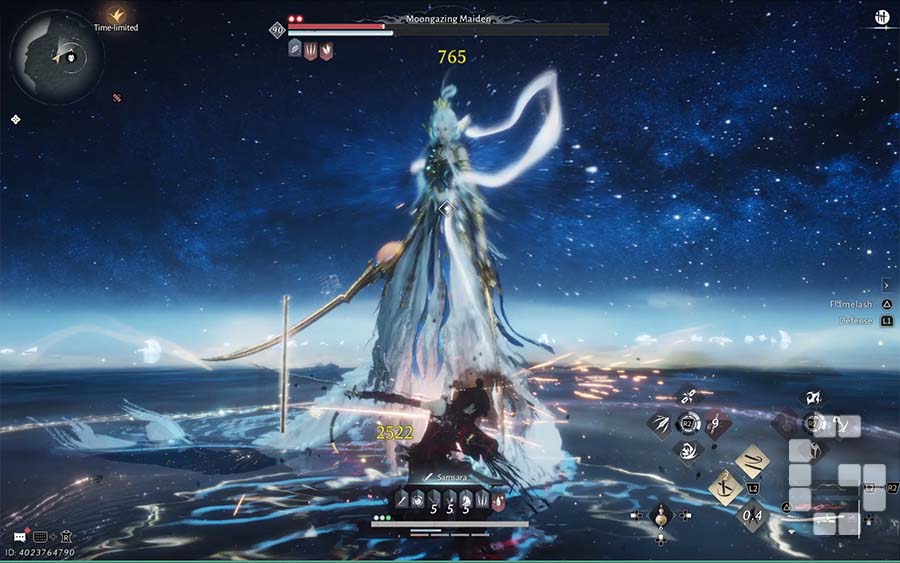
Where Winds Meet at medium settings in 2.5K also ran well, delivering a stable and enjoyable experience.
Marathon on medium settings at 2.5K similarly held up without issue.
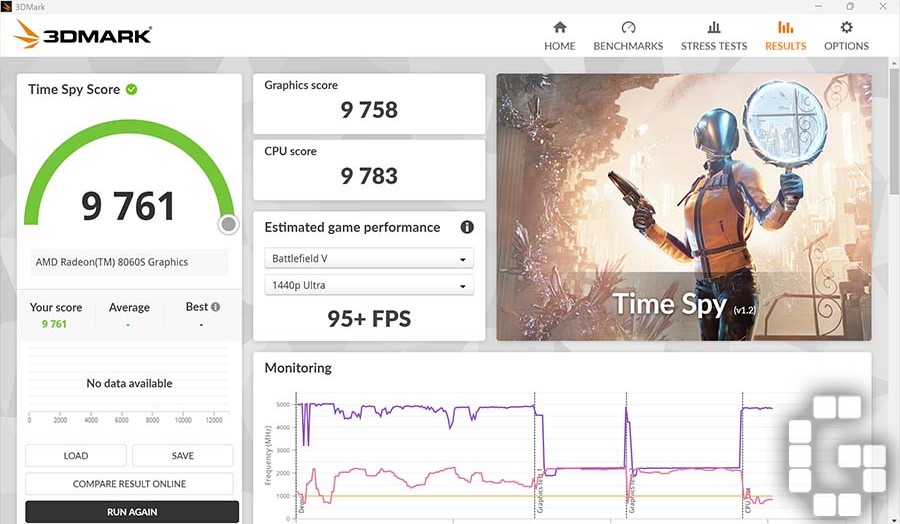
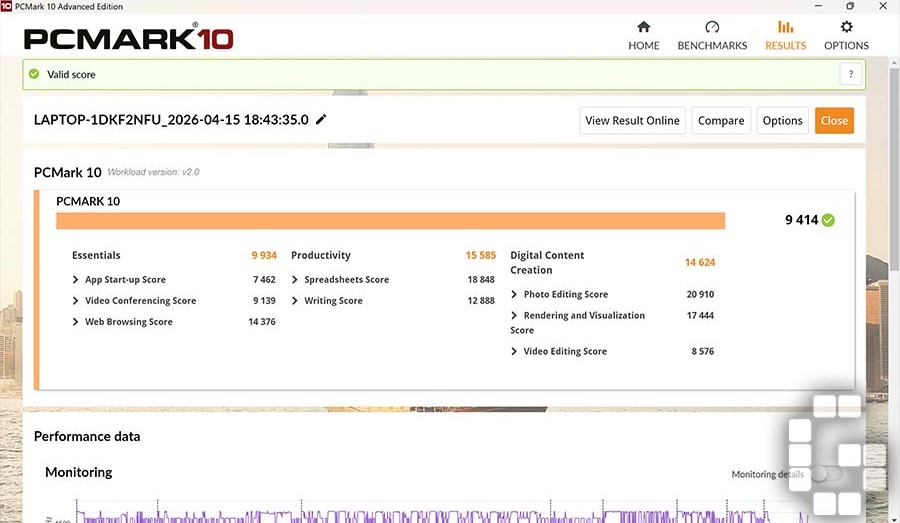
Synthetic benchmarks reinforce that positioning. A 3DMark Time Spy score of 9761 and PCMark 10 score of 9414 place it firmly in the category of capable all-rounder rather than niche ultraportable.
That distinction matters. Some laptops are thin but underpowered. Others are powerful but burdensome. The A14 finds a practical middle ground.
Hardware and Cooling – Efficient Muscle
Inside, the laptop is powered by the AMD Ryzen AI MAX+ 392 paired with AMD Radeon 8060S graphics.
On paper, some buyers may hesitate at integrated graphics branding, but modern integrated solutions have evolved dramatically. Combined with efficient memory bandwidth and AMD’s architecture gains, this setup delivers surprisingly competent real-world gaming performance.
The system also includes 32GB LPDDR5X 8533MHz memory in quad-channel configuration, which helps both productivity and graphics workloads.
Cooling is rated for 95W TDP with dual 97-blade fans and 0dB ambient cooling behavior under lighter loads. In practice, that means the machine avoids sounding like a jet engine during ordinary use, which cannot be said for many gaming laptops.
Software and Daily Use
Armoury Crate remains the command center for performance tuning, thermal modes, and device customization.
One particularly useful feature is automatic profile switching. Launch a specific game, and the laptop can automatically move into the desired performance mode. That kind of frictionless convenience improves daily ownership more than flashy marketing bullet points ever do.
Battery life also benefits from the 73Wh battery, and fast charging to 50% in 30 minutes is excellent for users constantly on the move.
Verdict – One of the Smartest TUF Laptops Yet
The ASUS TUF Gaming A14 (2026) is not trying to be the most extreme gaming laptop on the market. It is trying to be one of the smartest.
It delivers a premium-feeling high refresh rate display, genuinely portable dimensions, competent gaming performance, strong multitasking hardware, and useful day-to-day features in a package that avoids the usual gaming laptop excess.
If you need maximum raw power, larger dedicated GPU systems still exist. But if you want a machine you can actually carry daily and still game on comfortably, the A14 makes a persuasive case.
Sometimes the best gaming laptop is the one you are willing to bring with you everywhere. The ASUS TUF Gaming A14 understands that better than most.