


![[EXCLUSIVE] Dragon’s Dogma 2: Dark Arisen Team Opens Up About the Expansion’s Name, New Norgan Region, and Performance Goals](https://cdn.gamerbraves.com/2026/07/Dragons-Dogma-2-Dark-Arisen_Interview_FI-360x180.jpg)




![[GCAxTHGS25] Battle Director Teruki Endo on Bringing FINAL FANTASY VII REMAKE INTERGRADE to Switch 2](https://cdn.gamerbraves.com/2025/10/Teruki-Endo-FFVII-GCAxTHGS25_Interview_FI.jpg)
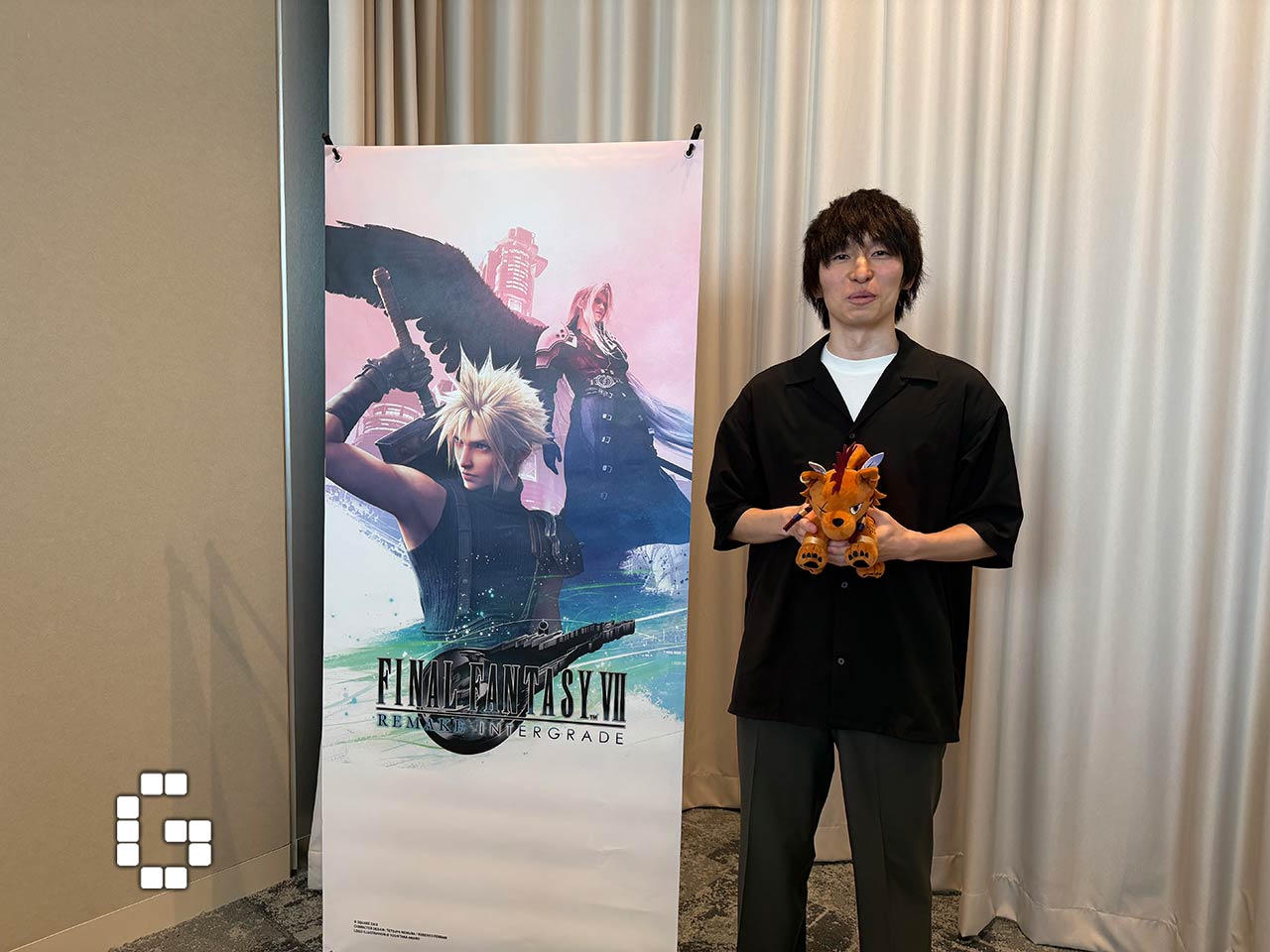
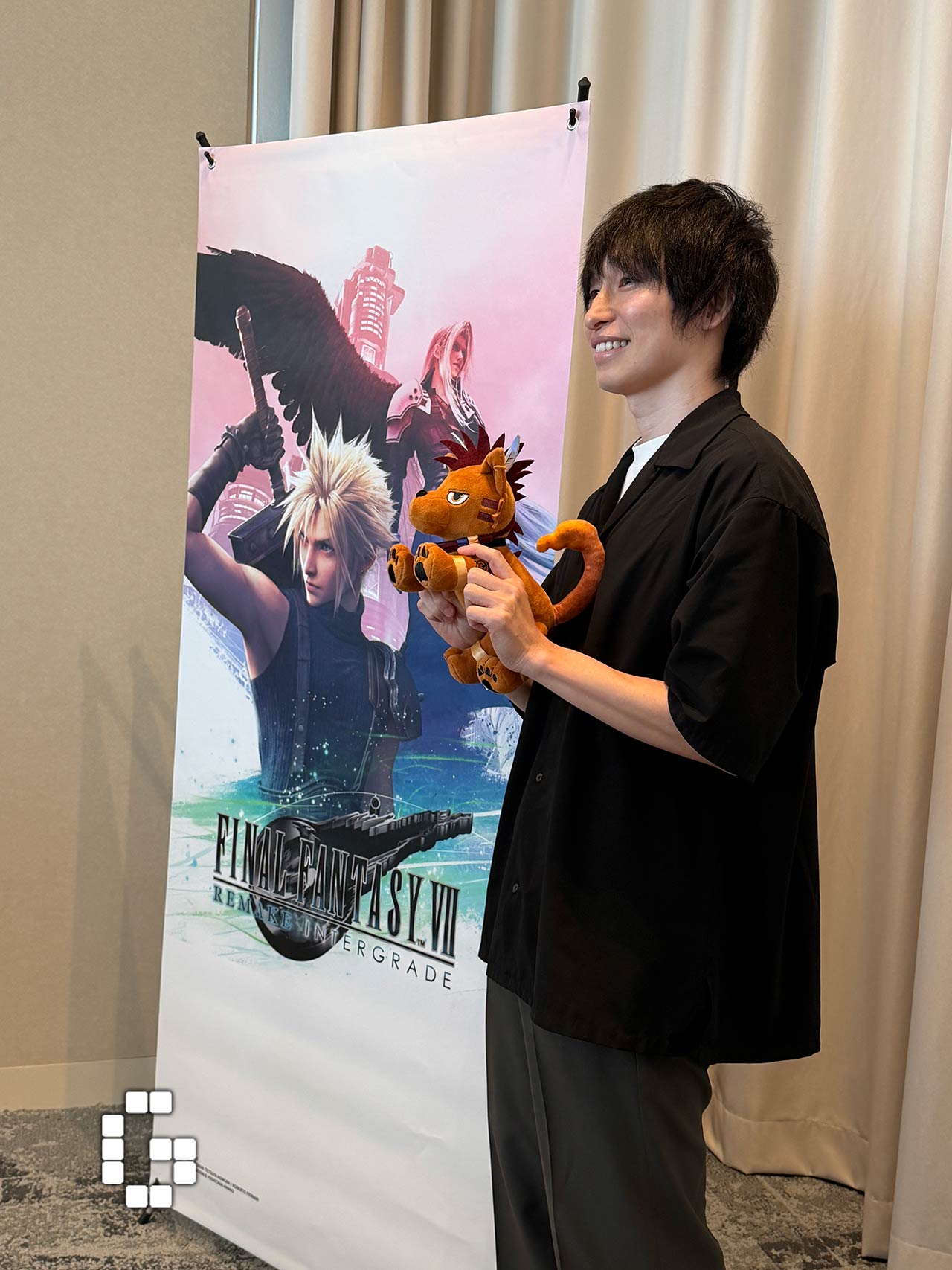
At gamescom asia x Thailand Game Show, we had the chance to interview Teruki Endo, the Battle Director behind FINAL FANTASY VII REMAKE INTERGRADE to discuss the newly announced Switch 2 version. With the game’s arrival on Nintendo’s latest hardware, players can now experience Cloud’s journey in both handheld and docked modes. Our conversation covered everything from technical challenges to design philosophy, revealing how the team balanced performance with visual quality while introducing new accessibility features for a broader audience.
The Technical Challenge of Dual Modes
Bringing a visually stunning game like FINAL FANTASY VII REMAKE INTERGRADE to Switch 2 presented unique obstacles. Unlike traditional console ports, the Switch 2’s hybrid nature meant the team had to balance two distinct experiences simultaneously.
“One of the major appeals of the game is that it can be played in both TV mode and handheld mode,” Endo explained.
“However, performance differs significantly between the two, so even though it’s a single piece of hardware, the engineers mentioned that it was challenging to develop while simultaneously considering the behavior of both modes.”
The solution focused on stability above all else. “We focused first and foremost on maintaining a stable 30 FPS across both platforms, so players could enjoy the action as smoothly as possible,” he said. The team implemented dynamic resolution scaling more aggressively than on other platforms, though DLSS technology helps maintain visual clarity despite these adjustments. Engineers lightened post-effect processing and optimized background assets where necessary to hit that performance target.

Interestingly, character models remained untouched. “Character models hold an important position in this title, so no changes or adjustments have been made to them,” Endo confirmed.
“Additionally, we have not applied any shader degradation, ensuring that the character quality is maintained at the same level across all platforms.”
A New Way to Play
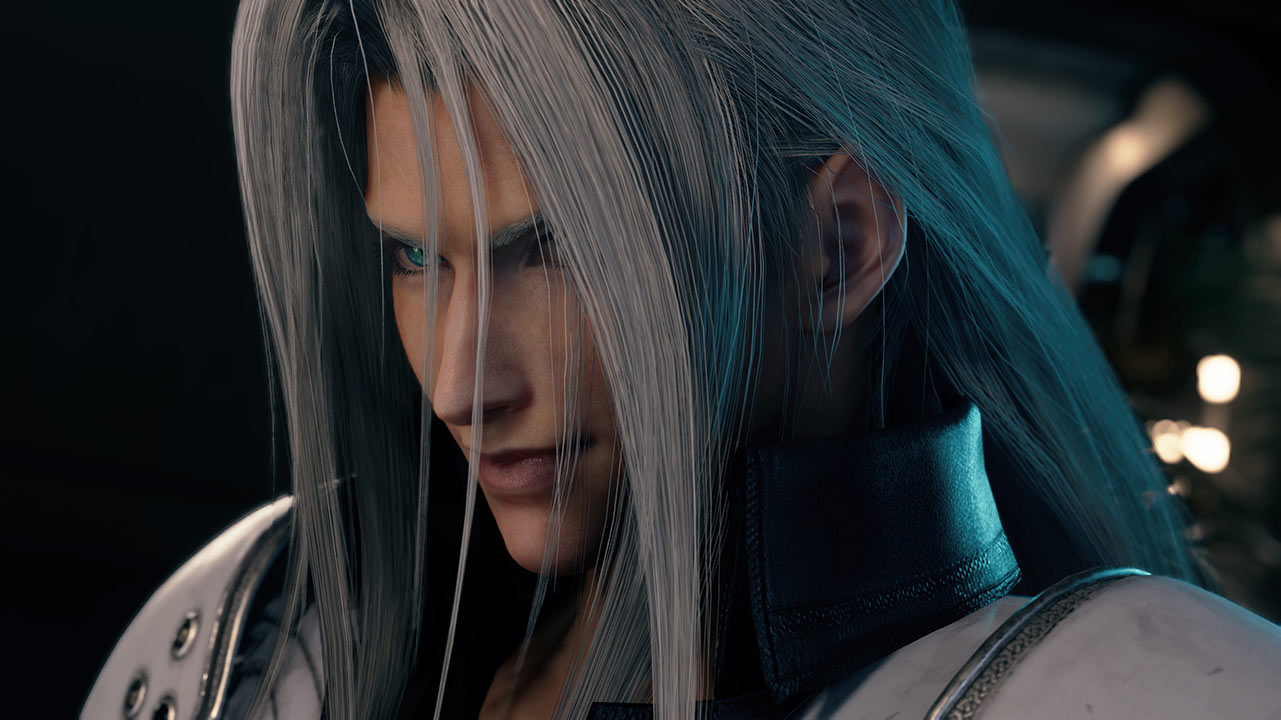
Perhaps the most significant addition for this release is the Streamlined Progression mode, which keeps HP, MP, ATB, and Limit gauges full throughout battles. For a game built around tactical decision-making and resource management, this might seem counterintuitive—but Endo sees it differently.
“Of course, from a battle design perspective, the standard mode is the one we ideally want players to experience,” he acknowledged.
“However, when looking at the game as a complete package, I believe it’s perfectly fine for each player to have their own preferred way to play and enjoy it.”
The mode was designed with specific players in mind. “Some players might want to avoid game overs so they can stay immersed in the story while still feeling the atmosphere of battle, while others simply want to enjoy moving their characters stylishly and fluidly,” he explained. Even with reduced tactical depth, battles retain excitement through the satisfaction of landing attacks and watching character skills in motion.
This feature also serves a broader purpose in the trilogy’s accessibility. “One of our key goals was also to make the early parts of the series easier to get into, so that more players can enjoy all three titles,” Endo said, though he noted this isn’t a feature that should be added to every game lightly it depends on the project’s design and purpose.
Building a Foundation That Lasts
The battle system in FINAL FANTASY VII REMAKE INTERGRADE wasn’t designed in isolation. As the first entry in what would become a trilogy, establishing a solid foundation was paramount.
“Since this isn’t a one-off project, our goal for the first title was to firmly establish a solid foundation—an action system that could naturally incorporate strategic command elements,” Endo reflected. That groundwork paid off.
“Thanks to that groundwork, we didn’t need to rethink or rebuild the core systems for the sequels. Instead, we could focus purely on improving quality—on how to expand the sense of fun from that base.”
The development team learned valuable lessons after Remake’s initial release. “After the game was finished, we realized there were a lot of ways we could have improved things—maybe pushing the action elements further, or expanding the range of strategic options in certain parts,” he admitted. These insights directly influenced Episode INTERmission’s development, where Yuffie became a testing ground for new ideas while maintaining the core command-strategy focus.

Player feedback also shaped future direction. “In Remake, we had to limit certain elements to maintain the core balance of the battle design, which meant we couldn’t offer a very wide range of customization,” Endo said. FINAL FANTASY VII Rebirth addressed this directly, significantly expanding customization options—something he feels a real sense of accomplishment about.
The Art of Character Balance
When asked about balancing a diverse cast where every character needs to feel viable without overshadowing others, Endo emphasized conceptual clarity over numerical tweaking.
“I think the biggest challenge—and the most important part—is designing the concept of what makes each character shine in ways that others can’t,” he explained.
“If that concept is well-defined, you can then fine-tune the numbers to balance each character’s strengths without diminishing their individuality, allowing everyone to have meaningful moments in battle.”
Without clear concepts, adjustments risk making one character simply a stronger version of another, or leaving some unable to shine at all. The team worked hard to ensure each character’s personality comes through not just in story moments but in combat itself. “We’ve worked hard to make each character’s individuality stand out not just through the story, but also in the battles,” Endo said.
Memorable Encounters
With numerous boss fights throughout Remake and Intergrade, Endo highlighted a few favorites. Among major characters, the Turks stood out. “My favorites are the fights against the Turks, Reno and Rude,” he shared.
“Reno is defined by his evasive moves, while Rude relies on guarding, and I really like how the battles allow for both solo encounters with each of them and a combined fight against both at the same time.”
For non-major characters, the Air Buster fight earned special mention. “The party is split into one and two members, then the three come together in a slightly unconventional battle along a T-shaped corridor,” he described. “In the final phase, the Air Buster takes flight, moving closer and farther away, which forces you to rethink your strategy on the spot.” The dramatic shifts tied naturally into battle strategy, creating satisfaction during development playtests.
Philosophy on Combat Evolution
Endo’s approach to game design transcends traditional genre boundaries. When asked about the future of turn-based versus action combat, he offered a refreshing perspective.
“Speaking just for myself, I don’t really see games through the lens of ‘turn-based’ or ‘action,'” he said.
“For me, when a new game comes out, the system is simply a result of pursuing what makes that particular project fun or challenging. I personally love both turn-based and action battles, and even as a developer, I don’t feel tied down by genre.”
His background in action games proved essential for transforming FINAL FANTASY VII’s command-based system into something more dynamic. “Up until now, most of my experience has been as a designer for action games, so that background was essential for the Final Fantasy VII Remake project,” he noted. “Having mostly worked on pure action games, being able to experiment with a slightly different form of action-based system in this project was both fortunate and exciting.”
Player Surprises and Platform-Specific Considerations
One piece of feedback stood out after Remake’s release. “We did receive some feedback that players who try to approach the game purely as an action experience can struggle, especially with bosses,” Endo revealed. While the team wants players to enjoy the action, the balance was designed to highlight command strategy’s depth.
“Making that strategic enjoyment accessible to as many players as possible—through clarity and thoughtful adjustments—has been a key focus throughout the entire project.”
The Switch 2 version doesn’t incorporate gyro or touch controls. “For this title, we prioritized a smooth experience across multiple platforms, so we have not incorporated new gameplay elements using the gyro sensor or touch controls,” Endo explained. Single Joy-Con play also isn’t supported—”at the moment, the game isn’t intended to be played with only one Joy-Con.”

Controller feedback was handled platform-agnostically. “The sense of impact in battles is adjusted through controller vibration, screen shake, hit stop, and other effects,” he said. “Regarding controller vibration specifically, each platform has its own characteristics, and each offers its own strengths and feel, so we did not make any special adjustments specifically for the Switch 2 version.”
What’s Next for Switch 2 Players
Regarding the trilogy’s future on Switch 2, Endo remained measured but optimistic. “I can’t go into the details just yet, but we’re aiming to give Switch 2 players enough time to experience Final Fantasy VII Rebirth before the third installment comes out,” he said. “We hope to guide players into the final title in a way that feels natural and satisfying for everyone.”
For digital purchases, the early purchase edition includes the original FINAL FANTASY VII, while physical copies come with Magic: The Gathering – FINAL FANTASY Play Booster as a first-run bonus.
For players experiencing FINAL FANTASY VII for the first time on Switch 2, Endo offered encouraging words.
“Every character in Final Fantasy VII has their own distinct personality and charm, and I’m sure that as you play, you’ll find someone who really resonates with you—a character you can truly care about and connect with.”
He acknowledged the initial learning curve. “At first, the combat might feel a little challenging as you get used to it, but once you start analyzing your enemies, adjusting your Materia and equipment setups, and experimenting with different commands, I think you’ll begin to see new ways to break through and really enjoy the depth of it.”
Ultimately, what excites Endo most about the Switch 2 release is accessibility. “By being ported to a platform that can be easily played in both TV mode and handheld mode, players can now enjoy the game in a variety of ways—sometimes relaxing in the bedroom, other times immersing themselves in the large screen of a TV,” he said. “This allows more users to experience the world of the Final Fantasy VII Remake project in whatever way they prefer.”
![[GCAxTHGS25] Marvel Rivals’ Danny Koo Reveals Exclusive Details on Zombie Mode, Rapid Hero Releases, and What’s Next](https://cdn.gamerbraves.com/2025/10/Marvel-Rivals-Danny-Koo_Interview_FI-75x75.jpg)