
![[EXCLUSIVE] Brendan Gan Delivers One of Malaysia’s Best-Ever Worlds Results, Shares Thoughts on Pressure and the Local Scene](https://cdn.gamerbraves.com/2026/08/Brendan-Gan_Interview_FI-360x180.jpg)




![[BIC2026] Hiroaki Nagashima from Toei Games Talks New IPs, Indie Roots, and Asia-First Strategy](https://cdn.gamerbraves.com/2026/08/Toei-Games-BIC-2026_Interview_FI-360x180.jpg)
![[BIC2026] From Outsider to Organizer: How Isabella Seo Jungsook Helped Build Busan’s Indie Game Scene through BIC](https://cdn.gamerbraves.com/2026/08/Isabella-BIC-2026_Interview_FI-360x180.jpg)
![[BIC2026] CanOpener’s Logan Moon Opens Up About Dungeon Settlers Ahead of Its September Early Access Launch](https://cdn.gamerbraves.com/2026/08/Logan-Moon-BIC-2026_Interview_FI-360x180.jpg)


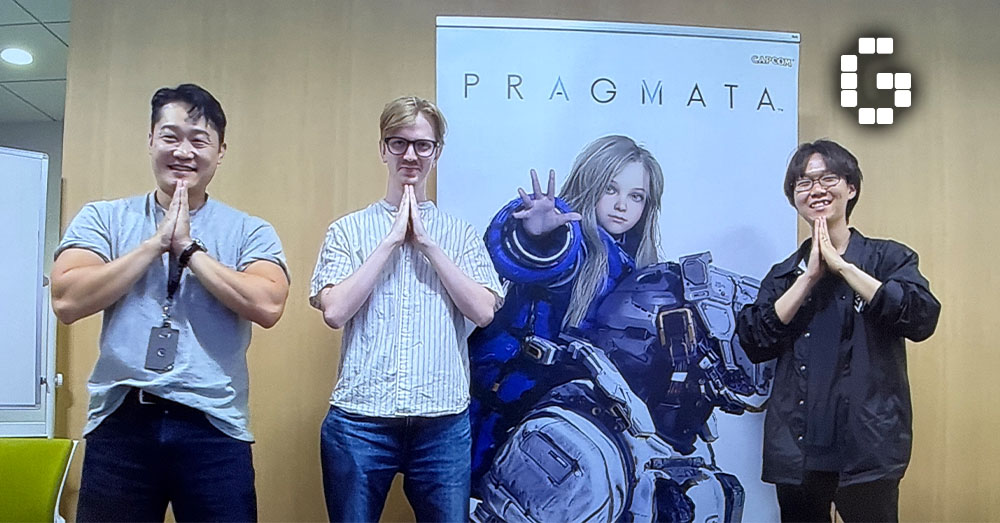
When PRAGMATA was first revealed in 2020, its mysterious imagery of an astronaut and a child wandering through a futuristic dystopia captured the curiosity of many. Years of silence and multiple delays later, fans were left wondering what was really happening behind the scenes despite the current coming release date. During gamescom asia x Thailand Game Show 2025, PRAGMATA’s Director Cho Yonghee and Producers Naoto Oyama and Edwin Edso gave an online interview to share the game’s long journey, the emotional bond between its characters, and how their team built a world unlike anything Capcom has done before.
Staying True to the PRAGMATA Vision
When asked if PRAGMATA’s numerous delays ever led to discussions of cancelling the project, Naoto Oyama was quick to clarify that it was never off the table. “Since the early concept trailer that came out in 2020, the team has been working hard to create the game we wanted to achieve,” he explained. “Rather than adding new things, we’ve been focusing on the base concept and working out how to make that work as a whole game.”
Despite the years of silence, the team remained dedicated to their core vision. For them, the extra time was about refinement rather than reinvention — ensuring that every idea in PRAGMATA served the story and gameplay experience they wanted to deliver.
How Real-World AI Shaped a Fictional Future
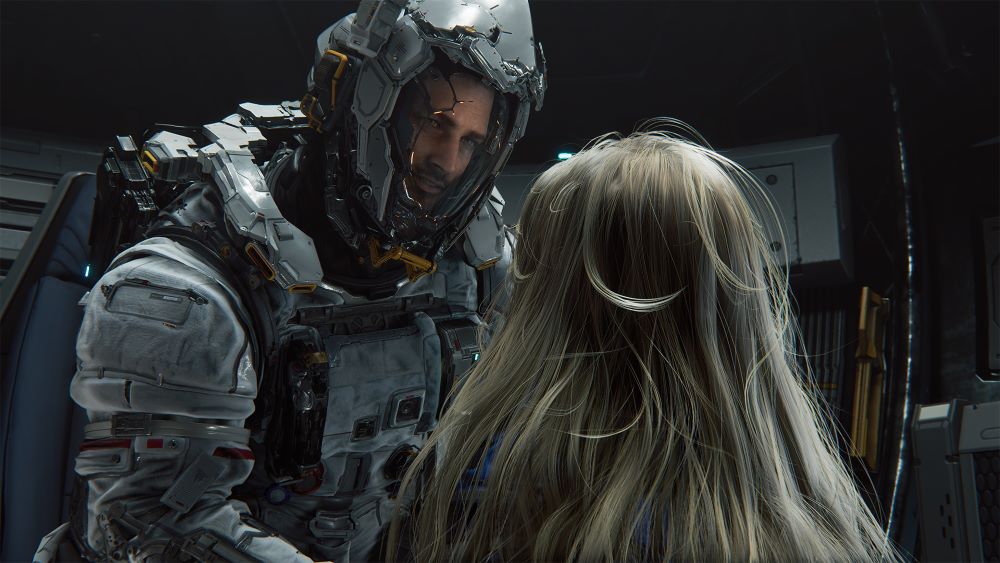
Artificial intelligence plays a major role in PRAGMATA’s world, and with real-world AI rapidly advancing, it was natural to ask whether this affected the game’s direction. Director Cho Yonghee admitted that while gameplay design was largely untouched, the narrative subtly evolved alongside real-world trends. “Design-wise, we weren’t really affected by the progression of AI we’ve seen lately, but the story is perhaps a little bit affected by it,” he said.
Naoto added that AI had always been central to PRAGMATA long before it became a hot topic. “We began in 2020 before all this AI craze that we see happening right now,” he said. “We had the theme of AI in the game even before that point. The funny thing is, the real-world technology has sort of caught up to us.”
Building Strategy into Sci-Fi
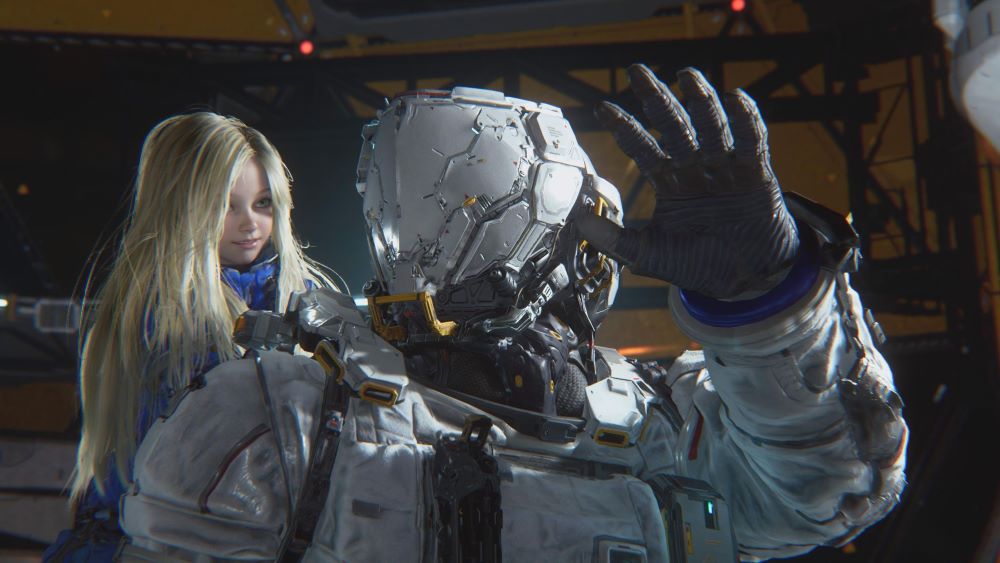
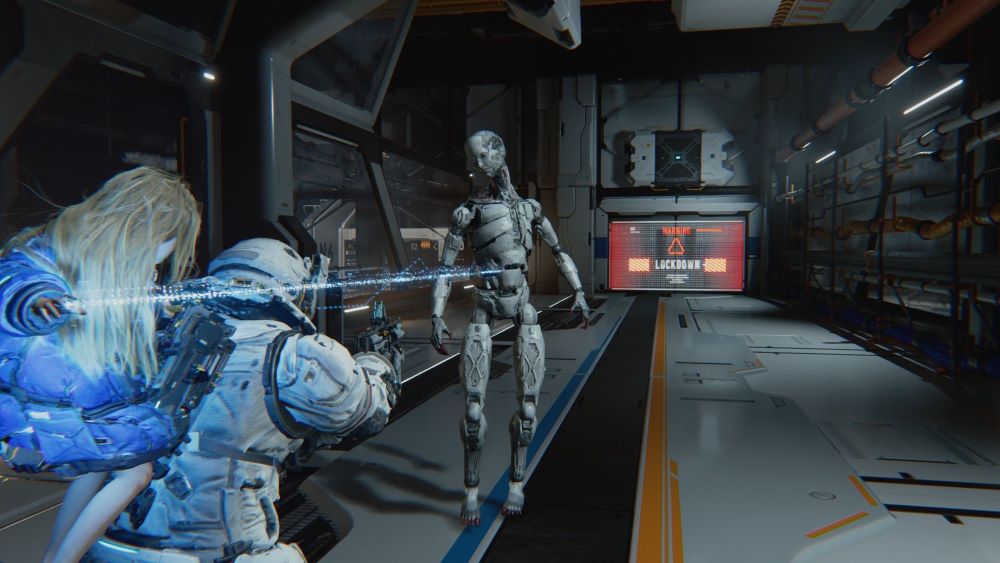
When players think of science fiction games, they often picture fast-paced third-person or first-person shooters. PRAGMATA aims to take a different route. “The base concept began as a science-fiction game,” Yonghee said. “But we wanted something different, something that added a strategic element to the game itself. We wanted players to consider each enemy they take on, and not just defeat them as if they were monsters. The idea is to think of the enemies as AI beings, which adds a unique strategic layer.”
Naoto also mentioned that the collaboration between the two main characters, Hugh and Diana, is key to this uniqueness. “They work together not just in combat but also in exploration,” he explained. “That relationship is something players can look forward to experiencing.”
Finding Warmth in a Cold World of PRAGMATA
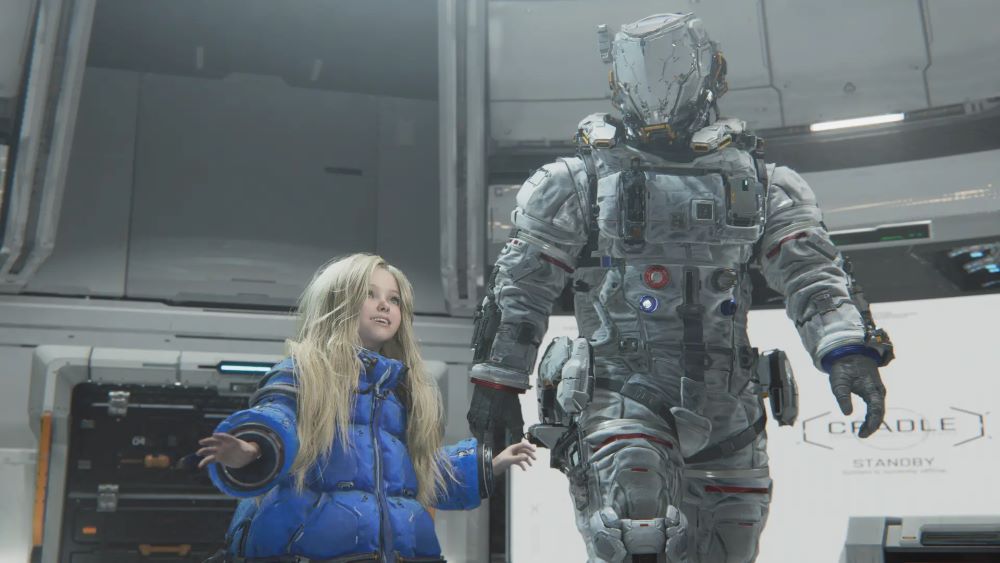
When asked how the team would define the game’s emotional core, Naoto says that PRAGMATA’s setting on the moon naturally evokes feelings of loneliness and isolation, which the team sought to balance with emotional storytelling. “When you think of the moon, you think it’s a cold, lonely place,” Naoto said. “So to add warmth to it all, you have Hugh and Diana and their connection between them. Their journey through this lunar research station is the emotional exploration players will experience.”
That human touch serves as the heart of PRAGMATA, grounding its sci-fi elements in a story about connection, learning, and empathy.
Balancing Combat and Puzzles
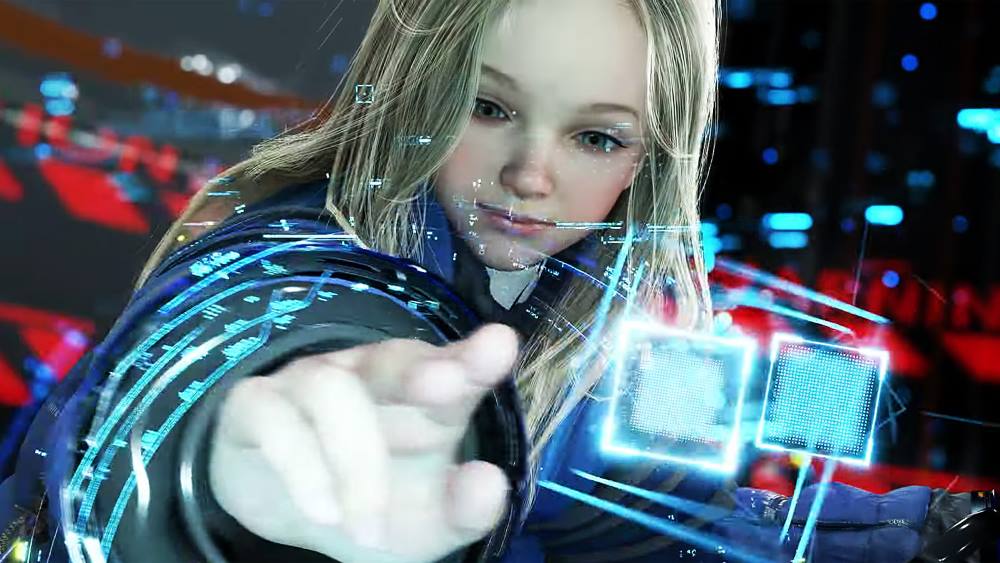
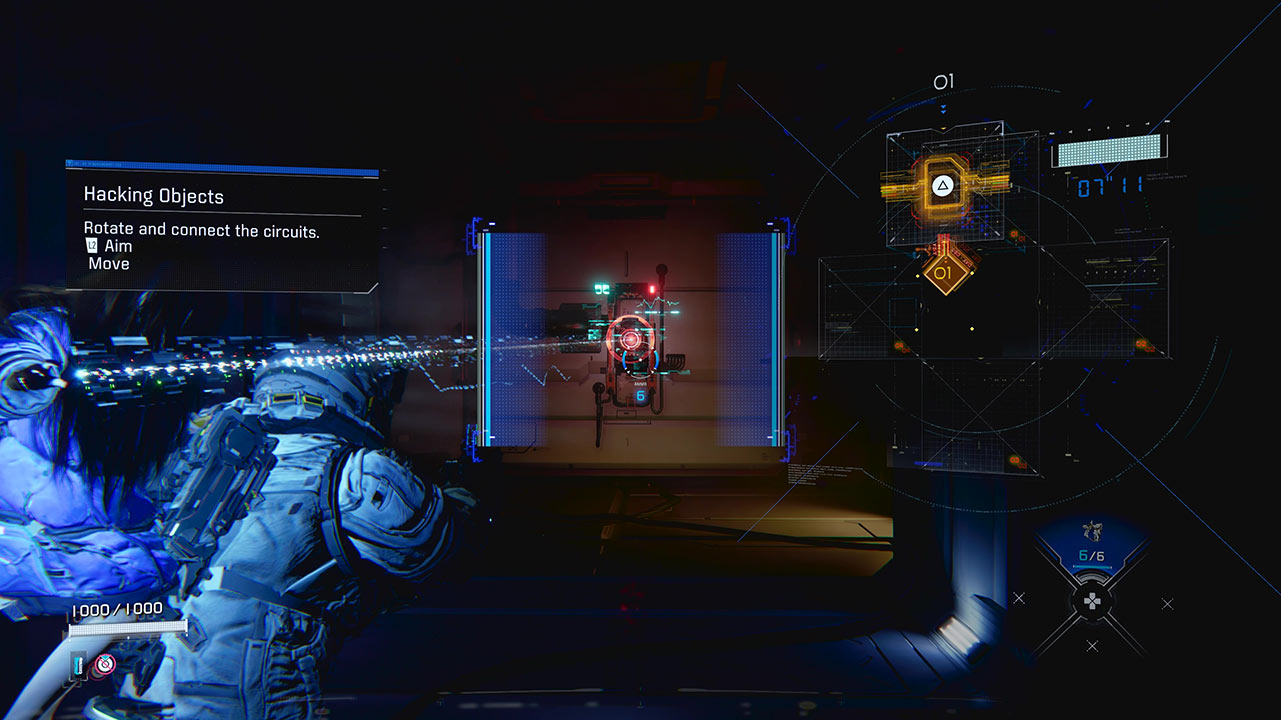
Combat in PRAGMATA revolves around a mix of shooting and hacking, where players alternate between direct action and strategic planning. The hacking mechanic, represented through a puzzle grid, grows more complex as players face tougher enemies.
Naoto explained, “If you face a weaker enemy, the hacking panel has a 3×3 grid, but when you face a stronger enemy, it has a 5×5 grid. You’ll see more variations as you encounter different enemies in the full game.”
Yonghee added that difficulty will evolve naturally. “As you progress, the game gets tougher, but so does your character. You’ll unlock more options to approach situations differently,” he said. The developers wanted a smooth balance where both new and experienced players could enjoy the challenge without feeling overwhelmed.
Tuning Gameplay Through Fresh Eyes
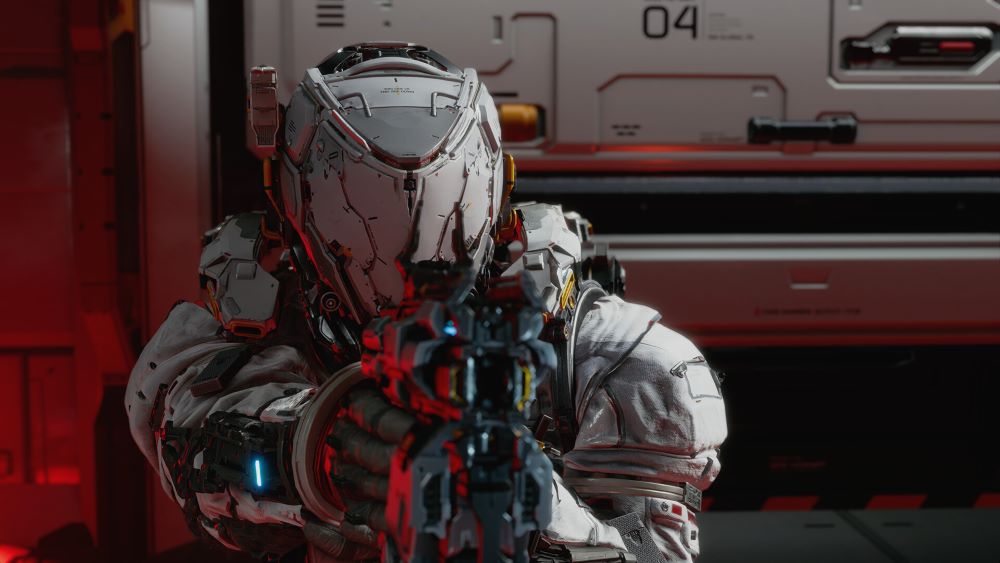
Having worked on PRAGMATA for years, the developers became so skilled at their own game that they risked making it too hard. “When a team works on a game for a long time, we get really good at it,” Naoto explained. “So the game gets harder and harder because we adjust it to our level. That’s why we bring in people who’ve never touched the game before to get their fresh opinions. Their feedback helps us balance the difficulty so that new players can enjoy it too.”
Why PRAGMATA Isn’t Co-Op
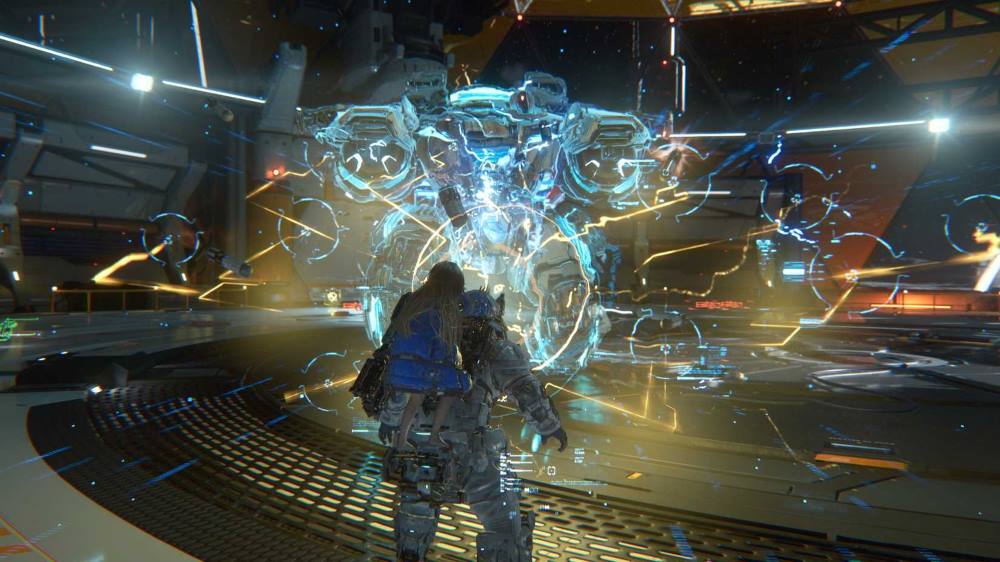
With two main characters working together, it’s easy to imagine PRAGMATA as a potential co-op game But the team ultimately decided to keep it single-player. “We’ve thought about it,” Naoto admitted. “But one of the unique points of PRAGMATA is that one player controls two characters. That’s the core of the experience.”
Cho Yonghee agreed, explaining that splitting control between two players would remove the synergy that makes the gameplay special. “If we made it co-op, each player would have too little to do. The entire control scheme was built around one person using both characters, and that’s what makes it work.”
Iterating the Hacking-Shooting Formula
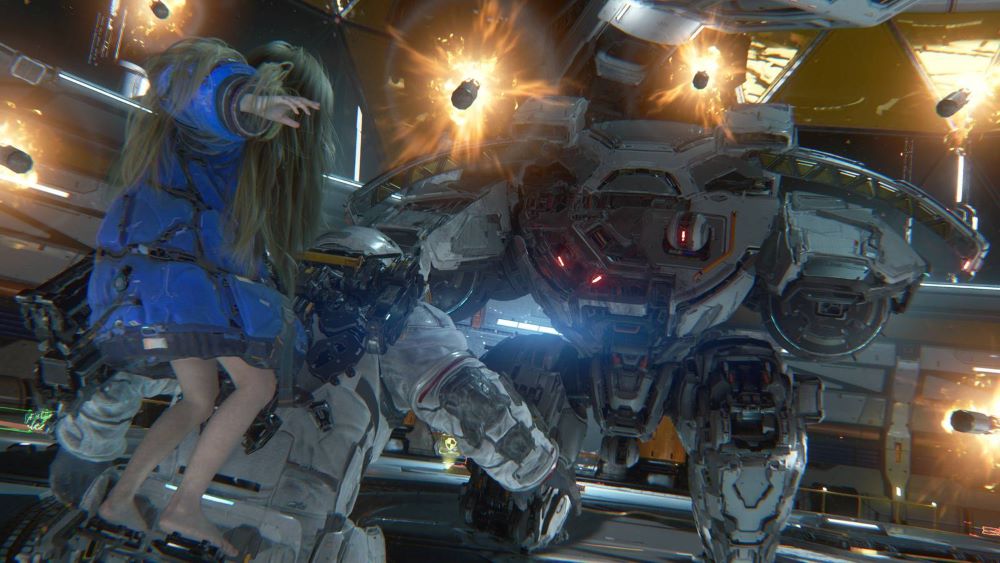
The hacking mechanic went through multiple revisions before reaching its current form. “It’s hard to put a number on how many versions we’ve tried,” Naoto said. “We’ve been through several ideas before ending up with what you see today. Earlier versions didn’t feel like they could sustain interest throughout the full game, so we evolved it with puzzle elements that keep players engaged from start to finish.”
Weapon Variety and Player Strategy
One detail that stood out in the demo was how weapons are discarded when their ammo runs out. Naoto explained that this design choice supports PRAGMATA’s focus on strategy. “In the full game, there’s much more weapon variety than what you saw in the demo,” he said.
Yonghee elaborated, “We didn’t want players to stick with the same weapon from start to finish. Instead, we want them to experiment — pick up different weapons, use them, and then try another one. Each weapon changes how you approach enemies, and mixing that with hacking adds variety to combat.”
Crafting a Relationship Between Hugh and Diana
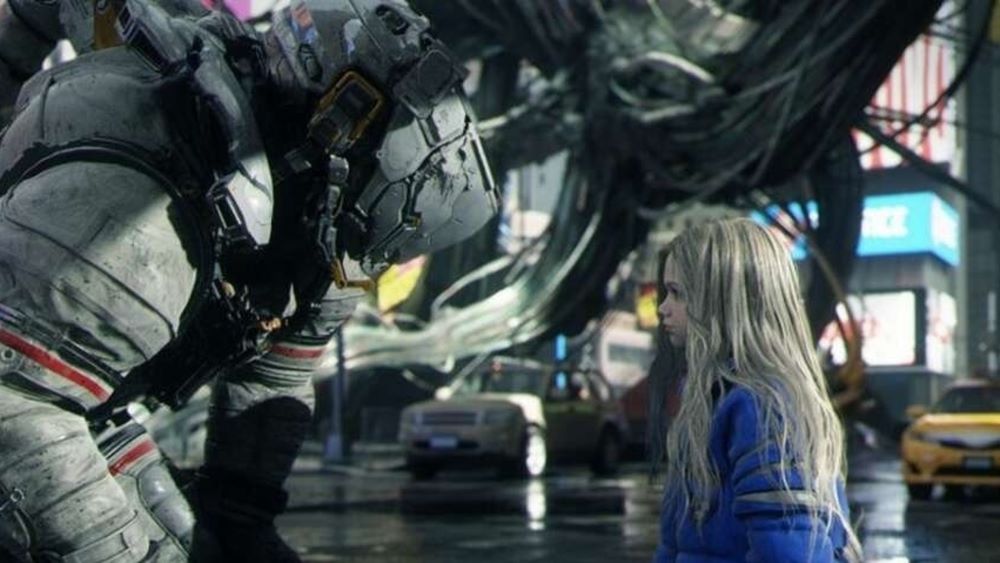
The dynamic between Hugh and Diana isn’t just central to the story — it defines the entire gameplay. “They have a father-daughter connection,” Naoto said. “You’ll see that in small interactions, like when Hugh tries to high-five Diana after a boss fight, but she doesn’t understand the gesture because she’s an android. She learns about humanity through him, and that’s part of her growth.”
Inspirations Behind PRAGMATA
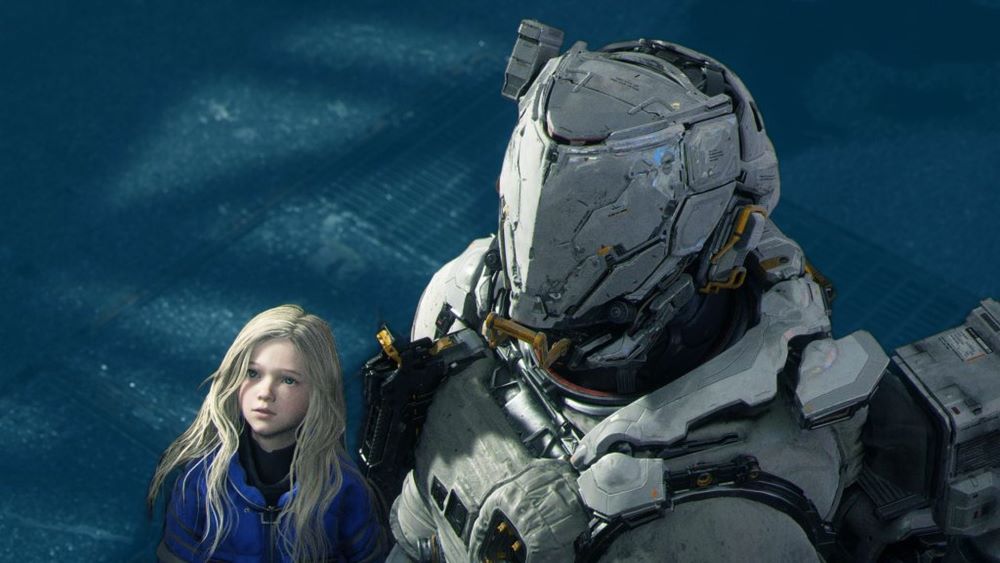
While PRAGMATA doesn’t directly borrow from any specific film or game, its inspirations are broad. “We were inspired by several kinds of Japanese sci-fi animation,” Yonghee shared. “As for the emotional connection between characters, we looked more towards drama series rather than other sci-fi works.”
Naoto added that indie games also influenced their mindset. “Not gameplay-wise, but their creativity and passion to create something new inspired us. That spirit of innovation had a big impact on PRAGMATA.”
Building a New Universe from Scratch
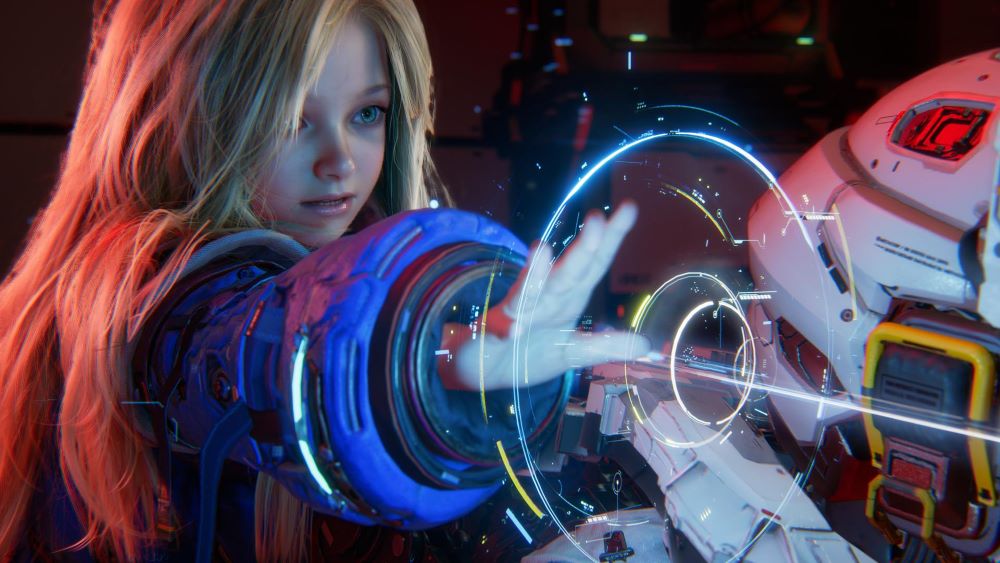
Creating a new IP from the ground up was both exciting and challenging. “When you start from zero, everyone’s idea of what the game is might differ,” Naoto said. “Aligning all those ideas into one clear vision was one of the hardest parts. Unlike sequels or spin-offs, we didn’t have a reference point — we had to build everything from scratch.”
Cho Yonghee added that this even extended to defining Diana’s personality. “We had to discuss things like how she talks, whether she laughs, and how much she knows about Earth,” he said. “We didn’t have any of that at the start. We had to discover who Diana was together as we developed the game.”
Designing the Duo
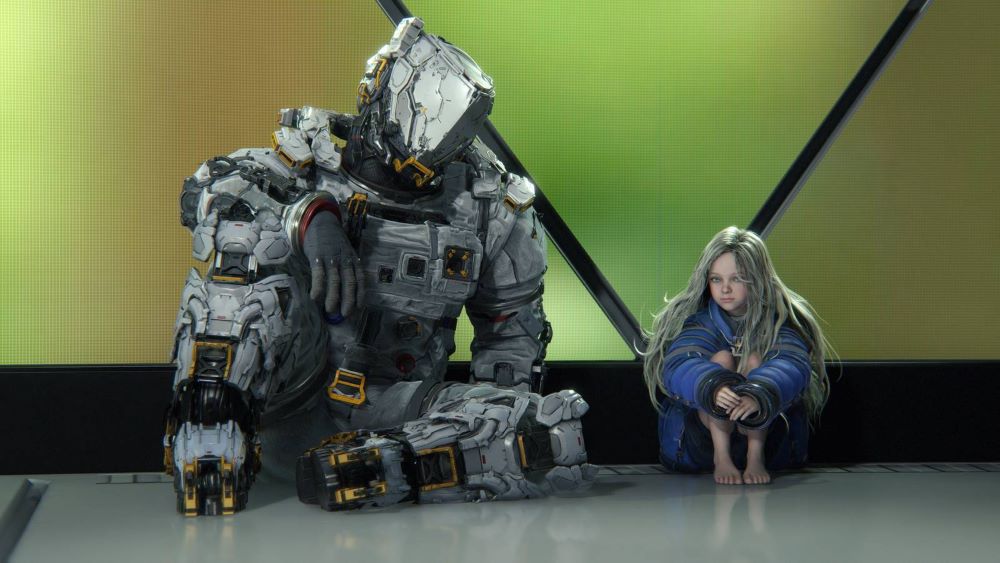
Yonghee recalled how Diana’s design began with a simple visual idea. “We started with a human in a spacesuit, and a companion. Then we thought — what if the companion was a barefoot girl in space? How would that look and feel? That was the beginning of Diana’s concept.”
Naoto noted that even the color palette subtly reflects their identity as a Capcom title. “We might have unconsciously chosen Capcom colors for the characters,” he said with a smile. “We hope they represent Capcom in their own way going forward.”
PRAGMATA Finally Coming to Life

After years of quiet development, PRAGMATA stands as one of Capcom’s boldest projects — an ambitious fusion of science fiction, emotion, and strategy. From its early concept to its refined systems, it’s clear the developers’ commitment never wavered. “We’ve always wanted PRAGMATA to be a game that’s fun for everyone,” Naoto said. “And now, we’re finally ready to share that with the world.”
You can read more about PRAGMATA, by visiting their official website.


![[GCAxTHGS25] Battle Director Teruki Endo on Bringing FINAL FANTASY VII REMAKE INTERGRADE to Switch 2](https://cdn.gamerbraves.com/2025/10/Teruki-Endo-FFVII-GCAxTHGS25_Interview_FI-75x75.jpg)