









![[EXCLUSIVE] Dragon’s Dogma 2: Dark Arisen Team Opens Up About the Expansion’s Name, New Norgan Region, and Performance Goals](https://cdn.gamerbraves.com/2026/07/Dragons-Dogma-2-Dark-Arisen_Interview_FI-360x180.jpg)





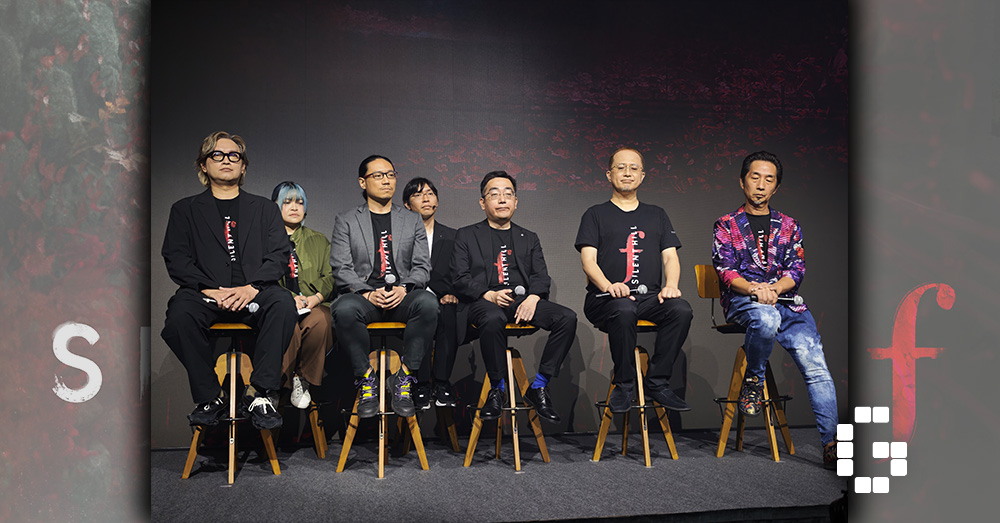
The Silent Hill series is making a dramatic shift with its upcoming entry, Silent Hill f, trading the familiar American settings for 1960s Japan. In an interview with the Silent Hill f development team—including legendary composer Akira Yamaoka, scriptwriter Ryukishi07, producer Motoi Okamoto from Konami, game producer Albert Lee and game director Al Yang from NeoBards opened up about their ambitious plans to reinvent the horror franchise while staying true to its psychological roots. From exploring teenage struggles in post-war Japan to completely removing guns from combat, the team reveals how they’re balancing tradition with innovation to create something both familiar and completely new.
A Journey Back to 1960s Japan
The decision to move Silent Hill from its traditional Western settings to Shōwa-era Japan wasn’t made lightly. Ryukishi07, the game’s scriptwriter, explains that the timing was crucial: “This is the era where fantasy and mythology seems to reside. This is the era where those two types of concepts can coexist.” The 1960s represent a unique period that sits “right at the border of what feels like the present and what feels like the past.”
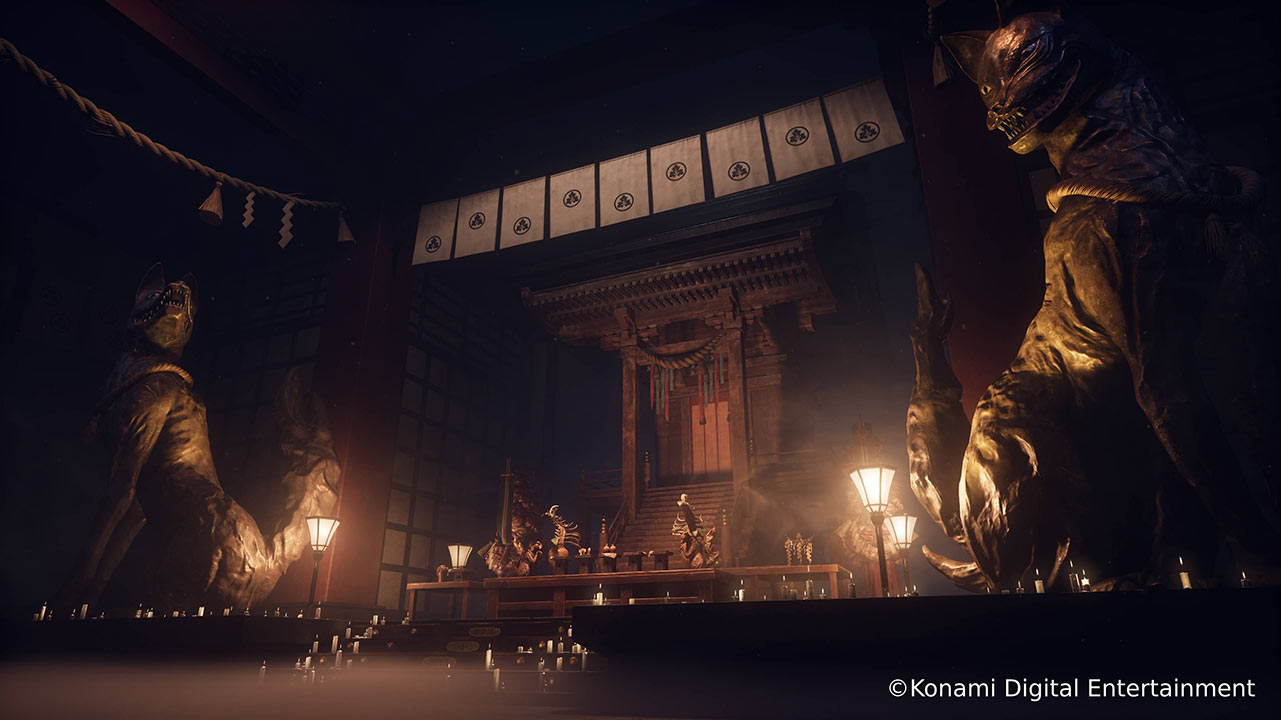
This setting change also gave the team freedom to explore new territory within the Silent Hill universe. Producer Motoi Okamoto notes that “when we decided to settle on a Japanese setting for the game, we believed that this would allow us to depart from the pre-established canon and discover more of the lore.”
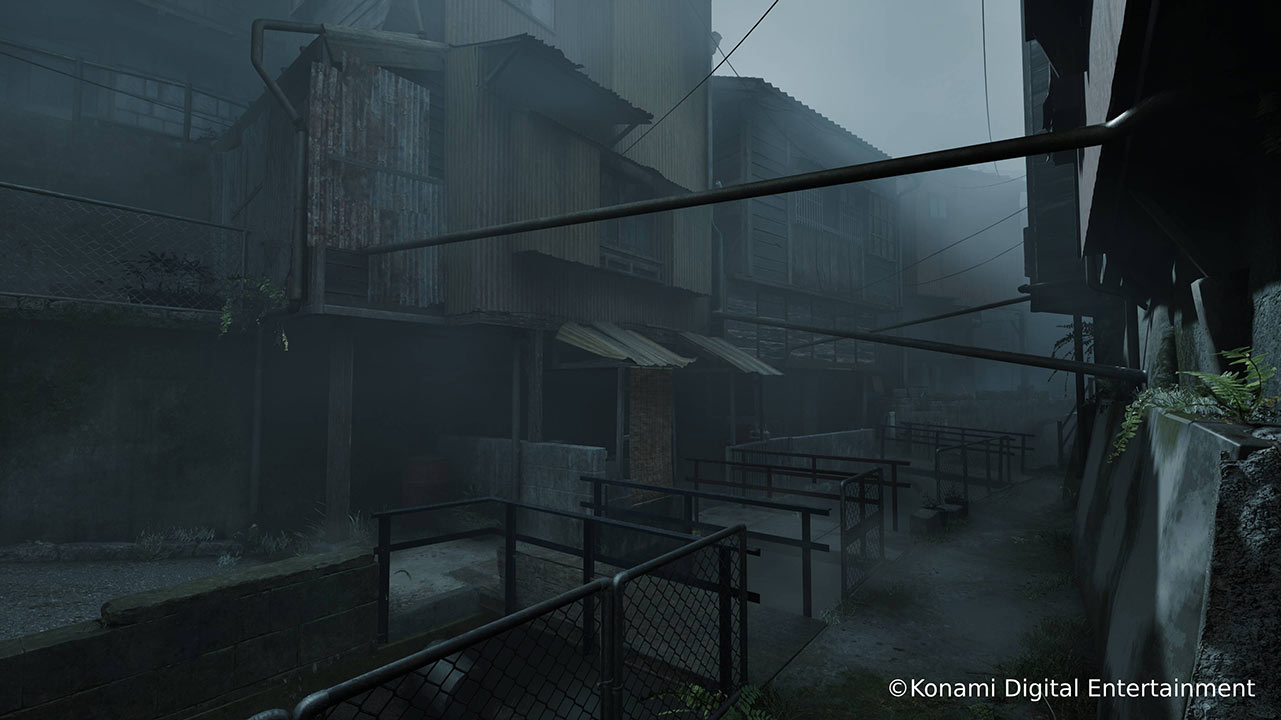
The team designed puzzles with what Game Director Al Yang calls “virtual tourism” in mind. Yang wanted to ensure that “when we design the puzzles and visuals, it’s something that feels familiar to players but also a little bit out of time and out of place. You might recognize something, but maybe not the exact Japanese version.”
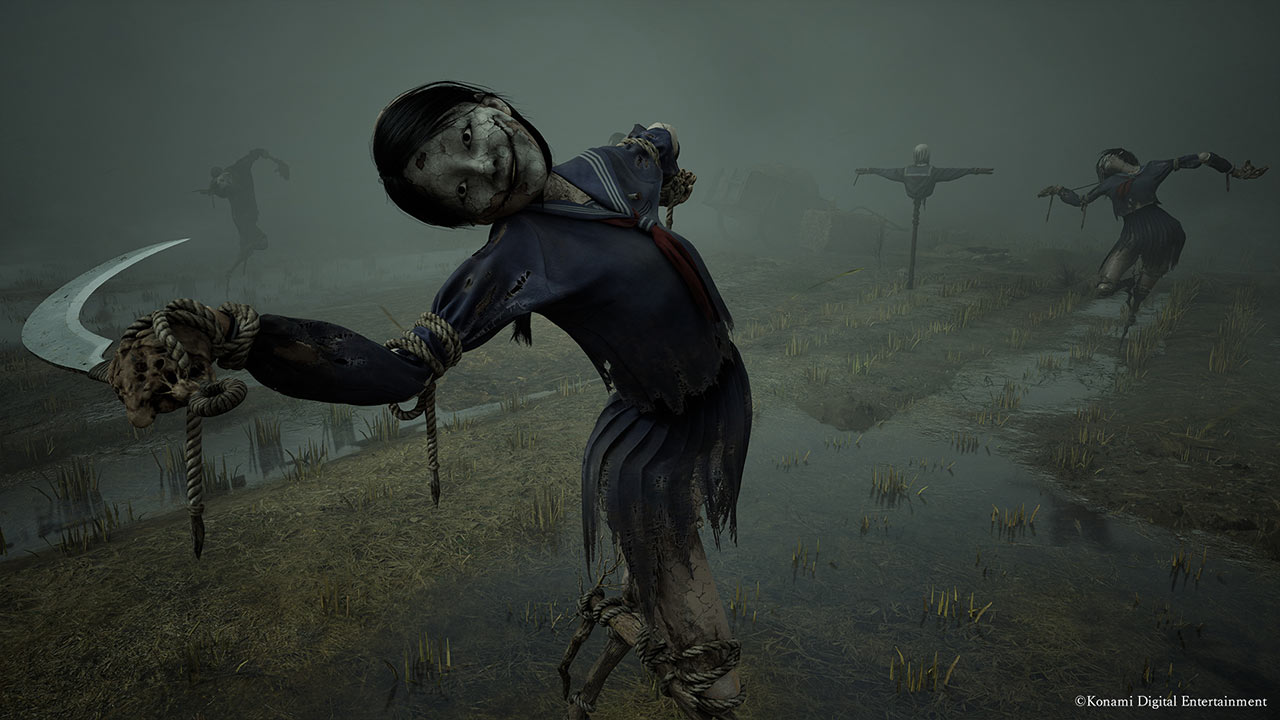
He emphasizes that cultural accessibility was key, noting that “no matter what, you can’t have any puzzles that people from any culture won’t be able to understand.” The scarecrows serve as a perfect example – they “have very strong Japanese cultural elements, but they’re still easy to understand universally.”
Music That Embraces Pure Japanese Identity
Longtime series composer Akira Yamaoka took a completely different approach to the soundtrack for Silent Hill f. Unlike his previous work, which was adjusted for Western audiences, this time he created something authentically Japanese. “I took away all of those adjustments and turned this into a Japanese experience, so it’s more of a pure experience compared to what I’ve been doing,” Yamaoka explains.
The change isn’t about using different instruments but rather about embracing “the pacing and the flavor of Japanese music.” This shift reflects the game’s overall commitment to authenticity while maintaining the haunting atmosphere the series is known for.
Exploring the Inner World of a Teenage Girl
At the heart of Silent Hill f is a young female protagonist whose story reflects both personal trauma and the broader social pressures of 1960s Japan. Ryukishi07 was intentional about this focus: “Since the protagonist is a girl, from her perspective the most important relationships will be between her family and the ones she has with her friends.”
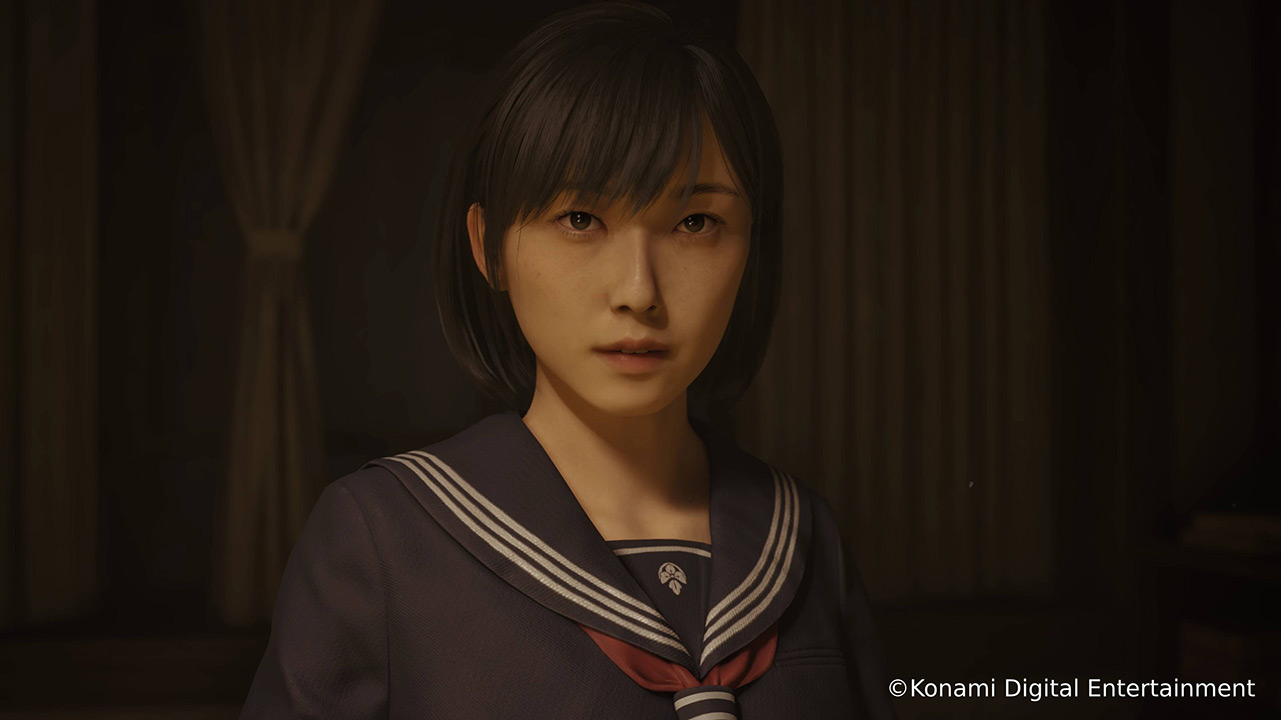
The game deliberately examines gender roles and the unique challenges faced by teenage girls during this era. The writer wanted to explore “the most intimate and personal struggles of the protagonist,” particularly her relationships with parents and her older sister, which form the emotional core of the experience.
Ryukishi07 explains that this exploration “reflects not just personal trauma, but also broader societal pressures of being a young girl in that era.” He says that “I believe especially the relationship she shares with her family is the most intimate, and these are parts that we wanted to explore in depth.”
Combat Without Guns Changes Everything
One of the most significant gameplay changes is the complete removal of ranged combat. Game Director Al Yang explains that this decision fundamentally alters how players approach danger: “When everything is in close range, you’re always in a state of high tension, but you still have tools to defend and counter enemies.”
The team drew inspiration from the original Silent Hill and Silent Hill 4, creating a “very melee-centric game” that replicates “the kind of tension and complication we have in those titles.” To maintain strategic depth, they introduced new mechanics like the ability to focus and target multiple enemies simultaneously, translating the tactical elements of ranged combat into close-quarters encounters.
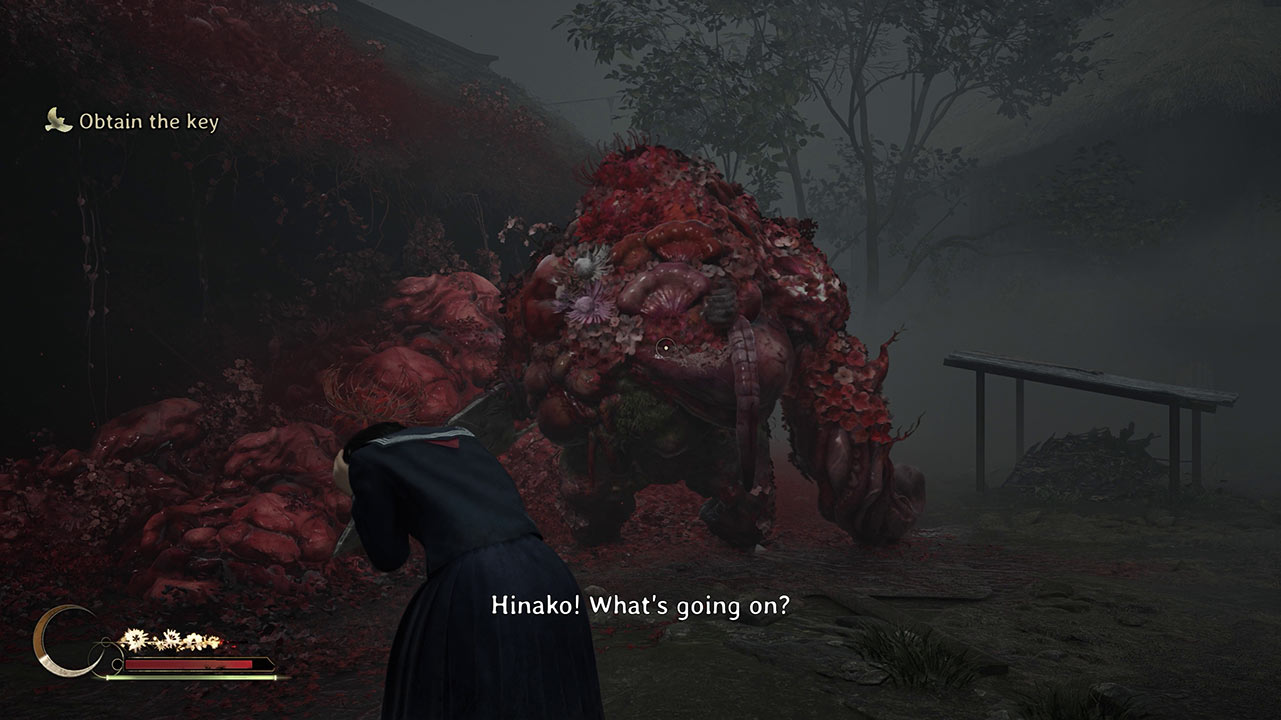
Resource management becomes crucial to the tension. Yang notes that “you can’t just keep dodging because you need stamina. There are hard limits to slow the character down and control the entire pace.”
Yang explains that satisfying combat comes from careful design, noting that “the satisfying feeling comes down to animations – how moves are executed, how heavy hits feel, and the visual feedback when you successfully land attacks.” He also highlights the psychological impact of close combat, explaining that “in traditional games, it’s easy to know when enemies are dangerous based on distance. When everything is in close range, you’re always in a state of high tension, but you still have tools to defend and counter enemies.”
Finding Beauty Within Horror
Silent Hill f takes an unusual approach by embracing beauty alongside its horror elements. Ryukishi07 compares this to cooking: “You can make any dish spicy or mild depending on how you prepare it. The same applies to our concepts – whether something appears beautiful or horrific is entirely up to how it’s portrayed.”
This philosophy emerged partly from positive fan reactions to the game’s flower-heavy teaser trailer three years ago. Yang recalls that “we saw very positive reception and strong feedback regarding the visual aspect of the flower beauty. This resonated with us and eventually influenced how the final game turned out.”
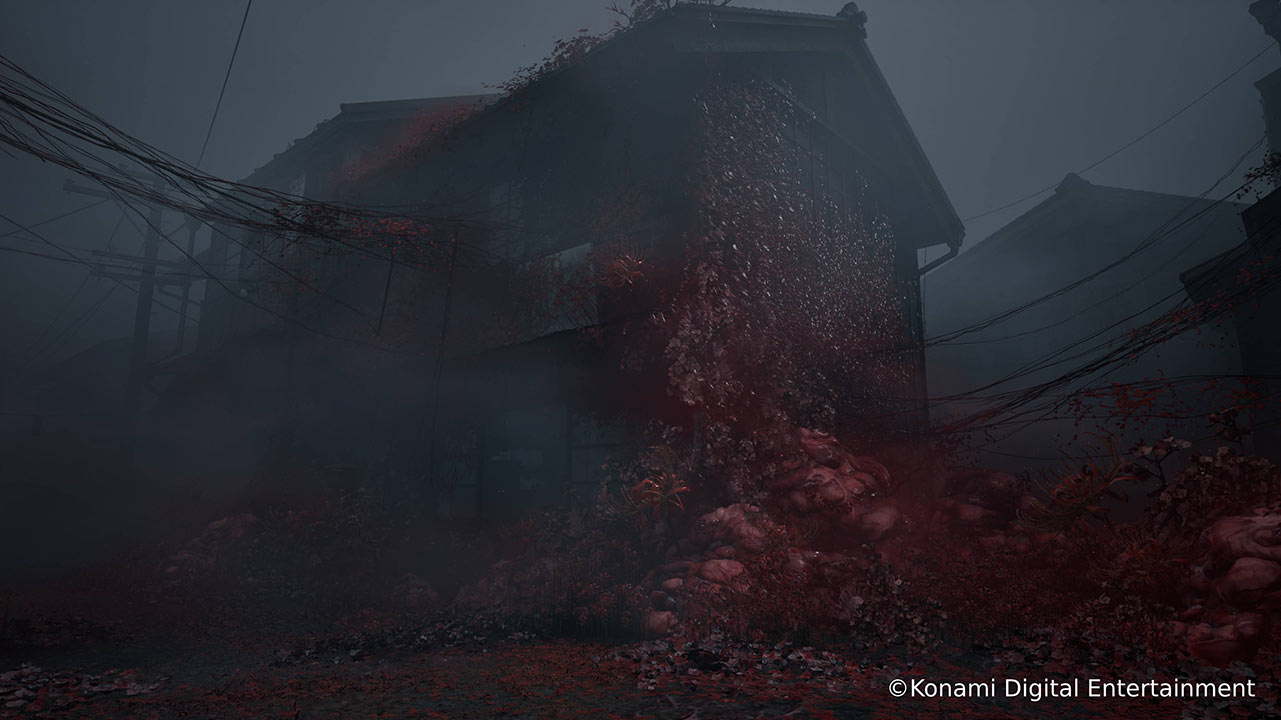
Ryukishi07 goes deeper into this concept, explaining that “anything can be shown as something beautiful, but it can also be portrayed in different lights. If you look at both the beautiful side and the horrific side simultaneously – that’s the moment where you get to see the truth that lies within.” According to Okamoto, the team “worked extensively with artist kera, Ryukishi07 and NeoBards through multiple discussion sessions to eventually arrive at our conclusion about beauty and horror systems.”
Welcoming New Players While Honoring Fans
Despite being part of an established franchise, Silent Hill f is designed to welcome newcomers. Okamoto explains that the team “had assumed that players were not familiar with previous titles, though we know there are fans of the series. We wanted to create something that works for both new players and existing fans.”
The mysterious “f” in the title reflects this open approach. When asked about its meaning, Okamoto keeps it deliberately vague: “The ‘f’ can have a lot of different meanings, but that’s something that we would like to leave as an open question for players to explore and come to their own conclusions.”
The development team has given considerable thought to what actually scares players. Yang makes an important distinction, noting that “many people say they love being scared, but what they really enjoy is tension — the anticipation.”
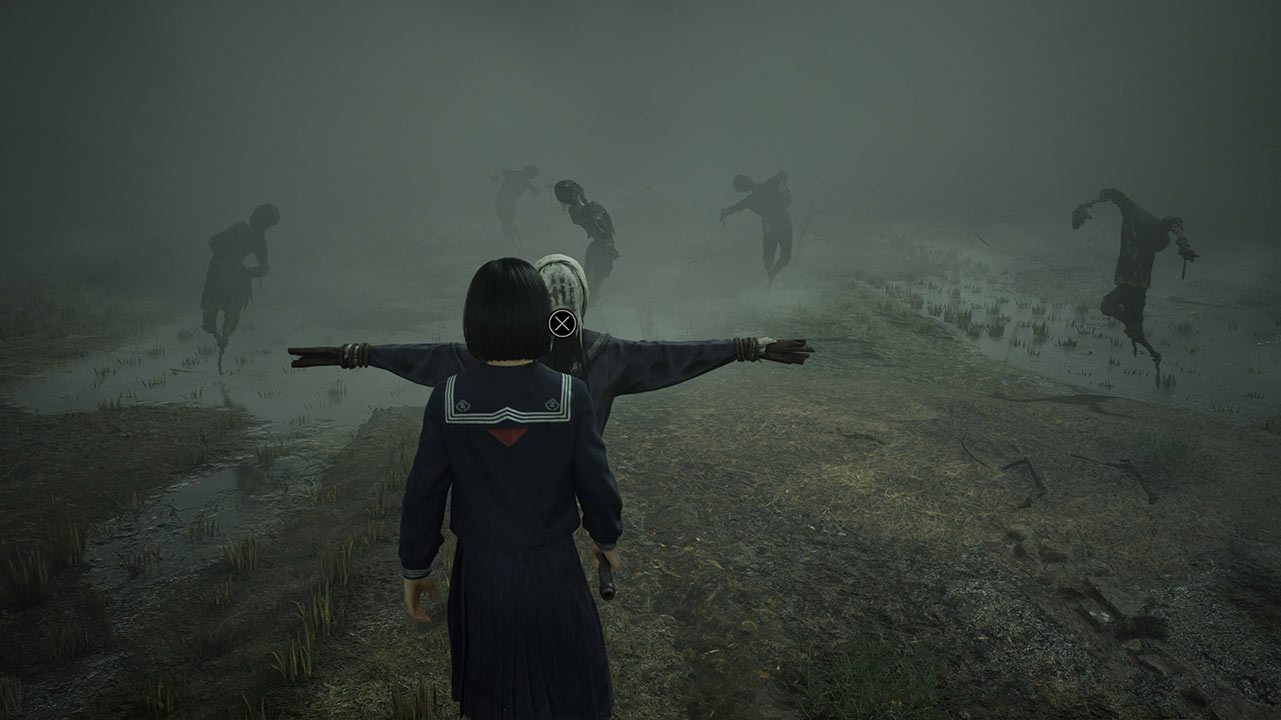
He explains that Silent Hill f uses this understanding strategically, pointing out that “resource scarcity becomes a major source of fear: limited healing items, constrained movement, tight indoor spaces… these create pressure. Even if you see a threat, it’s your own vulnerability that makes it scary.” According to Yang, pacing is the key element, as “the most important thing for this type of story-driven experience is pacing. It’s not about what players can’t do – many action games have counters and similar mechanics – but it’s about the rate and speed at which these things happen.”
Redefining What Makes Silent Hill
For Ryukishi07, working on a Japanese-set Silent Hill meant rethinking the series’ core identity. “I always had the impression that Silent Hill was called as such because of the existence of the American setting. Whereas for this project, this takes place in Japan, so I had to be re-evaluating my thoughts about what makes Silent Hill ‘Silent Hill.'”
His solution was to focus on the psychological elements: “I decided to focus on the more psychological aspects and the turmoil that the characters harbor in their minds. From there, I thought that as long as those elements are taken care of, and as long as we stay true to those psychological aspects, be it in Japan or be it in any environment, it can still feel like Silent Hill.”
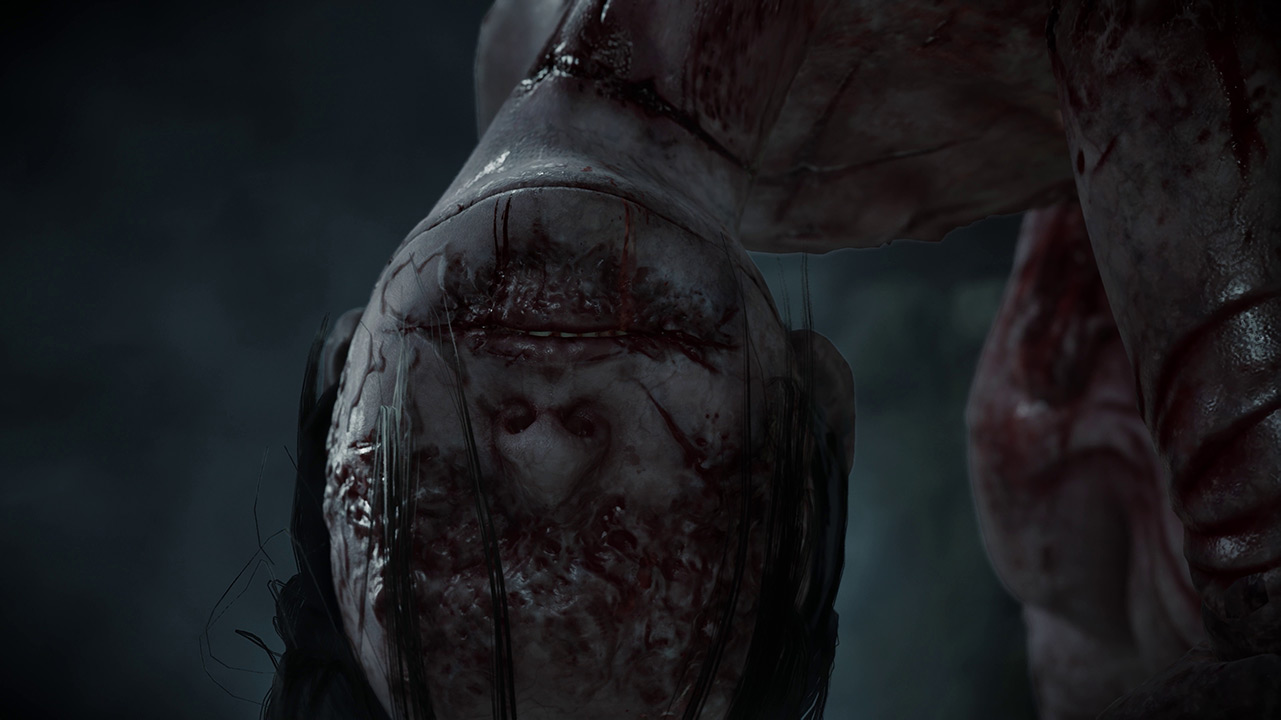
Each team member has their own take on the series’ essence. Game Producer Albert Lee believes that “for me personally, Silent Hill is all about the psychological aspect — how it taps into intimate, internal fears rather than external threats.” Yang agrees, describing Silent Hill as “more of a ‘vibe’ — it’s the atmosphere, the oppressive dread that surrounds you.” Ryukishi07 offers a unique metaphor, comparing Silent Hill to “the crust of a pie — the horror is what envelops deeper truths inside. As players ‘bite in,’ they discover what the story really wants to say.”
Looking Forward
After 13 years since the last mainline Silent Hill game, the development team recognizes the need for evolution. Okamoto, who joined Konami in 2019, believes the series needed “to create a brand new title in order to breathe new life into the series.” While valuing longtime fans, they also wanted “to bring in new fans and new faces into the user base.”
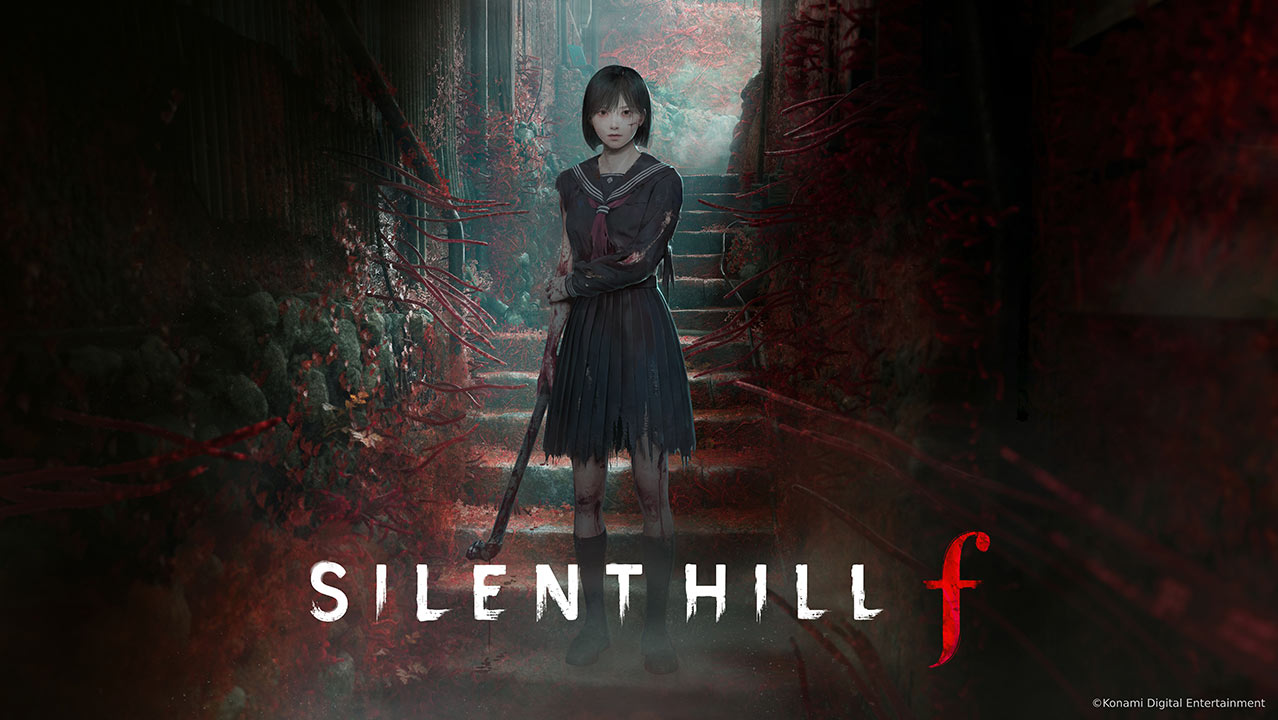
Silent Hill f represents more than just a new setting—it’s a complete reimagining of what the series can be while maintaining the psychological horror that made it legendary. By grounding the supernatural in the intimate struggles of a teenage girl in 1960s Japan, the team hopes to create something that feels both authentically Silent Hill and entirely fresh.