











![[EXCLUSIVE] Dragon’s Dogma 2: Dark Arisen Team Opens Up About the Expansion’s Name, New Norgan Region, and Performance Goals](https://cdn.gamerbraves.com/2026/07/Dragons-Dogma-2-Dark-Arisen_Interview_FI-360x180.jpg)



We recently had the opportunity to try out Silent Hill f during a five-hour hands-on session to give you a preview of what’s to come. Diving right into the opening scenes of this highly anticipated horror game and what we experienced was something both familiar and completely new – a Silent Hill game that trades the series‘ usual industrial nightmares for something more beautiful, yet equally terrifying.
A New Setting, A New Kind of Fear
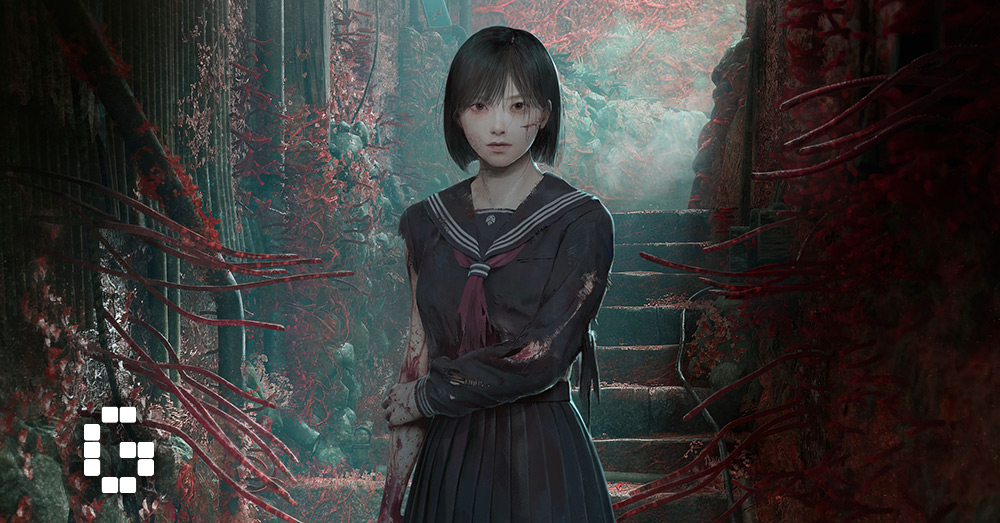
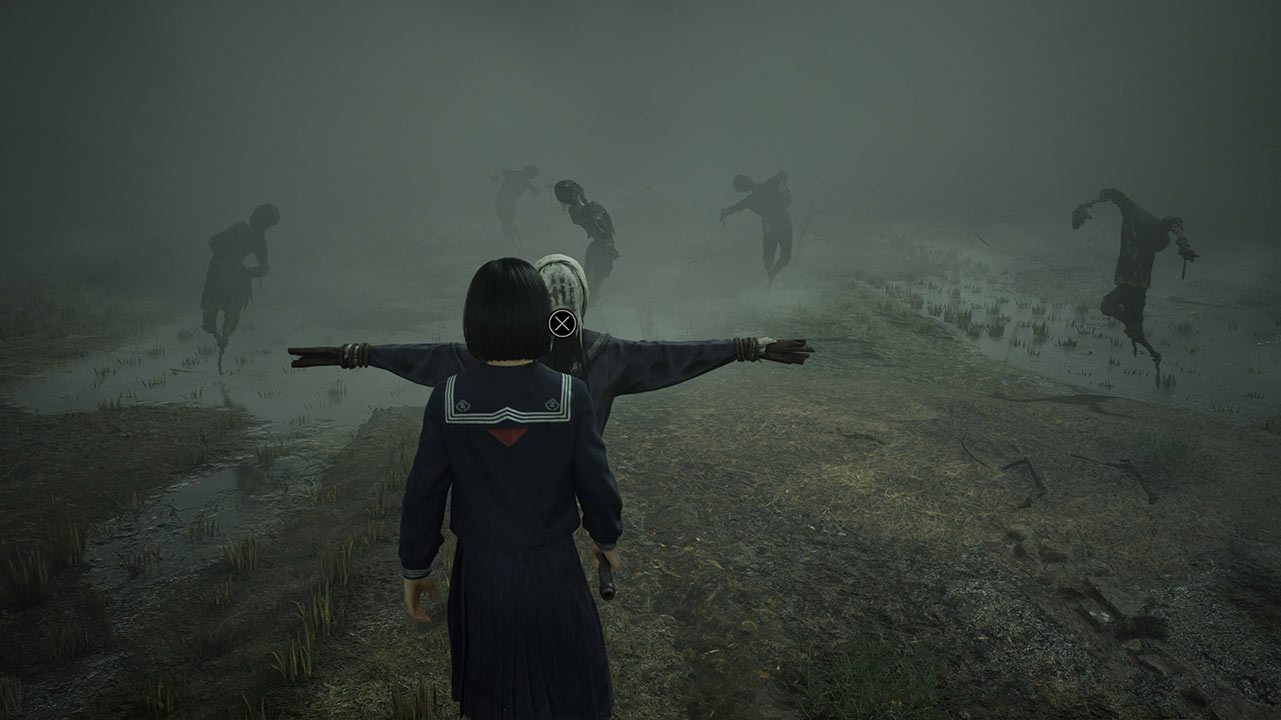
For the first time in the mainline series, Silent Hill f moves away from its Western roots and plants itself firmly in 1960s Japan. The game follows Shimizu Hinako, a lonely high school student living in the rural mountain town of Ebisugaoka. After being bullied by classmates and feeling isolated after her sister’s marriage, Hinako spends most of her time alone. That changes when a mysterious fog rolls into town, transforming familiar streets into twisted versions of themselves and making people disappear without a trace.
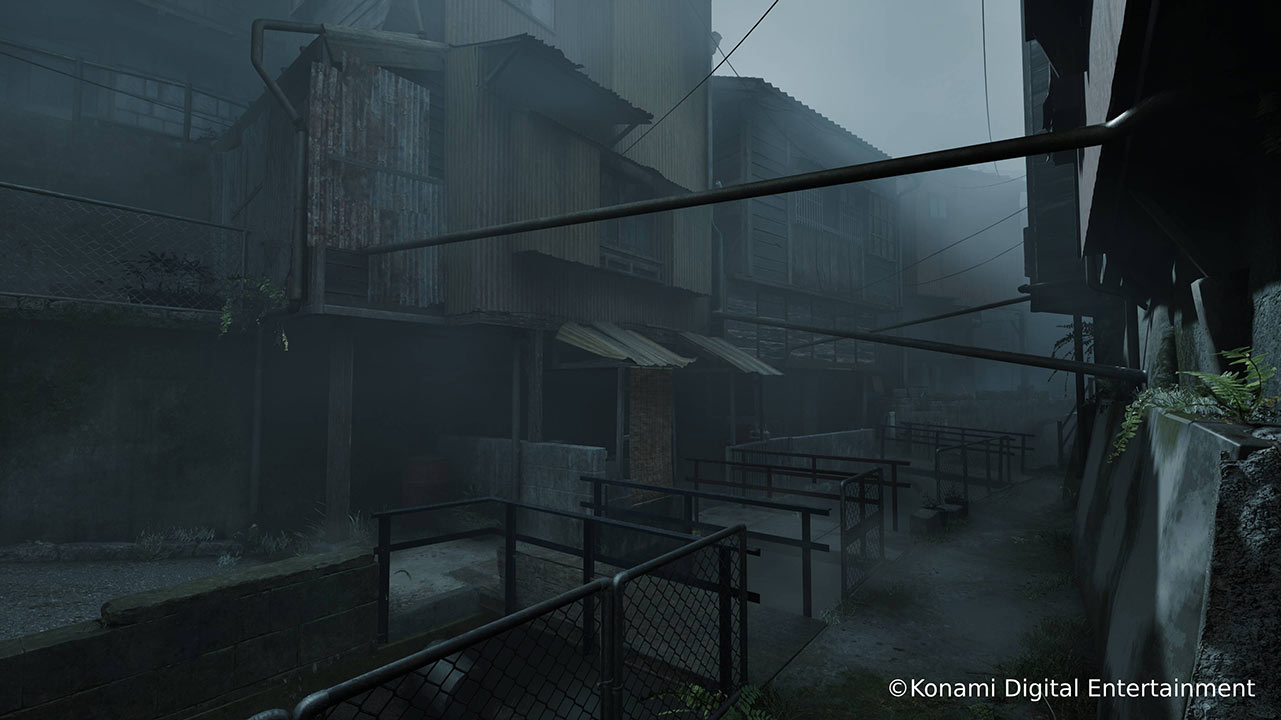
What makes this Silent Hill different is how it blends traditional psychological horror with Japanese folklore and Showa-era culture. Instead of rusty industrial environments, you’ll find crimson spider lilies blooming from flesh-covered walls and red vines creeping through traditional wooden houses and shrine gates. It’s strangely beautiful, but in a way that makes your skin crawl.
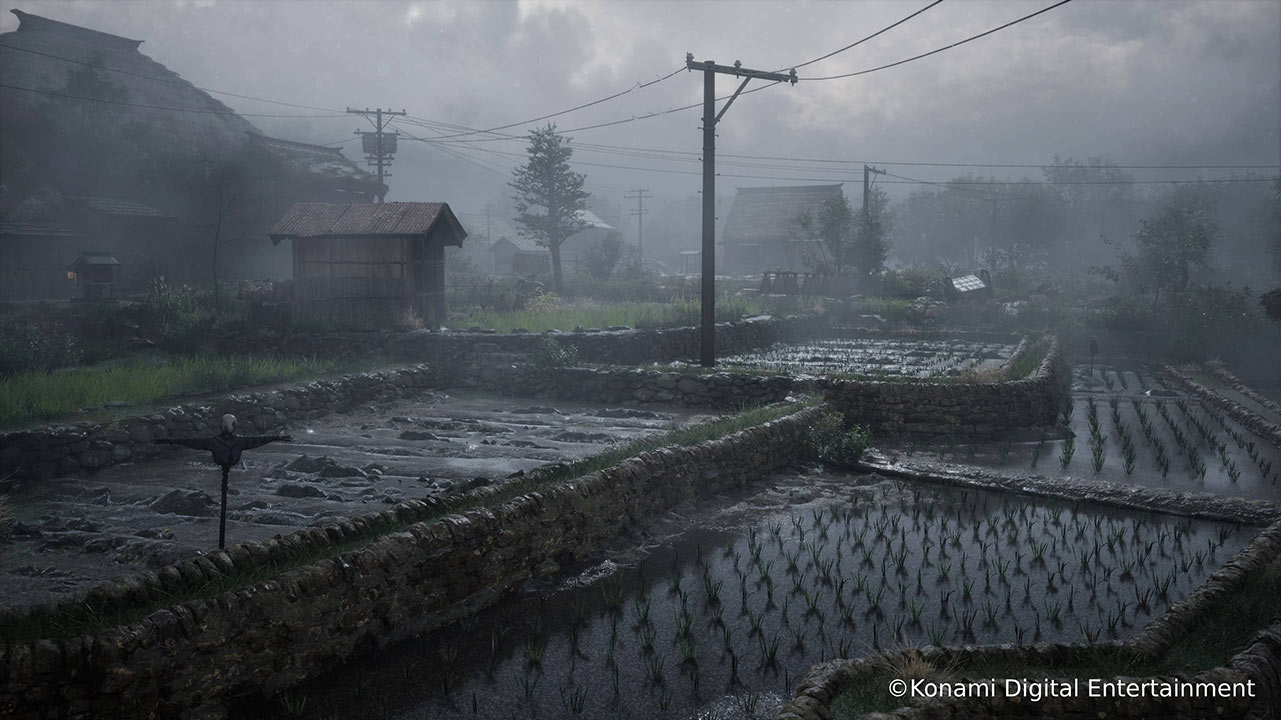
The story unfolds slowly, letting the atmosphere do most of the talking rather than dumping information through long cutscenes. You piece together the town’s secrets and Hinako’s past by exploring and surviving, with friends appearing and disappearing as the town warps around her. A mysterious man appears in the nightmarish alternate world, seemingly guiding Hinako forward, but his true intentions remain unclear.
Combat Gets Personal
Unlike previous Silent Hill games, this entry focuses heavily on close-quarters combat. There are no guns here – only melee weapons that require careful timing and smart resource management. The combat system revolves around three key stats: Health for survival, Stamina that drains when you run or fight, and Sanity that powers special abilities but also drops when enemies attack you mentally.
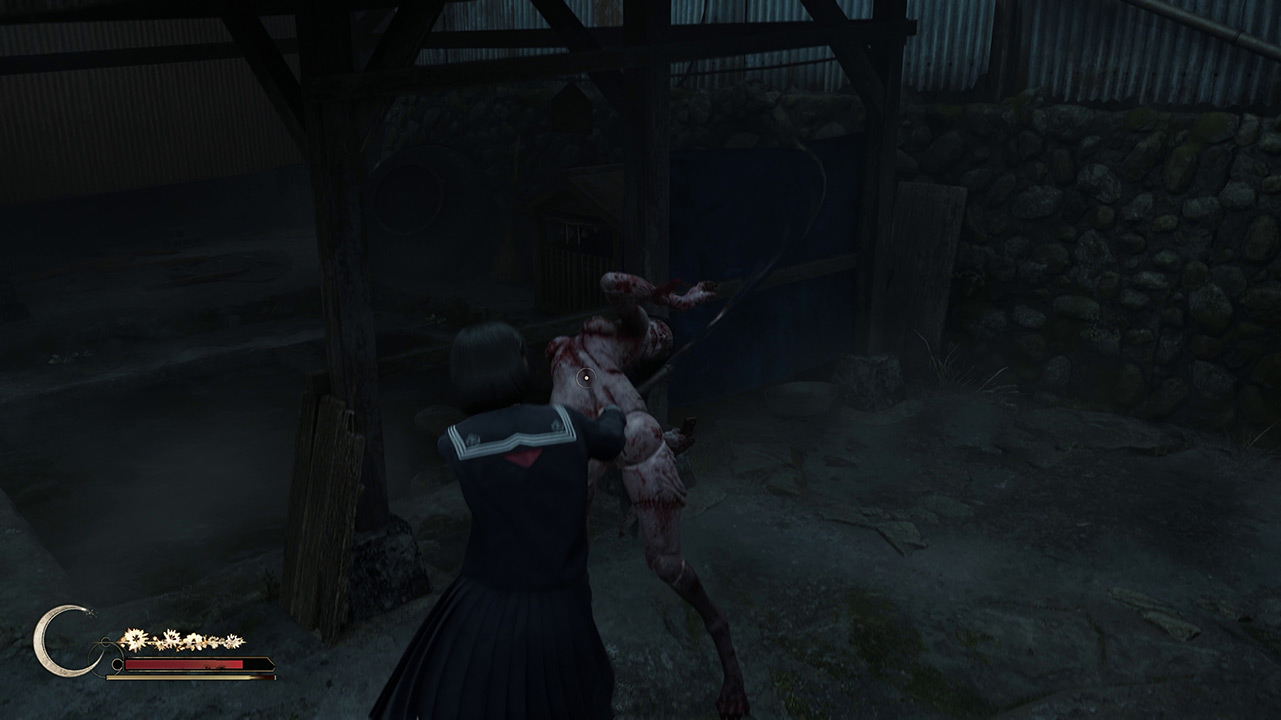
The most important skill you’ll need to master is the Perfect Counter. When enemies attack, they sometimes leave themselves open for a brief moment. Hit them with a heavy attack during this slow-motion window, and you’ll deal massive damage while stunning them. Focus Mode lets you spend Sanity to slow down time and make these counter opportunities easier to spot, but use it wisely – when your Sanity hits zero, you start losing health.

Combat feels deliberate and tense, especially when facing multiple enemies. You can often sneak past regular monsters, but boss fights are mandatory and will test everything you’ve learned. The system might not be flashy, but it keeps you on edge throughout each encounter.
Managing Your Survival
Resources are scarce in Silent Hill f, making inventory management crucial. Hinako can only carry eight item slots worth of healing items and tools. Small items like bandages or yokan (a traditional Japanese sweet that restores health) can be stacked three per slot, but powerful healing items take up entire slots by themselves.
Weapons have their own separate three-slot inventory system, and they can break if their durability runs out and you don’t have repair tools. This creates tough decisions – do you use your best weapon now or save it for later? These constant choices add another layer of tension to an already stressful experience.
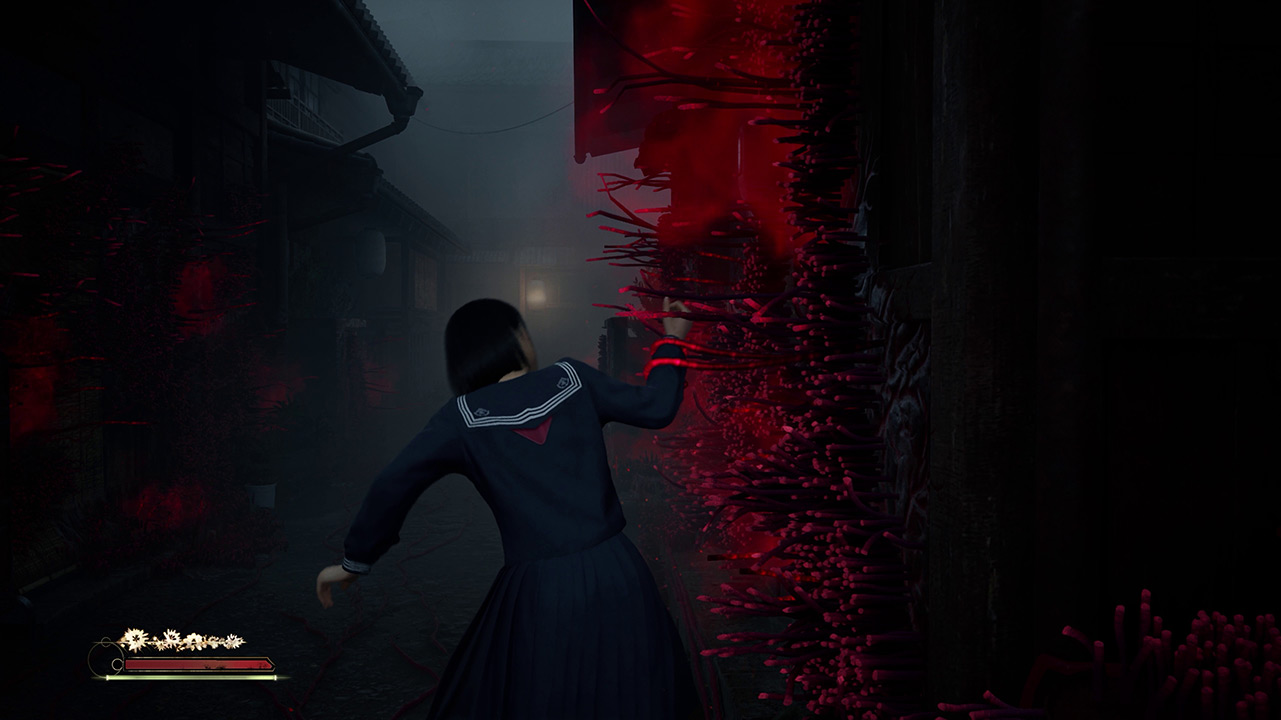
Character progression happens at roadside shrines that serve as both save points and upgrade stations. Throughout your journey, you’ll collect offering items like traditional combs or dried fish that can be turned into Faith, the game’s upgrade currency.
You can spend Faith in two ways: drawing omamori charms that give passive bonuses like extra health or increased damage, or praying to permanently boost your base stats and unlock more charm slots. The shrine system feels authentic to Japanese culture while providing meaningful character growth.
Exploring a World of Quiet Dread
Silent Hill f encourages slow, careful exploration. There’s no minimap or quest markers – instead, you navigate using environmental clues like lighting, shadows, and overgrown vegetation. Surprisingly, this approach works well and never feels confusing or frustrating.
The puzzles fit naturally into the world and often incorporate Japanese cultural elements. They require observation and thinking rather than random trial and error. One memorable moment involved a hallway blocked by a silent humanoid doll that did absolutely nothing – no jump scare, no movement – but walking toward it felt genuinely unsettling. This perfectly captures what Silent Hill f does best: creating fear through subtlety rather than cheap scares.
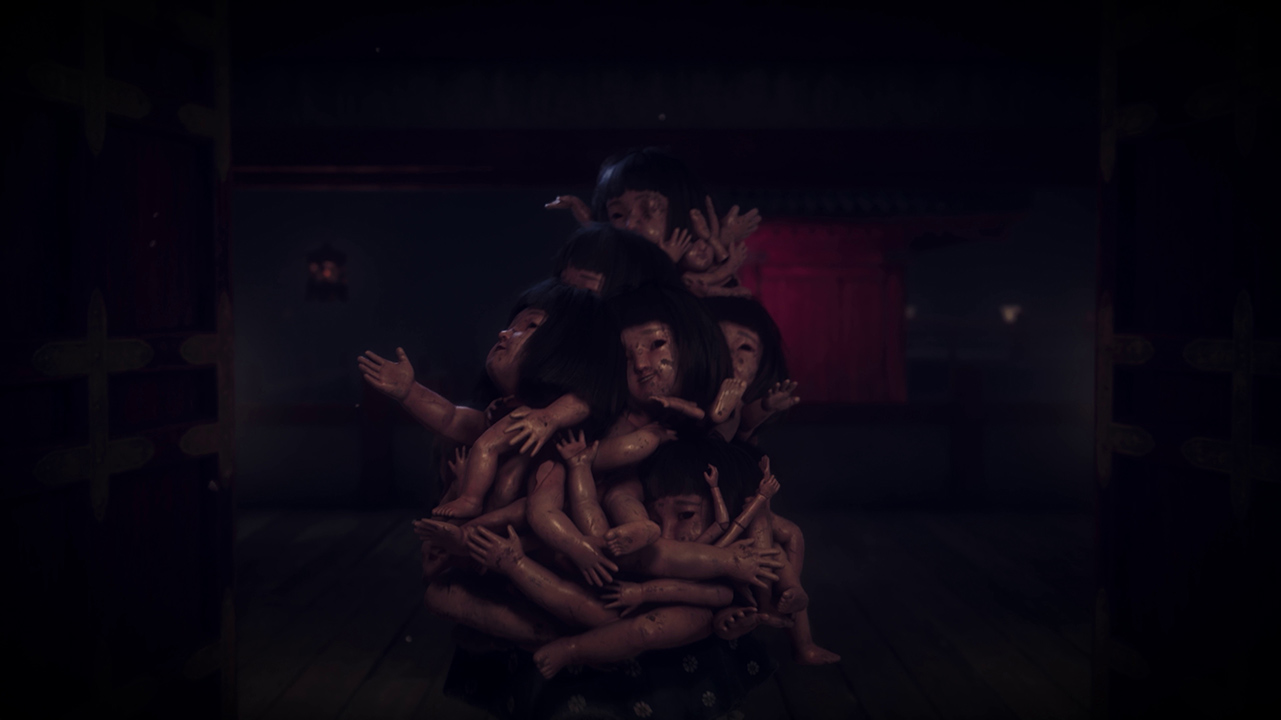
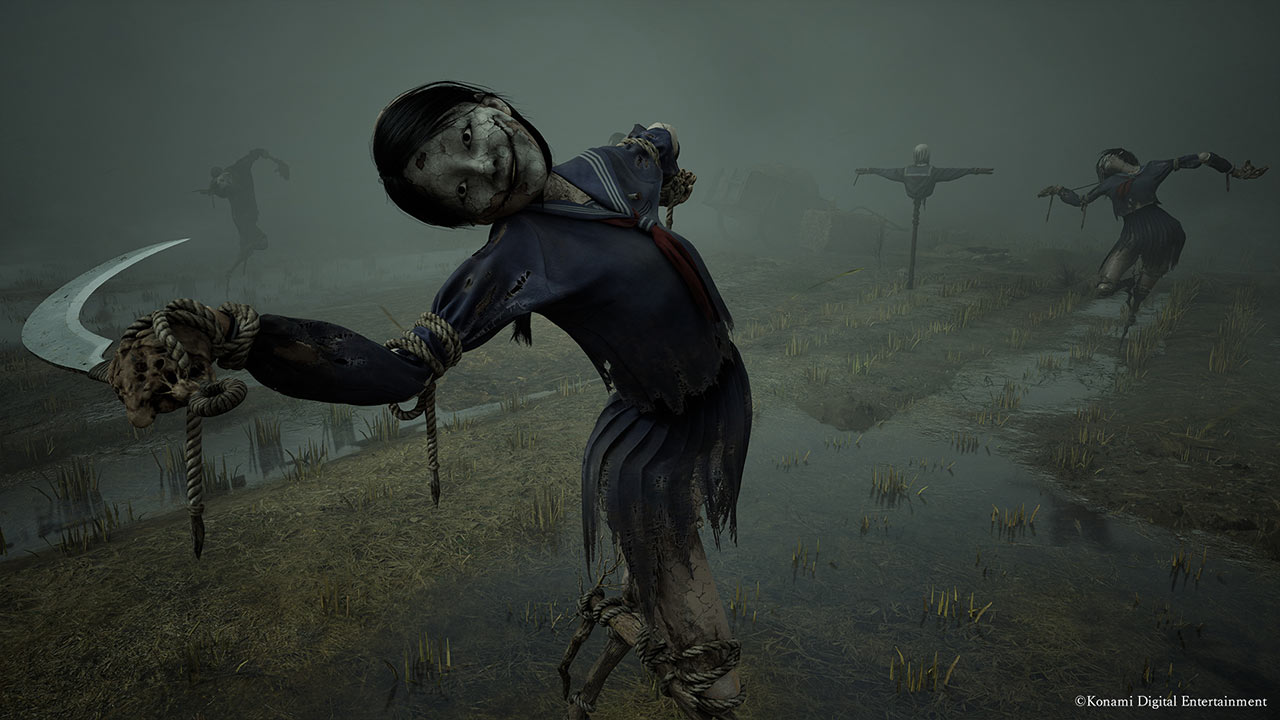
Visually, the game replaces the series’ typical rust and industrial decay with something more organic and floral, but equally disturbing. Monster designs draw inspiration from Japanese folklore and twisted plant life rather than mechanical horrors. The result feels more natural but somehow more wrong.
The 1960s Japanese setting comes through in every detail, from wooden houses to worn shrines to traditional healing items like yokan and spiritual water. Even in daylight – which happens more often than in previous games – the atmosphere maintains its sense of quiet dread. Voice acting in Japanese adds to the authentic, solemn tone.
Accessible Horror for Everyone
While Silent Hill f carries the series’ psychological DNA, it feels notably different. There are fewer claustrophobic corridors and more moments of eerie calm. The combat system, while not the series’ traditional strength, is the most mechanically involved yet.
Long-time fans might find this a departure from what they expect, but newcomers will find it surprisingly welcoming. Thorough tutorials, adjustable difficulty settings, and a story that doesn’t require prior knowledge make this a solid entry point into the franchise.
The game features five different endings, though your first playthrough follows a fixed path. Only on repeat playthroughs will your choices determine which ending you see. The developers have confirmed that one of the five is a traditional UFO ending – a series staple – while the others remain mysteries to discover.
Final Thoughts
Even after just five hours, Silent Hill f reveals layers of unease that stick with you long after you stop playing. The fog-covered village, disappearing townspeople, and mythic otherworld all raise questions that demand answers. Who is the mysterious guide? Why has the town been consumed by mist? What secrets is Hinako hiding from herself?
With tight mechanics, distinctive art direction, and deep cultural grounding, Silent Hill f is shaping up to be a powerful reimagining of psychological horror. It’s less about what jumps out to scare you and more about what quietly waits, blooming in decay, just beneath the surface. This new take on Silent Hill proves that sometimes the most beautiful things can be the most terrifying.