


![[EXCLUSIVE] Dragon’s Dogma 2: Dark Arisen Team Opens Up About the Expansion’s Name, New Norgan Region, and Performance Goals](https://cdn.gamerbraves.com/2026/07/Dragons-Dogma-2-Dark-Arisen_Interview_FI-360x180.jpg)












As one of the pioneers of the Battle Royale genre, PUBG: BATTLEGROUNDS helped spark a global phenomenon and continues to shape competitive shooters years after its release. At Gamescom 2025, we had the opportunity to sit down with Taehyun Kim, Production Director of PUBG, to talk about how the team balances short-term trends with long-term vision, the future of esports, and what lies ahead for PUBG players worldwide.
Kim oversees the entire development of PUBG: BATTLEGROUNDS. Having been with the project since its early stages in 2016, he has guided the game’s evolution into the global hit it is today. What began as an experimental survival shooter is now a full-fledged live-service title with esports aspirations, high-profile collaborations, and millions of active players worldwide.
Balancing Short-Term Fun and Long-Term Vision

When asked about how PUBG decides which features become permanent and which stay limited-time, Kim explained that it comes down to striking the right balance between novelty and lasting gameplay value.
“We want to make features that can last for a long time. But sometimes, we also create content that’s short-term, something people can enjoy for a limited time before we rotate it out. Both approaches help keep the experience fresh.”
Limited-time modes, such as rotating playlists that last two to three weeks, offer fans variety and allow streamers to experiment with unique content. Meanwhile, features tied closely to PUBG’s core Battle Royale DNA are designed to remain pillars for years to come.
This dual strategy ensures that players always have something new to try, while still keeping the familiar identity of PUBG intact.
The Future of Esports – Making Battle Royale a “Real Sport”
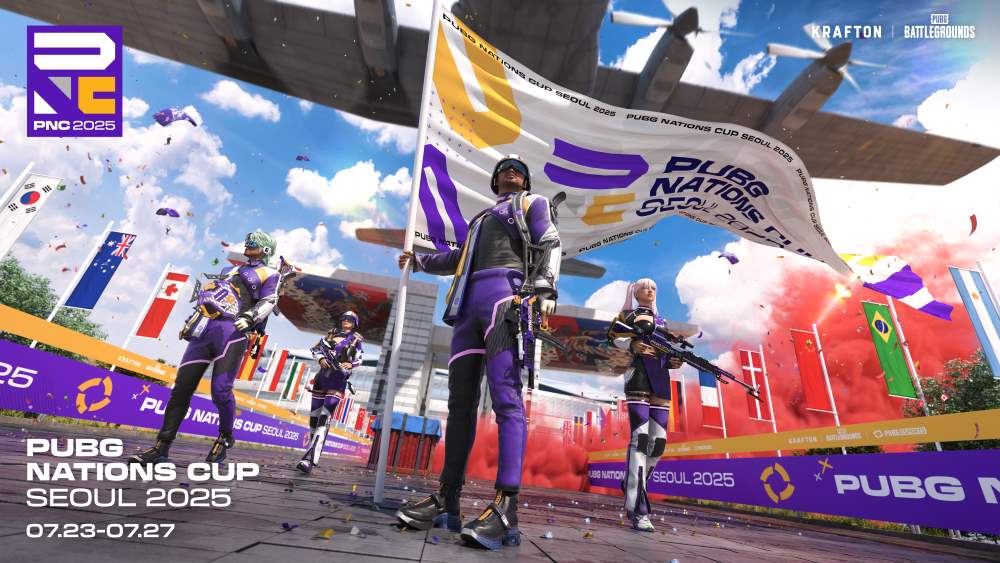
PUBG’s influence on competitive gaming is undeniable, but Kim envisions an even bigger role in the esports landscape. “My dream is for esports to become a real sport, just like football or baseball. I want people to go to bars and watch PUBG esports on TV, the same way they watch football or baseball.”
He acknowledged the challenges of making PUBG easy to follow for spectators, as Battle Royale can be chaotic for newcomers. His solution lies in building a sophisticated observer system that allows audiences to quickly grasp the action.
National tournaments like the PUBG Nations Cup (PNC) also highlight the emotional power of esports. Even viewers unfamiliar with all the mechanics can still rally behind their country, much like the FIFA World Cup. This sense of national pride could help PUBG reach a wider, more mainstream audience.
Saying Goodbye to Old Consoles

Earlier this year, PUBG ended support for PlayStation 4 and Xbox One, a decision Kim described as one of the most difficult calls the team has made. “It was painful to let those players go. But to keep improving, we had to focus on next-gen hardware and the opportunities it brings.”
While the move allowed PUBG to push for higher performance and technical improvements, Kim stressed the importance of open communication with fans to explain why these choices are necessary.
Although there’s no way to provide hardware replacements for players left behind, the studio aims to maintain trust through transparency and continued community engagement.
Collaborations That Resonate

PUBG has built a reputation for exciting collaborations, ranging from pop culture tie-ins to iconic vehicle brands. According to Kim, the team’s guiding principle is simple: bring players dream items they can’t always afford in real life. “We ask ourselves, is this a dream brand? Something players want in real life but may not be able to afford? If so, bringing it into the game can make it special.”
From custom weapon skins to stylish vehicles, these partnerships let players express themselves in-game. As for Kim’s personal dream? The Mercedes G-Wagon, though he joked that it might never happen due to brand image concerns.
PUBG’s Place in the Battle Royale Genre
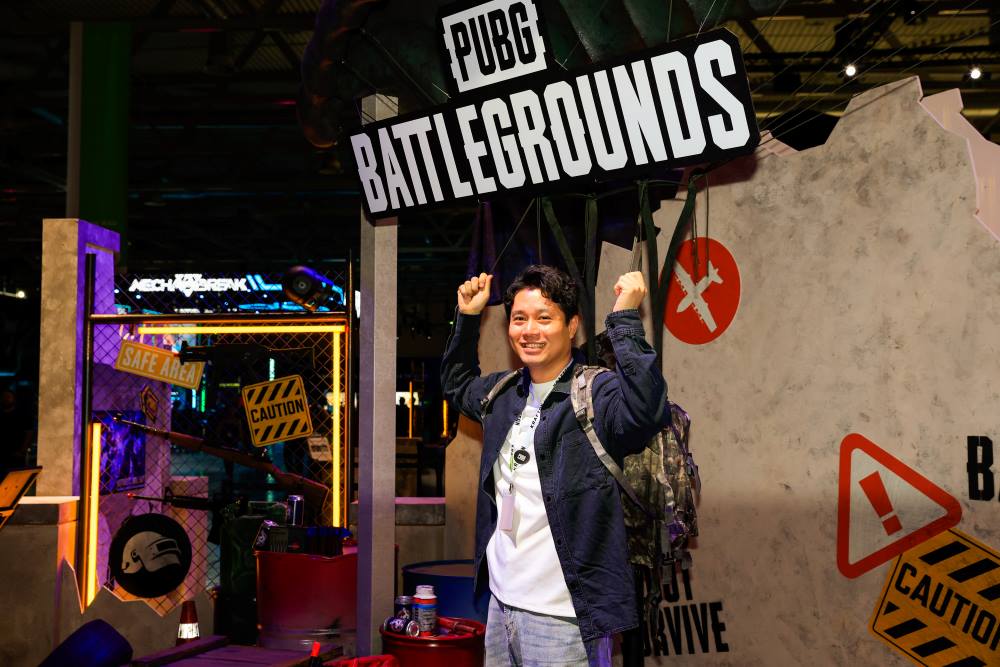
With Battle Royale modes appearing in almost every major FPS today, PUBG remains confident in its identity.
“Battle Royale is such a difficult genre to create. Honestly, I don’t think anyone can top us. We found that sweet spot, and while others have tried, it’s not easy to surpass what PUBG, Warzone, and Fortnite already offer.”
This confidence comes not from dismissing competitors, but from the belief that PUBG’s years of iteration, community-driven development, and focus on authentic survival gameplay set it apart from imitators.
The Challenge of Live-Service
Running a live-service game comes with unique demands, from balancing player expectations to continuously providing updates. Kim believes PUBG’s Korean development culture gives the studio an edge:
“Live service is such a difficult job, but Korea has years of experience. We’re more used to servicing long-term games, while Western studios often focus on packaged releases. That makes it easier for us to sustain PUBG as a live-service.”
This experience helps PUBG adapt and evolve, ensuring it remains relevant even as gaming trends shift.
PC vs. Console – A Cultural Divide
When asked about the future balance between PC and consoles, Kim was realistic yet hopeful. “Honestly speaking, PC will continue to dominate. That’s how I see it in the future, but what I’m hoping for is to see consoles rise together with PC.”
He pointed out that in Korea, console gaming has historically had a much smaller footprint compared to PC, which explains why PUBG’s development team feels more comfortable with PC design. While console development can be technically easier due to unified hardware, understanding console audiences requires a cultural shift, a challenge Krafton is actively tackling.
A Message to the Players
Closing the interview, Kim left a heartfelt message to PUBG’s global community:
“Please continue to love and enjoy PUBG. We do play the game ourselves, and we put a lot of effort into figuring out what players want. We want PUBG to last for decades, just like CS:GO, and we hope you’ll stay with us on this journey.”
Despite criticisms from players who sometimes feel the developers are disconnected, Kim emphasized that the team spends significant time playing, testing, and iterating to deliver the best experience possible.

PUBG: BATTLEGROUNDS may have sparked the Battle Royale craze, but under the guidance of Taehyun Kim, it’s clear that the game isn’t content to simply rest on its legacy. With bold esports ambitions, exciting collaborations, and a focus on next-gen growth, PUBG continues to evolve while staying true to its roots.
As Kim puts it, the goal is simple yet ambitious: ensure that PUBG remains a beloved global title for decades to come.