









![[EXCLUSIVE] Dragon’s Dogma 2: Dark Arisen Team Opens Up About the Expansion’s Name, New Norgan Region, and Performance Goals](https://cdn.gamerbraves.com/2026/07/Dragons-Dogma-2-Dark-Arisen_Interview_FI-360x180.jpg)






When Returnal launched, Housemarque didn’t simply deliver a standout title. The studio reshaped expectations for what a modern 3D action roguelite could look and feel like. Its blend of arcade-sharp gunplay and oppressive atmosphere became a defining PlayStation experience. Now, under the PlayStation Studios label, the studio returns with SAROS—and expectations are understandably high.
SAROS arrives as a confident evolution of Housemarque’s combat design philosophy. However, while its shooting systems remain excellent, its roguelite ambitions do not always reach the same level of clarity or depth.
Story — A Fragmented Journey Through Carcosan
SAROS takes place on Carcosan, a ruined planet overtaken by unstable Eclipse energy. What was once a thriving civilisation has collapsed into shifting surreal terrain populated by hostile alien threats.
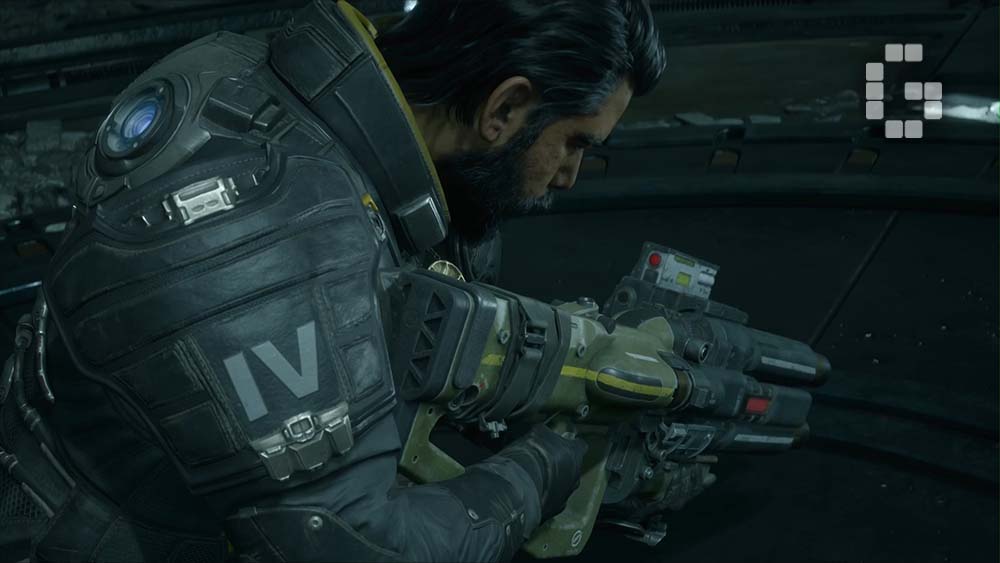
Players step into the role of Arjun, an Enforcer of the Soltari Echelon IV. What begins as a mission assignment gradually transforms into something more personal. Stranded on Carcosan, Arjun moves deeper into the planet’s fractured landscape in search of answers and a measure of redemption.
The Eclipse cycle itself reshapes reality as it progresses. Space distorts. Familiar environments become unreliable. Meanwhile, Arjun’s crewmates—Sheridan, Jerome, Stack, and Kayla—succumb to paranoia and psychological strain. Over time, the only consistent companion left is the detached voice of the Primary AI.
Narratively, SAROS favours environmental storytelling. Lore appears through notes and audio logs rather than traditional cinematic pacing. As a result, the world rewards patient players, even if the story’s forward momentum sometimes feels restrained.
First Impressions — Combat Comes First
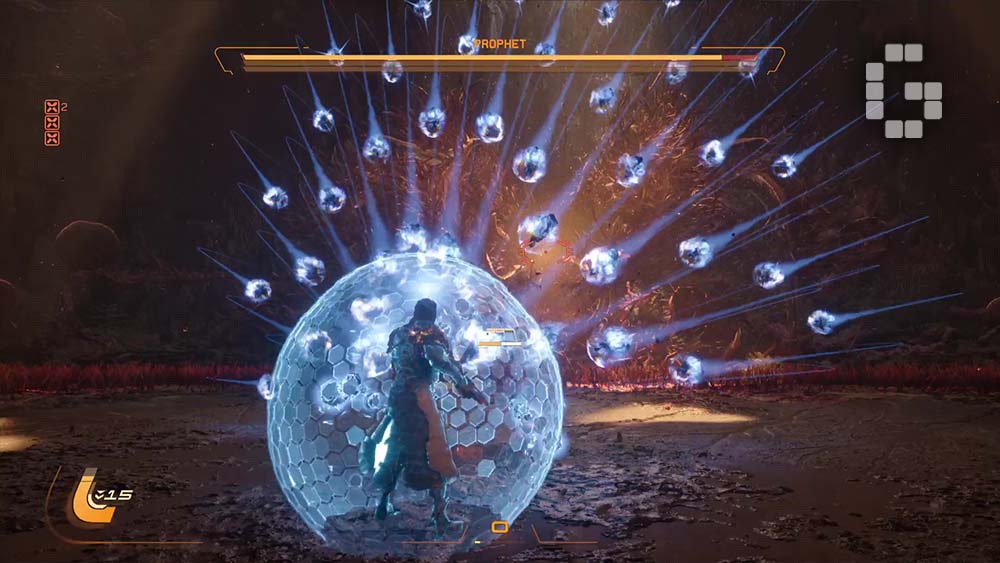
SAROS immediately establishes confidence in its combat systems. Individual cycles typically last between 20 and 30 minutes, creating a strong rhythm that encourages repeated runs without overstaying their welcome.
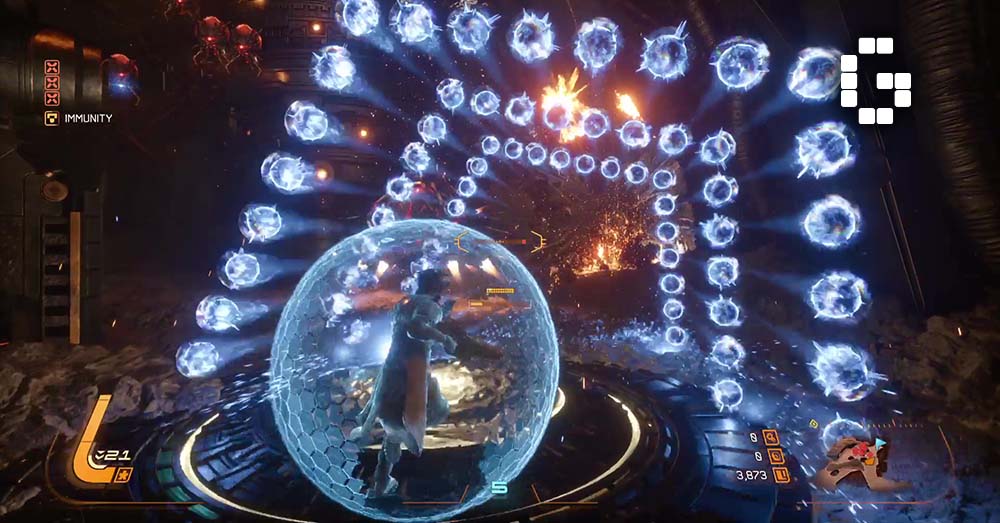
Core mechanics such as parrying, Perfect Reload timing, shield management, and dash mobility create a layered combat language that feels responsive and deliberate. Weapon handling is especially strong. Each category behaves differently enough to reward mastery over time.
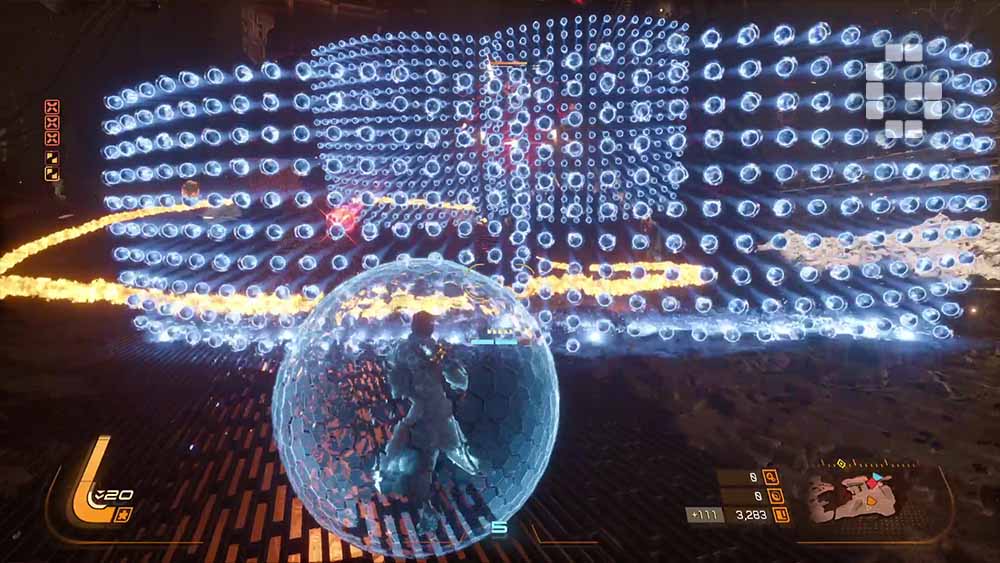
However, when viewed through the lens of roguelite design, SAROS plays things more cautiously. Character growth leans heavily toward statistical progression rather than expressive builds. Run-to-run variation is present, but narrower than the genre’s strongest examples. Ultimately, SAROS feels like a shooter first and a roguelite second.
Exploration and Cycle Structure
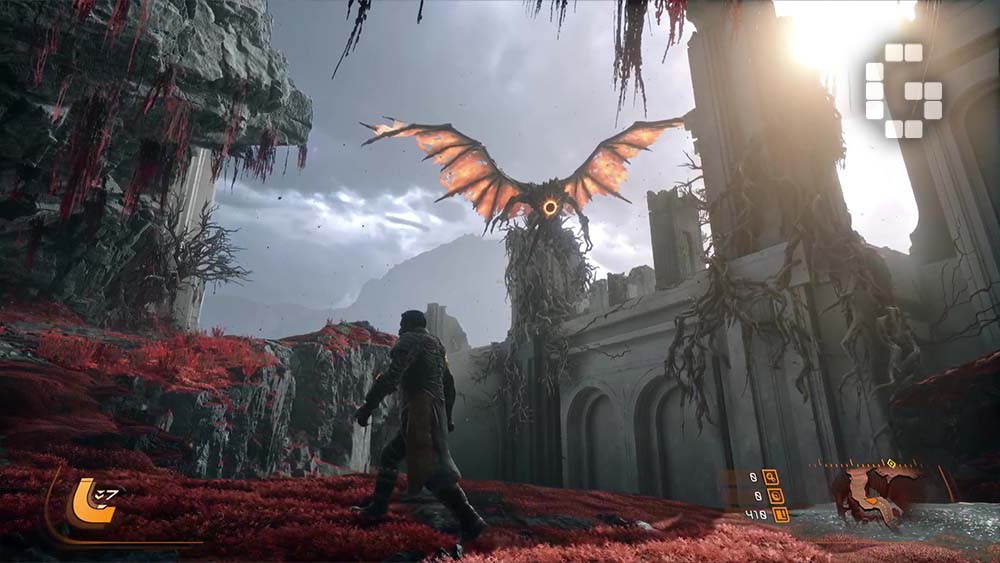
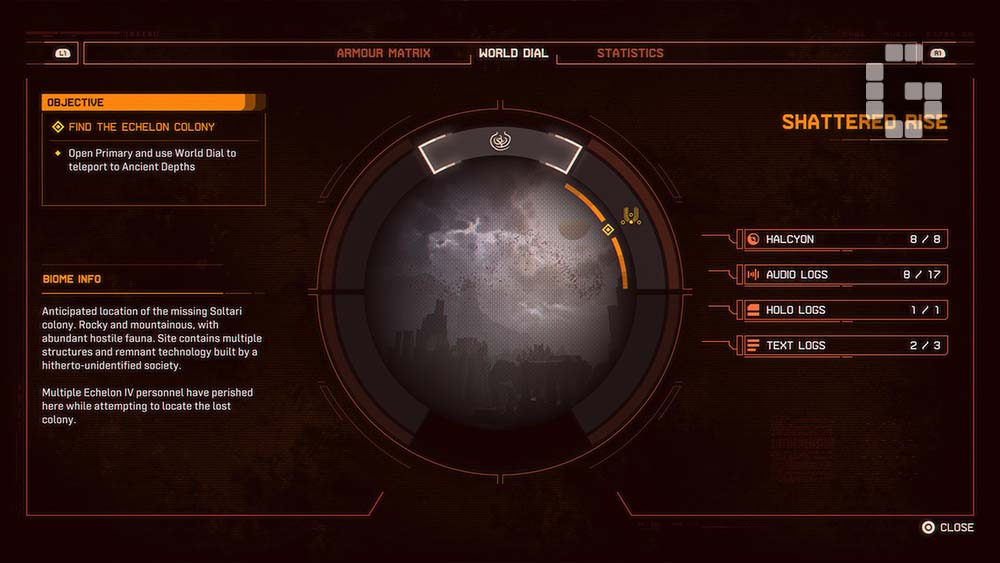
Each run begins at the Passage hub, where Arjun uses the Primary AI’s World Dial to select a biome. While individual areas are rearranged between cycles, their underlying layouts remain fixed.
Containers scattered throughout the map provide weapons, Aether, and Halcyon. Some containers require keys, introducing a subtle but meaningful layer of resource prioritisation during exploration.
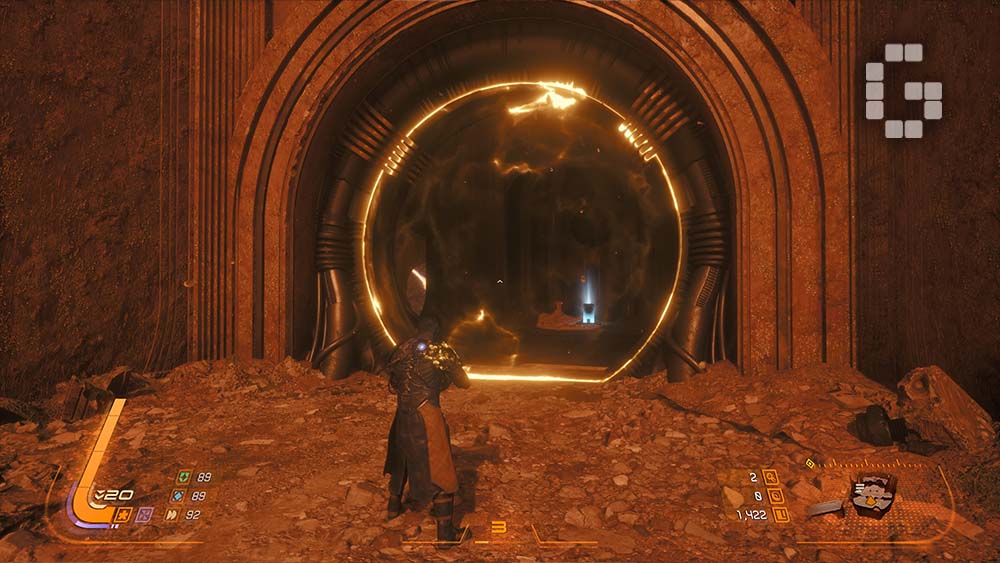
Dungeon flow splits between primary objective routes and optional detours that lead toward additional rewards. This structure works well. Players can choose when to push forward and when to take risks for stronger upgrades.
At the end of every cycle waits a Dominant boss encounter. These fights represent some of the strongest design moments in SAROS. Prophet confines players to a tight arena that requires clearing surrounding flora to expose its core. Bastion, meanwhile, emphasises movement through jump-network traversal. Each encounter escalates through multiple phases, maintaining pressure until the final moments.
Weapons — Distinct Tools With Clear Roles
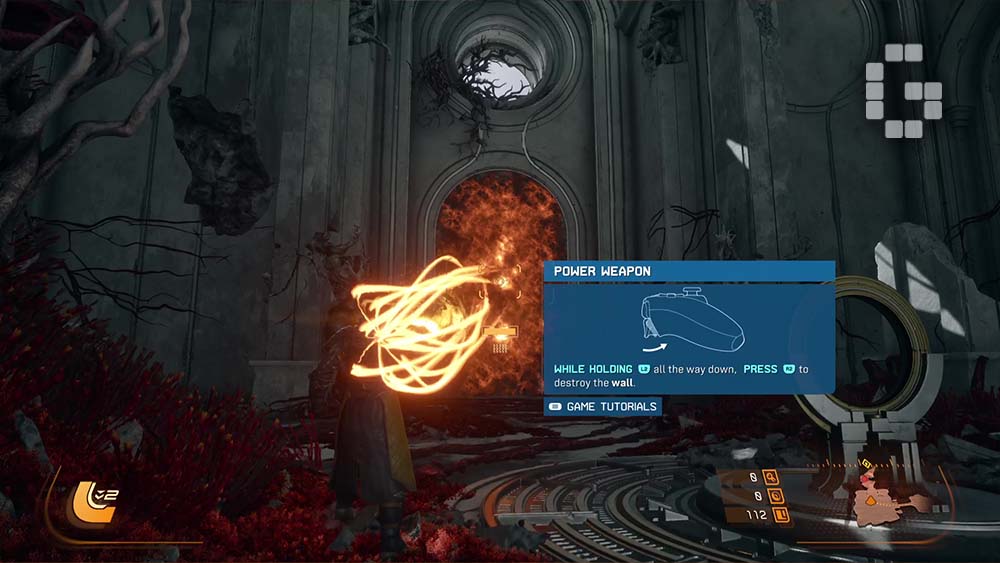
SAROS features five primary weapon categories: Handcannon, Rifle, Shotgun, Crossbow, and Chakrams.
The Handcannon serves as a reliable all-purpose option. It remains consistent and forgiving throughout most encounters. The Shotgun, by contrast, encourages aggressive positioning. Close-range staggers followed by melee executions create a satisfying combat loop once players commit to its rhythm.
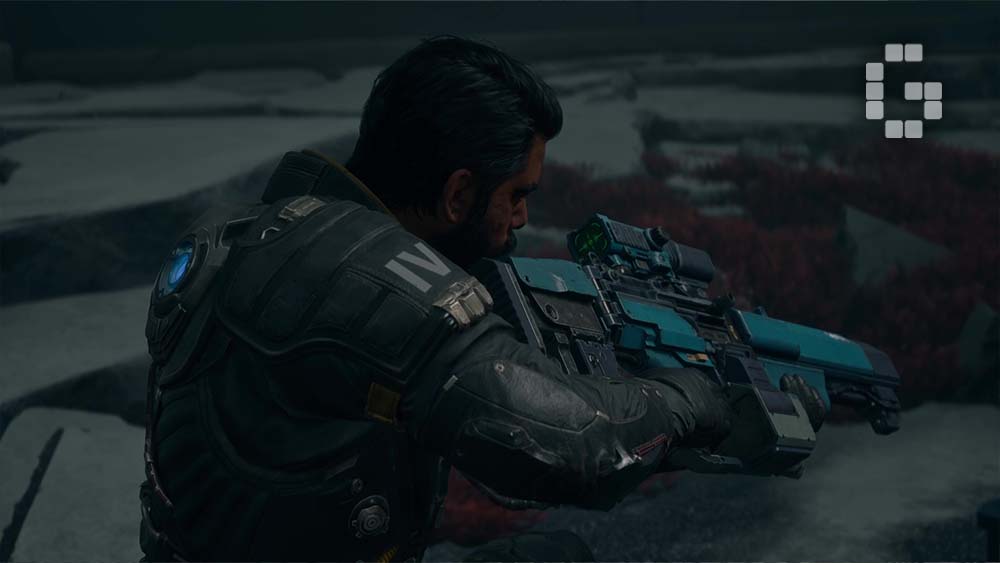
Rifles and Crossbows excel in sustained ranged encounters, particularly during boss fights where positioning becomes critical. Meanwhile, variant rolls and Alt-Fire abilities ensure that even weapons within the same category can feel different across runs.
Power weapons such as Prominence, Dispiritor, Nova Lance, and Illumine expand the tactical toolkit further. Some specialise in area denial, while others reward precision targeting. Learning when to deploy each option often determines whether a cycle succeeds or collapses.
Combat Systems — Risk, Momentum, and Survival
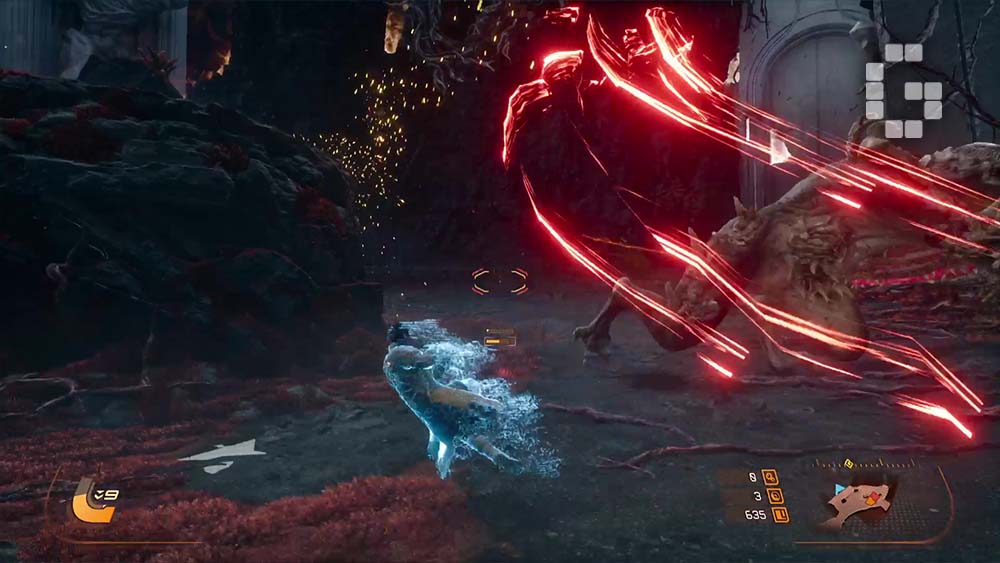
Adrenaline functions as the central risk-reward mechanic. Collecting Lucenite during combat increases Adrenaline stacks up to five levels, each granting passive bonuses. Taking damage resets the chain instantly. The system rewards clean play without demanding perfection.
Proficiency acts as both progression pacing and weapon gating. As Lucenite increases Proficiency during a run, higher-tier weapons begin appearing. This creates a natural escalation curve, though it also means early weapons quickly become obsolete.
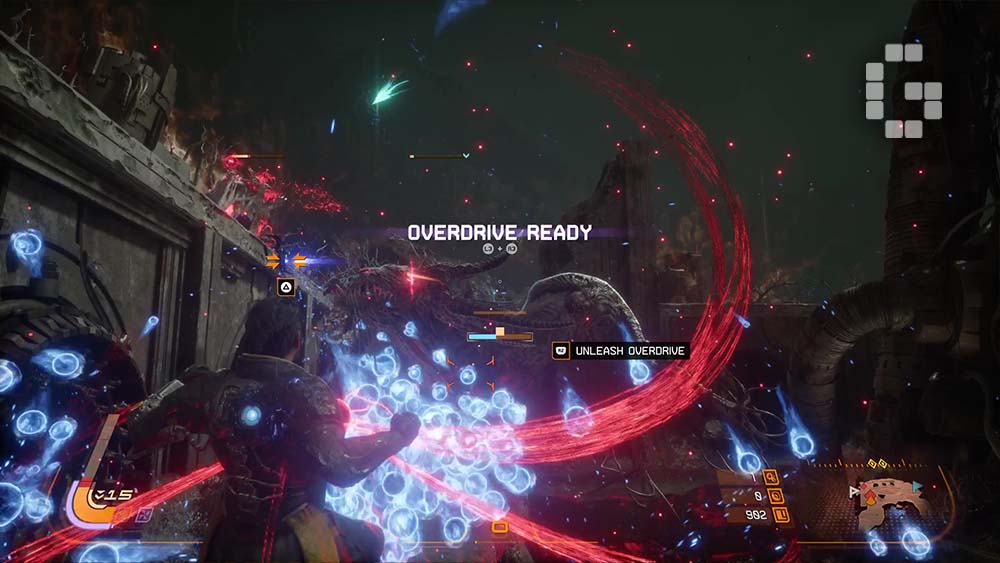
Overdrive builds through combat activity and releases as a high-damage area-of-effect burst. It works reliably as an emergency tool during crowded encounters.
Second Chance appears early in the skill tree and is extremely valuable. Since health regeneration relies almost entirely on Aether pickups, surviving a single fatal mistake can reshape an entire run’s outcome.
The Eclipse System — A Structured Difficulty Shift
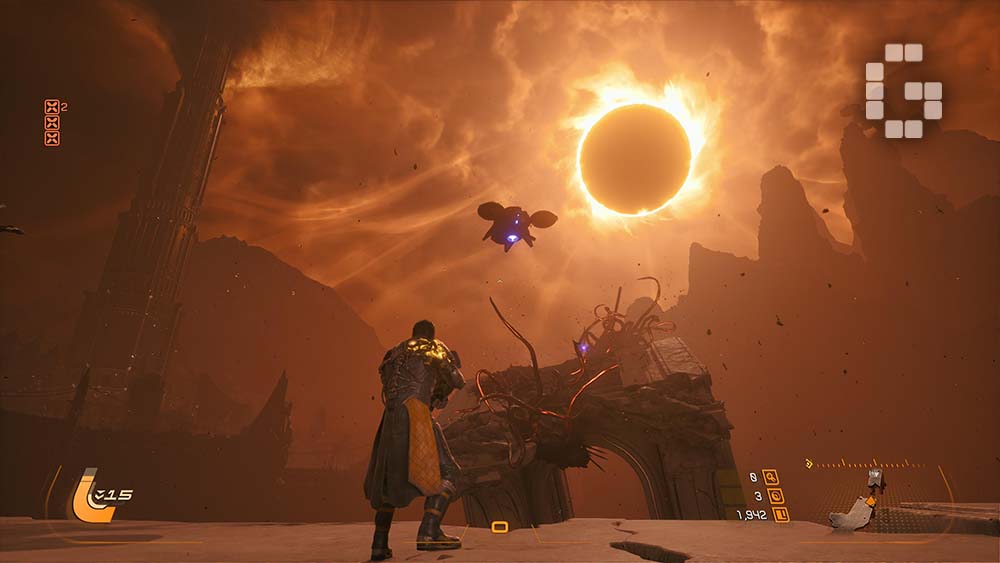
The Eclipse system stands at the centre of SAROS’s identity. In its inactive state, environments remain bright and readable. Enemy attacks rely primarily on shield-absorbable blue projectiles, and overall threat levels stay manageable.
Activating Eclipse dramatically changes the tone. Visual palettes darken. Enemies begin using Corruption projectiles that damage Armour Integrity instead of feeding shield absorption. Players must now identify rare absorbable attacks to generate energy before cleansing corruption with Power weapons.
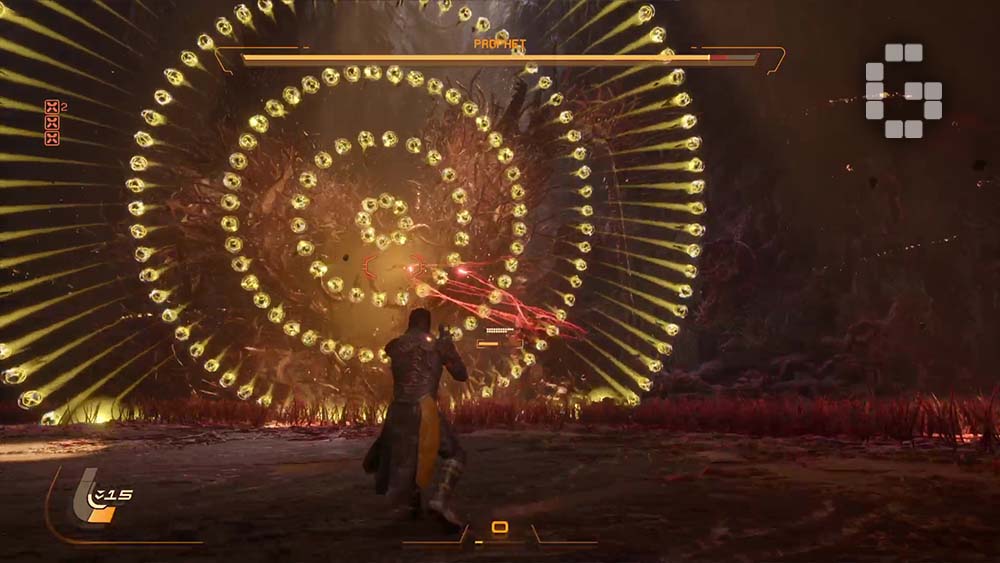
While the tension this creates feels genuine, player freedom is more limited than expected. Many levels require Eclipse activation at fixed points, and numerous valuable resources remain locked behind its use. As a result, Eclipse functions less like a flexible risk-reward toggle and more like a structured difficulty layer.
However, the Modifiers system partially offsets this by allowing players to remove Corruption effects from certain artefacts.
Nightmare Strand — High Risk, High Reward
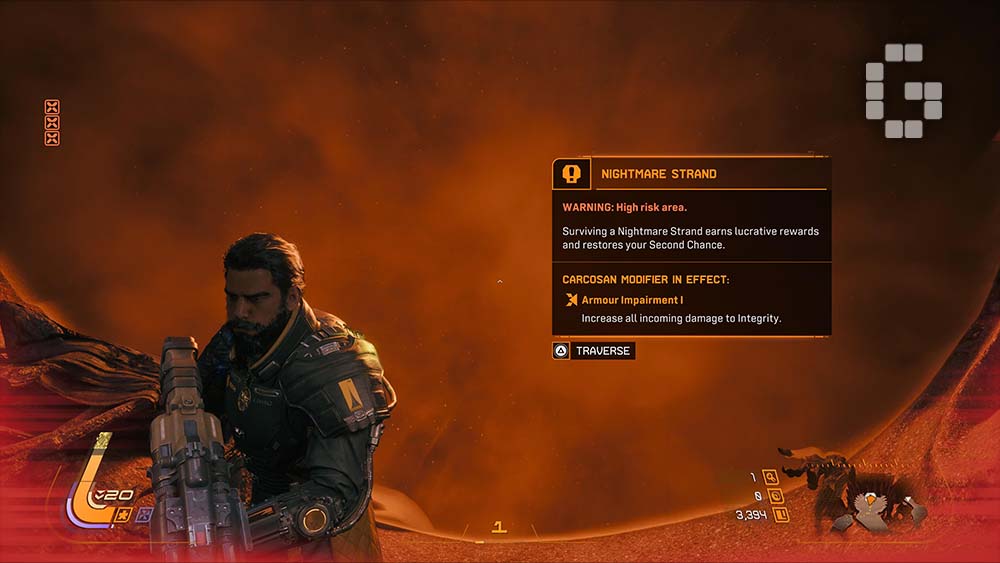
Nightmare Strand becomes available only while Eclipse is active. This optional arena challenge throws three consecutive enemy waves at players in exchange for valuable rewards.
Most importantly, clearing the arena restores Second Chance. Because failure costs resources, choosing whether to attempt Nightmare Strand becomes one of the most meaningful decisions within each cycle.
Carcosan Modifiers — A Flexible Difficulty Framework
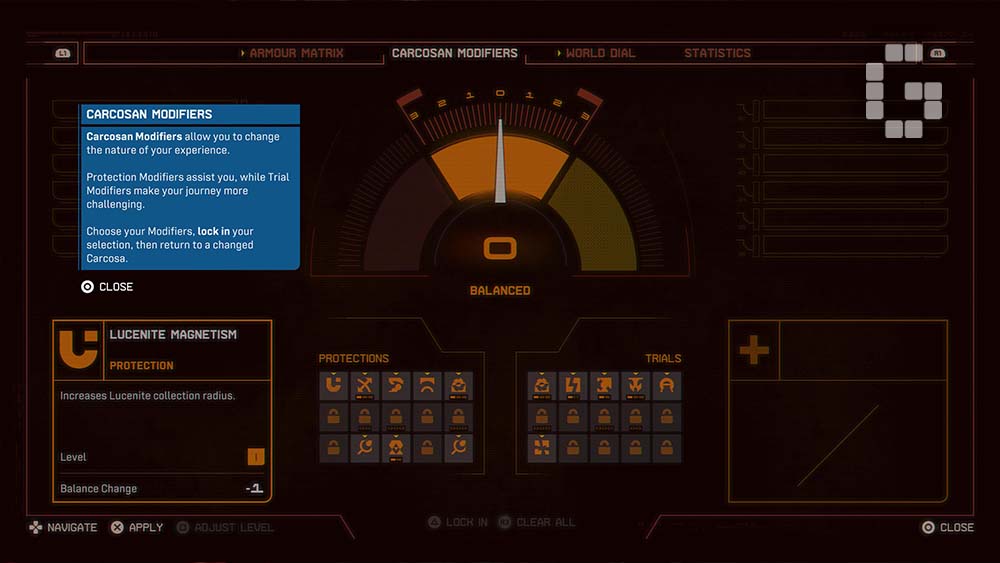
The Carcosan Modifiers system stands out as one of SAROS’s strongest design features.
Players can select up to six Protection modifiers and six Trial modifiers, each carrying point values. The total must remain within a narrow balance range. This prevents stacking only advantages without accepting drawbacks.
Because the modifiers adjust variables such as damage output, incoming damage, and corruption rates, they allow players to tailor difficulty to their preferred experience. They also serve as a tool for managing corrupted artefact penalties.
With careful configuration, the system can significantly lower challenge levels. That flexibility benefits accessibility, though players seeking consistent difficulty may want to exercise restraint.
Roguelite Systems — A Framework Still Taking Shape
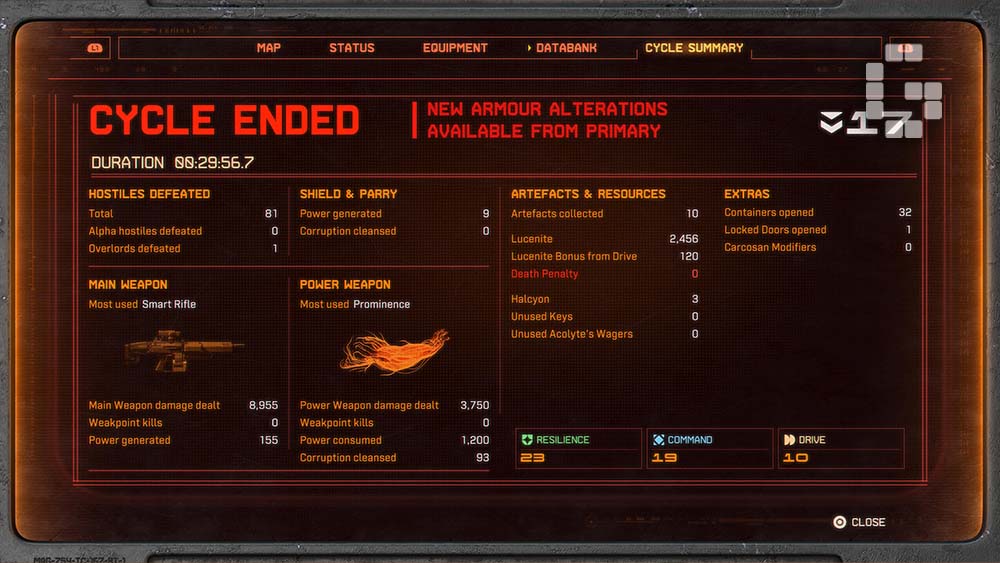
SAROS includes many familiar roguelite structures. Artefacts provide passive bonuses and situational abilities that encourage different playstyles. Occasionally, players must choose between taking a weapon upgrade or selecting an artefact instead.
Despite this framework, meaningful build identity rarely fully materialises. Artefact slots fill slowly. Corrupted artefacts often introduce drawbacks that outweigh their advantages unless mitigated through modifiers. As a result, the density of decision-making per cycle feels lighter than genre leaders.
Level repetition compounds this issue. Because biome layouts remain largely fixed, returning to the same zones multiple times reveals structural familiarity quickly. Additionally, some areas remain inaccessible until later upgrades unlock traversal abilities. Encountering unreachable rewards repeatedly interrupts momentum.
Character Progression — The Armour Matrix Loop
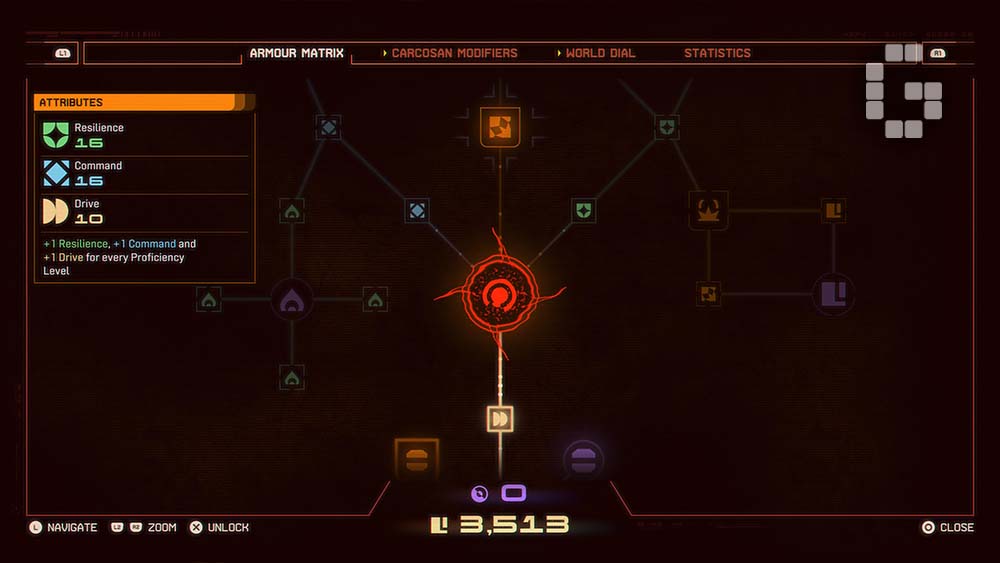
Permanent progression revolves around the Armour Matrix skill tree.
Lucenite fuels upgrades across three primary stat categories: Resilience increases survivability, Command boosts damage output, and Drive improves resource acquisition efficiency. Additional upgrades expand artefact capacity, increase starting resources, and unlock higher Proficiency baselines.
Halcyon unlocks certain higher-tier improvements, adding another long-term progression layer. The loop works well. Returning from failed runs slightly stronger each time creates a steady forward push.
Verdict — A Strong Shooter With Room to Grow

SAROS is a confident action title built on excellent combat fundamentals. Its weapons feel distinct, its boss encounters leave a strong impression, and its 20–30 minute cycle structure keeps the pacing tight and engaging throughout each run.
That said, its roguelite framework still trails behind its shooting mechanics. Build variety remains somewhat limited, biome repetition becomes noticeable after several cycles, and the Eclipse system occasionally suggests more player agency than it ultimately provides.
Even so, the foundation is clearly strong. Housemarque has laid out a clear direction for what the game can become, and with further iteration, SAROS has the potential to grow into a standout entry in the genre. It’s especially easy to recommend for players who enjoy precise action shooters, structured challenge loops, and steady long-term progression systems.





The Review
PROS
- Solid combat feel with distinct weapon identities
- Well-paced 20–30 minute run structure
- Eclipse system introduces noticeable difficulty variation
- Carcosan Modifiers offer highly flexible difficulty customization
CONS
- Roguelike elements feel relatively underdeveloped
- Level repetition becomes noticeable over time