





![[EXCLUSIVE] Dragon’s Dogma 2: Dark Arisen Team Opens Up About the Expansion’s Name, New Norgan Region, and Performance Goals](https://cdn.gamerbraves.com/2026/07/Dragons-Dogma-2-Dark-Arisen_Interview_FI-360x180.jpg)




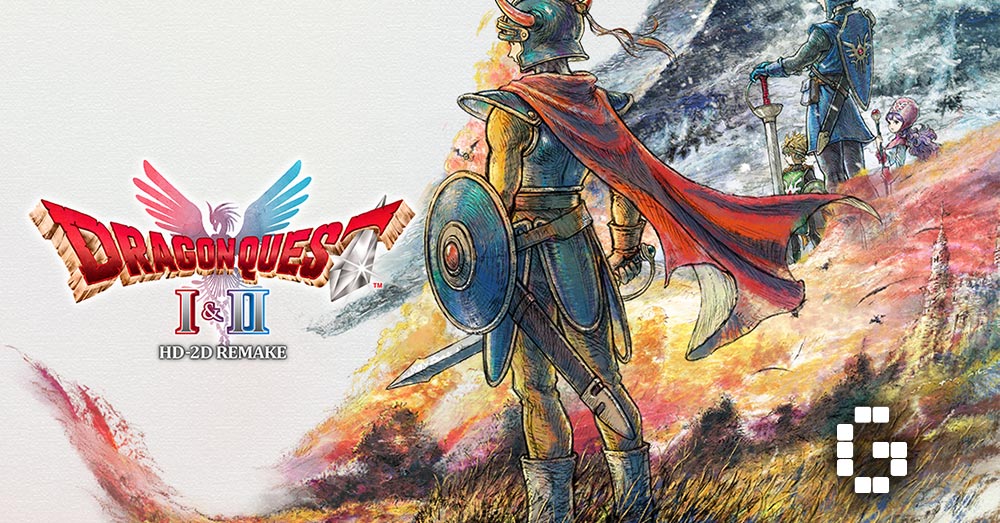
Nearly four decades after their original release, Dragon Quest I and II return in stunning HD-2D form, proving that classic adventures can feel fresh without losing their soul. This remake doesn’t try to reinvent what made these games special—instead, it carefully updates the experience for modern players while keeping the heart of the originals intact. Whether you’re a longtime fan curious about revisiting these foundational RPGs or a newcomer wondering what started it all, this collection offers a charming glimpse into Dragon Quest’s roots, complete with expanded content, quality-of-life improvements, and that timeless sense of adventure.
Two Classic Stories, Reimagined
Dragon Quest I keeps things simple and straightforward. You play as a lone hero who must prove yourself worthy before setting off to rescue a princess from the Dragonlord. The journey requires collecting three keys to reach his castle, and unlike the original version, some of these keys can now be purchased from stores—a change that fits naturally into the game’s flow.
The remake includes redesigned areas and new events that weren’t in the original, giving returning players a few pleasant surprises along the way. Classic locations remain, like the town where you obtain the Faerie Flute, an essential early-game item. While the story isn’t particularly deep, it serves as a solid introduction to the series. You can play it before or after Dragon Quest II, though starting with the first game helps you catch more references later on.
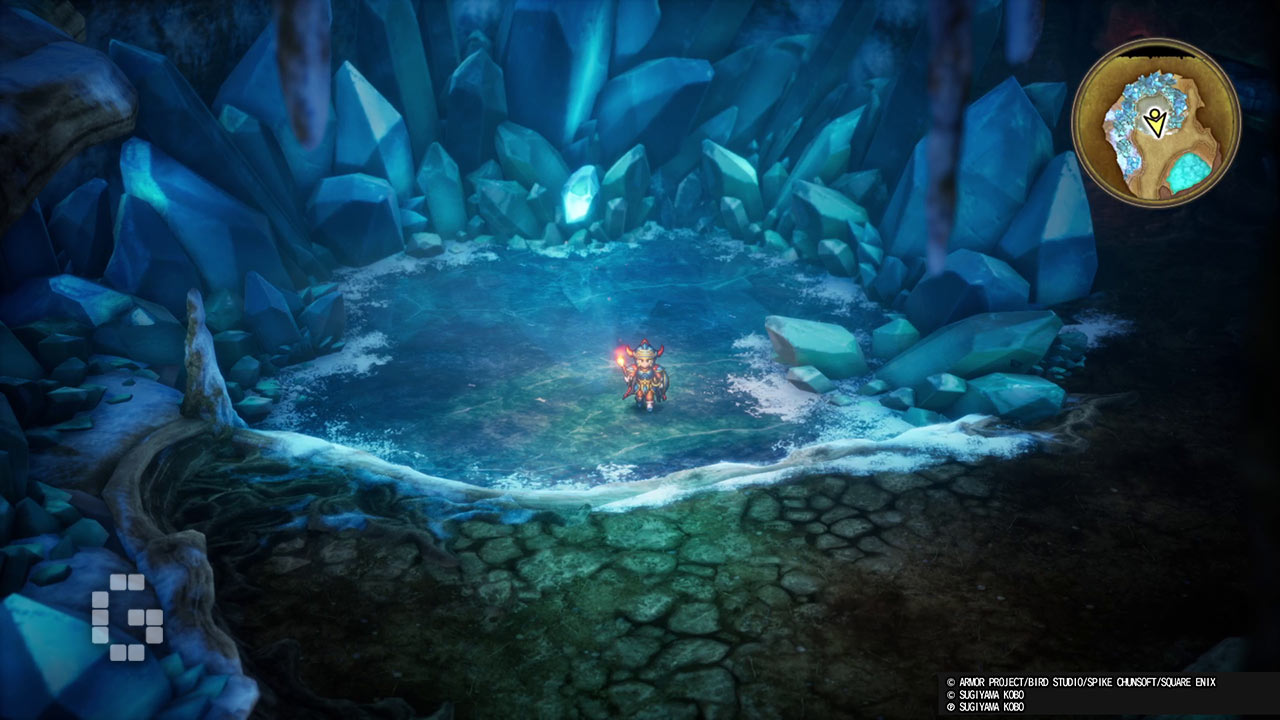
Dragon Quest II picks up after the first game’s events, in a world where peace has returned—until monsters suddenly attack Moonbrooke and destroy the kingdom. The opening hits much harder than the first game, visually showing the invasion and the king’s final effort to save his daughter, the kingdom’s sole survivor.
This time, you play as a prince from another kingdom who sets out to gather allies and rescue the princess. The story feels richer and more developed than the first game, with a larger world full of small regional stories that connect naturally to the main plot. The remake adds the Princess of Cannock as a fourth party member, giving her a much bigger role than in the original where she only appeared as an NPC.
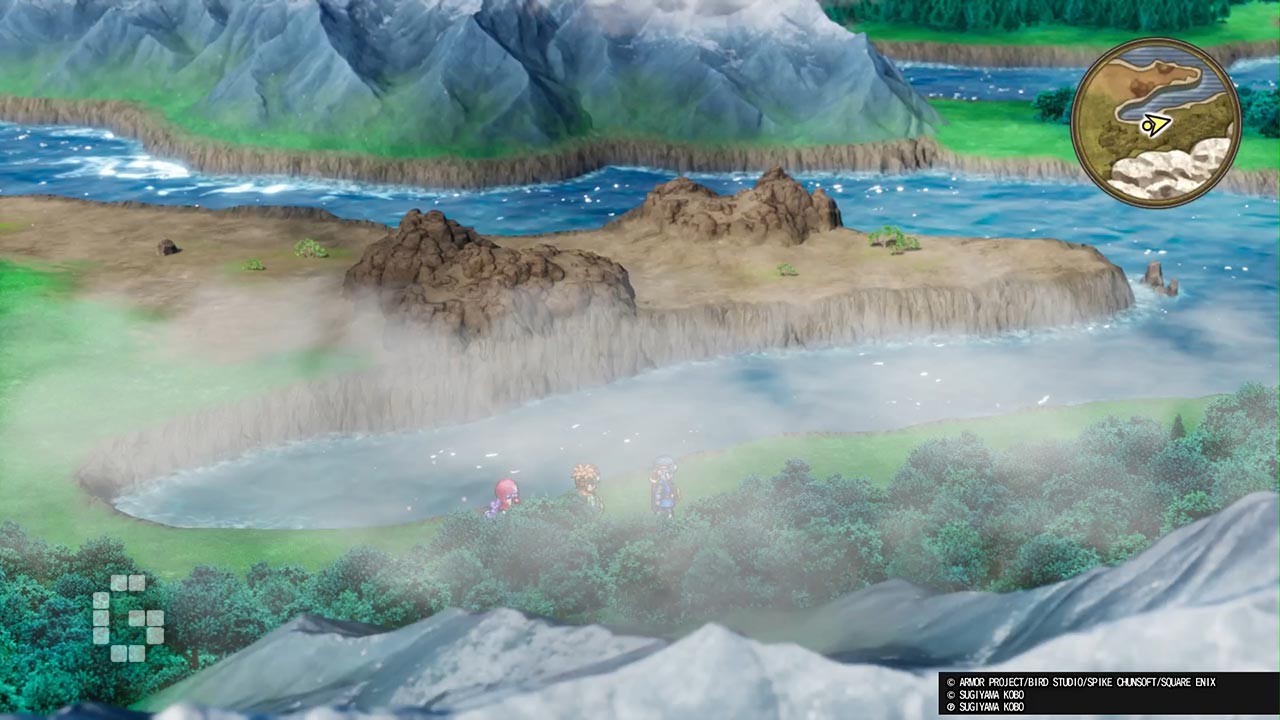
The expanded world includes new encounters and side events—meeting mysterious NPCs in unexpected places, discovering hidden areas, or triggering surprise cutscenes. However, the pacing can feel slow at times, and the addition of optional content sometimes leads to repetitive backtracking. Still, these details make the world feel alive and worth exploring.
Freedom to Explore
One of the most appealing aspects of both games is the freedom to explore almost anywhere, even areas not yet connected to the main quest. If you’re willing to take risks, you can venture into high-level regions early to find rare items or powerful weapons. It’s dangerous, but that balance between risk and reward makes exploration thrilling.
After completing main quests, revisiting areas often reveals something new—hidden events, secret storylines, or small details you missed before. Secret spots are scattered across the world map, some leading to fun events and others providing useful materials.
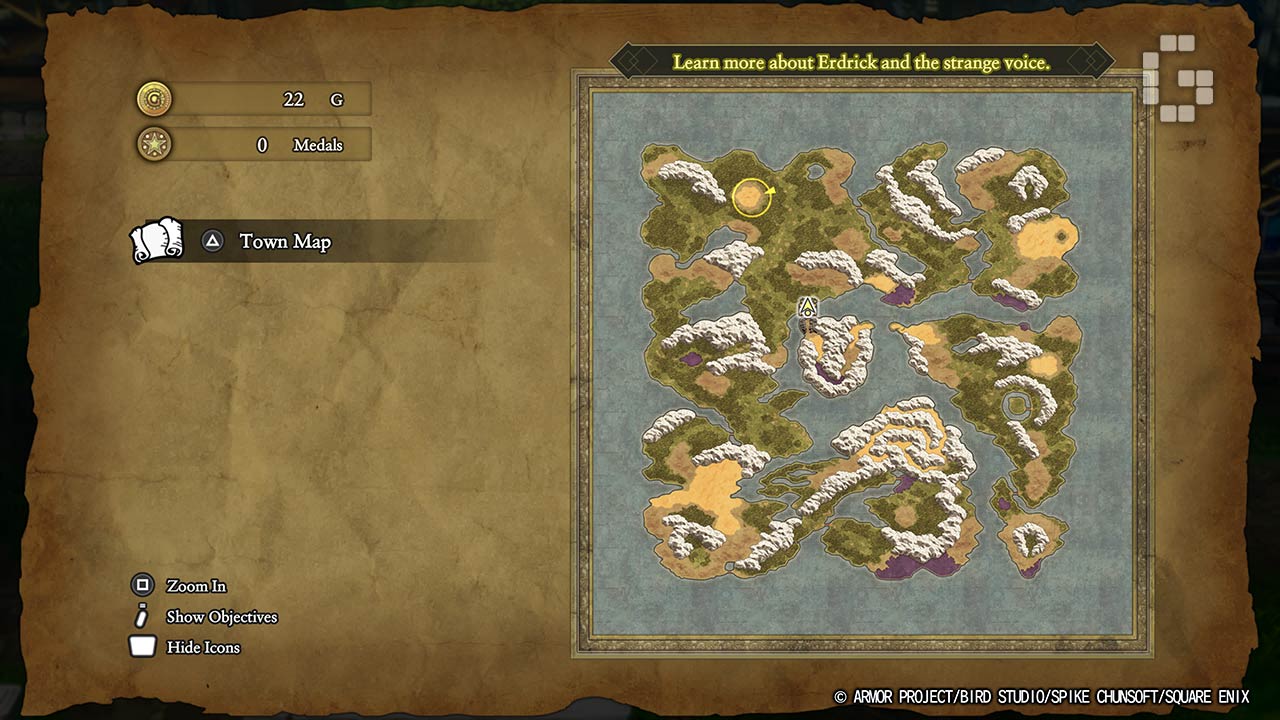
The open design occasionally lets you wander into regions with much stronger enemies, creating a natural difficulty wall that nudges you back to the intended path. This approach gives you freedom while still maintaining structure.
The Zoom spell plays a key role in getting around. In Dragon Quest I, you learn it around level 13, just like in the original. In Dragon Quest II, you gain access once a certain party member joins, allowing fast travel to previously visited towns. The second game’s map is much larger—the entire Dragon Quest I region now makes up just a small section of it. Once you unlock the ship at Rippleport midway through, the world truly opens up for sea exploration.
Classic Combat with Modern Conveniences
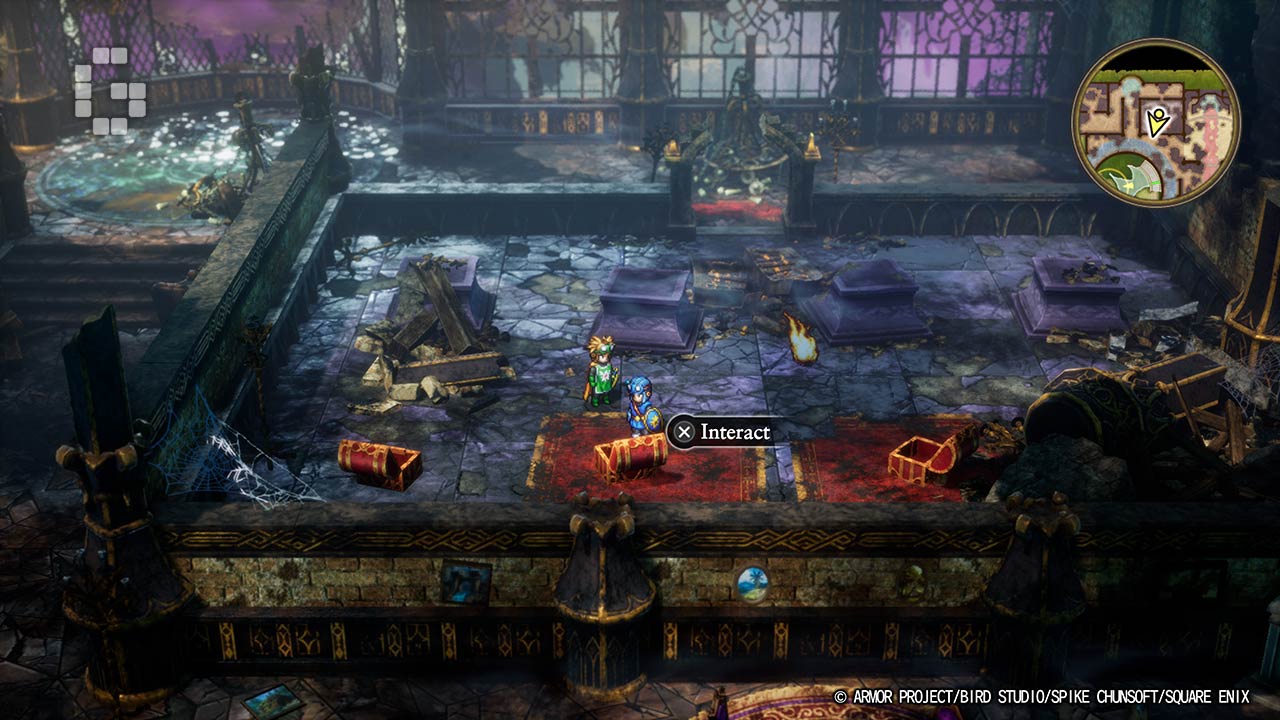
The battle system stays faithful to the original turn-based format. When facing multiple enemies, you attack one group at a time rather than targeting specific foes. This old-school approach might feel restrictive to newer players, but modern features like speed-up and auto-battle make the experience much smoother.
Dragon Quest I feels noticeably more challenging than Dragon Quest II, especially early on. The reason is simple: you adventure completely alone with no party members. Every encounter feels tense, and mistakes can quickly send you back to town. Dragon Quest II introduces a full team of companions, which balances the difficulty and adds tactical variety.
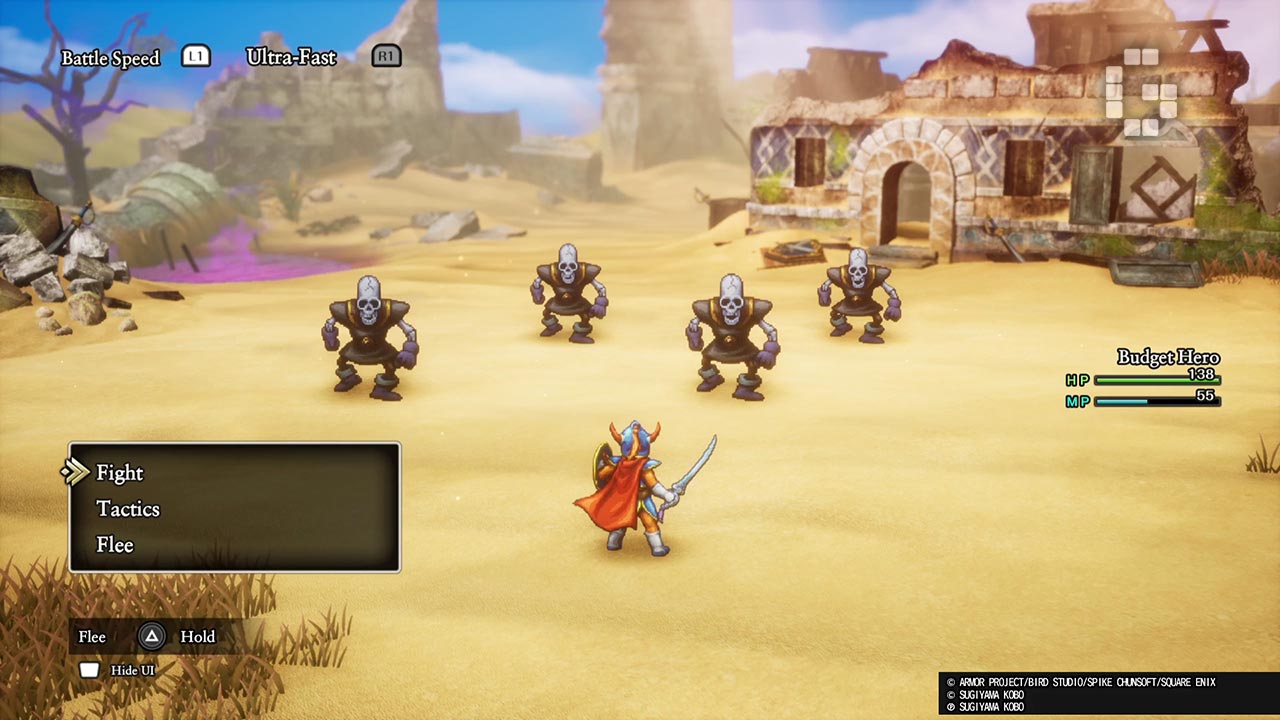
The HD-2D style gives battles a fresh visual look, though they’re quite similar to Dragon Quest III HD-2D Remake—understandable since all three titles share the same development framework.
Party composition differs significantly between the games. Unlike Dragon Quest III, where you can freely create your own team, Dragon Quest I limits you to a single hero, while Dragon Quest II features preset story characters. You can only rename your characters, and there’s no deep job system. This structure keeps the focus on the narrative journey rather than customization. Instead of managing a group of adventurers, you’re following the destined heroes on their personal quests.
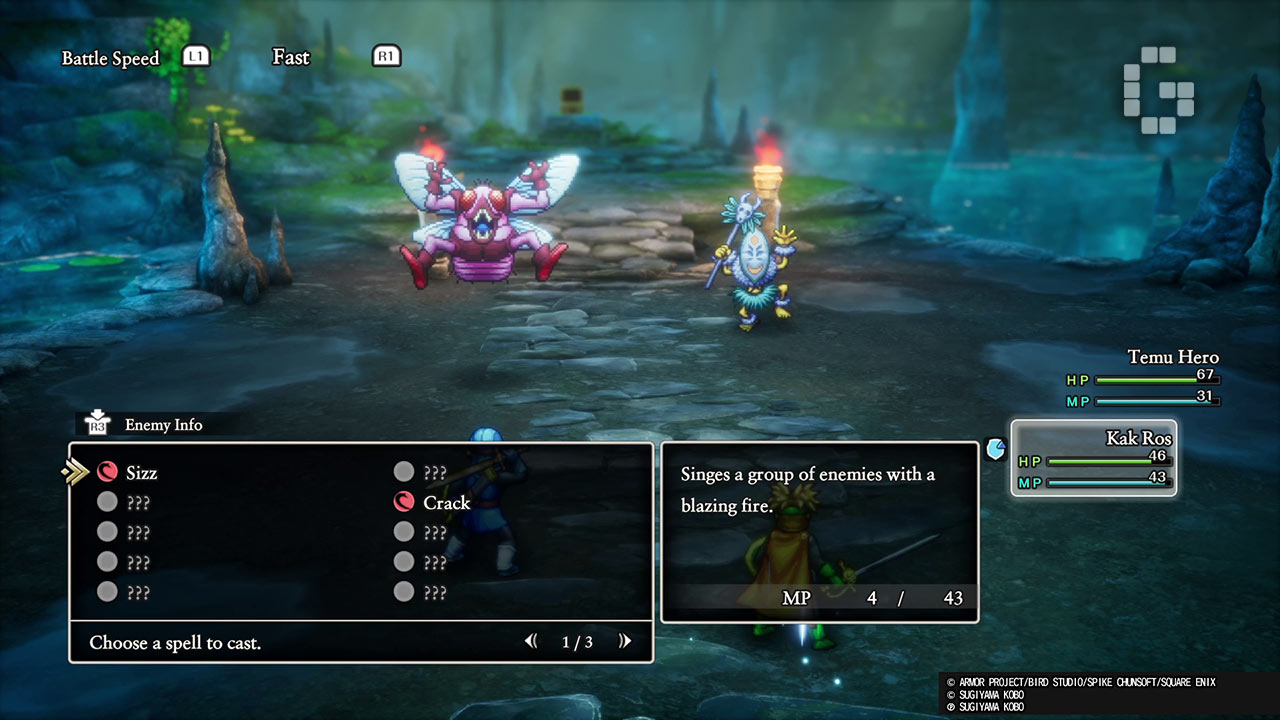
The combat might not reinvent anything, but it balances nostalgia and modern convenience well. The combination of classic turn-based battles with quality-of-life features makes fights feel smoother without losing their old-school charm. While it lacks the deep customization of Dragon Quest III, the focus on story and teamwork works well—simple, fast, and satisfying.
A Stunning Visual and Audio Upgrade
The HD-2D technology brings these nearly 39-year-old classics back to life in stunning form. For players who never experienced or finished the originals, this remake bridges the past and present, keeping the same story and nostalgic feel while presenting it with a beautiful new look.
Like the Dragon Quest III remake, certain cutscenes now include voiceovers, which help build emotional moments and make the story feel more alive. Even though the main hero remains silent, supporting characters and party members express emotion and personality through dialogue and voice acting.
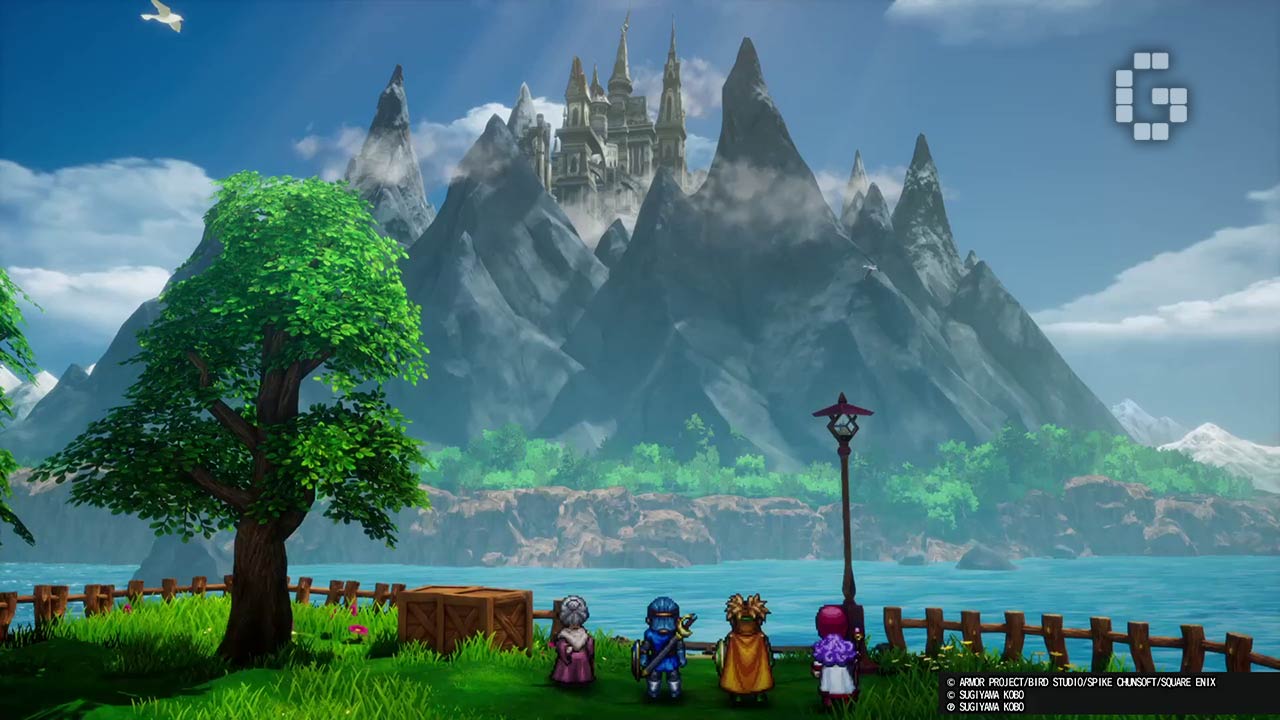
However, the remake shares an issue with Dragon Quest III HD-2D: while characters move naturally during cutscenes, battles remain static. After performing an attack or casting a spell, the camera simply focuses on the enemies. It’s faithful to the old-school style, but a toggle between classic and modern battle animations would have been welcome.
The music is outstanding. Dragon Quest has always been known for its legendary soundtrack, and this remake delivers. Whether battling monsters, exploring fields, or watching emotional scenes, the music enhances every moment and keeps you immersed in the adventure.
Verdict
The Dragon Quest I & II HD-2D Remake is more than just a visual upgrade—it’s a respectful celebration of the series’ origins. Both games retain their classic turn-based roots while introducing improvements that make them accessible to modern players. The HD-2D art style beautifully reimagines the old 8-bit world, and the added voiceovers breathe new life into familiar scenes.
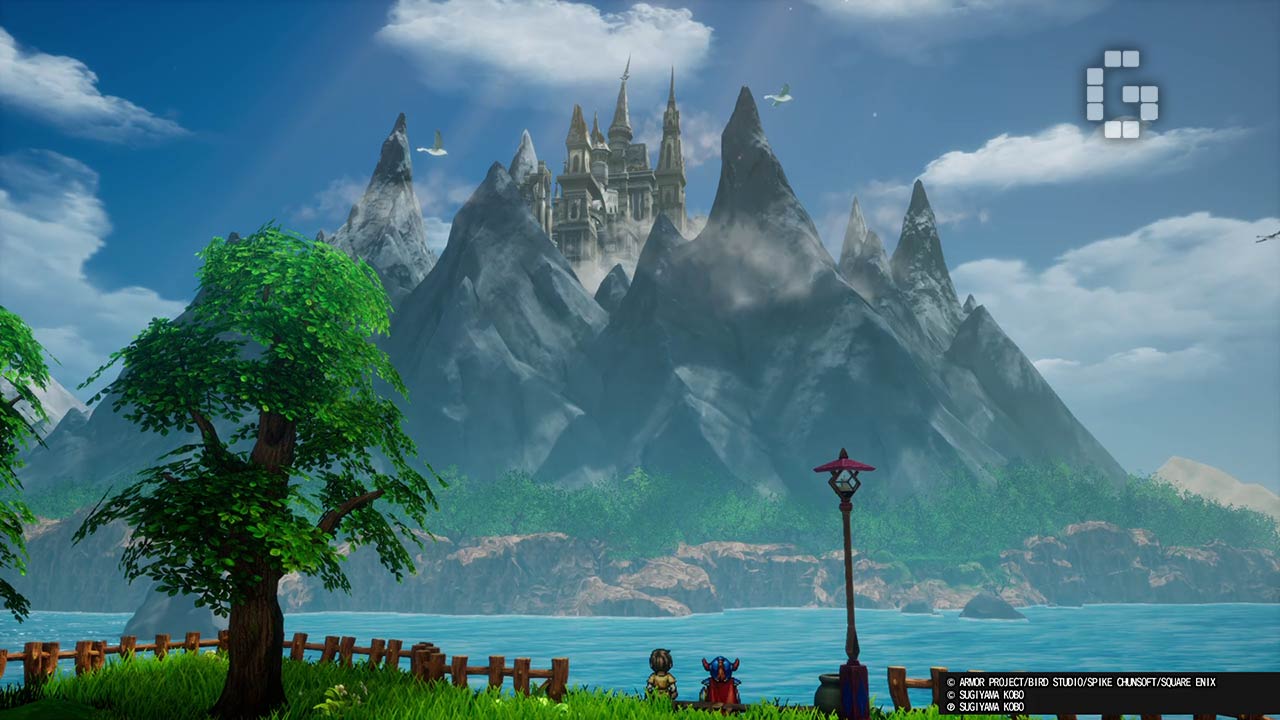
Dragon Quest I offers a straightforward, nostalgic journey focused on solo heroism, while Dragon Quest II expands the formula with a richer world, multiple party members, and a more emotional storyline. The sense of freedom in exploration, combined with the balance of risk and reward, keeps the adventure engaging throughout.
Even though battle animations remain static and some elements feel conservative compared to Dragon Quest III, the remake captures the timeless charm that made these games legendary. It’s a faithful remake that bridges the past and present—not trying to reinvent the classics, but reminding us why they’re beloved in the first place.
Reviewed on PS5



The Review
DRAGON QUEST I & II HD-2D Remake
PROS
- Gorgeous HD-2D visuals that perfectly blend nostalgia and modern presentation.
- Faithful adaptation of the original stories with subtle new events and reworked areas.
- Beautifully remastered orchestral soundtrack that perfectly balances nostalgia and modern quality, enhancing every moment from exploration to battle
- There’s a strong sense of freedom and exploration, especially in Dragon Quest II, which greatly expands upon the world of the Dragon Quest I game.
CONS
- Excessively grind-heavy, with frequent backtracking and a strong focus on farming levels and buying equipment, which can make progression feel repetitive at times.