![[EXCLUSIVE] Dragon’s Dogma 2: Dark Arisen Team Opens Up About the Expansion’s Name, New Norgan Region, and Performance Goals](https://cdn.gamerbraves.com/2026/07/Dragons-Dogma-2-Dark-Arisen_Interview_FI-360x180.jpg)










Tales of Xillia Remastered brings the beloved PS3 JRPG to modern platforms, and the result is surprisingly refreshing. Originally part of a two-game storyline due to development constraints, this entry has always walked a fine line between feeling incomplete and delivering a solid Tales experience. Now remastered for current-generation consoles, it offers both returning fans and newcomers a chance to experience one of the franchise’s pivotal entries. We’ll examine what makes Tales of Xillia hold up so well today, from its innovative dual-protagonist system to its refined combat mechanics, while also looking at what the remaster brings to the table and whether it does enough to justify revisiting Rieze Maxia.
The Story and Dual Protagonist System
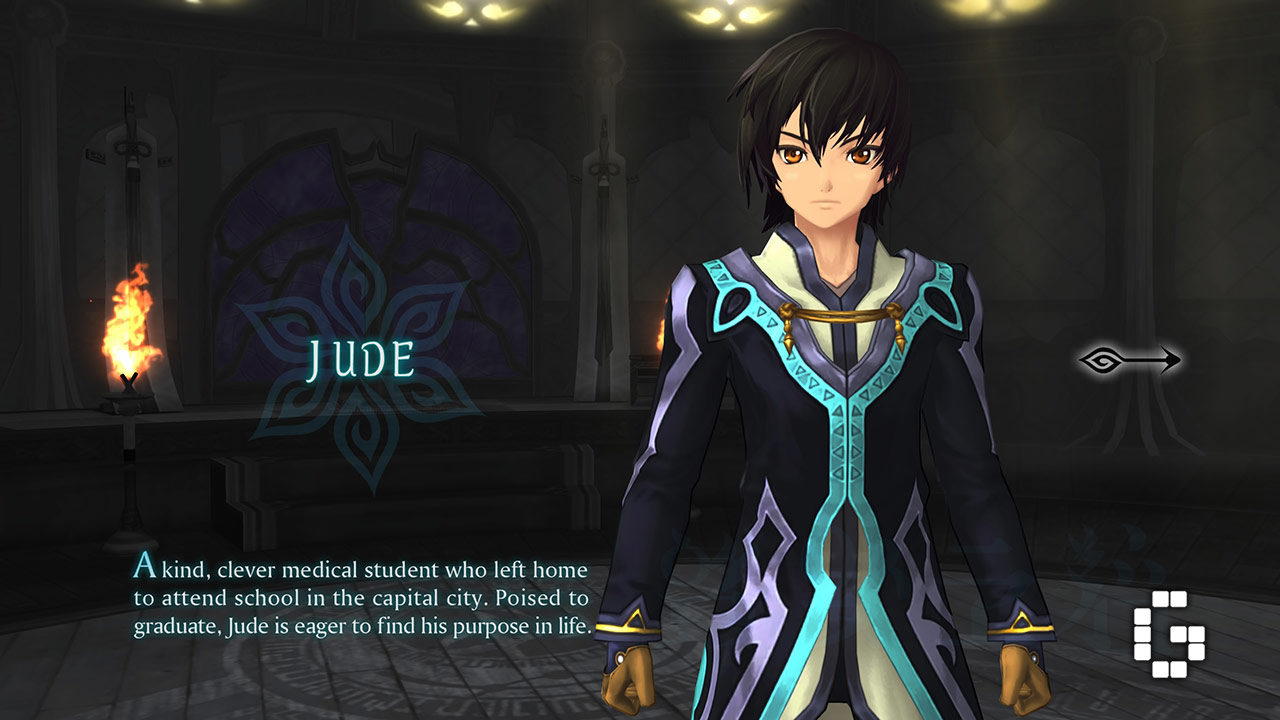
Tales of Xillia presents its narrative through two distinct perspectives: Jude Mathis, a medical student, and Milla Maxwell, the Lord of Spirits. These characters couldn’t be more different in background, but circumstances draw them together into a conspiracy between the kingdoms of Rashugal and Auj Oule that threatens their entire world. Players choose between Jude’s or Milla’s route from the beginning, which shapes how they experience the story.
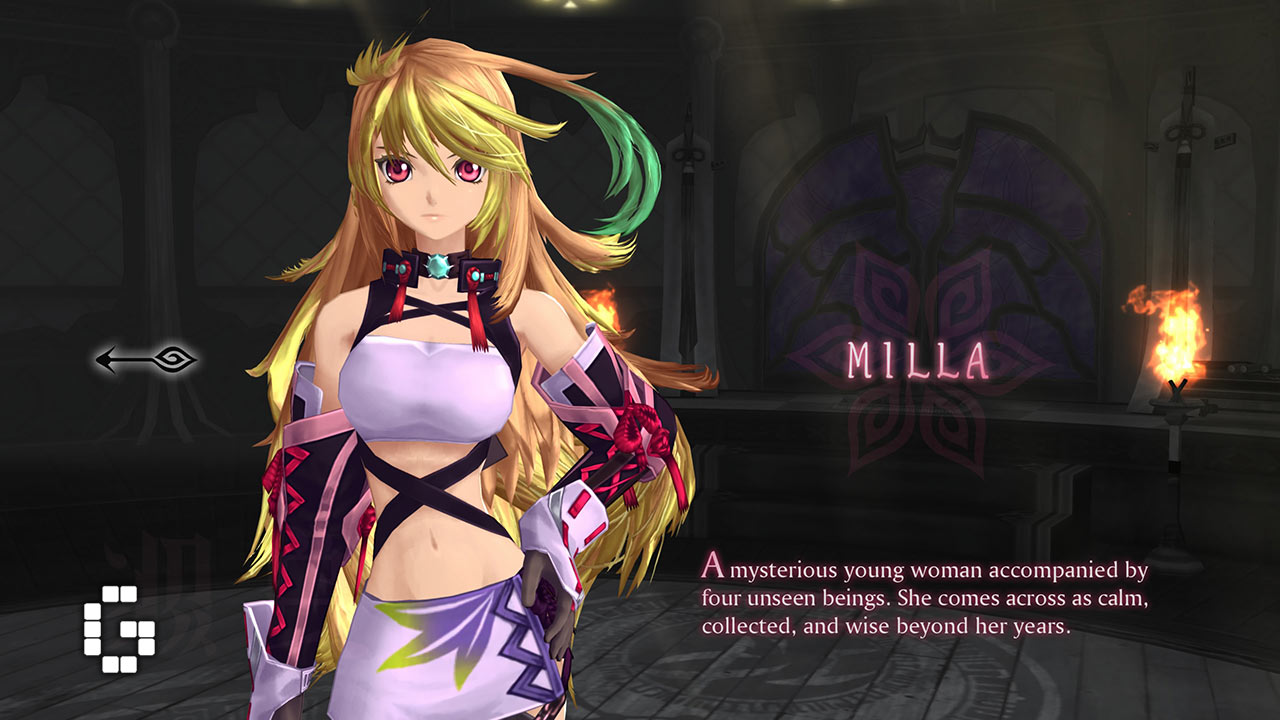
The dynamic between these two protagonists adds genuine depth to the narrative. Jude’s route feels more grounded since he approaches events as someone caught up in larger forces, while Milla’s perspective is mission-driven from the start, giving her greater awareness of what’s truly happening. For first-time players, Jude’s route works better as an introduction, with Milla’s route recommended for a second playthrough to fill in plot gaps. Since both characters travel together for most of the game, players won’t miss significant content regardless of their choice. This dual-protagonist approach remains one of the game’s standout features, especially since later Tales games haven’t revisited this format, and it provides strong motivation for replaying the story from a different angle.
Production Values That Still Impress
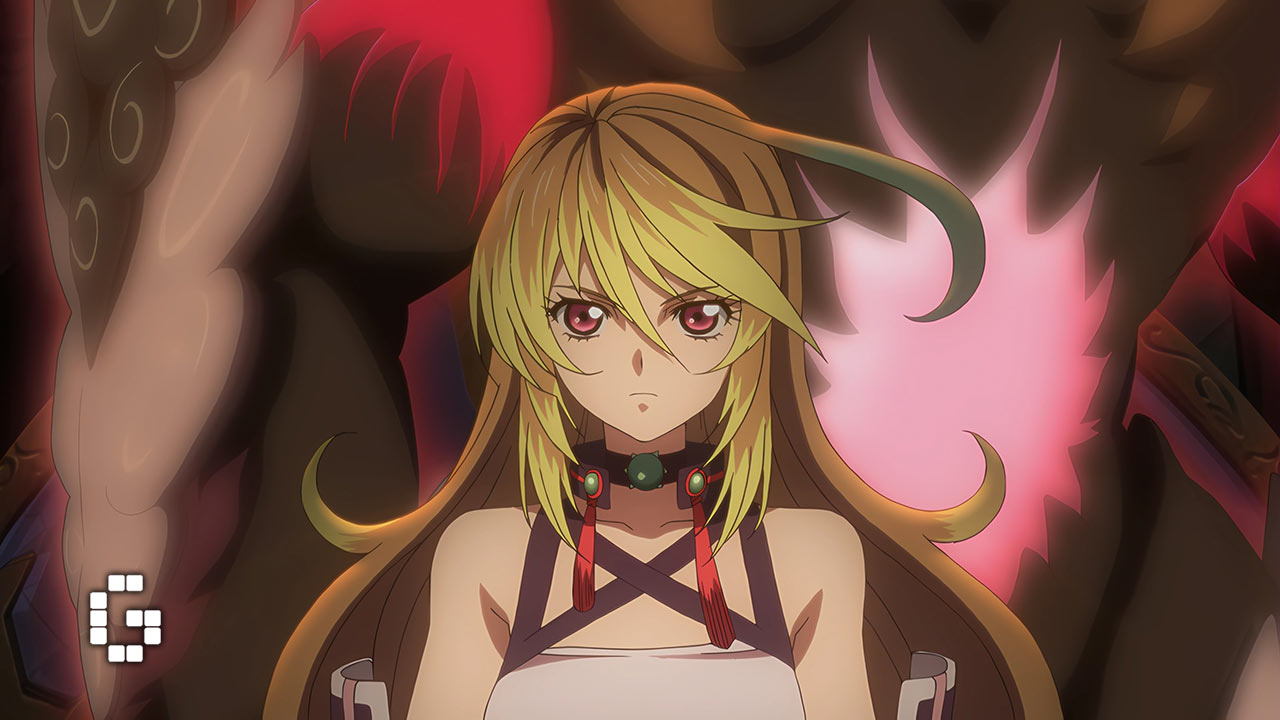
Despite initial concerns about the game feeling dated, Tales of Xillia Remastered holds up surprisingly well. The production value increase from previous entries remains evident, and this was the first Tales game where developers collaborated with ufotable for animation and the opening sequence. At that time, ufotable was gaining recognition for exceptional animation quality, and Tales of Xillia served as an early showcase of their capabilities.
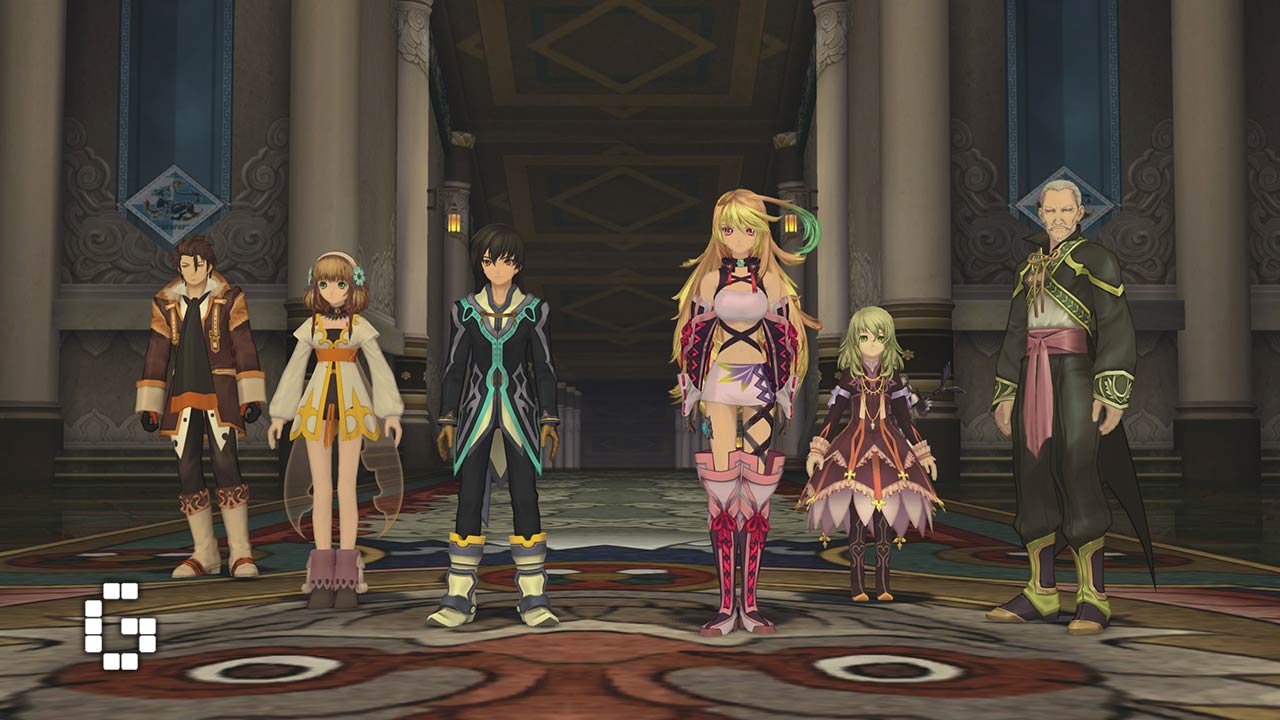
Visually, the game may look somewhat rough compared to later entries like Zestiria, Berseria, or Arise, but the remastered version provides clear improvements. Character models appear more detailed, and enhanced contrast and color palette make the world feel livelier. Iconic locations like Fennmont look more beautiful than ever. The game was already designed with proportions and aesthetics similar to modern Tales entries, which helps it feel less outdated than expected.
Combat System and Gameplay
Gameplay remains a major focus for Tales fans, and Tales of Xillia doesn’t disappoint. The game introduced the Dual Raid Linear Motion Battle System, which emphasizes teamwork by allowing two characters to pair up as a duo to maximize combat potential. Linking characters provides passive support effects and fills the Linked Artes Gauge, unlocking powerful Linked Artes skills. Since this mechanic is essential, players will use it constantly throughout battles.
The system creates strategic possibilities while preserving each character’s unique strengths. Jude, for example, features Snap Pivot, considered one of the franchise’s best combat maneuvers, and can use support abilities like healing despite being primarily a melee damage dealer—something that fits his background as a medical student. While the combat system doesn’t change drastically as players progress, mastering the mechanics happens fairly quickly, with the rest depending on experimentation and unlocking new skills.
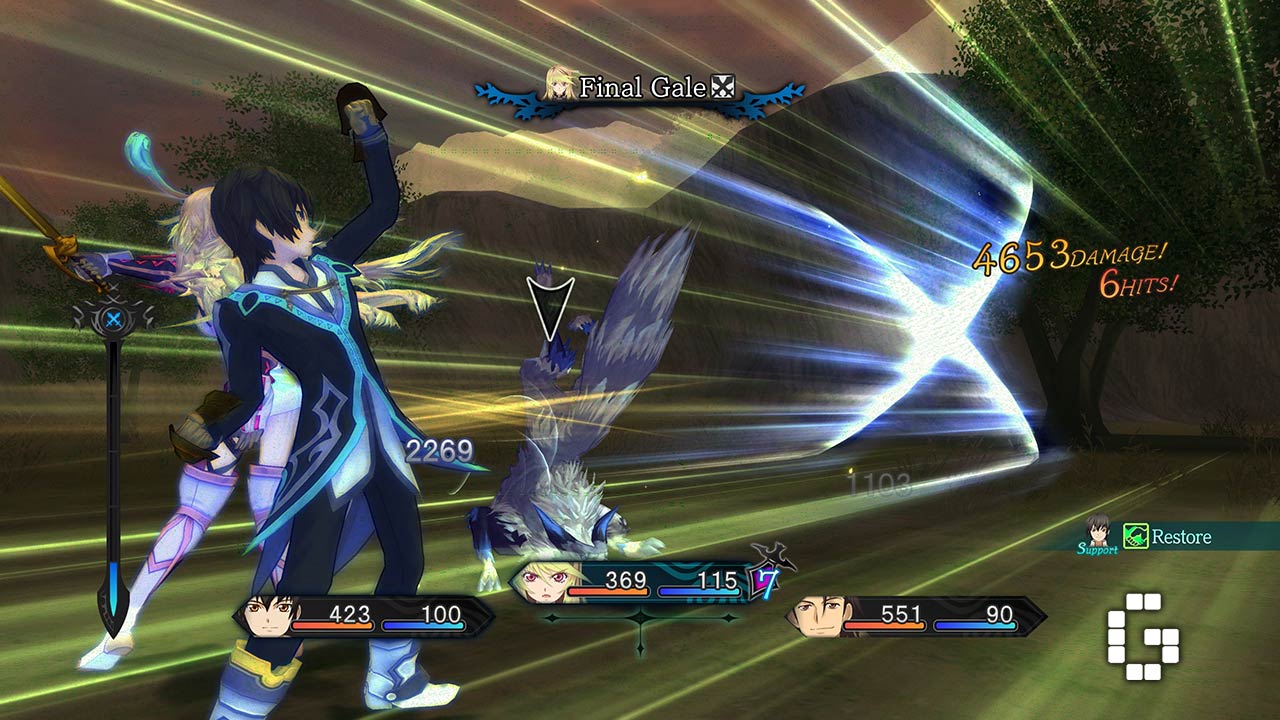
One notable change is that the classic Tales strategy of chaining long combos to defeat bosses instantly has been adjusted. Bosses can now break out of combos after reaching certain thresholds, similar to combo limits in fighting games. This forces players to adapt throughout longer battles rather than exploit weaknesses without risk. While some fans didn’t appreciate this change, especially after Tales of Graces was praised for having the best combat system in the series, the adjustment creates fairer, more balanced encounters.
Character switching is also much more flexible compared to previous entries. Though this might seem minor when viewed alongside newer titles, it greatly improves combat flow by complementing the linked-character mechanics. Being able to switch characters at critical moments adds depth and keeps battles engaging. Tales of Xillia also stands out as one of the few entries where every character feels genuinely fun to play, encouraging even players who typically stick with the protagonist to experiment with the full roster.
Remaster Improvements
Playing on PlayStation 5, the technical performance is solid with virtually no issues aside from occasional brief visual glitches that don’t affect gameplay. The game now runs at higher resolution with up to 4K support, which is clearly noticeable in character models and environments. Colors and contrast have been enhanced, eliminating the washed-out look of the original release. Performance improvements are particularly welcome since gameplay feels much smoother, with no frame rate drops even during intense combat situations.
Since the original game already looked good for its time, there wasn’t much room for drastic visual upgrades within a standard remaster’s scope. However, the rough edges of some assets and character models are now more apparent due to polygonal limitations.
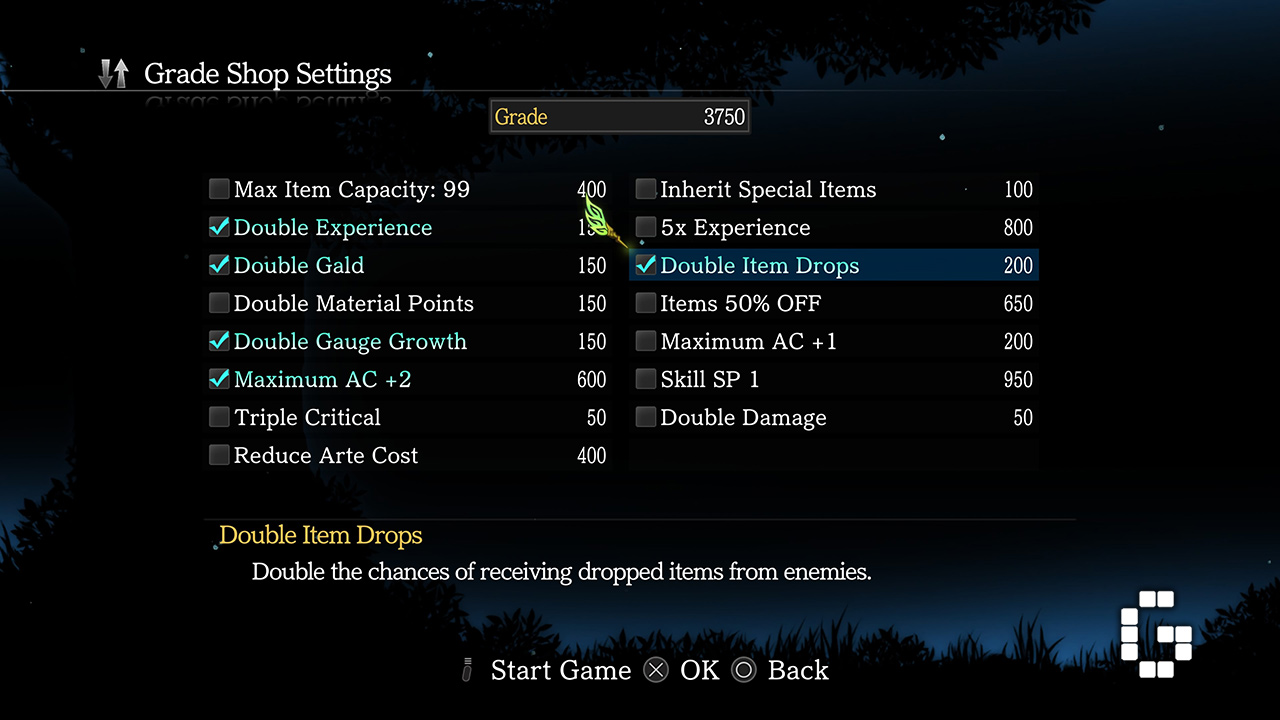
The remaster gives players early access to the Grade Shop before starting a new playthrough. This functions as an optional boost system offering various bonuses such as double experience from battles, increased item and money drops, extra inventory slots, reduced resource costs for using Artes, and more. Players can freely choose which bonuses to activate, each with its own Grade cost, and disable them at any time. Since Tales of Xillia is already considered one of the easier mainline entries, skipping the Grade Shop on a first playthrough is recommended unless playing on the highest difficulty setting.
Other quality-of-life improvements include an auto-save feature, eliminating worries about losing progress from forgetting to save manually. The game also includes over 40 pieces of DLC from the original release, including various special costumes, at no extra cost unless opting for the Deluxe Edition, which adds digital bonuses like the soundtrack and artbook. Unfortunately, not all DLC could be included due to expired licensing agreements.
Verdict
Tales of Xillia Remastered successfully brings one of the franchise’s best entry points to a new generation of players after years as a PlayStation 3 exclusive. Despite the original release’s limitations, which led to the creation of a sequel, this installment helped push the series to new heights while raising its production value. The gameplay experience still feels remarkably modern, and the remaster’s additions complement it well.
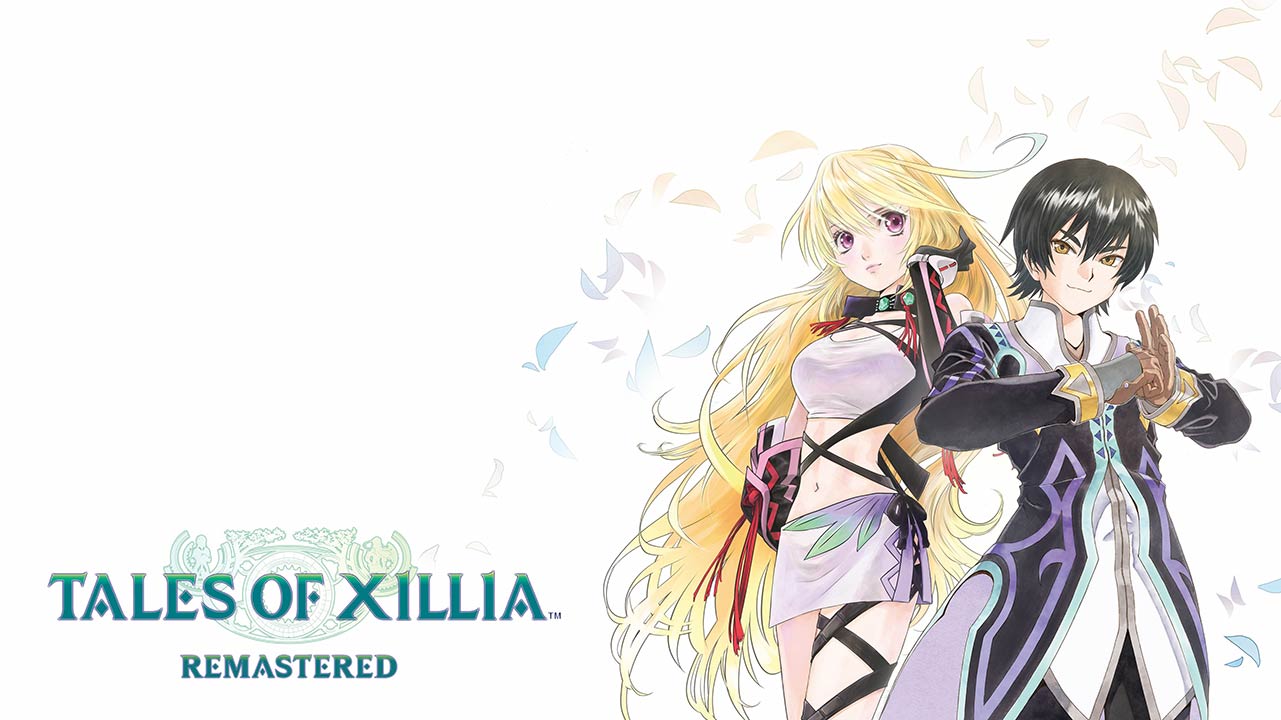
However, precisely because the game already feels modern, the remaster doesn’t offer a particularly substantial selling point. The biggest disappointment is that the remaster only covers the first game. While Tales of Xillia 2 Remastered is expected to follow, releasing both games together as a complete package would have been the ideal approach and what many fans hoped for.
Reviewed on PS5




The Review
Tales of Xillia Remastered
PROS
- The game still aged well and plays even better with the essential improvements.
- Solid performance with almost no technical issues.
- Nice improvements on the visual especially in terms of contrast and color.
- Various essential QoL such as early access to Grade Shop, Auto-Save, and much more.
CONS
- The main selling points are somewhat weaker compared to past remasters, since the game still feels modern in a lot of ways.
- Sadly it’s not included with Tales of Xillia 2.