










![[EXCLUSIVE] Dragon’s Dogma 2: Dark Arisen Team Opens Up About the Expansion’s Name, New Norgan Region, and Performance Goals](https://cdn.gamerbraves.com/2026/07/Dragons-Dogma-2-Dark-Arisen_Interview_FI-360x180.jpg)






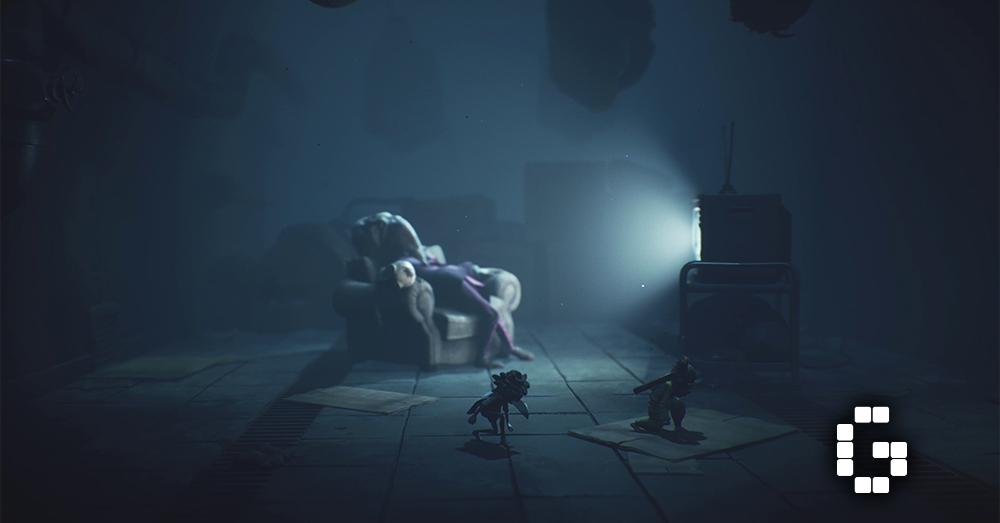
The Little Nightmares franchise has captivated horror game enthusiasts with its unique blend of childhood fears and atmospheric storytelling. As the third installment prepares to haunt players worldwide, we had the chance to interview Coralie Fenniello, Producer of Little Nightmares III, to explore how the series evolves while staying true to its unsettling roots.

Expanding the World
Little Nightmares III takes players beyond familiar territory, introducing The Spiral as a vast new region of the Nowhere. “With the Spiral we wanted to show that the world of Little Nightmares is big and introduce a larger area of the Nowhere,” Fenniello explains.
“A place that would have different atmospheres, environments and ennemis for the players to encounter but at the same time we made sure to keep a general consistency and story for everyone to enjoy.”
This expansion brings diverse environments including the Necropolis, Candy Factory, and Fairground, each designed to evoke different types of childhood terrors. The development team made deliberate choices to diversify the visual palette while maintaining the series’ DNA. “We decided to try having a chapter with warmer colors with The Necropolis while keeping the DNA of Little Nightmares,” Fenniello notes.
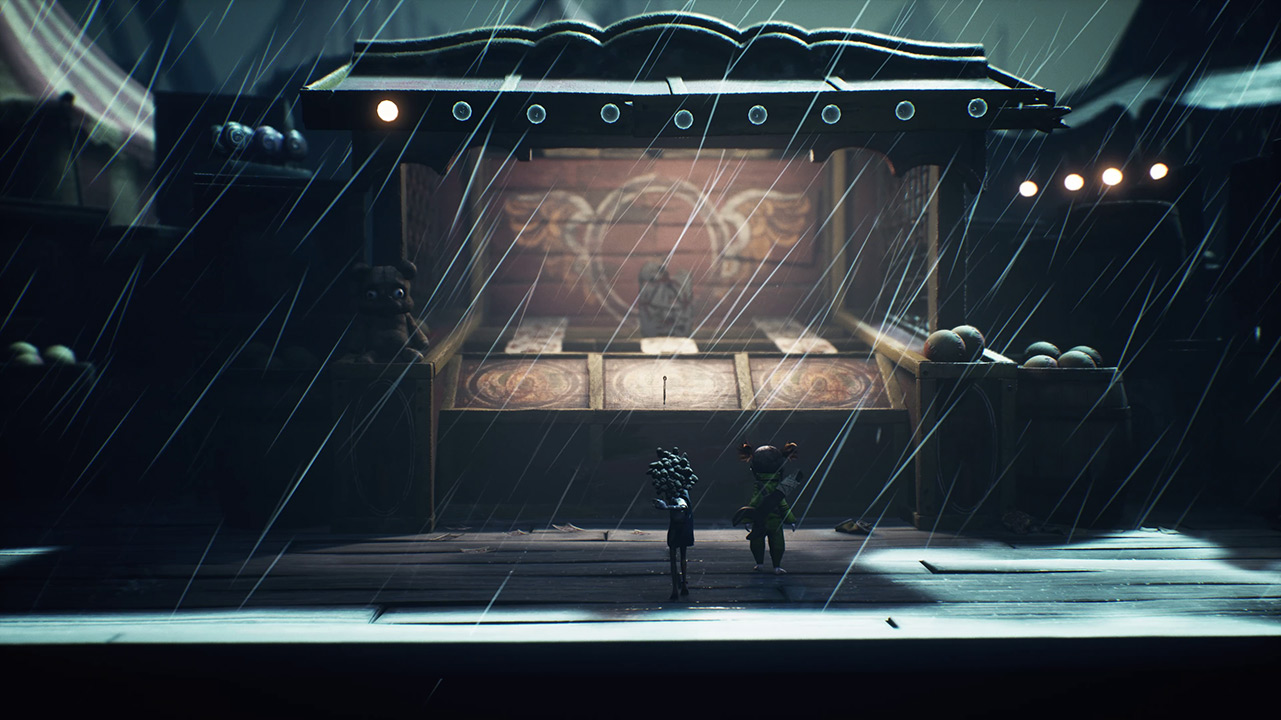
“In term of gameplay, the items of Low and Alone offer an opportunity to have phases of asymetric gameplay where each player needs to do different actions to progress.”
Each location tells its own story, with gameplay elements carefully tied to the narrative context. “Each locations of the game has its own story behind it, and we tried to have a link between the story and overall context of a place and the gameplay elements present in the chapter,” she explains.
One of the biggest challenges the team faced was introducing new gameplay elements without losing what makes Little Nightmares special. “We always try to think about what would make sense for the game, and the lore, as having two children in a world that’s very inhospitable will give you certain types of challenges,” Fenniello explains.
The team ensured these challenges work seamlessly across different play styles: “We also ensured that the challenges would work both in online co-op and single player, as while we are happy to be able to introduce online co-op we want to make sure people who want to play solo have as much fun with the game.”
The Art of Charming Horror
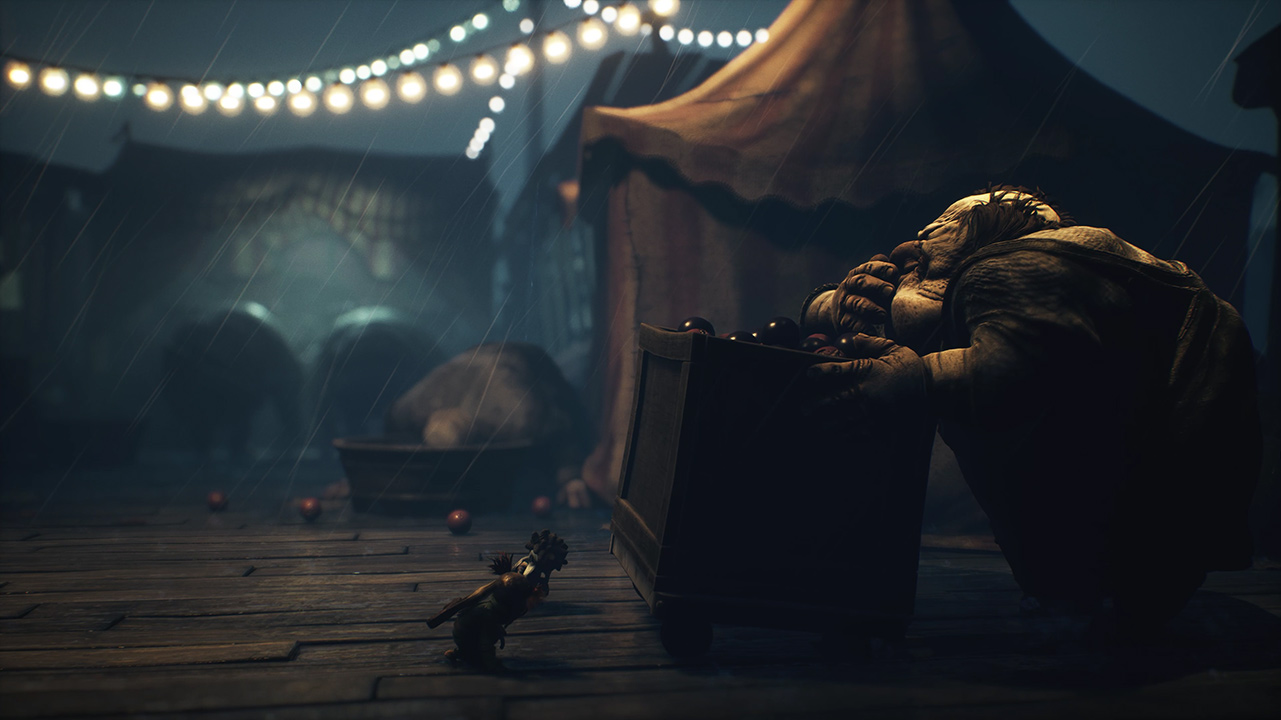
The franchise continues its tradition of what the team calls “charming horror,” transforming innocent concepts into frightening experiences. The Monster Baby exemplifies this approach, taking something typically associated with innocence and making it terrifying. “Most of Little Nightmares places and residents have been based around childhood fears, it can be locations such as the Carnevale with the idea of the overwhelming carnival that doesn’t look the same behind the curtains, or residents, such as the Monster Baby, or the teacher in Little Nightmares II,” Fenniello explains.
The team draws inspiration from universal fears that resonate across age groups. “The themes we explore resonate with quite a lot of people, exploring childhood fears, or universal fears where people can relate,” she says. “The Carnevale for example is not only something kids could be afraid of, even some adults can be frightened by the lights, the noise and overwhelming atmosphere.”

Team members contribute their own fears and experiences to create authentic horror. “Obviously, as video games and especially Little Nightmares games are a very creative medium, various people from the team have infused part of their own fears and feelings into the game,” Fenniello reveals.
When asked about the game’s scariness compared to previous titles, Fenniello confirms the consistent approach: “Similar to the two first games, Little Nightmares III is based on what we call charming horror, placing two children in a world that’s not meant for them and that is frightening, basing locations and residents on some universal childhood or adult fears.”
Introducing Cooperative Play
Perhaps the biggest change in Little Nightmares III is the introduction of online cooperative play. Players can now experience the horror as either Low or Alone, two friends trapped in The Spiral. The development team faced the challenge of creating puzzles that work equally well for solo players with AI companions and cooperative pairs.
“We started by designing the chapter and puzzles in multiplayer to make sure that we tackle this new way to enjoy Little Nightmares,” Fenniello reveals.
“Then we did a lot of testing in order to make sure that having online co-op would not break the flow of the game as well as the different puzzles. We also wanted to ensure the game was as enjoyable in online co-op than in solo.”
The balancing act required extensive playtesting to get the difficulty just right. “We indeed worked a lot to ensure the puzzles would be fun no matter the way players choose to play,” she explains. “We have done a lot of playtesting, both in solo and online co-op to make sure we could fine tune based on feedback to avoid something being too easy or too complicated.”
Balancing Solo and Cooperative Experiences
Creating a balanced experience required careful attention to both gameplay mechanics and emotional storytelling. The team developed asymmetric gameplay elements where each character performs different actions to progress, utilizing Low and Alone’s unique items to create varied puzzle solutions.
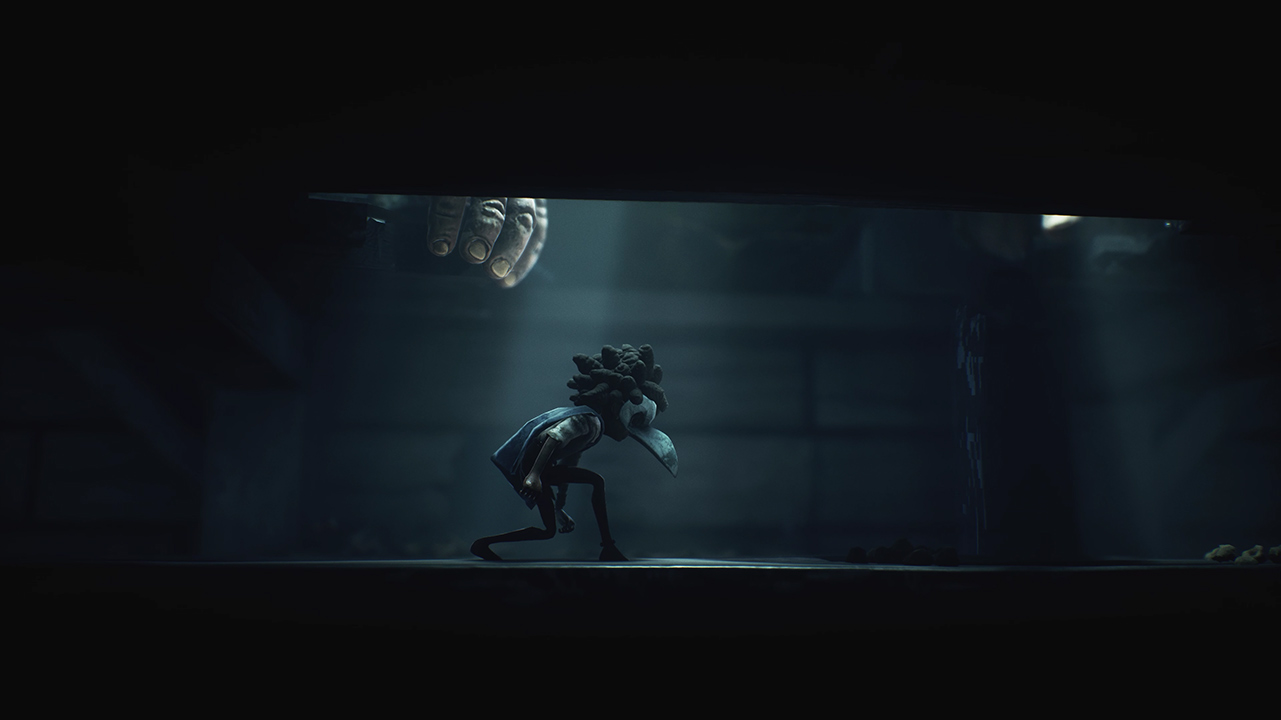
For solo players, the AI companion receives special attention to maintain the emotional connection between characters. “In single player, the AI controlled character will also have some flavor animations to make sure that they do feel alive and human like,” Fenniello explains. These animations help preserve the bond between Low and Alone regardless of how players choose to experience the game.
Character Development and Storytelling
The relationship between Low and Alone forms the emotional core of Little Nightmares III. “The game, whether played in solo or online co-op, presents Low and Alone as two friends, helping each other as they try to escape the Spiral,” Fenniello describes. “Players will create a connection as they go through their journey, both physical and emotional, and get to know them.”
The cooperative element can deepen emotional investment, as players share the journey together. “Playing in online co-op can add more attachment as players can experience together the journey of Low and Alone,” she notes. However, the team ensures solo players don’t miss out on this connection: “In singleplayer to balance this, the player will discover some flavor animations on the AI controled character making them feel more alive.”
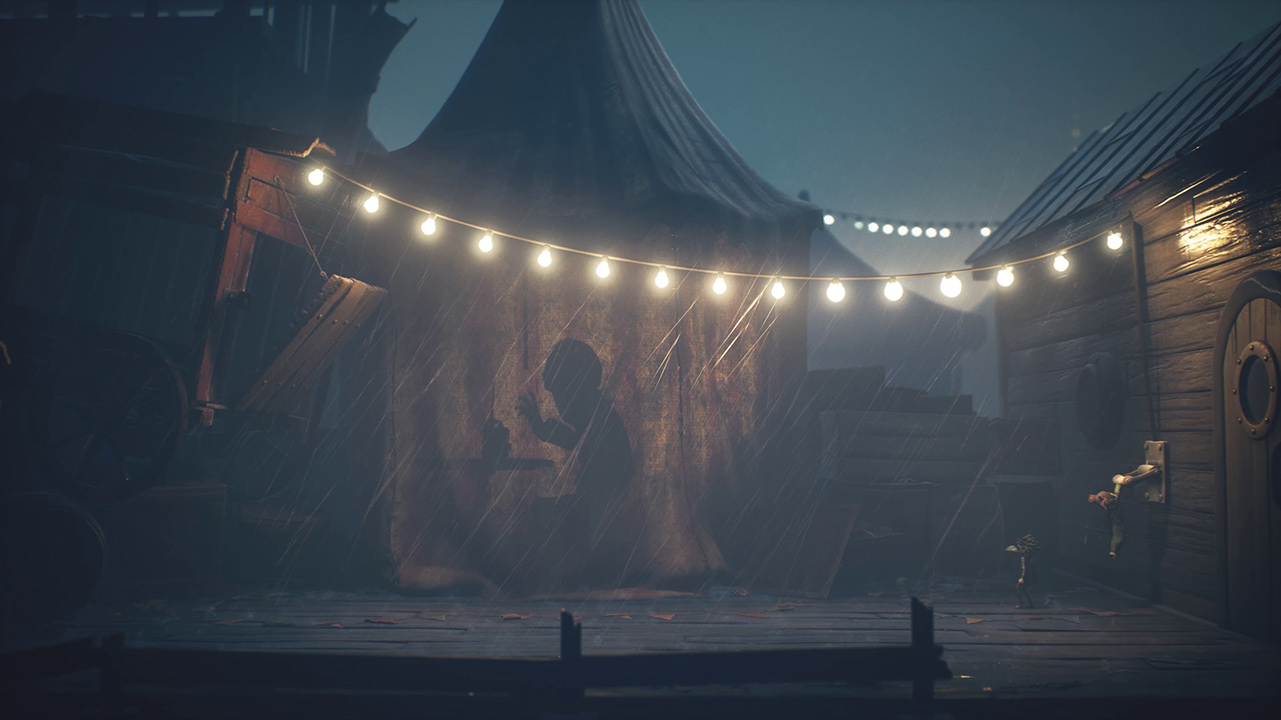
Both play modes feature carefully crafted storytelling moments. “For both modes you will have several cutscenes showing you the evolution of their relationship and giving you more hints about the story,” Fenniello explains. “For the puzzles we have worked to ensure we would provide a balanced experience for both characters, no matter the way you choose to play.”
The storytelling approach differs from the single protagonist structure of the first game. “We already had something similar in Little Nightmares II, where Mono and Six’s journeys were tied until the end,” Fenniello explains. “Here we have worked to create a link with Low and Alone, as they are looking for a way out of the Spiral, where they are trapped.”
Companion, Connections, and Replay Value
For solo players, the AI companion receives special attention to maintain the emotional connection between characters. “We have worked a lot on the AI companion, that we already have in Little Nightmares II, in order to ensure the game would be enjoyable and that players would feel the bound between Low and Alone no matter how they play,” Fenniello explains. “In single player, the AI controlled character will also have some flavor animations to make sure that they do feel alive and human like.”
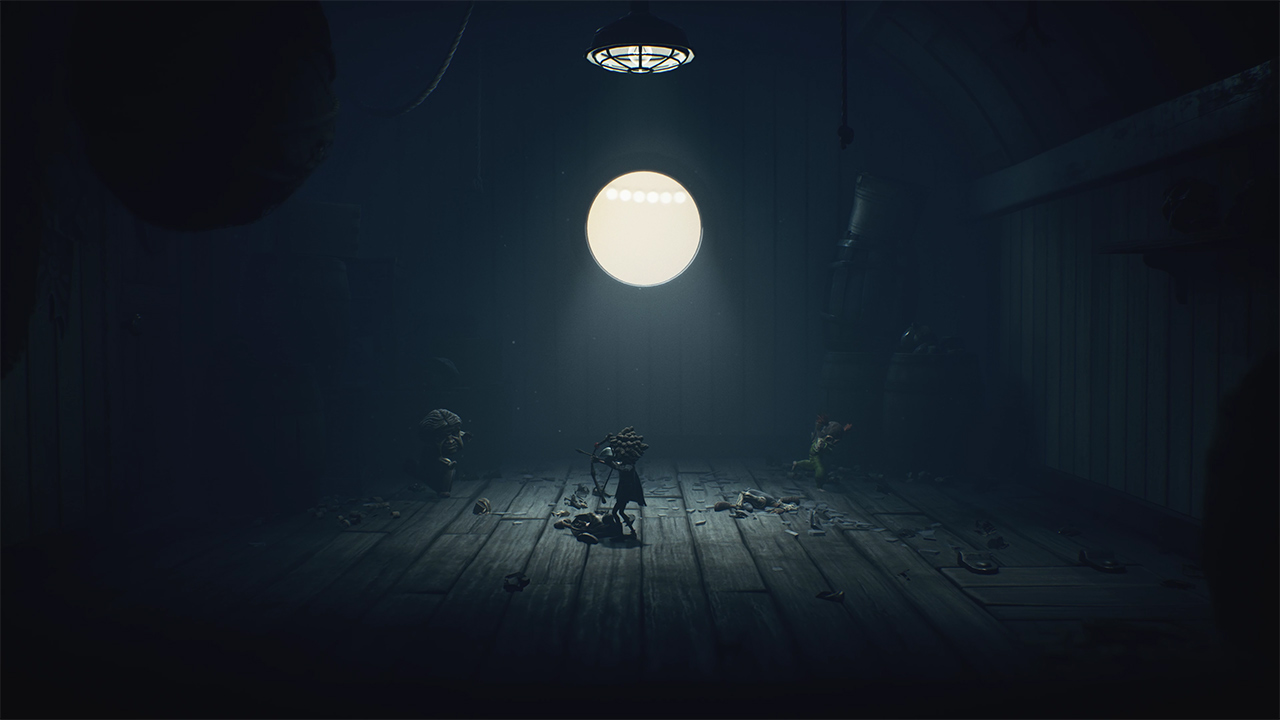
While the main story remains consistent, Little Nightmares III offers different experiences depending on which character players choose. “While the main storyline stay the same, as we follow the story of Low & Alone, as two best friends. Puzzles & some moments of the game will have players doing different actions based on who your are playing,” Fenniello reveals.
While Little Nightmares III tells a standalone story, long-time fans have something to look forward to. “While the stories are completely different, and players don’t need to have played the previous games, there might be some references that fans of the franchise will notice,” Fenniello hints.
Looking Forward
While remaining focused on the upcoming launch, the Little Nightmares franchise continues expanding across different media. The team has developed The Sounds of Nightmares podcast, exploring new areas like The Counties, and has VR games, comic books, and stop-motion projects in development.
When asked about her favorite moment for fans to discover, Fenniello points to the game’s conclusion: “I think that my favorite chapter is the last one, I can’t wait for the fans to discover the full story of Little Nightmares III and the relationship between Low and Alone.”
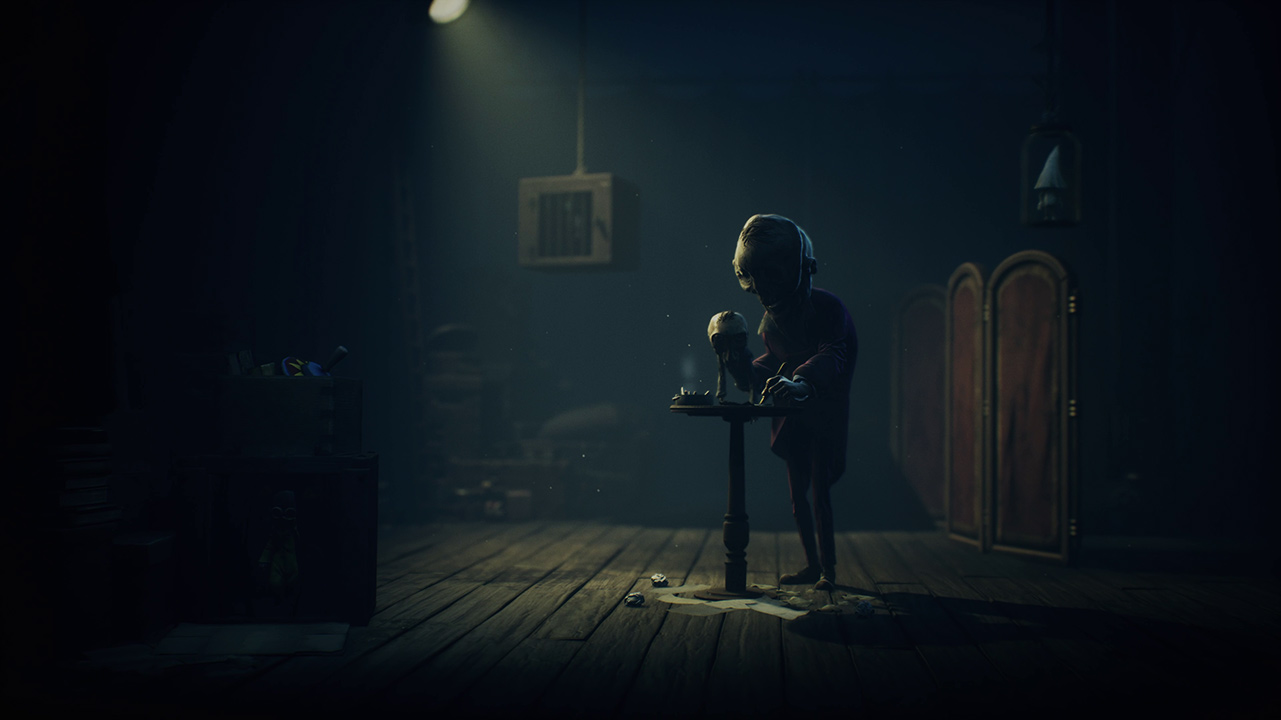
Little Nightmares III will launch on multiple platforms, including both the original Nintendo Switch and the upcoming Nintendo Switch 2. “The Nintendo Switch 2 allows us to get closer to the visuals of the Gen 9 versions as it has a more powerful hardware,” Fenniello notes.
Little Nightmares III promises to deliver the series’ signature blend of atmospheric horror and emotional storytelling while introducing cooperative gameplay that enhances rather than overshadows the core experience. As players prepare to enter The Spiral, they can expect both familiar frights and new ways to face them together.