

![[EXCLUSIVE] Dragon’s Dogma 2: Dark Arisen Team Opens Up About the Expansion’s Name, New Norgan Region, and Performance Goals](https://cdn.gamerbraves.com/2026/07/Dragons-Dogma-2-Dark-Arisen_Interview_FI-360x180.jpg)










![[BIC2025] Indie Developer Shares Replayability Secrets at Busan Indie Wave Conference](https://cdn.gamerbraves.com/2025/08/BIWC-Replayability_News_FI.jpg)
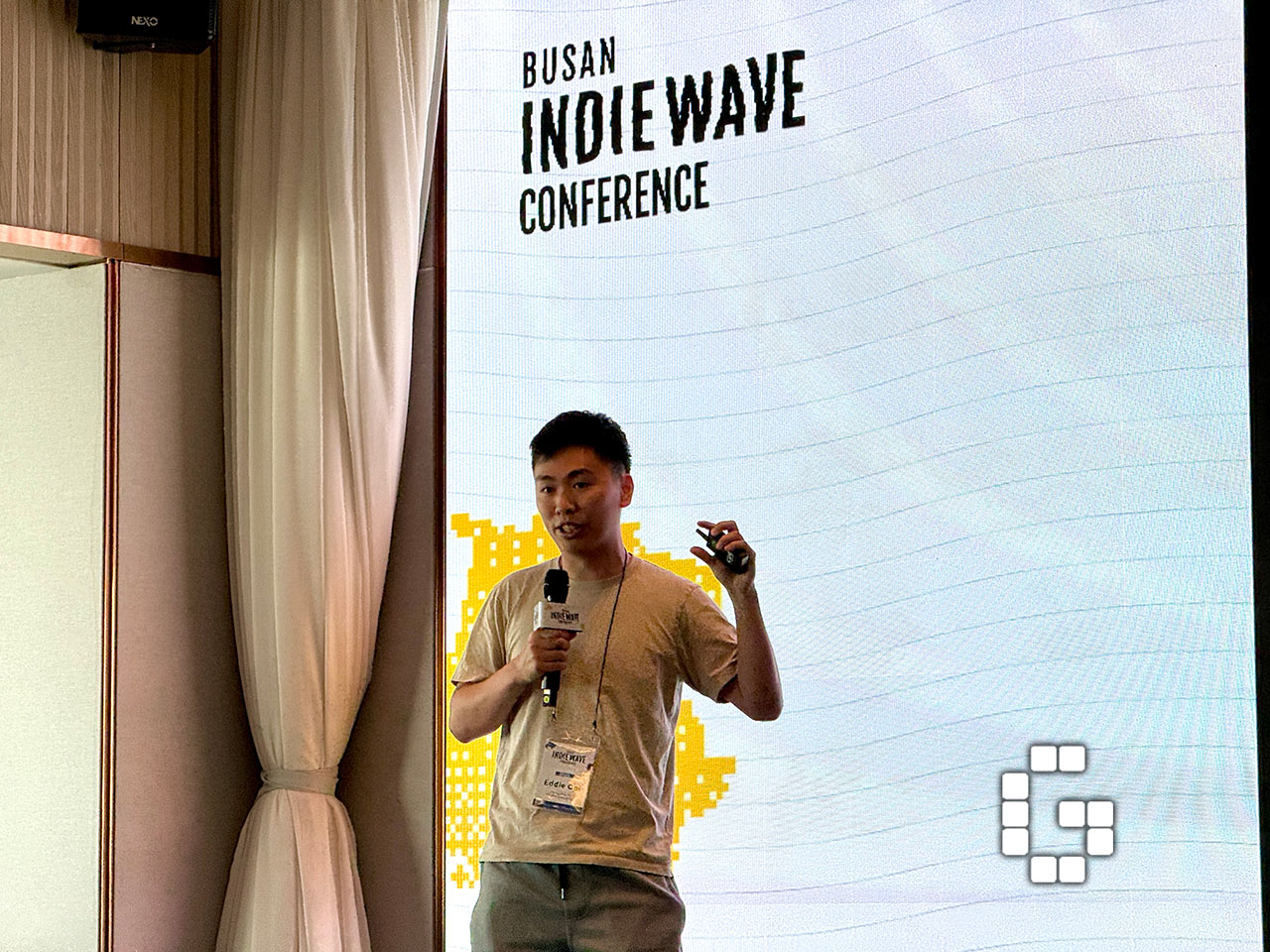
As part of the Busan Indie Connect Festival, the Busan Indie Wave Conference brought together indie game developers from around the world on August 14th, setting the stage for important discussions about game design and industry trends. Among the presenters at the Busan Indie Wave Conference was Eddie Cai, game designer from Canadian indie studio Pengonauts, who shared his approach to creating games with replayability that keep players coming back. Using his team’s deck-building roguelike game StarVaders as a case study, Cai explained what makes players want to replay games over and over.
Player Motivation and Design Elements
Cai broke down player motivation into two main categories. The first is intrinsic motivation – things like skill development, challenge, curiosity, exploration, and simply having fun. “Players play because they want to,” Cai explained, adding that “fun is the ultimate goal for replayability.”
The second type is extrinsic motivation, which includes rewards, unlockables, progression systems, new abilities, and fresh content. These are external gains that drive players to keep playing. While Cai noted that both types can work well, he believes intrinsic motivation has more staying power.
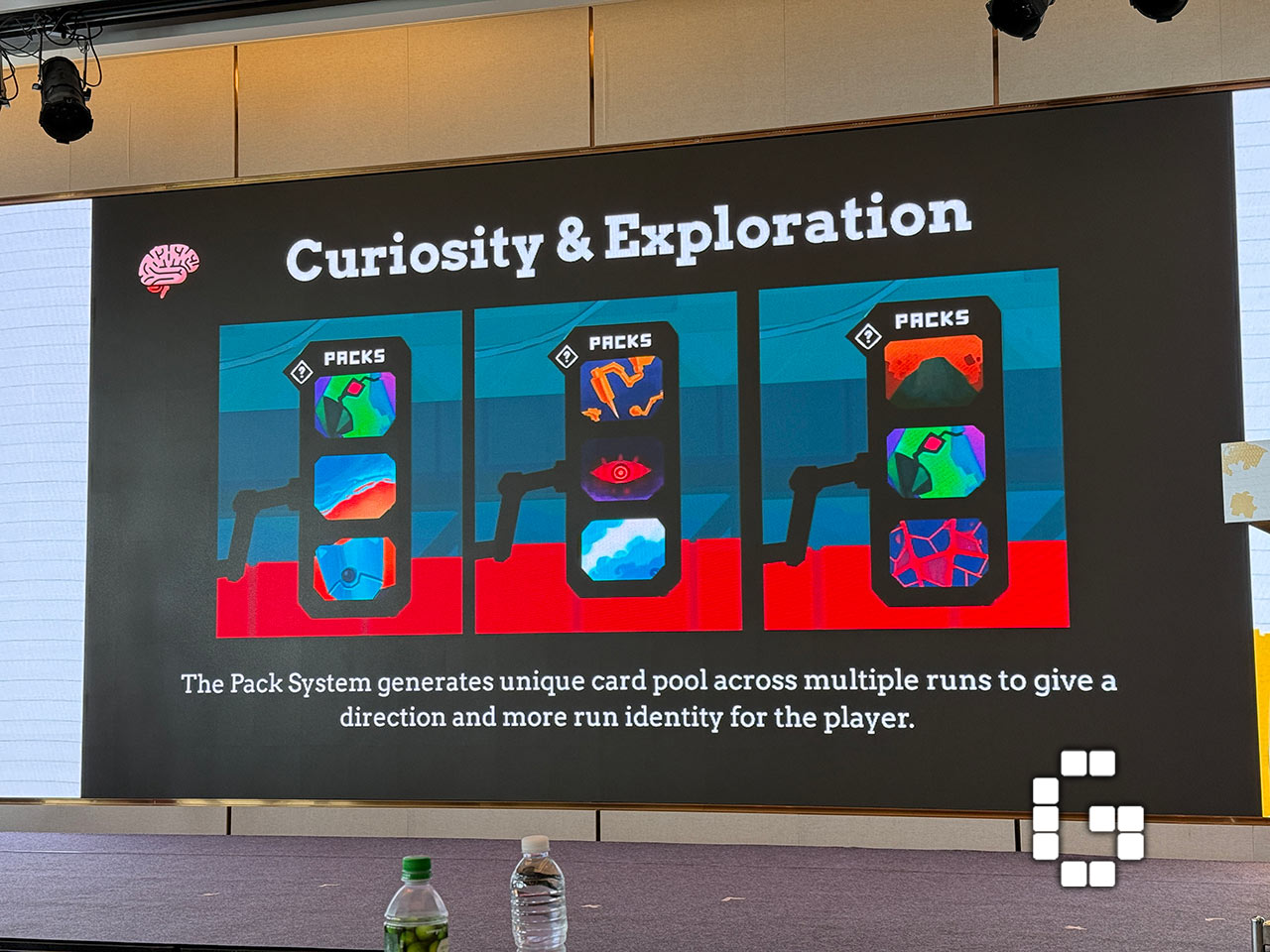
According to Cai, several design choices can boost replayability. Games benefit from having multiple paths players can take, content that changes based on difficulty levels, and choices that feel meaningful. Each playthrough should feel like a new chance to try something different.
Unlockable content such as new bosses, characters, or locations helps encourage repeat play without making the game harder. Systems that track progress, like collections or unlockable items, give players clear goals to work toward.
Balancing Challenges
One of the biggest hurdles in designing replayable games is balance, Cai said. The key is making players feel the game is fair overall, rather than focusing on individual wins and losses. While it’s impossible to test every possible scenario, single-player games are easier to balance than multiplayer ones.
Meta elements – like new character classes, skills, or game mechanics – help provide fresh experiences that keep players interested. Cai shared his philosophy on this: “I believe the goal of meta is to make the player replay the game enough times to learn that they can enjoy the game without the meta.”
Cai also pointed out that not every game needs to be replayed forever. Some games benefit from having clear ending points that let players feel satisfied after they’ve fully explored what the game has to offer. The presentation offered practical insights for other indie developers looking to create games with lasting appeal, based on real success with StarVaders and its positive reception from players.