

![[EXCLUSIVE] Dragon’s Dogma 2: Dark Arisen Team Opens Up About the Expansion’s Name, New Norgan Region, and Performance Goals](https://cdn.gamerbraves.com/2026/07/Dragons-Dogma-2-Dark-Arisen_Interview_FI-360x180.jpg)










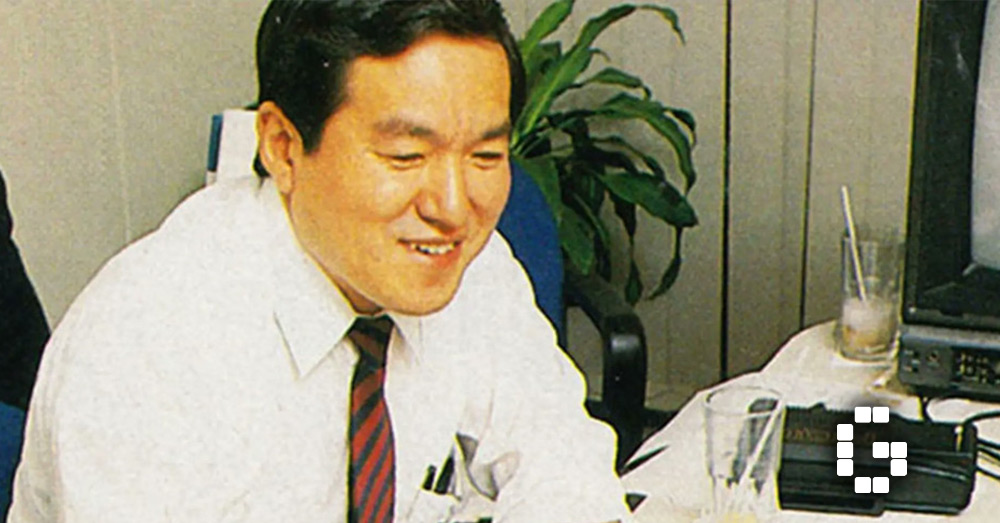
Hideki Sato, the engineer behind nearly all of SEGA’s gaming consoles and the company’s former president, has died at age 77. Japanese gaming news outlet Beep21 reported Sato’s passing over the weekend.
Sato and his research and development team created SEGA’s arcade and home console hardware throughout the company’s history in the gaming market. His work included the Master System, Genesis (known as Mega Drive outside North America), Saturn, and Dreamcast consoles. Sato joined SEGA in 1971 and served as the company’s president from 2001 to 2003. He departed from SEGA in 2008.
セガハードの父として知られる
佐藤秀樹氏が昨日ご逝去されました。日本のゲーム史
そして世界中のセガファンを魅了された
本当に偉大な方でした。あの時代のワクワクと挑戦心は、
未来永劫、永遠に多くのファンの
記憶に残っていくことと思います。
心よりご冥福をお祈りいたします。Beep21
— Beep21 (@Beep2021) February 14, 2026
In a past interview with Famitsu about SEGA’s history, Sato explained how the company’s arcade background shaped its console development. “From the beginning, SEGA’s home console development has always been influenced by our arcade development,” he said.
He described SEGA’s first home system, the SC-3000, as “a PC for beginner-level users” and noted it was the company’s “first challenge” outside of arcade games.
Speaking about the Mega Drive, SEGA’s most successful console, Sato explained the decision to use 16-bit technology. “By then, arcade games were using 16-bit CPUs,” he said. “Arcade development was something we were very invested in, so we were always using the most cutting-edge technology there.”
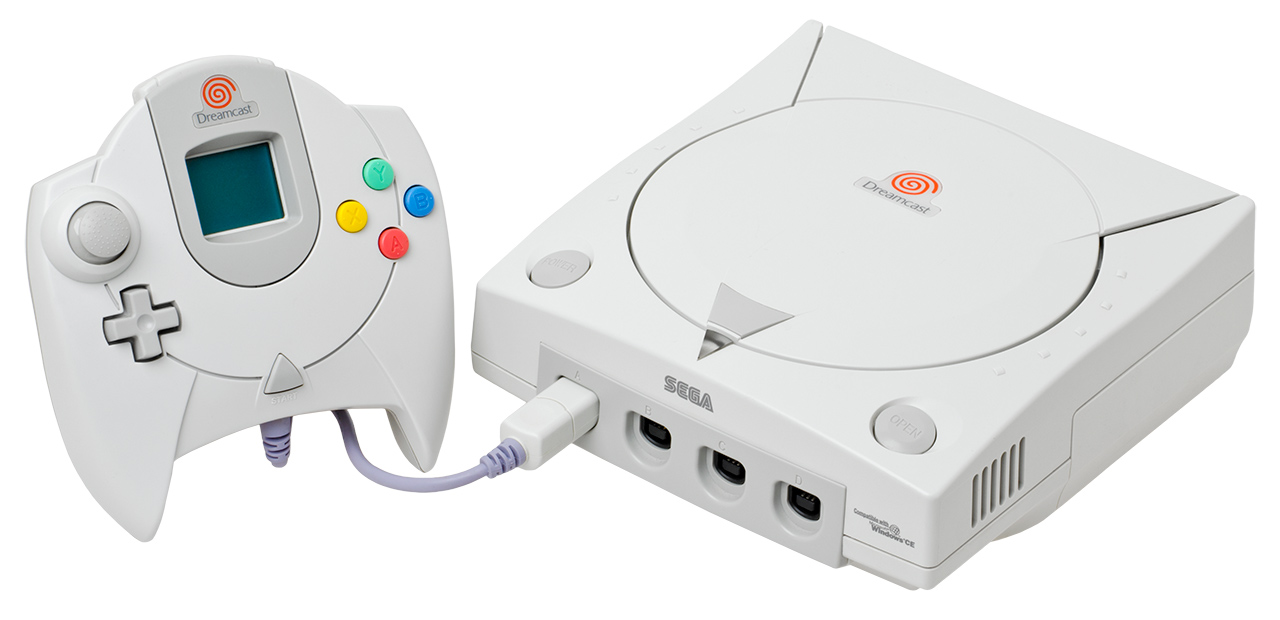
He added that the timing worked out when the 68000 chip price dropped, allowing the team to complete the 16-bit console two years after starting development. For the Dreamcast, which became SEGA’s final console, Sato said the focus was on “play and communication.” The system included a modem and linkable VMU memory cards to connect players. The team had also planned phone connectivity but couldn’t make it happen.
Sato admitted the marketing around the Dreamcast’s “128 bit graphics engine RISC CPU” was partly a response to consumer expectations, even though the SH-4 processor was actually 64-bit. However, he noted they customized the chip so much for the Dreamcast that “you could almost call it something new.”