
![[EXCLUSIVE] Dragon’s Dogma 2: Dark Arisen Team Opens Up About the Expansion’s Name, New Norgan Region, and Performance Goals](https://cdn.gamerbraves.com/2026/07/Dragons-Dogma-2-Dark-Arisen_Interview_FI-360x180.jpg)










When you think about sim racing, your mind probably jumps to the big names like iRacing or Assetto Corsa Competizione. These titles have dominated the scene for years, but there’s a new contender trying to make its mark. Project Motor Racing by Straight4 Studios has entered the racing simulation arena with promises of realistic physics, dynamic weather, and authentic car handling. In this review, we’ll take a close look at what this newcomer brings to the track, from its career mode and car selection to how it actually feels behind the wheel.
What You Can Play
Project Motor Racing keeps things straightforward with two main modes: singleplayer and multiplayer. The singleplayer side offers two experiences: Career Mode and Race Weekend.
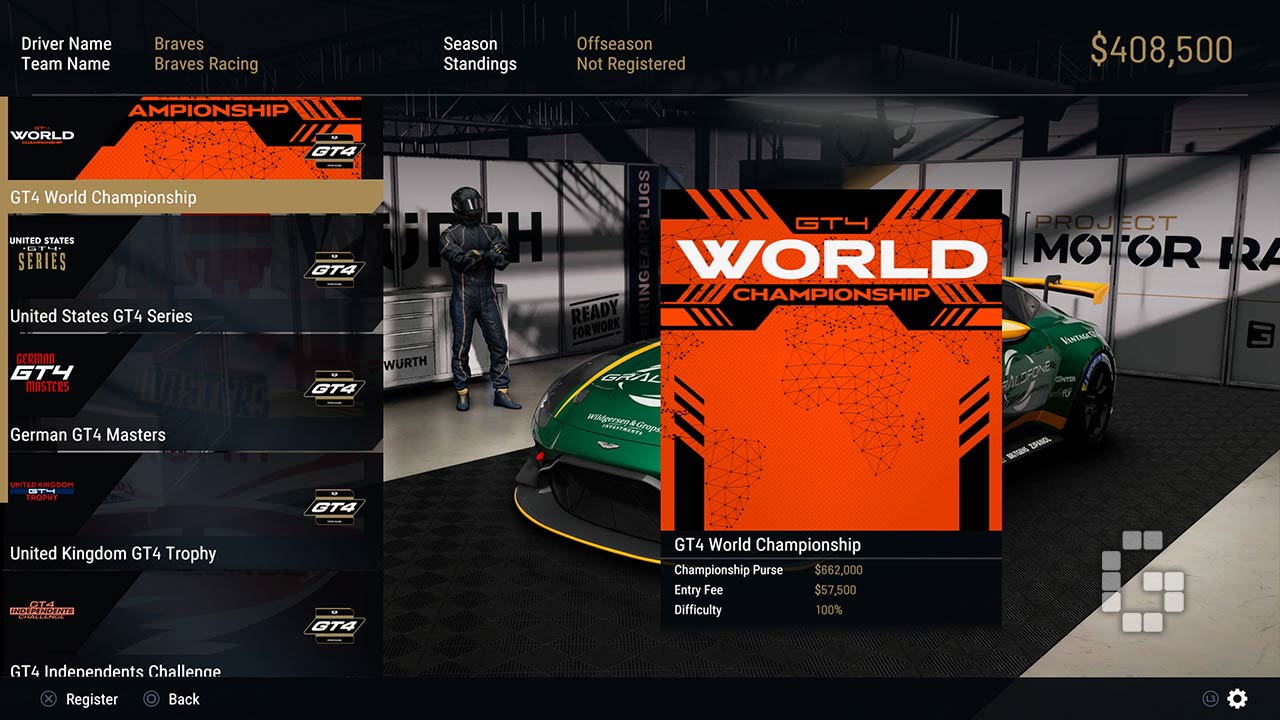
Career Mode stands out with its approach to progression. You start by creating your own racing team and selecting a sponsorship deal. This choice matters more than you might expect. The game offers eight different sponsorship models, each with different payment structures. Some sponsors pay you a flat rate regardless of where you finish, while others only hand over cash if you win. This means you need to pick a sponsor that matches how confident you are in your racing skills. Just remember that you can only switch sponsors during the off-season, so choose carefully.
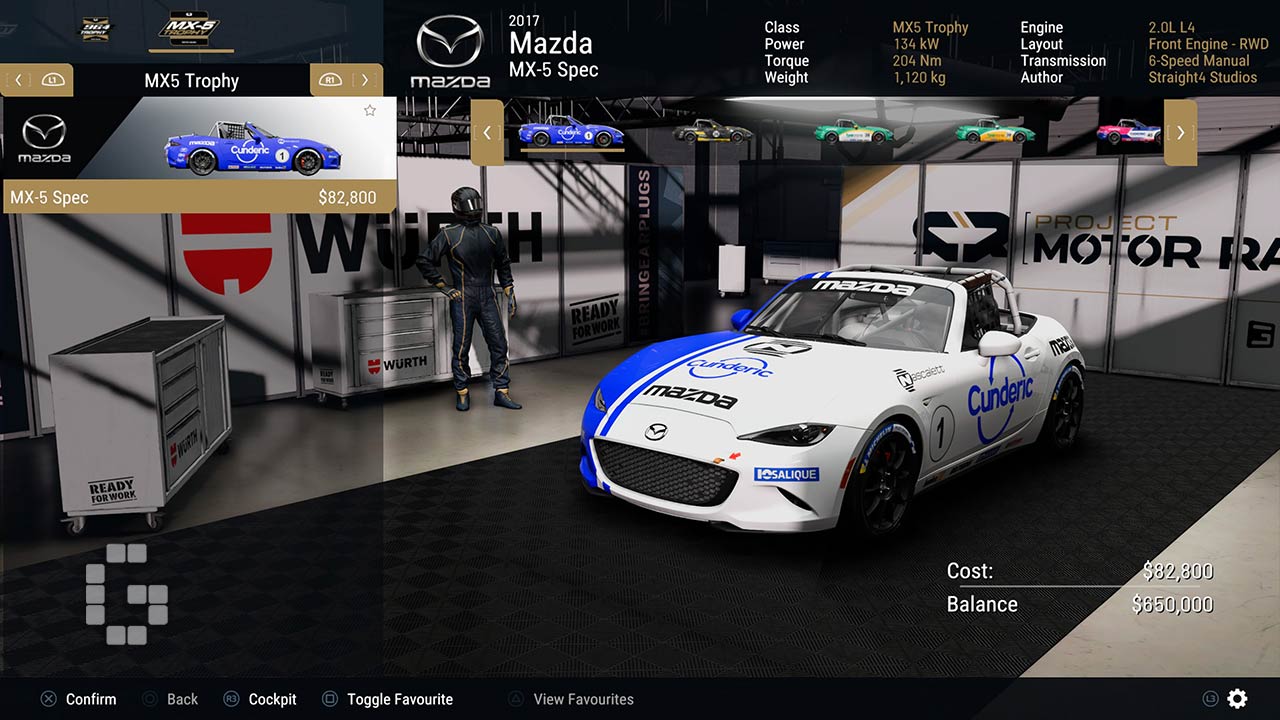
Money management plays a central role here. You select a starting budget of either 100k, 650k, or 2 million dollars. This budget determines which racing series you can enter because you need to buy a car before competing. If you go with the smallest 100k budget, you’re limited to the MX-5 Trophy or Porsche 964 Trophy series. The middle option of 650k opens up about half the available series. Your spending doesn’t stop at buying cars either. Depending on your sponsorship, you pay entry fees for each race, and any damage to your car comes with repair costs. You can own up to three cars if you want to compete in multiple series at once.
Race Weekend mode strips away all the financial management. It’s a simple, no-cost way to experience a full race weekend with practice, qualifying, and the race itself in any series you choose.
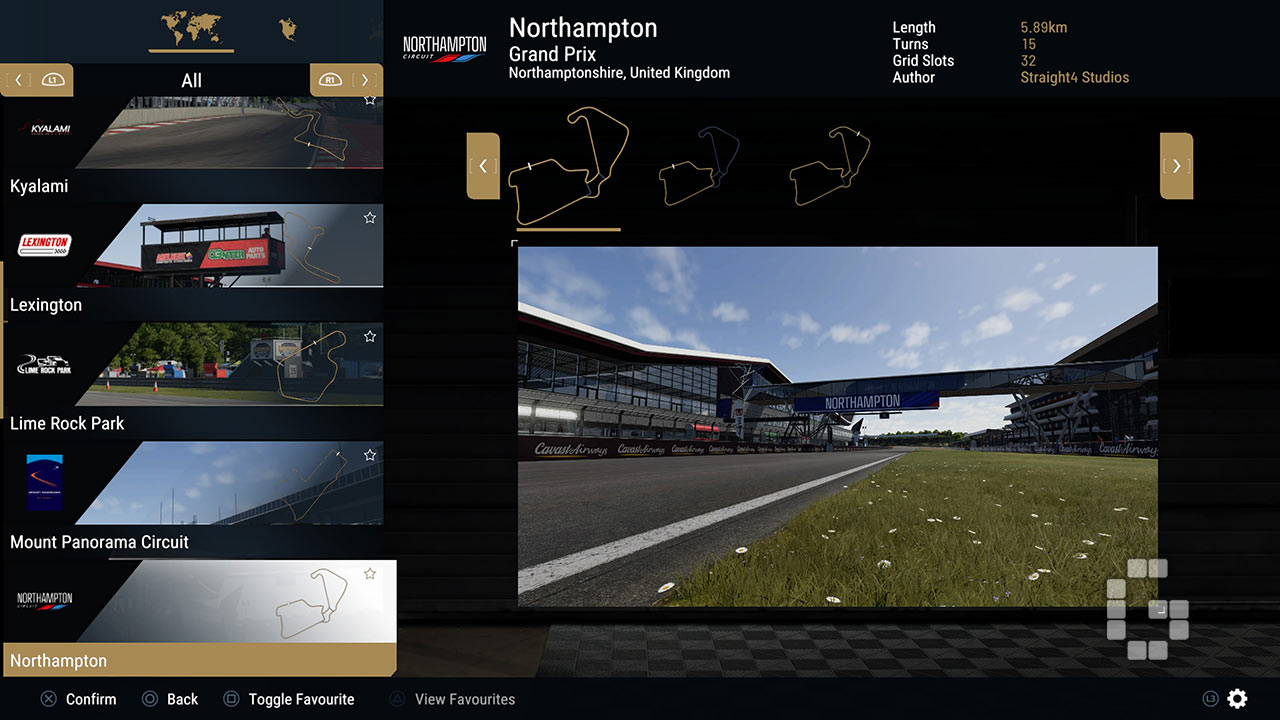
The game includes nine racing series from the start: MX-5 Trophy, 964 Trophy, N-GT, Sports Car 70, GTO (IMSA GTO), 992 Trophy, GT3, GT1, and GT. Project Motor Racing features 70 recreated cars across 13 racing classes, mixing both vintage and modern machinery. While the car list isn’t massive, the selection includes some interesting choices, notably the legendary Mazda 787B with its rotary engine. The track selection covers various locations around the world.
How It Drives
The physics engine can make or break any racing simulation, and this is where Project Motor Racing shows both its ambition and its rough edges. Testing was done entirely on a DualSense controller on PS5, which is important context for what follows.
The car handling varies noticeably from vehicle to vehicle. Some cars feel predictable and manageable, while others feel off in ways that are hard to pin down. With slower cars, the experience tends to be more consistent. You can position the car where you want it on track and attack corners with confidence. But with hypercars and faster machinery, things become difficult. These cars either overshoot corners or feel hard to control, making it scary to push them to their limits.
Controllers amplify these issues. Modern, high-performance cars sometimes refuse to turn when you need them to, then suddenly snap in a direction that makes recovery nearly impossible. This happens especially in flat-out corners where you should be able to keep the throttle pinned.
Even with slower cars, corner exits can be tricky. When exiting a slow corner and the car straightens out, applying throttle often triggers sudden oversteer. You counter steer to catch it, but the car tends to over-correct and snap to the opposite side. Using a steering wheel might make these moments easier to handle through better control, but on a controller, managing these snaps is challenging. Adjusting controller settings in the menu produces minimal differences.
Graphics and Sound
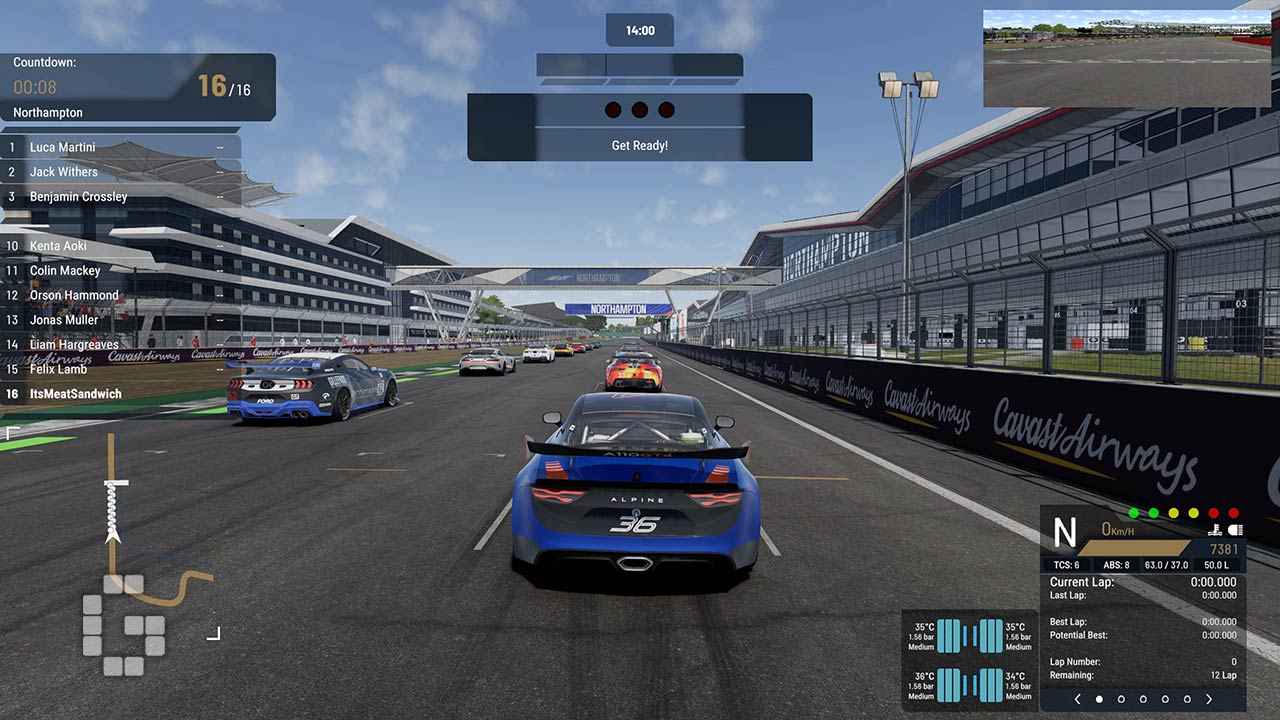
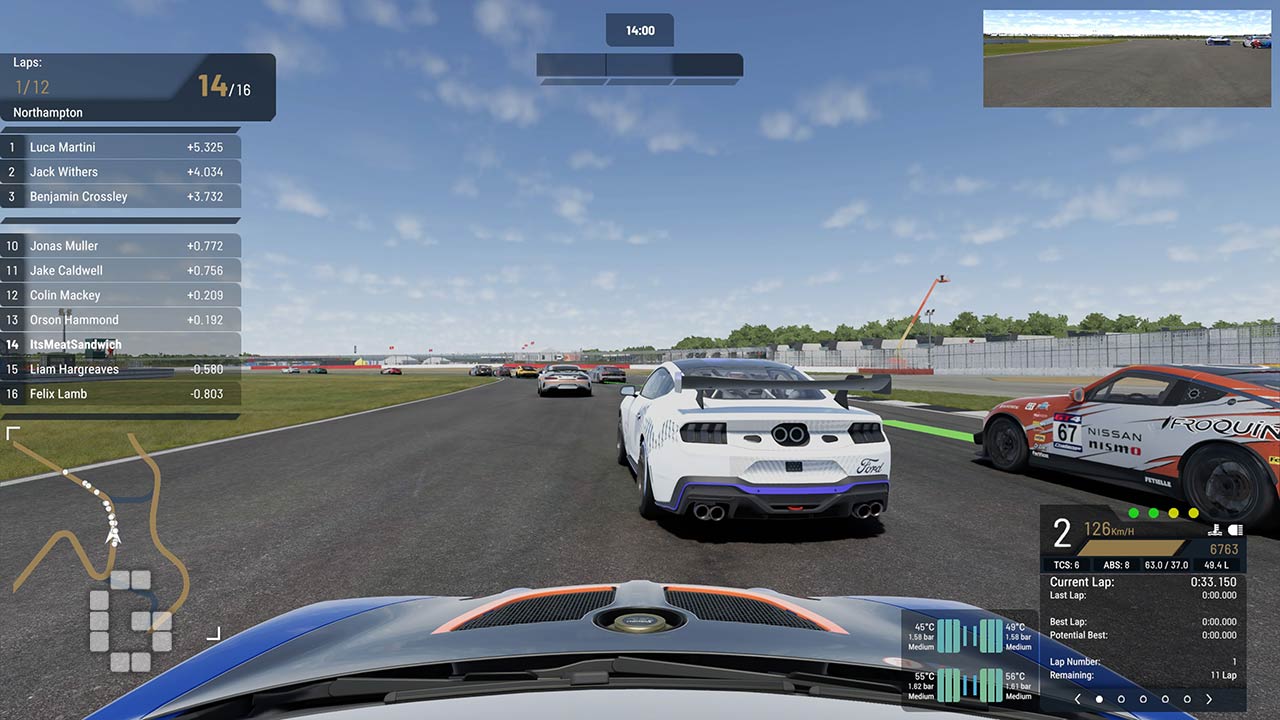
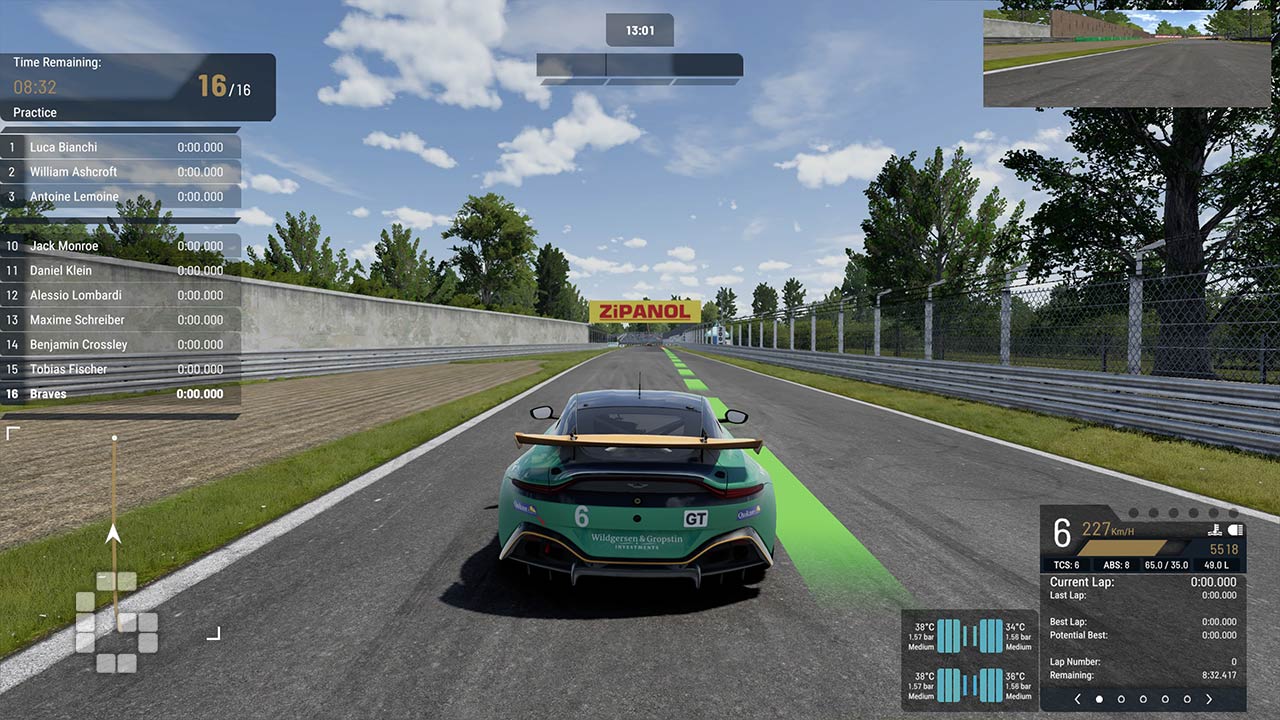
Visually, Project Motor Racing delivers decent graphics that get the job done. The presentation looks nice enough to pull you into the racing experience, though you might spot some jagged textures here and there. The game runs smoothly and consistently, which matters more than visual perfection. The dynamic weather system adds genuine unpredictability to races, and rain conditions appropriately reduce visibility. Track designs handle elevation changes well, and you can feel these changes even through a controller. Some tracks look a bit dated during certain times of day, but the overall visual package works.
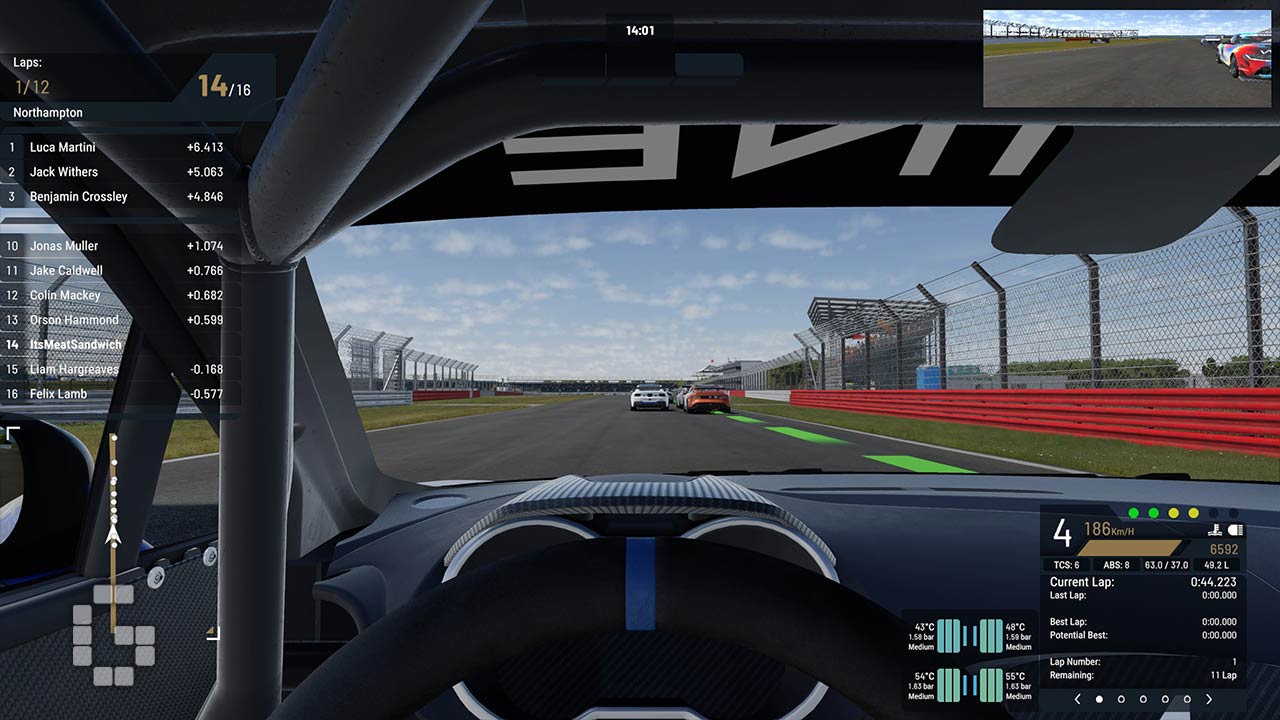
The user interface follows typical racing sim design. It can feel a bit confusing when you first start the game, and the presentation is plain rather than flashy, but it doesn’t get in the way once you understand it.
The audio design is a genuine highlight. The Mazda 787B’s rotary engine delivers a satisfying scream that creates a genuine sense of sitting in the cockpit. Small details like kerb hits and tire squealing all sound authentic and help with immersion during races.
Racing Against AI
The artificial intelligence shows mixed results. AI drivers occasionally make moves that look like human competitors, but they can also feel robotic. They sometimes suddenly turn aggressive and try to force you off track. The track limit system creates frustration because it’s quite strict. When battling with AI opponents, they often push you off track, but you end up receiving the penalty for exceeding track limits. This pattern gets annoying when it happens repeatedly, especially when the AI clearly initiated the contact.
Verdict
Project Motor Racing arrives with clear ambition and a solid foundation. The career mode offers surprising depth with its sponsorship and budget management. The car and series selection mixes old and new in interesting ways. The sound design impresses, and the dynamic weather creates authentic racing conditions.
However, the physics feel inconsistent, particularly when using a controller. High-performance cars become difficult to manage due to unpredictable handling that discourages pushing limits. The AI behavior swings between reasonable and frustrating, and the strict track limit penalties can feel unfair during wheel-to-wheel racing.
The game shows potential. With continued updates and refinement to address the physics inconsistencies and AI behavior, Project Motor Racing could grow into a genuine alternative in the sim racing space. For now, it’s a promising entry that needs more development to fully deliver on its ambitions.





The Review
Project Motor Racing
PROS
- Great variety of racing series and car classes.
- Strong audio design, especially engine and cockpit sounds.
- Deep and meaningful career mode with financial consequences.
- Decent visuals with dynamic weather and evolving track conditions.
CONS
- Physics inconsistency between different cars and controller handling can be unpredictable and difficult.
- AI can be overly aggressive at random moments.
- Strict track limit penalties.
- Occasional dated-looking graphics depending on lighting.