
![[EXCLUSIVE] Dragon’s Dogma 2: Dark Arisen Team Opens Up About the Expansion’s Name, New Norgan Region, and Performance Goals](https://cdn.gamerbraves.com/2026/07/Dragons-Dogma-2-Dark-Arisen_Interview_FI-360x180.jpg)











Once dismissed as a relic of the past and overshadowed by fast-paced, spectacle-driven action games, the turn-based RPG genre is enjoying a remarkable resurgence. Recent successes like Baldur’s Gate 3 and Clair Obscur: Expedition 33 show that turn-based games are not only surviving but thriving—capturing the attention of both long-time fans and newcomers who once overlooked the genre.
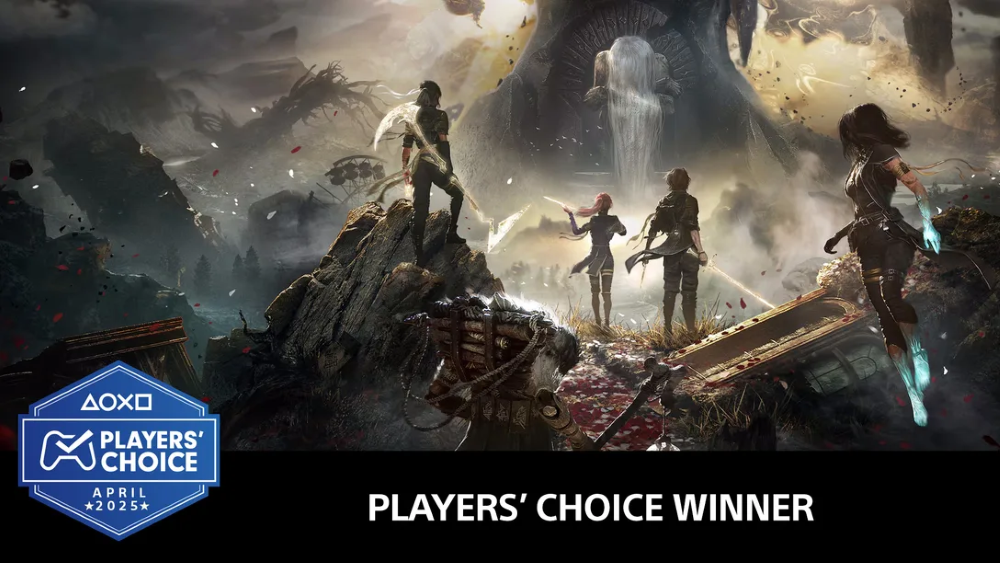
What was once considered “old school” is now earning fresh appreciation, sparking curiosity, and winning over players who never expected to enjoy it.
From “Boring” to Brilliant – The Enduring Allure of Turn-Based Games
For decades, turn-based games have held a special place in gaming history. From Pokémon Red and Blue to Dragon Quest III, these titles shaped countless childhoods and proved that slower, more thoughtful combat could be just as thrilling as real-time action. While the gaming spotlight has often shifted toward high-intensity, reflex-driven experiences, turn-based games have never disappeared—they’ve been quietly evolving, waiting for their moment to shine again.

The appeal lies in their deliberate pacing. Players are encouraged to pause, assess the battlefield, and craft strategies that can completely alter the outcome of a fight. This focus on planning over speed gives every victory a sense of accomplishment earned through wit and foresight. Modern entries like Expedition 33 have shown that turn-based systems can even blend seamlessly with real-time mechanics such as dodging and parrying, creating hybrids that appeal to fans of both slow-burn strategy and quick reflex challenges.

The Success of Clair Obscur: Expedition 33 and Creative Innovation
Innovation is at the heart of the genre’s modern revival, and Clair Obscur: Expedition 33 stands out as a prime example. Drawing inspiration from classics like Legend of Dragoon’s rhythm-based attacks, Persona’s stylish presentation, Final Fantasy IX’s gem-based upgrades, and Dark Souls-style parries, it weaves together diverse influences into something fresh. This approach proves that turn-based combat is not a rigid formula—it’s a flexible framework that can absorb mechanics from across the gaming spectrum.
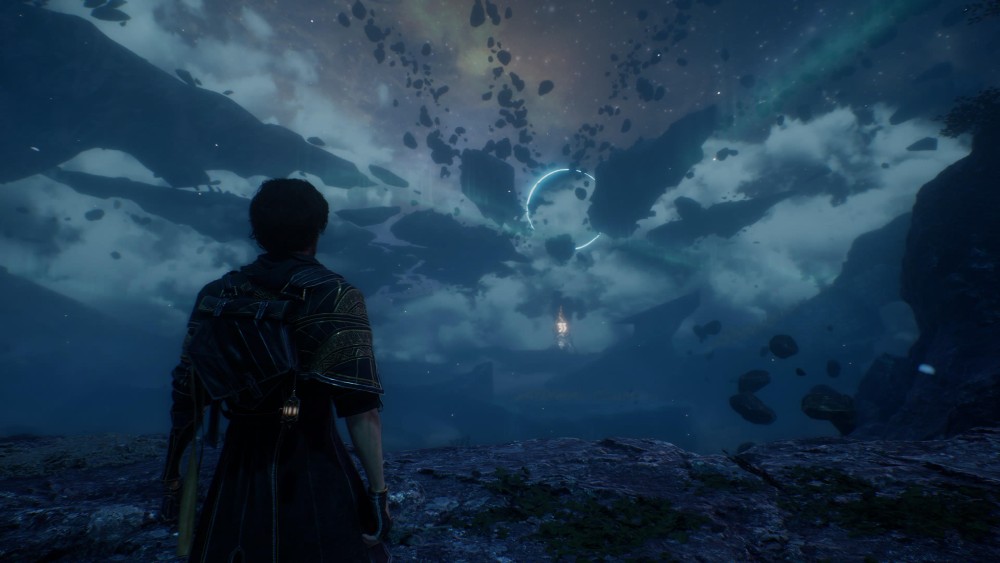
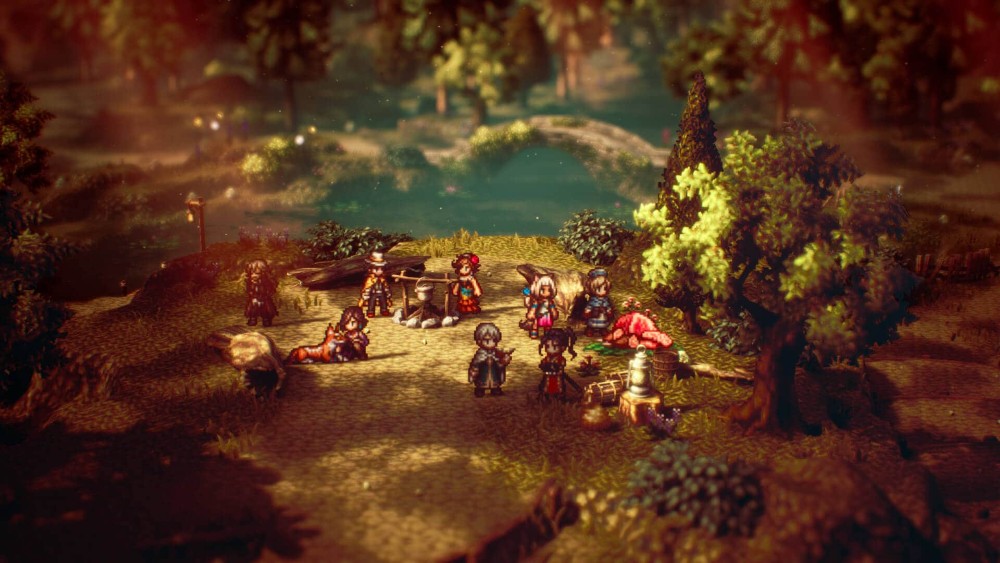
Other recent successes reinforce this point. Octopath Traveler II introduced a “Boost” system that allows players to tactically amplify actions, all while delivering a striking HD-2D aesthetic that blends nostalgia with modern polish. Fire Emblem: Three Houses fused tactical grid-based battles with relationship-building and time management, resulting in a hybrid experience that satisfied fans of both strategy games and narrative-driven adventures. These titles show that creativity thrives within the turn-based structure, producing games that feel both familiar and excitingly new.
This Genre Never Died – We Just Forgot
Some critics have called turn-based combat outdated, but the truth is, it never went away—it simply shifted from the mainstream spotlight. The enduring popularity of series like Dragon Quest, Persona, and Bravely Default demonstrates that a loyal audience has always been there. The difference now is that these games are reaching more players thanks to improved accessibility, wider platform releases, and modernized mechanics.

Nostalgia plays a big role. Many players return to turn-based titles because they remind them of formative gaming experiences. Yet these games aren’t just living in the past—they’re adapting with better visuals, smoother systems, and deeper storytelling. This blend of familiarity and evolution creates a bridge between generations of players, ensuring the genre stays relevant in an industry that often chases trends.
Turn-Based RPGs and How They Satisfy Gamers
Turn-based games excel in areas where real-time action often can’t compete. They give players the space to think several steps ahead, experiment with tactics, and savor every moment without the pressure of split-second reactions. This makes them more inclusive, welcoming gamers of all skill levels—from veterans who relish strategic depth to newcomers who appreciate the genre’s approachable pace.

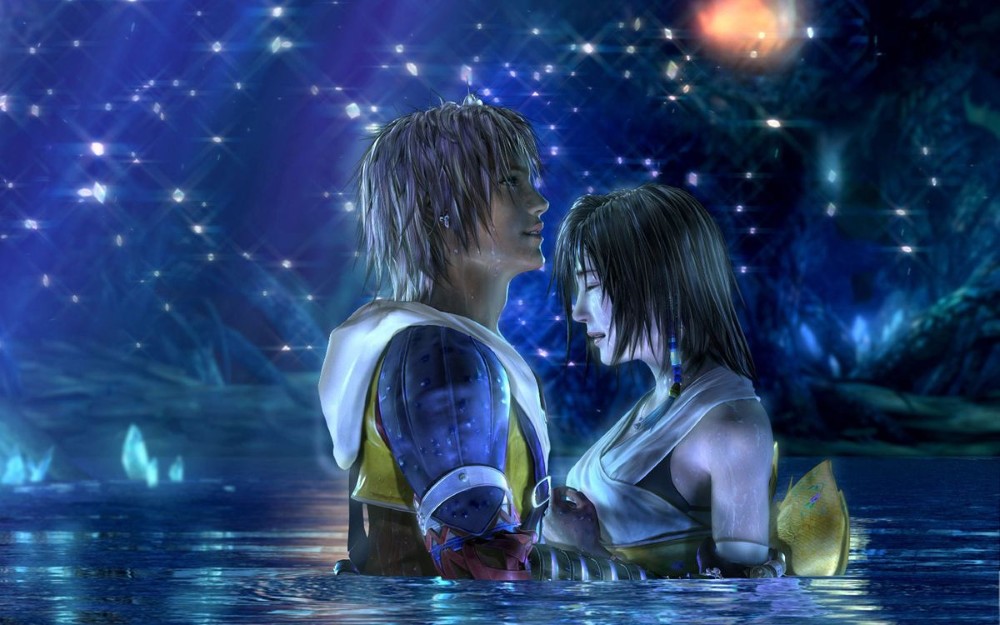
The slower rhythm also allows for richer storytelling and world-building. Persona 5 Royal, for example, captivates players with its heartfelt characters and social simulation elements as much as its stylish combat. Final Fantasy X remains one of gaming’s most emotional journeys, made more impactful by its pacing. Even Expedition 33 is already showing promise in crafting a narrative that resonates deeply alongside its innovative mechanics.
Modern titles also embrace accessibility features, such as adjustable difficulty levels, instant retries, battle speed controls, and guided tutorials. These quality-of-life improvements make it easier than ever for players to engage without frustration, ensuring the genre can be enjoyed by both casual fans and dedicated strategists.
Celebrating Final Fantasy and Beyond
When gamers think of turn-based RPGs, Final Fantasy is often the first series that comes to mind. From its earliest entries, it set a gold standard for the genre’s blend of strategy, storytelling, and spectacle. Even as some installments experiment with different combat systems, the influence of its turn-based roots continues to inspire developers across the world.

Square Enix hasn’t abandoned traditional turn-based excellence either. Titles like Bravely Default II, Live A Live, and Octopath Traveler reaffirm the company’s dedication to the genre’s core principles while still introducing fresh ideas. Alongside Persona, Dragon Quest, and Fire Emblem, these games form a vibrant lineup that keeps the spirit of turn-based RPGs alive and thriving.
Why Players Drifted Away from Turn-Based RPGs
While turn-based RPGs are celebrated today, many players once found them frustrating or outdated. A major reason was the prevalence of random encounters. Older RPGs often forced players into constant, unpredictable battles, which could break immersion and make exploration feel tedious rather than exciting. An example can be seen in Dragon Quest 3 where some players find the encounter rate too high.
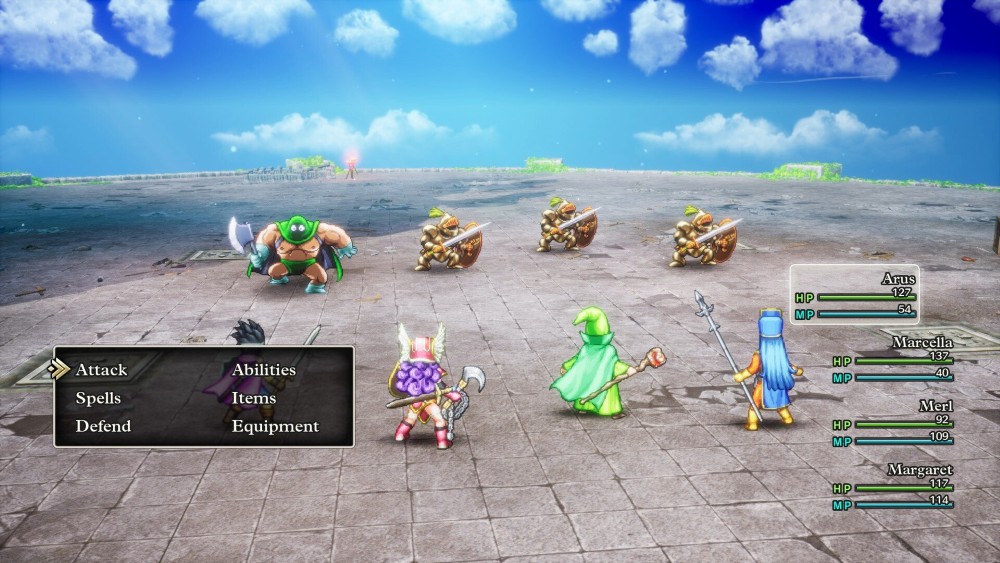
Another issue was slow pacing. Compared to the instant gratification of action games, turn-based combat sometimes felt repetitive, with drawn-out animations and long menus discouraging less patient players.
Accessibility also played a role. Many classic RPGs demanded grinding, obscure mechanics, or steep difficulty spikes with little guidance, creating barriers for newcomers. For some, this made the genre seem unwelcoming compared to more straightforward action titles.

As gaming evolved, turn-based RPGs were overshadowed by flashier, real-time experiences like Devil May Cry that showcased cinematic visuals and fast-paced gameplay. These trends left the genre unfairly labeled as “old-fashioned.”
However, modern innovations—such as visible enemies on maps, adjustable difficulty settings, and streamlined battle systems—have addressed many of these issues, breathing new life into turn-based RPGs for today’s players.
Recent Hits and Platform Availability
In recent years, the genre has produced standout titles that cater to a wide range of tastes and platforms. Persona 5 Royal, with its signature style and deep social gameplay, is available on PlayStation 4, PlayStation 5, Xbox One, Xbox Series X|S, Nintendo Switch, and PC. Octopath Traveler II, celebrated for its layered combat and HD-2D visuals, is playable on PlayStation 4, PlayStation 5, Nintendo Switch, and PC.
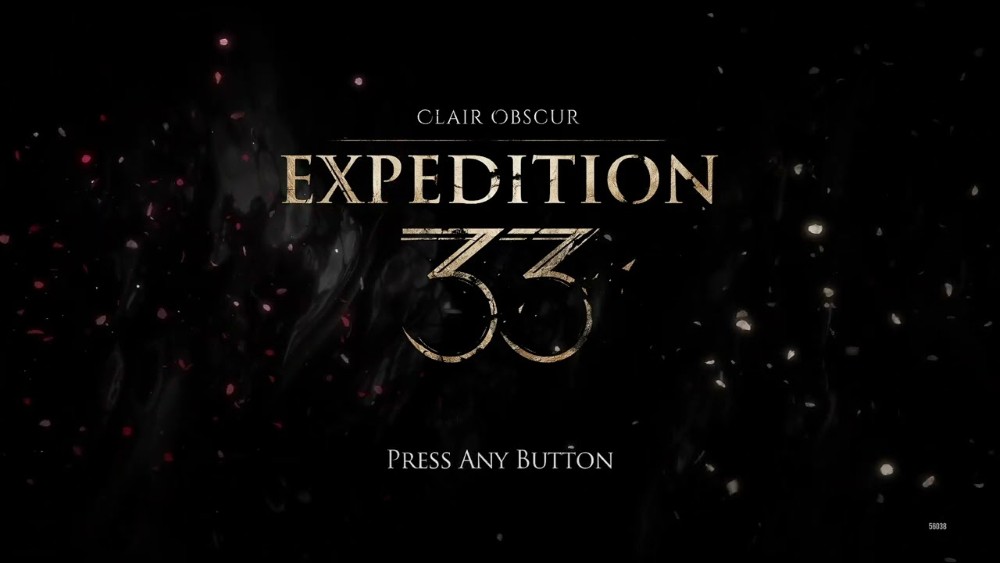
Nintendo Switch remains home to Fire Emblem: Three Houses, beloved for its branching storylines and tactical depth, as well as Triangle Strategy, which merges grid-based battles with impactful player-driven choices—also available on PC. Meanwhile, Clair Obscur: Expedition 33 brings a unique hybrid of strategy and real-time elements to PlayStation 5, Xbox Series X|S, and PC.
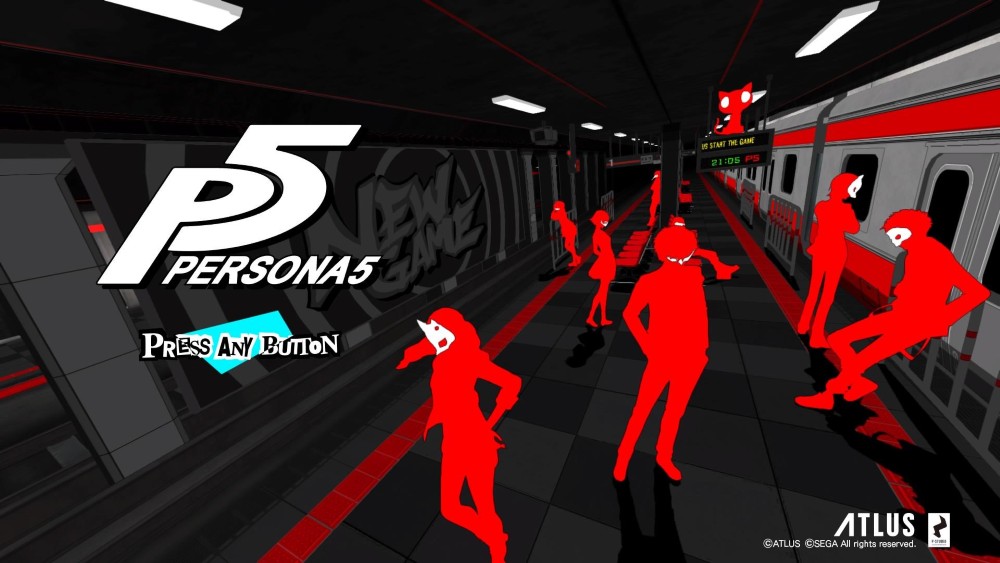
These games not only highlight the genre’s diversity but also ensure accessibility for players worldwide, no matter their preferred platform.

A Bright Future Ahead
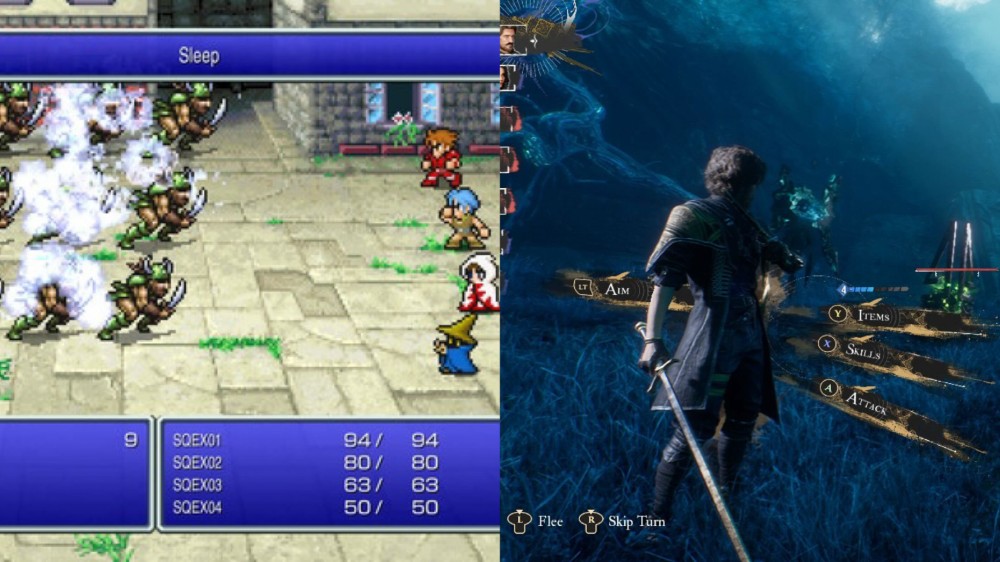
Turn-based RPGs are not relics of the past—they are evolving, expanding, and captivating players in ways that rival any modern action game. With developers experimenting boldly while respecting the genre’s traditions, the future is filled with potential. Whether revisiting nostalgic favorites or exploring groundbreaking new releases, gamers can expect turn-based titles to keep delivering what they do best: the joy of winning not just with skill, but with strategy.