











![[EXCLUSIVE] Brendan Gan Delivers One of Malaysia’s Best-Ever Worlds Results, Shares Thoughts on Pressure and the Local Scene](https://cdn.gamerbraves.com/2026/08/Brendan-Gan_Interview_FI-360x180.jpg)






As Steam and Itch.io face backlash over NSFW content removals, Mastercard has issued a firm denial. The company stated it never requested any restrictions on games, despite growing accusations from media and developers. In a public statement, Mastercard said, “We have not evaluated any game or required restrictions of any activity on game creator sites and platforms.”
https://t.co/ORNC1ZIyck pic.twitter.com/T4B9cVUuLY
— Mastercard News (@MastercardNews) August 1, 2025
It clarified that its network blocks only unlawful purchases, not legal adult content. “Put simply, we allow all lawful purchases,” Mastercard said. “But we expect merchants to prevent unlawful use of our cards, including illegal adult content.”
Valve Says Mastercard’s Policies Still Led to Action
Valve disagrees with Mastercard’s version of events. The company claims Mastercard’s policies still forced changes, even if no direct contact occurred. According to Valve, Mastercard never reached out to them. Instead, it contacted payment processors and acquiring banks. These intermediaries then passed the message to Valve.

“We asked Mastercard to speak with us directly, but they didn’t,” Valve told Kotaku. “Processors told us that Mastercard flagged Rule 5.12.7 and potential brand risk.” Valve explained that it defended Steam’s long-standing policy of distributing legal adult content. But payment processors still rejected that stance.
Mastercard Rule Gives Broad Control
At the core of the issue is Rule 5.12.7, which allows Mastercard to block transactions that either break the law or “reflect negatively on the brand.” While Mastercard clearly bans illegal content, the second clause is open to interpretation. It allows the company to reject content it simply deems harmful to its image.
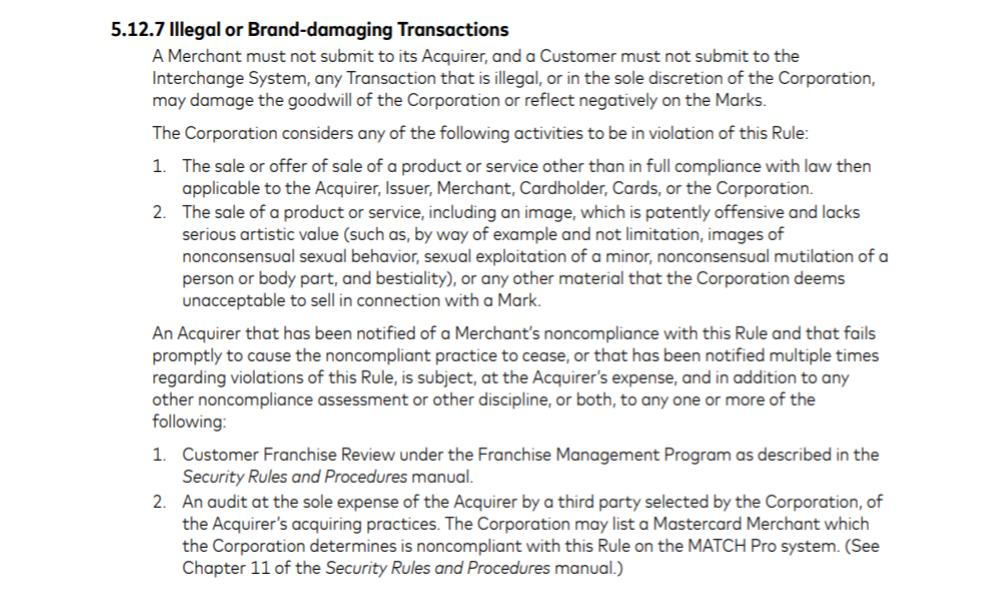
The rule specifically prohibits sales involving nonconsensual sexual behavior, child exploitation, or other extreme material. However, it also blocks “any other material the Corporation deems unacceptable.” Critics say this grants Mastercard wide-reaching power to decide what content should exist on platforms—even if it’s legal.
Fallout for Steam and Itch.io
In July, Valve updated its content policy to block “certain types of adult content.” Soon after, it began removing some NSFW games from Steam.

Itch.io followed by removing NSFW titles from search results, citing pressure from Collective Shout—an Australian anti-porn group. The group had previously campaigned against Visa, Mastercard, and PayPal for allowing adult games.
Itch.io has since restored visibility for free NSFW content. It’s also exploring deals with payment providers that accept adult material.
Industry Speaks Out Against Restrictions
Several groups have started pushing back. The International Game Developers Association (IGDA) defended games that explore consensual adult content. It warned about the dangers of letting financial firms decide what stories games can tell. GOG joined the resistance through its #FreedomToBuy campaign, advocating for creative freedom in game publishing.
But pressure is mounting. Governments around the world are rolling out new online safety laws, such as the UK’s controversial Online Safety Act. Combined with payment restrictions, adult games could face more obstacles than ever.
What’s Next?
Even if Mastercard didn’t directly demand content bans, its influence remains strong. Steam and Itch.io now face tough decisions—either comply with payment standards or risk losing access to financial tools.
The battle over adult content highlights a bigger issue: who really controls what games get published? For now, developers, platforms, and players are left navigating rules that remain as vague as they are powerful.

![[GUIDE] JoJo’s Bizarre Adventure: Golden Spirit Codes and How to Redeem Them](https://cdn.gamerbraves.com/2026/09/JoJos-Bizzare-Adventure-Golden-Spirit-Redeem-Codes_News_FI-350x250.jpg)