










![[EXCLUSIVE] Brendan Gan Delivers One of Malaysia’s Best-Ever Worlds Results, Shares Thoughts on Pressure and the Local Scene](https://cdn.gamerbraves.com/2026/08/Brendan-Gan_Interview_FI-360x180.jpg)





Merge-2 is one of mobile gaming’s most consistent genres, and Gossip Harbor stands as its strongest modern success story. Since launching in June 2022, Microfun’s title has generated over USD 720 million (≈ MYR 3.4 billion) in in-app purchase revenue, steadily climbing while many competitors stalled.
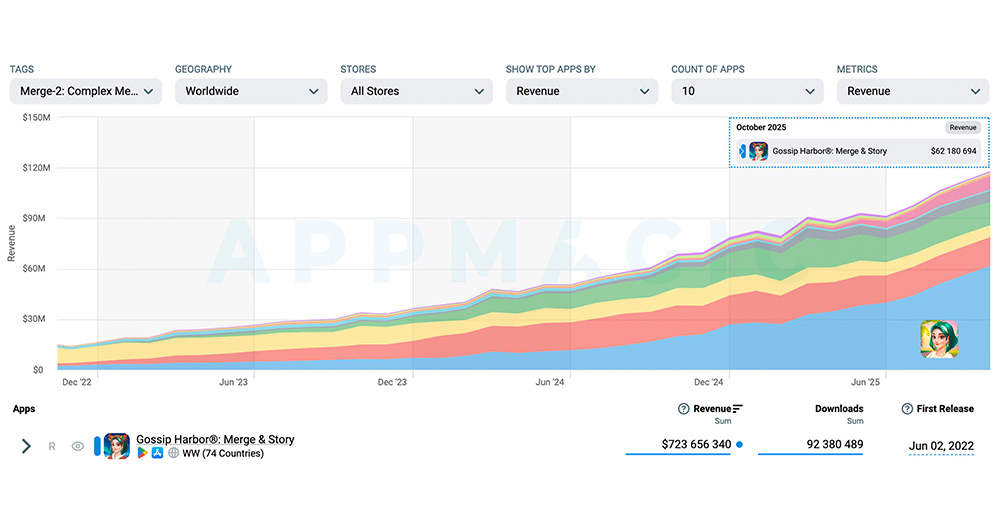
By October 2025, Gossip Harbor reached roughly USD 62 million (≈ MYR 293 million) in monthly IAP revenue, the highest figure the genre has recorded so far according to AppMagic. Notably, this growth did not come from sudden spikes. Instead, it followed years of deliberate LiveOps evolution built on experimentation, pacing, and system-level thinking.
Early LiveOps: A Compact but Busy Foundation
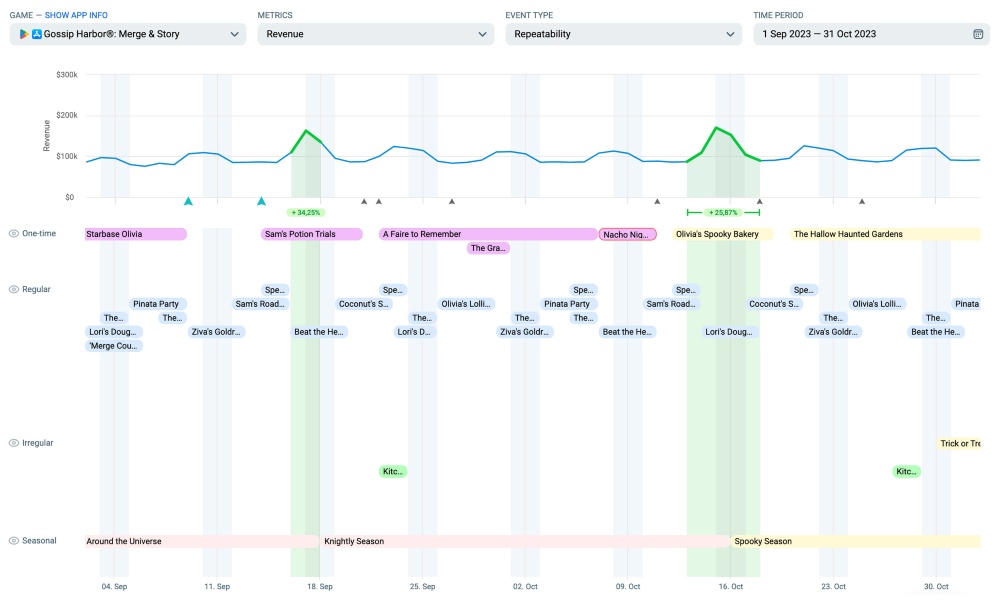
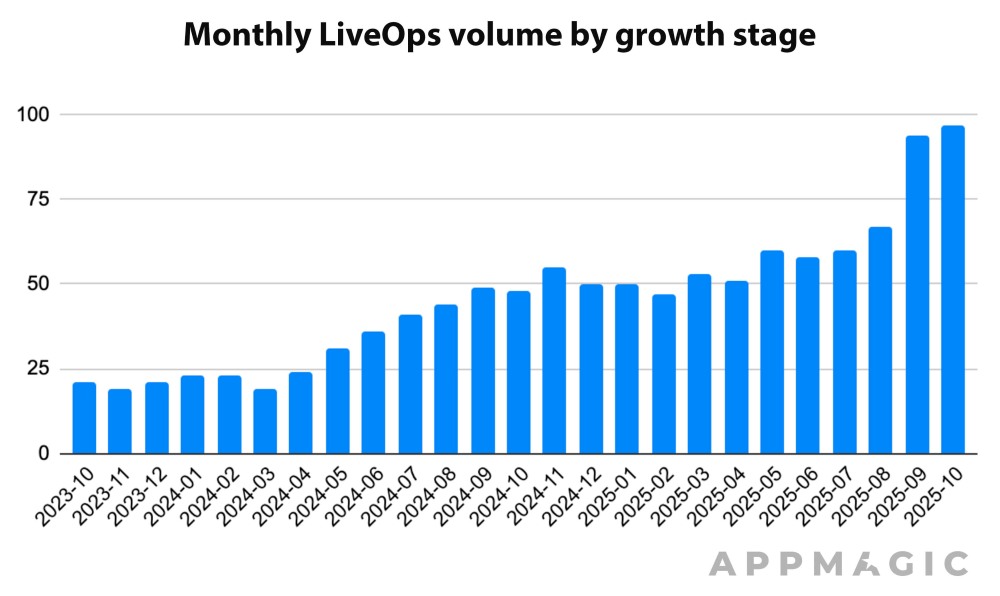
Before Q2 2024, Gossip Harbor operated with a relatively modest LiveOps setup. The game ran around 20 events per month, most lasting between one and ten days. These events primarily focused on retention, using familiar Merge-2 mechanics and predictable pacing.
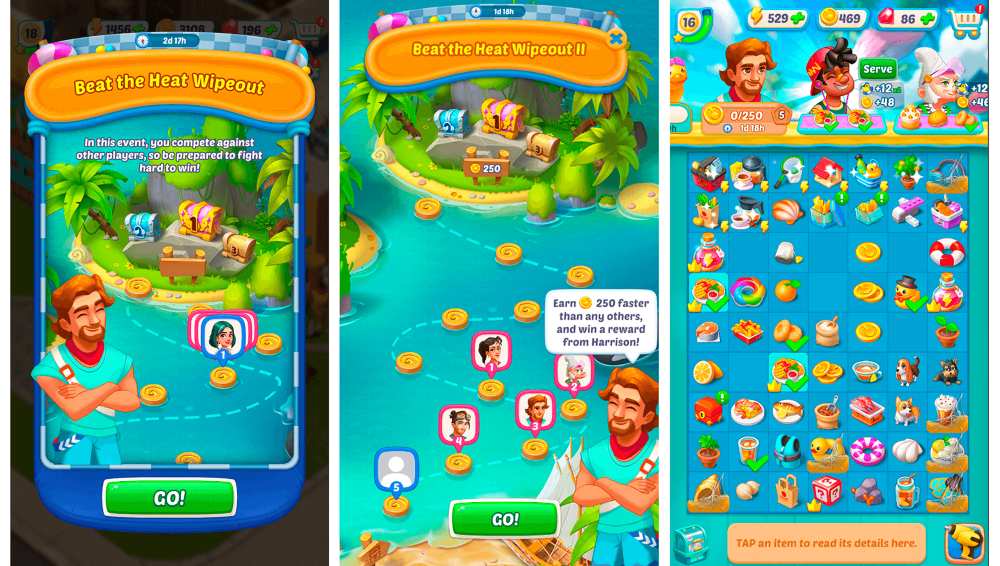
During this phase, Race events entered regular rotation. Formats like Beat the Heat Wipeout delivered short competitive loops that encouraged frequent check-ins. Although monetization remained conservative, Microfun began quietly testing new offer structures, including early “Buy All” bundles designed to raise average transaction value.
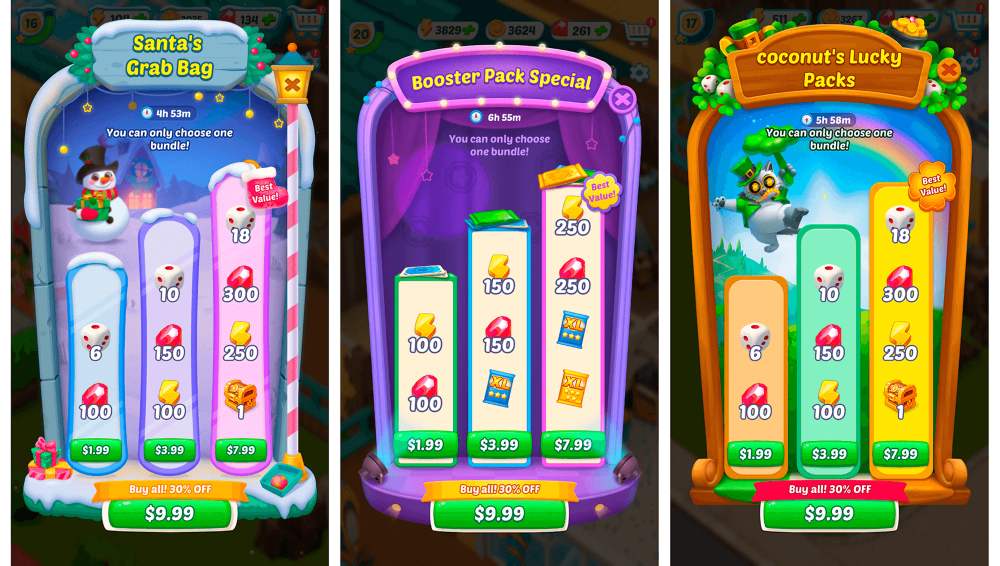
While this stage lacked urgency-driven spending, it laid the groundwork for future scaling. Importantly, the team tested constantly, removing weak offers and refining what worked.
First Growth Spike: Expanding to 50 Events a Month
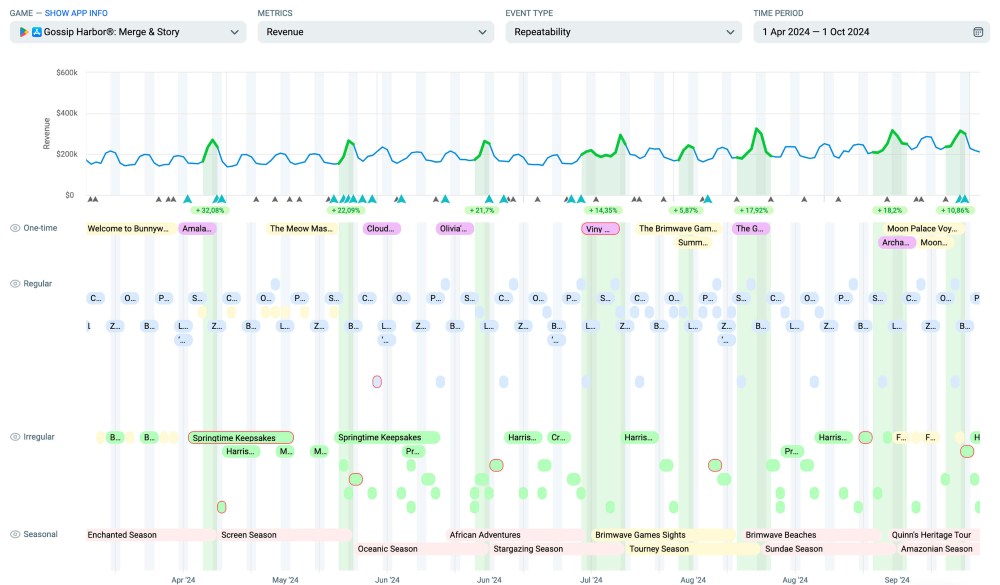
The first major shift arrived in Q2–Q3 2024, when Microfun expanded Gossip Harbor’s LiveOps grid. Monthly events increased from 20 to nearly 50, driven by shorter formats and tighter scheduling.
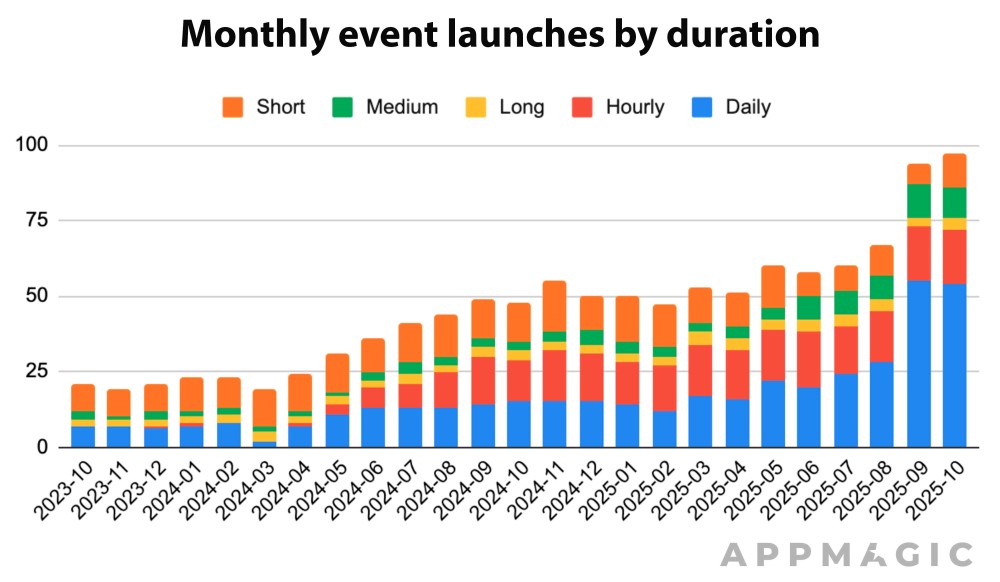
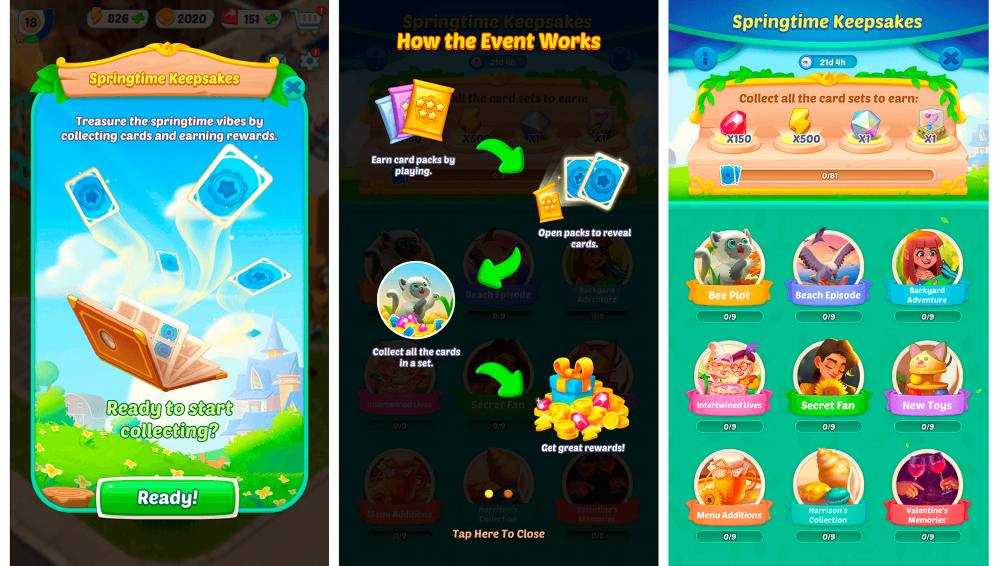
Daily and sub-day events became more common, creating faster loops that encouraged resource use. At the same time, new mechanics like album collections and Lava Quest introduced long-term goals and high-pressure runs. These systems increased session length while naturally driving spending.
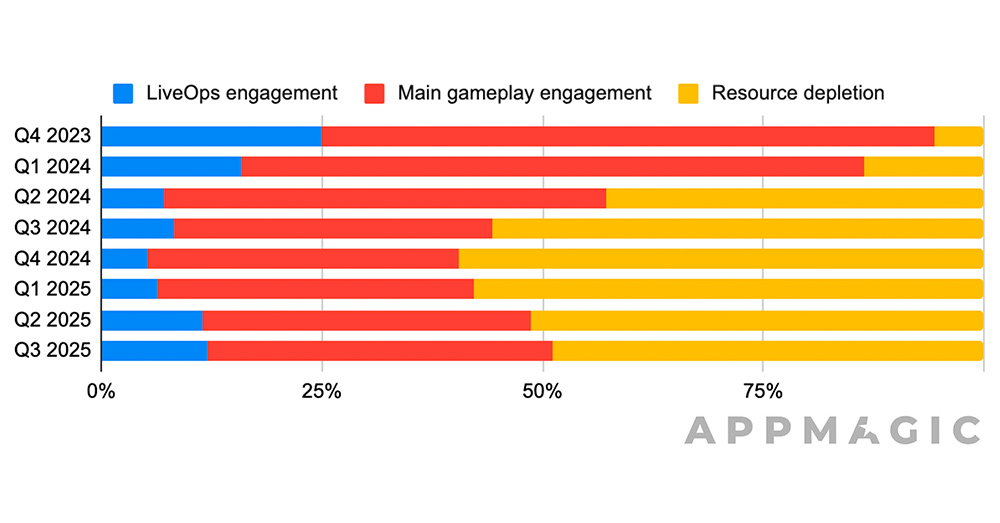
Monetization evolved alongside gameplay. The introduction of 1+1 bundles, multi-tier seasonal passes, and event-extension offers tied spending directly to LiveOps momentum. By the end of this phase, special offers accounted for over 60% of total revenue, showing how deeply monetization had integrated with event pacing.
Second Growth Spike: Closing in on 100 Monthly Events
By Q3–Q4 2025, Gossip Harbor had moved from adapting to the genre to shaping it. Monthly event launches climbed to 95–100, but volume alone was not the key. Instead, Microfun focused on event chaining, where one activity flowed seamlessly into another.
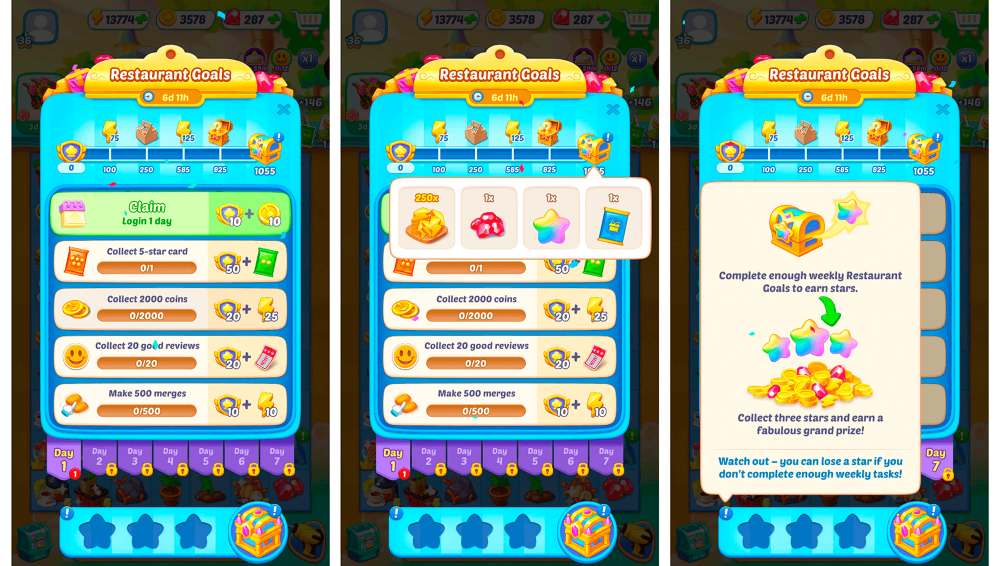
Mechanics like Win Streak and co-op Lucky Wheel reinforced consistency and social engagement. Events overlapped intentionally, minimizing downtime and keeping players in constant motion. Meanwhile, monetization matured into a full-stack system featuring escalating daily bundles, event-specific passes, Buy All formats, and catch-up offers. As a result, spending moments felt organic rather than forced.
What Microfun Got Right
Microfun’s success came from selection, not excess. The team tested widely, scaled cautiously, and kept only mechanics that strengthened the core loop. Each LiveOps layer served a clear purpose, from retention to urgency to monetization depth.
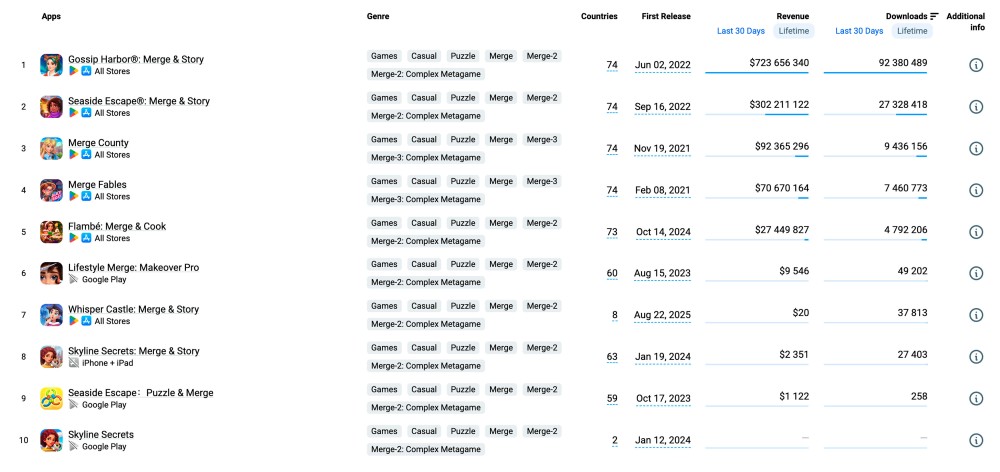
Rather than rebuilding systems, Microfun iterated continuously. Over time, those small changes compounded into one of the most effective LiveOps structures in mobile gaming today.
![[GUIDE] JoJo’s Bizarre Adventure: Golden Spirit Codes and How to Redeem Them](https://cdn.gamerbraves.com/2026/09/JoJos-Bizzare-Adventure-Golden-Spirit-Redeem-Codes_News_FI-350x250.jpg)

![[GUIDE] The Seven Deadly Sins: Origin Codes & How to Redeem Them](https://cdn.gamerbraves.com/2026/09/Seven-Deadly-Sins_-Origin-Tier-and-Codes_News_FI-1-350x250.jpg)