



![[EXCLUSIVE] Brendan Gan Delivers One of Malaysia’s Best-Ever Worlds Results, Shares Thoughts on Pressure and the Local Scene](https://cdn.gamerbraves.com/2026/08/Brendan-Gan_Interview_FI-360x180.jpg)





![[BIC2026] Hiroaki Nagashima from Toei Games Talks New IPs, Indie Roots, and Asia-First Strategy](https://cdn.gamerbraves.com/2026/08/Toei-Games-BIC-2026_Interview_FI-360x180.jpg)
![[BIC2026] From Outsider to Organizer: How Isabella Seo Jungsook Helped Build Busan’s Indie Game Scene through BIC](https://cdn.gamerbraves.com/2026/08/Isabella-BIC-2026_Interview_FI-360x180.jpg)
![[BIC2026] CanOpener’s Logan Moon Opens Up About Dungeon Settlers Ahead of Its September Early Access Launch](https://cdn.gamerbraves.com/2026/08/Logan-Moon-BIC-2026_Interview_FI-360x180.jpg)


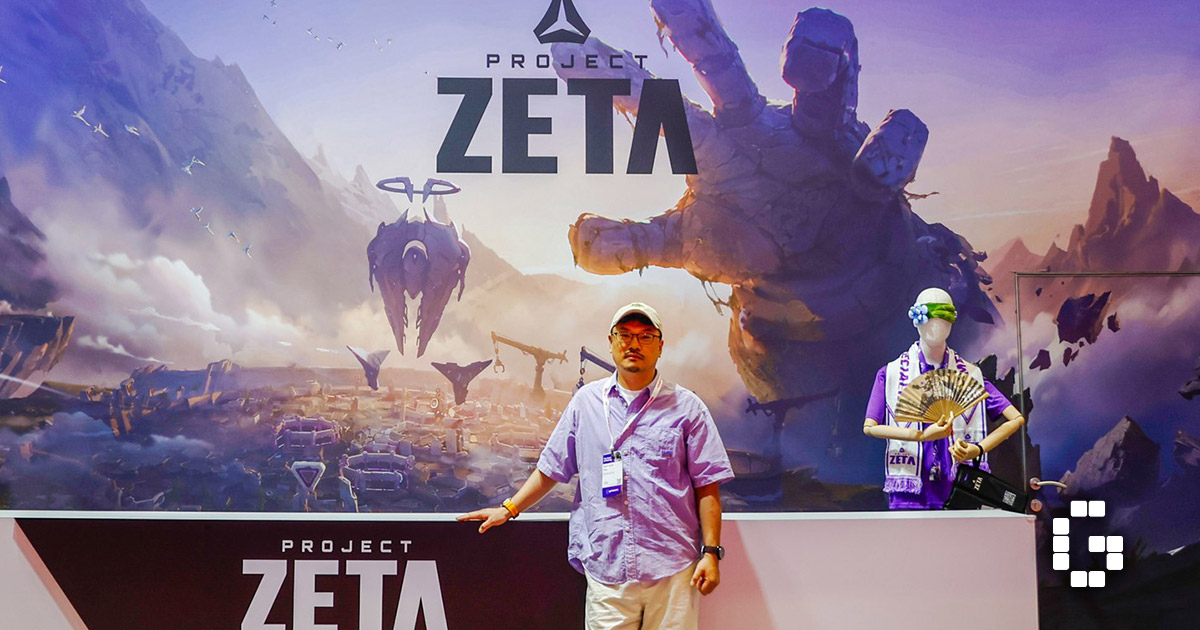
Team-based competitive games have leaned heavily on two familiar formulas for years: the MOBA and the hero shooter. Project ZETA, developed by NIRVANANA, is trying to carve out a third path with something the studio calls a Multi-team Tactical Arena or MTA. During our time at gamescom 2026, we sent over a set of questions by email to Namseok Kim, CEO of NIRVANANA, to learn more about what makes this genre tick, how the game evolved through testing, and what players can expect going forward. Here’s what he had to say.
What Exactly Is a Multi-Team Tactical Arena?
Project ZETA puts four teams of three players each into matches that run around 20 minutes, fighting from a third-person perspective over central objectives. There are no lanes, no bases, and no Nexus to defend. According to Kim, the goal was never to throw out what makes MOBAs enjoyable in the first place. “We do not see MTA as fundamentally rejecting what makes MOBAs fun,” Kim said.
“Instead, it focuses more directly on the core MOBA experience of growing intelligently and winning team fights.”
To get there, the team cut the traditional laning phase and combined the four-team structure with unlimited respawns, faster combat, a system called Fighting Spirit, and Prism-based scoring. “Our goal is to bring players into meaningful team fights much earlier and create the possibility of power-fantasy moments that go beyond a traditional Pentakill, including Deca-kills,” Kim explained.
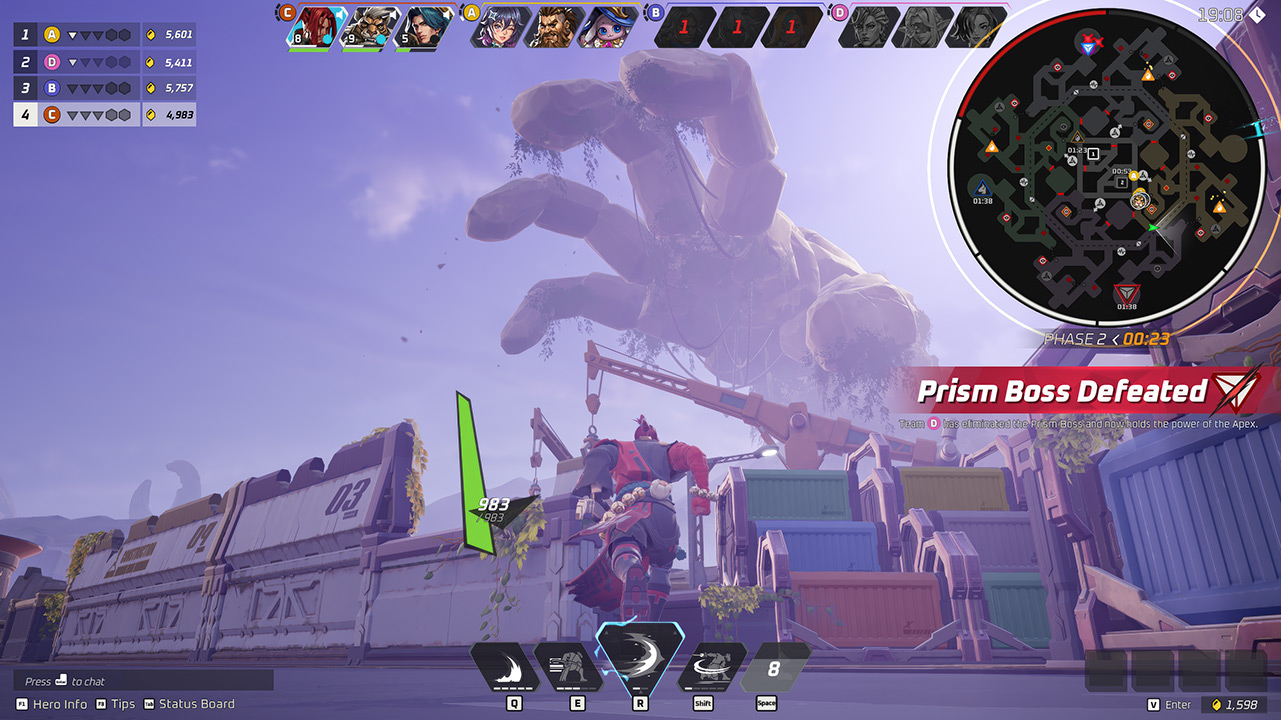
On the combat side, Kim was clear that precise aiming isn’t the main skill being tested. “Basic attacks are designed to connect reliably, allowing players to focus less on precision aiming and more on reading an opponent’s intent and creating their own opening to attack,” he said. He added that Project ZETA emphasizes reading the battlefield, predicting opponents, positioning, evasion, teamwork, and skill timing, which is why the studio sees the combat as closer to a 3D fighting or action game than a typical hero shooter.
From Five Teams to Four
The multi-team format itself went through a redesign before landing on its current shape. Early builds of Project ZETA used five teams on a larger map, but that changed after testing.
“We initially tested a five-team format on a larger map, but player feedback and behavioral data led us to move to four teams and redesign the map around that structure,” Kim said.
“This increased the density of engagements while making the battlefield easier to read and strategic routes easier to plan.”
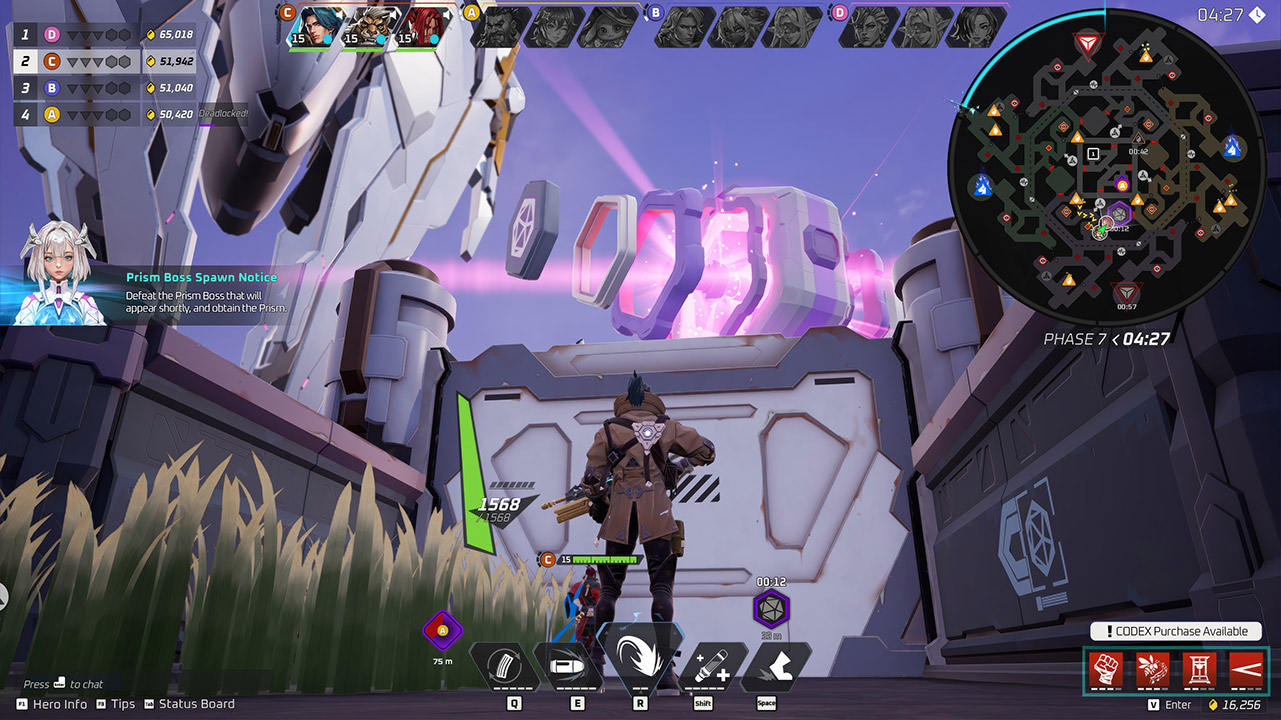
The four-team, three-player setup wasn’t chosen at random either. Kim said it was meant to concentrate hero-skill combat and keep the core team-fighting appeal of a MOBA intact. In practice, that means players aren’t just focused on the enemy directly in front of them. “In Project ZETA, strategy is not only about defeating the opponent directly in front of you,” Kim said. Teams are constantly tracking the other three squads, their rankings, their progress, and where they’re likely headed next.
“A team that is currently behind might focus on a high-value growth objective, predict the leading team’s route and set up an ambush, while another may avoid a fight and use that time to progress elsewhere.”
The Prism: Basketball as a Battle Objective
At the center of every match sits the Prism, the object teams fight to secure and deliver to a location called the Ballast. The first team to score five points wins. Kim offered a simple comparison to explain it. “You can think of the Prism as the ‘ball’ in a game of basketball,” he said.
Winning the Prism isn’t just about brute force. “Competing for the Prism involves a combination of objective fights, progression, and disrupting the team carrying it,” Kim said. Teams can choose to go after whoever is currently carrying it instead of fighting over an objective directly, though skipping objectives too often leaves a team short on the progression and combat rewards those fights provide.
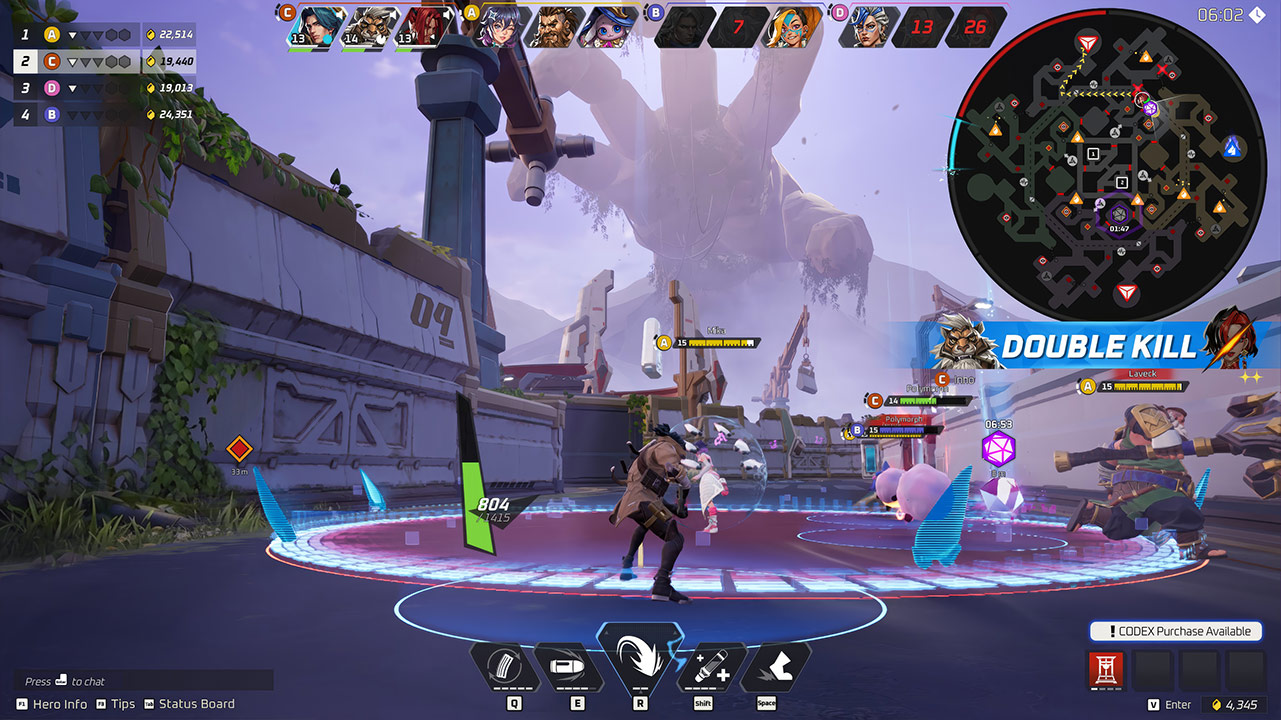
Scoring also gets harder as a match goes on. Past a certain point, teams need what’s called an S-Prism to score, which they can earn either by getting three kills or assists while carrying a Prism, or by defeating the Prime Boss in the match’s final phase. Kim said this places additional risk and decision-making pressure on leading teams while creating a greater sense of reward for teams that overcome it. As he put it, “No team can ignore the value of the Prism in Project ZETA.”
Keeping Progression Alive Without a Laning Phase
Cutting the laning phase raises an obvious question: how do players still feel like they’re growing over the course of a match? Kim said the answer is that progression and fighting now happen at the same time, rather than one after the other. “Project ZETA removes the traditional laning phase and has players begin making strategic rotations from the start of the match,” he said.
“Team fights naturally begin around key objectives within roughly two to three minutes.”
“Removing lanes does not mean removing the progression that players enjoy in MOBAs,” Kim continued.
“Instead of spending a long opening phase progressing before the action begins, progression and team fighting happen together throughout the match.”
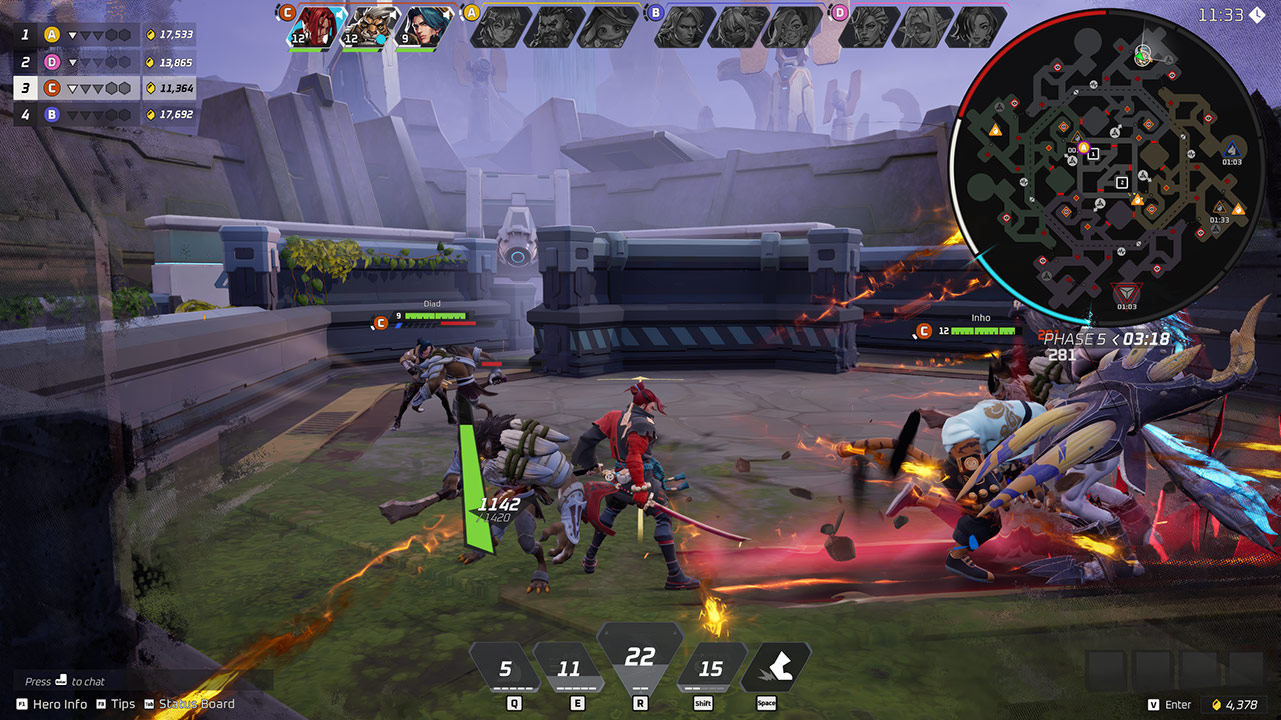
Matches are structured in phases. Early on, players fight regular monsters while scouting routes and deciding which objectives to go for. From there, Prism bosses and other high-value targets keep appearing, pushing fights and decisions throughout the match, with rewards growing larger as the game reaches its later stages. Kim shared a number from testing to back up how active these matches actually are.
“In the first Global Community Test, matches lasting around 20 minutes featured an average of 18.3 team fights, with the highest reaching 34.”
Predict, Dash, Dominate
Project ZETA’s fact sheet describes its combat as feeling more like a 3D fighting game than a hero shooter, and Kim leaned into that comparison when explaining the thinking behind it. “Project ZETA emphasizes reading the battlefield, predicting an opponent’s actions, avoiding their attack, and then creating your own opportunity to strike rather than simply aiming at a target,” he said. Kim added that the phrase “Predict, Dash, Dominate” reflects the game’s combat philosophy.
“Rather than focusing on precision aim for basic attacks, players are encouraged to read both teams’ situations, win the positioning and timing battle, and turn that advantage into a team-fight victory.”
For Kim, it comes down to mind games and timing more than mechanical accuracy. “Ultimately, the focus is on mind games and timing, predicting an opponent’s intent, avoiding their turn, and creating your own opening to attack,” he said. “That is why we describe the combat as closer to a 3D fighting/action game than an aim-driven hero shooter.”
Fighting Spirit: Rewarding Decisive Fights
One system built specifically to keep matches feeling aggressive is Fighting Spirit. When a team wipes out all three members of an opposing squad, the fallen players respawn immediately and their whole team gets its health and skill cooldowns refreshed. “When a team wipes all three members of an opponent, fallen teammates immediately respawn on the spot and the entire team recovers health and skill cooldowns,” Kim explained.
“This removes much of the downtime after a fight and allows high-intensity engagements to continue from one team into the next.”
Kim said the reasoning behind the system comes from a problem specific to multi-team games. “In a multi-team game, players may naturally hesitate to initiate a fight because a third team can arrive once the battle is already underway,” he said.
“Fighting Spirit was designed to reduce that passive behavior and reward teams that fight decisively and allow the winner to continue into the next engagement. Together with faster combat, Fighting Spirit helps preserve the aggressive team fighting we want from Project ZETA.”
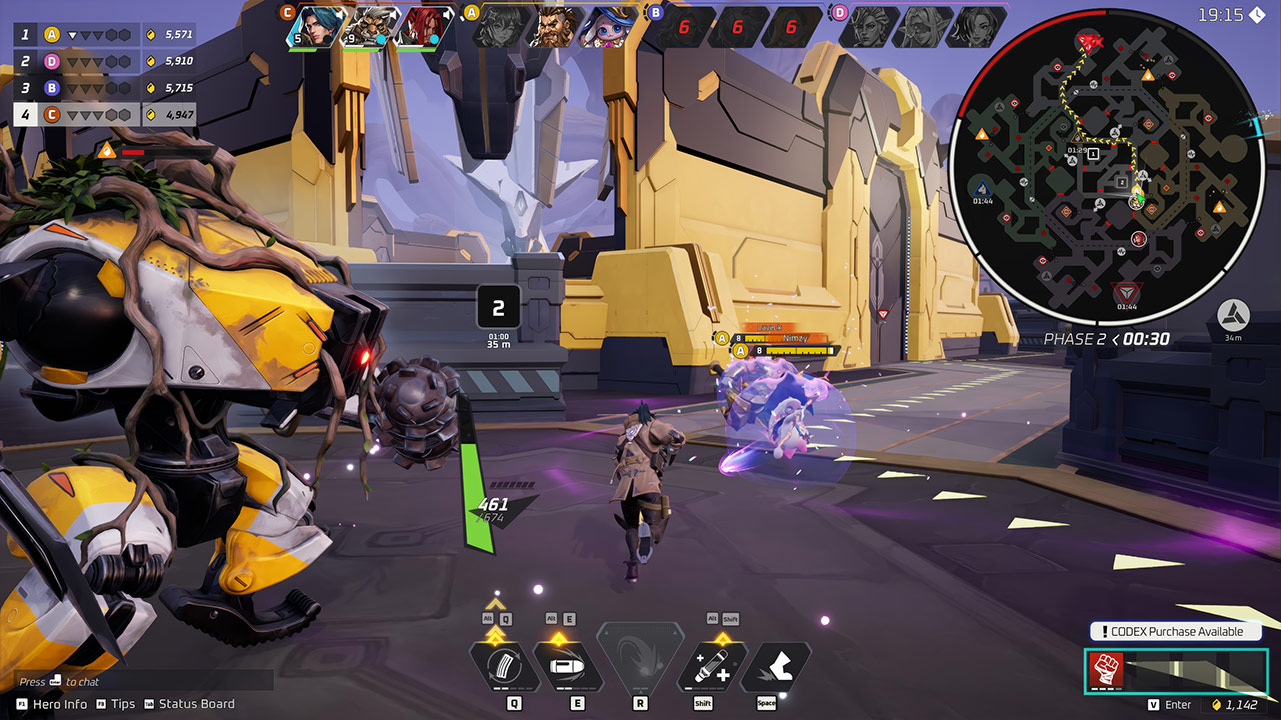
That said, Kim was careful to note that Fighting Spirit isn’t meant to single-handedly stop teams from snowballing. “Fighting Spirit itself is not intended to be a standalone anti-snowball mechanic,” he said. That job is shared across several systems at once. “The wider multi-team structure continually changes which team should be targeted based on rank, progression, and position, while the Prism scoring system places additional risk on teams that are ahead,” he said.
“Balance comes from how those systems interact rather than from Fighting Spirit alone.”
No Tanks, No Healers, By Design
Project ZETA’s current hero roster is split into four broad roles: Fighter, Marksman, Assassin, and Mage. Notably absent are dedicated tank or support roles, and Kim confirmed that’s intentional rather than an oversight. “The four roles, Fighter, Marksman, Assassin, and Mage, are broad categories designed to help players quickly identify heroes that match their preferred playstyle,” he said.
“Within each role, individual heroes can still lean toward more offensive, defensive, or supportive characteristics.”
Kim added that Project ZETA does not have pure tank or pure healer roles.
“This reflects our broader design philosophy: with unlimited respawns, faster combat, and multi-team competition, we want every player to remain actively involved in fighting.”
Kim noted that the four roles are meant as a general guide rather than a strict rulebook. “Roles provide a useful framework for playstyles, but individual hero design and team compositions still allow players to contribute offensively, defensively, or in support-oriented ways,” he said.
Simplifying Item Builds Without Removing Choice
Traditional MOBAs are often infamous for the sheer amount of item knowledge they demand from new players. Project ZETA is trying to lower that barrier without cutting build variety entirely. “Project ZETA does not ask players to memorize an item system as complex as a traditional MOBA from the beginning,” Kim said.
“We first want players to become comfortable with hero skills, movement, battlefield awareness, and strategy.”
Players can still adjust their builds based on team composition and how a match is going. “Players can still adapt their item builds based on team composition and the current match situation, but we want to reduce the burden of purchasing and upgrading,” Kim said.
“Recommended builds and automatic purchase and upgrade options allow players to focus more on objectives, team fights, rotations, and strategy during the match.”
He added that this also lets players carry lessons from one match into the next. “Players can then use what they learned in one match to adjust their item plan before the next, allowing the same hero to develop in different directions depending on the situation and the choices the player makes,” he said.
What’s Next for Project ZETA
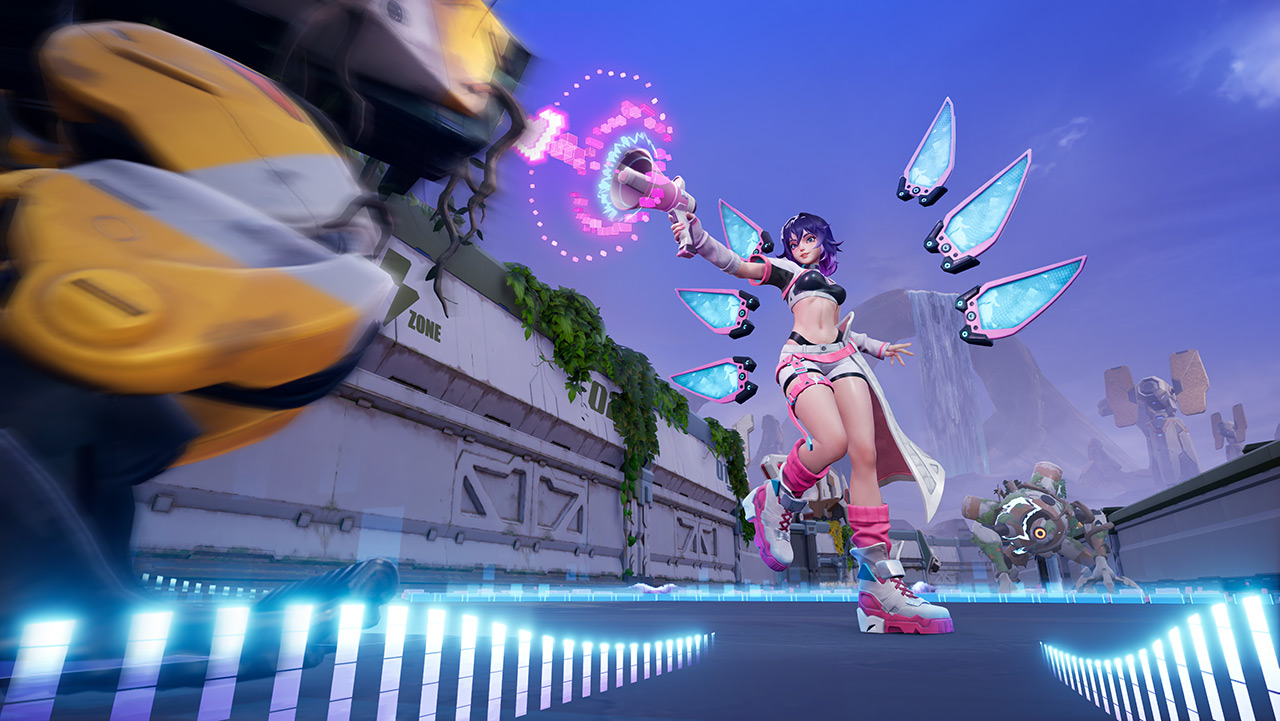
Looking toward the future, Kim shared that the studio is currently aiming for a modest but varied hero roster at launch. “We are currently targeting around 17 heroes for launch, although this number is not yet final,” he said. Beyond that, specifics about Early Access content and the milestones needed before a full release are still being worked out and will be announced later.
When asked for a closing message to players following the game, Kim kept it simple and grounded. “We believe someone will eventually open a new future for this genre, and of course, we hope it can be us,” he said.
“Project ZETA continues to evolve together with player feedback. Through our Global Community Tests, we want to keep listening directly to our players and explore the potential of this new competitive experience together with the community. We’ll do our best.”