







![[EXCLUSIVE] Brendan Gan Delivers One of Malaysia’s Best-Ever Worlds Results, Shares Thoughts on Pressure and the Local Scene](https://cdn.gamerbraves.com/2026/08/Brendan-Gan_Interview_FI-360x180.jpg)





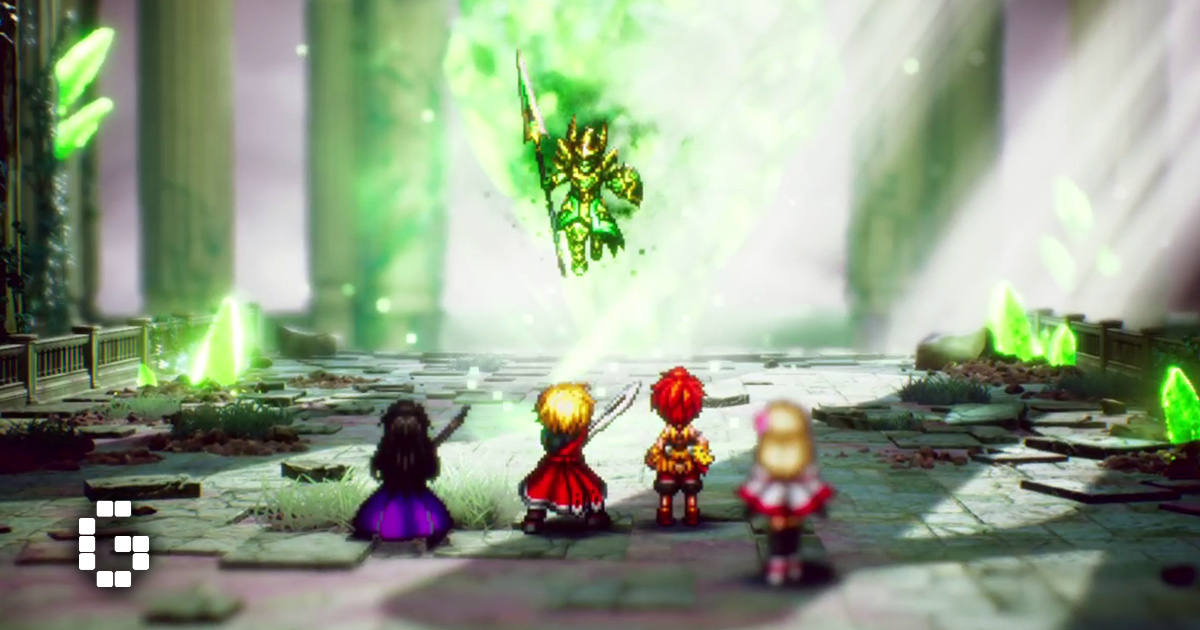
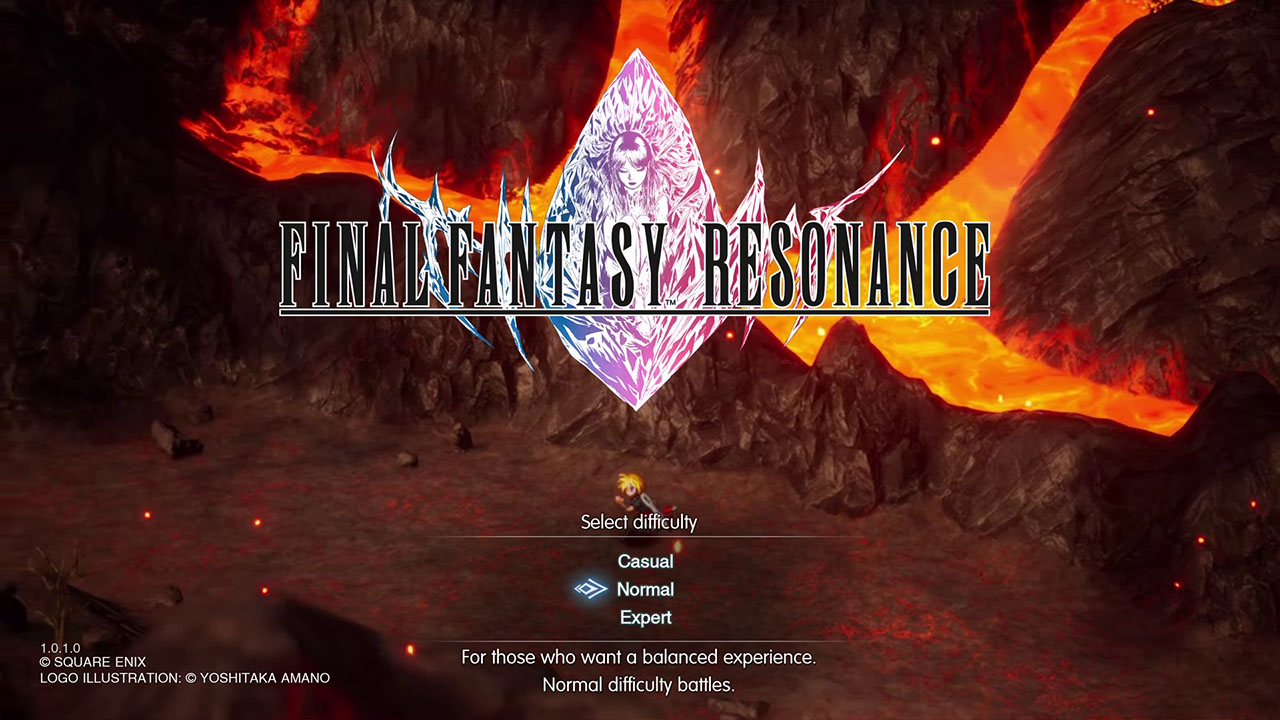
Final Fantasy Resonance has been drawing attention as the first entry in the series to use the HD-2D art style, and as a game built for fans who have been waiting for a proper return to turn-based combat. To learn more about how the game came together, we sat down with Producer Keisuke Nakashima and Director Hiroto Furuya, who walked us through everything from the game’s roots in Final Fantasy Brave Exvius to the thinking behind its battle system, visuals, and music.
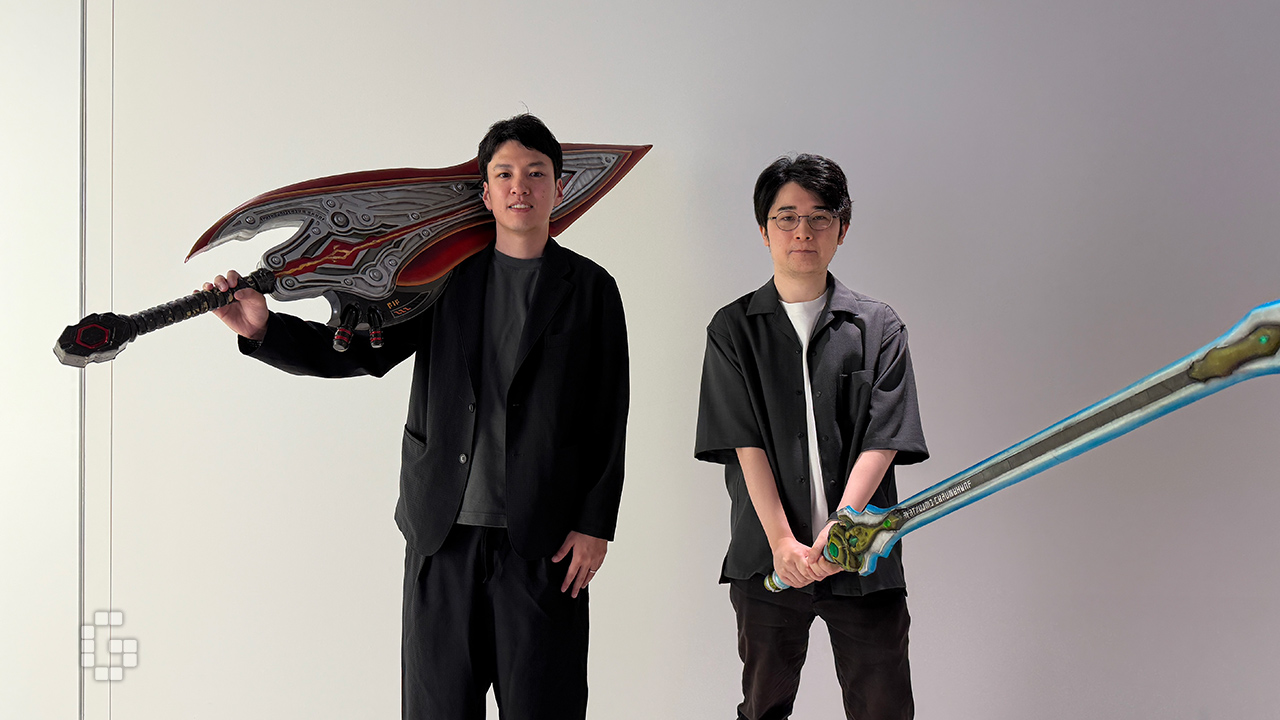
Returning to the Series’ Roots
When asked how the modern resurgence of turn-based RPGs shaped the game’s direction, Nakashima explained that the team didn’t really look at other current releases for inspiration. Instead, they focused on the earlier entries in the series. “We mainly looked back at what came before with the Final Fantasy series. Many members of the development staff love Final Fantasy I through VI, so we wanted to recapture what made those games special,” he said.
He added that the team also paid close attention to how modern games feel to play, saying, “We wanted the experience to be simple enough for anyone to pick up and play, while also being stress-free.” According to Nakashima, the aim was clear from the start.
“We wanted to revisit the turn-based games of Final Fantasy I through VI and bring back what was fun about them, including exploration, storytelling, and battles.”
That focus on classic design naturally raised the question of whether more smaller-scale Final Fantasy games could follow. Nakashima was upfront that this isn’t something his team can answer, since they don’t have full visibility into decisions made about the wider franchise. “We don’t know what kinds of games Final Fantasy will release as a brand in the future, as we are simply one project team and don’t have visibility into those decisions,” he said. Still, he noted that the company hopes to keep the series going in some form.
“We certainly hope to keep bringing Final Fantasy experiences to fans.”
From Mobile App to a New HD-2D Style
Resonance is based on Final Fantasy Brave Exvius, and Nakashima shared that this choice was personal for him. He had worked as an assistant producer on the mobile version and often heard players dismiss it as just an app game. “There were some people who felt that Brave Exvius was ‘just an app game,’ and personally, I found that frustrating,” he said, explaining that he felt the game’s story and pixel-art visuals deserved a proper console treatment.
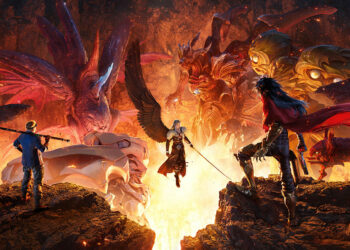
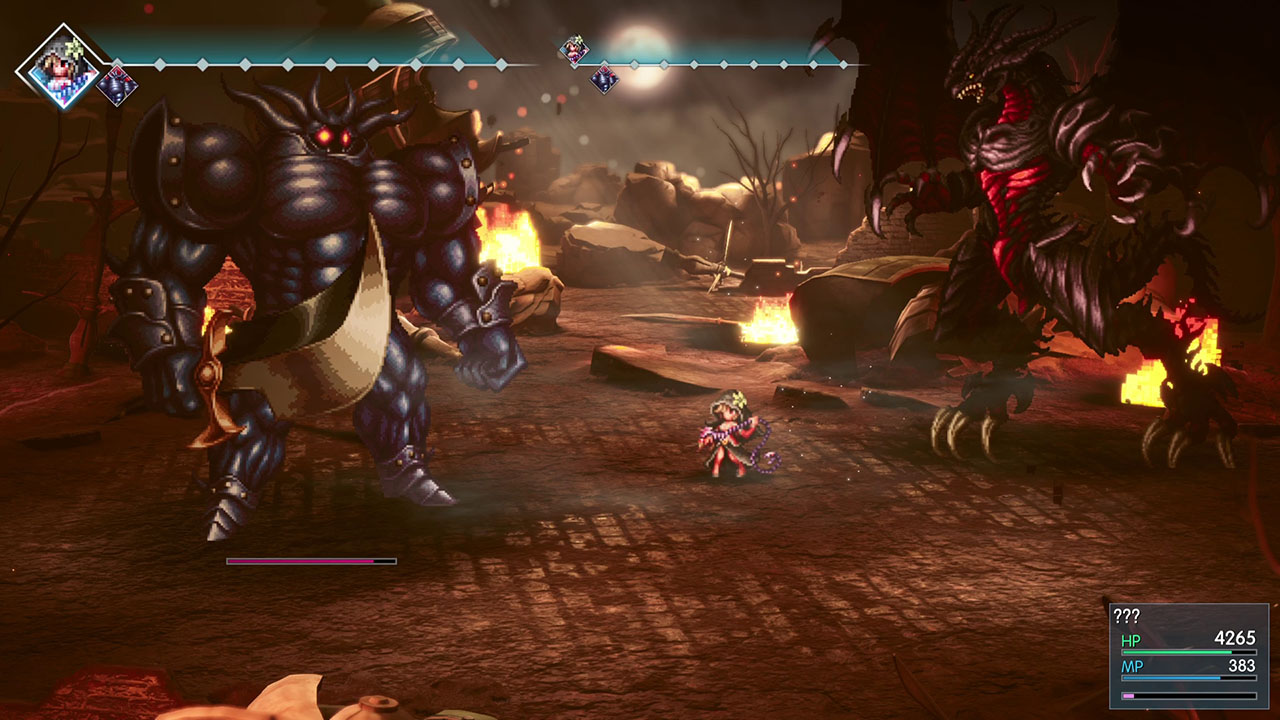
As for the HD-2D style itself, Nakashima summed up the idea behind Resonance in a single line. “The concept of Final Fantasy Resonance is essentially imagining what Final Fantasy would have become if it had continued evolving from its pixel-art roots,” he said. He pointed to scenes where characters move with real energy and moments involving large-scale elements like Bahamut flying across the sky as proof of that idea in action.
“Although the characters are still represented in a pixel-art style, we wanted them to move with a sense of power.”
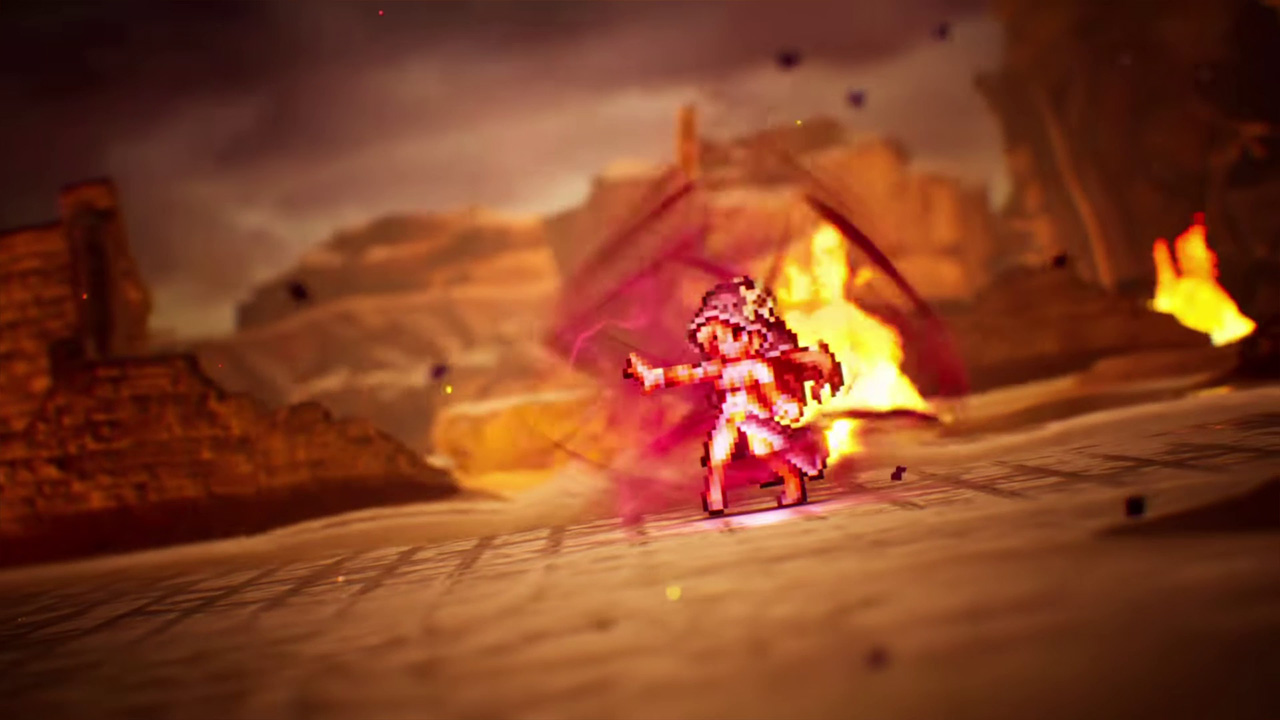
Reaching that final look wasn’t a straight path. Nakashima revealed that early in development, the team tried several other directions. “During the early stages of development, we experimented with different approaches, including voxel-based visuals and even using a physics engine to create more dynamic visual effects,” he said. He felt that pushing the pixel-art style forward required real experimentation. “The evolution of Final Fantasy’s pixel-art style required us to challenge ourselves with new forms of visual expression,” he said. After much research into sprite-based art, the team landed on HD-2D.
“We wanted to create a Final Fantasy with a new look while still respecting the visual language that came before it.”
Learning From HD-2D and What Makes Resonance Stand Out
Square Enix has released several HD-2D titles before Resonance, and Nakashima said the team took a lot from what the Asano team had built with those games. “One thing the team particularly cares about is creating a well-balanced and believable world,” he said. For Resonance, this meant making sure NPCs and the world’s inhabitants felt properly represented, right down to details like dwarves being visibly smaller than other characters.
“HD-2D allowed us to express that difference in scale visually and make the world feel more alive.”
He added that the team preferred to build on what already worked rather than dwell on criticism.
Asked what specifically sets Resonance apart from other HD-2D games, Nakashima pointed first to scale and presence. “From a visual perspective, I think the charm of Final Fantasy Resonance is that it feels both gorgeous and powerful,” he said. He explained that the game features things rarely seen in other HD-2D titles, such as airships and Bahamut, with cities that have tall castles and buildings viewed from a camera angle kept relatively parallel to the characters. Comparing this to Octopath Traveler’s more traditional quarter-view perspective.
“In Resonance, we chose a different approach because we wanted the world to feel more powerful and imposing.”
He summed up the visual identity this way
“The presence of airships, Bahamut, and huge enemies that you don’t normally see in other HD-2D titles is an important part of the game’s visual identity and sense of adventure.”
That same ambition carries into the battle system, which draws from the job and ability combinations found in Final Fantasy V. Nakashima called it one of the game’s defining traits. “We wanted to expand the abilities and tactical depth of previous Final Fantasy battle systems and see just how much variety we could provide,” he said.
Honoring Final Fantasy’s Legacy Through Music and Characters
On the topic of music, Nakashima shared that the soundtrack was led by Noriyasu Agematsu of Elements Garden, who also worked on the original Brave Exvius. While the team didn’t work directly with past Final Fantasy composers, Nakashima said their influence is still present. “There are elements scattered throughout the soundtrack that reflect our respect for their work,” he said. Since Agematsu has loved Final Fantasy since childhood, Nakashima framed his role a certain way.
“He is carrying on a legacy through the soundtrack of Resonance.
Director Hiroto Furuya added that around 30 new songs were created for the game, each tied to a specific event scene. “Although the music can be very dramatic, we wanted the melodies to remain memorable while still creating the appropriate atmosphere,” he said, noting that catchy melodies and rhythm have always been an important part of what makes Final Fantasy music recognizable.
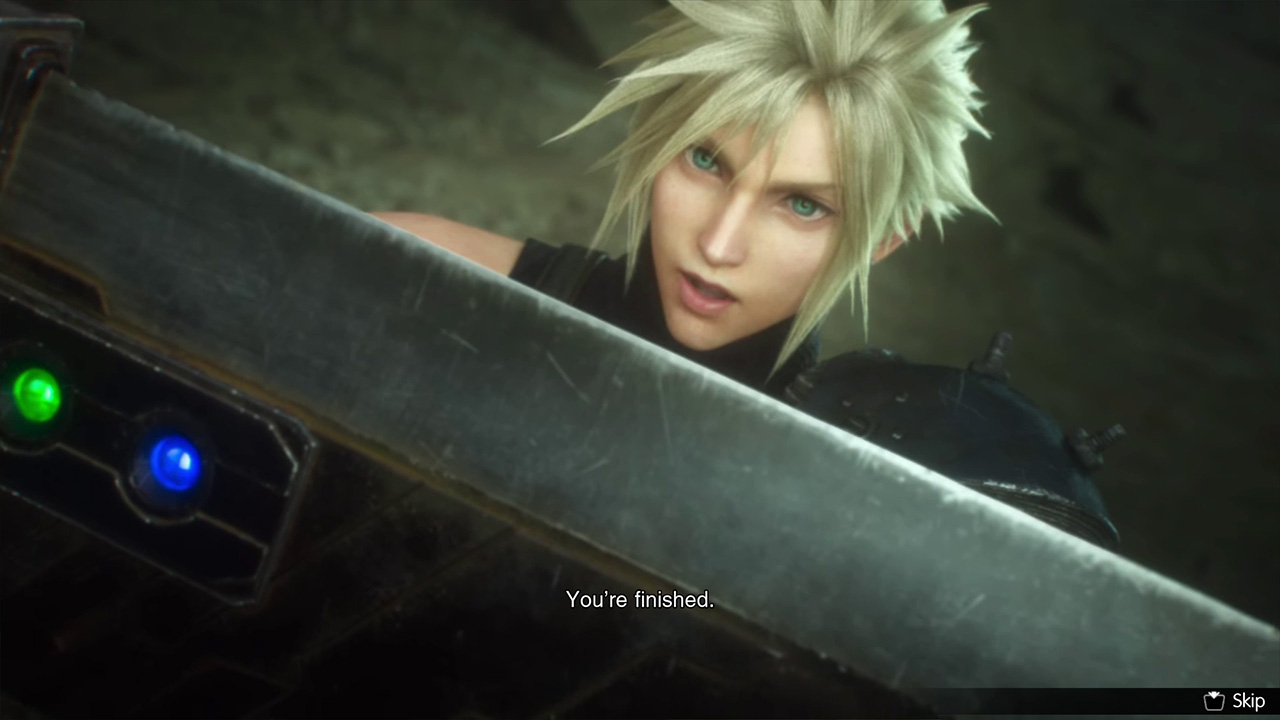
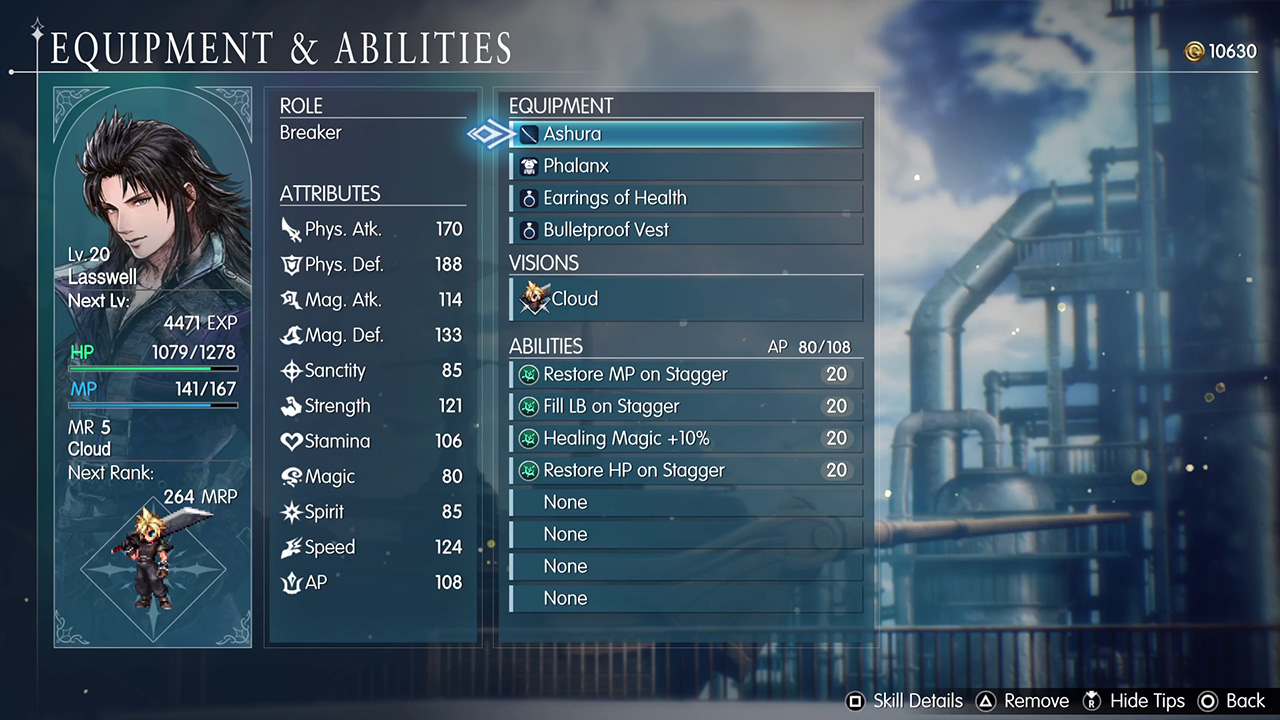
Familiar faces like Cloud and Noctis also appear in the game, introduced through a power called Vision, which brings their thoughts and strength into the world of Resonance. Furuya explained the appeal this way.
“If you already know their stories, you can enjoy the nostalgia. If you don’t know them, you can discover that these characters had their own adventures in previous Final Fantasy games.”
He was also clear that the goal wasn’t to lean on these characters purely for fan service. “Another important point was making sure that their personalities were reflected in gameplay rather than simply making them strong characters for fan service,” he said. As an example, he pointed to Y’shtola from Final Fantasy XIV, whose strong connection to magic carries over into her abilities, and Bartz, who brings in elements from Final Fantasy V.
“We wanted players to feel those personalities and identities through the actual battle system.”
Rebuilding Brave Exvius Into a Console RPG
Turning Brave Exvius, a game originally designed to be updated over time, into a complete, self-contained console experience came with real challenges. Nakashima explained that the goal was never to simply stretch the mobile game into a console release. “We didn’t want to simply make a console title by extending the original app. We wanted to create a new Final Fantasy experience that players could enjoy independently,” he said.
Some systems from the original didn’t translate well and had to be reworked with new mechanics and visual effects. Balancing all 30 Vision characters so each one felt useful was also a major task. As Nakashima put it.
“Every Vision needed to have a reason to be used and needed to work well with the rest of the battle system.”
Furuya added that the original game told its story through stages followed by event scenes, which doesn’t match what players expect from a console RPG, such as exploring a world map. He described the process of adapting that structure simply.
“We had to reconstruct the experience without losing the fun and appeal of the original story.”
When it came to deciding what to keep and what to change, Furuya said the team judged each element individually, rebuilding anything that didn’t meet console-level expectations. “The expectations and requirements of console players are different, particularly when it comes to visuals and major gameplay elements,” he said. The team also checked whether players could enjoy the story without prior knowledge of Brave Exvius, adjusting or removing anything that depended too heavily on it. He summed up the underlying rule behind those decisions.
“If an element was enjoyable, we expanded upon it. If it wasn’t, we removed it.”
Even with so much reworked, Furuya said the characters in Final Fantasy Resonance were what the team was most focused on protecting. “There are many fans of the original game, and Brave Exvius was also an important and emotional experience for us,” he said. “What we felt was particularly important to protect were the characters. We made sure to preserve their identities and characteristics as much as possible,” he added.
Given how much work went into that process, we also asked whether other Square Enix mobile titles, like War of the Visions, might get similar console adaptations someday. Nakashima said he couldn’t speak to future plans, but wanted to correct a common assumption. “Developing a console game based on a mobile game does not necessarily make the development process easier or reduce the cost,” he said, noting that Resonance was essentially built as a brand-new title from the ground up rather than a cost-saving shortcut.
“It still requires a tremendous amount of work to create a new game.”
Designing a Battle System for Everyone
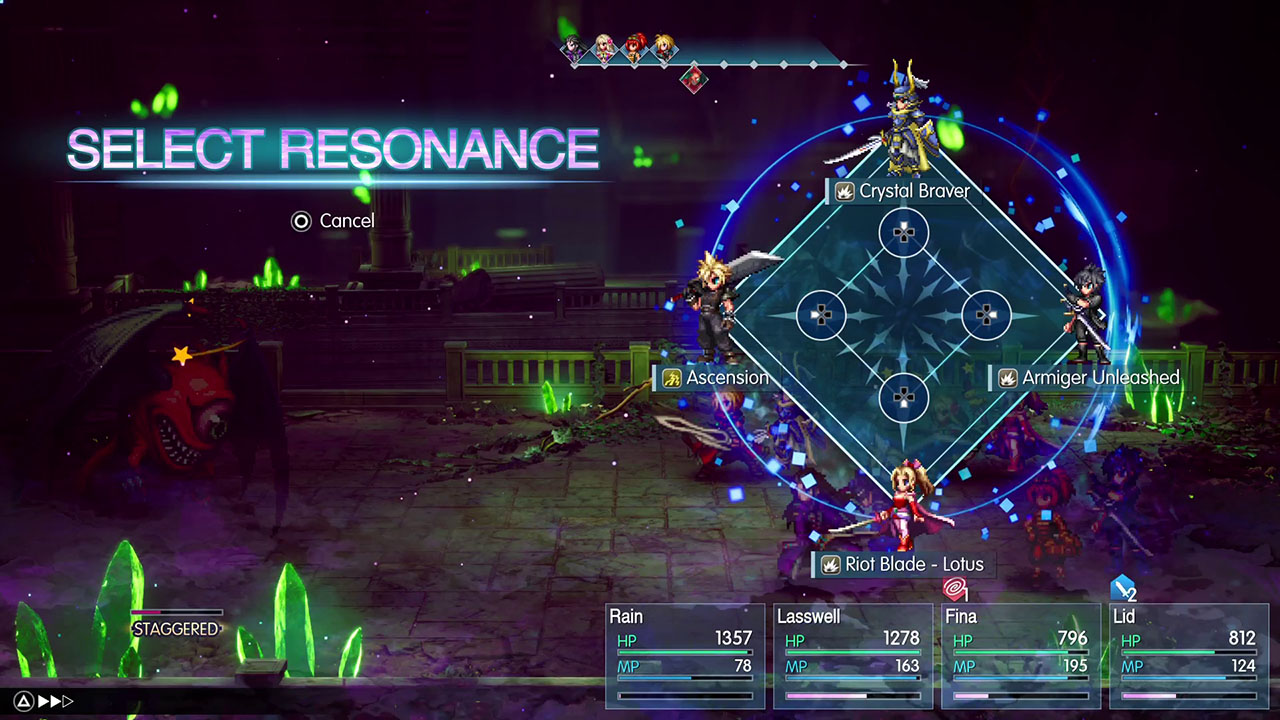
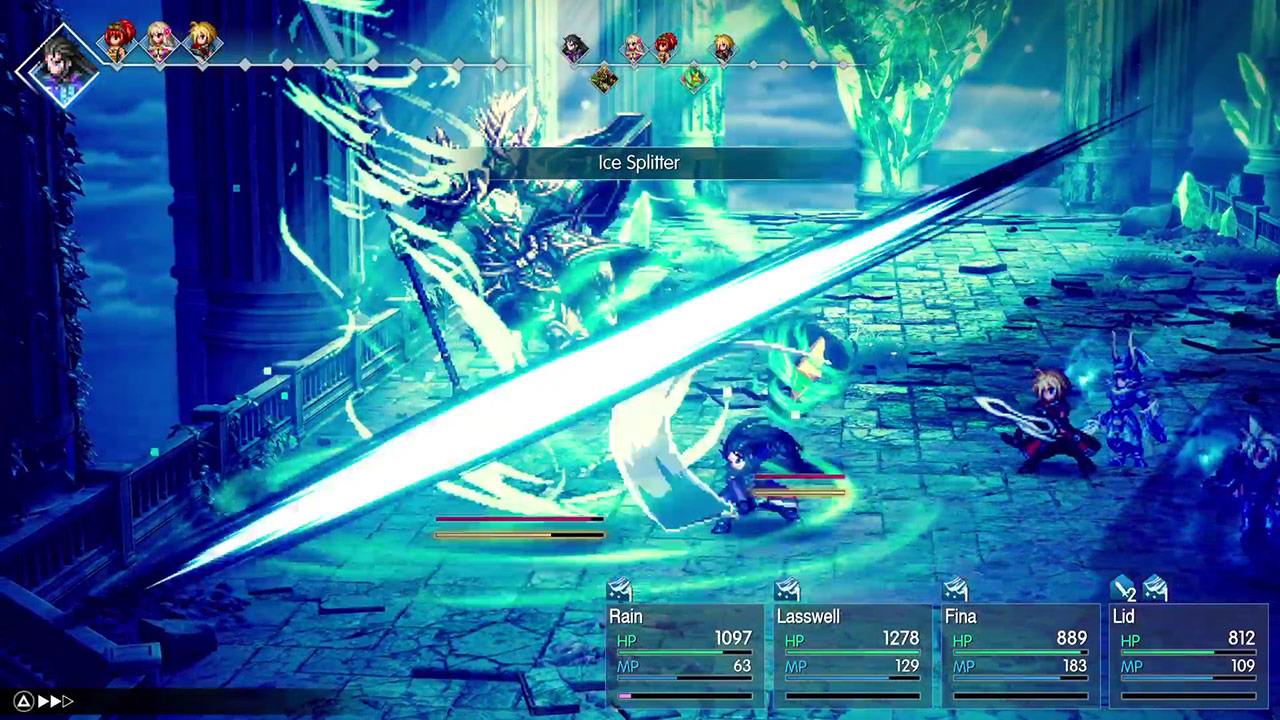
Furuya broke down the thinking behind the battle system into two main ideas. “The first was making sure that players could immediately feel the impact and satisfying sensation of the combat. The second was creating a deep battle system that expands upon the Job System,” he said. Since the Job System can be tricky for newcomers, the team leaned on the stagger, break, and full-break mechanics to make basic combat feel rewarding right away. New abilities are also introduced gradually rather than all at once.
“Rather than introducing every element at once, we slowly introduced the depth of the system in stages so that players could learn how everything works naturally.”
The team also added the option to speed up battles for players used to a faster pace.
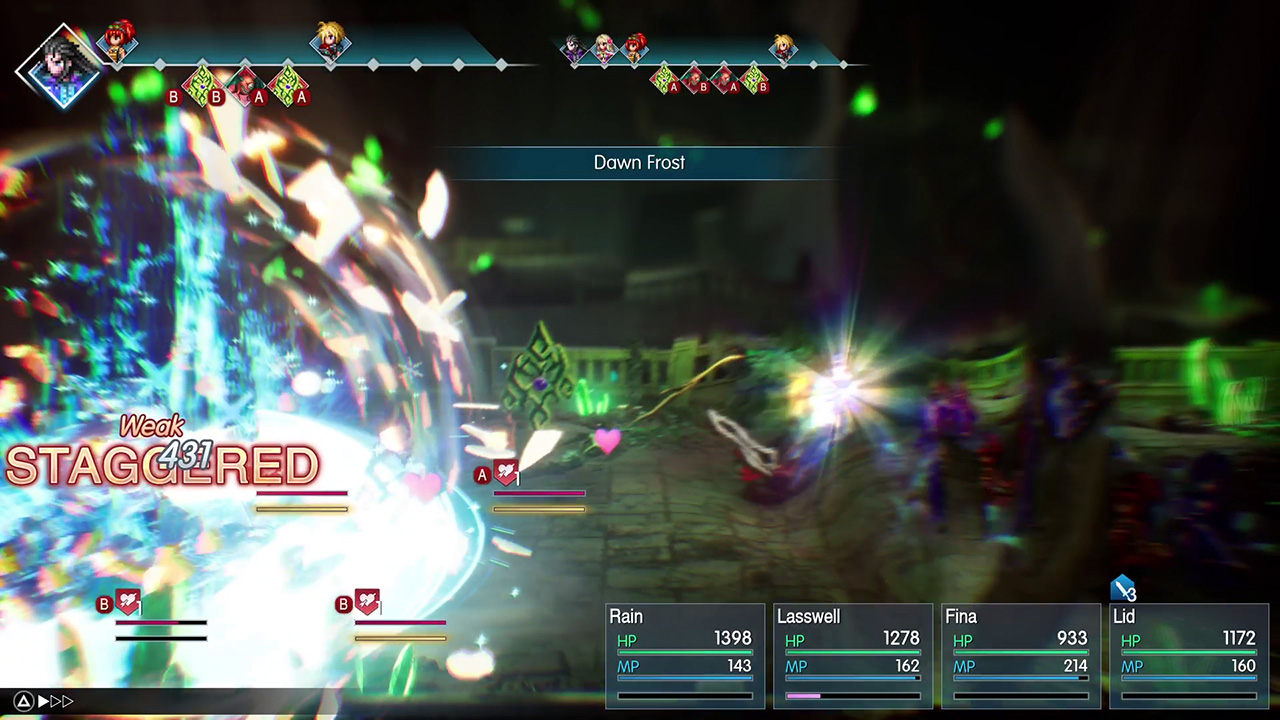
Furuya went into more detail on the break and stagger systems specifically, noting that similar ideas have appeared in games like Octopath Traveler, though the team adjusted how they function to fit Resonance’s own tactics. “The important thing is not only how to break or stagger an enemy, but also when to do it and where to begin setting up the break,” he said. That timing creates a tactical layer where a full stagger opens the door to something bigger. “Once a full sweeping stagger occurs, players can trigger a powerful and visually exciting attack,” he said. He summed up the design goal directly.
“We wanted the timing and method of staggering enemies to become an important part of the player’s strategy.”
A Message to Fans
Closing out the interview, Furuya shared how meaningful it’s been to connect with fans of classic Final Fantasy games around the world. “I’m personally a big fan of Final Fantasy I through VI, particularly Final Fantasy II, so I’m very happy to see people all over the world who love classic Final Fantasy RPGs,” he said. “I feel like I’ve found a friend,” he added. He hopes players will find Final Fantasy Resonance both nostalgic and new.
“I hope you will enjoy it as a new type of Final Fantasy RPG.”
Nakashima reflected on how modern Final Fantasy games lean into 3D action, and while he respects those experiences, he wanted to revisit the charm of the classic titles. “I started this project because I wanted to play Final Fantasy in a new way,” he said. His hope is for Resonance to serve as an entry point for players who have never tried the series before, while also welcoming back longtime fans who may have drifted away over the years. He closed with a message aimed directly at the region.
“I know that players in Southeast Asia really love classic games, while also continuing to support the advances being made in the games industry. More than anything, I want as many players as possible to experience Final Fantasy Resonance for themselves and enjoy it.”