



![[EXCLUSIVE] Brendan Gan Delivers One of Malaysia’s Best-Ever Worlds Results, Shares Thoughts on Pressure and the Local Scene](https://cdn.gamerbraves.com/2026/08/Brendan-Gan_Interview_FI-360x180.jpg)




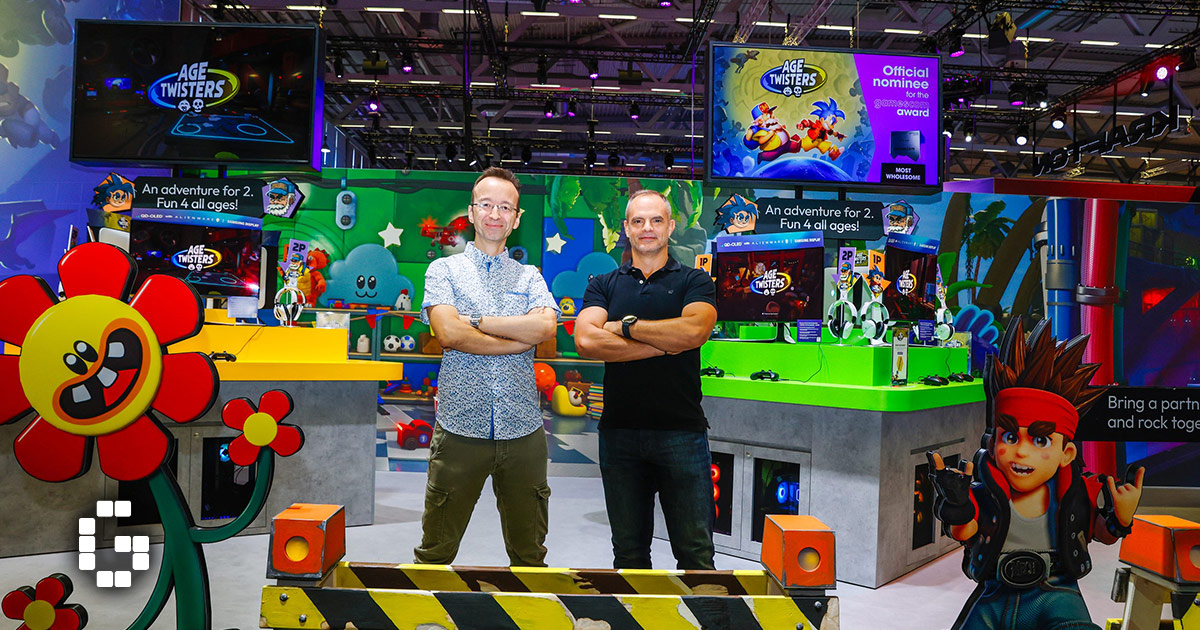
There’s a certain kind of game that stands out at gamescom 2026 not because of flashy trailers, but because of the story behind why it exists. Age Twisters is one of those. It’s a game about two people from completely different generations learning to understand each other, and that idea comes through in almost everything about it, from how the characters talk to how players are expected to work together.
During this year’s show, we got the chance to sit down with the team behind the game, Game Director Jordi Ministral and Alexis Corominas, to talk about how the project came together. Over the course of the conversation, they touched on the shared camera system that keeps co-op players in sync, the real-life generation gap that sparked the whole concept, the two lead characters and the story behind their names, and even a few surprising reactions the game has already gotten from early players.
Cooperative Play Without Escalating Difficulty
Age Twisters is built as a cooperative experience, and according to Corominas, that started with a simple idea about keeping both players in sync. “We were very convinced that the camera allows players to always be aware of what they are doing as a pair,” he said. He added that this was a priority from early on.
“That was very important to us because we wanted players to feel like they were bonding and working together.”
The right stick also plays a big role in how the game feels moment to moment, letting the team design a mix of calmer tasks and more intense ones. Corominas pointed to a specific example of that range. “Some challenges are more relaxed, such as putting the chickens in the yard, while others put more pressure on the players,” he said.
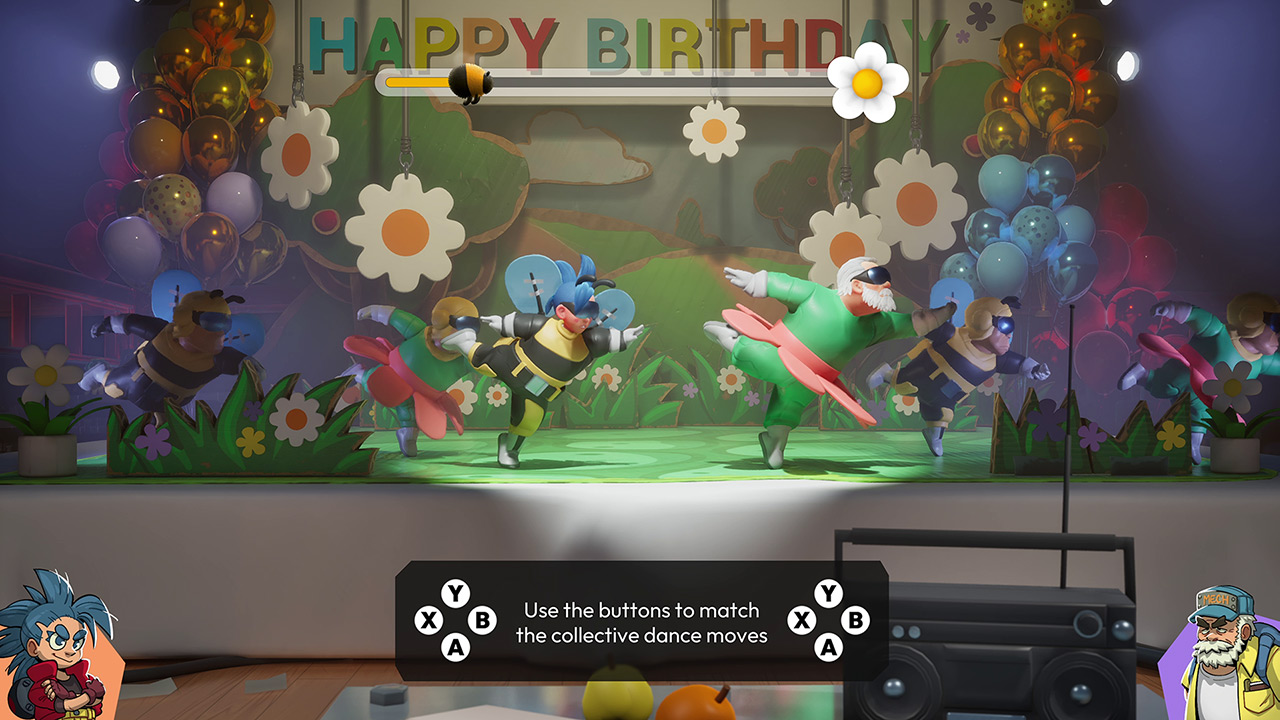
Interestingly, the game isn’t designed to get harder the longer you play. Corominas was direct about this. “No. The game isn’t going to progressively become more difficult,” he said. “What you experienced is basically as difficult as it gets.” Instead of ramping up the challenge, the team focuses on changing what players are actually doing. “Instead, we change what you’re doing and constantly change the creative challenges,” he explained.
He summed up the overall approach simply. “It’s about finding new ways to make you laugh or fail, rather than continuously increasing the difficulty,” he said. Corominas also noted that players who already show some skill early on shouldn’t run into much trouble.
“With the level of skill you’ve shown today, you could probably play through the whole game without a problem.”
Inspiration Rooted at Home, and a Familiar Hairstyle
You might expect a game with this kind of art style to point straight to Pixar as its main inspiration, but Ministral said the real starting point was something closer to home. “To be honest, our main inspiration for the whole thing was ourselves and our experiences with the generation gap,” he said. He described working alongside much younger colleagues at the studio and noticing just how different their references were. “We have employees in our company who are around 20 years old. We talk to them and it’s great, but sometimes we feel really old when we speak with them,” Ministral said.
He gave a couple of examples of that disconnect. “We’ll mention a movie from the ’80s or ’90s, and they’ll have no idea what we’re talking about,” he said.
“Sometimes we hear them joking in the kitchen and don’t understand their jokes because they have completely different references.”
That gap between generations ended up being the spark for the whole project. “That’s actually where the idea came from,” Ministral said. From there, the visual style went through a lot of changes before landing on its current look. “After that, of course, we started doing artistic research,” Ministral said.
“The art direction itself evolved quite a bit, and what you see now isn’t the first art direction we tried.”
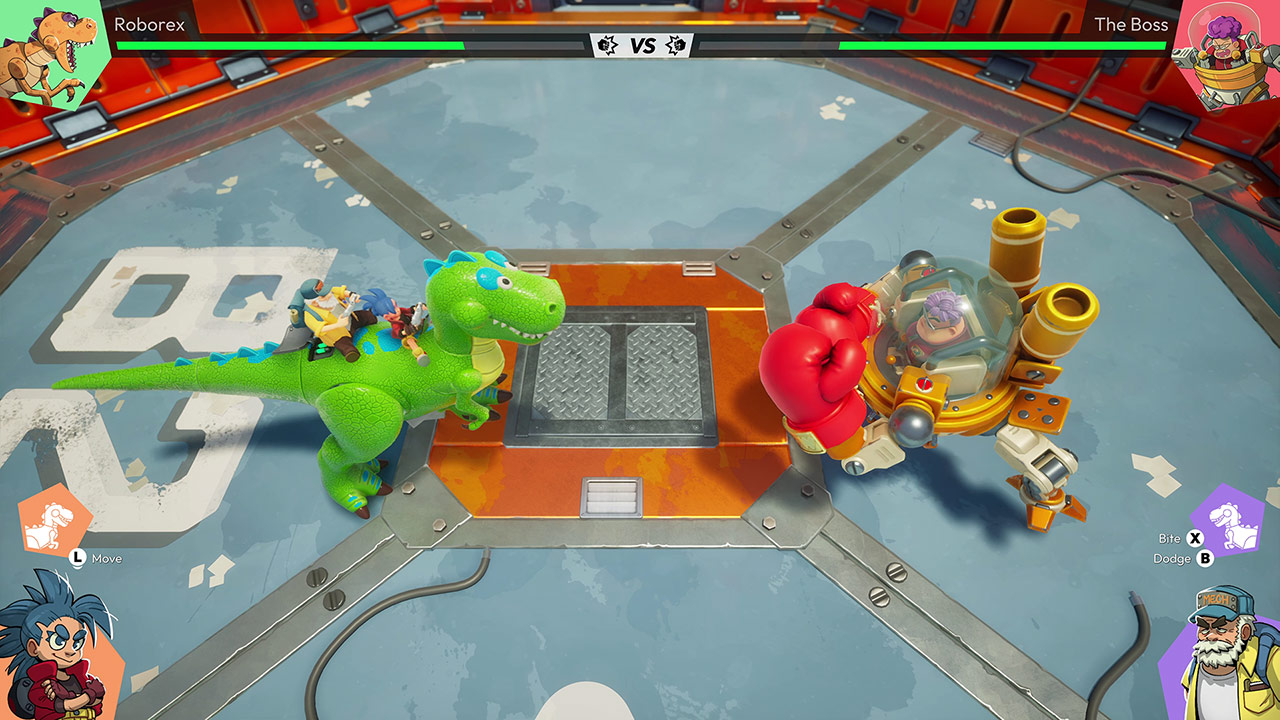
He described the mix of influences the team pulled from along the way. “We also wanted to create something that mixed influences from both the East and the West, a lot of Pixar, and even some elements inspired by French animation,” he said, adding that the team draws from all kinds of sources.
“We take inspiration from all sorts of things, including movies, comics and books, and mix them together.”
One detail that stood out during the demo was how much the characters’ hairstyles resembled Sonic the Hedgehog. Corominas confirmed that the comparison wasn’t accidental.
“The art director was thinking about Sonic when creating that design.”
Getting to Know Grandpa and Butterfly
The game’s two playable characters are simply known as Grandpa and Butterfly, and that second name has a bit of a story behind it. “At some point during the adventure, we explain why, but Butterfly is actually a nickname rather than her real name,” Ministral said. He confirmed that the game keeps their real names under wraps entirely. “We don’t reveal their actual names in the game,” he said.
“They’re simply Grandpa and Butterfly.”
When asked what the team is most proud of, one of the developers pointed to how distinct the two characters feel, right down to how they speak. “Of the things I can talk about, I think what I’m most proud of is how the different personalities of the characters work,” they said. They described the process as something the team wasn’t entirely sure would pay off.
“At some point, it almost felt like an experiment. We were testing the system to see whether it would actually work, and it did.”
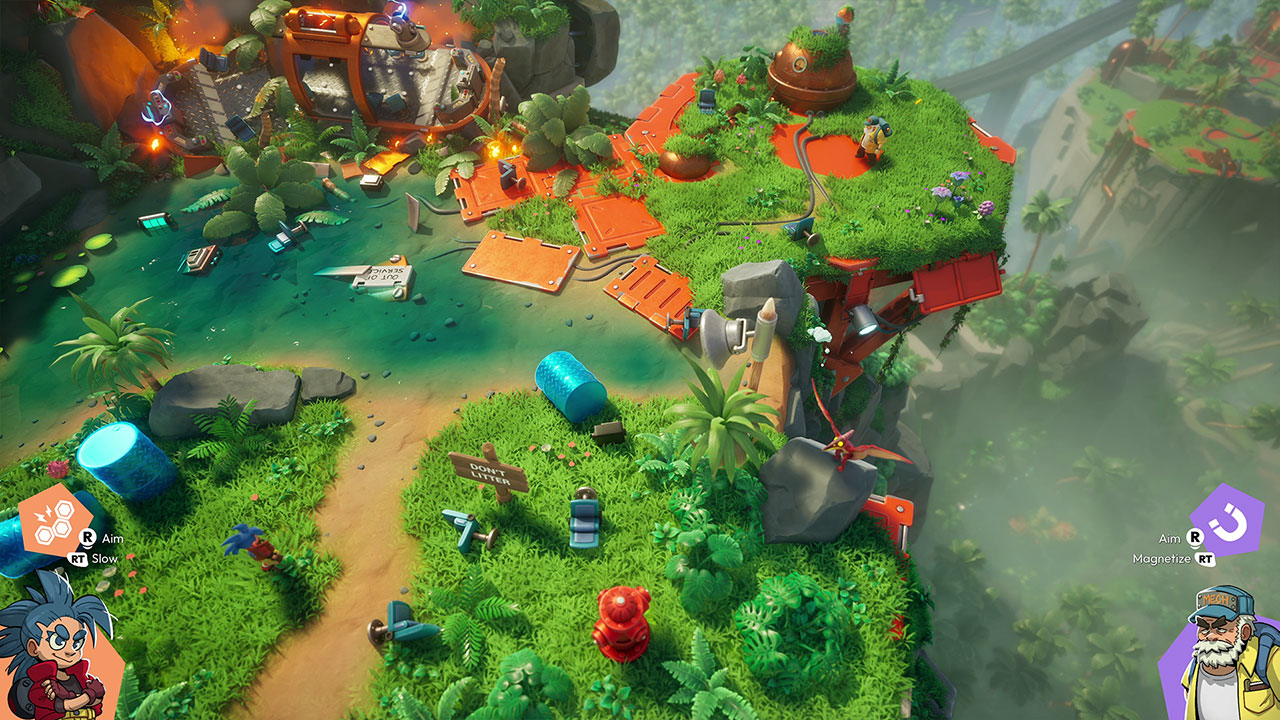
Players can switch between the two characters during conversations, but there’s a limit to how that works. “One of the interesting things is how you can switch between the characters during dialogue. However, you can’t interrupt a sentence when switching because we tried that and it didn’t feel right,” the developer said. They explained why that decision mattered. “You would miss information, and the sentence itself wouldn’t work in the same way,” they said.
Looking back at how far the system came from its original pitch, they recalled the uncertainty that came before seeing it work. “When we first pitched the game, we promised that we would make this system work,” they said. Credit for making the characters feel believable was also given to the writing team. “Of course, the writers also did an excellent job writing all the dialogue and making the characters feel like real people,” they added.
“That’s probably the thing I’m most proud of.”
Asked about a personal favorite part of the game, the same developer didn’t hesitate to name a character. “Of the things I can talk about, I really love the old woman’s lines. She’s my favorite character,” they said. They admitted to seeking her out during play whenever possible. “I roleplay the game, and whenever I can, I switch to the old woman just to hear all of her dialogue,” they said.
Player Reactions, Session Length, and Final Thoughts
Beyond the game itself, the developers said the most rewarding part of the project so far has been watching how people respond to it. “But my favorite thing about the project so far is actually seeing people’s reactions to the game,” they said. One story in particular stood out to them.
A nine-year-old had played the game with his mother and later wrote a review saying it was one of the best times he’d had playing with her, and his mother told the team the game had given her a real chance to bond with her son. What made it more memorable was how the review reached them, expanding on how she wrote the review in a school notebook, in Korean, and then had it translated. Reading it left an impression on the whole team.
“When we read it, we thought, that’s exactly why we make video games.”
Since Age Twisters is still in development, the team doesn’t have an exact playtime to share yet, and part of that comes down to how differently people play. “On average, it’s very hard to say because we still haven’t finished the game,” the developer said. They pointed to a clear divide in how players approach it.
“There’s also an incredible ratio between people who spend a lot of time looking at every detail, dying a lot, and people who simply rush through the game. It’s roughly one to three.”
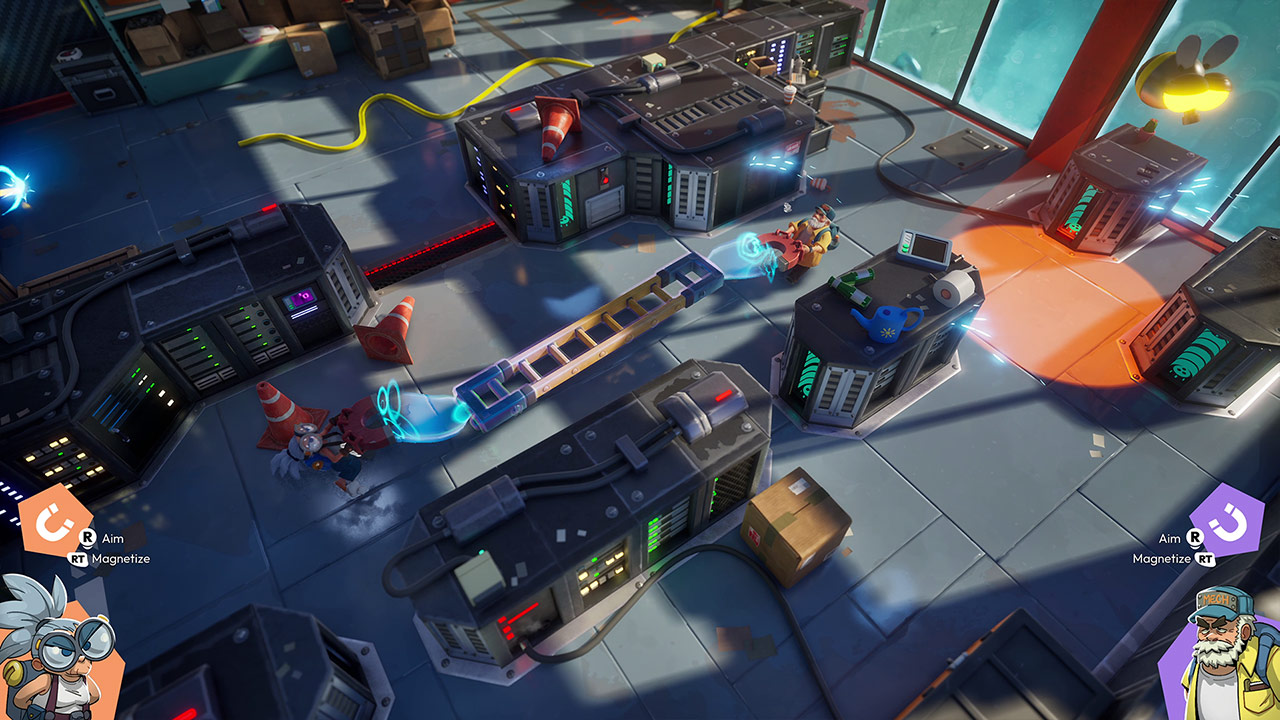
The team is aiming for something that fits into a couple of weekends or a handful of sessions, since cooperative games like this one already require some coordination between players just to sit down and play together.
“It shouldn’t be something that takes forever, especially because it’s already difficult for players to find time to arrange gaming sessions together.”
They summed up where that leaves the game’s overall length. “So it’s not short. There’s plenty of content, but it’s not an extremely long game either. Honestly, we don’t have a definitive answer yet,” they said.
As an example of just how unpredictable playtime can be, the developer brought up something that had happened that same morning. “Even this morning, two journalists spent around ten minutes just throwing shards at each other and teasing each other with them. You never know what players are going to do,” they said. The same unpredictability shows up closer to home too.
“Even at the office, some people speedrun the game, while others spend forever looking at everything. That’s why it’s difficult for us to give an exact playtime.”
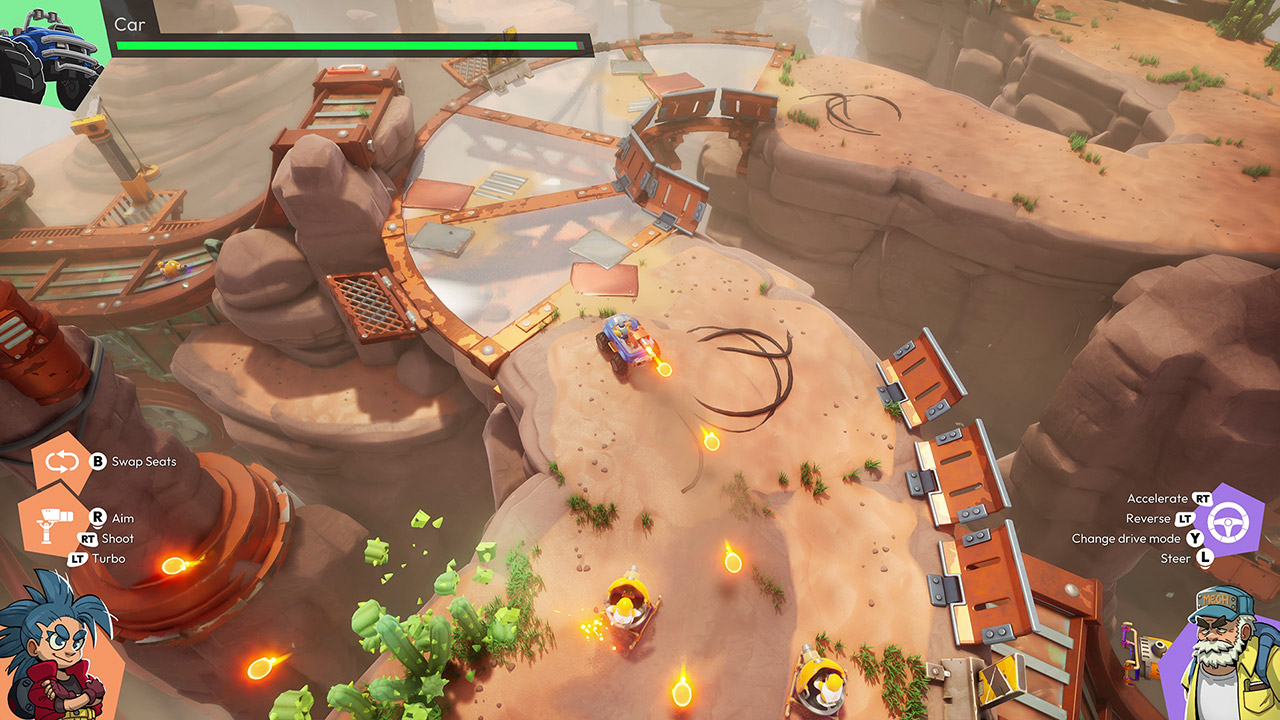
Wrapping up the conversation, the developer said simply being around and seeing how people react to the game has been one of the best parts of working on it. “The thing I like most is being here and seeing people’s reactions,” they said. They also brought up a small moment that had stuck with them, a fan sharing their experience online. “Someone even posted a picture of their experience on Instagram,” they said.
“Those are the kinds of things you want to frame and put on the wall because they become good memories.”
![[GUIDE] The Seven Deadly Sins: Origin Codes & How to Redeem Them](https://cdn.gamerbraves.com/2026/09/Seven-Deadly-Sins_-Origin-Tier-and-Codes_News_FI-1-350x250.jpg)