









![[EXCLUSIVE] Dragon’s Dogma 2: Dark Arisen Team Opens Up About the Expansion’s Name, New Norgan Region, and Performance Goals](https://cdn.gamerbraves.com/2026/07/Dragons-Dogma-2-Dark-Arisen_Interview_FI-360x180.jpg)



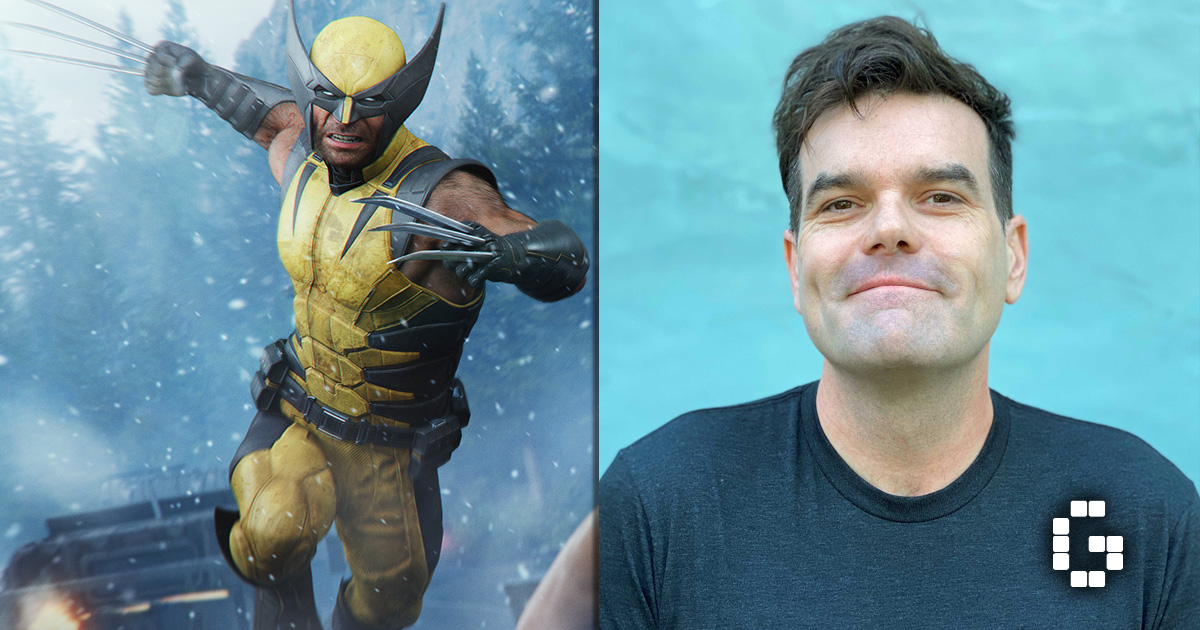
Insomniac Games has spent years building its reputation on Marvel’s Spider-Man, a series defined by swinging through an open recreation of New York City. With Marvel’s Wolverine, the studio is taking a noticeably different path, one built around a slower, heavier, and more brutal character.
Marcus Smith, Creative Director on Marvel’s Wolverine, recently sat down for an interview to talk through how the game came together and shared details on everything from combat design to the game’s take on death and healing.
From Spider-Man’s Web-Slinging to a Grounded Wolverine Game
Smith said the core goal behind both games was the same, even if the characters demanded completely different experiences. “We want to give players the ultimate experience of playing that character, having that fantasy,” he said. But he was quick to point out how different Wolverine is physically from Spider-Man. “Wolverine is a character that moves around the world a lot, he is very up close and personal with his attacks, and he has a five hundred pound skeleton, he’s very heavy,” Smith explained.
That difference in scale directly shaped the decision to move away from Insomniac’s signature open world design. Smith described the reasoning behind Spider-Man’s format first:
“The open world made perfect sense for a guy who swings thirty meters a second above cities with web mechanics.”
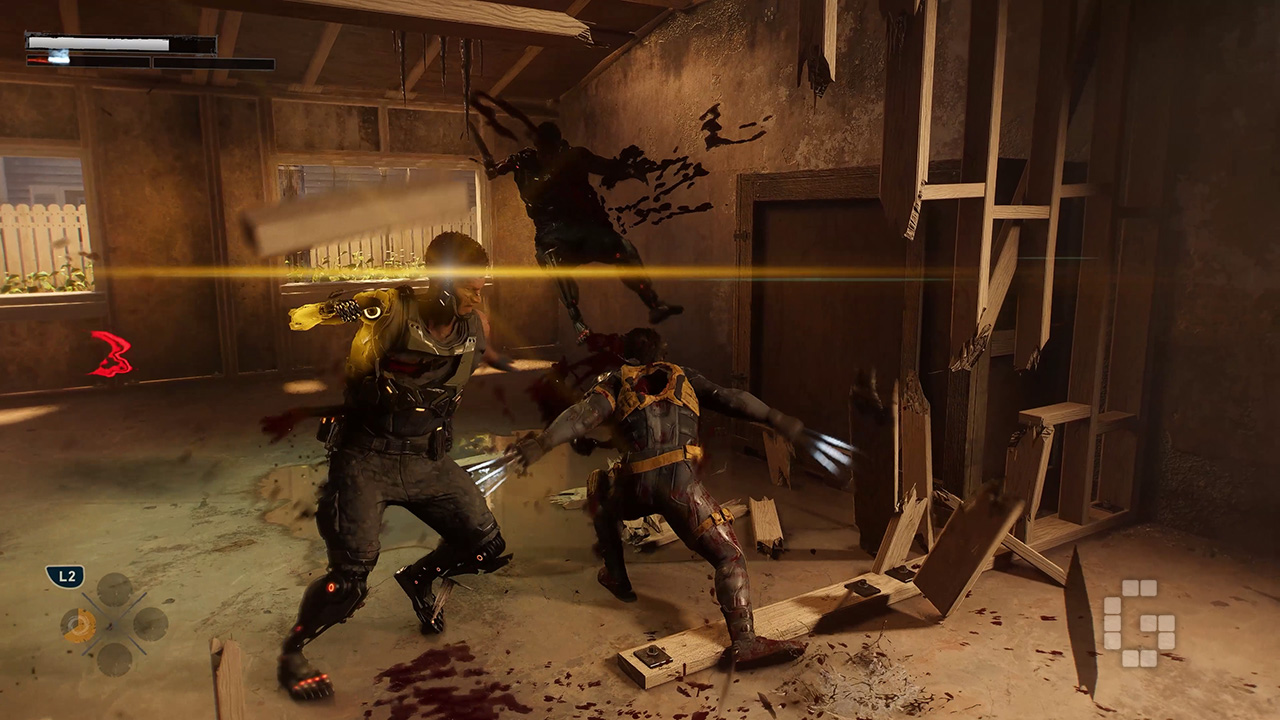
Wolverine simply didn’t fit that mold. “When it came to building Wolverine and being true to that character, he doesn’t rely on gadgetry, he doesn’t get around quickly because he’s very heavy,” he said. Summing up the decision, Smith put it plainly:
“The reason that we moved away from open world to more linear was strictly to present a player fantasy that was more Wolverine-like.”
Researching Madripoor, Tokyo, and Canada
To bring the game’s locations to life, Insomniac sent artists out into the field rather than relying only on reference photos. “We sent a group of artists to Tokyo, various parts of Japan, where they brought a lot of photography and video equipment and they could take references of real world places,” Smith said, adding that the same approach was used in parts of Canada.
Madripoor’s two districts drew from different real-world inspirations, according to Smith. “High town is a little like Singapore,” he said, while Lowtown pulled from a broader mix of sources. “Lowtown is a little bit more of a melange of different places, Malaysia being a chief inspiration,” he explained.
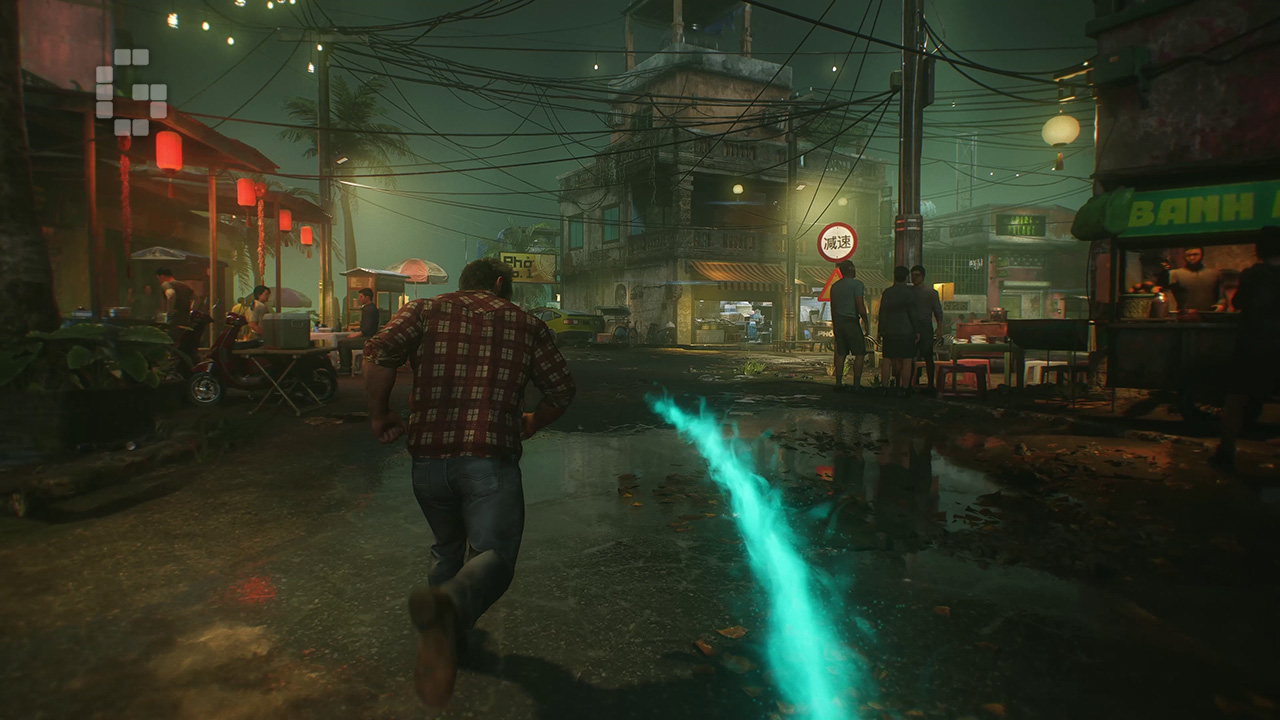
Getting those details right meant leaning on outside help. “We took the comic book descriptions of those places and tried to infuse those with as many real world references as possible,” Smith said. Cultural advisors were brought in to catch mistakes the team might otherwise miss. “What we used to do a lot of times is somebody, an artist, would put the signs backward and we wouldn’t necessarily notice that, but obviously somebody who’s fluent in the language would call that out,” he said.
Combat in Wolverine: Stealth, Violence, and Enemies Built to Push Back
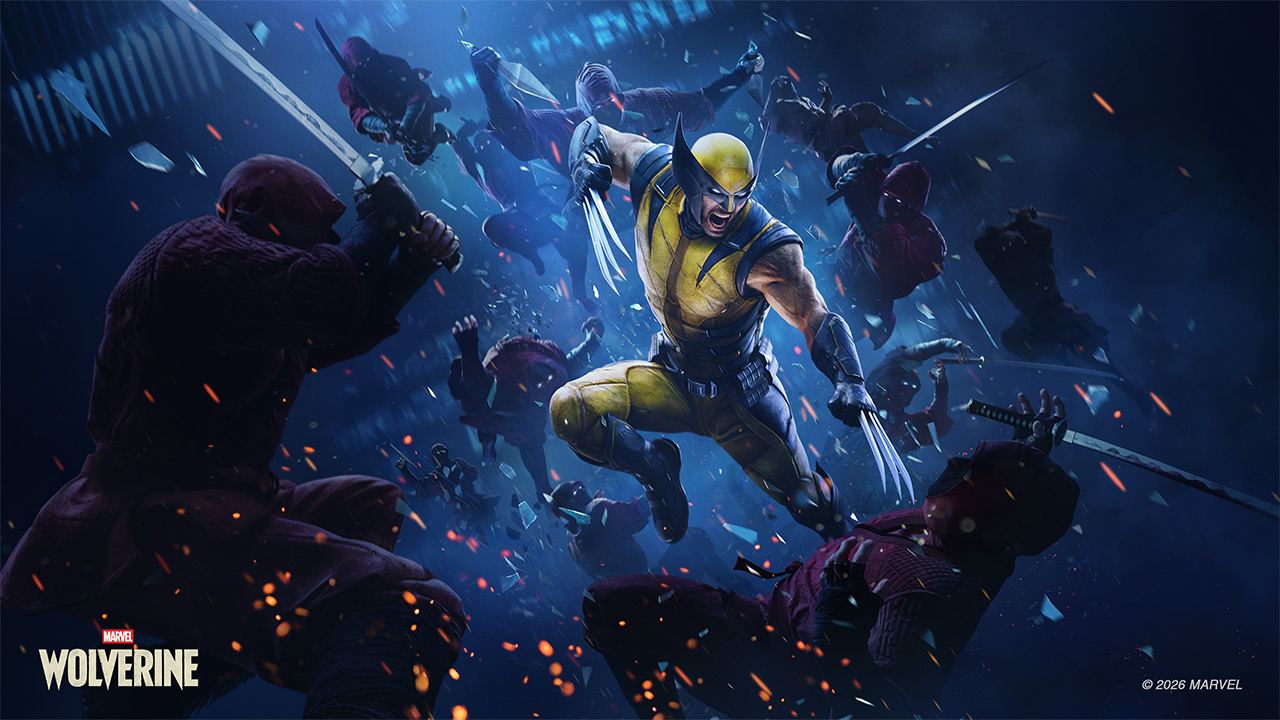
Wolverine’s combat design went through a fair amount of change during development. Smith said stealth and aggression were originally treated as two separate systems before the team rethought that approach. “Stealth is really just combat before the enemies know you’re there or know where you are,” he said. That reframing made the choice entirely up to the player. “Any one of our setups the player can go in claws blazing, or they can try to pick off enemies as long as they remain unseen,” Smith explained.
“You feel powerful either way, you feel like an apex predator.”
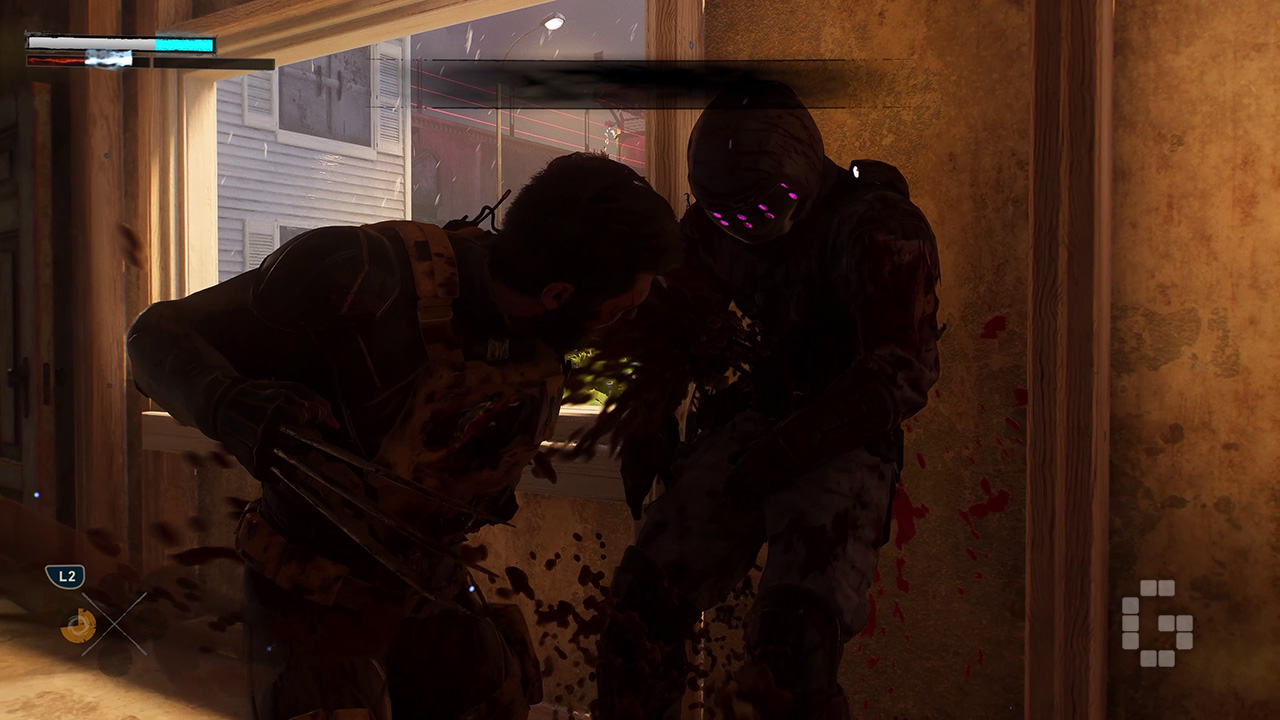
Violence was a bigger conversation across the whole team. “Insomniac and Marvel Games and Sony all agreed the only way to really bring this character to the video game experience is to do it justice in terms of violence,” Smith said. But there were limits to how far that went. He recalled one moment during development that crossed a line: “There was one takedown in a motorcycle section where it looked like Wolverine was enjoying it a little too much, and that’s not his character.”
He was careful to draw a distinction about who Wolverine is. “He’s not somebody who enjoys killing, killing is what he does most efficiently to get to his targets,” Smith said.
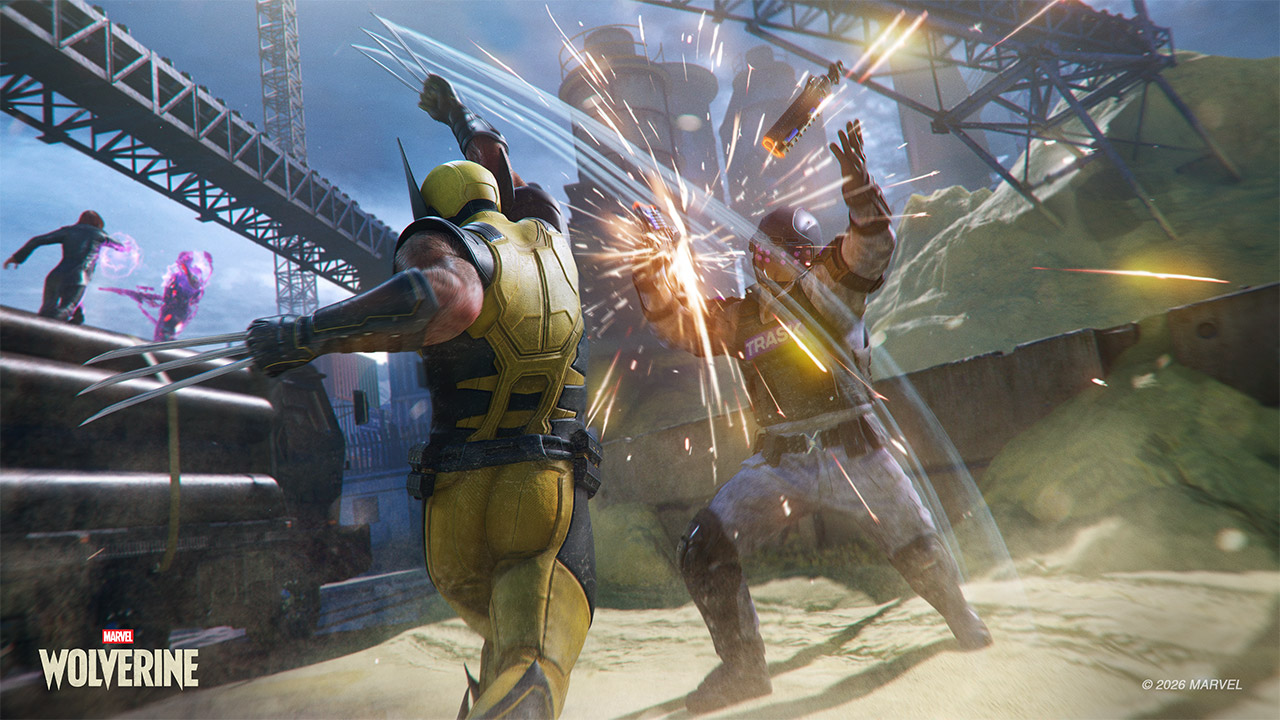
Enemy design had to account for the fact that Wolverine isn’t fast. “The Hand” was one solution, according to Smith: “It allows us to make enemy factions that are just harder to hit are coming in very quickly and doing quick attacks and then backing out.” The Reavers presented a different kind of threat. “The Reavers are cybernetically enhanced specifically to fight against mutants,” he said, noting that coordinated attacks add another layer of decision-making. “There’s that real risk reward of do I continue to fight these coordinated hordes or do I go after the leader and try to break that communication,” Smith said. Balancing all of it, he admitted, isn’t an exact science.
“It’s more art than craft, I would say.”
Healing Factor, Rage, and How Death Works
Getting Wolverine’s healing factor to feel right took some trial and error. Smith said an early version worked like standard regenerating health, and it didn’t sit well. “What we discovered was players were backing away from fighting to regenerate their health and then going back in, which didn’t feel like Wolverine at all,” he said. Introducing rage as a separate mechanic solved the problem. “It wasn’t until we got rage as a mechanic that the player built towards and then could pay back into the health system where we had a loop that really felt good,” Smith explained.
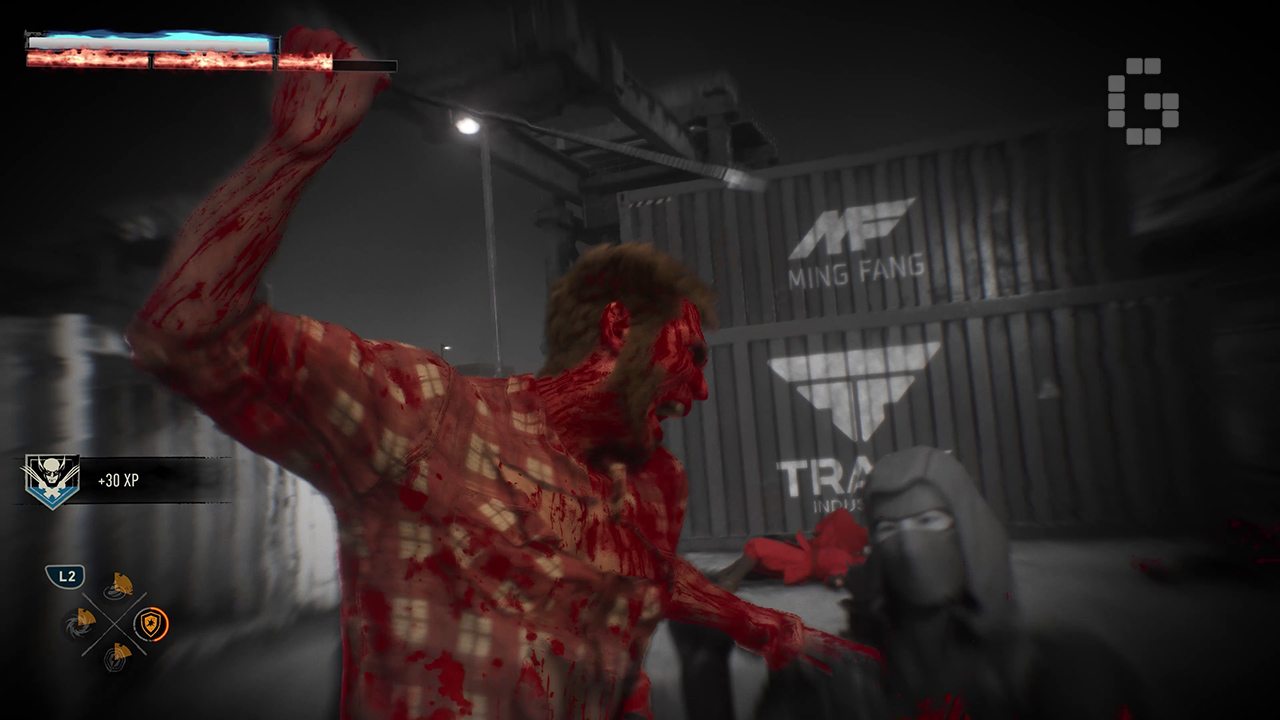
That same system shapes how death works in the game. Smith acknowledged the common belief that Wolverine can’t die, but said that idea doesn’t work for a video game. “When you create a character who can’t die in a video game, it means there’s no stakes,” he said. Instead, the team built in a specific failure condition. “Our Logan can die, he can die if his heart gives out after being overwhelmed by a great deal of damage,” Smith said. Players aren’t left without options when that happens, though.
“We have the last stand mechanic that will allow you to impart some of your rage into restarting your heart, which gives you more health.”
Story, Characters, and a World Without the X-Men
Smith was firm that Marvel’s Wolverine isn’t an origin story. “These aren’t origin stories, we’re not getting deep into how they became who they are, but really telling stories about who they are now,” he said. That approach meant leaning into who Wolverine already is as a character. “Wolverine has always had a very complex relationship with himself, he has this uncontrollable rage, he has fear of letting people get close to him,” Smith explained.
The absence of the X-Men in this version of the universe was a deliberate choice. “There are no X-Men, it’s at a time when mutants aren’t well known to the outside world,” Smith said, adding that this leaves mutants exposed. Team X fills that gap, though not without friction. “Team X is really the only defenders of mutant kind at this point, and they’re a pretty contentious group,” he said.
“Wolverine and Sabretooth and Mystique don’t all get along super well, they have very different moral compasses.”
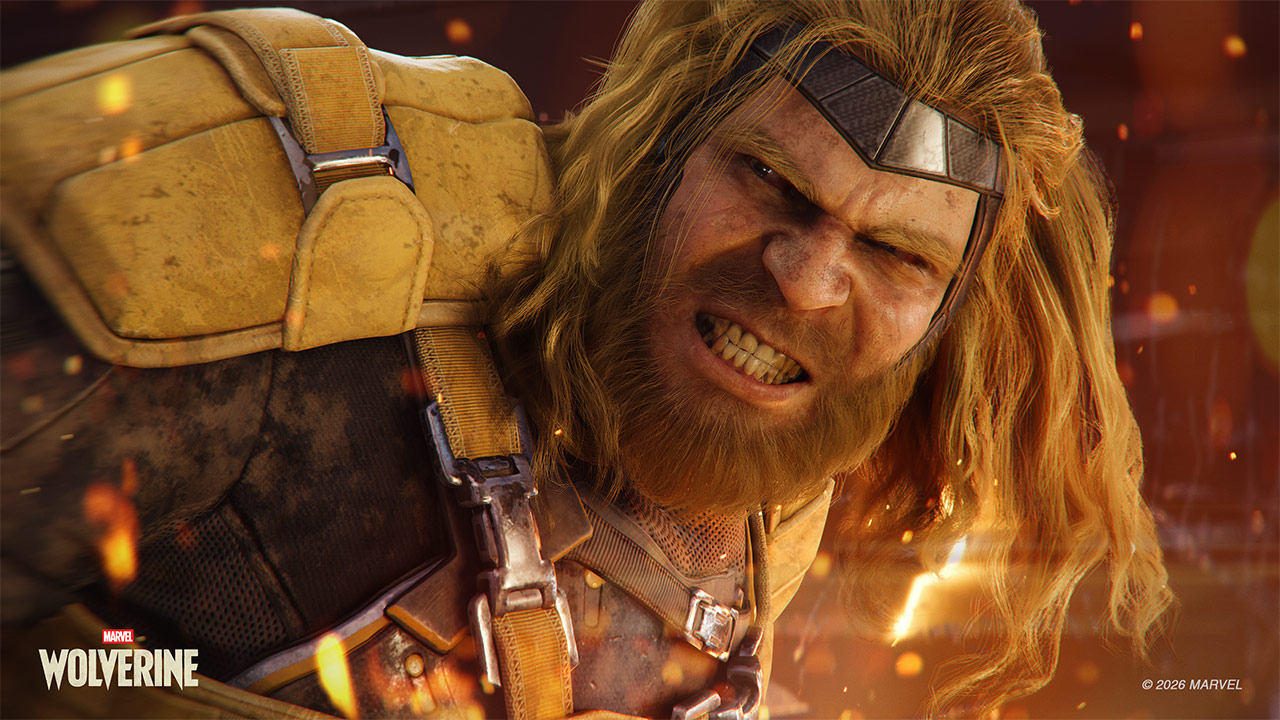
Asked how the game handles Wolverine’s willingness to kill compared to Spider-Man’s no-kill approach, Smith described a clear line the character doesn’t cross. “Wolverine definitely is killing people, but he is a reluctant hero who stands up for the underdog,” he said, “and he doesn’t kill anybody who is not trying to kill him or do bad things to other mutants.”
When asked whether classic rivals or other playable characters would appear, Smith responded with a laugh before staying tight-lipped. “So your question is you want me to spoil the game for you and your audience?” he said. He did confirm one confrontation already teased publicly: “We do fight against Omega Red, as we’ve seen in previous trailers that we’ve released.” As for stepping outside Wolverine himself, Smith said that idea was considered and dropped. “We want players to play as Wolverine, and everything else was kind of diluting that experience,” he said, confirming players won’t control anyone else in the game.
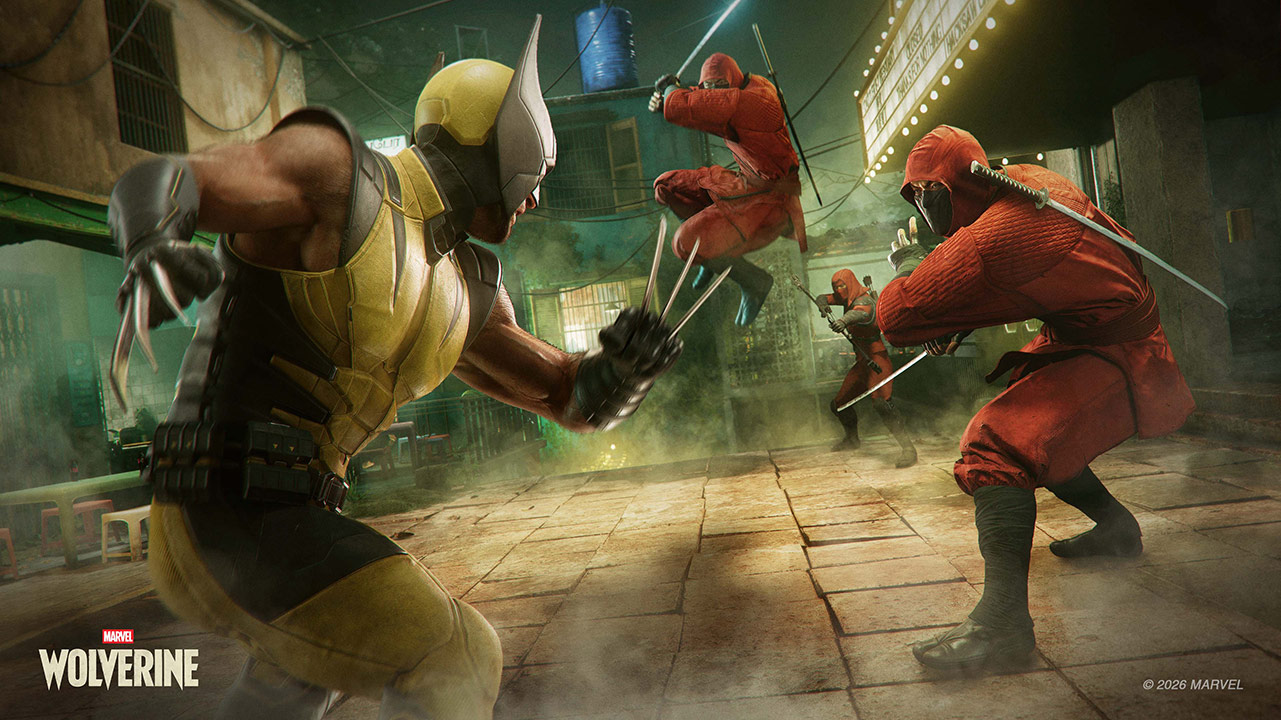
Even without an open world, Smith said there’s still plenty to do outside the main story. “There’s side content like the nightmare trials that you may have seen in Madripoor,” he said. Mission replay is also built in early, including for boss encounters. Asked directly whether players can rechallenge boss fights, Smith answered simply: “Yes, absolutely.”
Progression carries over for players who want to keep going after finishing the story. “If the player really likes their progression and they want to start the campaign over with all of the progression moving forward, we have that as well, which is a nice replay element,” Smith said.
Set Pieces and Engine Improvements
Large set pieces, like the demo’s motorcycle chase, came with their own set of problems. “Set pieces like fighting on the back of a convoy is incredibly hard,” Smith said, “but they’re also kind of the most memorable for players.” Because of that difficulty, the studio has to be selective about how often it builds moments like these.
On the technical side, Smith said the game builds on what Insomniac already had rather than starting fresh. “We definitely are improving our engine, we didn’t start over by any means, it’s an evolution of our Spider-Man engine,” he said. One specific upgrade he pointed to was the game’s blood effects. “It sticks on walls differently than it sticks on clothing, it has a lot of really interesting side effects that just make it look interesting,” Smith said.
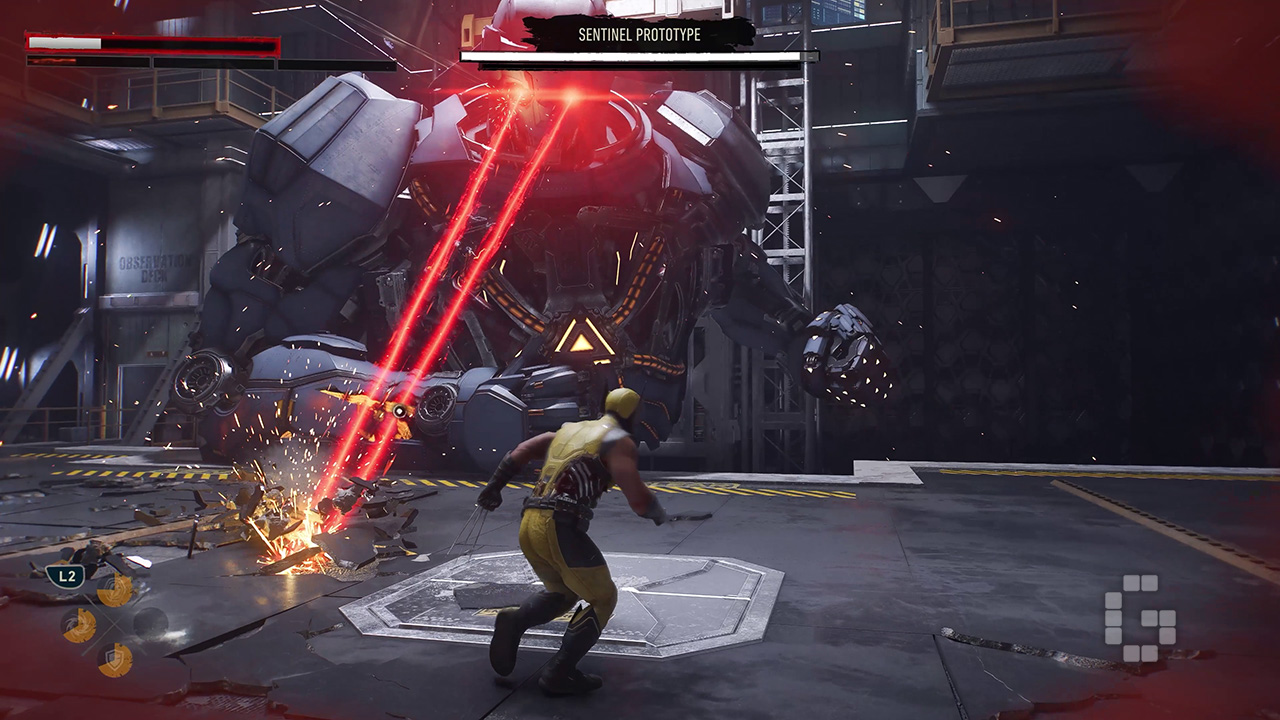
Don’t expect much in the way of puzzles. “Wolverine isn’t really known as a problem solver, he tends to solve most things with his fists,” Smith said. As for how long the full game takes to finish, he avoided giving a specific number. “It’s comparable to 3A story based games that are out there,” he said.
Smith also clarified how much of the game the recent demo actually covered.
“We cut away not even before the first mission is basically over,” he said. “It’s not a lot, you’re only playing a couple hours.”
Messages to Wolverine Fans Around the World
Smith had specific thoughts for players in the regions that inspired Madripoor. “My hope to players in Malaysia and Singapore, and any areas that are influential to Hightown or Lowtown or Madripoor, is that we hope to give you a feeling of being seen and something that feels authentic, even though it’s not perfect,” he said.
He also addressed players in the Chinese-speaking world directly. “To the Chinese speaking world, we cannot wait for you to play Marvel’s Wolverine,” Smith said. “We’re so excited that so many players around the world are able to engage in our game.”