
![[EXCLUSIVE] Brendan Gan Delivers One of Malaysia’s Best-Ever Worlds Results, Shares Thoughts on Pressure and the Local Scene](https://cdn.gamerbraves.com/2026/08/Brendan-Gan_Interview_FI-360x180.jpg)

![[BIC2026] Hiroaki Nagashima from Toei Games Talks New IPs, Indie Roots, and Asia-First Strategy](https://cdn.gamerbraves.com/2026/08/Toei-Games-BIC-2026_Interview_FI-360x180.jpg)
![[BIC2026] From Outsider to Organizer: How Isabella Seo Jungsook Helped Build Busan’s Indie Game Scene through BIC](https://cdn.gamerbraves.com/2026/08/Isabella-BIC-2026_Interview_FI-360x180.jpg)
![[BIC2026] CanOpener’s Logan Moon Opens Up About Dungeon Settlers Ahead of Its September Early Access Launch](https://cdn.gamerbraves.com/2026/08/Logan-Moon-BIC-2026_Interview_FI-360x180.jpg)

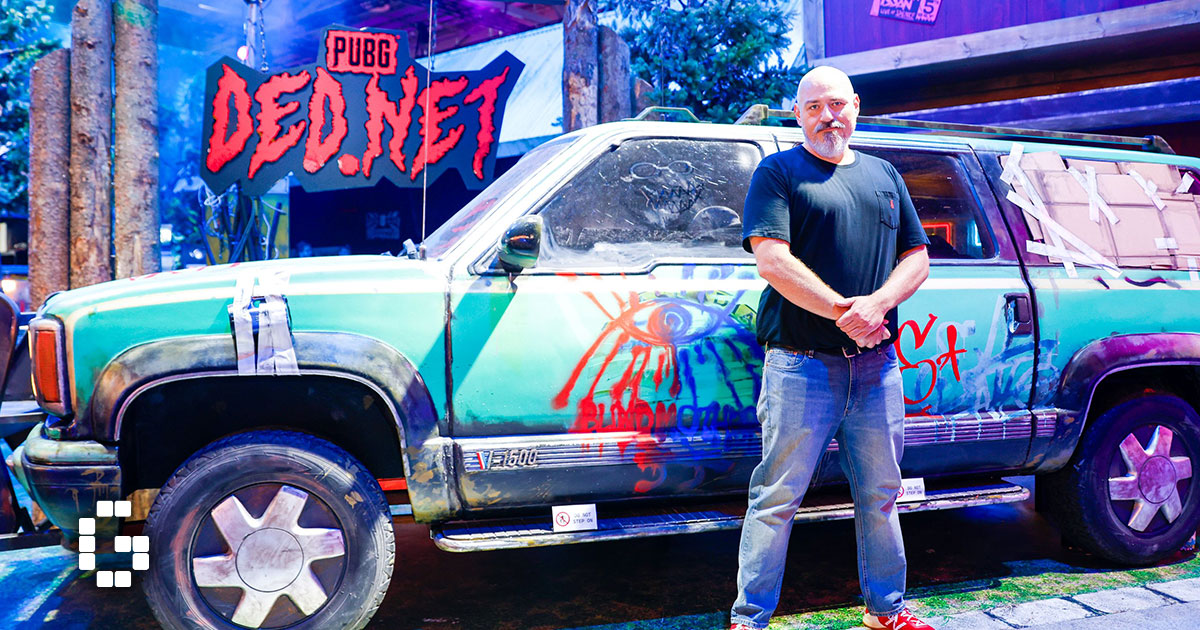
Every year, gamescom 2026 brings out some of the biggest reveals in gaming, but a few stand out because they take a well known series in a direction almost no one expected. PUBG: DED.NET is one of those titles. We were fortunate enough to sit down for an exclusive interview with Creative Director Dave Curd, who walked us through what the game actually is, how it plays, and why the team decided to build something so different from the battle royale that made PUBG famous in the first place.
Finding the Heart of PUBG in PUBG DED.NET
Curd said his starting point wasn’t a new mechanic or a new map, it was a question about identity. His job, as he put it, was to bring PUBG to people who don’t already play it, which meant figuring out what actually makes PUBG feel like PUBG. “I think it’s desperate survival. I think it’s survival of the fittest, and I think it’s about making difficult decisions,” he said.
From there, the approach was almost mathematical. The team listed out PUBG’s defining traits and asked what the opposite of each one would look like. Since PUBG is built as a single-session experience where every match tells its own story, that became the first thing they decided to flip.”So the first question we asked was: what if that journey could last multiple matches? You could take a character from zero to hero over five, six, or seven matches,” Curd explained. He added that the appeal isn’t just getting stronger over time, but shaping a character in a personal way.
“You’re gaining valuable new abilities, but you’re also mitigating and dealing with hilarious injuries on your quest to build your perfect version of a killer. And everyone’s ideal version is a little bit different.”
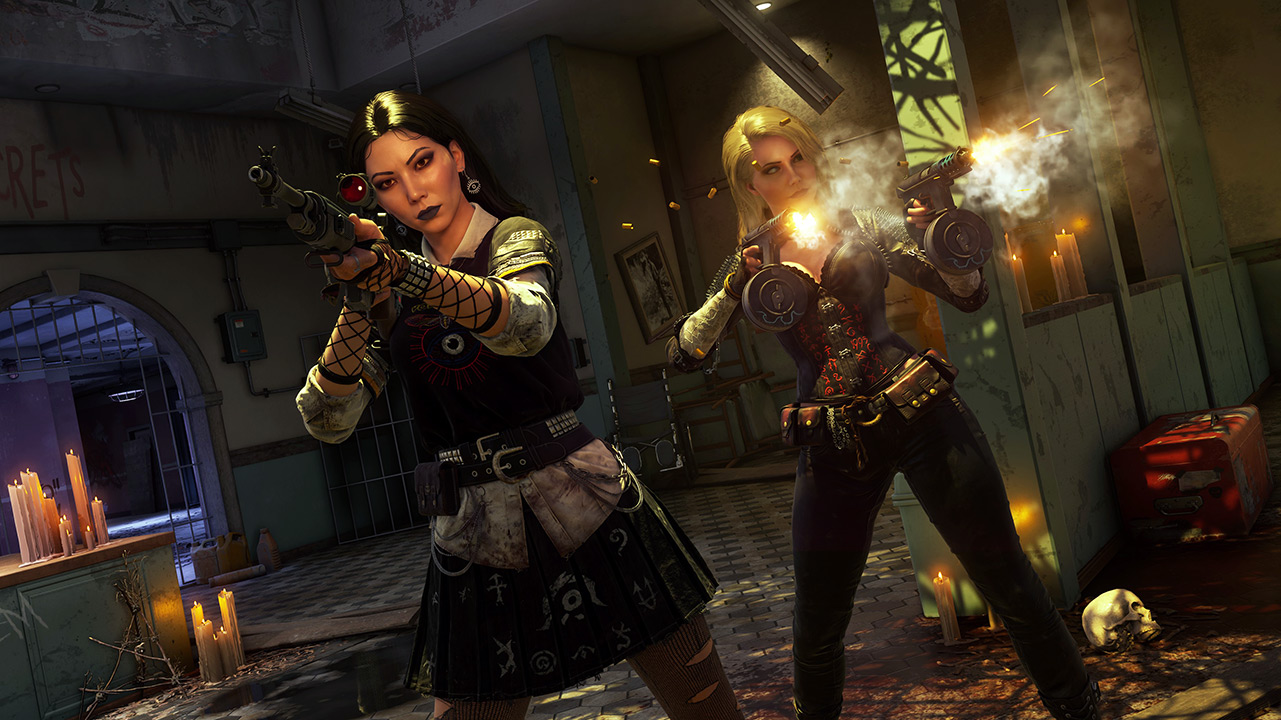
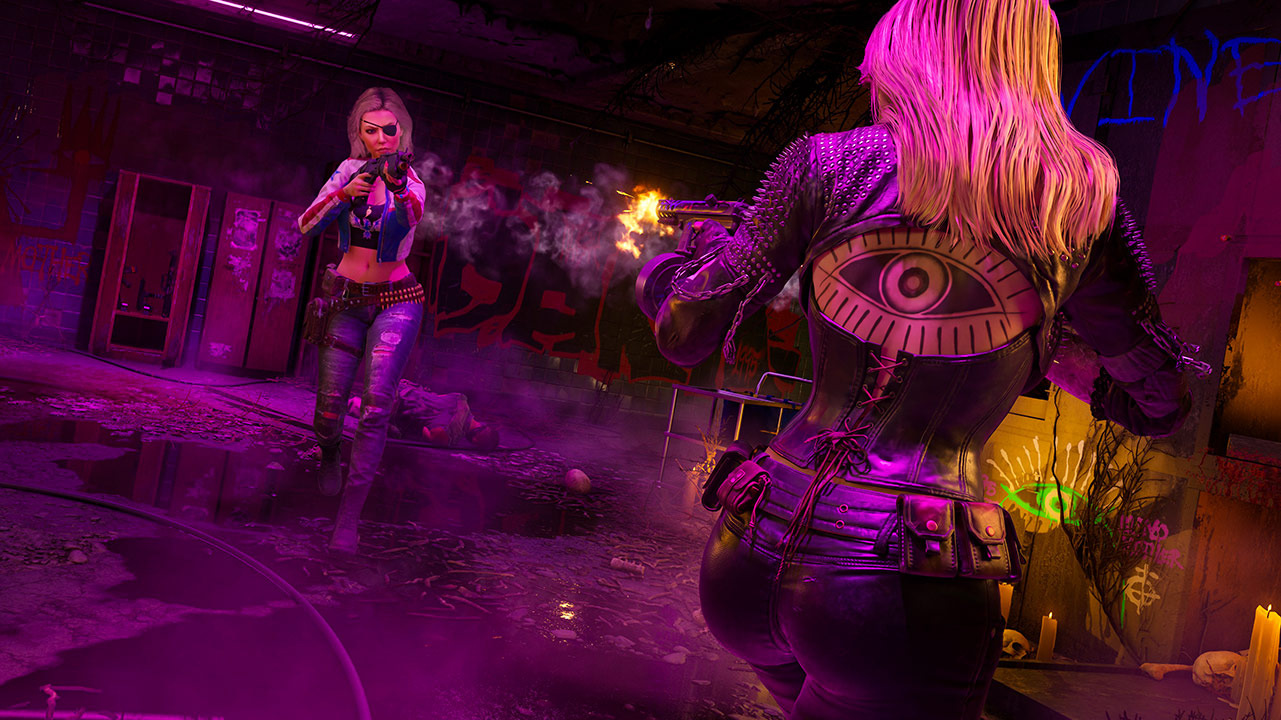
That philosophy carries directly into how a match actually plays out. Before dropping in, players choose one of nine playable characters, and Curd was clear that this decision carries no mechanical weight “You’re purely choosing based on cosmetics, their story, and their attitude. There is no gameplay advantage or disadvantage to choosing any particular character,” he said.
From there, players pick a Starter Deck built around a playstyle, whether that’s Assault, Support, or something the team calls Troll Play, which covers sneakier tactics like hiding in lockers or playing dead. Once a deck is locked in, the match unfolds across five phases, echoing the way PUBG’s blue zone tightens over time.
“Just like PUBG has phases of the blue zone, you have five phases. During each phase, two of your cards randomly appear, and you choose between A or B,” Curd said, describing something as simple as picking between Akimbo or a fast slide. By the end of the fifth phase, all five abilities are active, and as Curd put it, that’s when things really start to get serious.
Progression, Injuries, and Keeping Runs Fair
Winning or losing a match isn’t the end of the experience. Every match feeds into what the team calls the Out Game, a space between matches where players shape their build going forward. “We always want to win the Chicken Dinner, but the reality is that most of us don’t. What I’m interested in doing is giving players their own quest,” Curd said. That quest continues regardless of outcome. After a loss, Run Health takes a hit, but players are still given something to work with.
“In the Out Game, we’re going to offer you three new cards: one aligned with your core fantasy, one from outside that core fantasy, and a Wild Card.”
Starting around the third match, the deck stops being purely upside. Injuries begin mixing in alongside abilities, and Curd didn’t shy away from how strange some of them get. “These might include things like sneezing and producing smoke, occasionally dropping your weapon, or your character getting burned while swimming,” he said.
Early in a run, choosing between an injury and a useful power is an easy call. That changes the deeper a run goes.
“Deeper into the run, around matches four and five, you’ll have accumulated so many injuries in your deck that sometimes two injuries will appear at the same time. Then you have to make a difficult decision: it’s going to be bad, but which one am I going to take.”
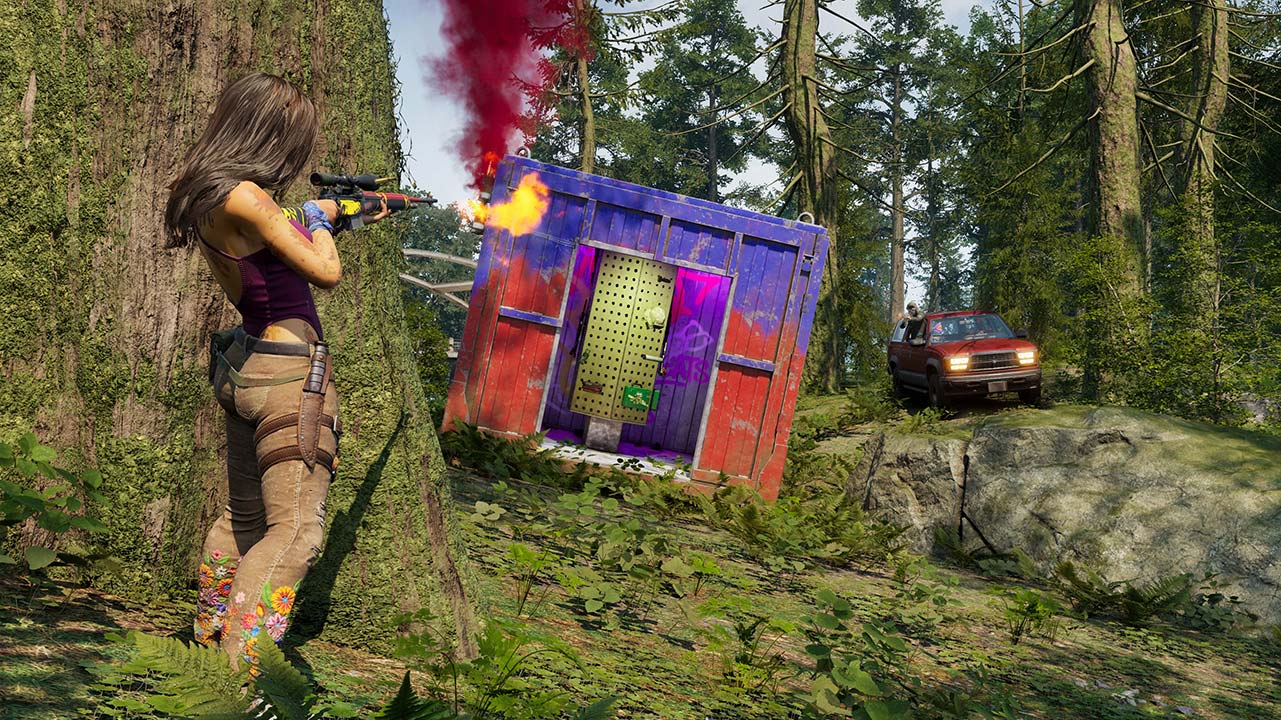
Survive long enough while keeping Run Health intact, and a run ends on a high note. “If you’ve made it to the end of the run and protected your Run Health, you get to cash out and have a happy ending,” Curd said, adding that players also learn more about their character’s story at that point. Run out of Run Health first, and the run ends early, though Curd noted that even a failed run isn’t wasted, since players still earn progress that carries into future attempts.
Naturally, growing stronger across multiple matches raises a fairness question, one Curd said the team had to learn the hard way. “Before we introduced phase-based power unlocks, if you had five powers, you would simply start a match with those five powers. You could run into someone who had no powers at all. It was unfair,” he admitted.
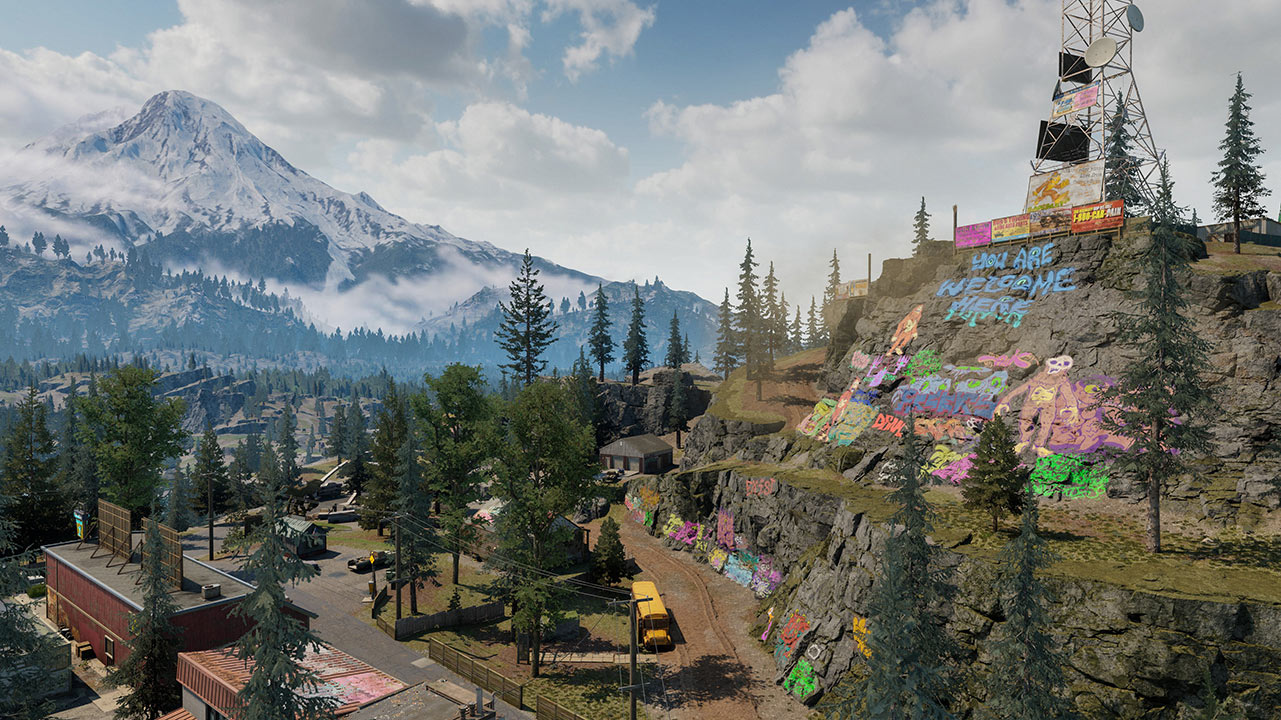
The fix was to have every player on a server unlock abilities at the same pace, phase by phase, so the number of active powers stays even even if the abilities themselves differ. “You can still argue that someone on their sixth game has a more curated deck than someone on their first. But I believe that while a single moment in a single match can absolutely feel unfair, over the course of a run, you experience so many highs and lows that it all kind of evens out,” Curd said.
Combat, Opponent Information, and What Happens When You Die
Curd also touched on how much players get to know about the people trying to kill them. After going back and forth internally, the team landed on a fairly simple rule: win, and you learn nothing about your opponent’s build; lose, and it’s revealed to you. He explained that giving players too much information mid-fight created a bad habit rather than a helpful one.
“If players are bad shots but have a lot of information about who they were fighting, they won’t take accountability for being a bad shot. They’ll say, ‘Oh, that guy was just overpowered,'” Curd said. That’s why the team pulled back on ideas like showing icons over enemies during firefights, keeping the on-screen information as uncluttered as possible. Death itself has consequences, but the team built in some early forgiveness. As long as one member of a squad is still alive, respawns are available.
“An early death still hurts your run, but we’re pretty forgiving during the first five phases when your powers are coming online. We’re very generous with respawns.”
He also acknowledged how frustrating early deaths can feel in the moment, describing the familiar sting of a bad drop.
“You’re frustrated because you died on your hot drop, your squad died, nobody revived anyone, and you’re mad at your teammate.”
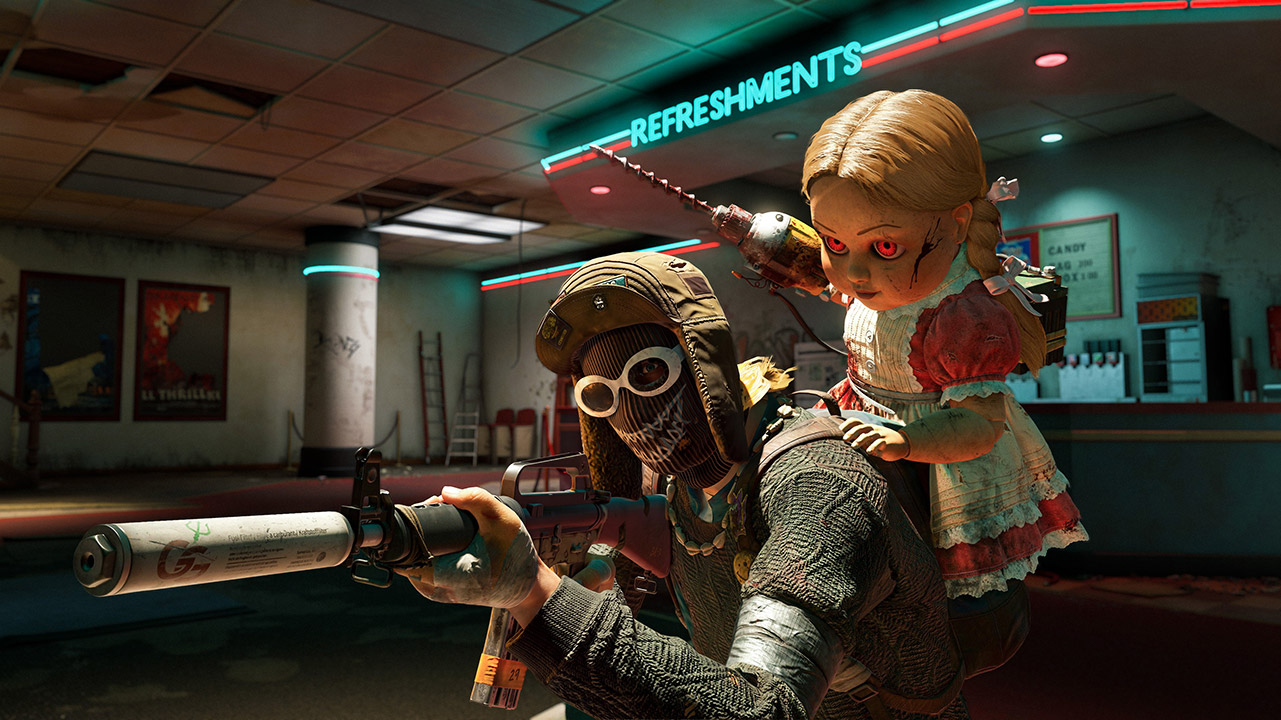
Once all five phases are complete, though, the tone shifts. Automatic respawns stop, and bringing a teammate back costs in-game money. Lose the whole squad, and the match is over. “Chapter One is almost like a warm-up: have fun and build your character. Chapter Two is the try-hard mode,” Curd said.
A 1996 World Built Around Being Watched
The choice to set DED.NET in 1996 goes beyond aesthetics for Curd. He described the era as a strange in-between point, one foot still in the analog world, one foot already stepping into the digital age.
“In 1996, you still needed to use a payphone to make a call, but at the same time, you were seeing the birth of streaming and reality TV,” he said. That same era, he noted, had a darker undercurrent to its entertainment.
“There were things like exploitation, Bumfights, and Jerry Springer. The world was starting to get mean.”
That tension became the seed for the game’s premise. “We had this idea: what if a producer decided to make an internet-streamed game show for 50 or 60 demented customers? How much money could he make by putting that bloodsport on an internet TV show?” Curd said. He pointed to a specific image from the reveal trailer to tie it together, the ringing yellow phone representing viewers at home who can call into the game to help or mess with players directly.
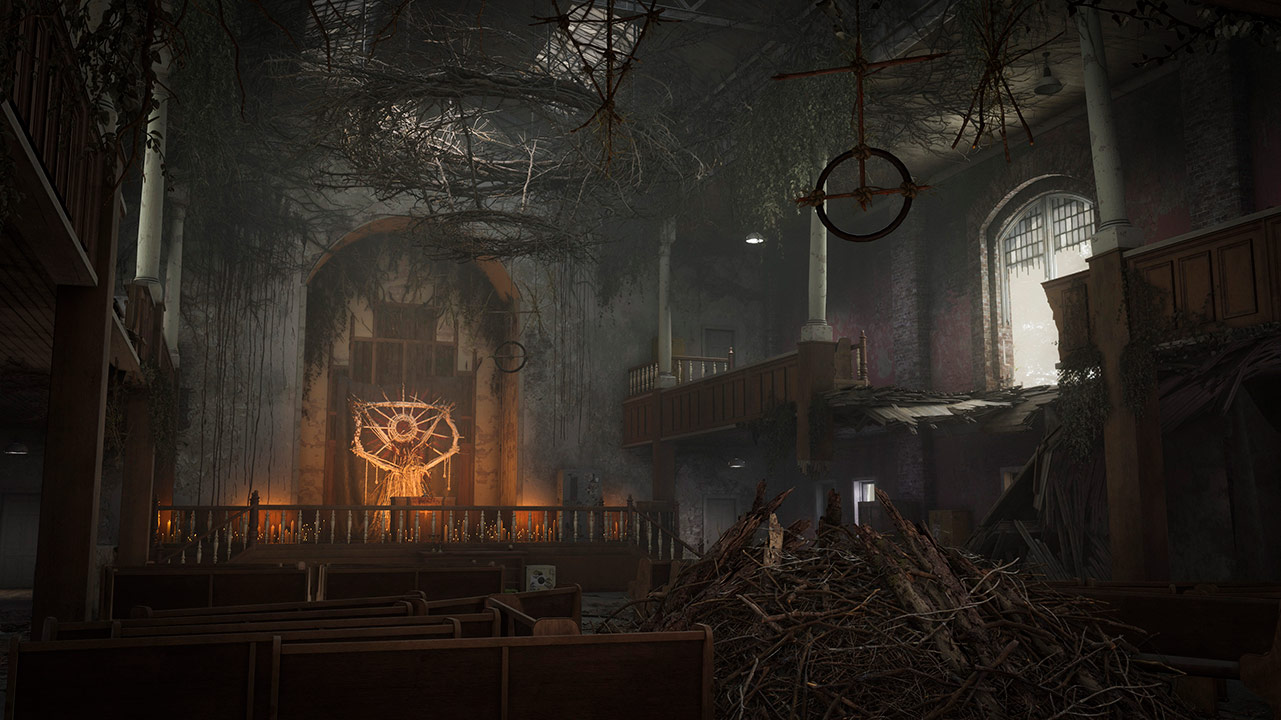
That sense of being watched extends into the game’s presentation, most notably through its announcer. The team, based out of Madison, Wisconsin, brought in a real local radio personality named Johnny Danger to voice the host.
“Nobody evokes a ’90s-style presentation like an actual DJ from the ’90s,” Curd said. He described the role Johnny Danger plays throughout a match.
“He announces each phase of the game, comments on you winning and losing, and when it’s the Final 10, he makes a big show of it.”
Characters With Stories, and a Console-First Approach
With nine characters available, the team wanted variety without creating a clear “best” option. Curd said that came down to a deliberate decision to keep gameplay abilities separate from character identity.
“We were very cautious about tying gameplay abilities to characters. If we did that, we might accidentally change the meta, where every player ends up playing one character because there’s a perception that they’re the strongest.”
Instead, characters are meant to be reasons to care about a run beyond just winning. Each has their own goals, relationships with other characters on the roster, and reactions tied to specific locations on the map based on their personal story. That same care extends to the technical side of development. DED.NET is being built with consoles as the top priority, an approach Curd said comes from his own background.
“I started my career in console development 20 years ago. Back then, you primarily targeted Xbox or PlayStation, and we learned the best practices for making sure the controls and gunplay felt great on a controller,” he said. That includes details like tuning rumble feedback and designing menus that read clearly from across a living room. Curd explained why the team chose to build for console first rather than PC.
“If you make a very solid console game, the PC version will naturally follow. But if you make a perfect PC game first, sometimes it can be difficult to make a good console game.”
What PUBG DED.NET Actually Means
To wrap things up, we asked about the name itself. Curd confirmed that DED in PUBG DED.NET stands for “Dog Eat Dog,” a phrase used to describe ruthless, no-mercy competition.
“It’s a world of vicious competition. People say, ‘It’s a dog-eat-dog world.’ That’s what DED.NET represents.”
Between the run-based structure, the injury system, and a setting built around the idea of being watched for entertainment, PUBG: DED.NET is clearly trying to hold onto the tension and tough choices PUBG is known for while changing almost everything else around it. Based on what Curd shared during gamescom 2026, it’s shaping up to be one of the more unusual experiments to come out of the franchise so far.