
![[EXCLUSIVE] Brendan Gan Delivers One of Malaysia’s Best-Ever Worlds Results, Shares Thoughts on Pressure and the Local Scene](https://cdn.gamerbraves.com/2026/08/Brendan-Gan_Interview_FI-360x180.jpg)




![[BIC2026] Hiroaki Nagashima from Toei Games Talks New IPs, Indie Roots, and Asia-First Strategy](https://cdn.gamerbraves.com/2026/08/Toei-Games-BIC-2026_Interview_FI-360x180.jpg)
![[BIC2026] From Outsider to Organizer: How Isabella Seo Jungsook Helped Build Busan’s Indie Game Scene through BIC](https://cdn.gamerbraves.com/2026/08/Isabella-BIC-2026_Interview_FI-360x180.jpg)
![[BIC2026] CanOpener’s Logan Moon Opens Up About Dungeon Settlers Ahead of Its September Early Access Launch](https://cdn.gamerbraves.com/2026/08/Logan-Moon-BIC-2026_Interview_FI-360x180.jpg)


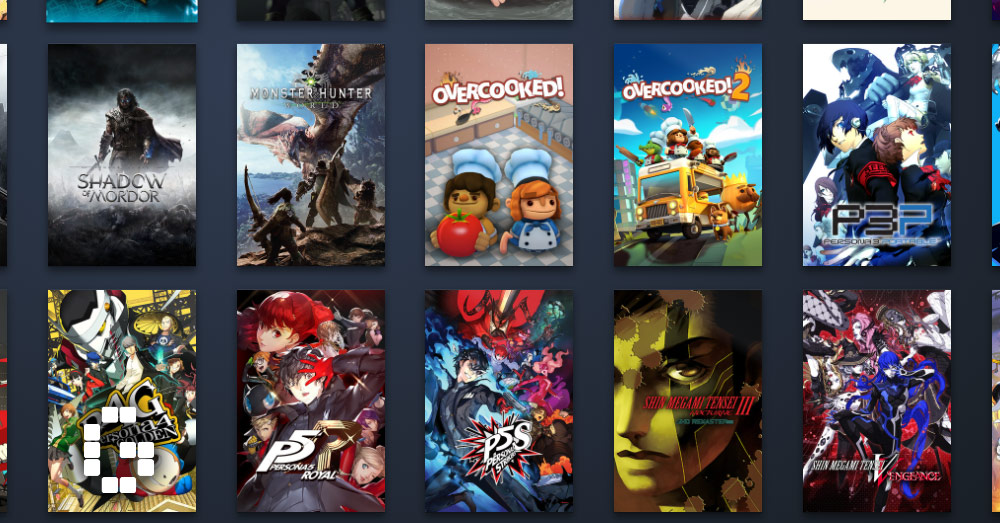
We’ve all been there. You’re browsing the Steam sale, the PlayStation Store’s latest promotion, or scrolling through Game Pass’s newest additions. That game you’ve been curious about is finally discounted. You click purchase without hesitation. Fast forward three months or three years and it’s still sitting in your library, untouched.
This is the gaming backlog phenomenon, and if you’re experiencing it, you’re part of a massive club. According to various player surveys and platform statistics, the average gamer owns dozens of unplayed games. Some collections stretch into the hundreds. But why do we keep buying games we may never play?
The Numbers Behind the Backlog
The scale of this issue becomes clearer when you look at player behavior. According to data, only 15% of all Steam users’ time was spent playing games released in 2024, while 47% of the total playing time on Steam was spent on games released in the last one to seven years, and 37% of time was spent in games that have been out for eight years or more. Players aren’t just collecting new games, they’re living in their backlogs.
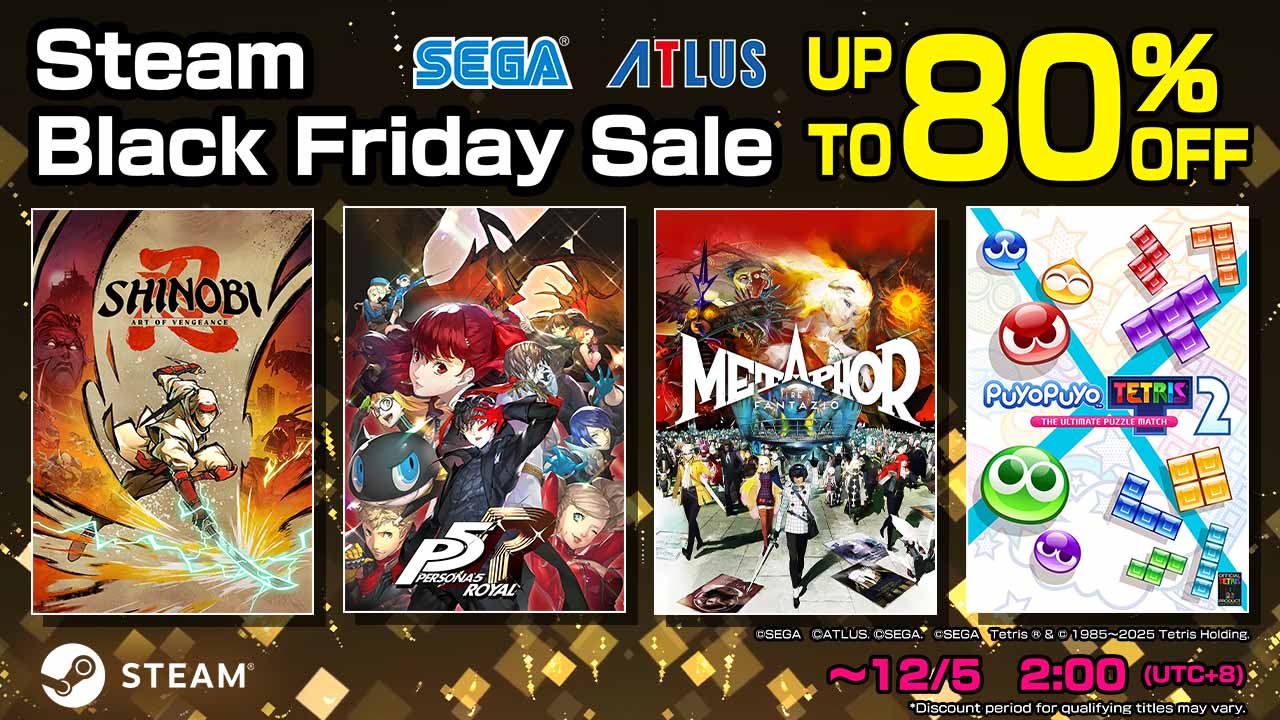
Research from Game Discover found that 75% of surveyed gamers find AAA titles too expensive, and 87% said discounts and sales are important in their purchasing decisions, with only 36% of their games bought at full price. Sales have become the primary driver of game purchases, transforming how players approach buying decisions.
The psychology behind these sales is well-documented. Steam capitalizes on the scarcity effect because the bias applies to opportunities as well as physical goods, with all Steam deals being time limited and featuring prominent countdowns. When that 75% off tag appears with a ticking clock, the purchase decision shifts from “Do I want this now?” to “Can I afford to miss this deal?”
Limited-time offers and countdown timers create urgency and drive impulse buys, with Steam’s frequent use of “sale ends in X hours” playing on this perfectly. The fear of missing out becomes a powerful motivator, often stronger than actual interest in playing the game immediately.
The Subscription Service Paradox
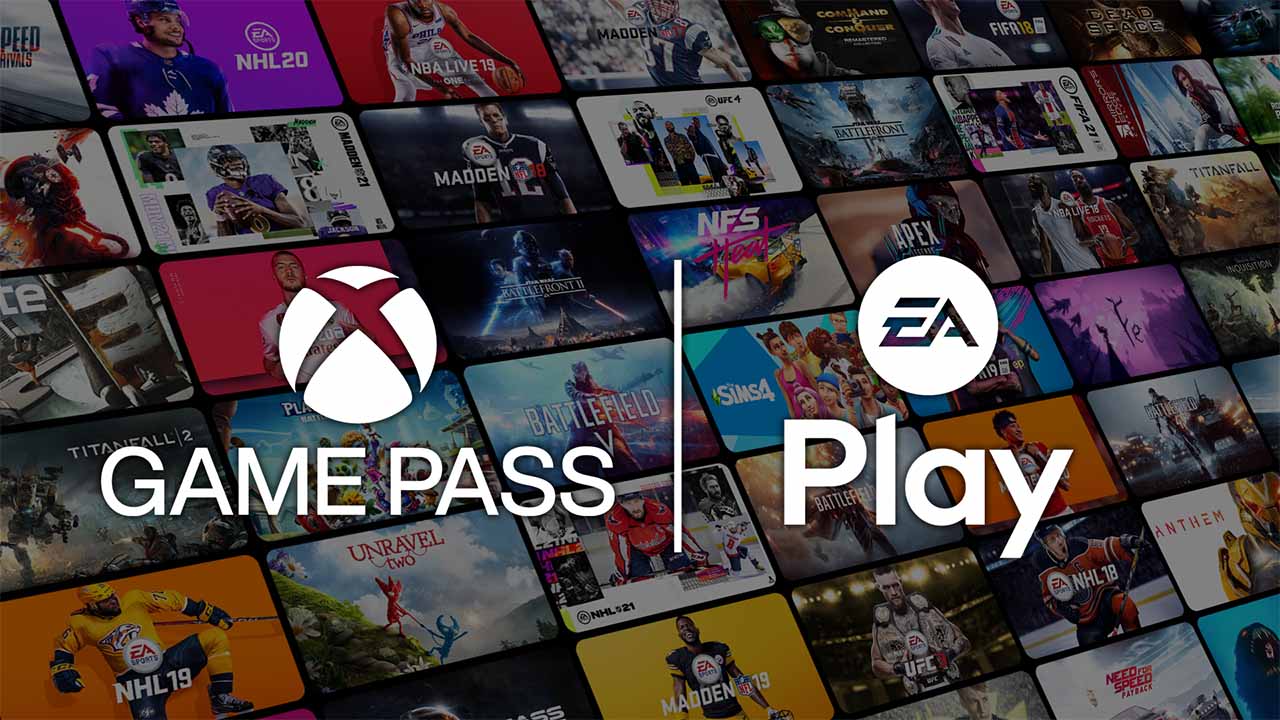
Game subscription services introduced a new dimension to the backlog problem. According to GeekWire, at launch, the highest tier of PlayStation Plus gives you access to well over 700 games, versus the 459 that are currently available with a Game Pass Ultimate subscription. With hundreds of games available for a single monthly fee, the pressure to maximize value kicks in.
However, abundance creates its own problems. In a Pure Xbox poll, one user noted they’ll switch to Essential because their backlog is way too large to care about new releases on GamePass. The very feature designed to provide value—unlimited access—can lead to decision paralysis and contribute to backlog growth as players download titles “just in case” rather than based on immediate interest.
Humble Bundle and similar services deserve special attention in the backlog conversation. By the end of October 2014, participating developers had grossed more than $100 million through Humble Bundle, demonstrating the massive scale of bundle purchases.
About 10% of people buying a game will opt in to buy a secondary related game for a discount, and many of those bundled games will never be played. They’re impulse additions rather than considered purchases.
Why We Keep Buying Despite Not Playing
The term “backlog” itself didn’t become common until the mid-2000s. Backlog wasn’t widely heard before the advent of Steam, especially Steam sales and Humble Bundles, when suddenly everyone was up to their necks in games impulse-purchased on a flash discount so deep it felt like a dream.
This habit can morph into an actual problem, as compulsive shopping disorder is known as a behavioral addiction, alongside similar problems like gambling or gaming addictions. While most players don’t reach this level, the pattern of buying without playing is widespread.

The gap between purchasing and playing comes down to several factors. As an adult, you have your own money and can allocate as much as you deem appropriate to buying games, but since you need to work to obtain that money, you don’t have as much time. Disposable income increases while available time decreases—a perfect recipe for backlog growth.
Part of the appeal lies in ownership or at least the feeling of it. Players want to own games, though in reality, digital purchases typically grant licenses rather than true ownership. This distinction rarely crosses buyers’ minds during a sale, but it highlights how the concept of “owning” a game has shifted in the digital era.
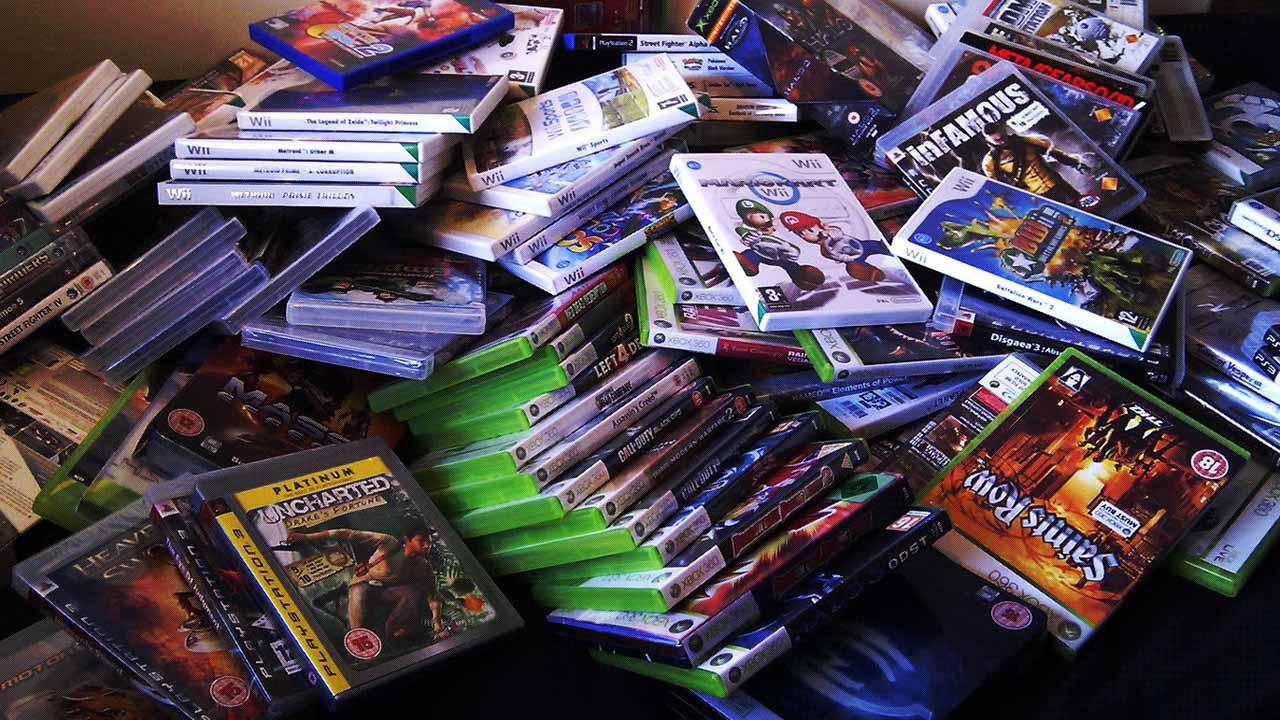
On gaming forums like NeoGAF, players report that their backlog is so big they can never decide which game to start, and sometimes spend more time deciding on a game than they spend playing it. This decision paralysis is similar to having a fridge full of food but feeling like there’s nothing to eat.
One Redditor described trying to clear a backlog of nearly five hundred games, concluding three years later, exhausted and dissatisfied, that there never would be a glorious moment when they were free to play whatever their heart desired because they were always saddling their heart with more and more desires while simultaneously letting it only pursue one at a time.
Rethinking the Backlog
Some players and experts suggest rethinking the entire concept. Much of the concern around backlogs has to do with money, as the whole reason people end up with large backlogs is how aggressively games get discounted during events like Steam Sales. But this creates a sunk cost fallacy.
Whether you play the games in your backlog or not, the money is spent, and if none of those games strike your fancy anymore and you won’t get any joy out of playing them, then you may as well play something else that will make you happy right now.
On ResetEra forums, users emphasize that not finishing a game when you’re not having fun anymore should be a sign you should accept and embrace, as forcing yourself to play something you don’t actually feel like playing is the absolute worst. The pressure to complete every purchased game can transform entertainment into obligation.
From a developer’s standpoint, the backlog phenomenon presents challenges. According to How To Market A Game, the interesting thing about Steam and its player base is that they buy games they aren’t going to play, and most people who buy your game will not play it. While this generates revenue, unplayed games don’t build communities or generate word-of-mouth marketing.
The same source notes that discounting triggers the wishlists which triggers the email that says “this game you wishlisted is now on sale,” so developers should discount their games every chance they get to capture the impulse purchase. The system encourages and rewards backlog-building behavior.
Is This Actually a Problem?
The answer depends on your perspective.
For game developers and publishers releasing new games, the gaming backlog phenomenon presents real challenges. When players have hundreds of unplayed games sitting in their libraries, convincing them to buy the latest release becomes harder. Launch windows become more competitive, and new titles fight not just against other new releases but against years of accumulated purchases.
However, this reality might push the industry toward healthier expectations. Publishers could start thinking about their products differently, planning for a game to sell a certain number of copies over the next five years rather than focusing solely on massive launch numbers. This shift could reduce the pressure for explosive day-one sales and allow games to find their audiences over time.
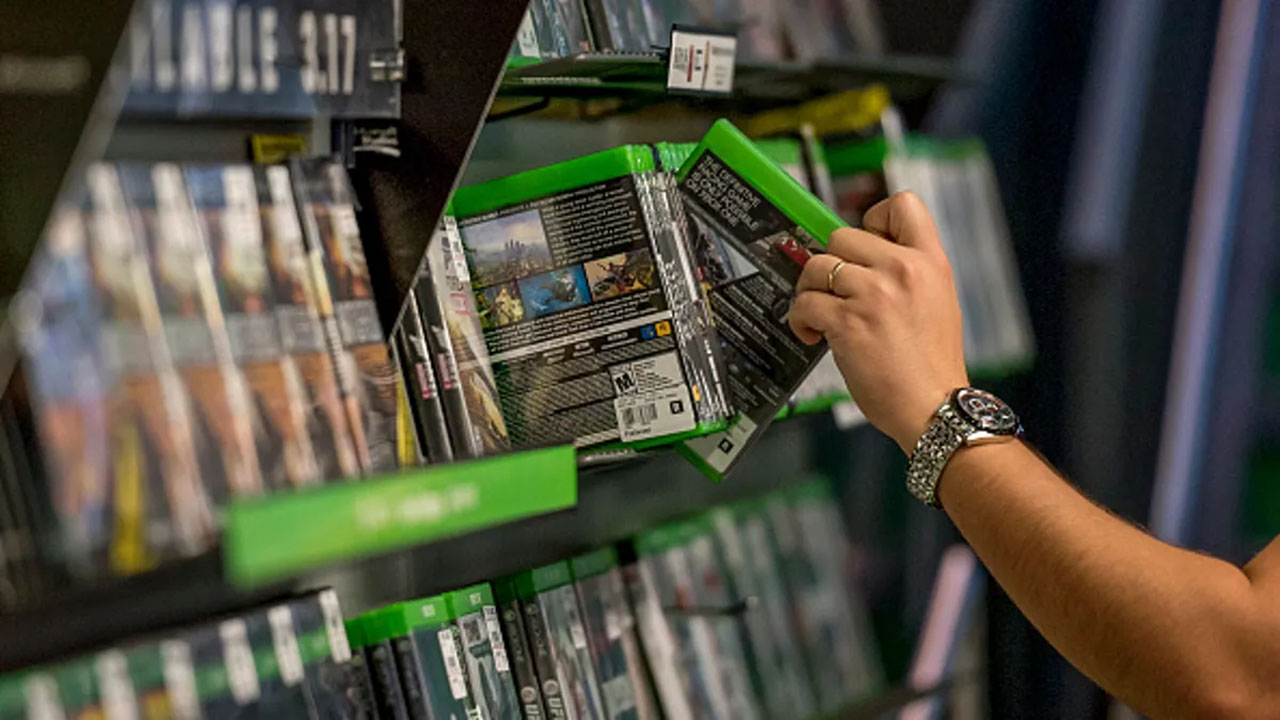
People enjoy the act of buying media and not always consuming it, whether that be physical Xbox games, books, or any number of other media types. Collecting provides its own satisfaction separate from consumption.
For players who feel overwhelmed, awareness helps. Identifying what triggers your shopping impulse could help you develop strategies to resist clicking “Buy Now”. Some players implement personal rules like finishing one game before buying another, or limiting purchases to games they’ll start immediately.
Game Rant reported that video game analyst Mat Piscatella posted that PS Plus and Xbox Game Pass are “certainly not the future” of the gaming sector, noting that US spending on video game subscriptions had been basically flat for years following 2020-21 growth. The subscription model that contributes to backlogs may be reaching its limits.
Moving Forward
The gaming backlog phenomenon exists at the intersection of digital abundance, sales psychology, and modern life constraints. We buy games we don’t play because digital distribution made it easy, sales made it affordable, and our aspirations for future gaming time often exceed reality.
Whether this matters is personal. For some, the backlog represents wasted money and guilt. For others, it’s a curated library of potential experiences. As writer Ben Tyrer noted on Medium, you can love a game and not 100% it, and if you’ve amassed a library of hundreds of games, it’s unlikely you’re ever going to finish them all. The best thing you can do is accept this reality rather than fighting it.
What’s certain is that you’re not alone in experiencing the gaming backlog phenomenon. Scrolling past dozens of unplayed titles has become a standard part of gaming in the digital age. Whether you embrace your gaming backlog as a collection, work to reduce it, or simply accept it as is, understanding why it exists can help you make more intentional choices about your gaming habits.