
![[EXCLUSIVE] Brendan Gan Delivers One of Malaysia’s Best-Ever Worlds Results, Shares Thoughts on Pressure and the Local Scene](https://cdn.gamerbraves.com/2026/08/Brendan-Gan_Interview_FI-360x180.jpg)




![[BIC2026] Hiroaki Nagashima from Toei Games Talks New IPs, Indie Roots, and Asia-First Strategy](https://cdn.gamerbraves.com/2026/08/Toei-Games-BIC-2026_Interview_FI-360x180.jpg)
![[BIC2026] From Outsider to Organizer: How Isabella Seo Jungsook Helped Build Busan’s Indie Game Scene through BIC](https://cdn.gamerbraves.com/2026/08/Isabella-BIC-2026_Interview_FI-360x180.jpg)
![[BIC2026] CanOpener’s Logan Moon Opens Up About Dungeon Settlers Ahead of Its September Early Access Launch](https://cdn.gamerbraves.com/2026/08/Logan-Moon-BIC-2026_Interview_FI-360x180.jpg)



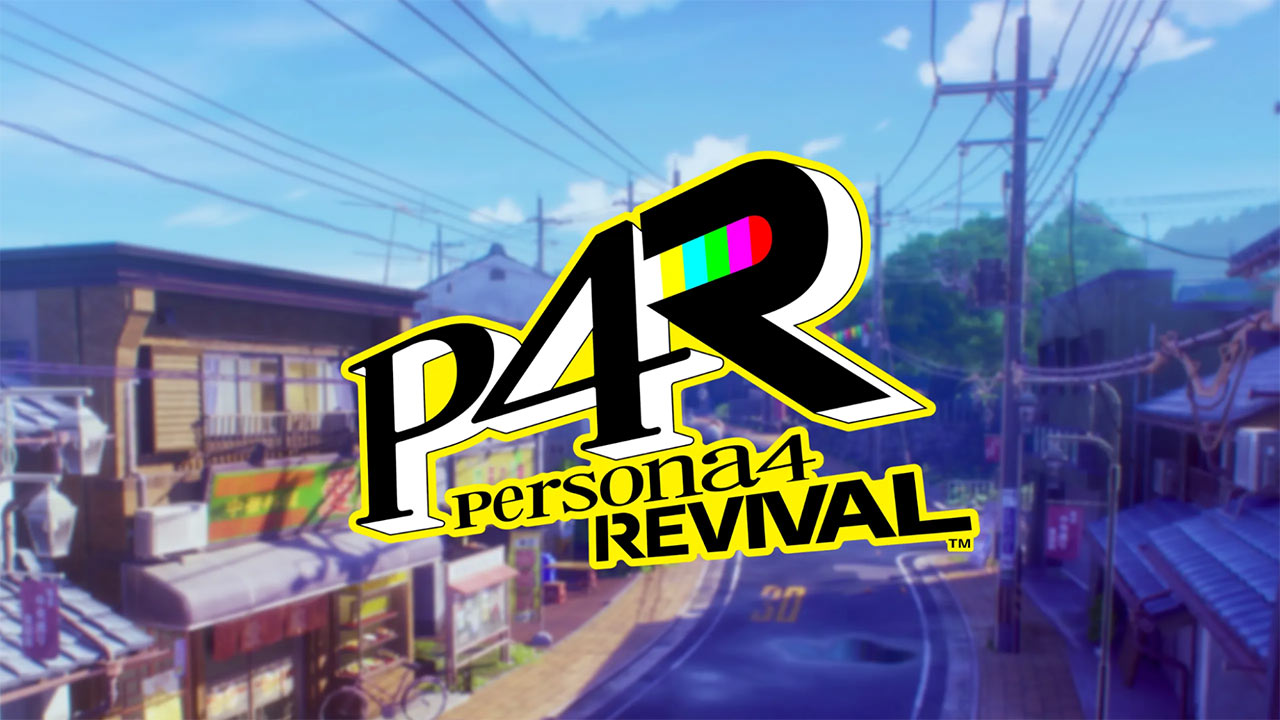
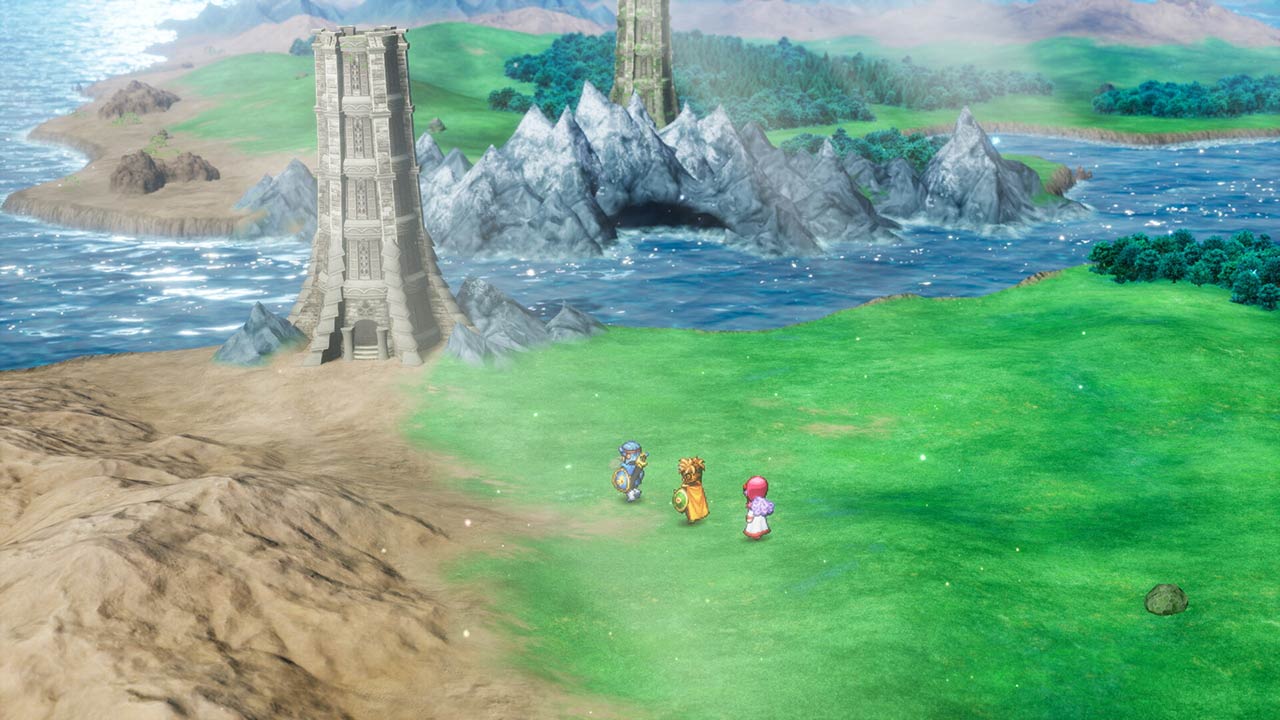
This year proved that classic JRPGs still have a place in modern gaming. 2025 brought us remade versions of Dragon Quest I & II in the striking HD-2D style, alongside remasters of Suikoden I & II, Final Fantasy Tactics: The Ivalice Chronicles, and both Tales of Graces f and Tales of Xillia. With Dragon Quest VII Reimagined and Persona 4 Revival already announced for 2026, the momentum shows no signs of slowing down. But this wave of revivals raises an interesting question: which other beloved JRPGs could benefit from similar treatment?
Why Now?
The timing makes sense for several reasons. JRPGs and more so turn-based RPGs are experiencing a comeback, and many players who grew up with these games now have the means to buy them—but not necessarily the old hardware to play them on. Modern remakes can preserve what made these games special while updating the parts that haven’t aged well: clunky interfaces, dated visuals, and quality-of-life features we now take for granted.
Beyond accessibility, there’s a genuine hunger for the kind of storytelling and gameplay that defined JRPGs from the late ’90s and early 2000s. These games prioritized narrative depth, character development, and world-building in ways that feel refreshing compared to some modern open-world titles. They were designed to be completed rather than endlessly played, offering satisfying conclusions to 40 to 60-hour adventures.
Some of these titles were also ahead of their time or simply didn’t reach enough players. A remake can give them a second shot at finding an audience while introducing younger players to franchises that influenced the games they love today.
The Early Persona Games
While Persona 3, 4, and 5 have become household names, the first two entries in the series remain stuck in the past. Persona 1 and Persona 2 (which consists of Innocent Sin and Eternal Punishment) laid the groundwork for everything that came after, but they play very differently from modern entries. The dungeon crawling is more punishing, the social elements are minimal, and the interface shows its age.
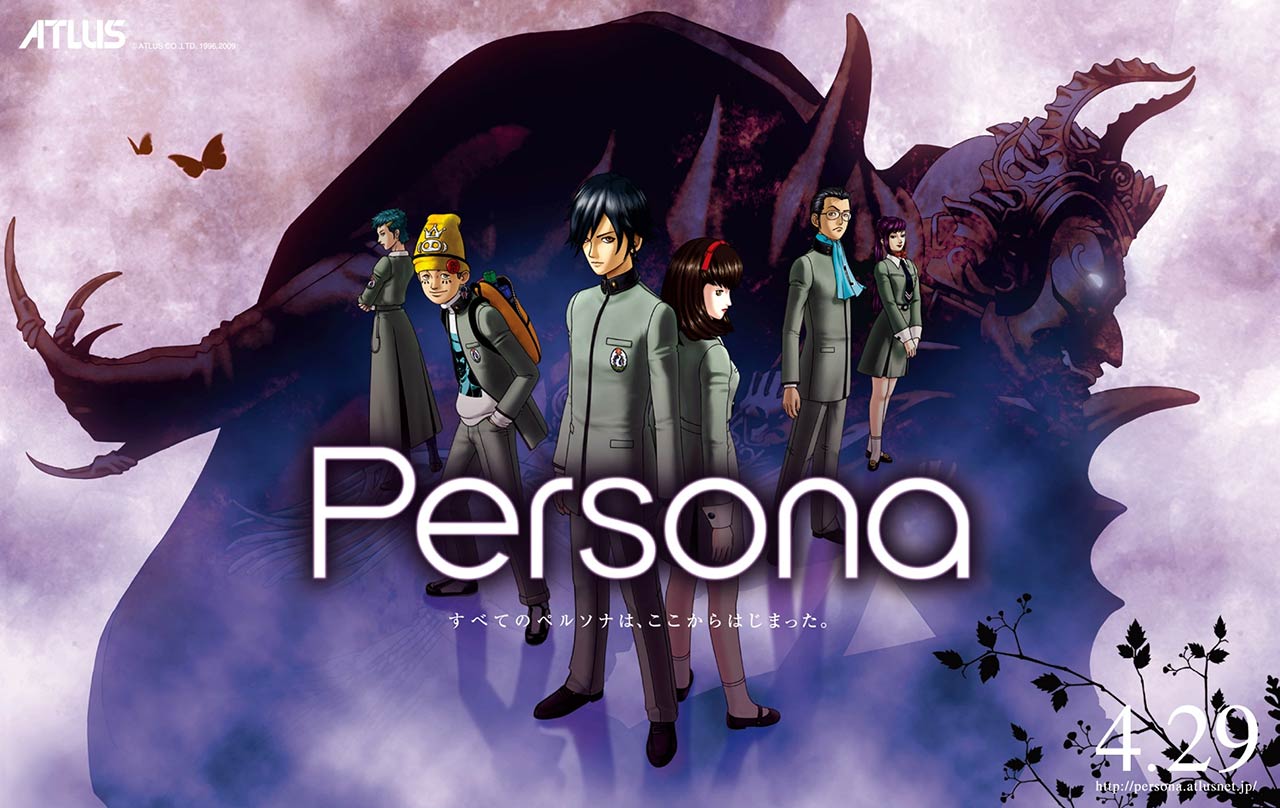
Persona 1 originally released in 1996 for the PlayStation, back when the series was still finding its identity separate from mainline Shin Megami Tensei games. It received a PSP remake in 2009 that improved many aspects, but even that version feels dated compared to what the series became. The first-person dungeon exploration, the grid-based combat, and the demon negotiation system all come from a different era of game design.
Persona 2 is actually two games that tell one story. Innocent Sin (1999) and Eternal Punishment (2000) follow interconnected plots dealing with rumors becoming reality, Nazi imagery, and apocalyptic threats. The narrative is darker and more mature than later entries, exploring themes of identity, guilt, and the consequences of collective belief. The problem is that Innocent Sin didn’t get an official English release until the PSP version in 2011, and Eternal Punishment never got that PSP remake localized at all.
Given how Atlus has successfully remade Persona 3 and previously supported Persona 4 and 5 with expanded versions, bringing the first games up to modern standards would let newer fans see where the series began. The darker tone and mature themes of these early entries could also appeal to players looking for something different from the high school sim elements of later games. A remake could introduce the calendar system and social links in a way that fits the original stories, add voice acting, and modernize the combat without losing what made these games narratively special.


The timing is especially relevant given that Persona 3, 4, and 5 have all received modern releases or remakes. Completing the collection would give the series a cohesive lineup across current platforms.
Breath of Fire IV
Capcom’s Breath of Fire series ended with its fourth entry in 2000, and it remains one of the most visually striking JRPGs of the PlayStation era. Its hand-drawn sprites and backgrounds still look beautiful, but the game itself has never received proper modern treatment beyond.
The gameplay featured a combo system where positioning your party members correctly could create powerful linked attacks. The dragon transformation system let players customize Ryu’s dragon forms by combining different gene types, creating strategic depth beyond standard turn-based combat. The fishing minigame and fairy village management added side content without feeling like padding.
What makes Breath of Fire IV a strong candidate is that Capcom has the technology and experience to do it justice. The company has successfully remade Resident Evil games with modern graphics while keeping their core intact. A similar approach could work here—imagine the game’s distinctive art style translated into high-definition 2D or even a careful 3D remake that preserves the original’s aesthetic.
The series has been dormant since a poorly received mobile game, but Breath of Fire IV represents the franchise at its peak. Bringing it back could test whether there’s interest in reviving the series properly.
.hack//Infection and the Original Series
While .hack//G.U. Last Recode brought that trilogy to modern platforms in 2017, the original four-part .hack series (Infection, Mutation, Outbreak, Quarantine) remains stuck on the PlayStation 2. These games were released episodically between 2002 and 2003, each one continuing the story and carrying over save data—a bold experiment for the time.
These games were unique for their time: they simulated playing an MMO in a single-player experience, complete with fake forums, emails, and desktop interfaces. Players controlled Kite, a teenager investigating why his friend fell into a coma while playing the fictional MMO The World. The games captured the feeling of early online gaming culture, including the social dynamics, the forum drama, and the sense that you were uncovering secrets the game’s developers didn’t intend you to find.
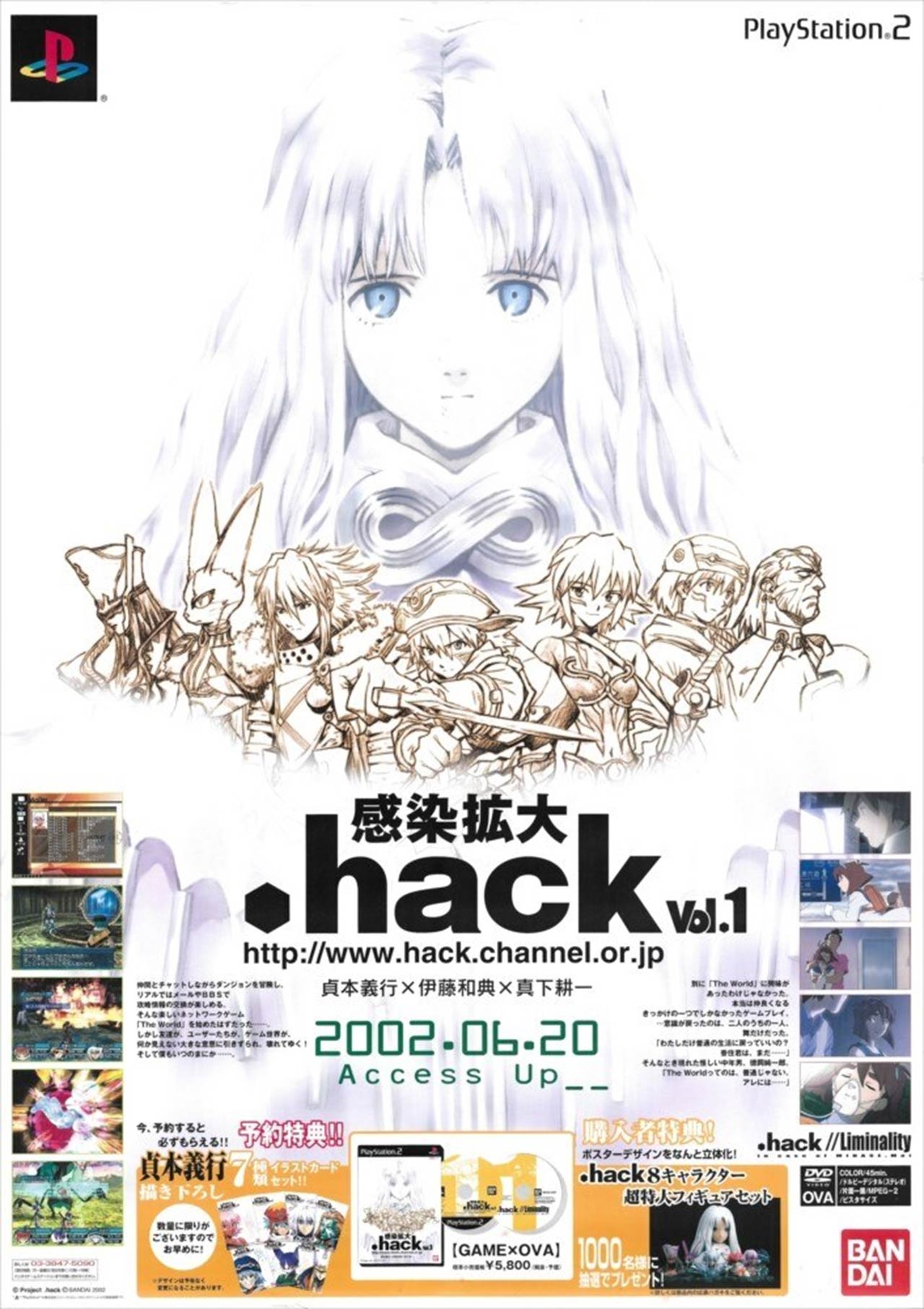
The concept still holds up, and with actual MMOs now a familiar part of gaming culture, new players might appreciate what the series was trying to do. The game predicted aspects of online gaming communities, including how players would form theories, share exploits, and develop parasocial relationships with other players (even though in this case, those other players were NPCs).
A remaster could update the combat, which was repetitive even by 2002 standards, while keeping the layered storytelling that made players feel like they were uncovering a real mystery. Combining all four games into one package with a unified progression system would eliminate the artificial padding. Modern graphics could make The World feel like an actual MMO environment rather than empty corridors. The desktop interface could be updated to feel like a modern operating system, making the simulation more convincing for players who never used Windows XP.
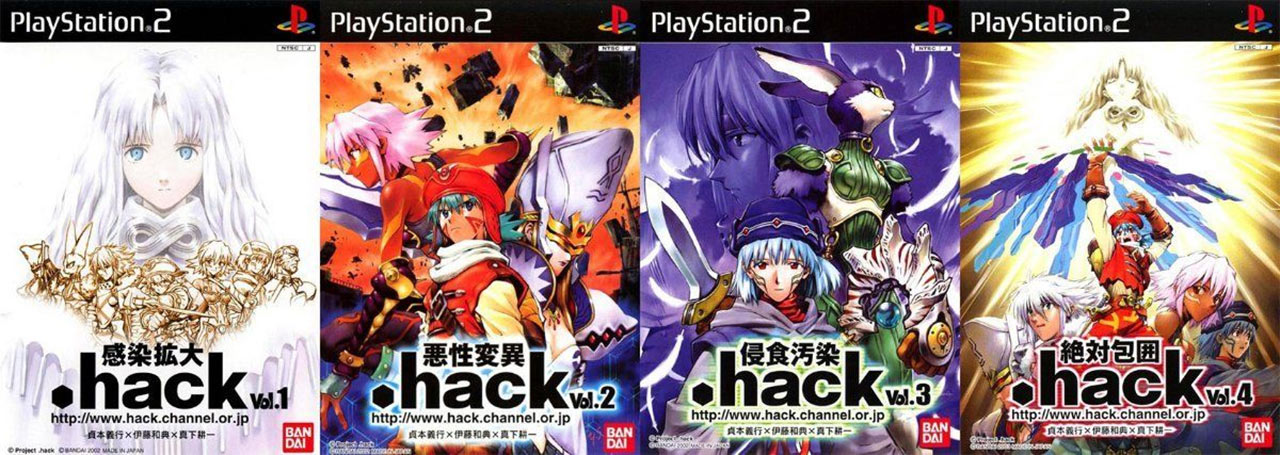
The series has remained relevant through anime, manga, and other media, so there’s still brand recognition. Given that .hack//G.U. got a successful remaster, the original series feels like an obvious next step.
Ar Tonelico: Melody of Elemia
Released in 2006 for PlayStation 2, Ar Tonelico combined traditional JRPG combat with a unique magic system based on songs and relationships with Reyvateil partners—human-like beings who could use song magic to devastating effect. The game took place entirely within a massive tower called Ar Tonelico, one of the last habitable places in a world that had suffered an apocalyptic collapse.
Combat itself mixed turn-based strategy with rhythm elements. Your knights would physically defend the Reyvateils while they charged increasingly powerful song magic. Timing your defensive abilities to the rhythm of the music created a unique flow where you were essentially protecting a musical performance while enemies tried to interrupt it.
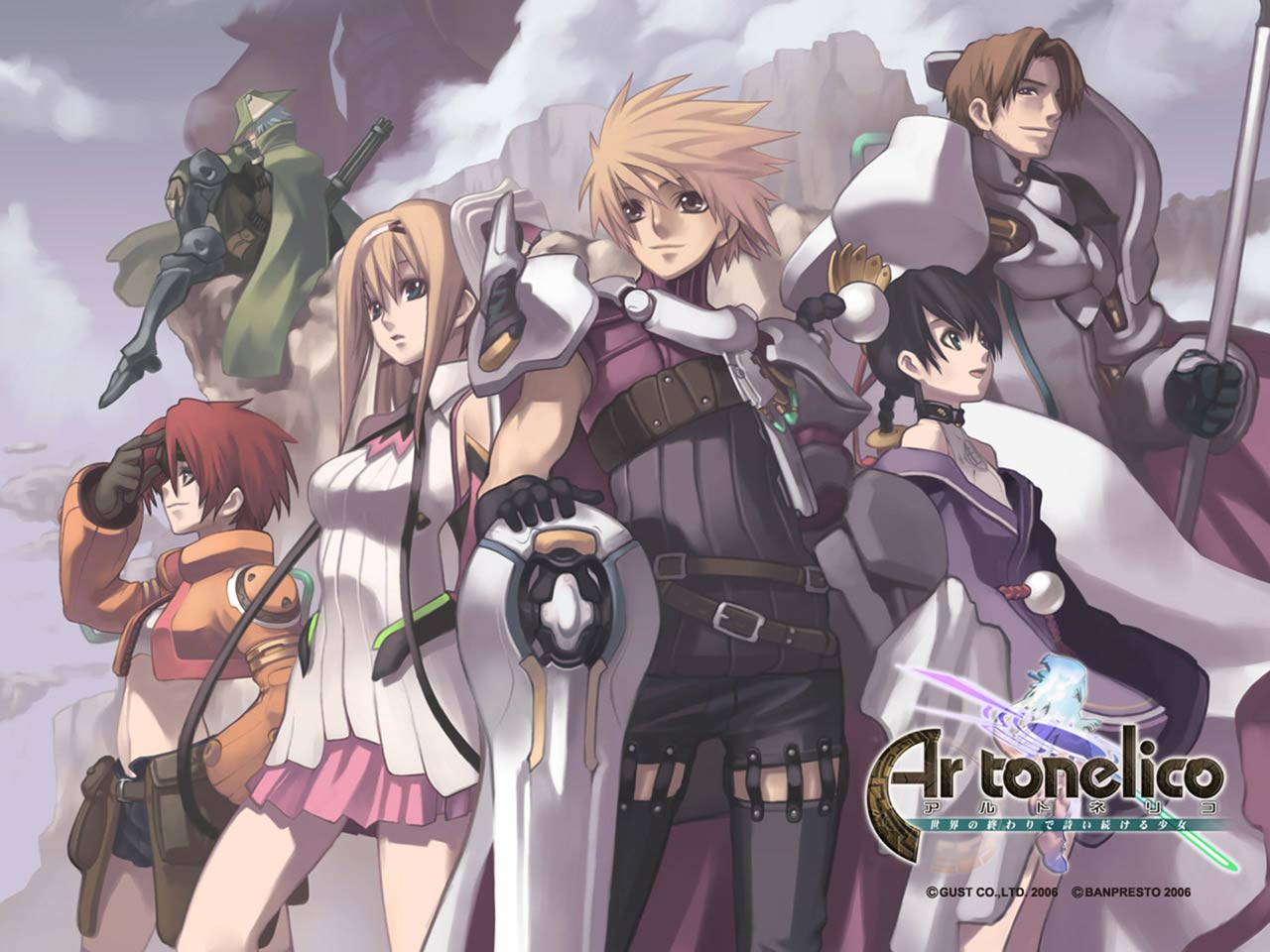
The series has a dedicated following, but the first game hasn’t seen any modern updates beyond the PlayStation 2 original. Its systems were ambitious but rough around the edges, and a remake could smooth out the combat while enhancing the vocal tracks that are central to the experience. Modern audio technology could make the song magic feel even more powerful, with spatial audio and improved voice recording quality.
With soundtrack-focused games finding success in recent years, and visual novel elements becoming more accepted in Western markets, the timing could be right for Ar Tonelico to find a new audience.
Tales of Rebirth
Here’s an oddity: Tales of Rebirth released in Japan in 2004 but never officially came West. It sits between Tales of Symphonia (which was localized and became one of the GameCube’s defining JRPGs) and later entries that did get international releases. With both Tales of Graces f and Tales of Xillia getting remasters in 2025, Rebirth stands out as the missing piece in the series’ history.
The game uses the series’ trademark action combat—the Linear Motion Battle System—but introduced the “Three-Line” system where party members were assigned to lanes during combat. This added a strategic layer to the positioning and movement that defined the series. The Force Gauge system required players to balance offensive and defensive techniques, creating a risk-reward dynamic.
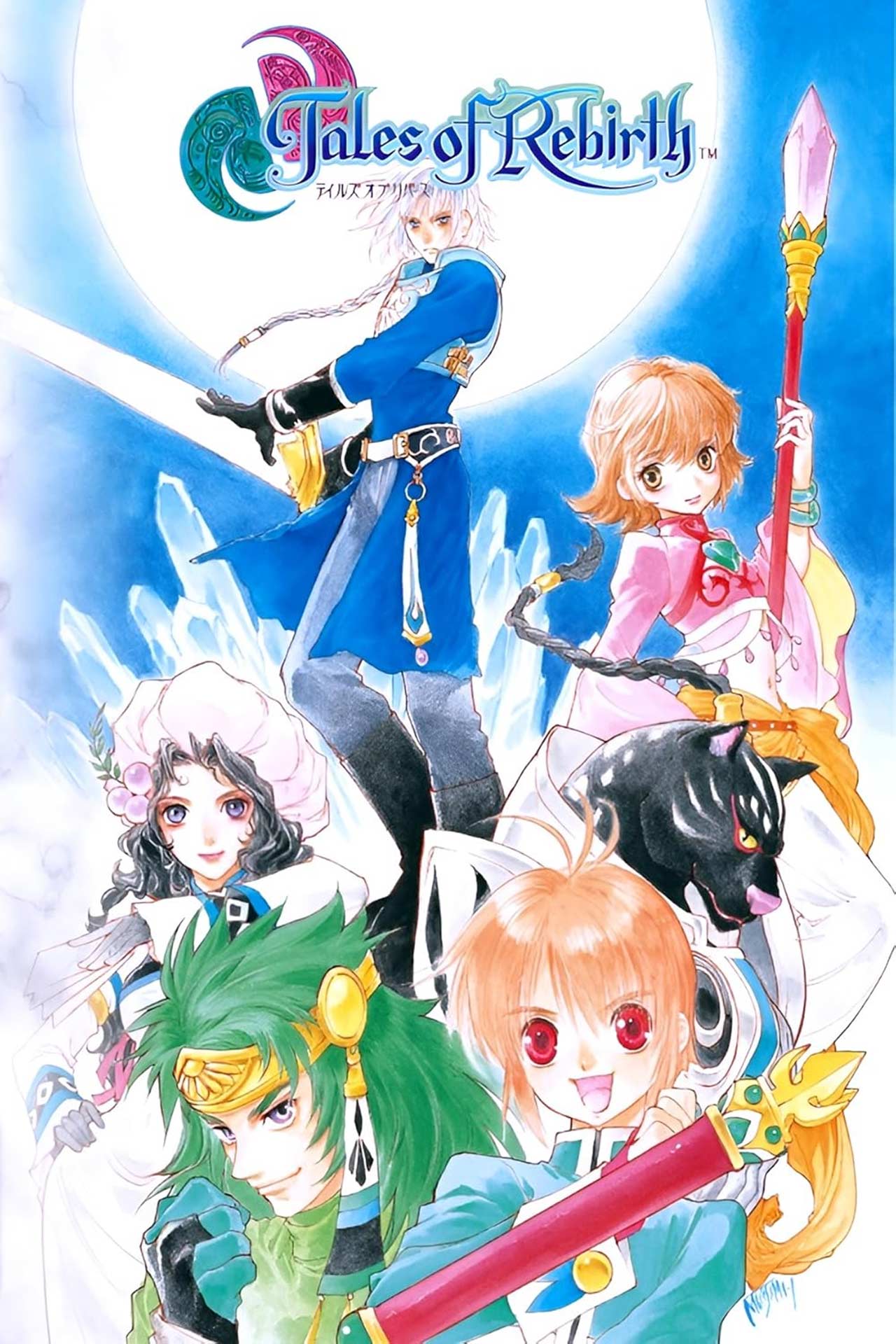
An official localization paired with remastered visuals would finally let international fans play a piece of Tales history they’ve only heard about. The game has been fan-translated, showing there’s demand, but an official release with voice acting and modern quality-of-life features would be the proper treatment it deserves. The 2025 remasters of other Tales games prove Bandai Namco is willing to invest in the series’ back catalog.
Xenosaga Trilogy
Xenosaga Episodes I through III told a science fiction story across three games released between 2002 and 2006, blending philosophy, religion, and mecha combat. The series was directed by Tetsuya Takahashi, who had previously worked on Xenogears, and was originally planned as a six-episode series before being condensed to three games.
While the series has its fans, it never achieved the mainstream success of Xenogears or Xenoblade Chronicles. Part of the problem was inconsistency. Each game had different character designs—Episode II completely redesigned every major character in a controversial art shift. Combat systems changed dramatically between entries, from Episode I’s complex menu-driven battles to Episode II’s simplified action commands to Episode III’s hybrid approach.

The pacing was also uneven. Episode I was criticized for having too many cutscenes and not enough gameplay—some story sequences could last over an hour. Episode II overcorrected by cutting story content and rushing through plot points. Episode III tried to balance both but had to wrap up storylines originally planned for three more games, leading to an rushed ending.
A definitive remaster could unify the trilogy’s presentation, update the early 2000s graphics, and potentially fix pacing issues that hurt the original releases. Giving all three games a consistent art style and keeping the same voice actors throughout would help the narrative flow. Modern graphics could make the space environments and mecha battles more impressive, while quality-of-life features could address the slower pacing.
Devil Summoner: Soul Hackers
The original Soul Hackers released in 1997 for the Sega Saturn in Japan, later getting ported to PlayStation and receiving an enhanced 3DS version in 2012 that was finally localized for Western audiences. While Soul Hackers 2 came out in 2022 as a sequel, the first game remains harder to access despite being part of the larger Shin Megami Tensei universe.
Soul Hackers takes place in Amami City, a futuristic metropolis where every aspect of life is controlled by the Paradigm X network. Players join the Spookies, a group of hackers investigating the city’s dark secrets and its connections to demon summoning. The game blends cyberpunk aesthetics with traditional demon mythology, hackers use computers to summon demons, and exploring the virtual world is as important as navigating physical spaces.
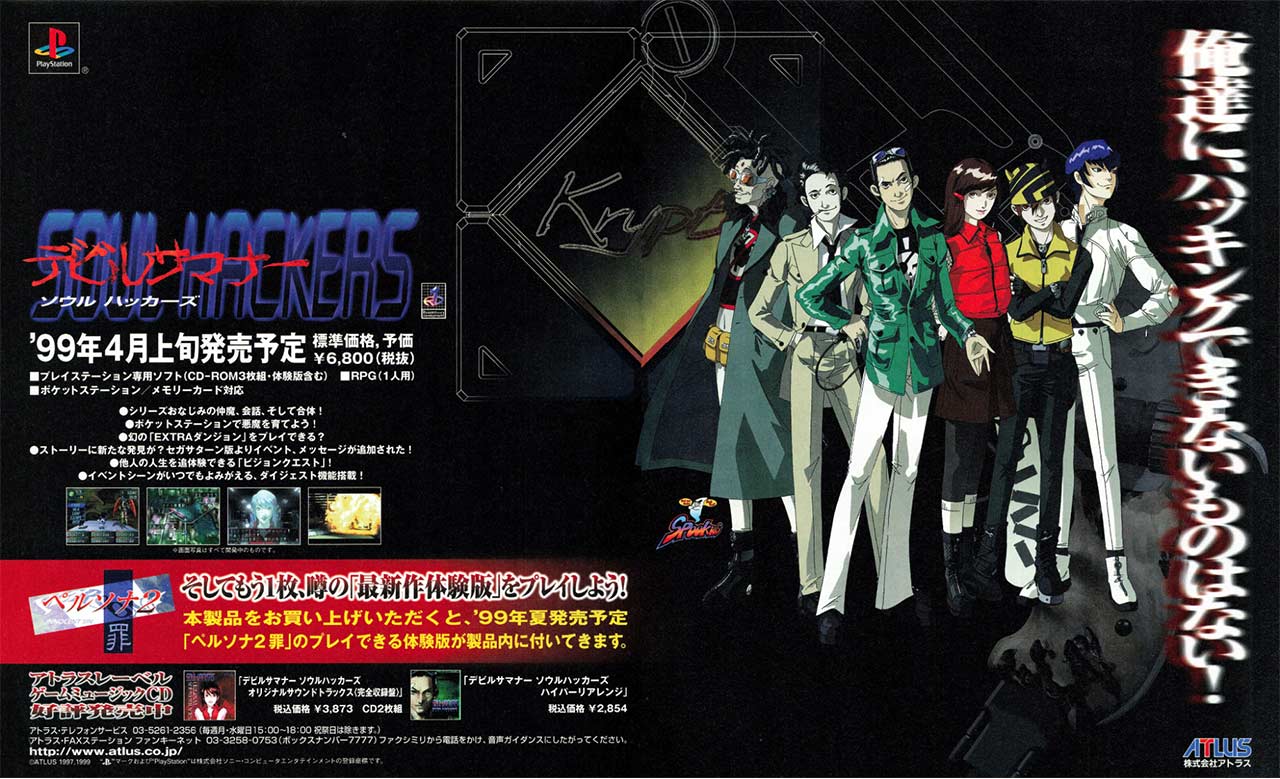
What sets it apart is its cyberpunk setting and hacker protagonist, a different flavor from most demon-summoning games in the franchise. While other Megami Tensei games dealt with post-apocalyptic Tokyo or high school settings, Soul Hackers embraced the ’90s vision of cyberspace with neon colors, virtual reality, and corporate conspiracy. The game predicted aspects of internet culture and surveillance capitalism, themes that resonate even more strongly today.
The demon negotiation and fusion systems that define the franchise are present, but with unique wrinkles. Demons have loyalty meters that affect their behavior in combat, neglect them and they might refuse orders or even leave. The COMP (Computer) system for summoning demons ties into the hacker aesthetic, making the magical elements feel like part of the technological world rather than separate from it.
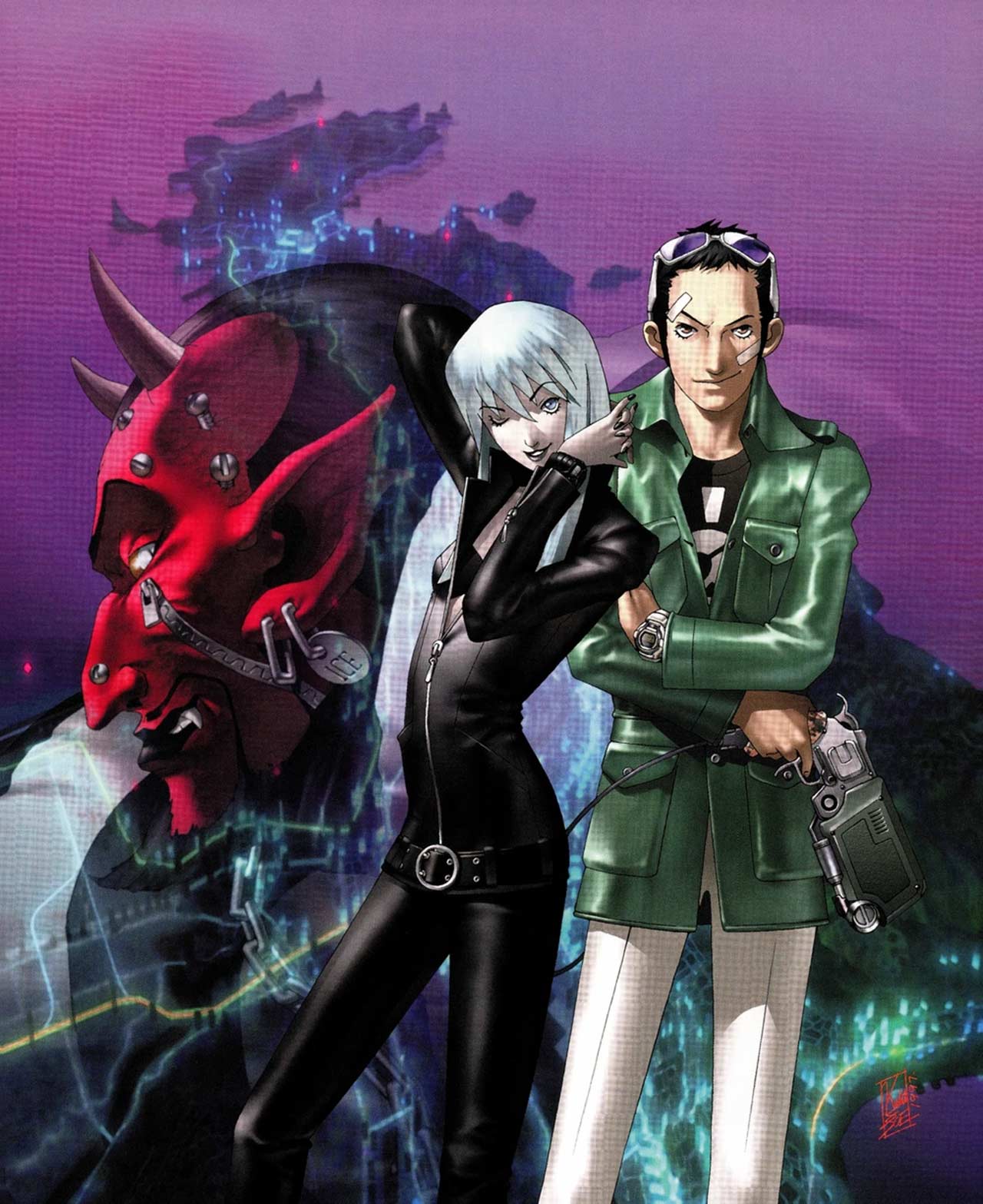
The 3DS version added some quality-of-life features, including difficulty options and a new opening cinematic, but a full remake could modernize the dungeon design and demon negotiation while preserving the distinct ’90s cyber-aesthetic that gives it personality.
Given that Shin Megami Tensei V found success on modern platforms and Persona games continue to sell well, there’s clearly an audience for demon-summoning RPGs. Soul Hackers offers a different enough setting and tone to stand apart from other entries in the franchise. A proper remake could introduce it to players who never owned a 3DS or those who want to see where some of Persona 5’s hacker themes originated.
Vagrant Story
Released in 2000 for the original PlayStation, Vagrant Story was director Yasumi Matsuno’s follow-up to Final Fantasy Tactics. The game took place in the same world of Ivalice but told a completely different kind of story—a dark fantasy thriller about conspiracy, religion, and a city frozen in time.
The combat system was unlike anything else. It blended real-time movement with pause-and-target mechanics, where players would stop time to aim at specific body parts of enemies. Different weapon types worked better against different enemy materials and body parts, creating a rock-paper-scissors system layered on top of positioning and timing. The weapon crafting system lets players combine and modify equipment, affecting stats and affinities in complex ways.
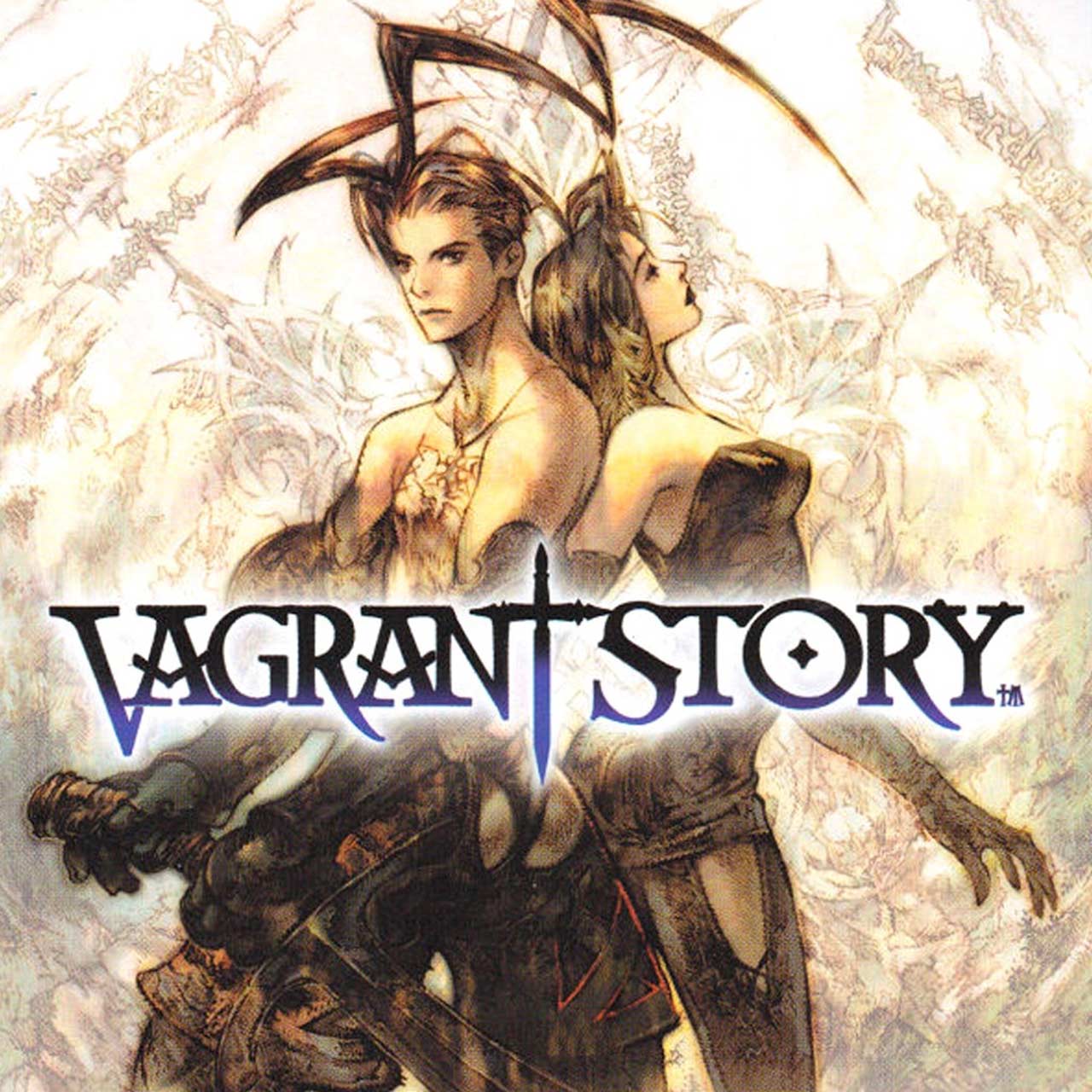
Vagrant Story has been re-released on PSN but never truly remastered. A proper remake could modernize the graphics while preserving Matsuno’s artistic vision—imagine the gothic architecture and character designs rendered with current technology. The combat system could be refined to make its depth more accessible without dumbing it down. Tutorial information and weapon mechanics could be presented more clearly, letting players engage with the systems rather than fight against obscurity.
Wild Arms 3
Wild Arms 3 blended JRPG mechanics with a Western frontier setting, complete with shootouts, drifters, and a world slowly dying from environmental collapse. It hit PlayStation 2 in 2002 and got a PS4 re-release via PSN, but that version is basically the original game in an emulator—no visual upgrades or modern features.
The series has been dormant since 2007, but Wild Arms 3 represents its peak. It successfully blended Western and JRPG aesthetics without feeling like a parody—the world felt authentic, with towns named after Western tropes but inhabited by characters with real depth. The game’s soundtrack mixed whistling, acoustic guitars, and Western motifs with orchestral JRPG compositions.
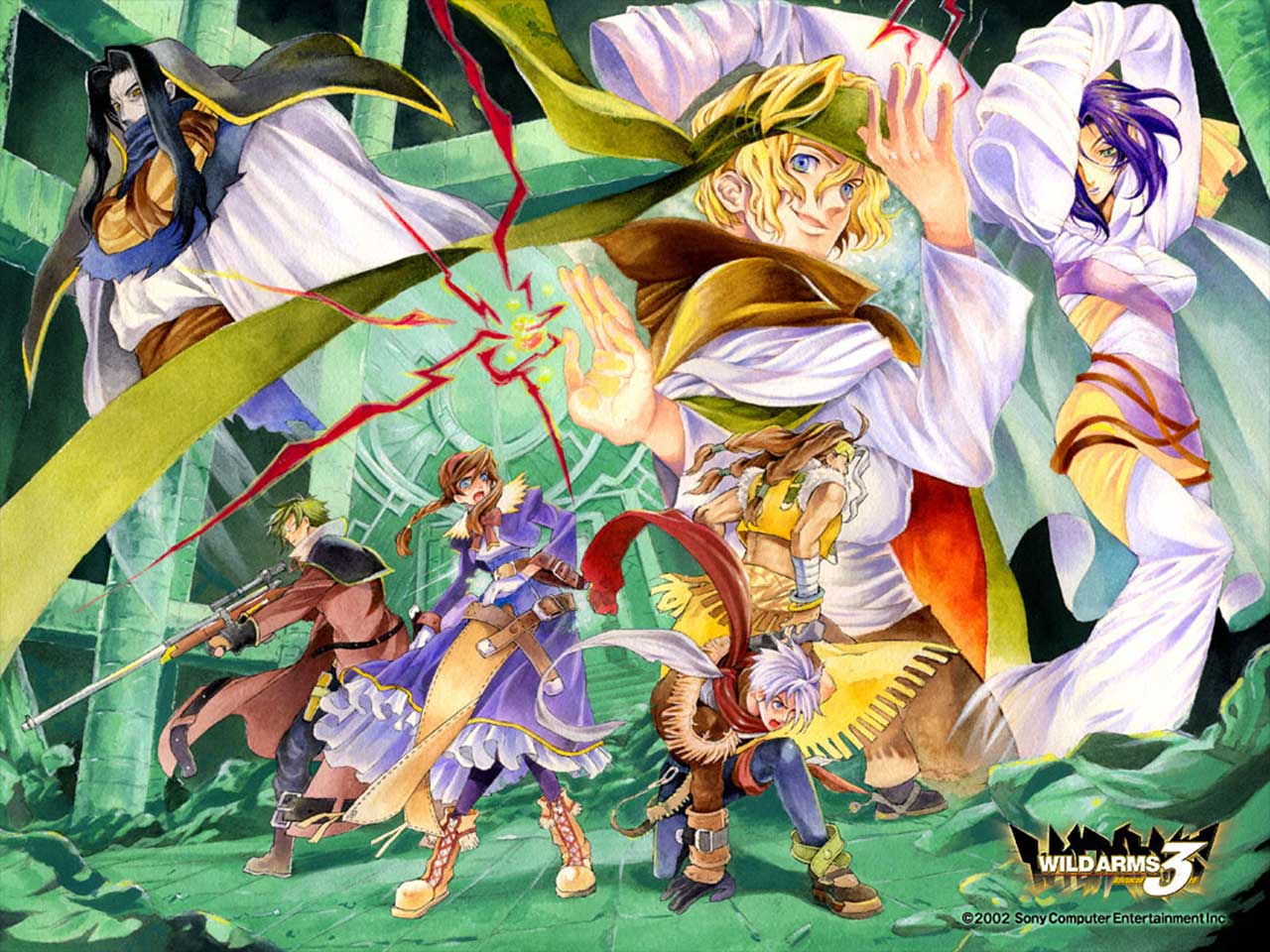
A proper remaster could enhance the cel-shaded graphics, which have aged relatively well but could benefit from higher resolutions and modern rendering techniques. The encounter rate and dungeon puzzles frustrated some players—puzzles often involved using tools in specific ways that weren’t always intuitive, and some dungeons felt like trial-and-error exercises. Modern game design could make these sections more organic while preserving the challenge.
Introducing the game’s unique setting to a new generation could revive interest in the franchise. The Western-themed JRPG is a rare subgenre, and Wild Arms 3 executed it better than most attempts. With the right treatment, it could find an audience that never knew this kind of game existed.
Radiata Stories
Radiata Stories released in 2005 for PlayStation 2, developed by tri-Ace (known for the Star Ocean series) and published by Square Enix. The game presented a fantasy world where humans and fairy creatures existed in uneasy coexistence, following protagonist Jack Russell as he joined the Knights of Radiata and became entangled in conflicts that would force him to choose sides.
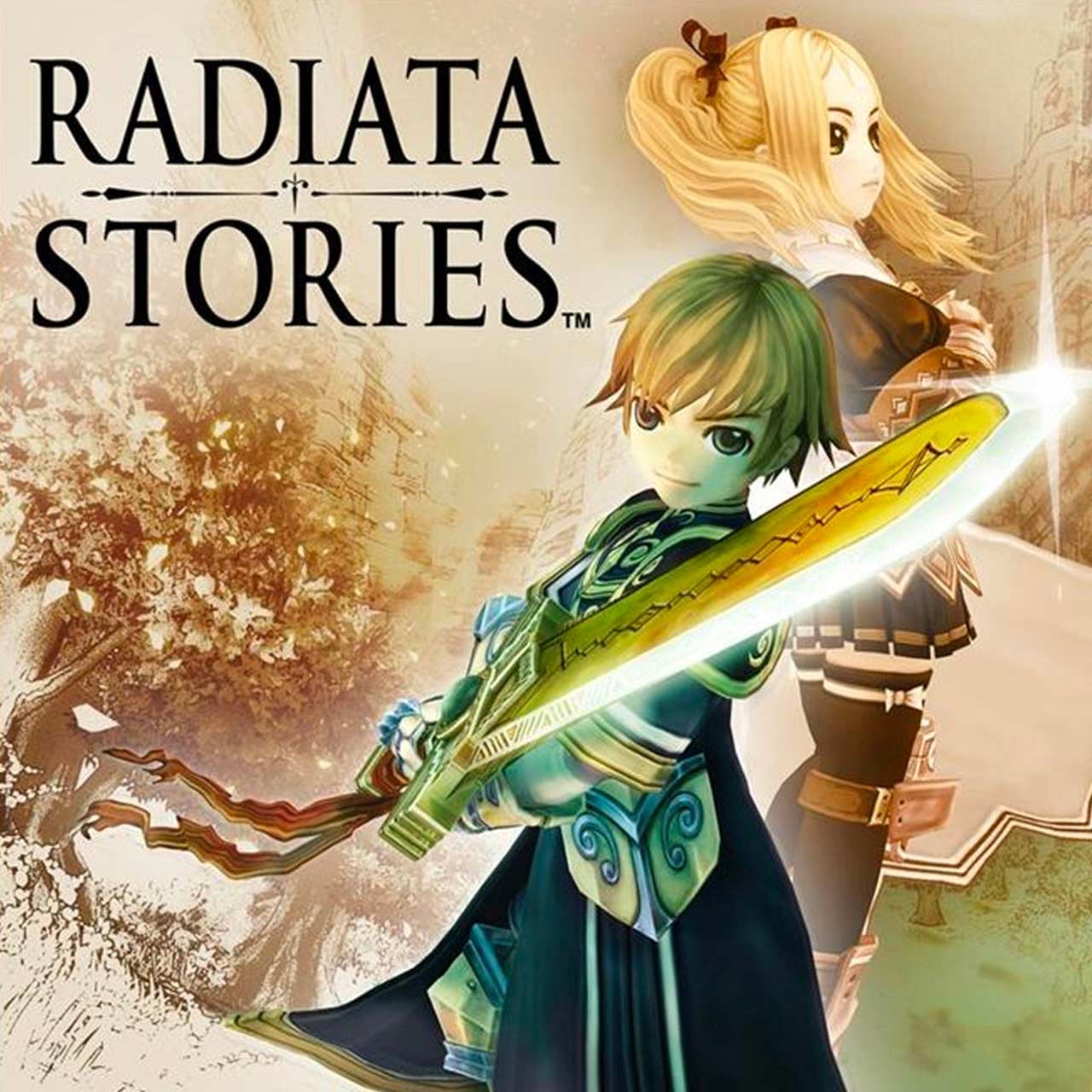
What made Radiata Stories distinctive was its living world. The game featured over 170 recruitable characters, each with their own schedules, homes, and daily routines. NPCs would wake up, go to work, eat meals, and sleep according to in-game time. You could follow any character throughout their day, and many had recruitment quests that required understanding their patterns.
Radiata Stories never got a sequel or re-release beyond the original PS2 version. It sits in an odd position in Square Enix’s catalog—not quite forgotten but not actively supported either. The living world concept was ambitious for 2005 and would be even more impressive with modern technology. Imagine those 170+ characters with more detailed schedules, better AI, and voice acting. The day-night cycle and weather systems could be expanded, making the world feel even more dynamic.
Blue Dragon
Created by Final Fantasy’s Hironobu Sakaguchi with character designs by Dragon Ball’s Akira Toriyama and a soundtrack by Nobuo Uematsu, Blue Dragon should have been huge. It had talent behind it that practically guaranteed success. Instead, it launched exclusively on Xbox 360 in 2006—a console that struggled in Japan and wasn’t exactly known for JRPGs in the West.
Blue Dragon embraced traditional turn-based combat without apology. The shadow system lets characters summon magical creatures to fight for them, with shadows leveling up independently and learning different classes. You could customize your party by having characters master multiple classes, creating hybrid builds. The system had depth even if the story presentation was accessible.
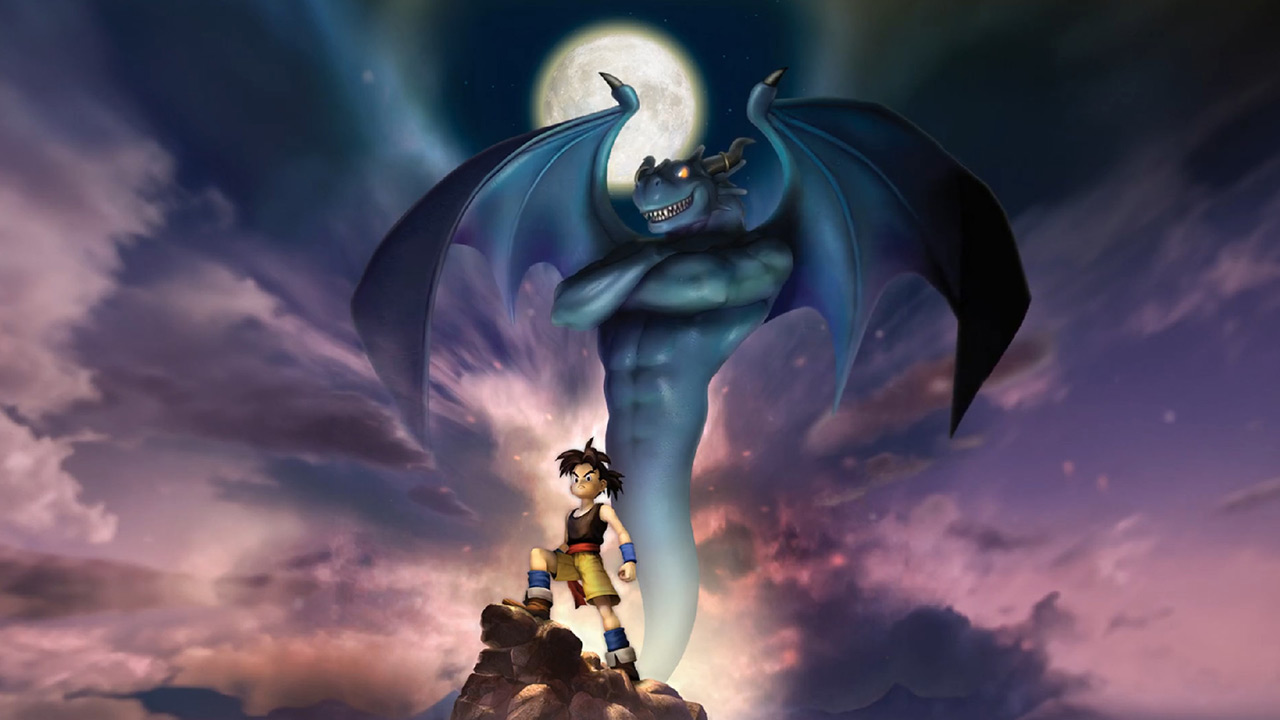
The game itself is a straightforward, traditional turn-based RPG. The Toriyama art still looks great—his character designs are timeless, and the game’s bright, colorful aesthetic stands in contrast to the grittier graphics that dominated the mid-2000s. The shadow-based combat system has potential that was never fully realized in the original.
Getting it off the Xbox 360 and onto modern platforms with visual enhancements could give it the audience it never found. The game would benefit from quality-of-life improvements like adjustable encounter rates and faster battle animations. The loading times, which were noticeable even on the 360, could be eliminated on modern hardware.
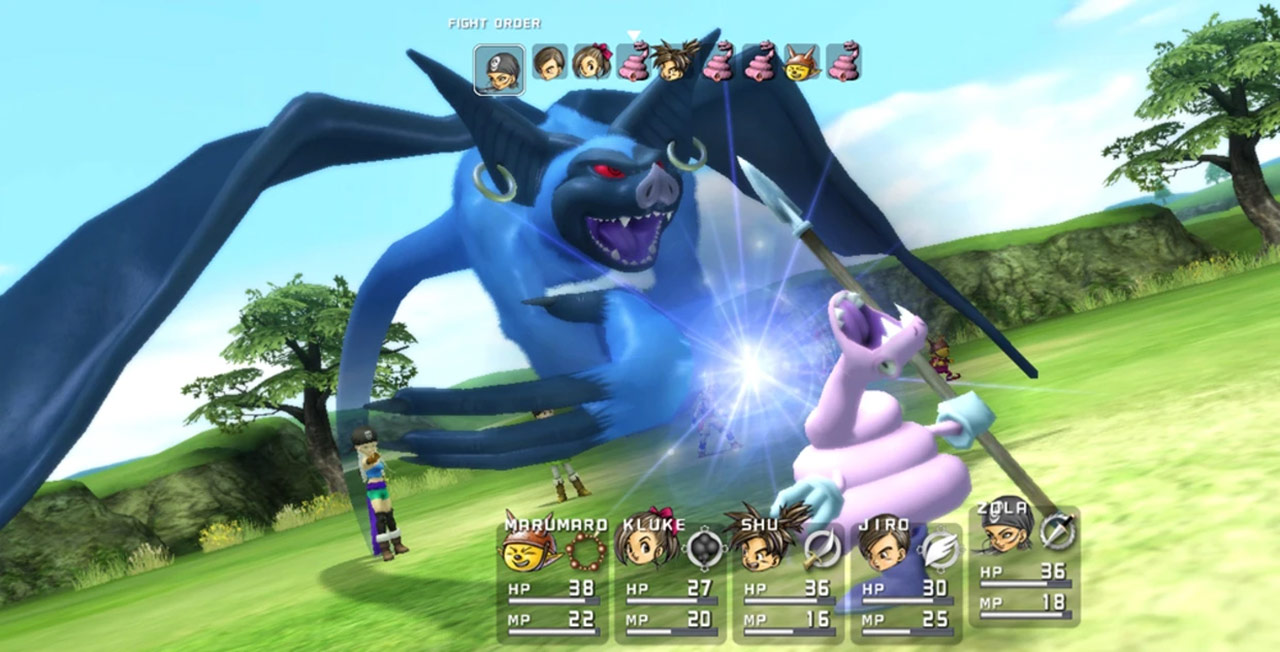
The timing might actually work in Blue Dragon’s favor now. The game was released during an era when JRPGs were trying to evolve beyond turn-based combat and traditional storytelling. But the pendulum has swung back—turn-based combat is cool again, and players appreciate games that don’t drown them in grim darkness. A story about kids going on an adventure to stop evil doesn’t feel dated; it feels refreshing.
Xenogears
Xenogears released in 1998 for the original PlayStation and remains one of the most ambitious and controversial JRPGs ever made. Directed by Tetsuya Takahashi, it was originally conceived as a Final Fantasy VII scenario before becoming its own project. The game told a sprawling story about religious manipulation, reincarnation, and humanity’s relationship with god-like machines.
The narrative followed Fei Fong Wong, a young man with no memory of his past, as he became caught in a war between nations and uncovered truths about ancient civilizations.

The game was notorious for its second disc. Reportedly running out of budget and time, the developers couldn’t finish the game as intended. Disc 2 featured long stretches where characters sat in chairs narrating what happened instead of players experiencing it through gameplay. Xenogears has never been properly remastered or remade. It received a PSN re-release, but that’s just the original game in an emulator.
A proper remake could finally complete the vision. Disc 2 could be fully realized with the dungeons, towns, and gameplay sequences originally planned. Given the success of both the Xenoblade series and recent Square Enix remakes, the timing might finally be right for Xenogears to get the treatment it deserves—a complete, fully realized version of one of the most ambitious JRPGs ever attempted.
Chrono Trigger
Yes, Chrono Trigger has been re-released many times—on PlayStation, Nintendo DS, mobile, and Steam. But none of these are true remakes. The DS version added content and fixed translation issues, making it the definitive version, but it still looks and plays like a 1995 Super Nintendo game.
Chrono Trigger doesn’t need defense. It’s regularly cited as one of the best JRPGs ever made. The time-travel story follows Crono and his companions across different eras—from prehistory to a post-apocalyptic future—as they try to prevent the end of the world. The narrative is tight, the characters are memorable despite minimal dialogue, and the multiple endings give it replay value. The combo system in combat let party members combine techniques for more powerful attacks, encouraging experimentation with different team compositions.
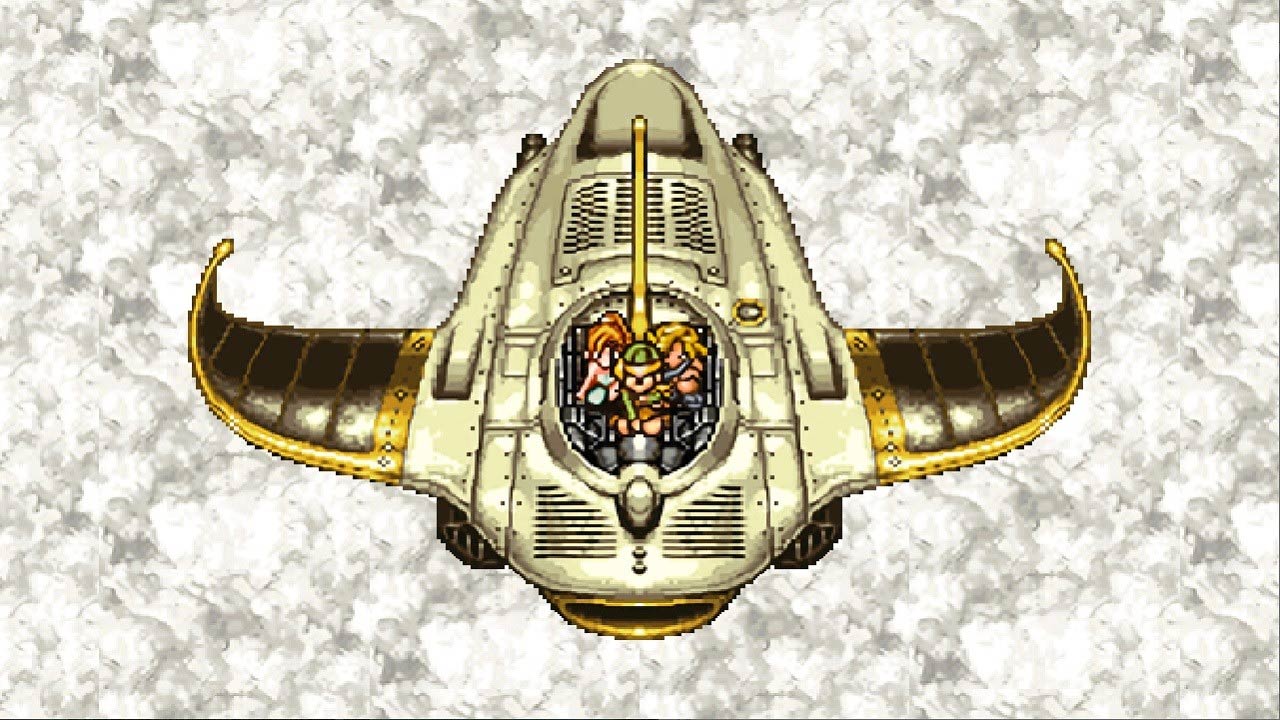
The game was developed by a dream team that included Final Fantasy creator Hironobu Sakaguchi, Dragon Quest creator Yuji Horii, and Dragon Ball artist Akira Toriyama. The soundtrack by Yasunori Mitsuda and Nobuo Uematsu remains iconic—tracks like “Corridors of Time” and “Frog’s Theme” are instantly recognizable to anyone who played the game.
The question isn’t whether Chrono Trigger holds up—it does. The question is whether a full remake could introduce it to players who won’t touch pixel art games. There’s a generation of players who started gaming with PlayStation 3 or later, and for them, 16-bit graphics are as ancient as Atari games were to people who grew up with the SNES. They’re not being snobby; it’s just outside their frame of reference.
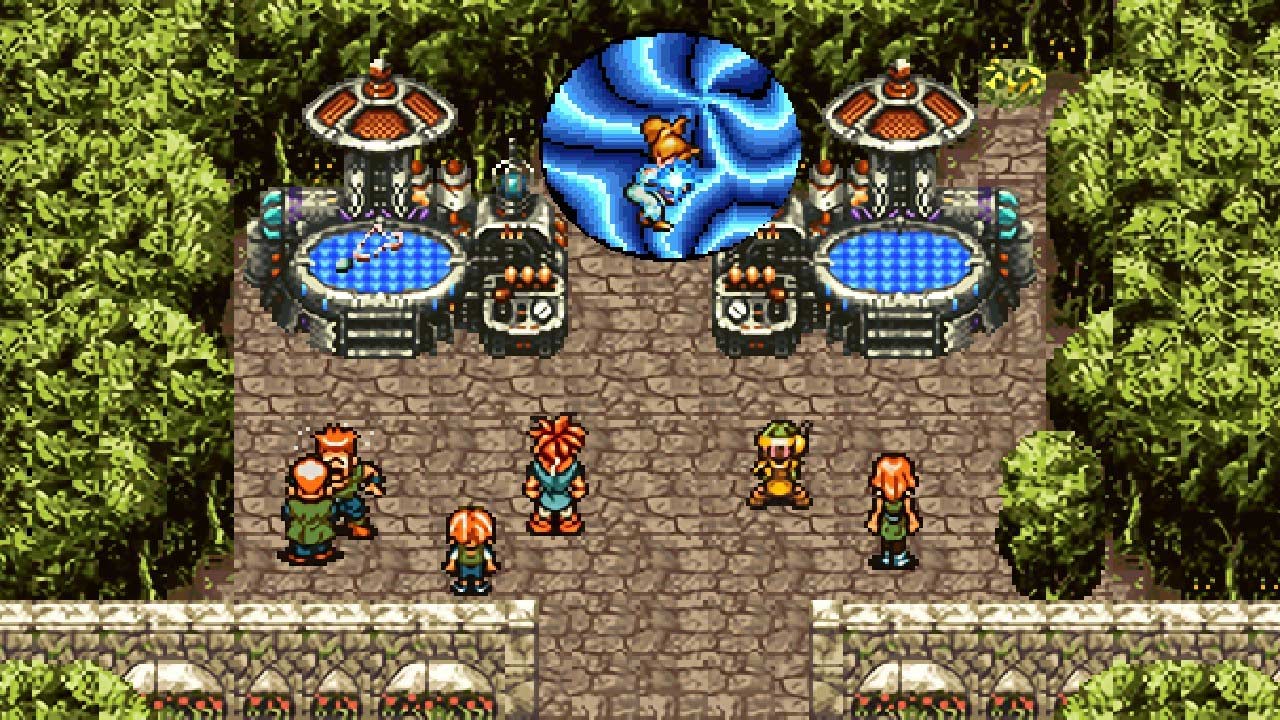
Something in the vein of the Dragon Quest III HD-2D Remake could work: keep the original intact but present it in a way that feels current. The HD-2D style preserves sprite-based gameplay while adding depth, lighting, and modern effects. Applied to Chrono Trigger, it could make the time-travel elements more visually distinct—prehistory could have harsh lighting and muted colors, while 1000 AD could be vibrant, and 2300 AD could be dark and oppressive.
Another approach would be a full 3D remake similar to what Final Fantasy VII received, though this would be more controversial. The risk is that changing too much could alienate the fanbase that treasures the original. Chrono Trigger is treated with reverence by its fans, and any remake would face intense scrutiny. Even the mobile port was criticized for its UI choices, despite being mechanically identical to previous versions.
Given the game’s influence on the entire genre, it would certainly generate interest, though any remake would need to be handled carefully to avoid backlash from purists. The game introduced techniques that became standard—New Game Plus, multiple endings, no random encounters, and time-sensitive story events. A remake could introduce these innovations to players who don’t realize they originated here.
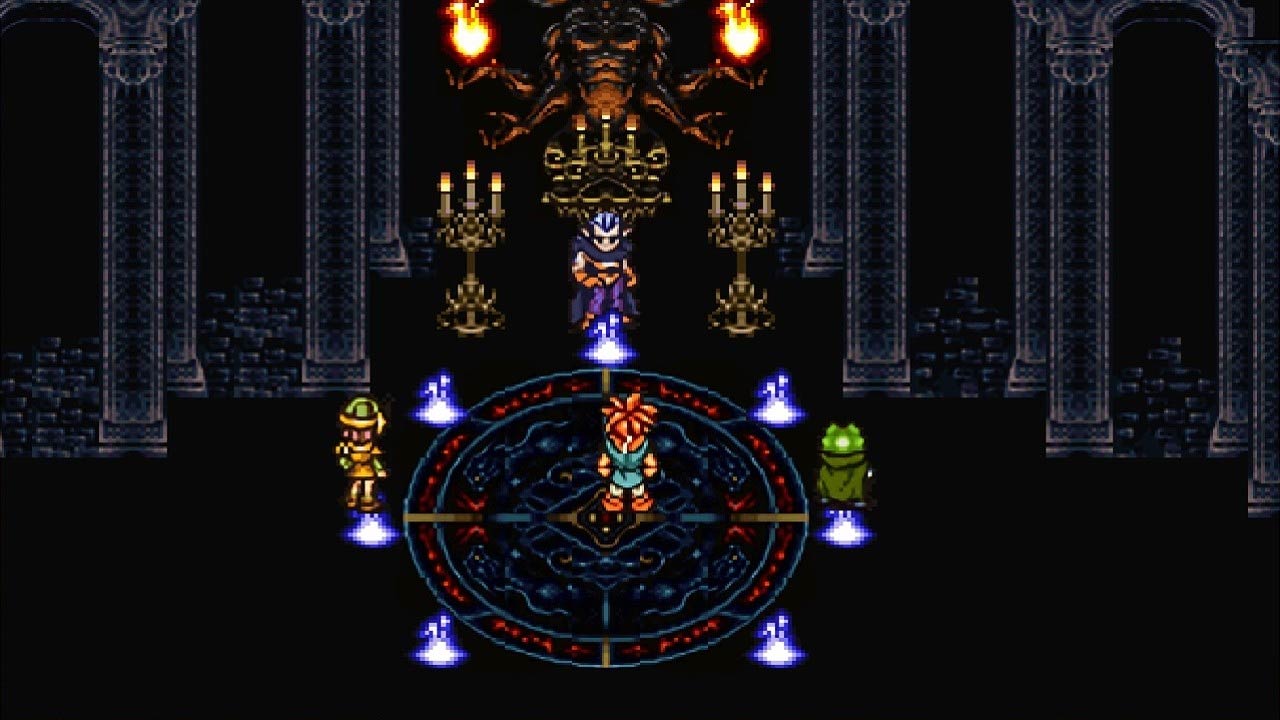
Square Enix has been protective of the property, which might explain why we’ve only seen ports rather than reimaginings. But the success of other Square Enix remakes—from Final Fantasy VII Remake to the Trials of Mana remake—shows the company can honor the original while creating something new. Whether they’re willing to take that risk with one of their most beloved properties remains to be seen.
What Makes a Good Remake Candidate?
Not every old game needs a remake, and not every remake needs to happen. The best candidates tend to be games that got things right but were limited by their hardware, trapped on dead platforms, or never reached their intended audience. They’re games with strong foundations that could be improved with modern design sensibilities and technology.
There’s also the question of what “remake” means. A remaster typically updates graphics and adds quality-of-life features while keeping the core game identical. A remake rebuilds the game from scratch, potentially changing fundamental aspects of gameplay and presentation. What works for one game might be wrong for another.
Some games benefit from light touches—better translations, faster load times, improved UI. Others need deeper rework—rebuilt combat systems, restructured progression, or expanded content. The worst remakes either change too little (making players wonder why they’re paying for something barely different) or change too much (alienating fans of the original).
The JRPG remakes and remasters of 2025 proved there’s an audience for these revivals. Whether any of these particular games get the treatment remains to be seen, but the groundwork is there. Sometimes all a great game needs is a second chance to find the audience that would love it, or to remind older players why they fell in love with these worlds in the first place.