

![[EXCLUSIVE] Dragon’s Dogma 2: Dark Arisen Team Opens Up About the Expansion’s Name, New Norgan Region, and Performance Goals](https://cdn.gamerbraves.com/2026/07/Dragons-Dogma-2-Dark-Arisen_Interview_FI-360x180.jpg)










Electronic Arts (EA) has officially acknowledged the potential risks surrounding its monumental $55 billion sale to a private investor group led by Saudi Arabia’s Public Investment Fund (PIF). In a recent 10-Q regulatory filing submitted to the U.S. Securities & Exchange Commission, the publisher addressed various uncertainties tied to the pending acquisition — including concerns about its workforce, creative independence, and the company’s financial stability during the transition.
Concerns Over Talent Retention and Company Morale
According to the filing, EA admitted that the merger could “impair its ability to attract, retain, and motivate key personnel.” The company fears that uncertainty surrounding the deal may lead to developers, partners, and customers reconsidering their relationships with EA. Internal reactions have already surfaced, with employees expressing discomfort about Saudi Arabia’s involvement due to its human rights record.
Former BioWare writer Patrick Weekes speculated that studios known for progressive storytelling, such as BioWare and Maxis, might face pressure or even closure under the new ownership. Similarly, Rhys Elliott of Alinea Analytics predicted that some staff may voluntarily leave EA following the acquisition. Reports also indicate that a group of EA employees has issued a letter voicing opposition to the deal, citing fears of layoffs, creative censorship, and corporate restructuring.
EA’s Assurance of “Creative Control”
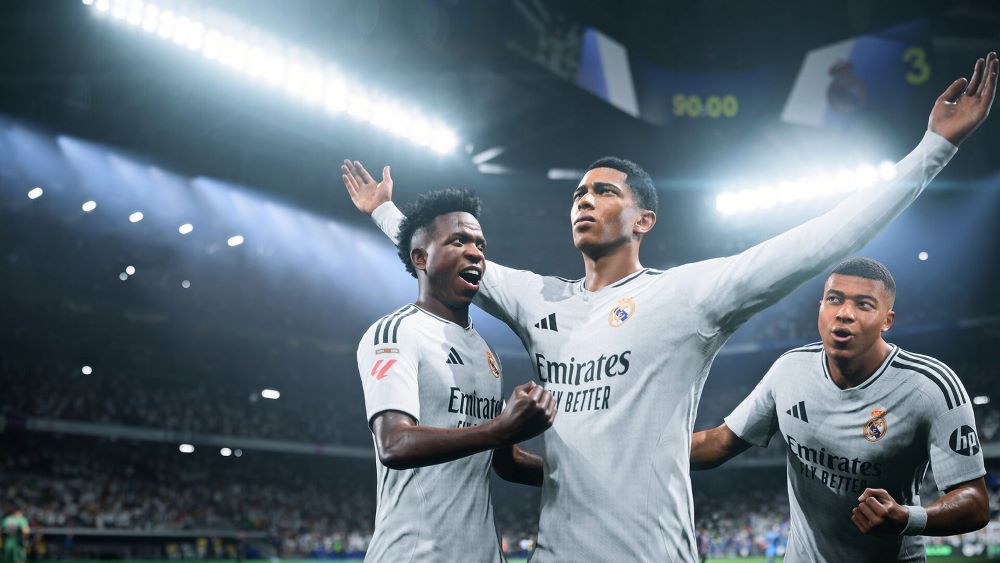
In an updated Schedule 14A proxy statement, EA asserted that its “mission, values, and commitment to players and fans” will remain unchanged after the merger. The document emphasizes that the investor consortium supports EA’s “strong culture” and pledges to invest in its employees. Crucially, EA stated that it will “maintain creative control,” insisting its legacy of creative freedom and player-focused design philosophy will continue despite new ownership.
Financial and Legal Risks Surrounding the Deal
Beyond cultural and ethical concerns, EA’s filing outlined several financial risks. The company expects to shoulder substantial costs from legal and consulting fees tied to the buyout and may owe up to $1 billion in termination fees if the deal collapses. The sale’s structure also makes it the largest leveraged buyout in any industry’s history, with EA responsible for $20 billion of debt repayment — sparking fears of possible layoffs or studio closures.
EA warned that ongoing merger negotiations could prevent it from pursuing other strategic opportunities, while delays or shareholder lawsuits could further complicate the process.
Broader Operational Risks and Political Implications
The filing also covered “operational risks,” including natural disasters that could disrupt EA’s business operations. The company’s headquarters in Redwood City sits near a fault line, while its Los Angeles and Orlando offices face potential threats from hurricanes and wildfires.
Interestingly, EA referenced potential economic fallout from U.S. government policies, citing tariffs and immigration restrictions enacted under Donald Trump’s administration. The company warned that such policies could “negatively affect global economic conditions” and harm EA’s operations.
Looking Ahead
The proposed sale is expected to finalize sometime in 2026. Some analysts predict that the deal could receive smoother regulatory approval due to political ties — particularly Jared Kushner’s leadership of Affinity Partners, one of the participating firms, and his connection to Trump.
For now, EA continues to reassure investors, employees, and fans that its creative direction will remain intact. Whether the company can uphold those promises once the PIF-backed consortium takes control remains to be seen.