![[EXCLUSIVE] Dragon’s Dogma 2: Dark Arisen Team Opens Up About the Expansion’s Name, New Norgan Region, and Performance Goals](https://cdn.gamerbraves.com/2026/07/Dragons-Dogma-2-Dark-Arisen_Interview_FI-360x180.jpg)









When Resolution Games and Wizards of the Coast teamed up to create Demeo x Dungeons & Dragons: Battlemarked, they aimed to bring D&D’s tactical combat to a wider audience without sacrificing strategic depth. Set in the Forgotten Realms, the same world featured in Baldur’s Gate 3 and the Honor Among Thieves movie this turn-based tactical game promises accessible gameplay for newcomers while keeping experienced players engaged. Our review will cover the game’s combat mechanics, character variety, storytelling approach, and some issues that emerged during play.
Core Combat and Gameplay
Battlemarked uses turn-based combat where each player takes their turn individually before all enemies move together. The game’s most significant change from traditional D&D is its Action system. Instead of juggling Actions, Bonus Actions, Free Actions, and Movement—which often confuses new players—everything in Battlemarked costs Actions. Each player gets two Actions per turn, and cards cost anywhere from zero to two Actions. Moving, attacking up close, and using environmental objects each take one Action.
Every class has a deck of cards that players draw from during battles. These cards represent attacks and abilities with specific effects. Success depends on rolling twenty-sided dice marked with simple attack symbols on most sides. One side shows critical success, which doubles damage. Another shows critical failure, which causes complete misses and can accidentally hurt teammates. This approach makes the randomness easier to grasp while keeping those exciting critical moments intact.


The game reveals maps gradually as players move through dungeons, open doors, and encounter various enemies including goblins, archers, spell-casters, and rats. Environmental elements like explosive barrels can be used tactically to damage nearby enemies or block movement paths. Each die rolls on the 3D board before determining the outcome, creating the same mix of fortune and frustration that defines tabletop D&D. However, the randomness means that poor luck can make encounters feel frustrating when dice rolls don’t go your way.

Sometimes players find potions in the environment that appear as extra cards. This requires planning moves based on current cards while anticipating what comes next turn. The card system helps players learn what each class can do fairly quickly, keeping the game accessible without removing strategic considerations.
Character Classes and Team Synergy
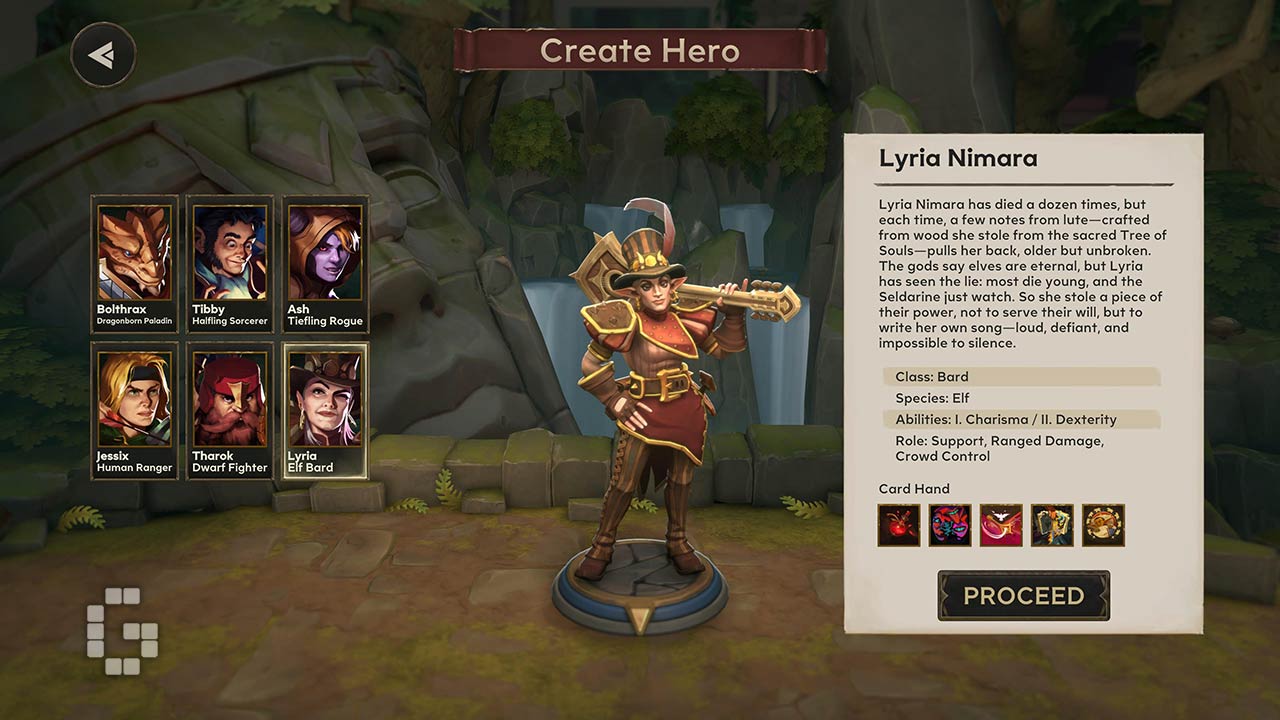
The game features six playable heroes, each representing classic D&D classes and races with distinct fighting styles. Each character has main abilities available almost every turn, providing a reliable foundation for combat. On top of these, random class abilities appear during gameplay, making each playthrough feel different even with the same character.
For example, Tibby the Halfling Sorcerer might get a Fireball spell that hits entire areas and damage grouped enemies. Ash, the Tiefling Rogue, has a teleporting stab attack that strikes from across the battlefield before immediately turning invisible, setting up the next surprise attack. These abilities allow strategy changes based on what appears.
The characters work together through smart ability combinations. The Rogue’s invisibility card makes her invisible for three turns, allowing attacks from anywhere on the battlefield for big damage instead of just from behind. After attacking, the invisibility ends early, requiring careful timing decisions. The card helps escape dangerous situations but often works better when saved for the perfect moment.
Many cards create rewarding team combos. The Dragonborn’s poison breath covers enemies and ground with toxic fumes that linger on the battlefield. The Wizard can then use fire spells to ignite these clouds, causing explosions that deal serious damage to anything caught in them. The Ranger has trick arrows that push or pull enemies into tight groups, making the Rogue’s bombs and area attacks hit more targets.
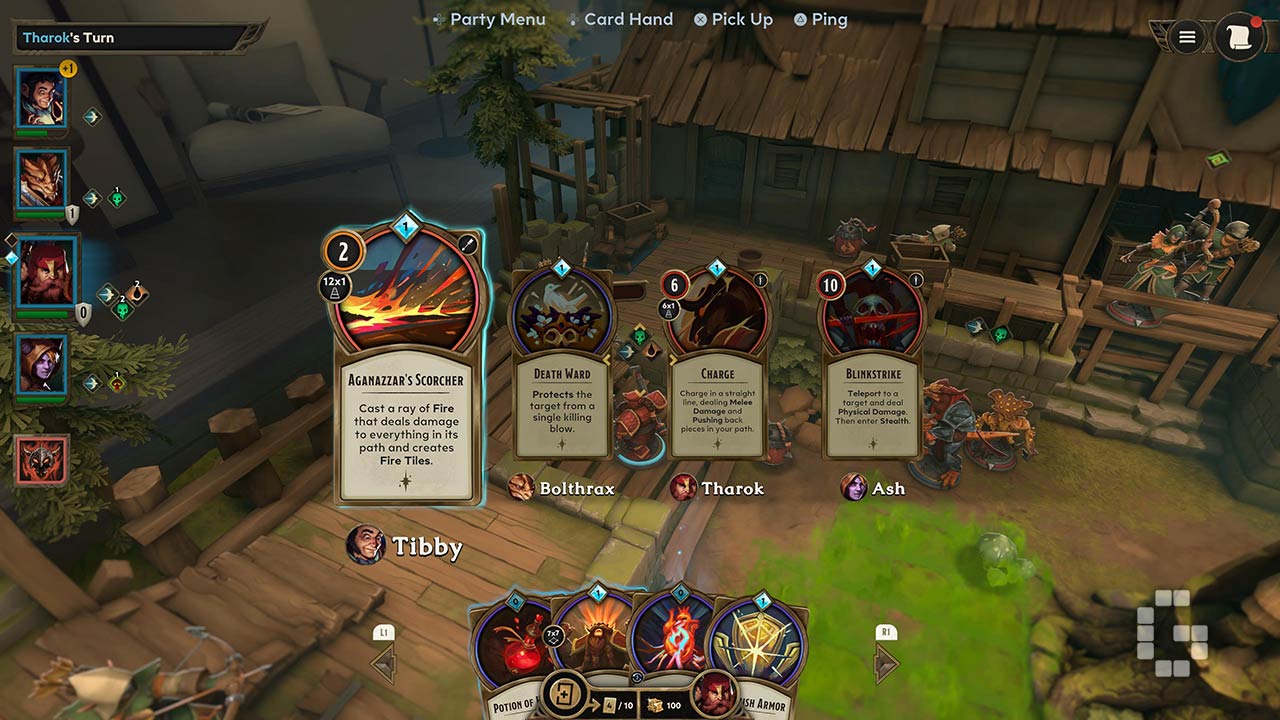
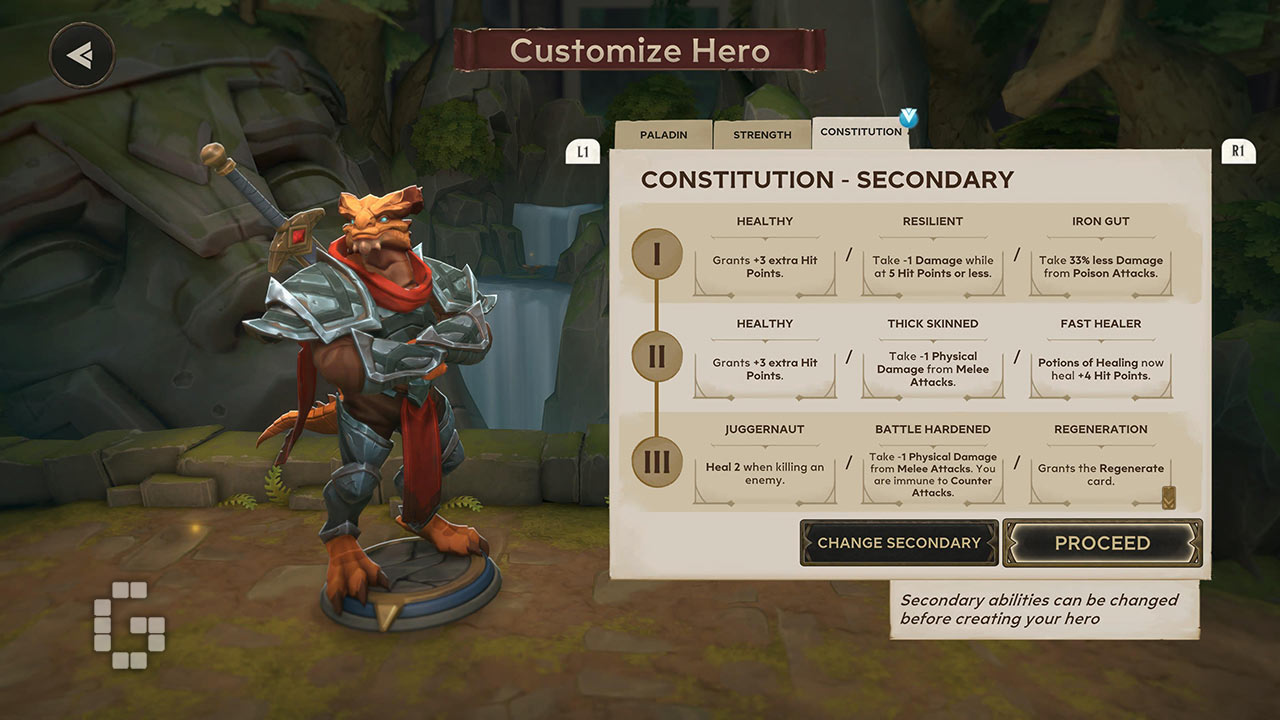
Players can focus on maximum damage, supporting teammates, controlling the battlefield, or improving survivability. This customization means two players using the same class can have very different experiences based on card choices and combat approaches. Some builds don’t work well in practice, but the game allows character respeccing to fix poorly planned builds. Players level up individual characters, not the entire roster.
Story and Narrative Elements
While the core gameplay comes from Demeo’s digital board game style, Battlemarked adds D&D flavor through story elements around the dungeon crawling. The game includes much more storytelling compared to the original Demeo, using traditional D&D campaign structures and character interactions.

Story moments appear throughout the adventure where players roll an actual twenty-sided die for skill checks, just like in tabletop D&D. These checks might involve tricking or scaring a Myconid guard to avoid a fight, making a reflex check to dodge a surprise trap, or using persuasion to convince characters to help the group. Each character has ability scores that give bonuses to skills like Persuasion, Arcana, and Intimidation, which determine success likelihood.
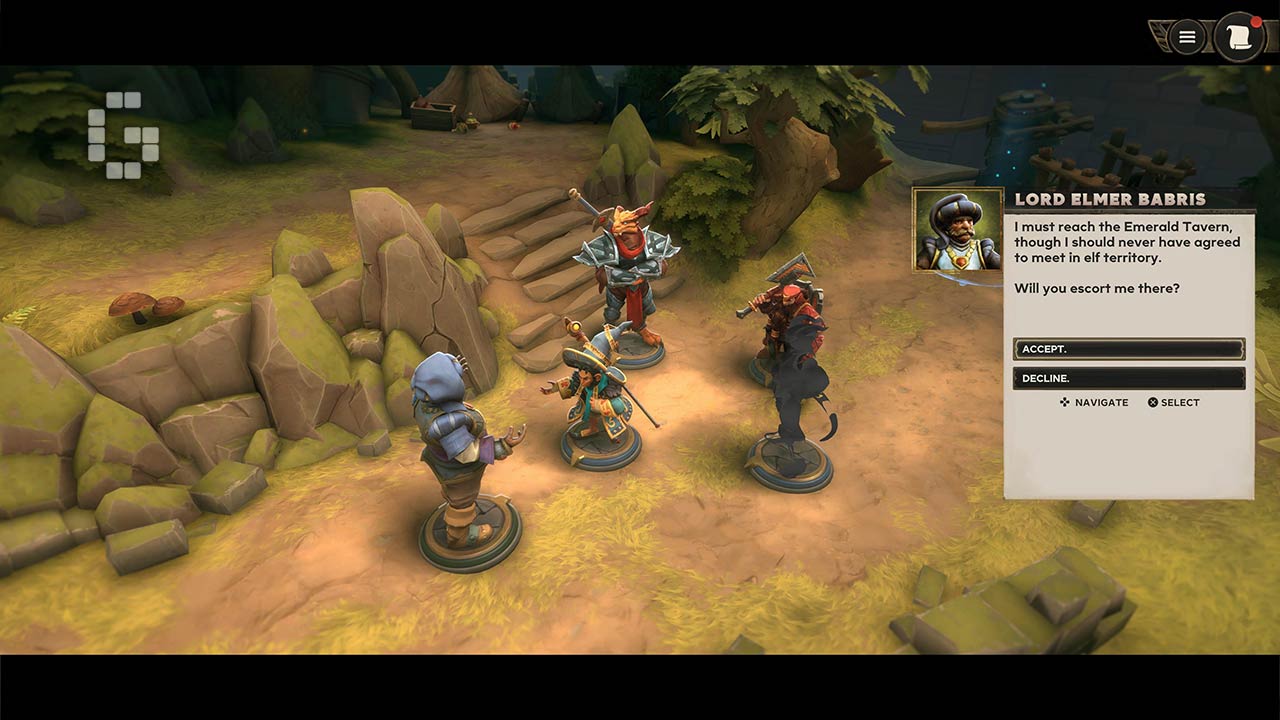
Dialogue choices and skill check results feel rewarding whether they succeed or fail. Success provides desired outcomes and feels satisfying. Failure results are written to be either funny or not severe enough to require restarting encounters. This encourages players to take risks with dialogue choices instead of worrying about devastating failures. The story lacks the depth of other dice-based role-playing games like Baldur’s Gate, but the narrative elements provide fun variety between combat encounters.
Technical Issues and Content
The game has some issues that affect gameplay. The camera can behave strangely, especially when using skill cards. During these moments, the camera zooms in randomly, disrupting battlefield views. This makes it harder to see the whole board and make informed decisions about next moves. While fairly small, this problem can break focus and slow down gameplay, particularly during tense combat situations where every action matters.

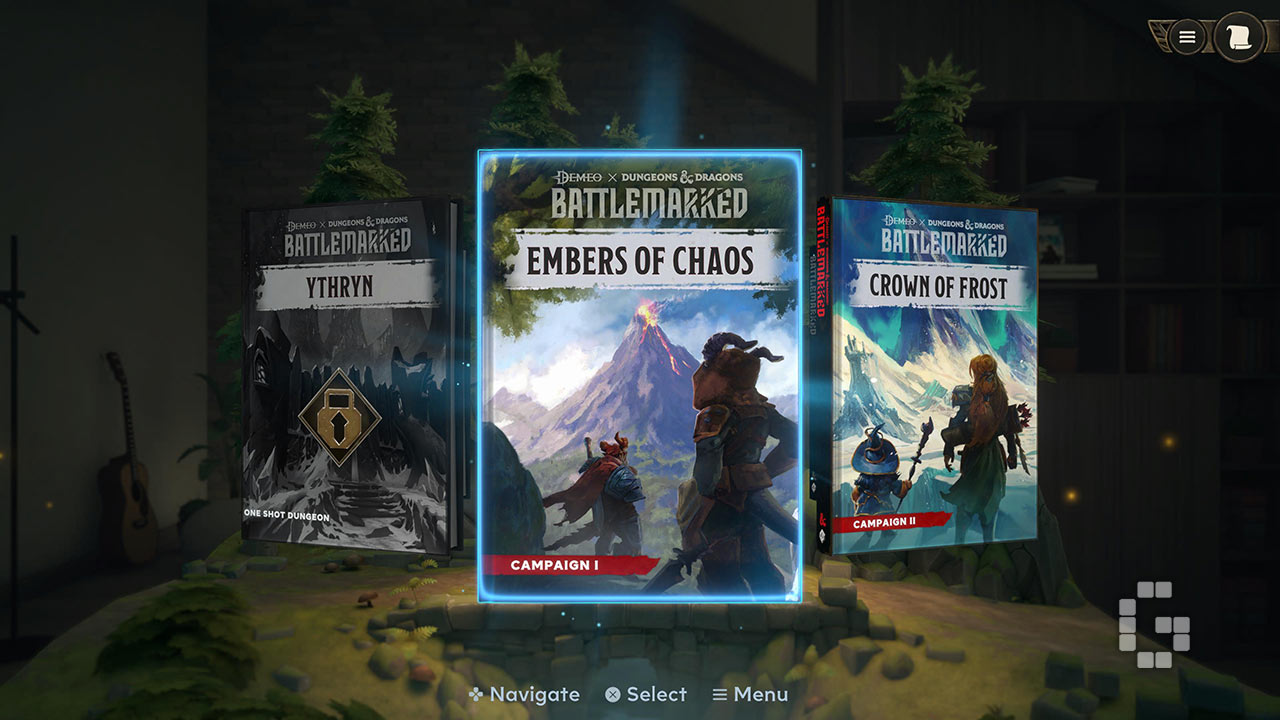
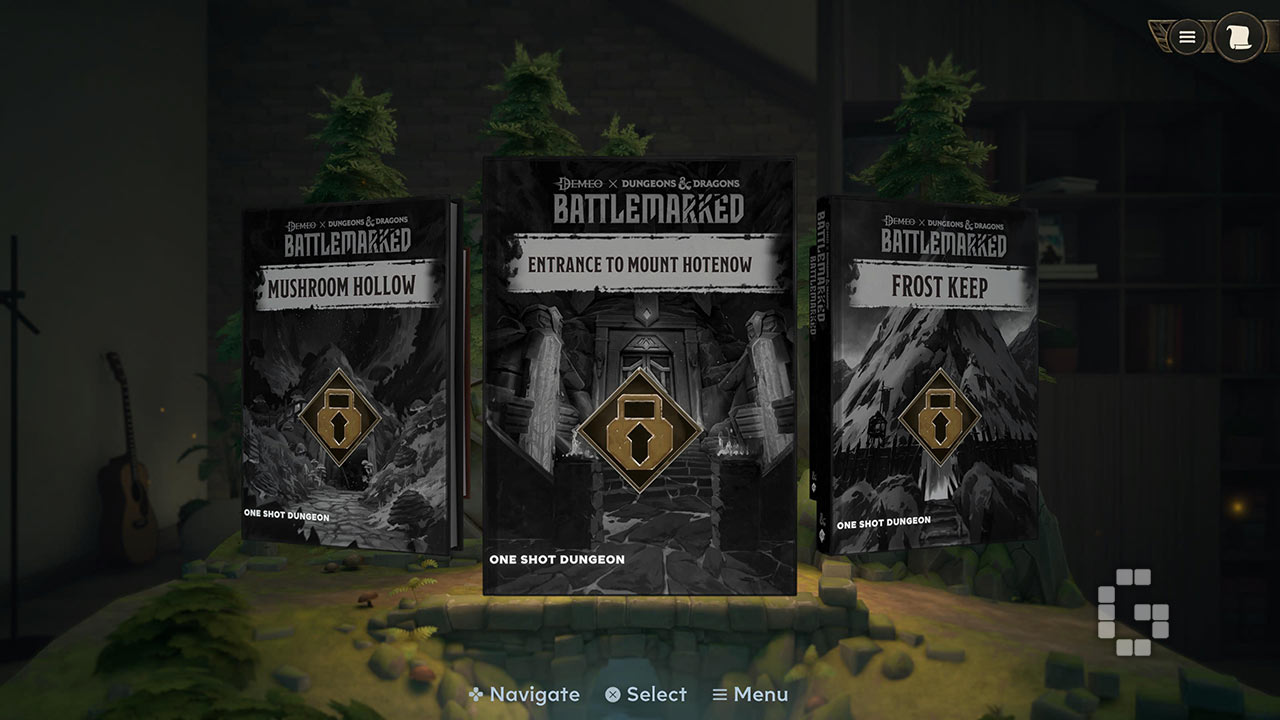
The game currently offers two campaigns with one-shots unlocking soon and more content planned for the future. While this provides a solid starting point, the game could benefit from more campaigns available at launch. Character customization options for race or class appearance are limited. Additionally, the narrative is lighter compared to other RPGs and isn’t particularly groundbreaking, though story elements still provide fun variety between combat encounters.
Verdict
Demeo x Dungeons & Dragons: Battlemarked successfully combines Demeo’s easy-to-learn digital board game style with D&D’s rich setting and flavor. The simplified Action system makes the game much easier for new players to understand compared to traditional D&D rules, yet the card-based combat maintains good strategic depth through smart ability combos and deck customization options.
The game has enough strategy to satisfy players looking for meaningful tactical decisions while staying accessible for younger players or adults who can’t spend dozens of hours on a single playthrough. Camera problems can be annoying and the story depth is lighter than some other recent RPGs, but these concerns don’t overshadow what Battlemarked does well. The card-based combat is clearly the strongest element, offering engaging tactical puzzles where players work together, combine abilities cleverly, and adapt to whatever the dice and random levels present.


The Review
Demeo x Dungeons & Dragons: Battlemarked
PROS
- Easy to learn action system compared to traditional D&D rules
- Combat has good strategic depth with and combos between different classes
- Customization lets you build your preferred playstyle
- Maps have lots of detail with environmental elements that can be used in combat
- Good balance between strategy and accessibility
- Multiplayer support for up to four players
CONS
- Camera can act weird at times, especially when using skill cards, zooming in randomly
- Story is on the lighter end compared to other RPGs
- Some builds don't work well in practice
- Limited character and race/class customization options
- RNG can make encounters frustrating when luck isn't on your side