









![[EXCLUSIVE] Brendan Gan Delivers One of Malaysia’s Best-Ever Worlds Results, Shares Thoughts on Pressure and the Local Scene](https://cdn.gamerbraves.com/2026/08/Brendan-Gan_Interview_FI-360x180.jpg)






The CODE VEIN series returns with its second installment, bringing players back to a dark post-apocalyptic world where vampiric Revenants fight against monstrous threats. After spending three hours with CODE VEIN II during a recent hands-on session we’re here to provide a preview of a game that keeps the series’ signature heaviness while making several changes aimed at welcoming new players and refining the overall experience.
A New Crisis in a Familiar World
CODE VEIN II tells a fresh story within the established universe. The world once faced a catastrophic event called The Resurgence, which turned humans and animals into creatures known as Horrors. Revenants emerged from hiding to seal away this threat, bringing a temporary peace that lasted a century.
Now, that seal is breaking. The Cocoons containing The Resurgence are erupting, and mysterious beings called The Resurgence’s Offspring threaten to destroy everything. The protagonist and their companion Lou must travel back 100 years to the time when heroes first sealed The Resurgence, aiming to destroy the Cocoons and stop the Horrors before it’s too late.
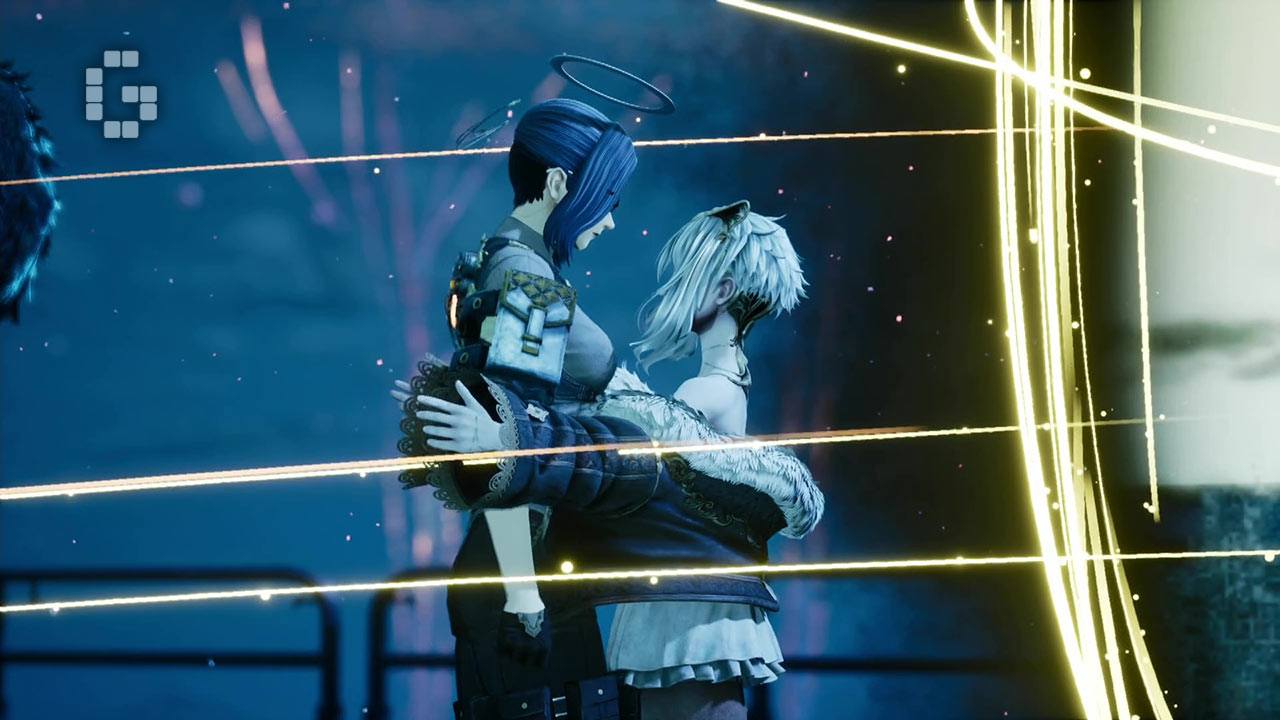
The game shifts away from the anime-style visuals of the original toward more realistic 3D graphics. Industrial structures and gray, desolate landscapes create an oppressive atmosphere that fits the setting. The hands-on build showed some rough edges in character models and scene details, but these areas will likely see improvement before launch.
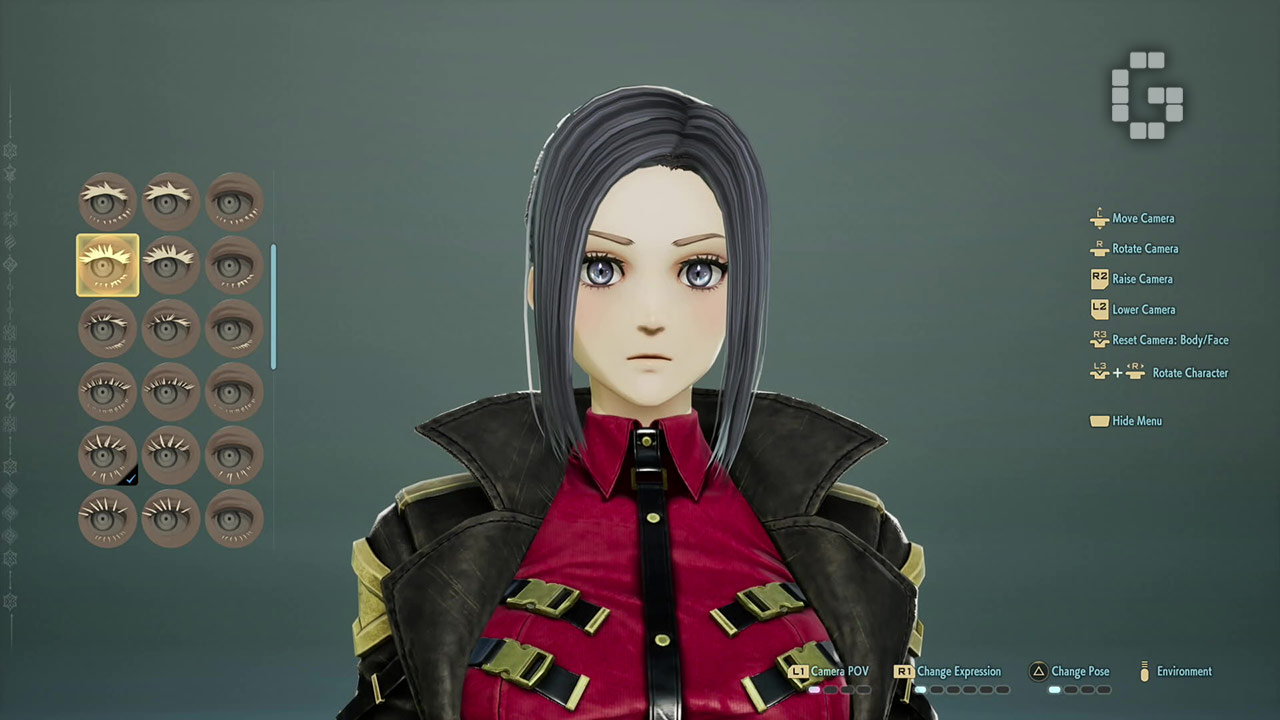
Players start by creating their character, a feature that remains central to the CODE VEIN experience. The customization system offers extensive control over hairstyles, hair colors, facial features, body proportions including height, weight, chest, and hip size. Players can also add accessories like hair ornaments, different eye styles, masks, and halos. This level of customization freedom continues to appeal to players who enjoy spending time crafting a unique character that feels personal to them.
Combat That Demands Patience
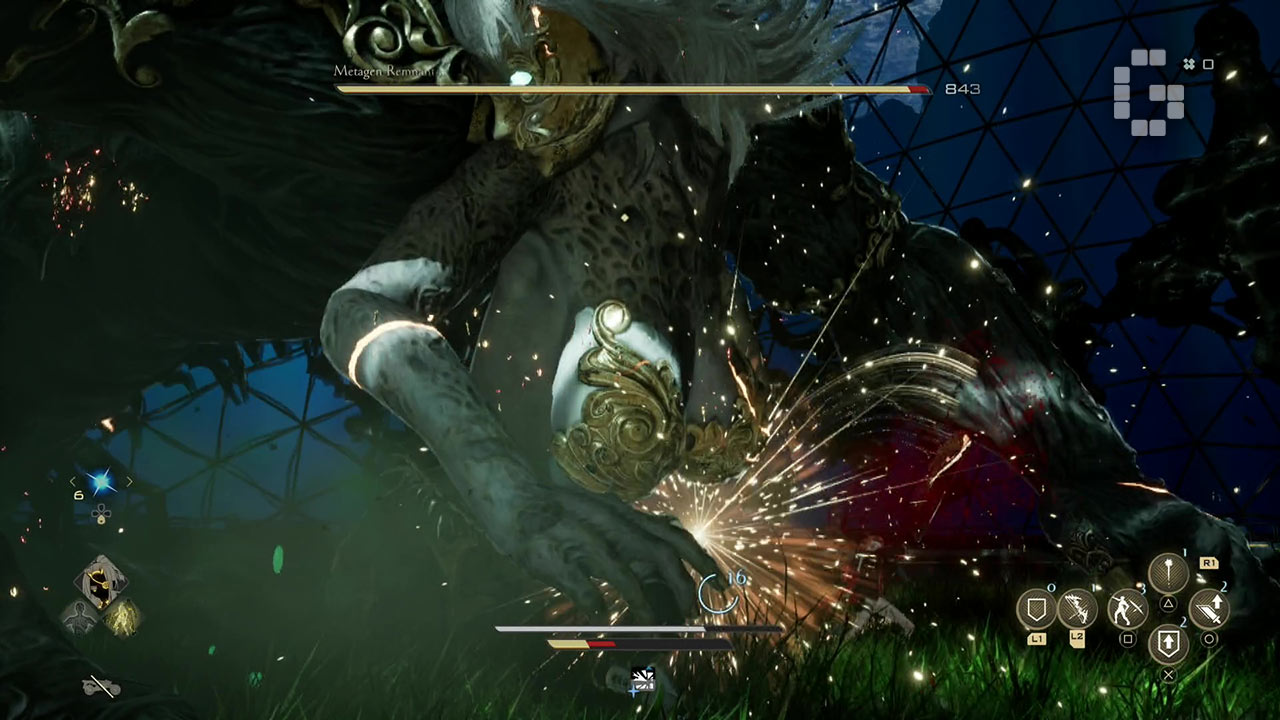
CODE VEIN II maintains the series’ deliberate combat pace. Unlike many action RPGs that emphasize quick combos and instant cancels, this game feels heavier and more measured. Switching between attacks, dodges, and guards isn’t immediate, and the game follows strict input priorities. Heavy attacks and powerful skills have clear recovery periods, meaning poorly timed actions can leave you vulnerable and unable to dodge incoming hits.
This approach rewards careful timing and smart positioning rather than fast reflexes. Players adapt to this rhythm over time, but early fights against unfamiliar enemies and bosses can be punishing when mistakes add up.
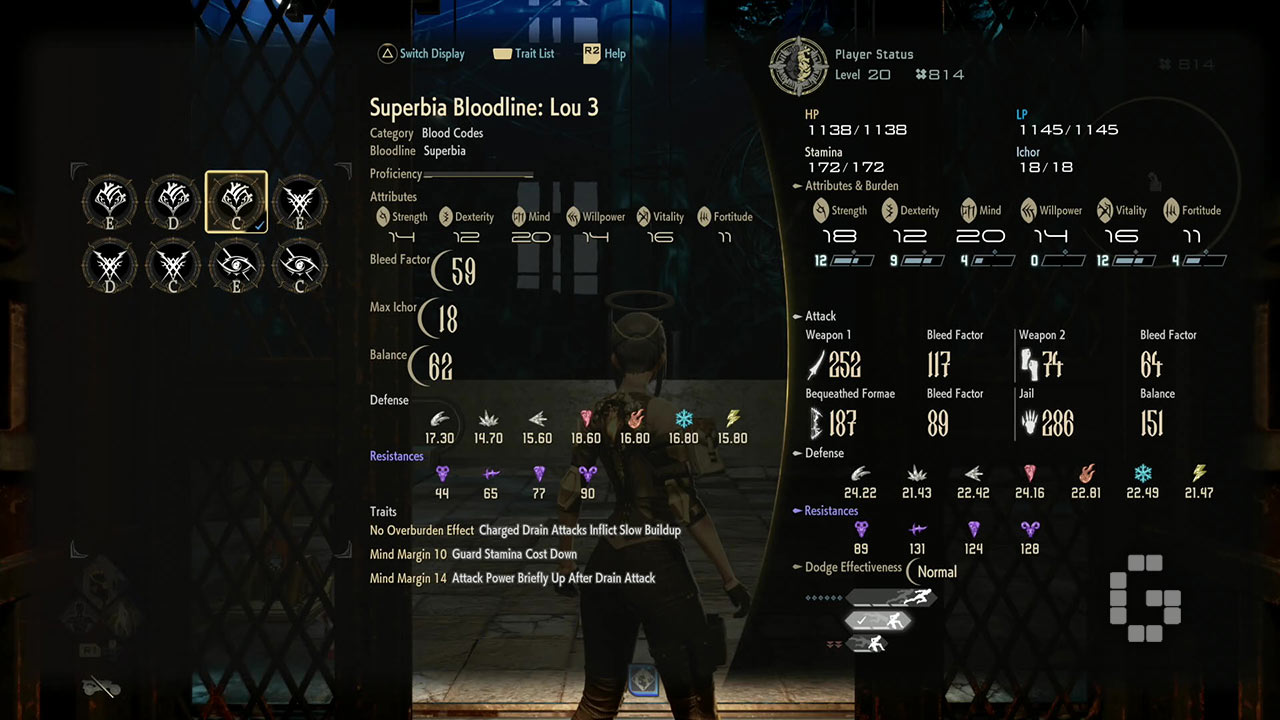
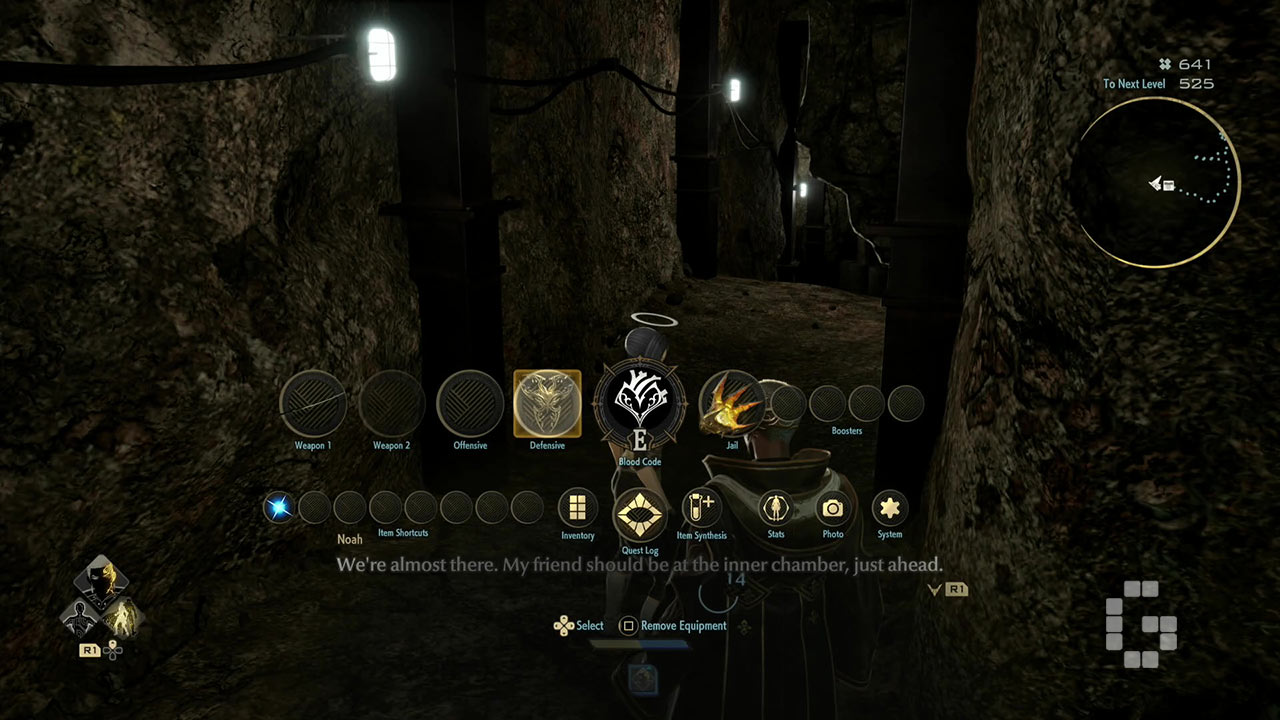
Blood Codes return as the foundation of the combat system, functioning like character classes that determine your core stats: Strength, Dexterity, Mind, Willpower, Vitality, and Fortitude. These stats affect what weapons and equipment you can use effectively. Unlike games where you manually distribute points, CODE VEIN II lets you swap Blood Codes to instantly change your entire build.
A major change from the first game is that Blood Codes no longer dictate your abilities. The previous Gifts system has been replaced by Weapon Formae, where each weapon carries its own skill set. Skills divide into passive and active types, with active skills covering attacks, buffs, and magic. You can even customize different Weapon Formae on the same weapon to match your preferred playstyle. This makes skill management more straightforward, while Blood Codes focus on defining your stat growth and direction.
Your weapon choice directly shapes how you play. The demo included one-handed swords, two-handed swords, dual swords, bayonet rifles, great hammers, and rune swords. Light weapons offer speed, combo potential, and mobility. Heavy weapons sacrifice agility for devastating damage and impact, requiring precise timing. Bayonet rifles enable mid to long-range combat and tactical spacing. Switching weapons isn’t just about different numbers—it fundamentally changes your approach to fights, encouraging you to experiment with various Blood Code and weapon combinations.
The Jail System and Resource Management
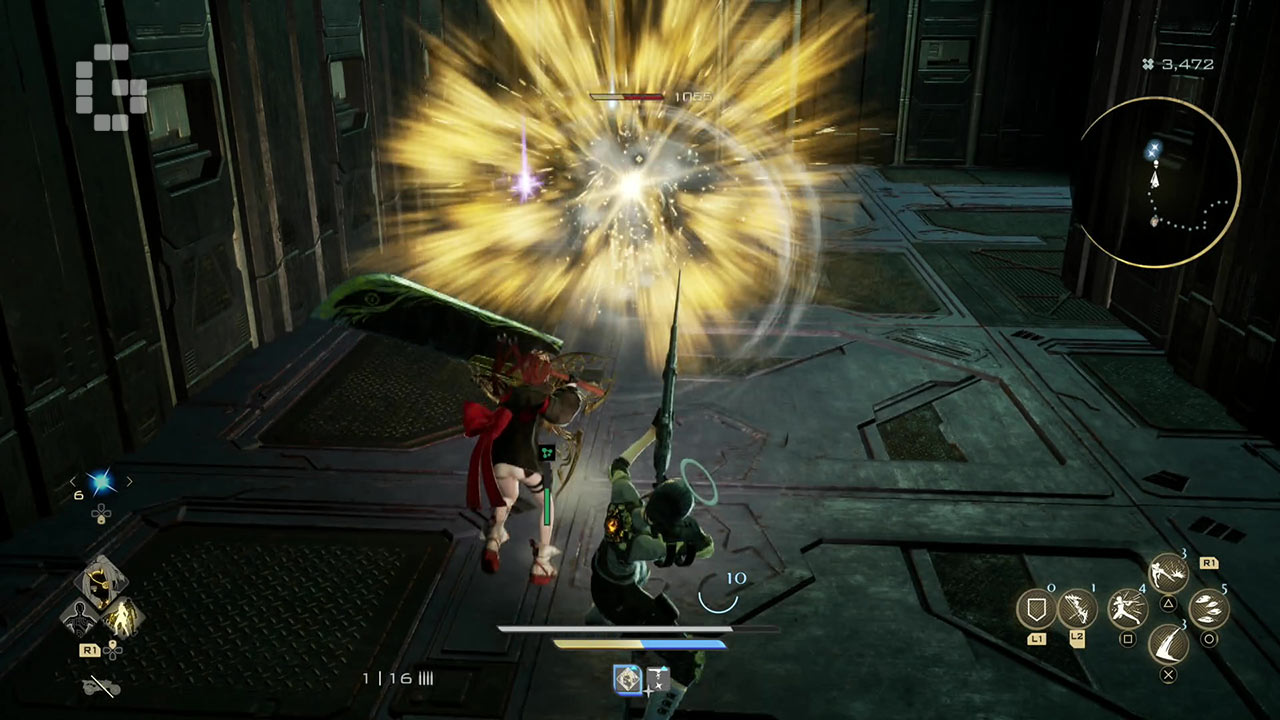
Heart Jail, simply called Jail, adds a third layer to combat alongside Blood Codes and weapons. Each Jail has distinct attack patterns and damage output. Its main purpose is absorbing blood to generate Ichor, the resource needed to activate your skills.
The combat loop works like this: absorb blood, spend Ichor on skills, run out of Ichor, absorb again. By combining the previous game’s Blood Veil and complex blood attacks into the Jail system, CODE VEIN II simplifies the mechanics while keeping strategic depth. Players can mix Blood Codes, weapons, and Jail choices to create different combat strategies.
Fighting Alongside Companions
Companions fight with you throughout your journey. When your health drops to zero, your companion can revive you and restore some of your health. After reviving you, they temporarily leave combat and return after a cooldown period. Revivals have limits. Each time you’re revived, you get less health back, and after roughly three to four revivals, your companion can’t revive you anymore. This prevents players from relying too heavily on this safety net.
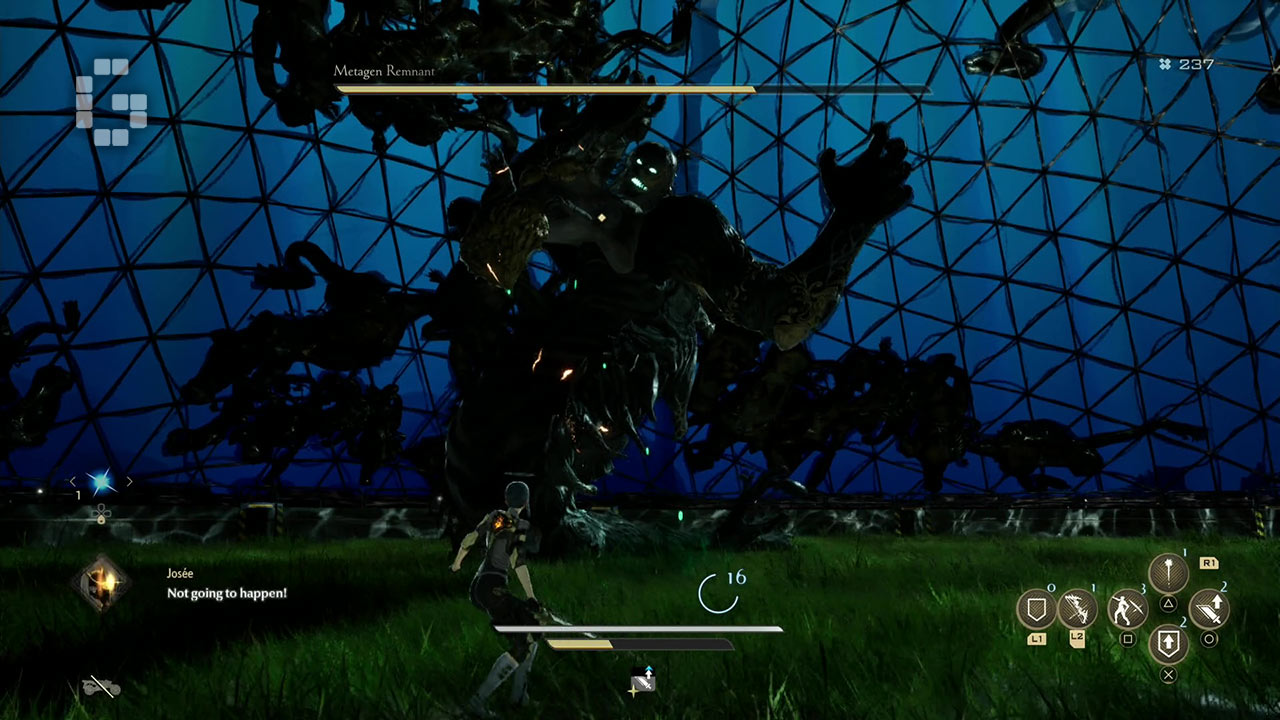
You can choose to have companions fight beside you or merge them with you to boost your abilities. The health bar shows this system in action: yellow represents your own health, while blue acts as a shield provided by your companion. Damage hits the blue bar first.Each companion has unique Link Traits that give you buffs. These traits only work while the blue bar remains intact. If it depletes completely, the Link Traits turn off and you lose their benefits temporarily.
Exploring Without Hand-Holding
CODE VEIN II features more open level design. Fast travel lets you move freely across the map without much forced story progression getting in the way.
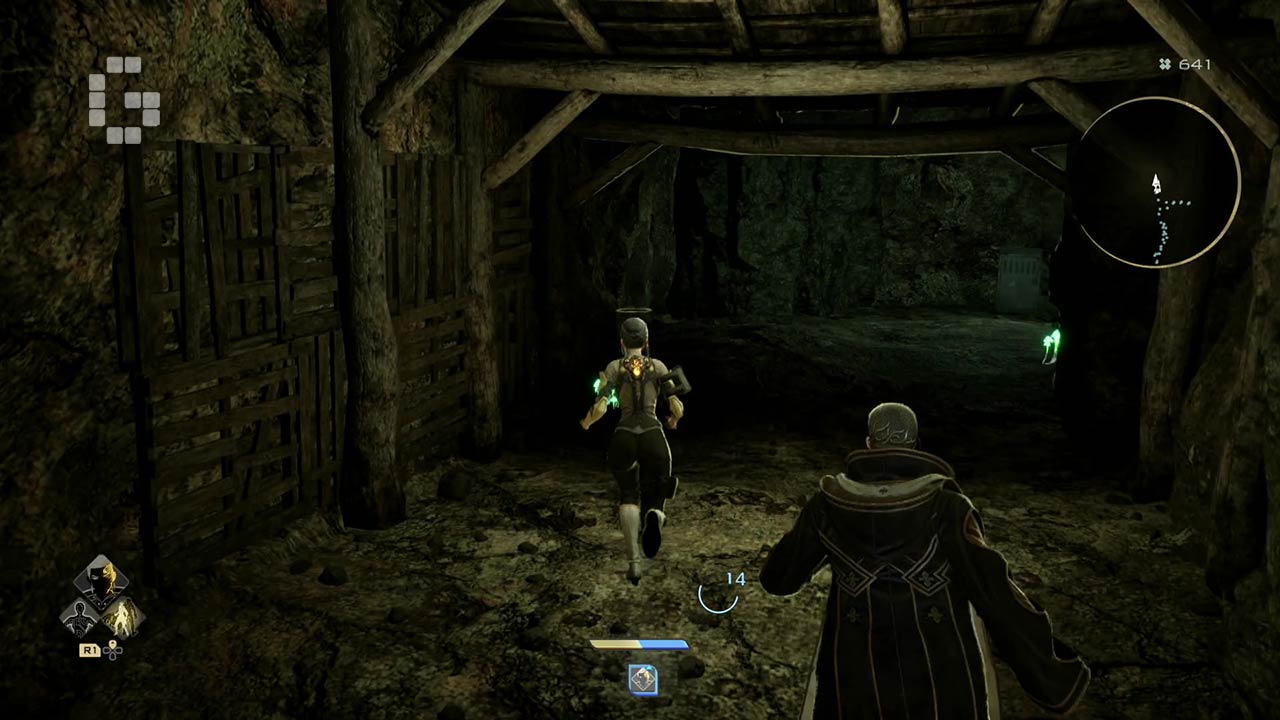
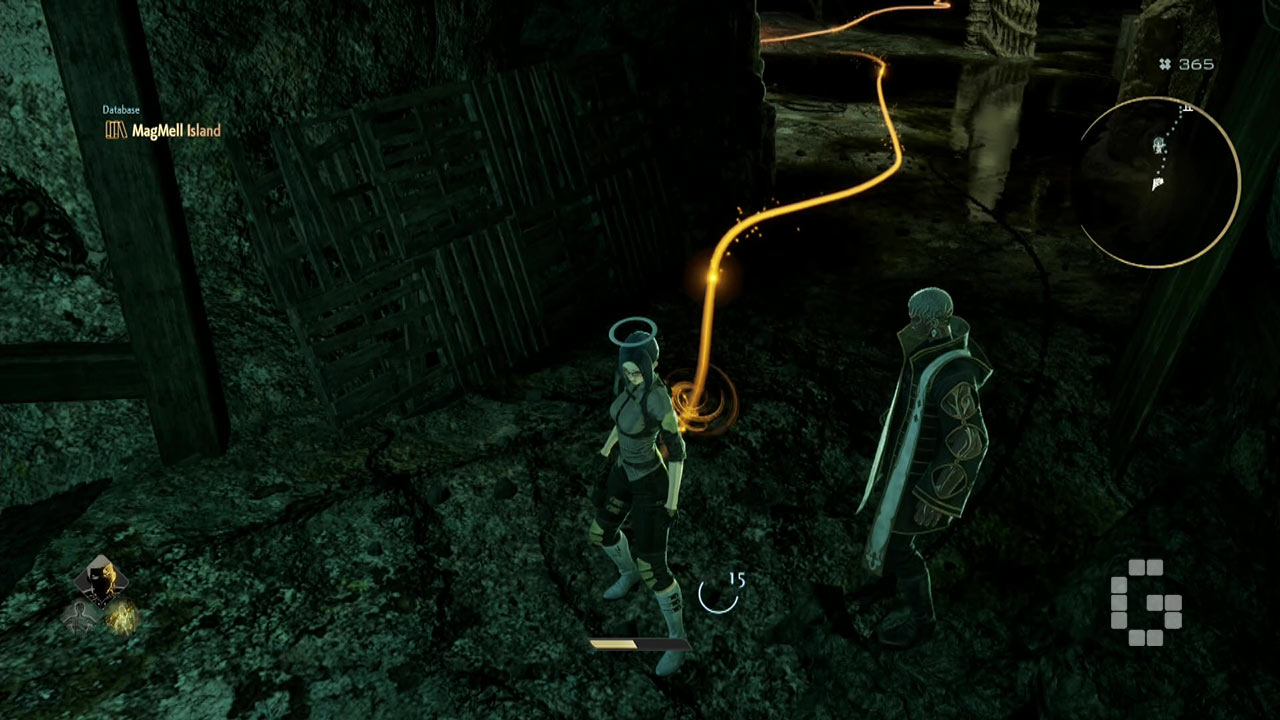
The game keeps the series’ approach of minimal direct guidance, using cutscenes and environmental design to show you where to go. The mini-map and navigator only display areas you’ve already explored, but this proves sufficient for navigation. Roads, lighting, and level layout subtly point you in the right direction without explicit markers telling you what to do.
The interface has also been simplified. The equipment menu is straightforward: the left side shows available gear, the center displays stats and skills, and the right lists your character attributes. This creates a cleaner, easier-to-read interface compared to the previous game.
First Impressions
The CODE VEIN II hands-on demo shows how the series is moving toward more accessible systems and unified mechanics. The combat still requires adaptation to its weight and animation flow, and the visuals need more polish. However, the streamlined Blood Code and Jail systems, weapon-based skills, and freer exploration represent clear improvements.
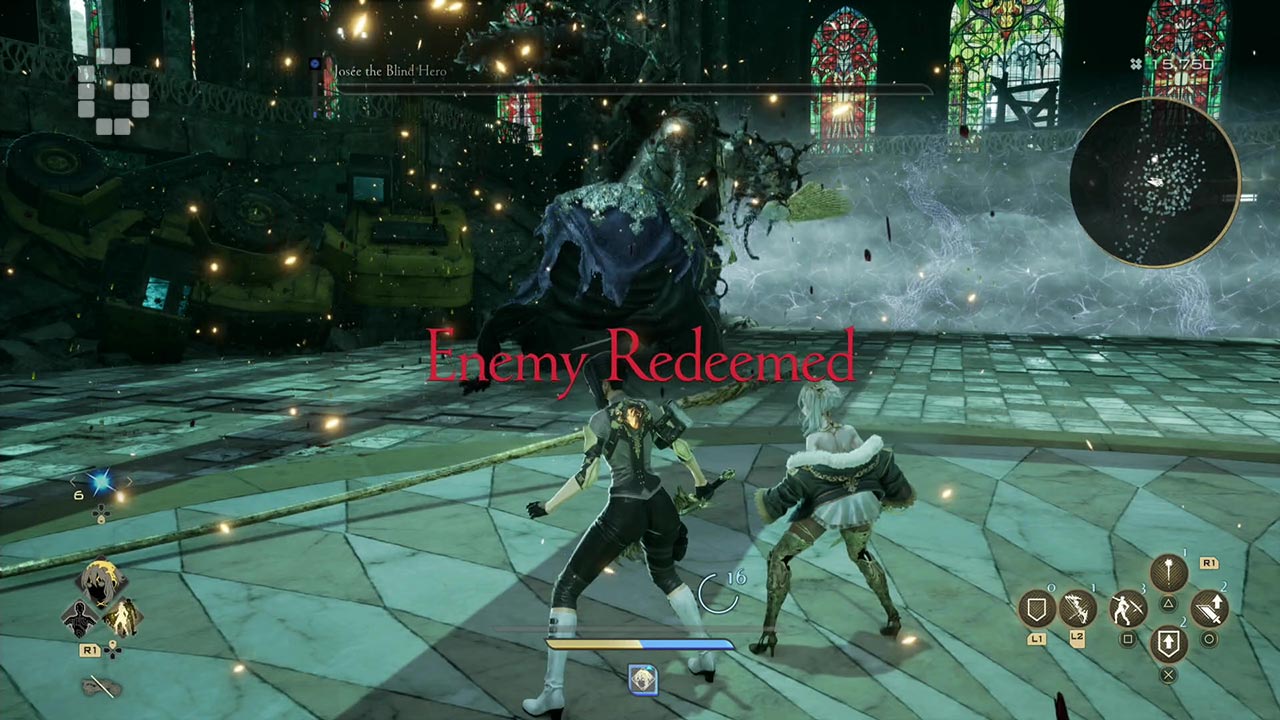
Whether the final release can refine the combat flow and visual quality further will determine how successful the game ultimately becomes. Based on this demo, CODE VEIN II appears to be heading in a positive direction, offering both newcomers and returning players a solid foundation for the series’ next chapter.

![[GUIDE] JoJo’s Bizarre Adventure: Golden Spirit Codes and How to Redeem Them](https://cdn.gamerbraves.com/2026/09/JoJos-Bizzare-Adventure-Golden-Spirit-Redeem-Codes_News_FI-350x250.jpg)