

![[EXCLUSIVE] Dragon’s Dogma 2: Dark Arisen Team Opens Up About the Expansion’s Name, New Norgan Region, and Performance Goals](https://cdn.gamerbraves.com/2026/07/Dragons-Dogma-2-Dark-Arisen_Interview_FI-360x180.jpg)










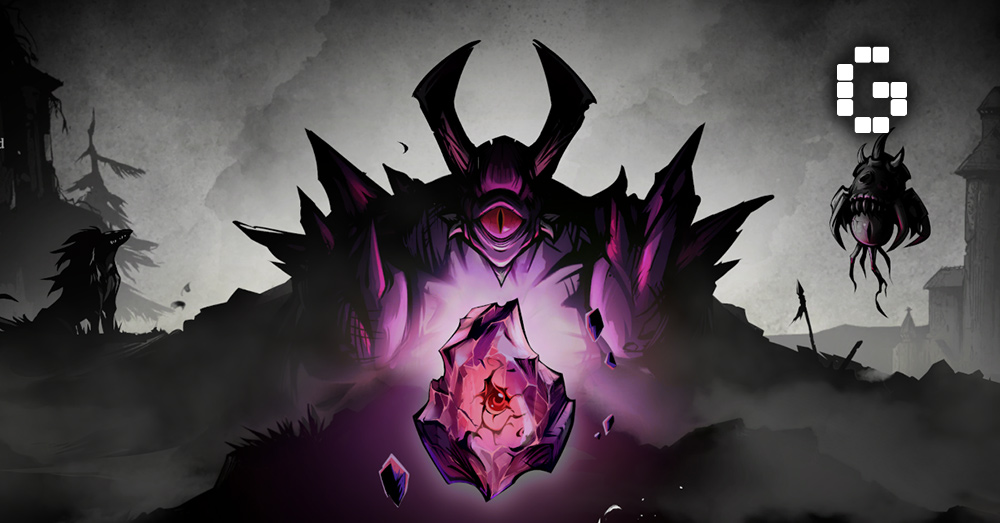
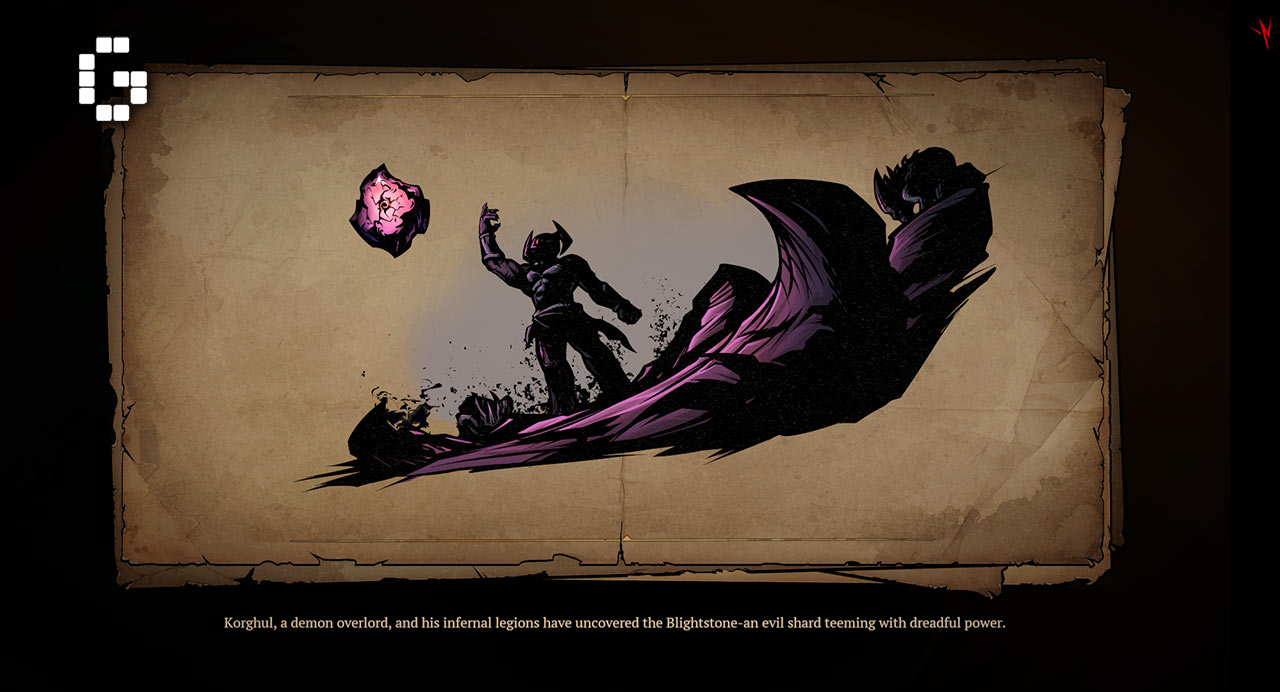
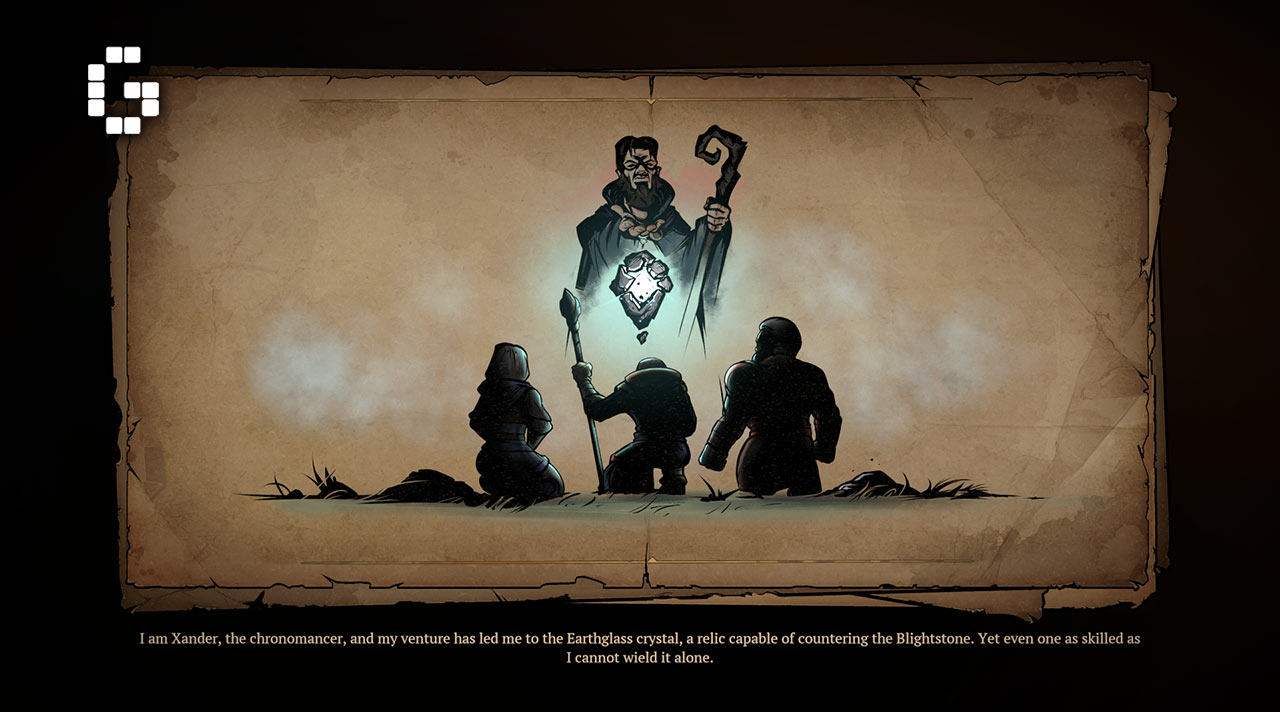
Blightstone throws players into a time loop with the fate of a fantasy world hanging in the balance. This turn-based strategy roguelike tasks you with protecting the Earthglass Crystal and delivering it to the Infernal Rift to stop the demon overlord Korghul and destroy the Blightstone itself. Every failure sends you back in time, following the guidance of chronomancers Xander and Ayanur as you try again with the knowledge you’ve gained.
This review of Blightstone looks at what the Early Access version offers right now, from its combat systems and character progression to the technical issues that occasionally get in the way, along with what the developers have planned for future updates.
Gameplay and Combat
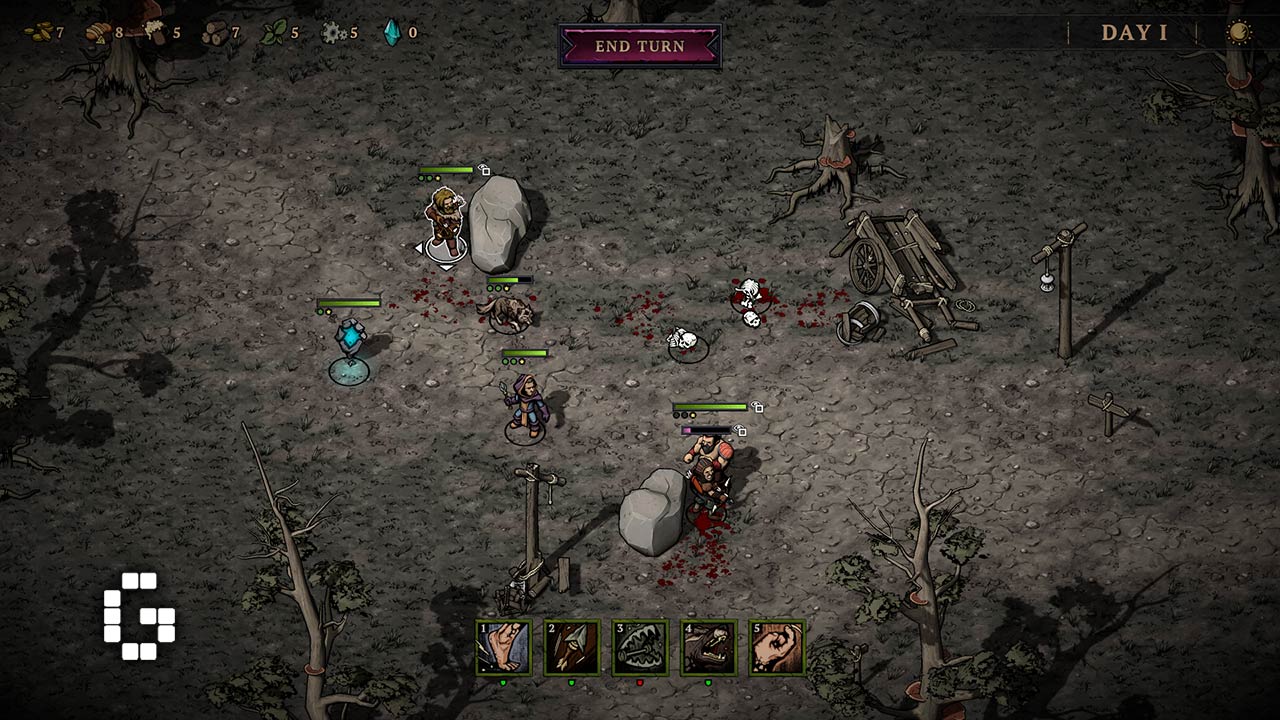
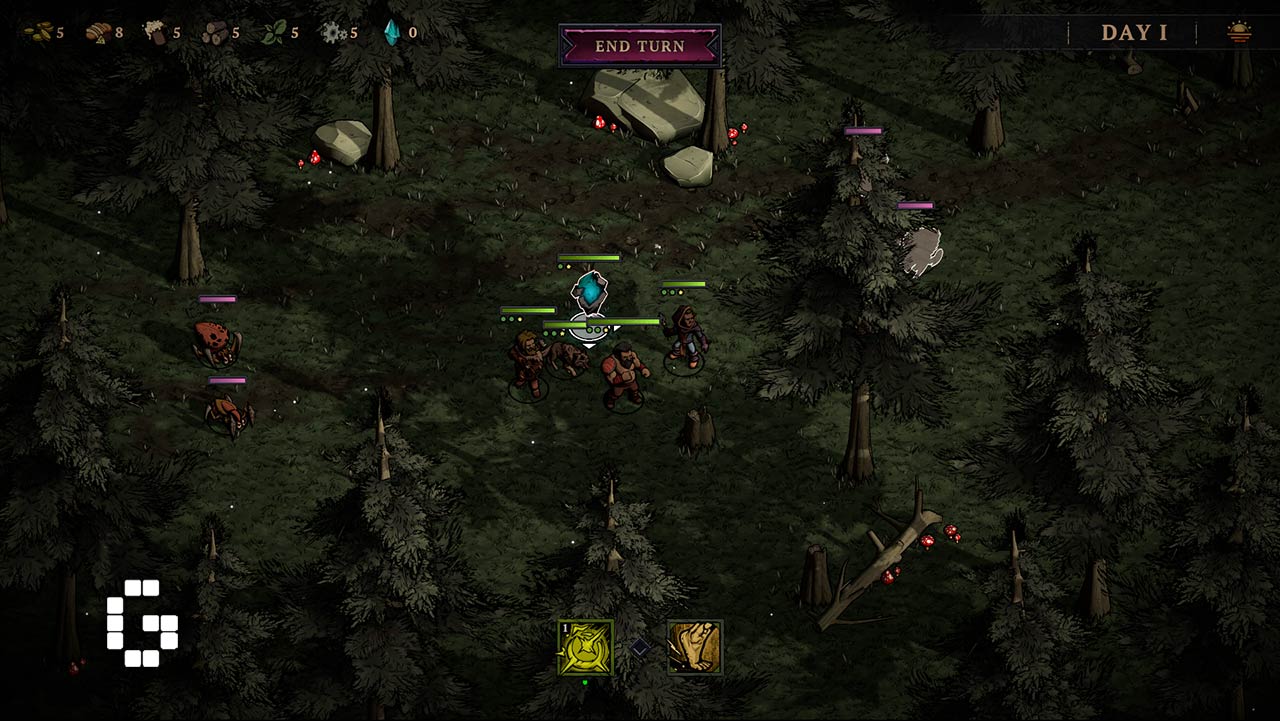
Blightstone ditches the traditional grid system for something more fluid. Characters move freely across the battlefield, letting you position them behind cover or find the perfect angle for an attack. This freedom works both ways though – enemies can flank you just as easily as you can flank them, so you’re always thinking about where threats might come from.
The environment actively shapes how fights play out. Tall grass can hide your characters from enemy sight, but you can also set it on fire to remove cover from your opponents. Hiding behind objects reduces accuracy and causes attacks to miss, making positioning crucial. Water on the battlefield becomes dangerous when combined with electric attacks, especially when you can group enemies together in it. Some levels have holes that both your party and enemies can fall into, adding another hazard to track during intense moments.
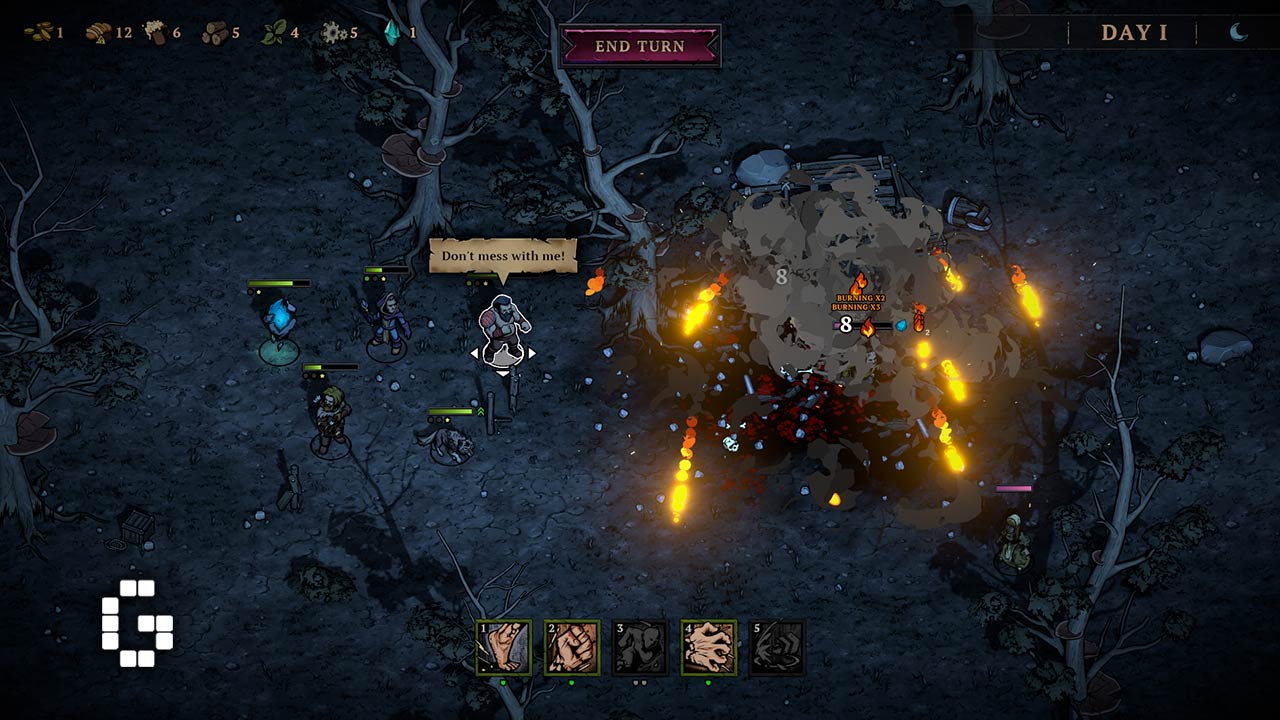
Barrels scattered around the battlefield serve different purposes depending on who uses them. Brawlers can pick them up and throw them at enemies, while Arcanists can push them into position. When these barrels explode, they deal significant damage that can change the course of a fight.
Weather conditions add another layer of strategy. Fog makes it harder to see distant enemies. Rain increases electric damage output, making water-based tactics even stronger. Wind throws off the accuracy of ranged attacks, forcing you to rethink how you approach combat. These conditions can work for you or against you depending on how you adapt.
Status effects like bleeding, poison, binding, stun, and burn can swing battles in either direction. You need to think about inflicting these on enemies while also protecting your own party from suffering the same fate. The game currently features five character classes: Brawler, Hunter, Arcanist, Druid, and Priest. Each class plays differently and comes with companion characters like the Hunter’s Wolf. They also interact with the environment in unique ways – Brawlers and Arcanists each handle barrels differently, as mentioned earlier.
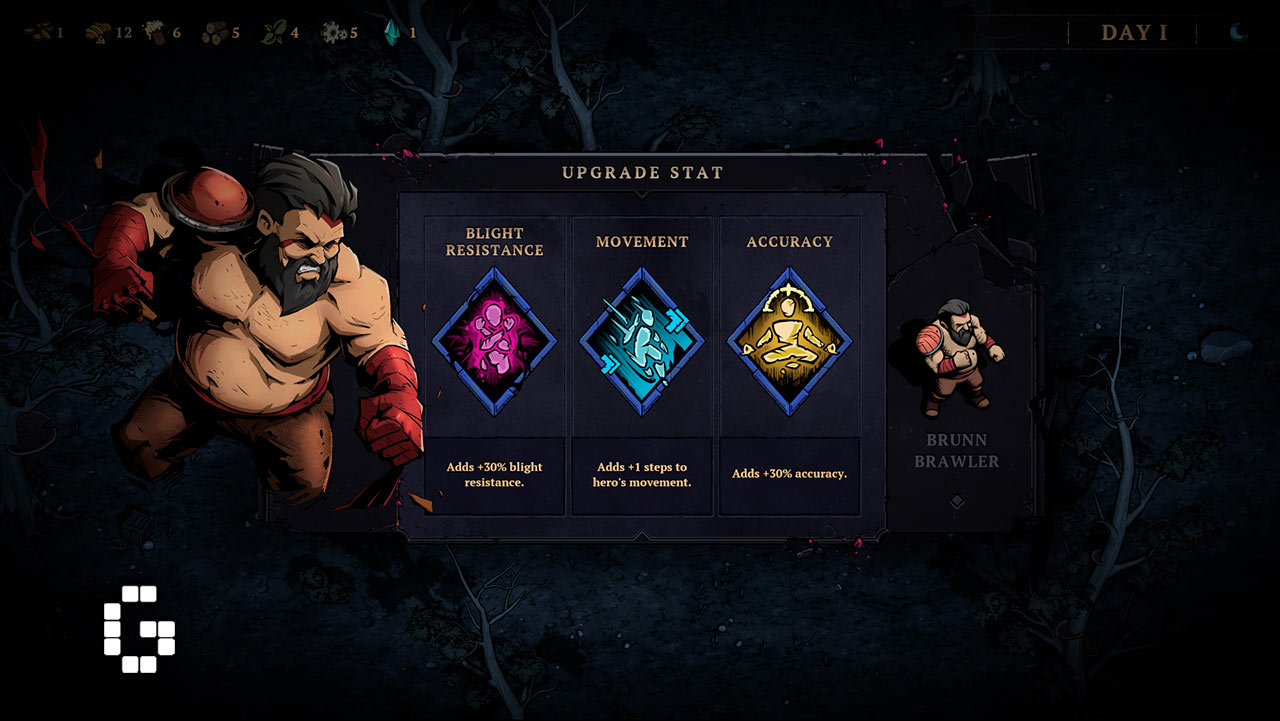
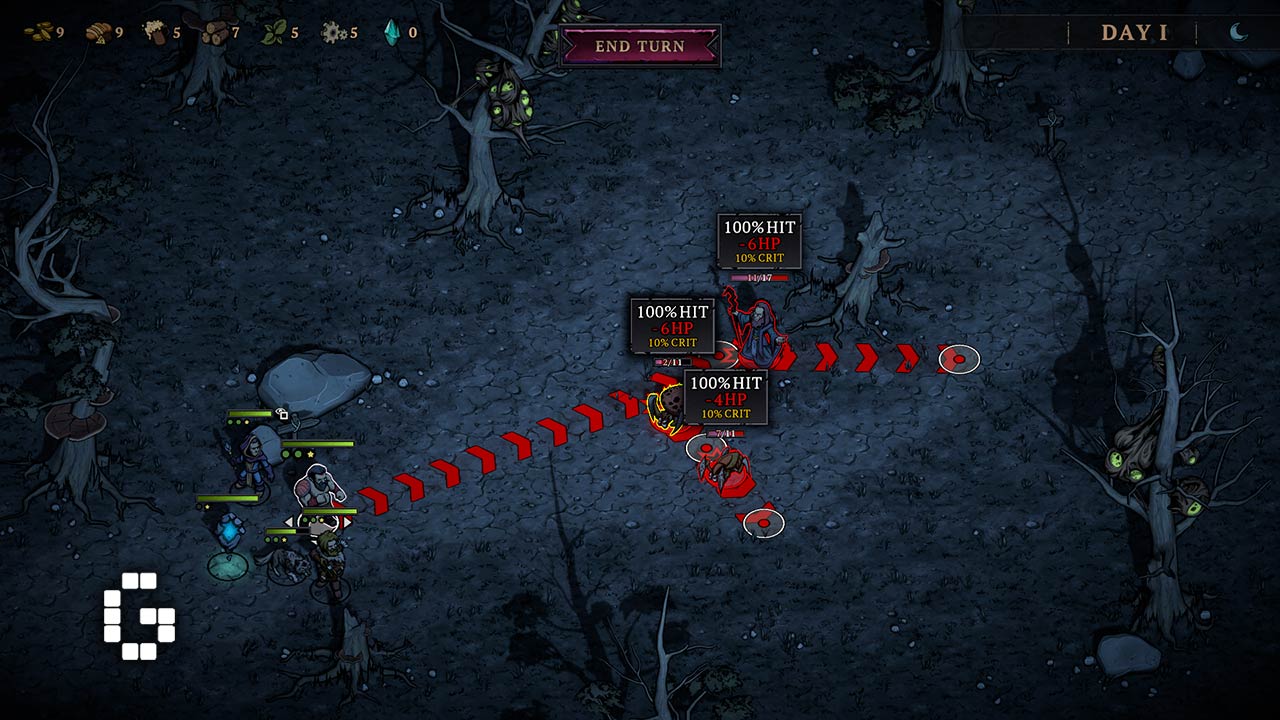
Throughout your runs, you unlock active and passive skills for your characters and the Earthglass Crystal itself. Combat skills include melee attacks for close-range fighting, ranged options for safer damage, area-of-effect abilities that hit multiple enemies, and grappling moves that can reposition friends or foes. You can combine these skills for powerful combos, and experimenting with different combinations often pays off. The variety in classes and skills lets you build your team in different ways. You can create a tanky frontline that soaks up damage, focus on specialized damage dealers who eliminate threats quickly, or build a support-oriented team that keeps everyone alive and buffed.
Survival Beyond Combat
When night falls, your party sets up camp and the game shifts from combat to resource management. You need to gather resources during battles to have enough supplies for healing wounds and protecting against the Blight at night. This creates a constant tension – do you rush through fights to avoid taking damage, or do you slow down to scavenge for supplies you’ll need later?
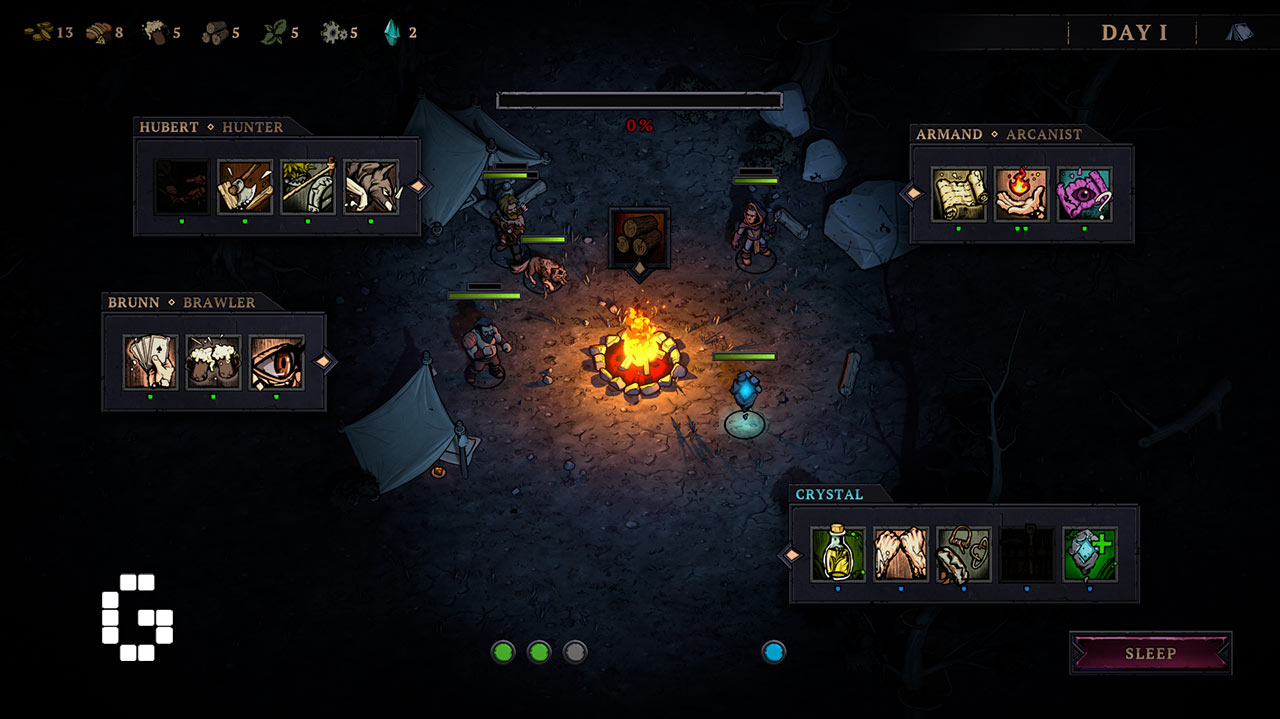
At camp, you can use special skills that require materials like scrap and food. These camp skills provide bonuses such as reducing risk and other helpful effects that prepare your party for what’s coming next. Each playthrough generates different enemy encounters, terrain layouts, and resource availability. This randomization keeps runs feeling fresh and forces you to adapt your strategies to whatever situation you’re dealing with.
Technical Hiccups and What’s Coming Next
Being in Early Access means the game has some rough edges. The most noticeable issue involves targeting during combat. After selecting a skill, the mouse cursor sometimes moves erratically across the screen, making it difficult to choose the target you want. This can disrupt the flow of combat and occasionally leads to selecting the wrong target by mistake. It’s understandable for an Early Access game to have these problems, but it’s something to be aware of before buying.
Note that this review is based on one complete run and one boss encounter, so there may be more content and variety in the current build than what’s covered here.
The developers have shared a roadmap for upcoming updates. February 2026 brings the Outlaws update with a new Rogue hero, an unlock quest for her, new bandit enemies including a warlord mini-boss, and new bandit nodes. March 2026’s Arsenal update adds 30 new items and 4 new store nodes. April 2026’s Arena update introduces a Barbarian hero with an unlock quest and an arena mode featuring one-on-one fights. May 2026’s Knowledge update brings a Sandkin faction with 5 new enemies, new desert nodes, and a compendium. Beyond these planned updates, the roadmap promises more hero classes, enemies, items, events, and additional content.
Verdict
Blightstone has a solid foundation for an Early Access release. The environmental systems, tactical depth from grid-free movement, weather effects, and interactive terrain create engaging strategic gameplay. The combination of roguelike elements with turn-based combat offers plenty of room for experimentation and learning.
The time loop structure means you’ll fail, probably multiple times. But that’s the point. Each run teaches you more about the heroes you’re commanding – their strengths, their weaknesses, what they love and what they hate. The world itself unfolds gradually as you play, revealing a ruined fantasy setting where humans, dwarves, and beasts form different factions, each pursuing their own goals. The story behind the Infernal Rift, the Earthglass, and the enemies you face becomes clearer the more you play, giving context to why you’re fighting the same battles over and over.
However, the targeting issues do get in the way of combat flow, which is a core part of the experience. The roadmap suggests meaningful content additions are on the way, but right now the technical problems hold back what could be a smoother experience. If you’re interested in tactical roguelikes and don’t mind some Early Access jank while the developers continue building the game, Blightstone shows strong potential worth keeping an eye on.





The Review
Blightstone
PROS
- Deep environmental interaction system with grass, water, barrels, terrain holes, cover mechanics, and dynamic weather effects.
- Grid-free movement allows for flexible tactical positioning.
- Four distinct playable classes with unique abilities and environmental interactions.
- Strong roguelike progression with crystal gems, runes, skills, and the Continuum Forge upgrade system.
- Resource management and campfire phase add strategic depth beyond combat.
- Clear and ambitious roadmap with regular content updates planned.
- Procedural generation ensures variety across runs.
CONS
- The targeting system has issues with mouse cursor behavior after skill selection.
- Limited perspective based on only one complete run and one boss encounter.
- Early Access state means incomplete content and technical rough edges.