











![[EXCLUSIVE] Beyond the Base Game: Cygames on What Endless Ragnarok Means for Granblue Fantasy: Relink](https://cdn.gamerbraves.com/2026/06/GBF-Relink-Endless-Ragnarok-Exclusive_Interview_FI-360x180.jpg)


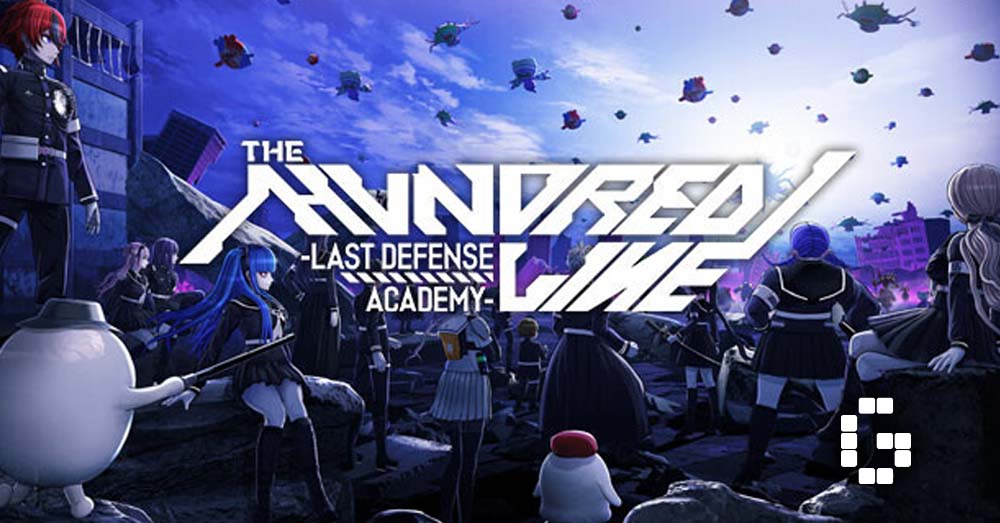
Masafumi Takada, renowned for his work on The Hundred Line: Last Defense Academy and the Danganronpa series, has raised concerns about a growing trend in modern game soundtracks. Speaking to AUTOMATON Japan, Takada explained that while recent game music is often of high quality, it increasingly feels detached from the gameplay it accompanies.
Music as a Separate Entity

Takada, whose career includes composing for The Silver Case, Earth Defense Force, Digimon Story, and Super Smash Bros., emphasized that music in contemporary games is sometimes treated more like standalone entertainment rather than a core element of the gameplay experience. He described instances where players praise a soundtrack not for how it enhances the game, but for its standalone appeal, suggesting a lack of cohesion between gameplay and music.
“Even though game music is often very rich and high in quality, there are more and more instances where it doesn’t align with the gameplay,” Takada said. “It sometimes feels like they’re just making good music instead of actually making a game.”
Crafting Music That Fits the Game
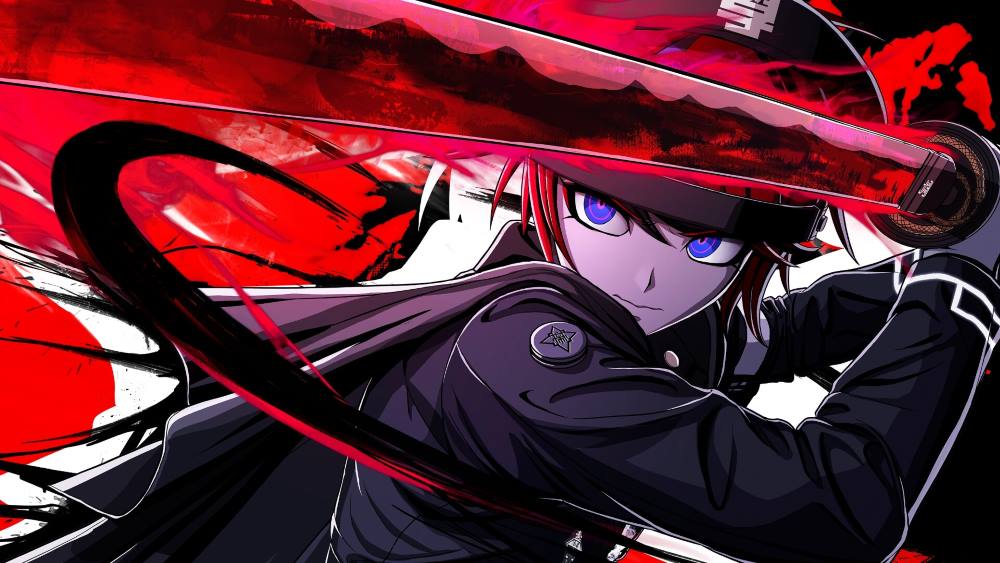
In creating the massive original soundtrack for The Hundred Line: Last Defense Academy, Takada paid particular attention to ensuring that the music complemented the game’s eerie atmosphere. His goal was to produce a soundtrack that enhanced both the narrative and the player’s engagement, rather than simply being impressive on its own.
Rather than criticizing modern soundtracks outright, Takada highlighted a shift in how deeply music production is integrated with other development elements, including scenario design and gameplay systems.
“When I make music, I’m always considering how it contributes to the entire game experience,” he explained.
Availability of The Hundred Line OST
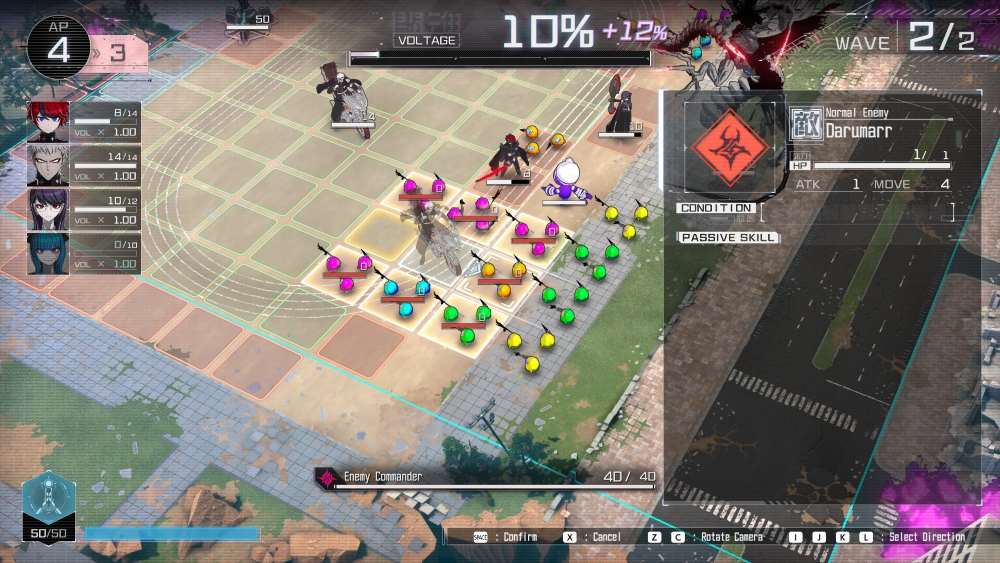
The Hundred Line: Last Defense Academy’s original soundtrack is now available digitally on Spotify, Apple Music, and iTunes, as well as for purchase on Steam. A Director’s Edition of the soundtrack is scheduled for release on disc on April 24.
Community Reactions and Industry Perspective
Responses from fans and industry observers have varied. Some agree with Takada, noting that orchestral soundtracks in modern games can feel generic or disconnected from gameplay. Others point out that music can still be immersive while also standing out on its own, citing examples like Final Fantasy and Expedition 33 where soundtracks remain memorable while fitting the game.
Several commenters emphasized that Takada’s concerns are not personal critiques but reflect broader industry trends, particularly the growing influence of producers and directors over creative decisions in game development. This shift, they argue, has contributed to soundtracks that may impress on their own but fail to fully integrate with the gameplay experience.
Conclusion
Masafumi Takada’s commentary underscores the importance of designing game music as an integral part of the overall experience. While soundtracks can be celebrated independently, their ultimate impact depends on how well they complement the gameplay and narrative. The Hundred Line: Last Defense Academy serves as a case study in achieving this balance, demonstrating Takada’s commitment to music that enhances both immersion and enjoyment.