







![[EXCLUSIVE] Brendan Gan Delivers One of Malaysia’s Best-Ever Worlds Results, Shares Thoughts on Pressure and the Local Scene](https://cdn.gamerbraves.com/2026/08/Brendan-Gan_Interview_FI-360x180.jpg)





![[AFASG25] Shoji Kawamori AFA Singapore 2025 Interview — Mecha Designs, Modern Tech, and the Creative Vision Behind Labyrinth](https://cdn.gamerbraves.com/2025/12/AFA-Shoji-Kawamori-Interview_Interview_FI.jpg)
At Anime Festival Asia Singapore 2025, we had the chance to sit down with legendary creator Shoji Kawamori, the mind behind Macross, Aquarion, and decades of iconic mecha design. This time, Kawamori is stepping into a different direction with Labyrinth, a new project that blends digital-age anxieties with a softer, more grounded narrative. During our conversation, he reflected on how the tone of this project differs from his past work, how CG continues to reshape mecha animation, and how new technological themes influence storytelling today.
A Softer Direction Compared to Traditional Mecha
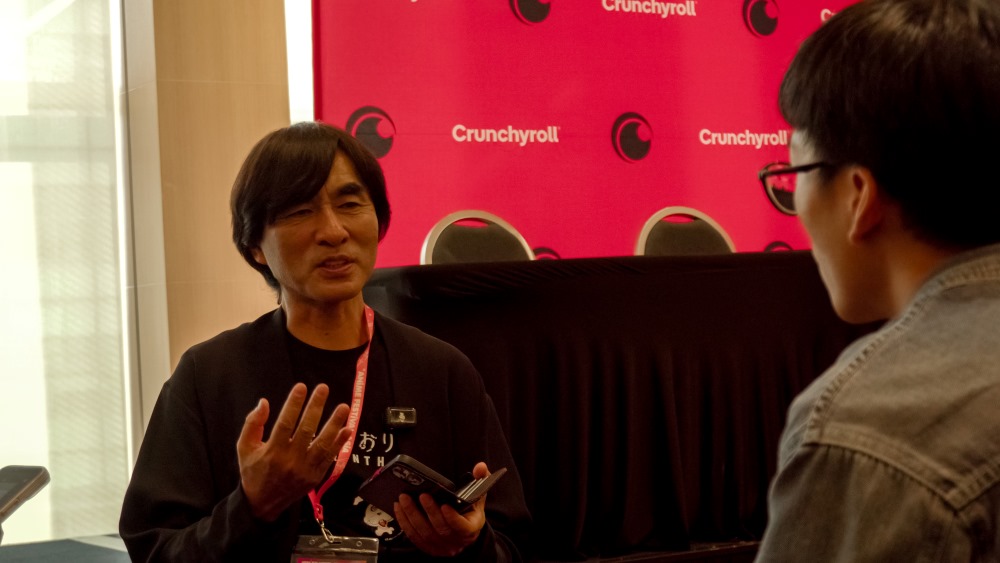
When asked how Labyrinth differs from the grand sci-fi operas he’s best known for, Kawamori paused thoughtfully before saying, “In Macross and Genesis of Aquarion, the foundation lies in giant robot weapons fighting in space, battling enormous enemies.” He contrasted that with Labyrinth, where he deliberately scaled down the tools of conflict. “This time, the key tool is a small smartphone,” he explained. “And although it’s small, smartphones can greatly expand human communication capabilities or transmit radio waves to the other side of the earth.”
He reflected on the irony that the device in our pockets might wield more influence than any towering mech. “You could even say that a smartphone has more power than giant robots when it comes to expanding human capabilities,” he said. “With just one word you can hurt someone, or cheer them up. As a device with such tremendous influence, it’s a theme that feels just as big in scale.”
Yet Labyrinth stays grounded in a modern Japanese city — a deliberate choice. “The story itself is set in modern-day Yokohama,” he continued, “with an ordinary high school girl who becomes trapped in the labyrinth-like world inside her phone. So the starting point is something familiar to everyone — a slightly lighter, softer entry point.”
3D Animation’s Growing Role in Mecha Production
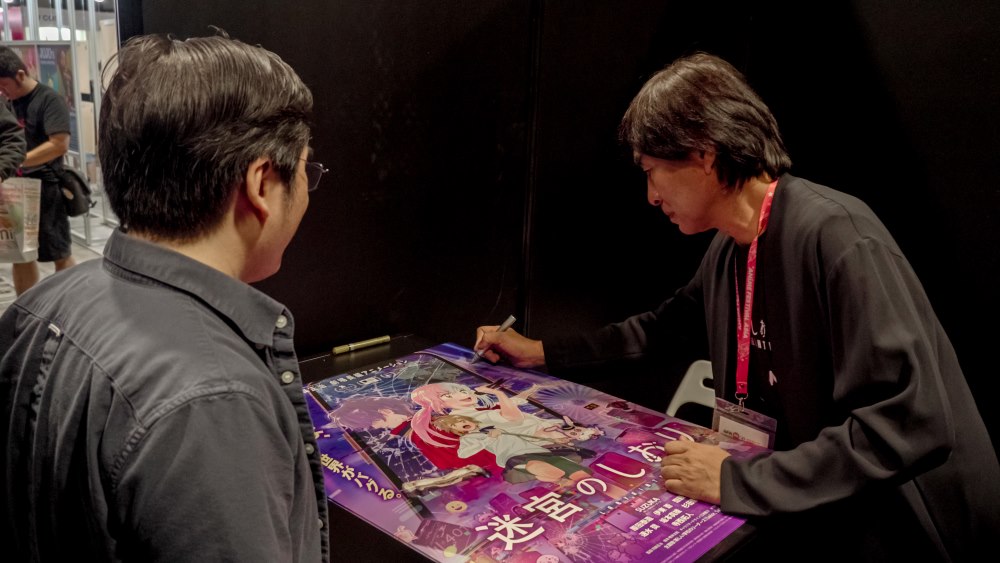
We asked Kawamori about the growing reliance on 3D animation in mecha production, including in Labyrinth. He didn’t hesitate to acknowledge the realities of the craft.
“Compared to drawing human characters, mecha take an immense amount of time,” he said. “Just drawing one frame is incredibly hard.” He noted that during the era of Macross and Macross Plus, the team had reached their artistic limits. “We pretty much reached the limit of what we could express with the mecha we wanted to draw. The cost wasn’t sustainable — artists couldn’t make a living that way.”
Switching to CG wasn’t about abandoning tradition, but preserving what matters. “Doing it with CG ensures we can channel our saved energy into drawing the actions of the characters,” he said. “Digitizing the mecha allows for more scenes where the characters sing… and because singing scenes are just as difficult, we could increase them.”
Still, he remains fond of the hand-drawn aesthetic. “I love hand-drawn animation because I want to add deformation and impact,” he said. “Even now, I still draw by hand sometimes, and I try to switch between both methods.”
Designing Mecha for Anime vs. Video Games
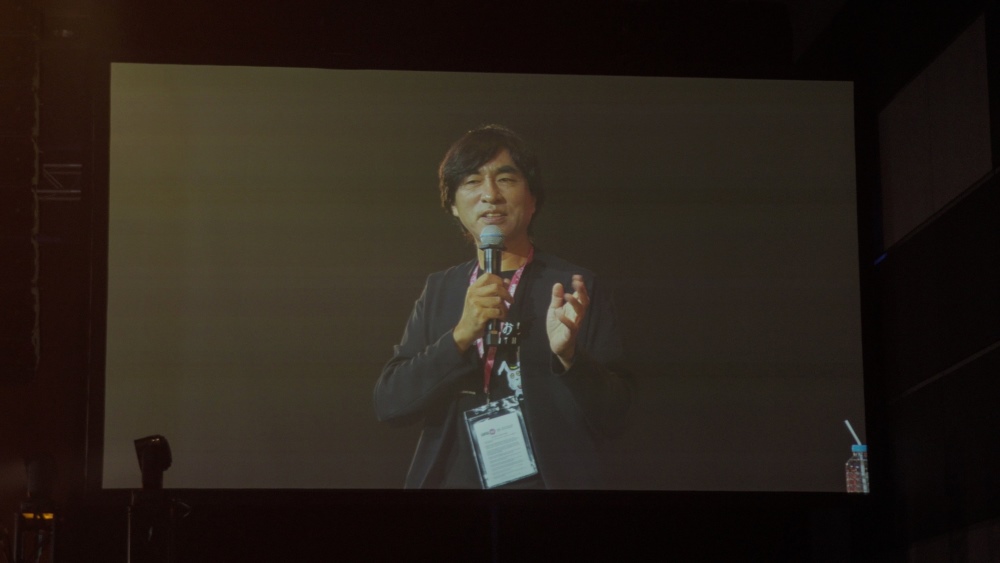
Kawamori has one of the most diverse mecha design portfolios in the industry — from Macross to Armored Core to the Devil Breakers of Devil May Cry 5. The difference in approach between the mediums is significant.
“One big difference is that anime mecha tend to be seen from the front,” he explained. “We make them look heroic when viewed from the front.” But video games flip the camera entirely. “In games like Armored Core, where you play entirely from a rear-view perspective, you see their back. The back has to be really cool — and identifiable just by looking at it.”
He added that screen time affects design philosophy. “In anime, the moments when mecha appear are quite brief, so the character has to have a strong personality. In games, you’re looking at the mecha the entire time, so even slightly complex designs are fine because you keep seeing them.”
Smartphones, Social Media, and the Pressure of Modern Connectivity
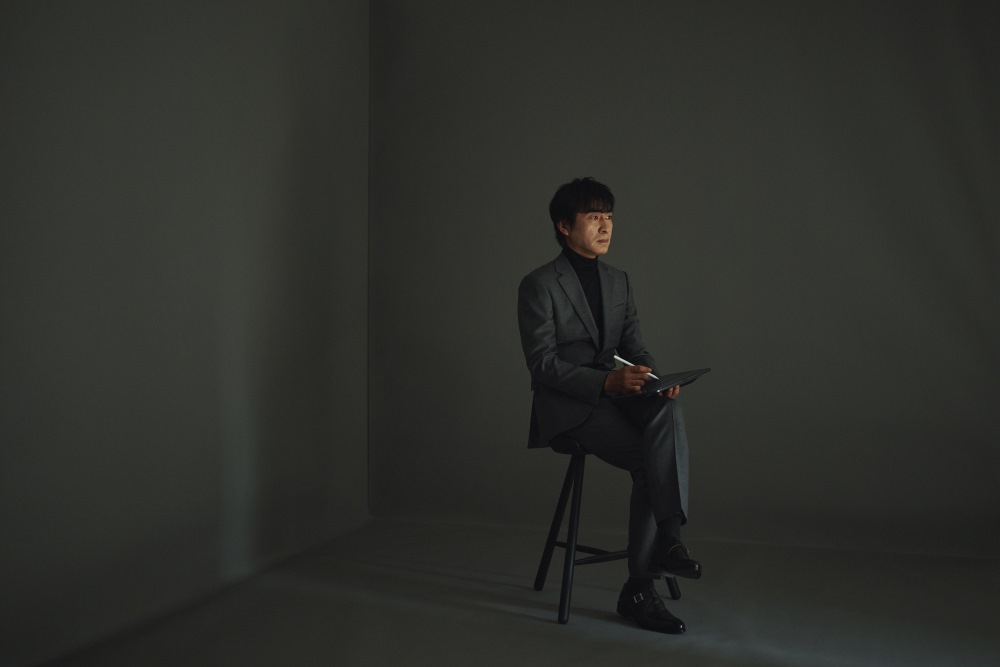
Since Labyrinth centers on a smartphone-based mystery, we asked Kawamori what challenges came with writing a story so rooted in modern tech. He began by describing the early concept: “When I first thought about a girl who gets trapped inside her smartphone because it was cracked, that alone would make the phone nothing more than a gadget.” To deepen the theme, he turned to social media. “Smartphones and social media have become inseparable,” he said. “As SNS grew, so did the fierce competition for Likes. And if you say something wrong, you get dragged online.”
He contrasted today’s environment with his own childhood. “When I was a kid, even if I did something wrong, the only people who got angry at me were parents, teachers, people around me. But today, you could be criticized by people from the other side of the world.”
That pressure, he said, creates a world so different from what older generations knew that “even this real world feels like an isekai to me.”
The film also features the “XG” system — a fictional technology that links the brain directly to a smartphone. “Images are transmitted straight into your mind,” Kawamori said, “and you can no longer tell whether a thought is your own or someone else’s consciousness coming through. That’s the key sci-fi element of this work.”
What Kawamori Hopes Audiences Will Take Away
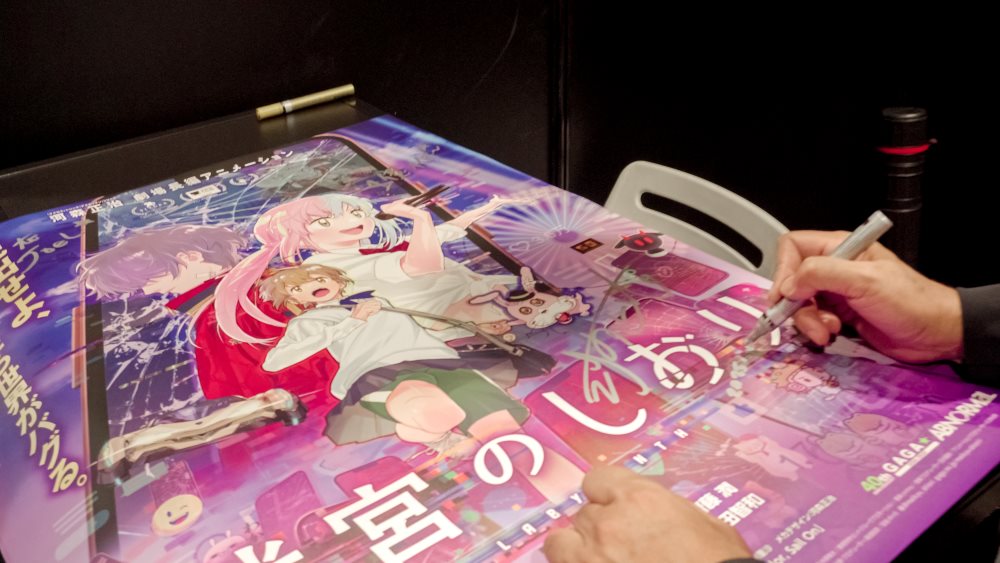
Despite its commentary on digital anxiety, Kawamori wants Labyrinth to be uplifting. “It follows a girl whose heart is shattered by backlash online,” he said. “But rather than delivering it as a dark or heavy story, we’re presenting it as entertainment — with music, dynamic mecha action, and plenty of energy.”
His ultimate hope is simple yet heartfelt. “I want you to enjoy it,” he said warmly. “And if possible, I hope the film gives you a small moment to think: Who am I? What do I actually want to do? Which direction do I want to move in life? If the movie becomes even a tiny hint for that kind of reflection, I’d be very happy. Please enjoy the film!”
More Information on Labyrinth
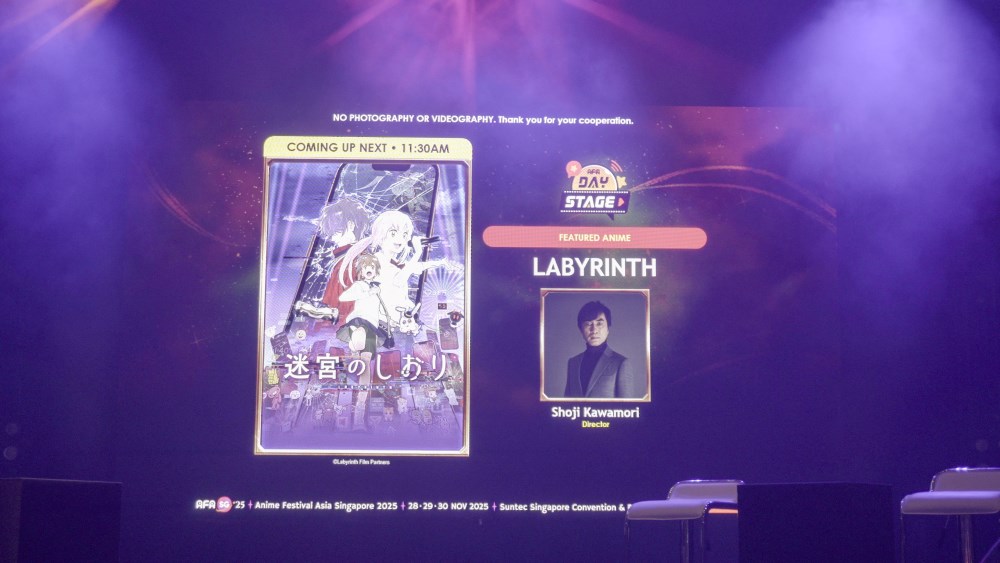
Fans can look forward to Labyrinth reaching a wide audience across the region, as Abnormal Studios prepares to release the film in twelve territories, including Malaysia, Brunei, Vietnam, Indonesia, Thailand, the Philippines, Singapore, Cambodia, Myanmar, Laos, Australia, and New Zealand. This marks a significant rollout for Shoji Kawamori’s latest original feature.
Kawamori will also be making several appearances in Malaysia. He is scheduled to attend Comic Fiesta on December 21, for a special talk show and autograph session. Later that same evening, he will appear at the Malaysia Fan Premiere of Labyrinth for a post-screening Q&A at TGV KLCC, where audiences will have the rare opportunity to watch the film ahead of its official Japanese release on January 1, 2026.
Conclusion
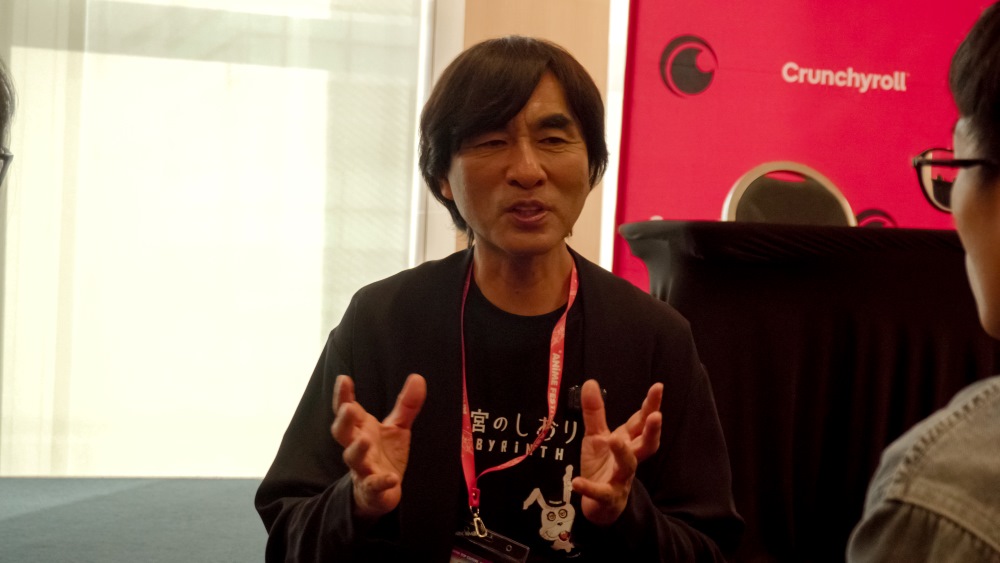
Shoji Kawamori’s latest work shows that even a creator known for transforming robots can surprise audiences with something intimate and grounded. Labyrinth blends modern anxieties with classic Kawamori imagination, offering a fresh perspective on the relationship between humans and their devices. As the anime industry evolves and storytelling adapts to the digital age, Kawamori continues to push boundaries — not with size and scale, but with ideas that reflect today’s world in unexpected ways.
![[GUIDE] JoJo’s Bizarre Adventure: Golden Spirit Codes and How to Redeem Them](https://cdn.gamerbraves.com/2026/09/JoJos-Bizzare-Adventure-Golden-Spirit-Redeem-Codes_News_FI-350x250.jpg)

![[GUIDE] The Seven Deadly Sins: Origin Codes & How to Redeem Them](https://cdn.gamerbraves.com/2026/09/Seven-Deadly-Sins_-Origin-Tier-and-Codes_News_FI-1-350x250.jpg)