








![[EXCLUSIVE] Dragon’s Dogma 2: Dark Arisen Team Opens Up About the Expansion’s Name, New Norgan Region, and Performance Goals](https://cdn.gamerbraves.com/2026/07/Dragons-Dogma-2-Dark-Arisen_Interview_FI-360x180.jpg)




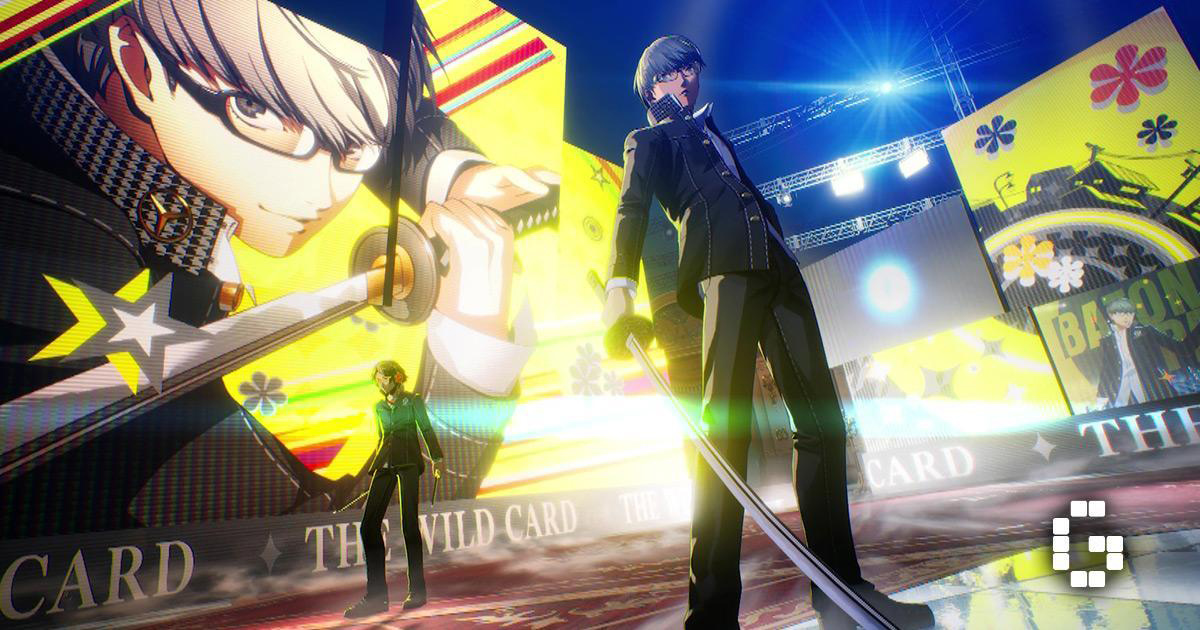
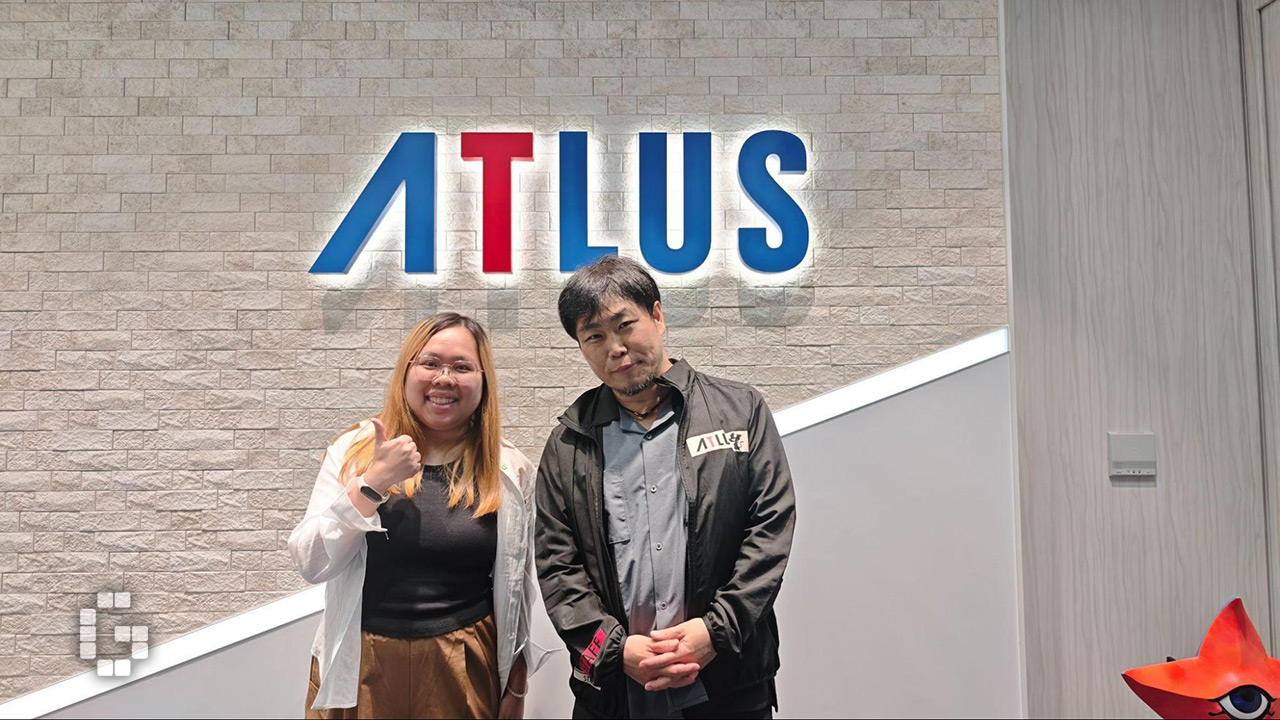
Persona 4 has always held a special place among fans of the series, and with Persona 4 Revival on the way, expectations are running high. We recently had the chance to interview Producer Wada Kazuhisa and hear about how the team is approaching this remake, from the technical challenges of rebuilding Inaba in 3D to the choices behind combat, story presentation, and the game’s new title.
Rebuilding Inaba
One of the biggest shifts for Persona 4 Revival is the move to fully realized 3D environments that players can explore with a rotatable camera, something the original game’s fixed 2D backgrounds never allowed. Wada explained that the team worked from the original game’s imagery as a starting point. “Based on the image of the game screen at that time, we expanded the image of the actual location that we had originally imagined. We replaced the invisible part of the image and made it feel more realistic,” he said.
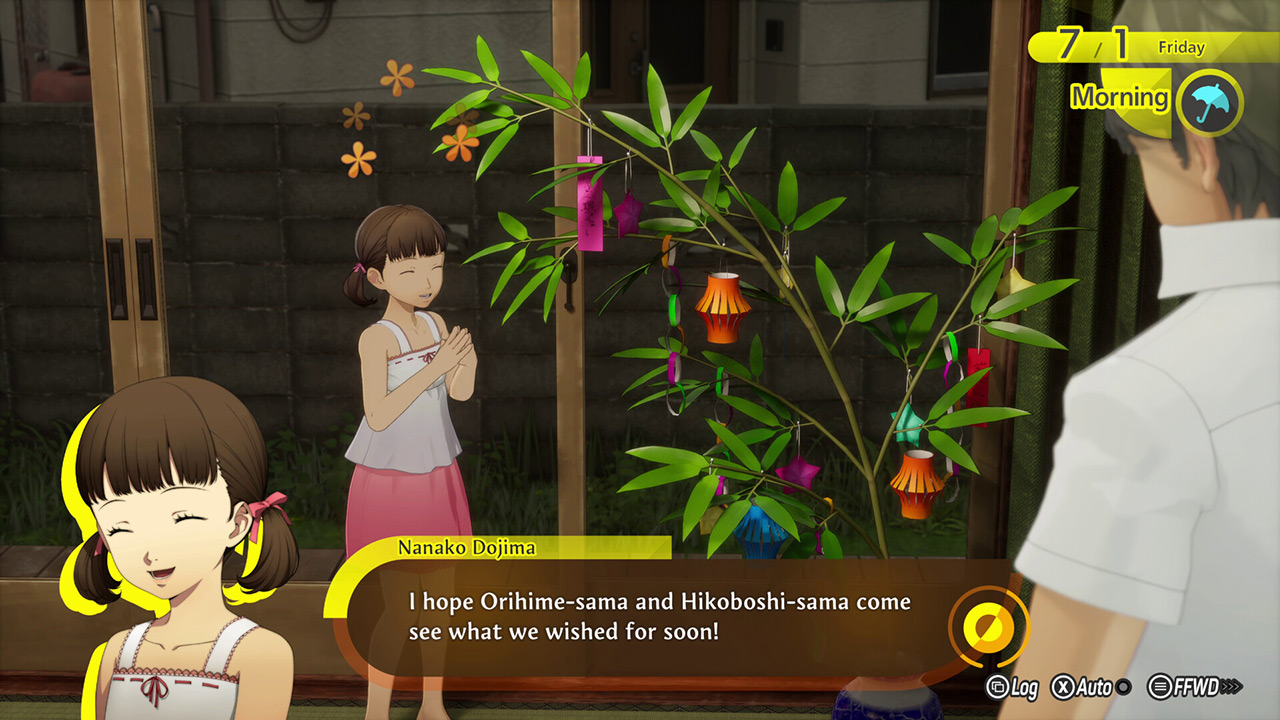
He added that filling in unseen areas meant returning to the source material itself.
“We were definitely looking back to the original image within the game. We were also thinking about the actual location that the game was based on, and added on top of that in order to make the whole experience feel a little more immersive for the players.”
From 2D Cutscenes to In-Game Cinematics
Persona 4 Revival also changes how certain scenes are presented, with several 2D anime-style cutscenes from the original now rendered fully in-game, while some conversation scenes that used to play out in a visual-novel style have been turned into cutscenes instead. Wada credited the studio’s experience on Persona 3 Reload for making this possible. “Following the development of Persona 3 Reload, we were able to brush up our ways of building 3D cut-scenes, so we can now create new cut-scenes that are more immersive and realistic than before, with different tools at our disposal,” he said.
At the same time, he stressed that changes to the original 2D animated scenes were made with returning fans in mind.
“With the fans of the original game in mind, we mainly focused on improving immersiveness, basically no changes or alterations have been made to those.”
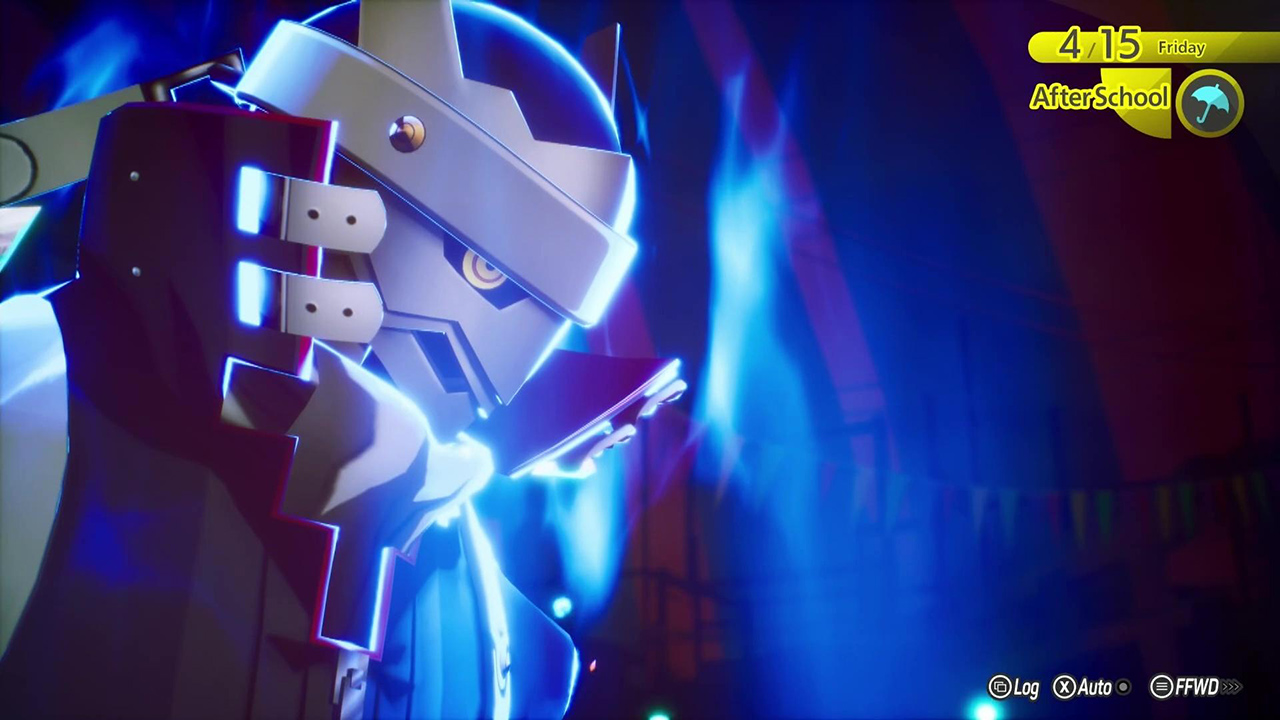
That extends to the animated sequences created in partnership with MAPPA. “We originally asked MAPPA to create the Persona 5R opening, and from that we asked them for P4R as well,” Wada explained. He spoke positively about the collaboration.
“MAPPA have been very nice to work with, taking our requests kindly, and it’s been a pleasurable experience. Their animations are very good, especially the protagonist’s awakening scene.”
“There are other animations from them we can’t show yet, so please look forward to those,” he said, hinting at more to come.
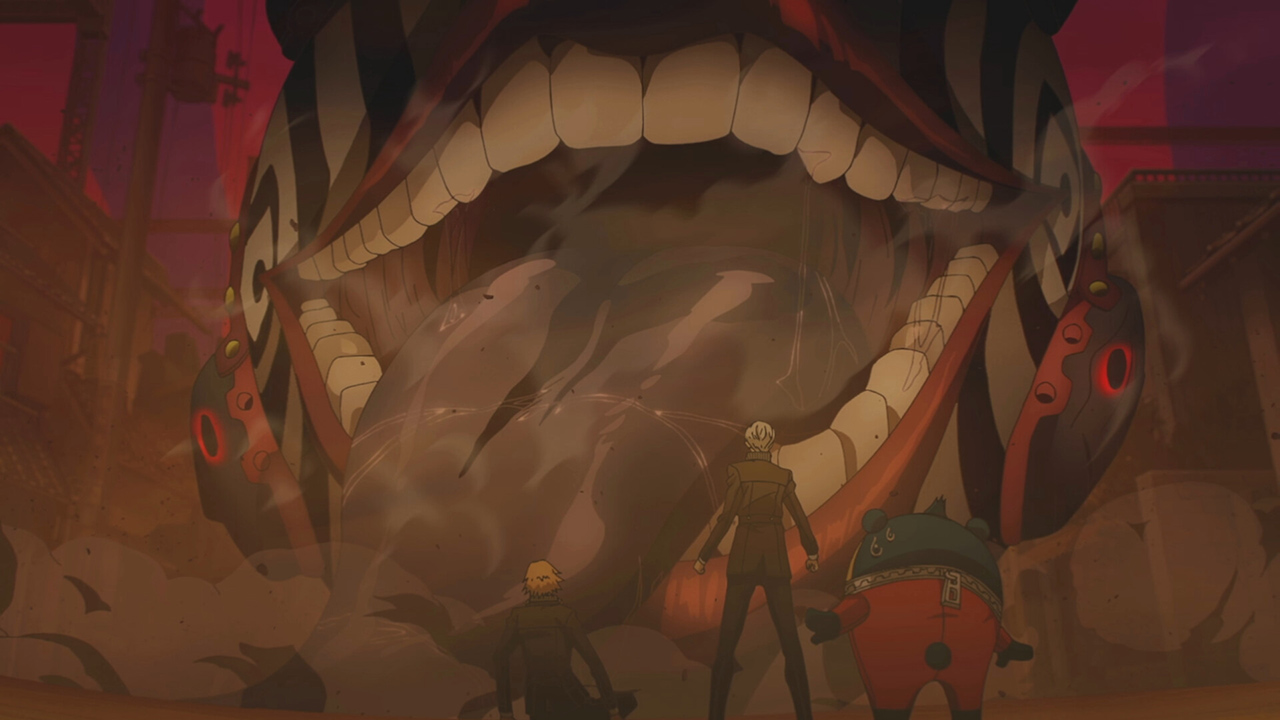
Fans have also noticed that story scenes now carry a more cinematic feel, with closer camera angles and more dynamic shot composition. According to Wada, large-scale event scenes are always difficult to enhance across the board.
“In the Persona series, there are a lot of large-scale scenarios and event scenes, and it’s quite difficult to enhance them as a whole. In Persona 4 Revival, we tried to make them as realistic as possible, though the cost of doing so was very high,” he said, adding that early decisions on direction had to be made and carried out within the timeframe they were allowed.
What’s Changed, and What Hasn’t
Asked broadly about what’s different from the original, Wada pointed to improvements across graphics, animation, and overall ease of play. He was direct about addressing a common fan worry.
“The characters’ personalities that everyone is worried about have not been removed or nerfed.”
He confirmed one clear cut, saying, “The one clear removal is the motorbike/moped mechanic in battle. Instead, we’ve added a more interactive system which players can actively utilize.”
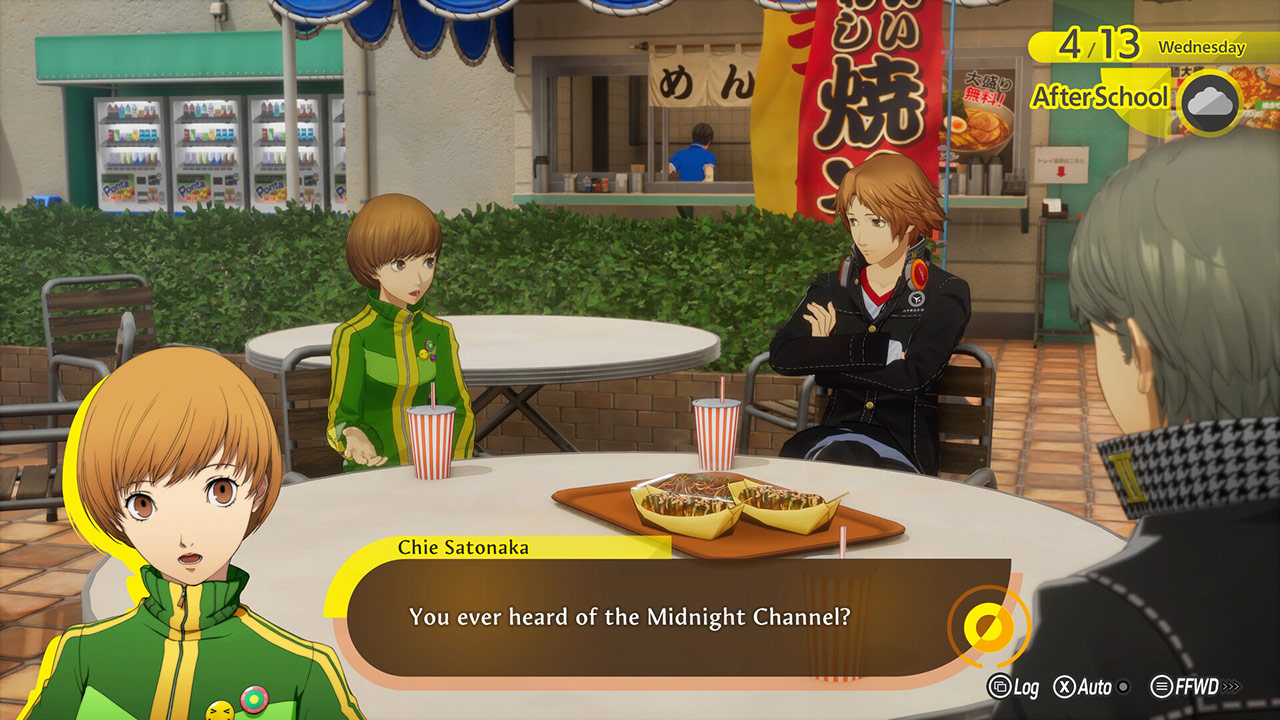
On dialogue, he added, “We haven’t changed the original story or the characters, but we have adjusted some lines that were a bit rough or overly complicated at the time, to make them more relatable to the current era.”
That same approach carried over into how the team handled Kanji and Naoto’s storylines, which deal with identity and how the two characters relate to others around them. “Kanji and Naoto are characters that can be misunderstood, but are also understood if players look deeper into their narratives, these were already very detailed characterizations, so we tried not to stray too far from the original characters and what makes them who they are,” Wada said.
He noted some lines were revisited, explaining, “There were a few voice lines that may have been a little underthought or hastily written at the time, and we made some amendments and adjustments to those to better fit the current era.”
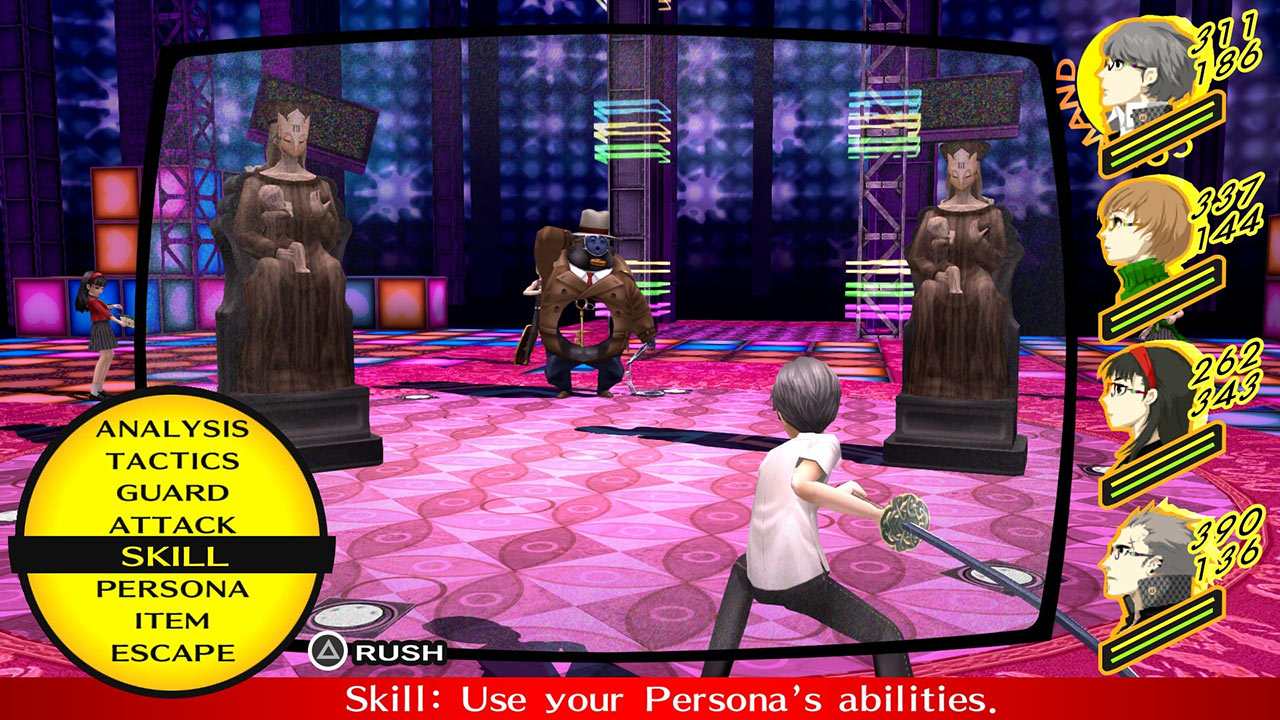
The original Persona 4’s UI was known for its bold, pop art and retro TV inspired look, and Wada confirmed that Revival keeps that identity intact. “For this installment’s UI, we’ve definitely kept the retro elements of Persona 4, the nostalgic and warm design, and improved upon them, while also brushing up usability so it’s much easier for players to use,” he said.
On the subject of the Midnight Channel and its parallels to modern online echo chambers, Wada said the team didn’t feel the need to rework Persona 4’s core themes. “The great thing about Persona 4 is that the themes used at the time remain relevant today, so we haven’t reconstructed the core theme itself,” he said. He elaborated on why the theme still lands with players today.
“Now there’s so much information floating around, with algorithms suggesting the truths we want to see, so I definitely agree that echo chambers have become very prevalent in recent times.”
Where the Name Revival Comes From
Wada also spoke about the decision to title the remake Persona 4 Revival. “Just like P5R and P3R, I wanted to show this is the definitive version, and personally I wanted a word starting with ‘R,'” he said. He also described his process for landing on the final name.
“I looked for a word meeting two conditions: easy to understand, and carrying a nostalgic resonance with the game’s atmosphere, and I settled on Revival.”
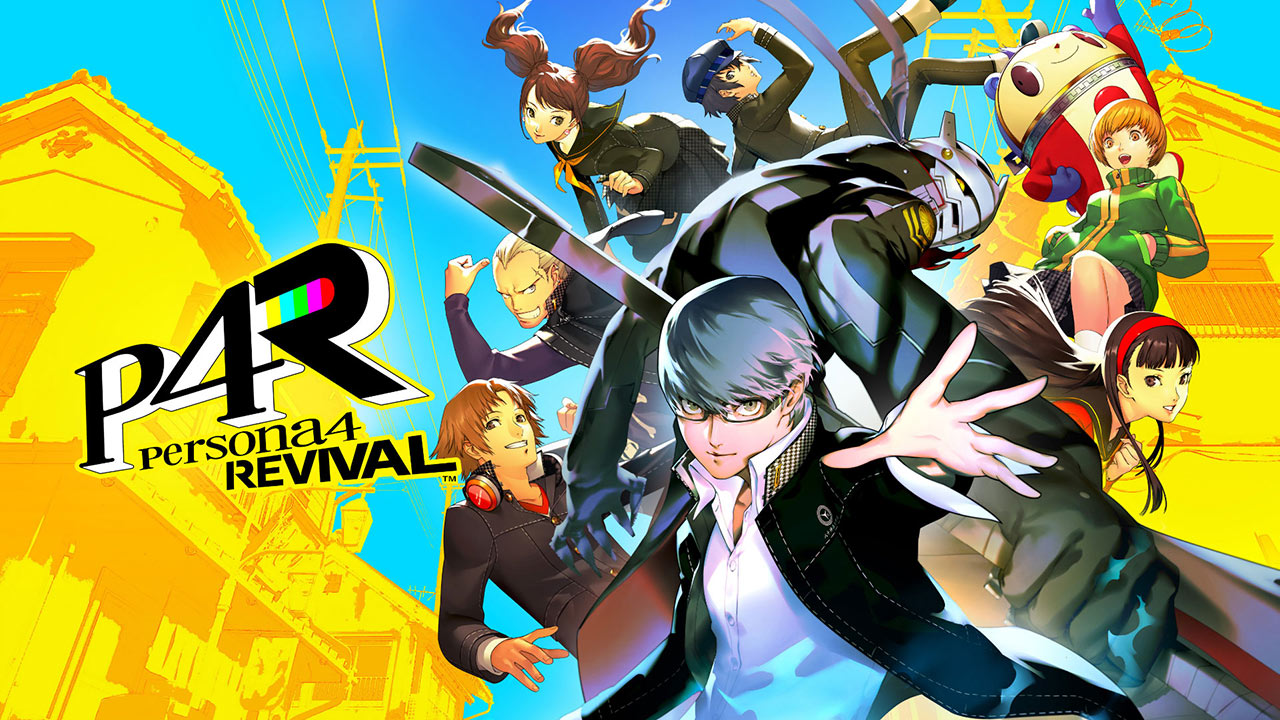
He also mentioned the ambition behind the choice, noting the team wanted to move beyond the feel of a TV broadcast toward the scale of a feature film.
On the subject of content from Persona 4 Golden, Wada confirmed that Revival includes almost everything including extra stories, side contents and the true ending from that version except for the Program Ticket feature. “The TV listings content in Persona 4 Golden, we’ve included almost everything else from Golden except that, plus the newer content,” he said. He also teased new additions.
“There will be various new types of social interactions in this new game.”
Reworked Dungeons and a New Combat Flow
Dungeon design also saw a significant overhaul. “Regarding the dungeons, we’ve mainly decided to make the whole dungeon-playing experience a lot less stressful, that’s one part we decided to do. We also wanted to update the graphics to make it much more immersive,” Wada said.
He described how the tone shifts as players progress, explaining that the visuals will become a little more strange and unsettling the deeper you go into the dungeons. Wada pointed to one specific moment as an example of this work
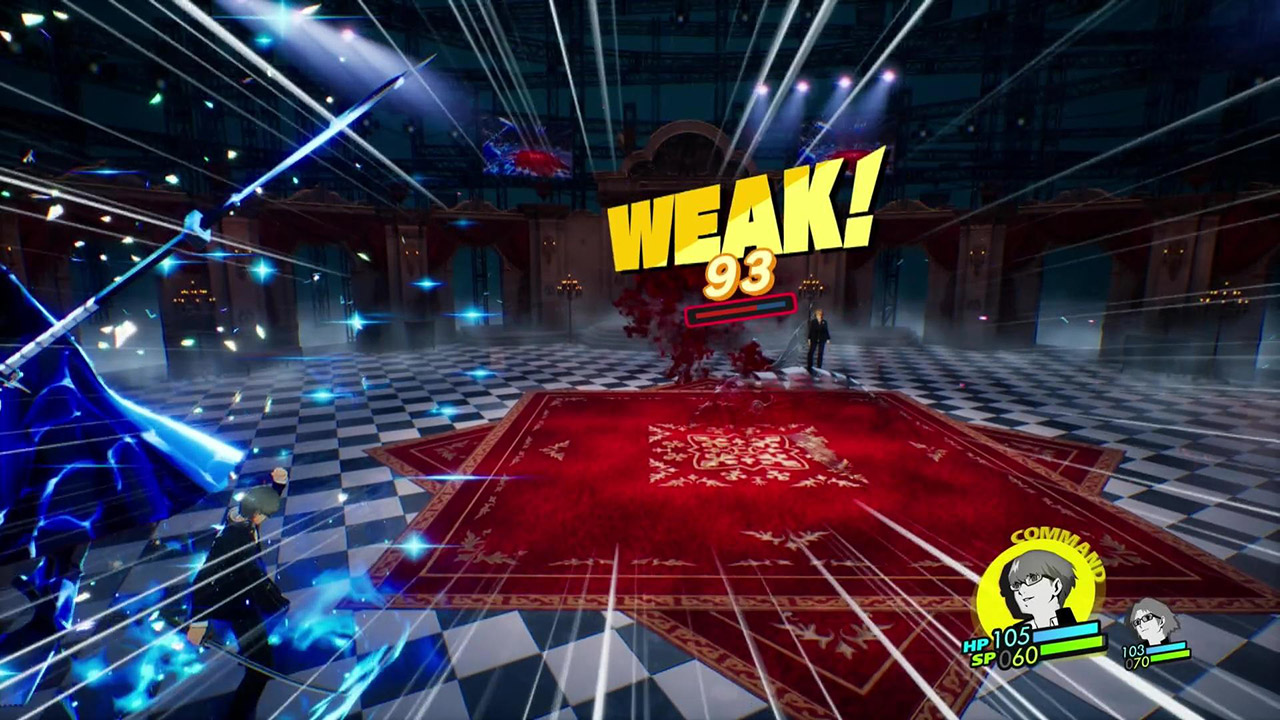
“The cut-scene when the characters first face off with the Shadows has been brushed up a lot, it’s become really nice and very cinematic, and I think it will resonate with a lot of players, more so than in the original Persona 4.”
On the combat side, Revival introduces new mechanics like Send Flying and Prime Time alongside returning systems like Baton Pass. “We mainly wanted them to be fun and enjoyable to play, that’s the main thing we focused on,” Wada said.
“Prime Time and Send Flying don’t use any SP, so players can use them freely as they like if the conditions are met, they’re easy to use, and they also incorporate actions we haven’t used much in previous installments.”
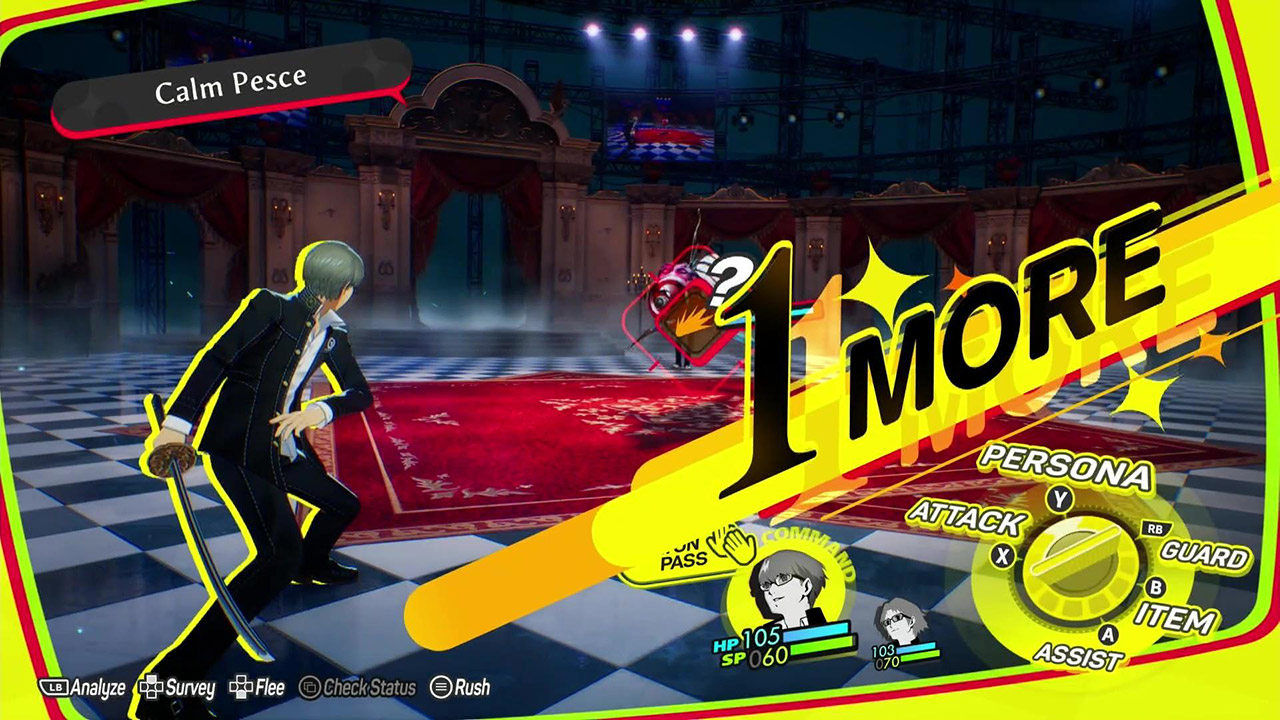
Some Persona 4 Golden features won’t be returning, however. “I already talked about the bike story, we didn’t incorporate the bike mechanic in this game, and we also decided not to include the tag-team combos, in order to implement other systems” Wada confirmed. Standard follow-up attacks, though, are staying.
“As for follow-up attacks, those will still be in this game, individual characters will still be able to perform follow-up attacks,” he said.
As for comparisons between Prime Time and Persona 3 Reload’s Theurgy system, which some players felt made that game too easy even on higher difficulties, Wada said the two mechanics weren’t built with each other in mind. “I think they’re two very different mechanics, so we didn’t directly reference Theurgy when designing this,” he said, before adding that player feedback still shaped the process.
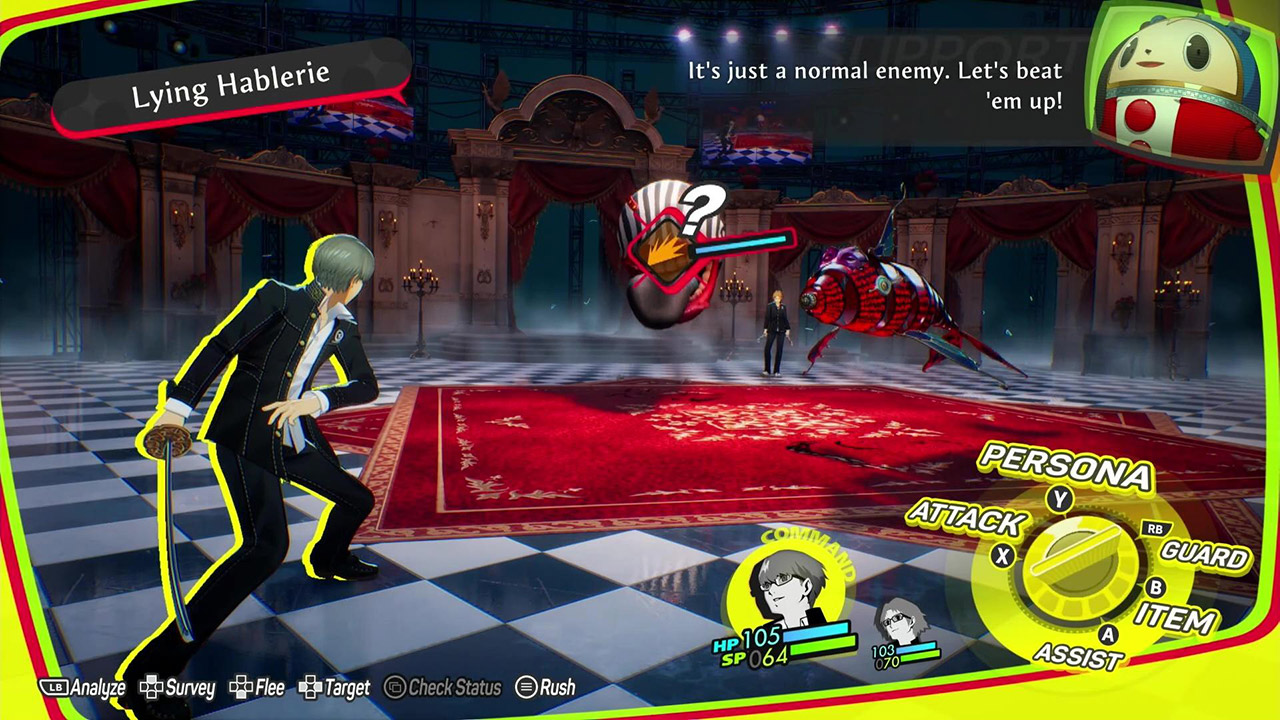
“We did listen to that feedback. We took a lot of time balancing the game, we did a lot of test plays, involved a lot of different staff, looked through various logs and feedback, and balanced the game based on the feedback we received.”
A Personal Project for Wada
Reflecting on his long history with the series, from designer to director to head producer, Wada described Persona 4 as a personally important title. “Persona 4 is, personally, a very important work for me, a very important title, and I think it’s a title that speaks to a lot of people within the series as well,” he said.
On what he hopes players take away from the experience, he said, “I want them to feel like they want to return again, or want to stay there for a very long time.”
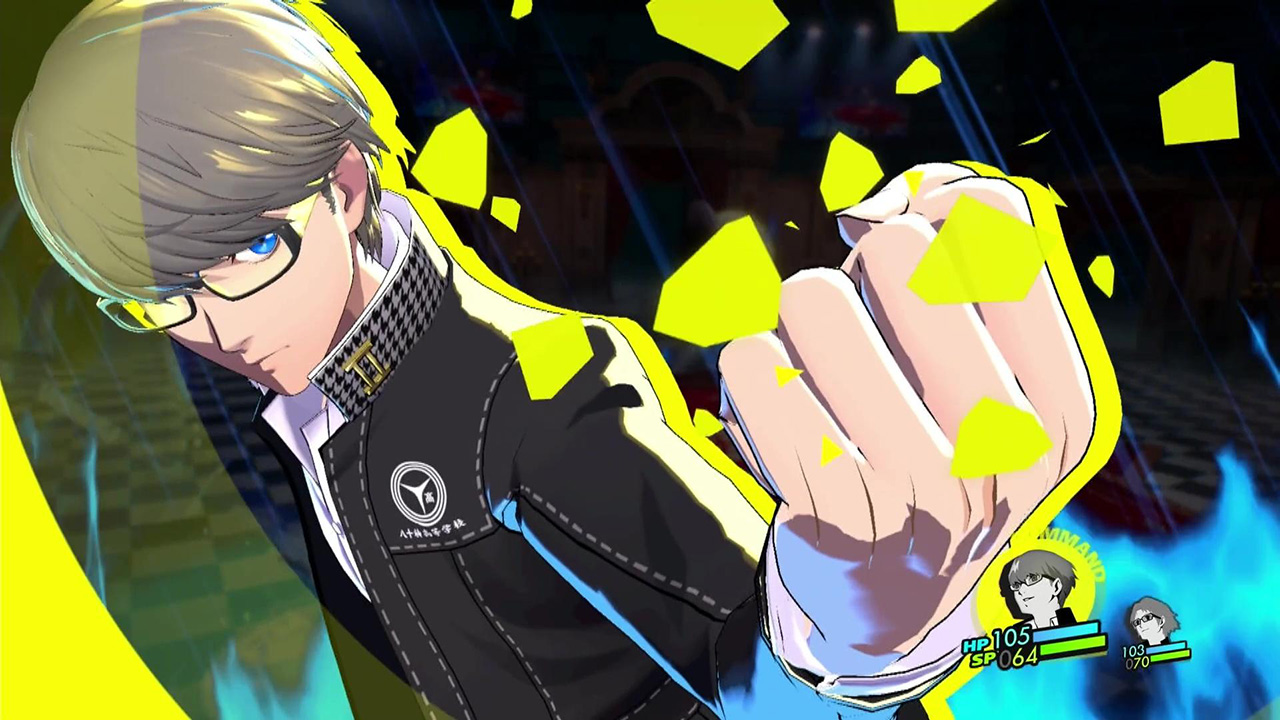
He also credited Persona 3 Reload with laying important groundwork for Revival. “I believe that being able to develop this game from a state where we already had a basic part of the game done was a very big thing for us,” he said, pointing to lessons learned in localization and multi-hardware development as well.
Looking Beyond Persona 4
Asked whether fans might eventually see remakes of the first two Persona games given the studio’s recent trend, or whether focus is shifting toward Persona 6, Wada didn’t give a definitive answer. “At this point, I can’t say for sure, but personally, I think it’s something we should definitely do. I think we have to do it,” he said.