









![[EXCLUSIVE] Dragon’s Dogma 2: Dark Arisen Team Opens Up About the Expansion’s Name, New Norgan Region, and Performance Goals](https://cdn.gamerbraves.com/2026/07/Dragons-Dogma-2-Dark-Arisen_Interview_FI-360x180.jpg)






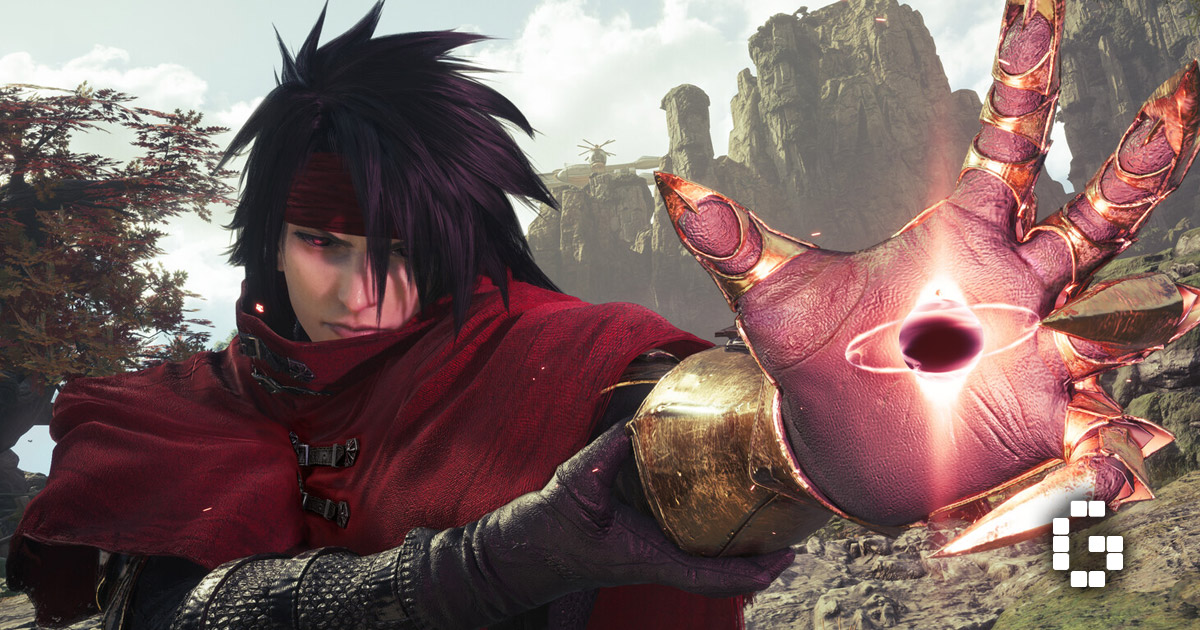
The director of Final Fantasy VII Revelation, Naoki Hamaguchi, has confirmed that the ending to the Final Fantasy VII remake trilogy was mapped out from the very beginning of development, and that he’s confident in how it all wraps up. Revelation was announced at Summer Game Fest last weekend and will serve as the final chapter in Square Enix’s remake trilogy, which kicked off on PlayStation 4 back in 2020.
Speaking to Video Games Chronicle, Hamaguchi revealed that original director and writer Yoshinori Kitase also had a hand in shaping how the trilogy concludes.
“Obviously, I can’t share actual details on how this story is going to end, but in terms of how we envisioned the conclusion, we did have some sort of an idea of what we wanted to do at the end. So we did have a kind of direction from the early days of development,” Hamaguchi said. He added that Kitase’s own vision for the ending also made its way into Revelation. “The same goes for the producer, Yoshinori Kitase. He had his visions as well, and some of that is applied in the conclusion that we’re telling in Revelation.”
As for how the team feels about the finished product, Hamaguchi didn’t hold back. “To be completely honest, I think we’re pretty confident and happy with how it’s turned out. We’re very much excited to see how fans will react to the ending of the story.”
On top of the ending, Hamaguchi also opened up about how player feedback factors into development decisions. He shared that chasing the middle ground of audience criticism isn’t always the right call, and that doing so can sometimes strip a game of its identity. “When you look at all the critiques, the criticism, negative feedback, and try to understand what the most common criticism is, what the median average user is saying, and try to address that and adapt your product to it, it is questionable if that approach actually leads to a better product,” he said.
He pointed out that trying to please everyone by addressing both ends of the feedback spectrum can result in something that feels empty. “By applying all of that, it’s possible that you come up with a product that doesn’t really have any character. It’s just a blank state that doesn’t really have any strong appeal.” This philosophy extends to some of the bigger creative decisions in Revelation, including the choice to keep mini-games in the game at the same level as Rebirth, if not more, despite some players pushing back on them in the second entry. Hamaguchi said he was willing to own that call.
With Revelation set to close out the Final Fantasy VII remake trilogy, fans won’t have to wait much longer to see whether that early vision for the ending sticks the landing.