
![[EXCLUSIVE] Dragon’s Dogma 2: Dark Arisen Team Opens Up About the Expansion’s Name, New Norgan Region, and Performance Goals](https://cdn.gamerbraves.com/2026/07/Dragons-Dogma-2-Dark-Arisen_Interview_FI-360x180.jpg)











gSome horror games scare you with jump scares or monsters. FATAL FRAME II: Crimson Butterfly has always done something far more unsettling, it gets under your skin and stays there. The original game built a reputation as one of the most genuinely frightening survival horror experiences ever made, and now it’s back with a full remake that updates nearly every part of it.
So the question isn’t just whether this is a good game — it’s whether it still earns its place after all this time, and whether the new additions justify revisiting it again. Across its story, gameplay, map design, visuals, and replayability, there’s a lot to unpack.
A Story That Cuts Deep
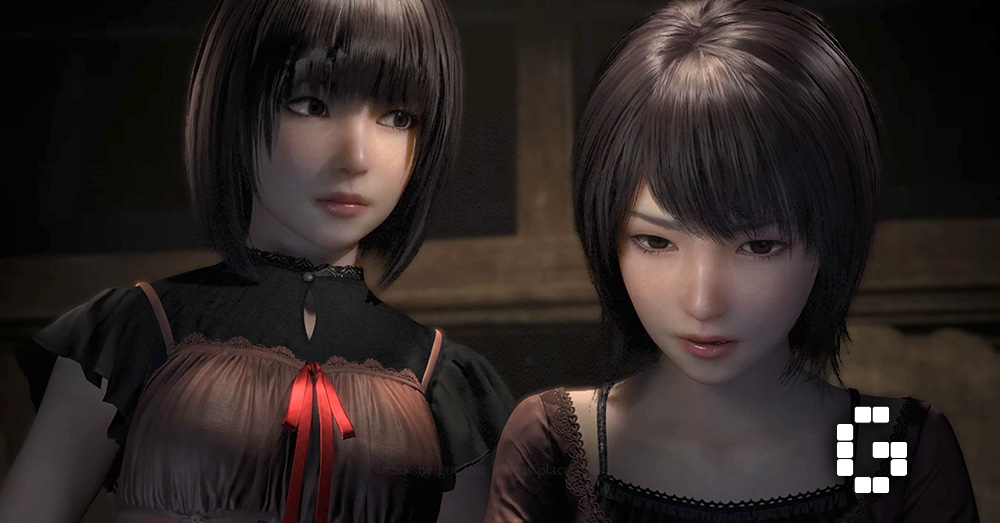
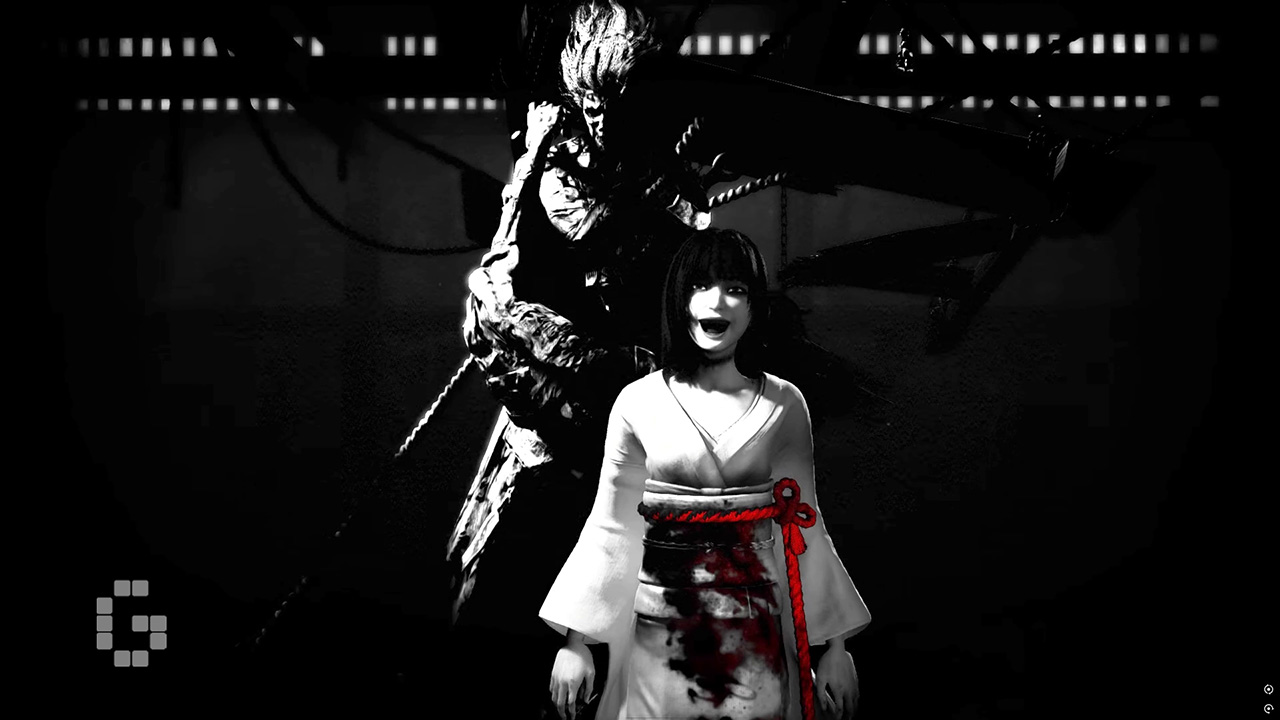
The game follows twin sisters Mio and Mayu, who wander into a forest near their childhood home and end up trapped inside a village that no longer exists in the normal world. All God’s Village is abandoned by the living but full of the dead, and from the moment the sisters arrive, there’s no way out. As Mio explores deeper, she uncovers the village’s dark history centering around a ritual called the Crimson Sacrifice, in which one twin must kill the other to keep a great darkness sealed beneath the earth. When that ritual failed long ago, the entire village was consumed in a single night, and the spirits left behind never found peace.
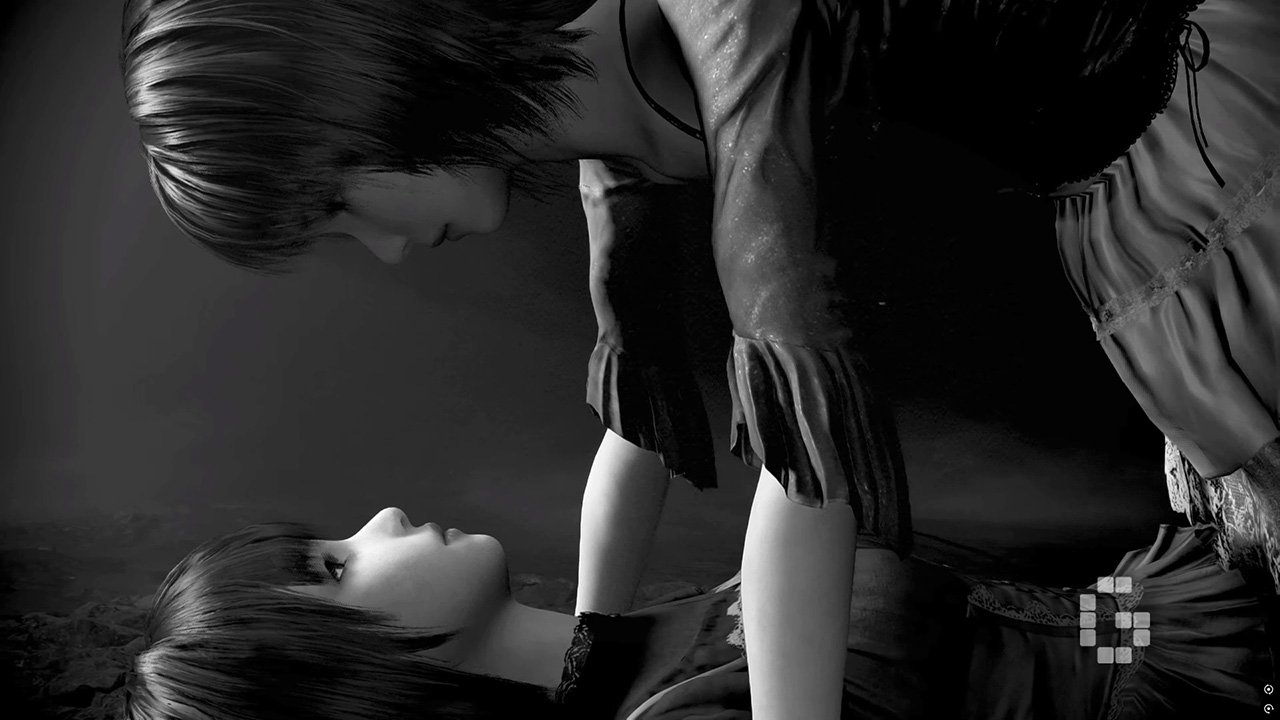
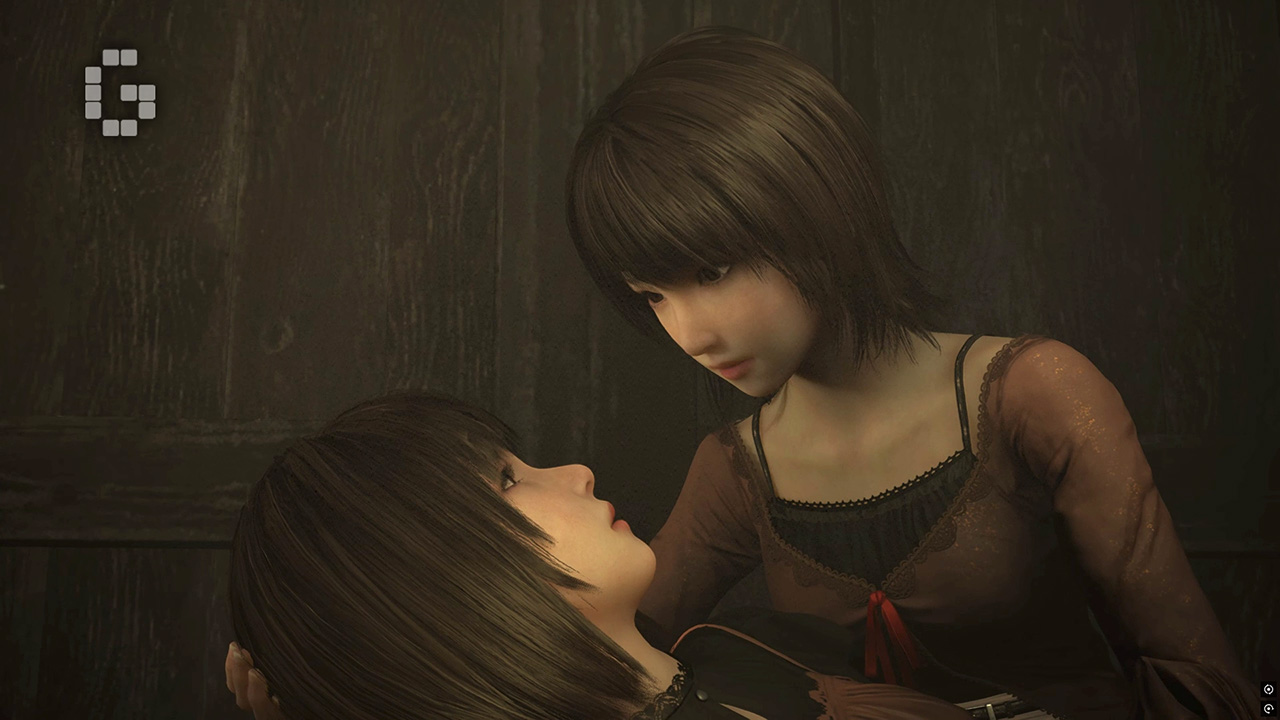
What makes the story work isn’t the ghosts or the setting but the relationship between Mio and Mayu. Mayu gradually drifts further from her sister, pulled by something the village seems to have a hold on her, and Mio’s desperate attempt to keep them together forms the emotional backbone of the entire game. The story ends in multiple ways, and this remake adds an exclusive new ending that wasn’t in any previous version. All of them leave an impression, but the weight of the central choice and what it demands of you is the part that doesn’t leave easily.
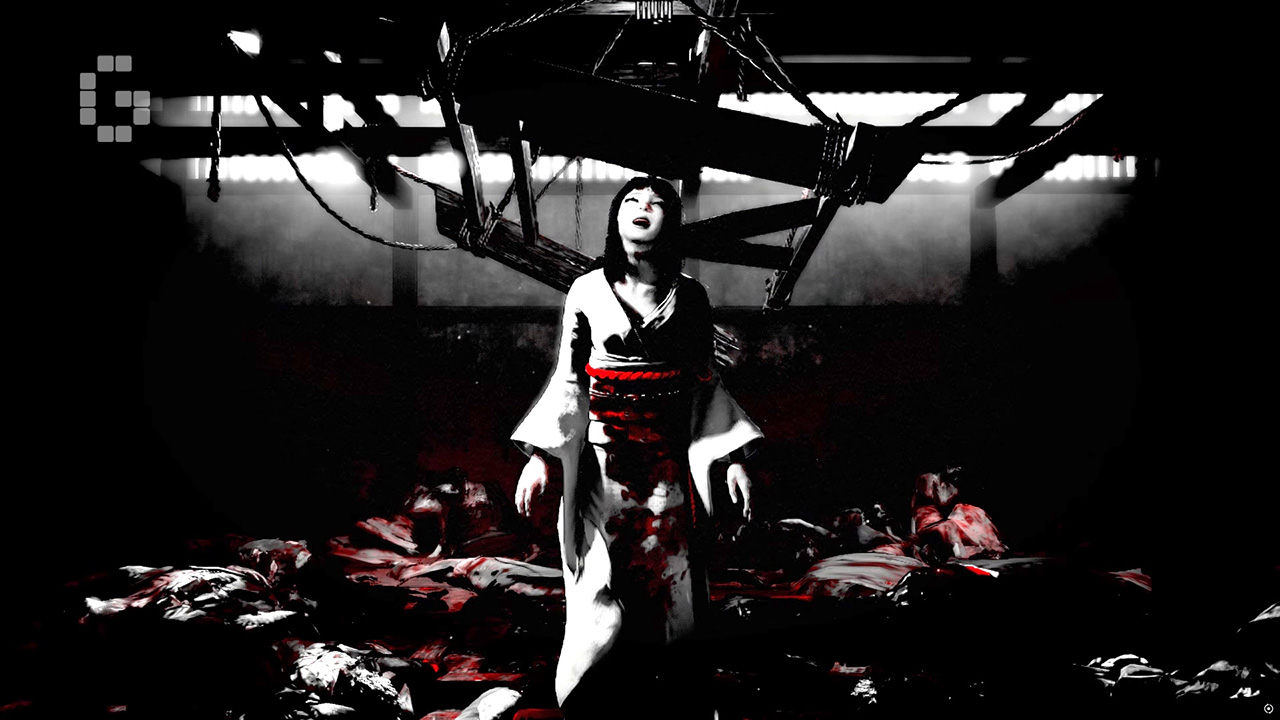
A Camera as a Weapon
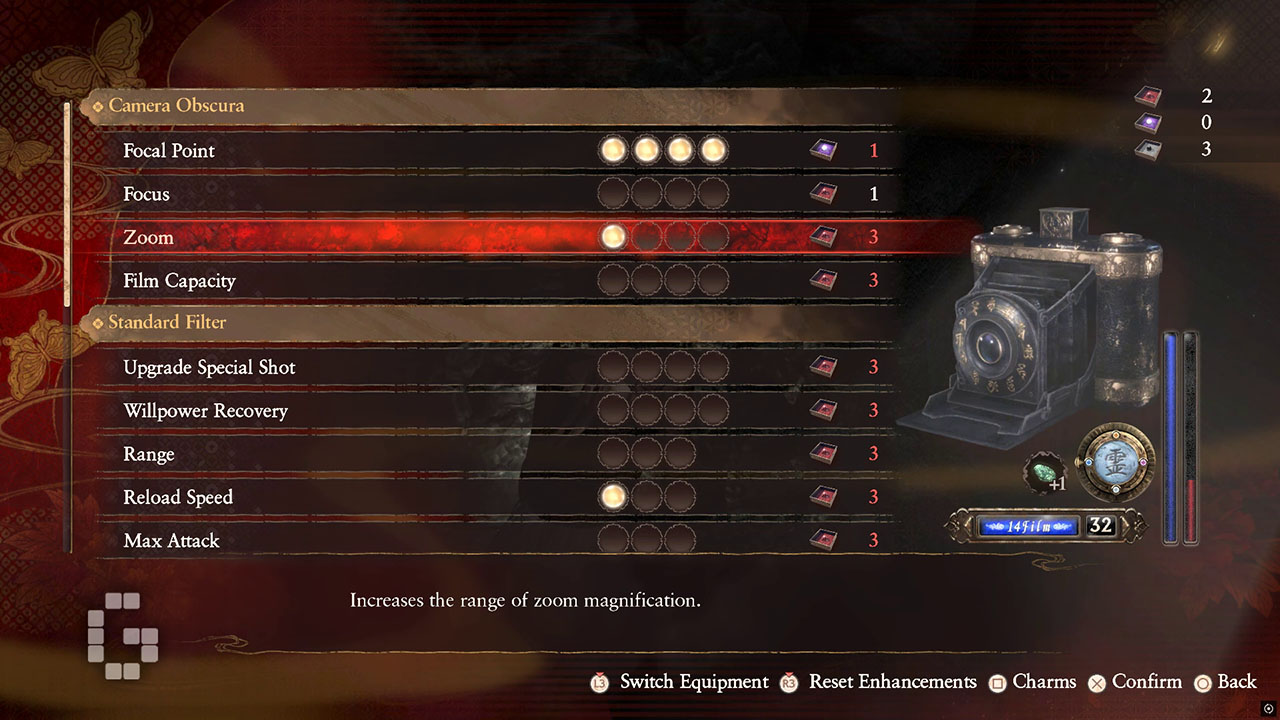
The core mechanic of Fatal Frame II is the Camera Obscura, a device used to fight ghosts by photographing them. Damage scales based on how well the camera locks onto a target, and when enough damage is dealt, a Fatal Time window opens up which is a brief moment where back-to-back shots deal heavy damage in quick succession. It’s an inventive system that hasn’t lost its appeal, and this remake expands it considerably.
Players can now zoom in to photograph spirits from a distance without being detected, or zoom out to capture multiple ghosts in one wide shot. Focus can be adjusted manually or set to auto-lock, with more precise aiming rewarding noticeably higher damage. On top of that, four filters have been introduced, each with a distinct purpose in both combat and exploration.
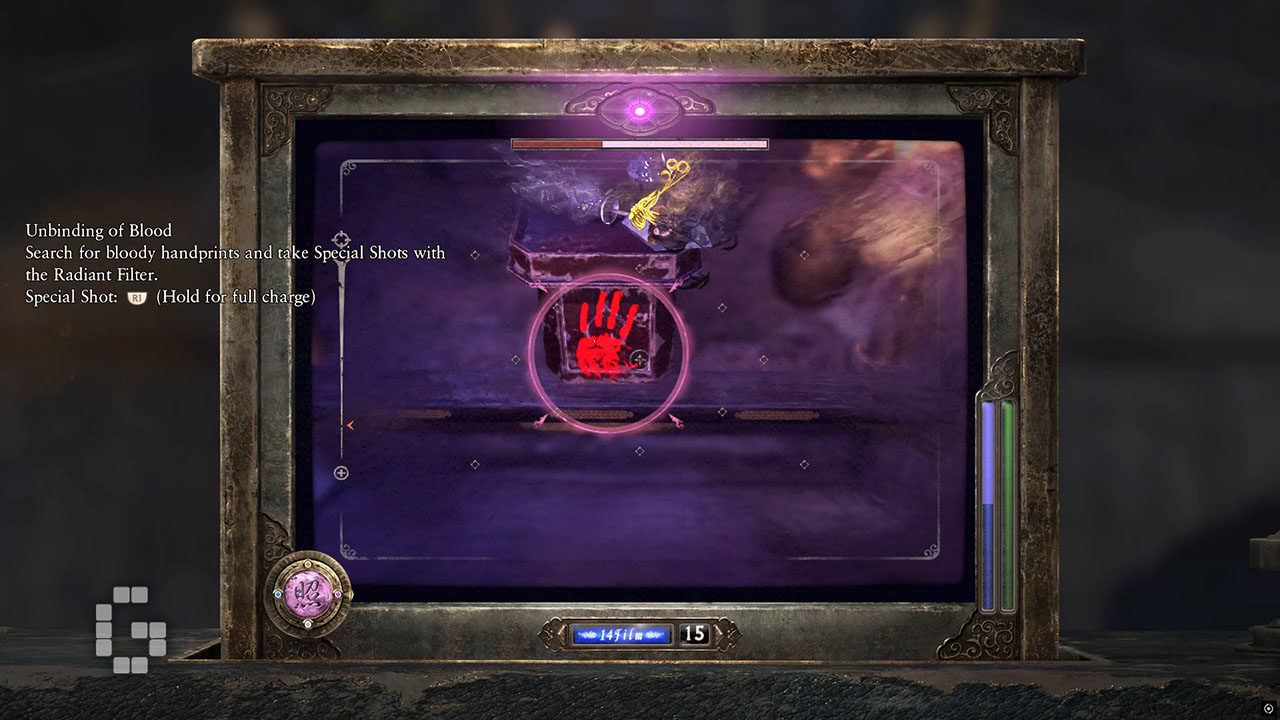
The Paraceptual Filter extends your range and reveals memories embedded in the environment that help piece together the village’s past. The Exposure Filter restores vanished objects and exposes invisible spirits. The Radiant Filter clears bloodstained seals that block certain paths. Each filter also comes with its own Special Shot with effects that range from temporarily blinding a spirit to releasing a charged burst of damage with each one having its own upgrade path, giving players a light but satisfying layer of customisation depending on how they like to play.
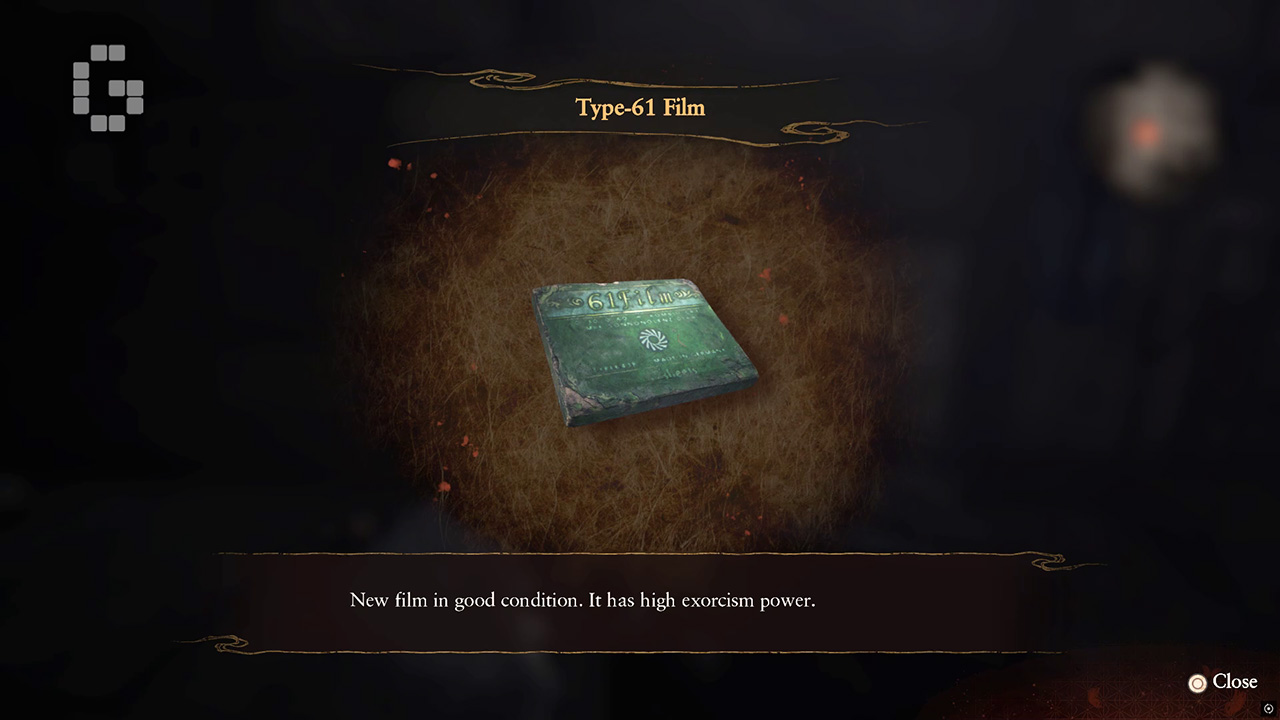
Film serves as ammunition and comes in different types with varying power levels. Managing your supply is part of the tension, especially in tougher fights where every shot matters. A new mechanic also lets Mio hold Mayu’s hand to restore both health and willpower, a small touch that ties gameplay directly to the story in a way that feels natural.
With Team Ninja involved in the development, their influence on the action side of things is noticeable. A proper dodge system and a grab-break mechanic give players more tools to work with in combat, making encounters feel more responsive without pulling the game away from its survival horror roots. Spirits can also enter an Aggravated state, regenerating health and becoming more aggressive, which raises the stakes and demands more careful play. The system as a whole is methodical and tense, but it can start to feel repetitive over time. The loop of exploring dark corridors and raising the camera against the next spirit is consistent throughout, and for players less invested in the atmosphere or story, that cycle may start to wear thin before the game is over.
A Village Designed to Make You Uncomfortable
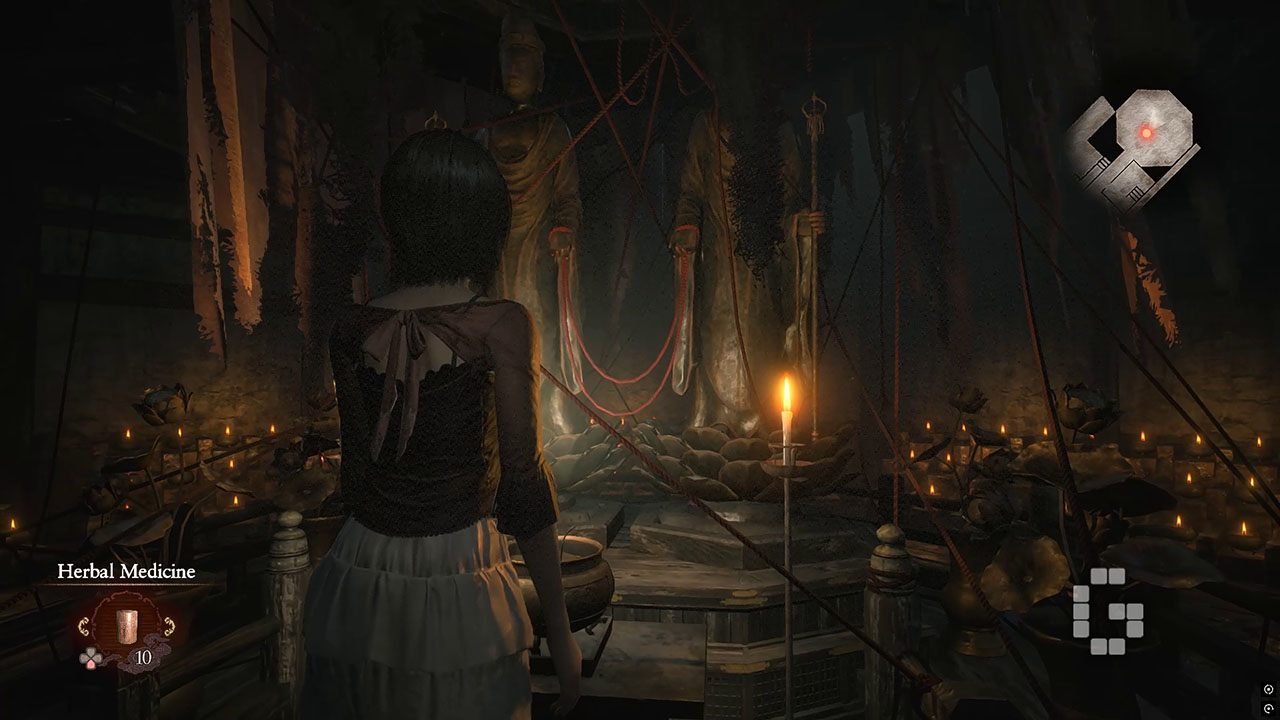
Minakami Village is built to keep you on edge. Indoor spaces are tight and claustrophobic, while the village grounds carry a different kind of unease with open spaces that feel completely wrong. Updated lighting makes every shadow feel occupied, and the decay in each environment feels real in a way the original couldn’t quite achieve. Two entirely new areas have been added for this remake. The Umbral Mound, surrounded by dense bamboo and sealed with heavy rope, carries a suffocating atmosphere from the moment you enter. The Eikado Temple, lit by candlelight and dominated by twin statues bound together at its centre, is one of the most visually striking locations in the game. Both areas expand the lore meaningfully and feel like they belong rather than being added just for the sake of it.
Exploration is encouraged throughout. Broken Spirit Stones unlock side stories for individual characters, and Twin Dolls scattered across the village can be photographed together to earn items through the Point Exchange system. There’s always a reason to look carefully and move slowly, which suits the game’s pace well.
The downside is backtracking. Returning to the same areas multiple times is unavoidable as the story progresses, and the village isn’t large by modern standards. Once the initial sense of discovery fades, passing through the same corridors again and again can quietly wear down the tension the game works hard to build. It doesn’t break the experience, but it’s noticeable.
Visuals and Sound That Do the Work
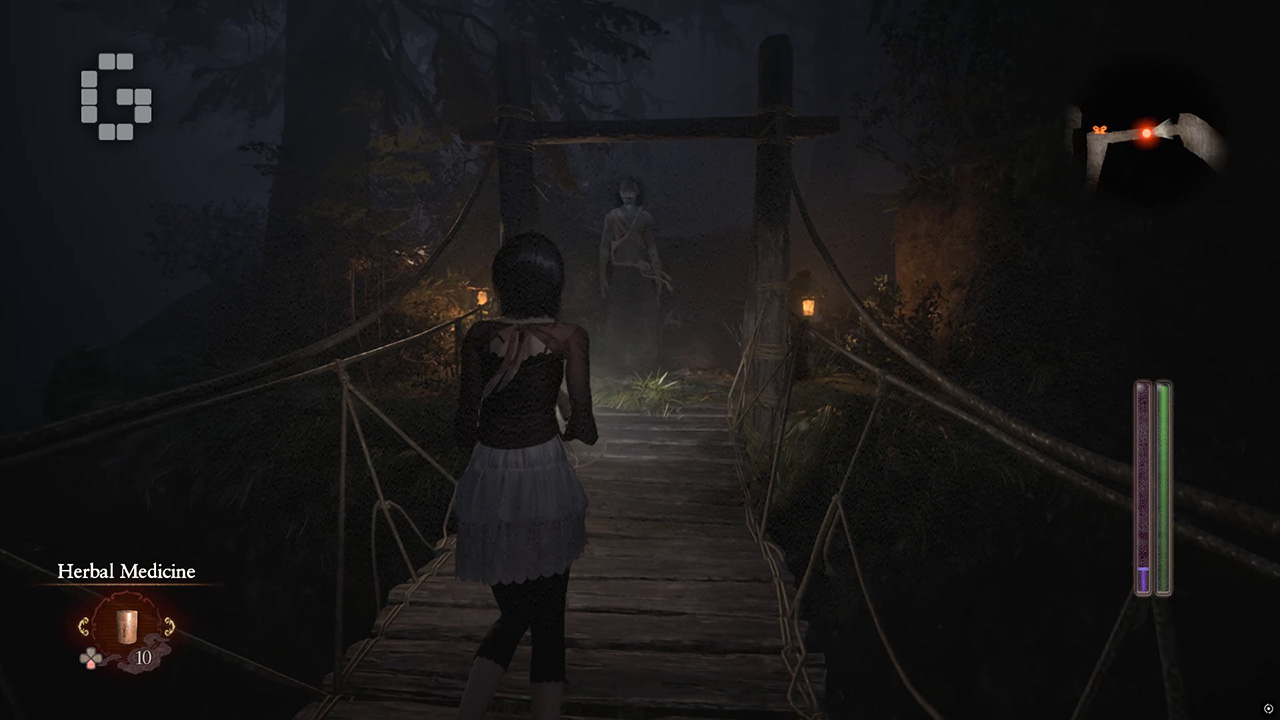
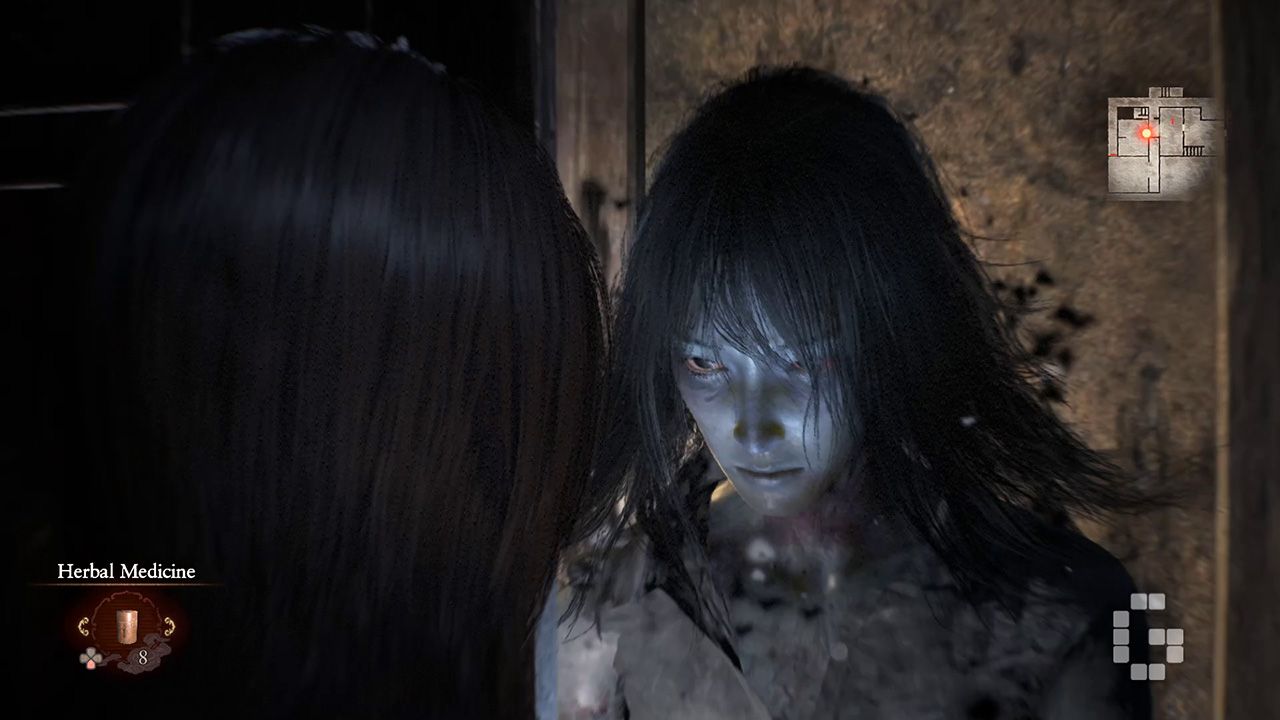
The visual upgrade is clear from the start. Character models have been rebuilt with noticeably more detail in skin, hair, and clothing. The village environments have been reworked with a sharper interplay of light and shadow with candle flames flickering, moonlight bleeding through broken walls, and every surface looking genuinely worn down. It’s not a flashy game, but the visuals do exactly what they need to: make you uncomfortable.
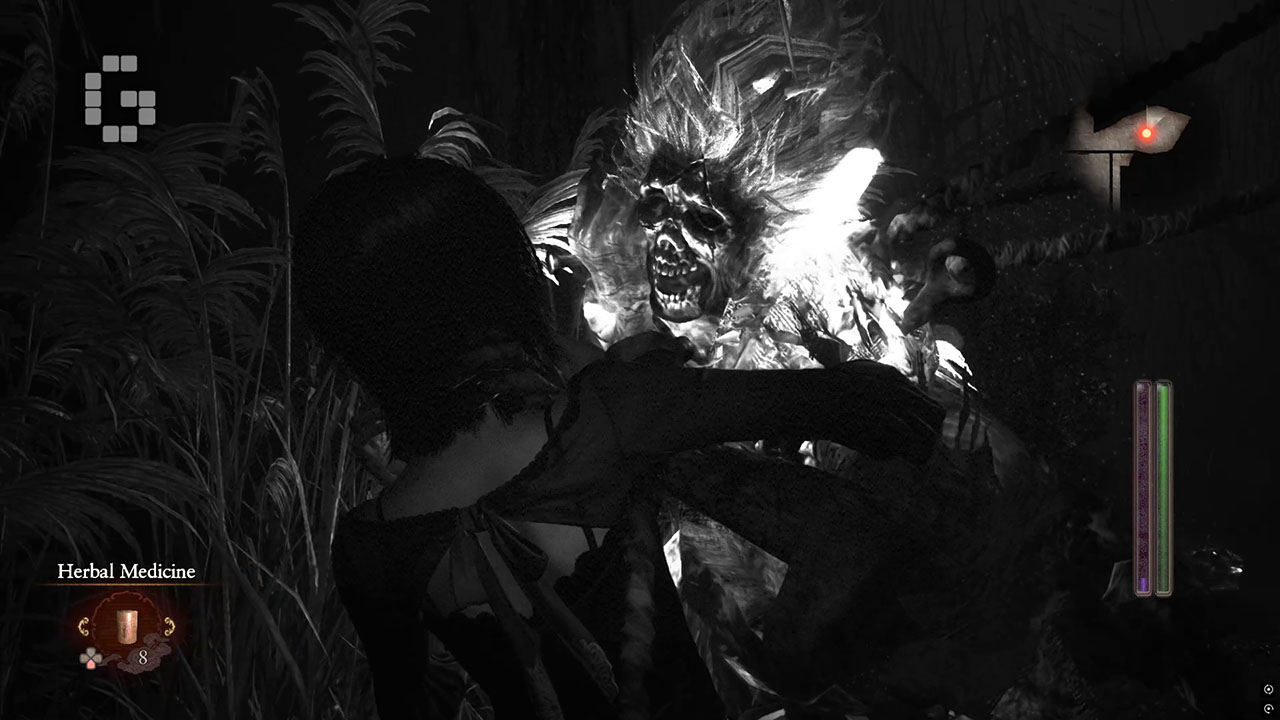
Character animations, though, haven’t received the same attention as the models. Movement can feel stiff, and some cutscene animations don’t match the quality of the character work on display. It’s a gap that stands out for a remake of this scope.
The sound design is a real strength. Spatial audio lets players sense spirits before they become visible, which keeps the tension high even in quieter moments. The series’ signature vocal score remains as effective as it’s always been, and a new song written for this remake, “Utsushie” by Tsuki Amano, fits the game’s atmosphere well and stands out as a memorable addition.
Reasons to Come Back
After finishing the main story, there’s a reasonable amount of content to return for. Multiple endings, including the new one exclusive to this remake, require specific conditions to unlock, giving repeat playthroughs a clear purpose. Progress carries over between runs, new costumes become available, and the Point Exchange gives players items that can change how later playthroughs feel. Side stories for supporting characters reward thorough exploration with additional lore that adds depth to the main story without being required to understand it. It’s a lean post-game, but it’s well put together for a game of this length.
Verdict
FATAL FRAME II: Crimson Butterfly REMAKE is a careful and genuine update of a game that earned its reputation the hard way, not through spectacle but through dread and emotional weight. The new visuals and audio bring the village to life more fully than the original ever could, and the additions, from the new areas to the exclusive ending to the expanded camera system, feel like the work of people who understood what made this story worth telling again.
It’s not without its issues. The backtracking wears on you, the pace is slow by modern standards, and the map is limited in scale. But for players willing to sit with it, FATAL FRAME II: Crimson Butterfly still delivers the kind of survival horror that stays with you, not because of what it throws at you but because of what it quietly asks you to do.
Played on PC





The Review
FATAL FRAME II: Crimson Butterfly REMAKE
PROS
- A deeply affecting story built around one of survival horror's most memorable emotional cores.
- The Camera Obscura system remains inventive and satisfying, now deepened with filters, focus, zoom, and upgrades.
- New areas, side stories, and an exclusive ending add genuine value for returning players.
- Upgraded visual and audio overhaul that makes the village feel more alive and oppressive than ever before.
CONS
- The gameplay loop can feel repetitive, especially for players less invested in the atmosphere.
- Frequent backtracking through the same areas gradually chips away at the tension.
- Character animations can still feel a little stiff at times, even with the visual upgrade.