





![[BIC2026] Hiroaki Nagashima from Toei Games Talks New IPs, Indie Roots, and Asia-First Strategy](https://cdn.gamerbraves.com/2026/08/Toei-Games-BIC-2026_Interview_FI-360x180.jpg)
![[BIC2026] From Outsider to Organizer: How Isabella Seo Jungsook Helped Build Busan’s Indie Game Scene through BIC](https://cdn.gamerbraves.com/2026/08/Isabella-BIC-2026_Interview_FI-360x180.jpg)
![[BIC2026] CanOpener’s Logan Moon Opens Up About Dungeon Settlers Ahead of Its September Early Access Launch](https://cdn.gamerbraves.com/2026/08/Logan-Moon-BIC-2026_Interview_FI-360x180.jpg)

![[EXCLUSIVE] From PlayStation to Indie Advisor: Shuhei Yoshida Talks Games, AI, and the Future of the Industry](https://cdn.gamerbraves.com/2026/08/Shuhei-Yoshida-BIC-2026-Exclusive_Interview_FI-360x180.jpg)
Monster Hunter Stories 3: Twisted Reflection represents the most ambitious evolution of Capcom ‘s monster-collecting RPG sub-series to date. As the third mainline entry in the Monster Hunter Stories franchise, it builds confidently on the systems introduced in earlier titles while pushing the formula toward a more mature, systems-driven experience. With a stronger emphasis on story, significantly deeper customization, and a new focus on ecosystem management, this installment feels less like a spin-off and more like a core pillar of the Monster Hunter universe. Having spent over 100 hours exploring the game on PlayStation 5, we can confirm that Monster Hunter Stories 3 delivers a deep and rewarding experience that unfolds gradually over time.
A Darker Story and a New Identity
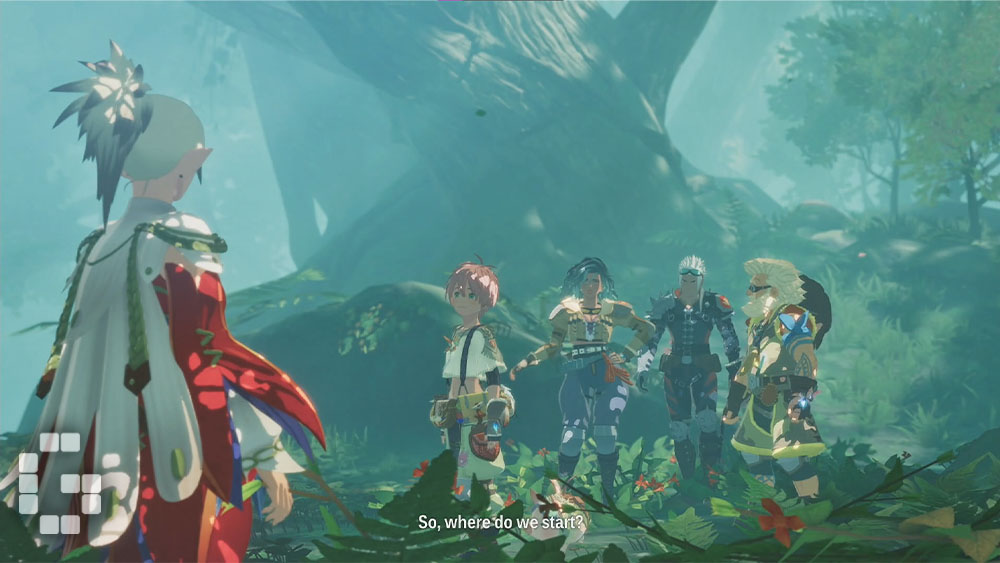
For the first time in the series, players no longer take on the role of a Rider. Instead, the protagonist is known as a Ranger, a title that directly reflects the game’s central theme of environmental restoration and balance. Set across the lands of Azuria and Vermeil, the story unfolds against the backdrop of ecological collapse caused by a mysterious phenomenon known as Crystallization.
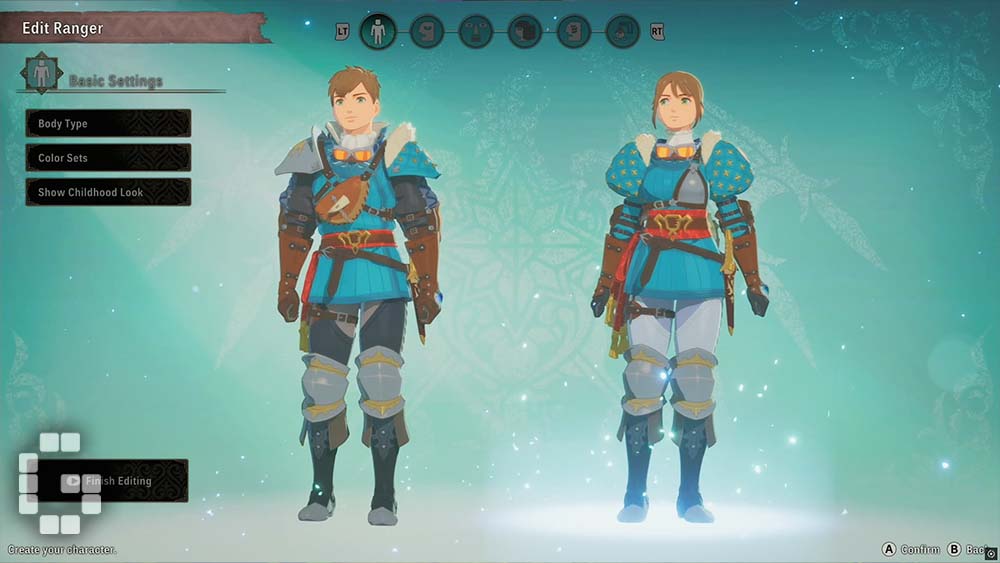
Being a Ranger is closely tied to the game’s Habitat Restoration system, as much of the player’s role revolves around restoring balance to damaged ecosystems. This includes locating endangered monster eggs, hatching them, and releasing Monsties back into the wild to stabilize affected regions.
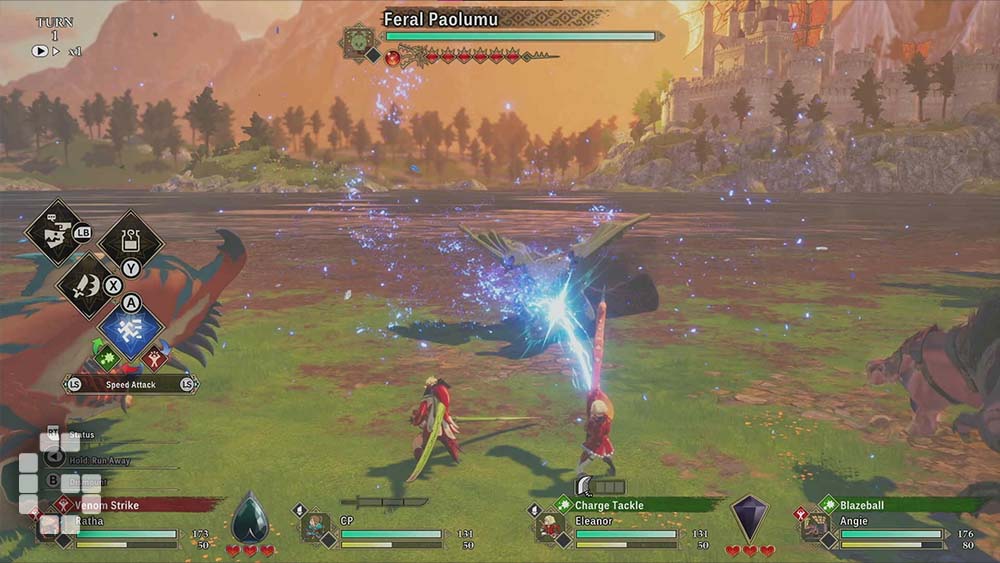
Crystallization spreads across the land, destroying nature and corrupting living beings. Monsters afflicted by it become Feral Monsters, exhibiting far more aggressive behavior and significantly higher threat levels. These Feral Monsters introduce new mechanical challenges, as attacking their crystallized parts during the wrong phase can trigger powerful counterattacks.
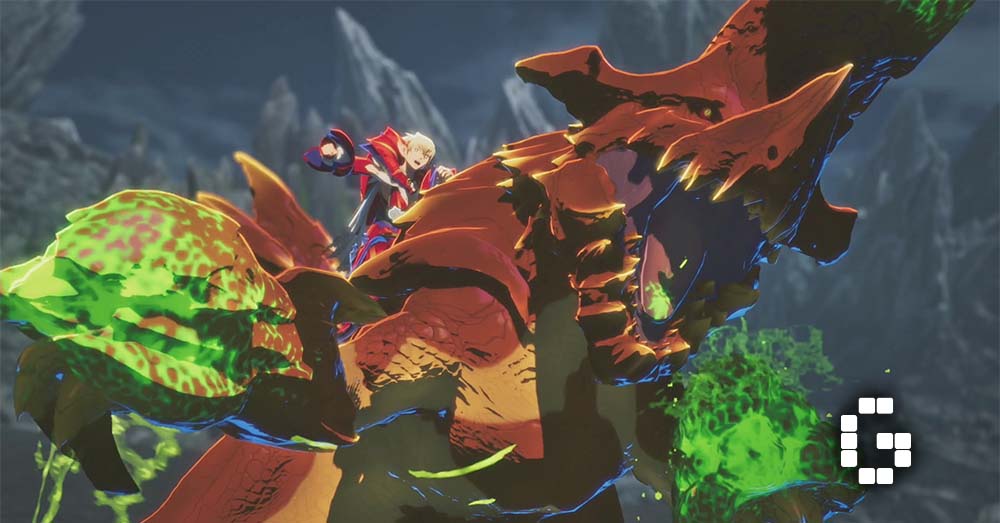
Hope briefly emerges with the discovery of a Rathalos egg, believed to be impossible. That hope is quickly complicated when the egg hatches not one, but twin Rathalos, both bearing the Skyscale marking tied to ancient disaster. With two nations, two Rathalos, and a world on the verge of collapse, Monster Hunter Stories 3 presents a narrative that is more confident, more focused, and far more emotionally grounded than previous entries. In terms of overall presentation and writing, the story is noticeably stronger than both Monster Hunter Stories and Monster Hunter Stories 2: Wings of Ruin.
Habitat Restoration: The Core of the Experience
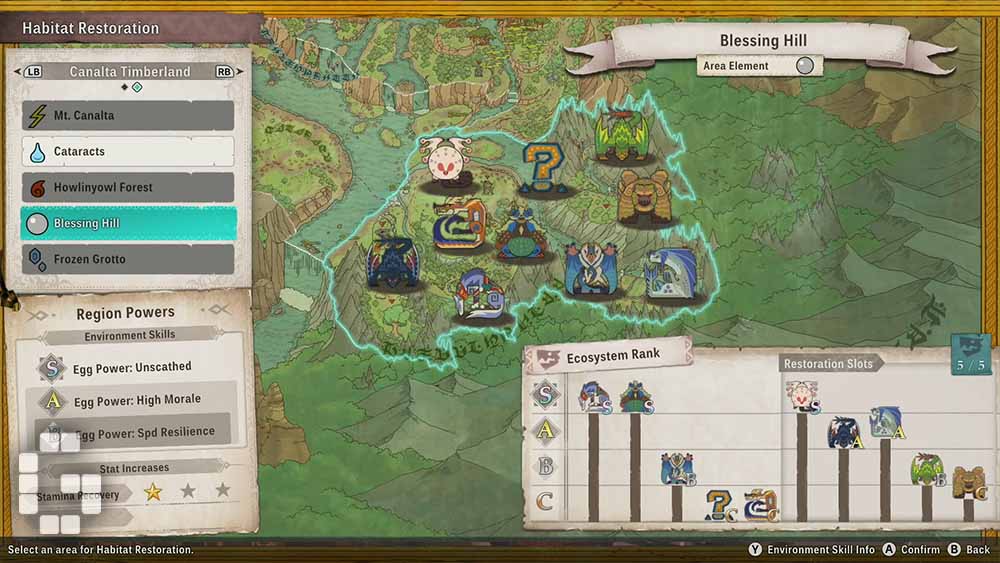
The defining feature of Monster Hunter Stories 3: Twisted Reflection is Habitat Restoration, a system that fundamentally reshapes how progression works. Rather than simply collecting Monsties for battle, players are encouraged to actively restore ecosystems by hatching monsters and releasing them back into the wild.
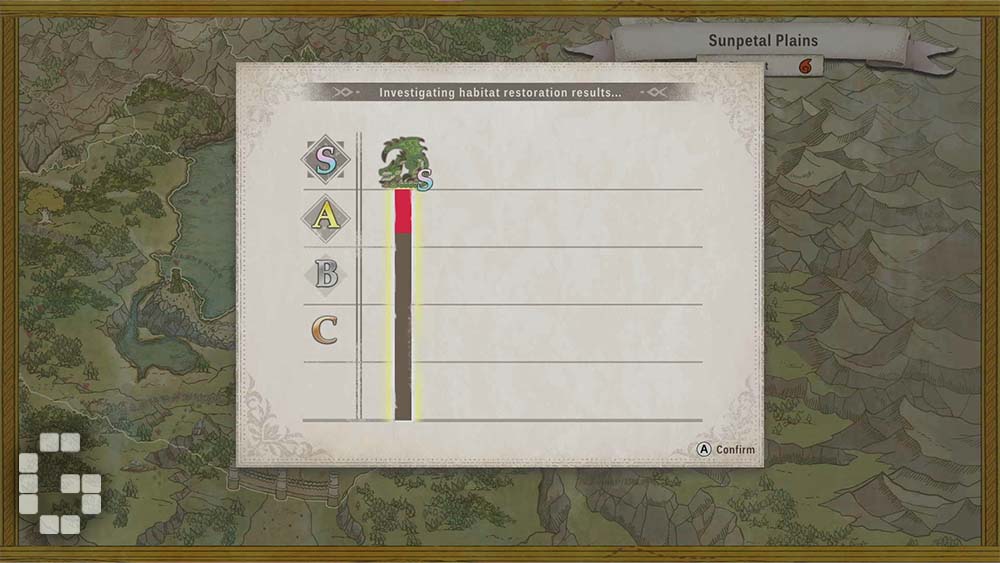
Each region tracks species ranks, which increase as monsters are reintroduced into their natural habitats. Higher ranks unlock meaningful rewards, including improved egg quality, access to rarer genes, and stronger elemental traits
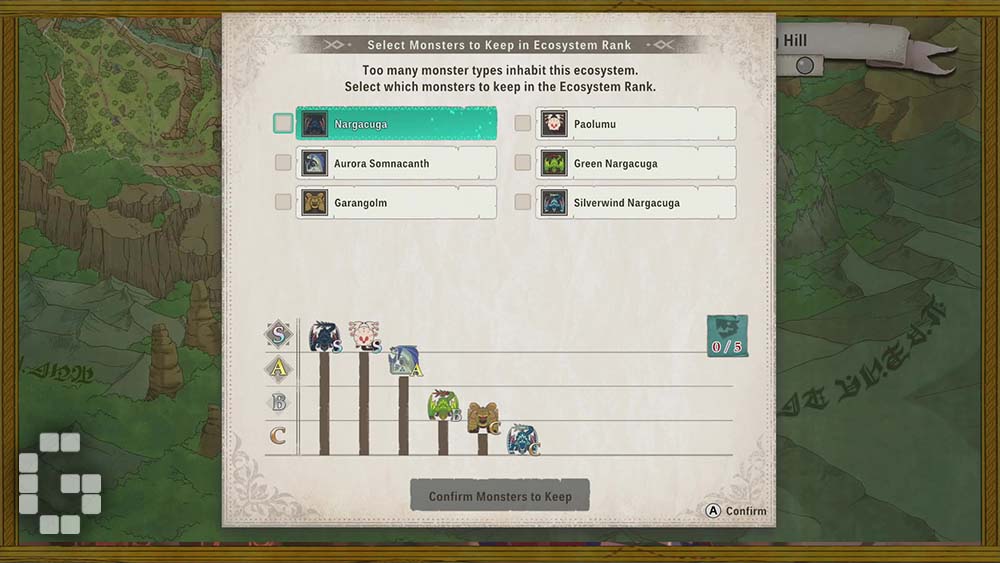
When a Monstie is released into a region with a different elemental alignment, its eggs may inherit that element, resulting in altered colouration and improved proficiency with the applied element. These monsters will also begin spawning naturally in that region, allowing players to battle them, farm materials, or collect additional eggs.
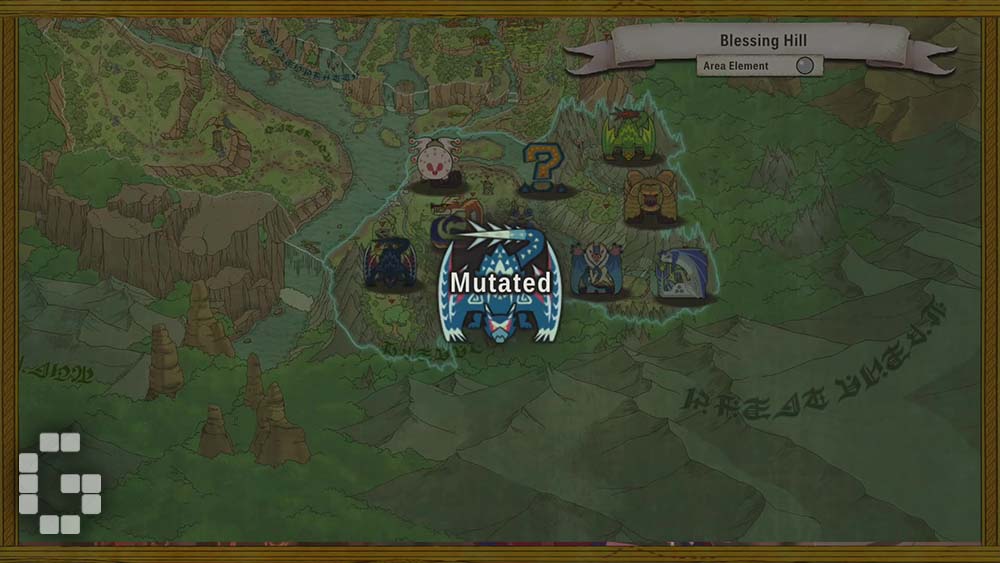
Certain conditions can also trigger mutations, including subspecies and deviant variants. Some of these mutations depend on environmental conditions or the presence of specific monsters within the same region, reinforcing Habitat Restoration as a system built on interdependence rather than simple progression.
When it comes to mutating Monsties into subspecies or deviant variants, Monster Hunter Stories 3: Twisted Reflection makes the process explicit and easy to track. The game clearly lists the requirements needed for a Monstie to mutate, and these details are accessible in the Monsterpedia, allowing players to plan their habitat and egg strategies without guesswork. This transparency ensures that mutations feel like a reward for thoughtful ecosystem management rather than a hidden or random mechanic.
Invasive Monsters and the Risk–Reward of Restoration
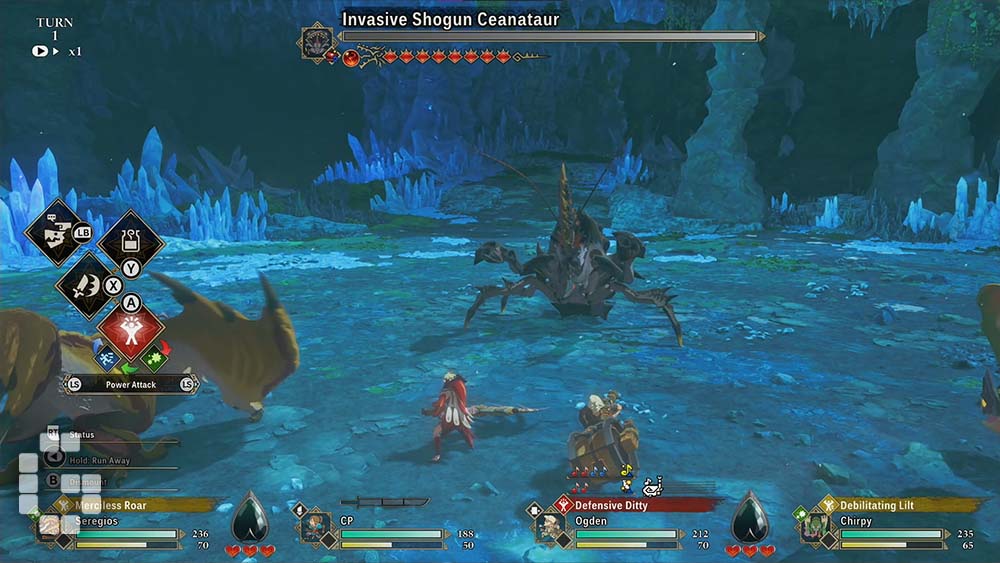
Another key system reinforcing Monster Hunter Stories 3: Twisted Reflection’s ecosystem-driven design is the introduction of Invasive Monsters. These are powerful creatures that have overtaken the nests of other monsters, disrupting local habitats and halting natural restoration progress. In early encounters, Invasive Monsters are deliberately overwhelming. They are not designed to be fought head-on, with health pools and damage output that make direct confrontation impractical, if not impossible, at that stage of progression. The game is explicit in its intent here: survival and strategy take priority over brute force.
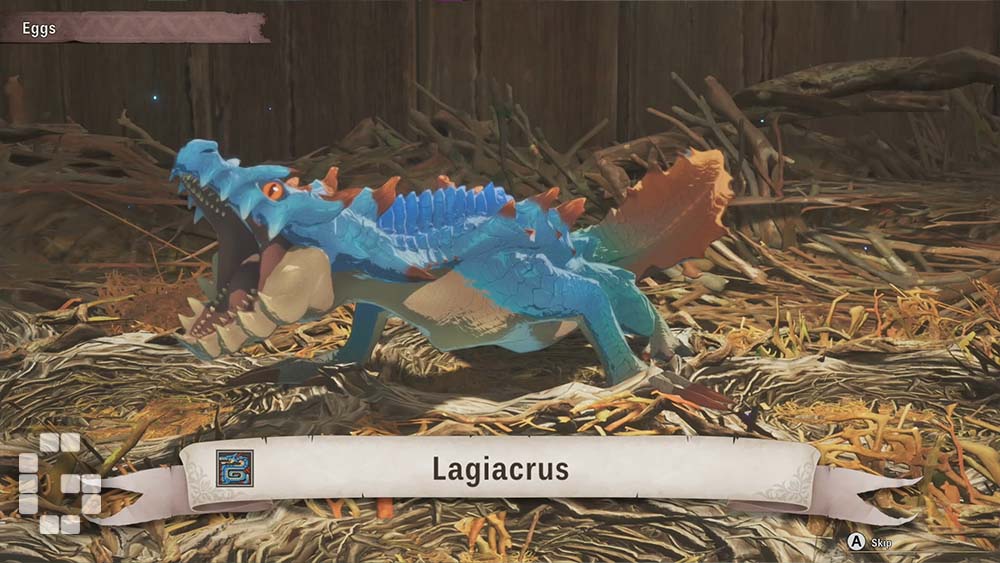
Rather than defeating them outright, players are tasked with driving Invasive Monsters away by fulfilling specific, contextual requirements during the encounter. These conditions are subtly communicated through companion dialogue and behavior, offering clues without ever spelling out the solution directly. Paying attention to battlefield cues, companion reactions, and the monster’s behavior becomes essential. Successfully meeting these requirements forces the Invasive Monster to retreat, reinforcing the idea that understanding the ecosystem is just as important as raw combat efficiency.
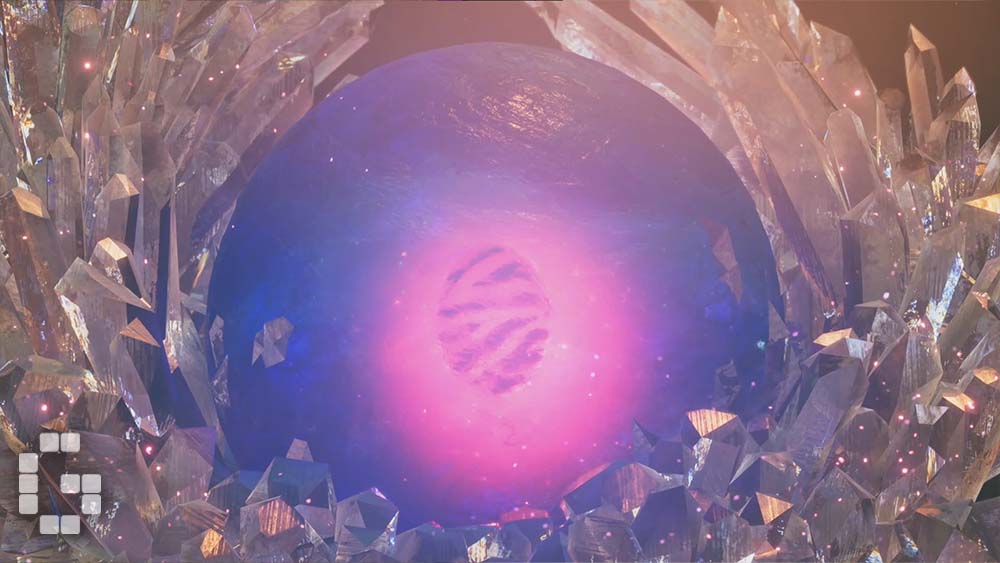
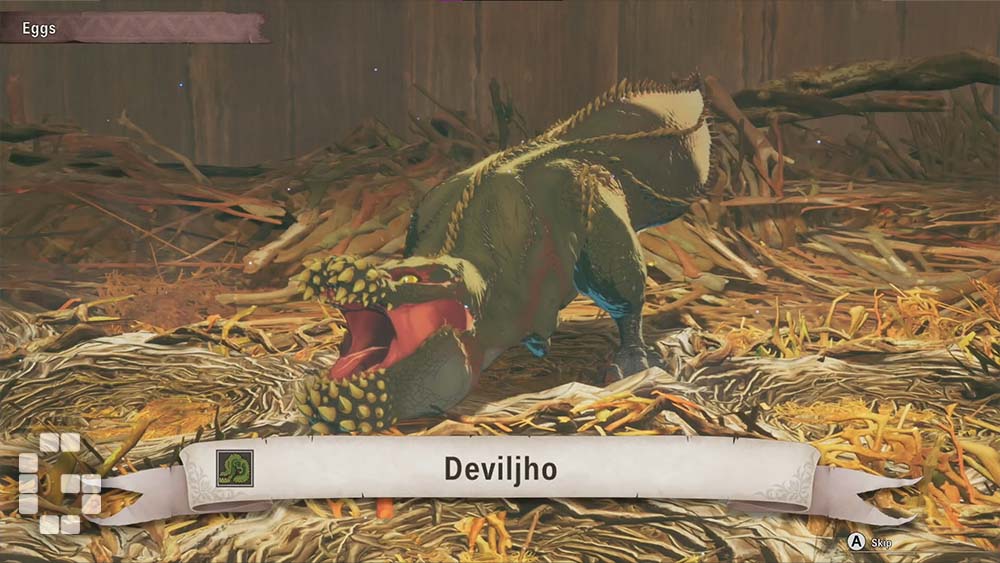
Once driven away, the Invasive Monster returns to its original nest and falls into a dormant state. This creates a narrow but valuable opportunity to infiltrate the nest and steal an egg. These eggs typically contain species that cannot be found in the wild, such as Nargacuga or Lagiacrus, making this system a critical method for expanding the game’s ecological roster. Introducing these species into additional regions allows players to actively reshape habitats, tying directly back into the Habitat Restoration system and regional species rankings.
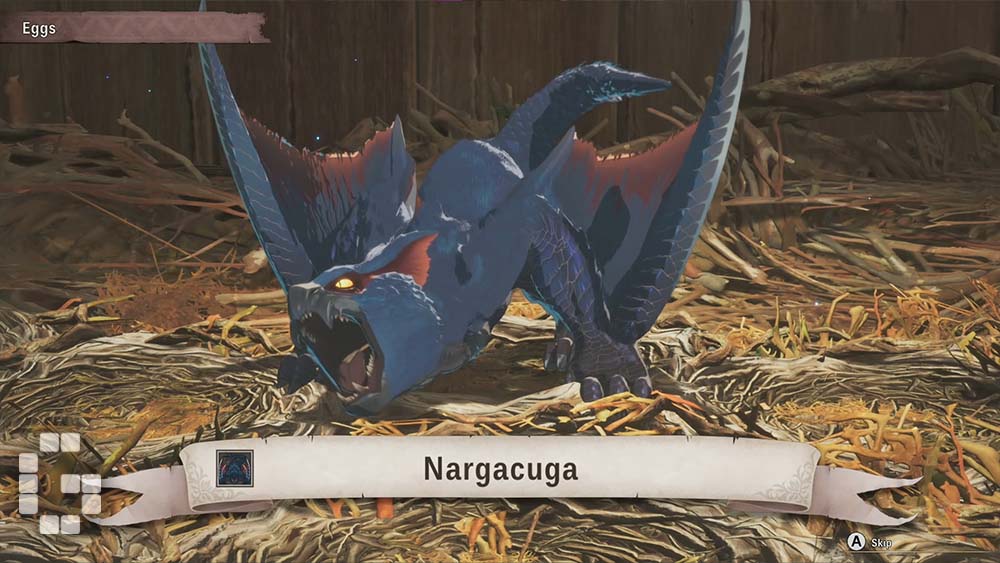
This process also carries long-term progression implications. By successfully integrating these species into new environments, players can eventually trigger further mutations, leading to additional subspecies and variant monsters becoming available over time. In this way, Invasive Monsters act as both obstacles and catalysts, linking combat challenges with long-term ecosystem growth. While it is technically possible to confront these monsters again at their nests, their massively inflated health pools make victory unrealistic without extensive preparation, reinforcing their role as late-game tests rather than standard encounters.
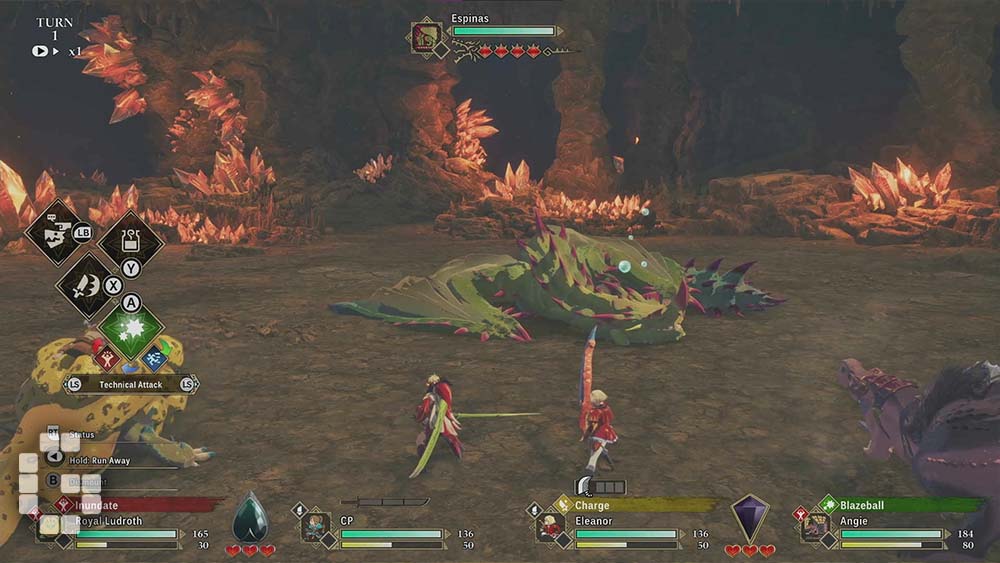
Together, Invasive Monsters and Habitat Restoration form a tightly interwoven system, one that emphasizes patience, observation, and careful consideration. Adding a monster to a habitat isn’t just a simple choice—doing so immediately affects the egg pool, which can influence which Monsties that appear later. Deviant Monsties, for example, contribute to the egg pool but do not spawn in the overworld, meaning they cannot be fought directly. This makes each decision in building your habitats far more strategic, as players must weigh the potential benefits against how it could shape future eggs and available skills. Progress is measured not by what is slain, but by how the world is gradually restored—and reshaped—through informed decisions and calculated risks,
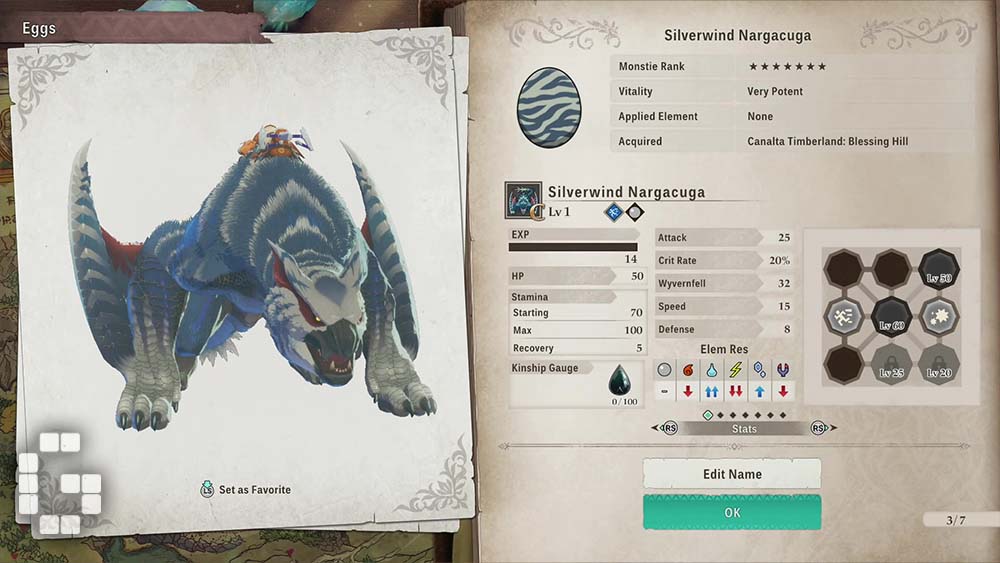
It is also worth noting that not every Monstie from Monster Hunter Stories 2: Wings of Ruin makes a return in Monster Hunter Stories 3: Twisted Reflection. A noticeable portion of the previous roster is absent, which may disappoint players who had strong attachments to specific Monsties. That said, Capcom clearly offsets this loss by introducing a meaningful lineup of new Monsties, many of which are tightly integrated into the game’s revised systems. But with perseverance in perfecting your habitat allows you to unlock rarer monsties, like the Silverwind Nargacuga, Ivory Lagiacrus, or Mizutsune.
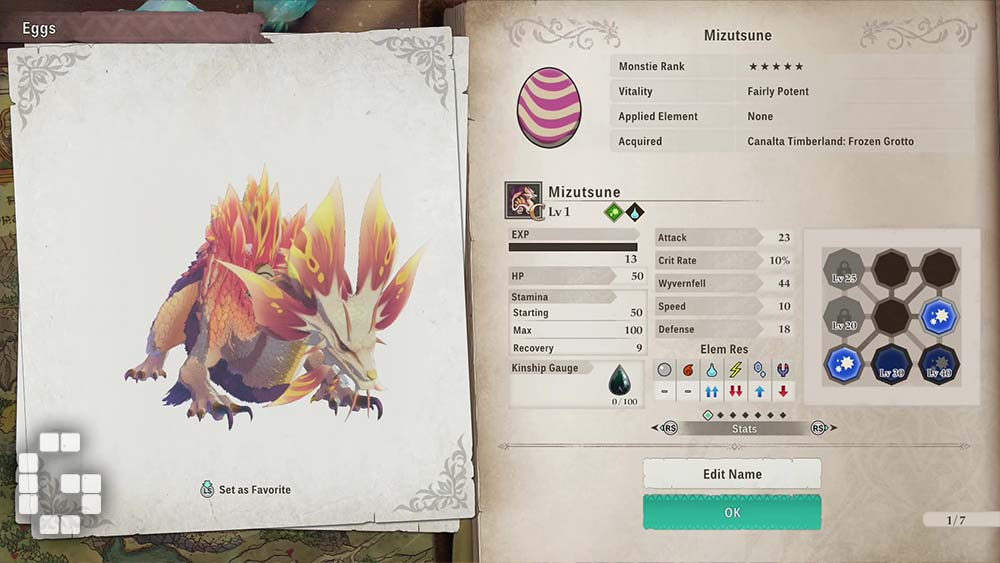
These new additions are not simply cosmetic replacements. They are designed with Habitat Restoration, Environment Skills, and mutation mechanics in mind, giving them unique growth paths and ecosystem interactions that did not previously exist. As a result, while the overall roster may feel leaner in certain legacy areas, the Monsties that are present feel more mechanically distinct, better balanced, and more deeply woven into the game’s core progression loop.
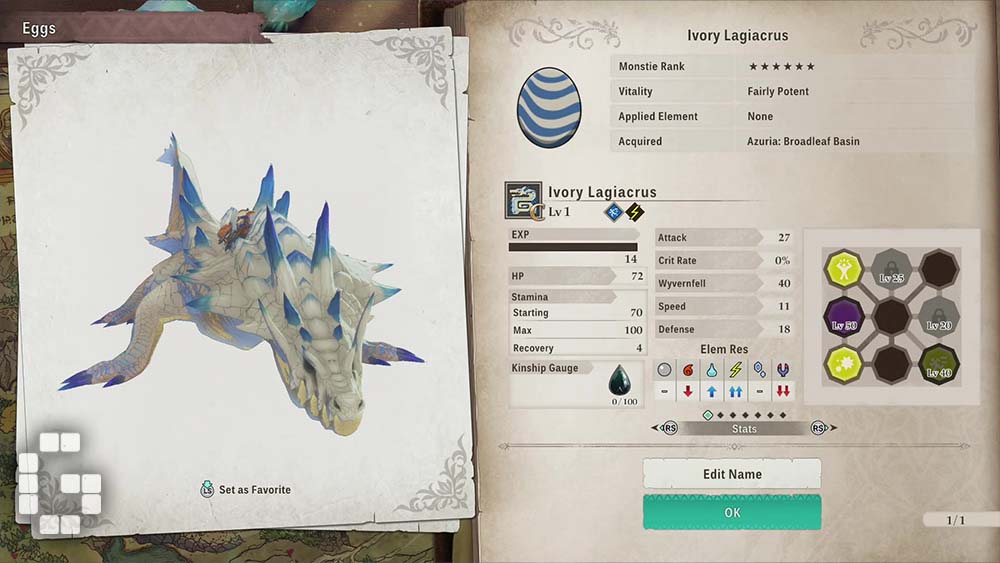
In previous entries, Deviant Variants—powerful alternate forms of familiar Monsties—were strictly post-game content, meaning players had to reach the endgame to encounter them. In Monster Hunter Stories 3: Twisted Reflection, Deviant Monsties are available from the start, giving players the chance to experiment with rarer genes, environment skills, and egg combinations much earlier in their adventure. This change not only diversifies early gameplay but also enhances planning for Habitat Restoration, gene collection, and Excursions.
Environment Skills and Smarter Builds
Habitat Restoration goes beyond simple progression. Each region features unique Environment Skills that Monsties can learn, but their rank in that region determines what skills are available. Lower-rank Monsties cannot access higher-rank Environment Skills, though they can still benefit from stat changes provided by the habitat. Once a species reaches Rank S in a region, it can fully unlock all available Environment Skills, allowing players to mix and match abilities from different areas. This encourages experimentation with mixed gene colours rather than pursuing traditional single-colour Bingo bonuses. By strategically sending Monsties on Excursions to other regions, players can further customize their builds, ensuring even early-game Monsties remain viable and competitive into the late game.
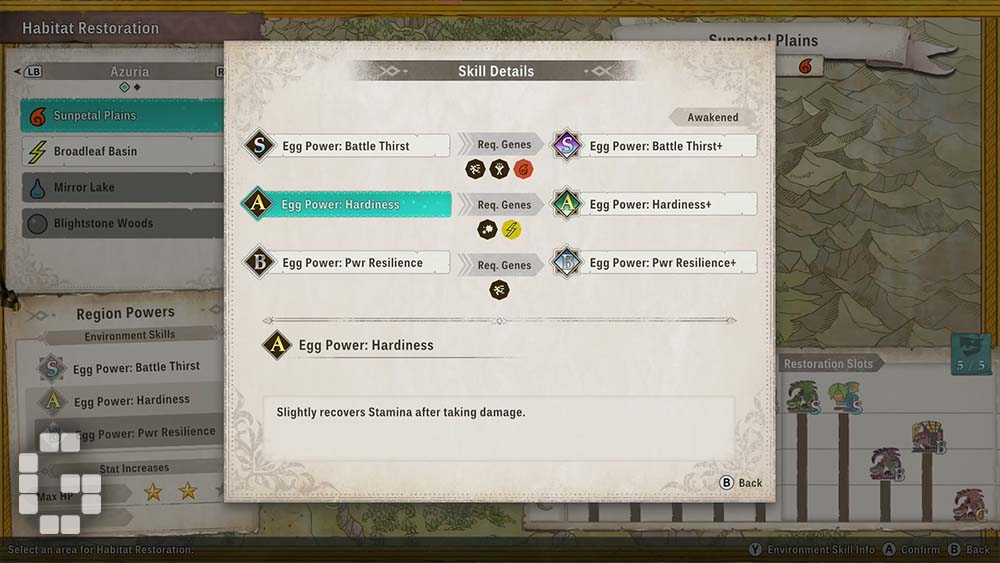
Environment Skills can also be awakened through corresponding genes within a Monstie’s Bingo board. This means that instead of always chasing single-colour Bingo bonuses, mixed gene setups can provide meaningful advantages depending on the environment.
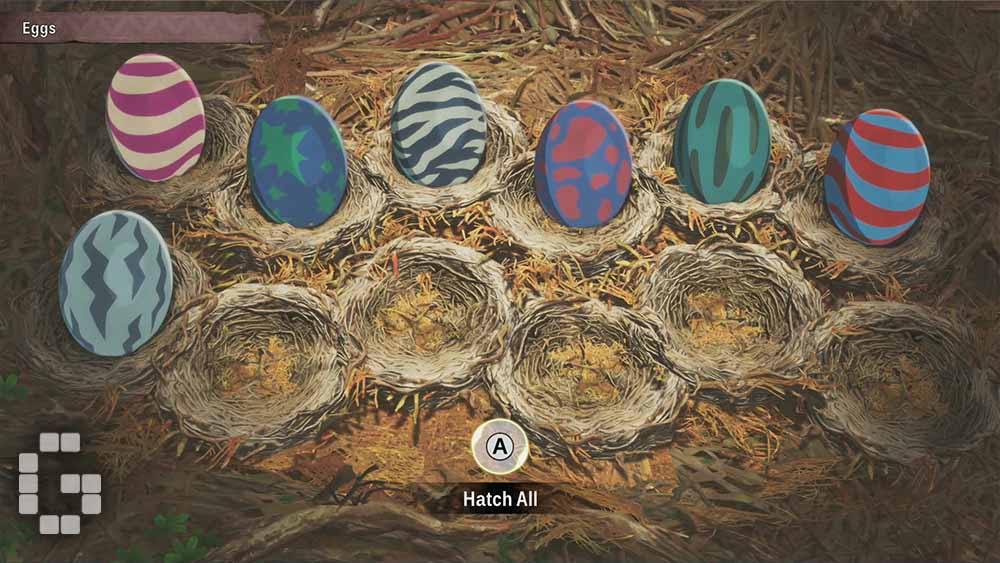
Each habitat in Monster Hunter Stories 3: Twisted Reflection can hold up to 10 monsters, with five slots reserved for native species and five flexible slots that players can fill or remove at will. Adjusting which monsters occupy these additional slots directly affects the ecosystem, influencing how eggs spawn and which species appear stronger or rarer. This system encourages experimentation, as carefully managing both native and non-native populations can lead to higher-quality eggs, new mutations, and the opportunity to introduce powerful Monsties into other regions.
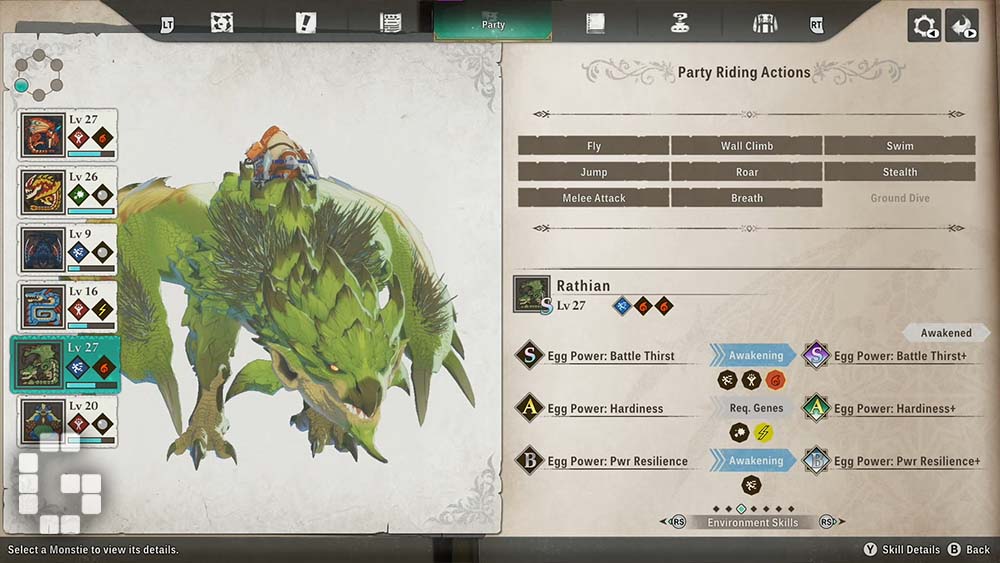
By sending Monsties to different regions, players can mix and match Environment Skills, allowing for deeper and more flexible builds. However, each Monstie can only equip up to three Environment Skills, ensuring that meaningful choices still matter.
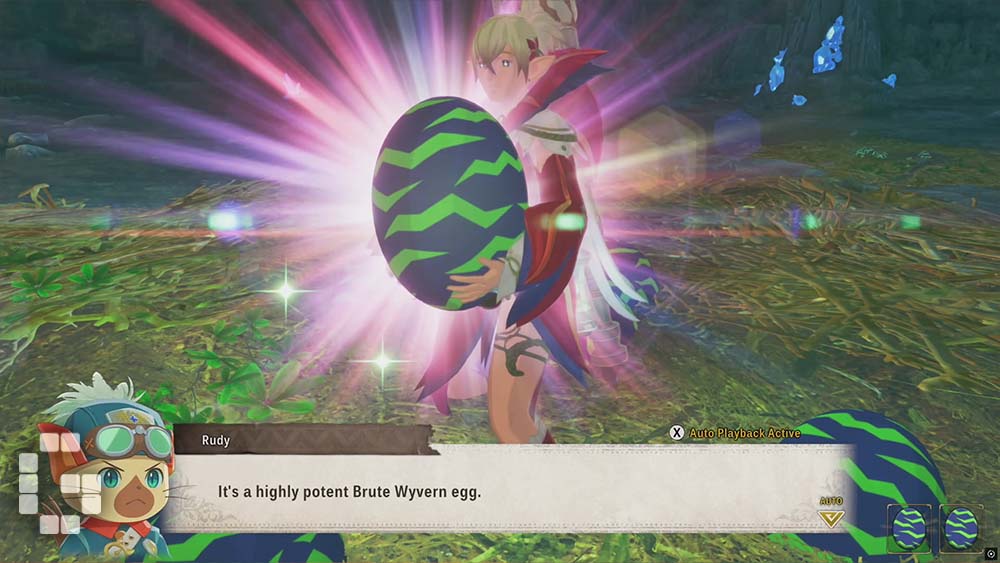
One of the most impactful consequences of the Environment Skill system is how it redefines Monstie viability. Monsties obtained early in the adventure are not inherently outclassed as the game progresses. Instead, they can be continuously strengthened by sending them on Excursions to other regions, allowing them to acquire additional Environment Skills tied to those maps. Because these skills are linked to regional species ranks rather than raw monster rarity, even early-game Monsties can remain competitive well into the endgame.
This system allows players to commit to a favorite Monstie from the opening hours and carry it through the entire experience without feeling mechanically disadvantaged. Through repeated Excursions, players can deliberately shape a Monstie’s role by mixing Environment Skills from different regions, refining gene combinations, and adapting builds to late-game combat demands. Rather than encouraging constant replacement, Monster Hunter Stories 3: Twisted Reflection rewards long-term investment and careful planning, reinforcing the idea that growth, adaptation, and ecological integration—not initial rarity—are what ultimately define a Monstie’s strength.
Expanded Monstie Customization With Genes
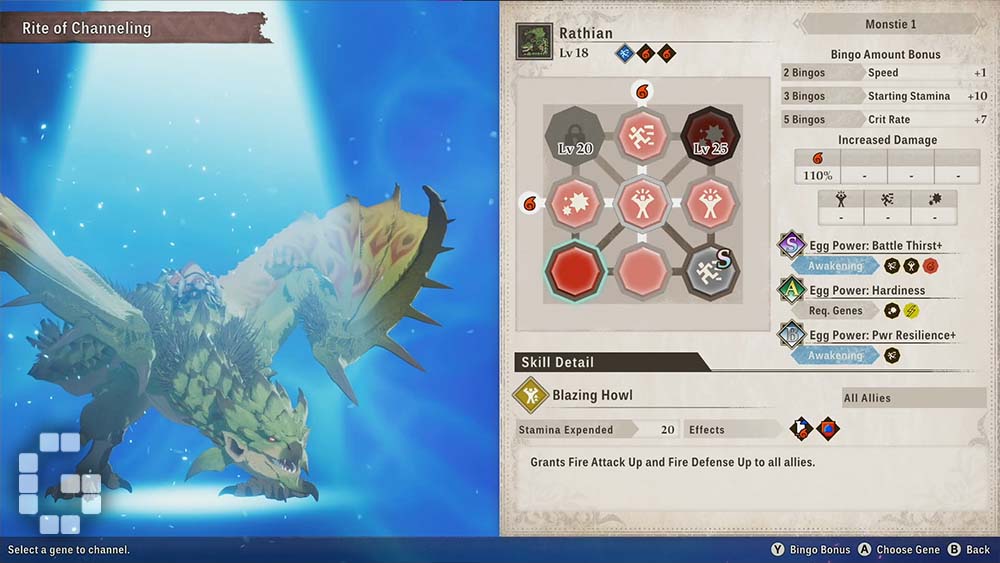
Customization in Monster Hunter Stories 3 feels more refined and deliberate thanks to the introduction of Egg Skills. These elemental abilities are tied directly to Habitat Restoration progress and help address balance issues seen in previous titles. For example, elemental types that felt underdeveloped in Monster Hunter Stories 2: Wings of Ruin, such as Water, are far more viable here.
Egg Skills help fill gaps where certain attack types may be lacking, ensuring that players can always find elemental or attack-type coverage to suit their builds.
New passive genes further complement the reworked combat system. Skills like Stamina Surge, which improves stamina regeneration, or Dragonbuster, which enhances Wyvernsoul damage, introduce new build considerations beyond raw attack power. Because combat systems have evolved significantly, Monstie customization now requires careful consideration of Habitat Restoration Environment Skills, dual-element or single-element setups, Monstie tendencies, and their intended combat role.
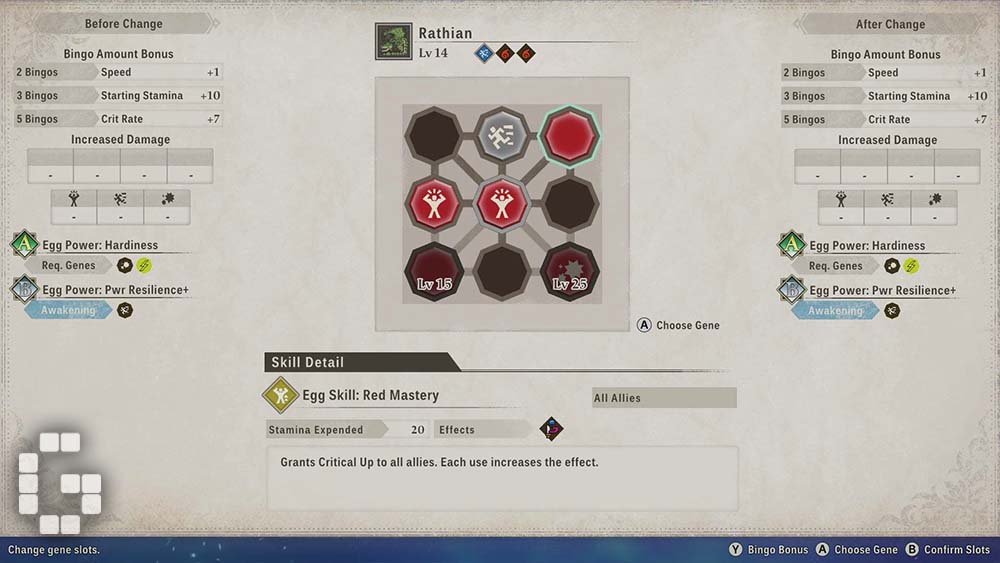
A Monstie’s rank directly affects which Egg Skills it can pass on, giving players more control and flexibility when customizing their team. Higher-ranked Monsties are more likely to produce eggs with rare or powerful skills, allowing for more diverse strategies and synergies. This system ensures that as you raise a Monstie through different regions and increase its rank, you unlock a wider selection of skills, making even early-game Monsties viable in endgame builds. Not to mention, unlike the previous entries, the monsties here will naturally unlock their gene slots through level progression. Although you can use an item to unlock it yourself, giving players a way to do it naturally is a great addition.
A More Demanding Combat System
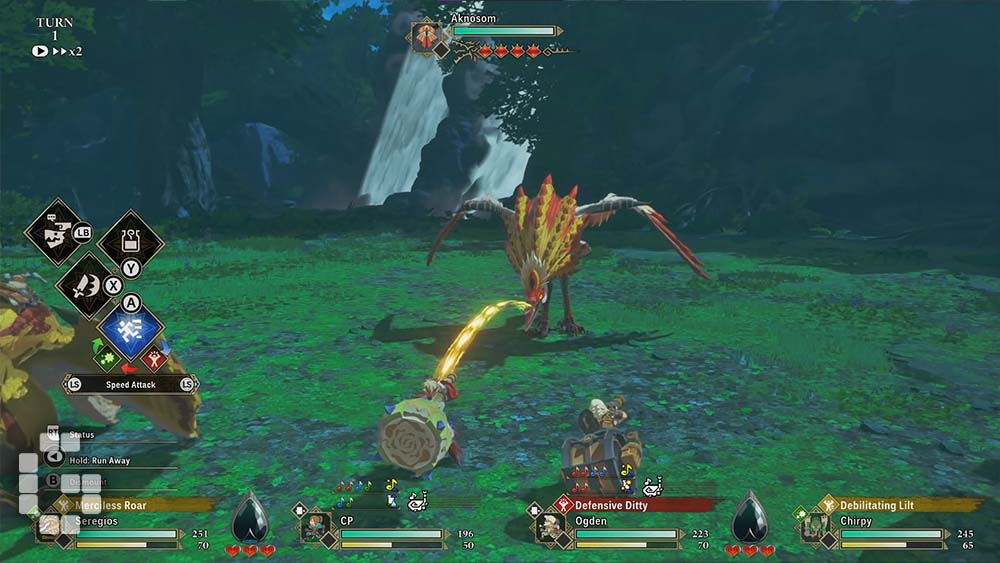
Combat in Monster Hunter Stories 3: Twisted Reflection is notably more challenging, particularly in the early and mid-game. Monsters no longer rely heavily on predictable Power, Speed, and Technique patterns. Instead, many encounters feature frequent neutral, no-type area-of-effect attacks that cannot be countered through head-to-head mechanics.
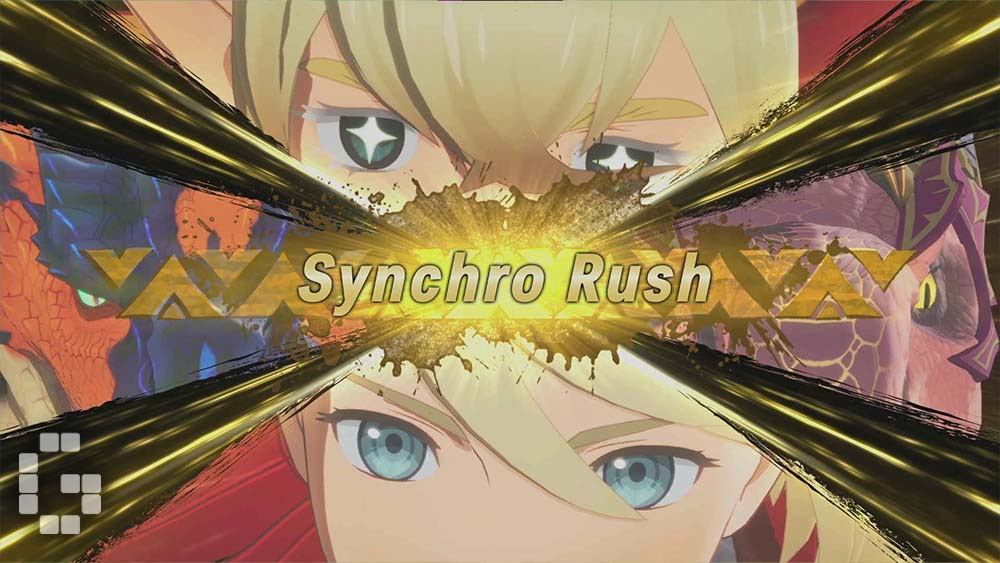
Combat move now carries two key stats: Attack and Wyvernfell. The Attack stat reduces the monster’s health bar, while the Wyvernfell stat lowers the monster’s Wyvernsoul gauge, which is essential for staggering enemies and triggering Syncro Rushes. Balancing these two stats adds a strategic layer to battles, as players must decide when to focus on raw damage versus building Wyvernfell to control stagger opportunities and maximize critical damage.
Staggering monsters introduces another layer of tactical choice in combat. Once a monster is staggered—either by breaking a specific part or fully depleting its Wyvernsoul gauge—players can decide how to capitalize on the opportunity. One option is to trigger a Syncro Rush, a coordinated multi-character attack that deals free damage and boosts Kinship. Alternatively, players can choose to let the monster remain staggered, continuing normal attacks during this vulnerable state. This allows them to deal consistent critical damage without immediately consuming the Syncro Rush opportunity, offering flexibility in planning each turn and maximizing overall damage output.
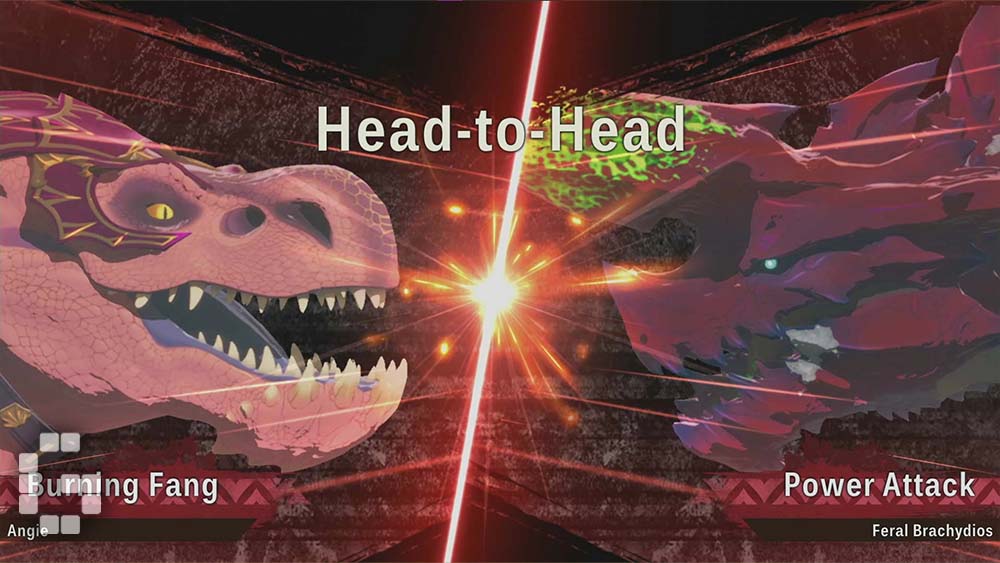
These neutral attacks occur frequently enough that they can wipe a party down to a single remaining heart, especially early on when gear and Monstie genes are still limited. As a result, Kinship generation is slower than in previous entries, though riding Monsties remains extremely powerful due to immunity against debuffs and abnormal statuses.
Item usage is now limited during battles, forcing more careful planning. At the same time, Capcom has reduced the frequency of monsters acting multiple times per turn, resulting in encounters that are punishing but fair. To make your encounters a little easier, players can don the skill Item Saver, which has a chance of not lowering the amount of your used item.
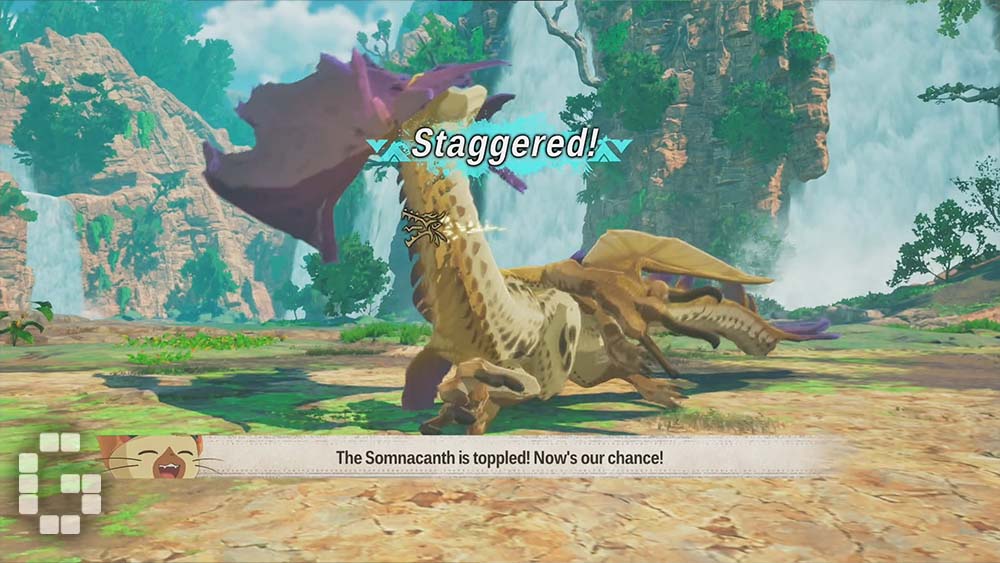
The introduction of Wyvernsoul and Wyvernfell adds another layer of strategy. Every attack contributes both damage and Wyvernfell buildup, and managing this gauge is critical for staggering monsters. Staggering can occur either by breaking parts that explicitly stun when destroyed or by fully depleting a monster’s Wyvernsoul gauge.
When a monster is toppled and no other enemies remain on the field, players can trigger a Syncro Attack, delivering free damage while generating Kinship.
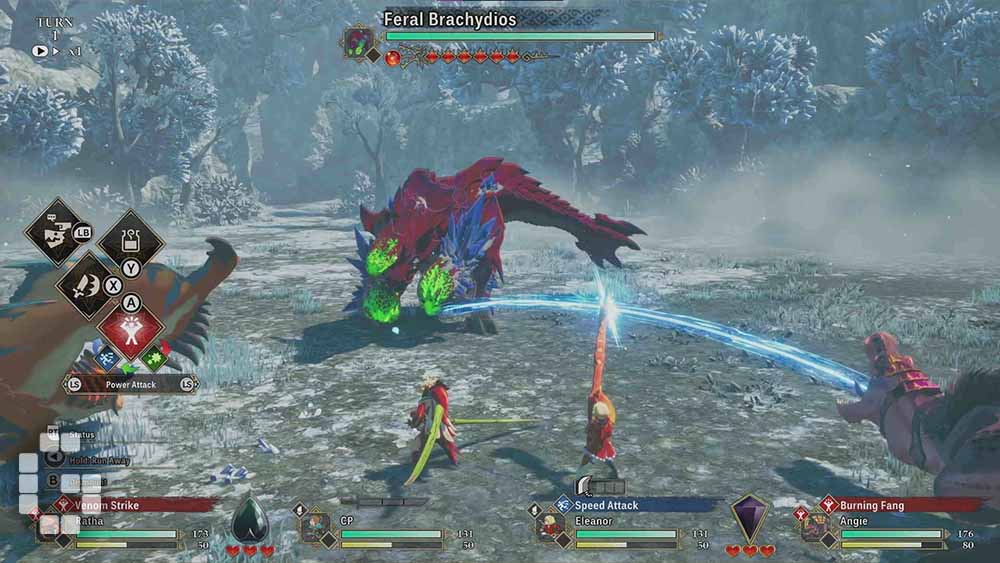
Feral Monsters demand careful observation. Breaking crystallized parts weakens their abilities, but attacking during calm phases triggers devastating counters. During rage phases, these counters are disabled, giving players the choice to either attack aggressively to deal high damage and build Wyvernfell, or stay defensive, conserving resources and waiting for a safer opportunity to strike. Timing and team composition make each decision critical, adding depth and tension to these encounters.
While it’s visually satisfying to imbue a Monstie with an alternate element—changing its colour and giving it a striking new look—these non-native elements do not increase the damage of Kinship attacks. With the introduction of the stamina bar, Kinship attacks happen less often since building the gauge takes longer. Combined with the change in how the system works compared to previous games, this means players need to carefully consider which elements to equip, ensuring Kinship attacks remain as strong and effective as possible.
Companions Who Grow and Evolve Alongside You
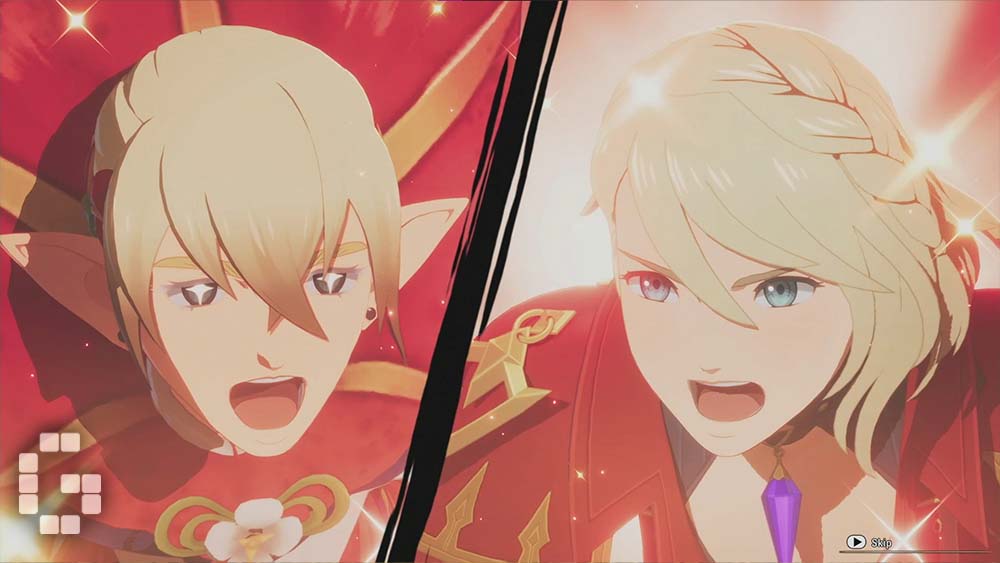
The protagonist’s companions in Monster Hunter Stories 3: Twisted Reflection play a far more meaningful role than in previous entries. Each member of the Ranger team has a clearly defined combat priority—Thea focuses on offense, Kora draws enemy attention, Gaul specializes in healing, Eleanor restores stamina, and Ogden excels at applying status conditions—while also having their own side story that gradually unfolds.
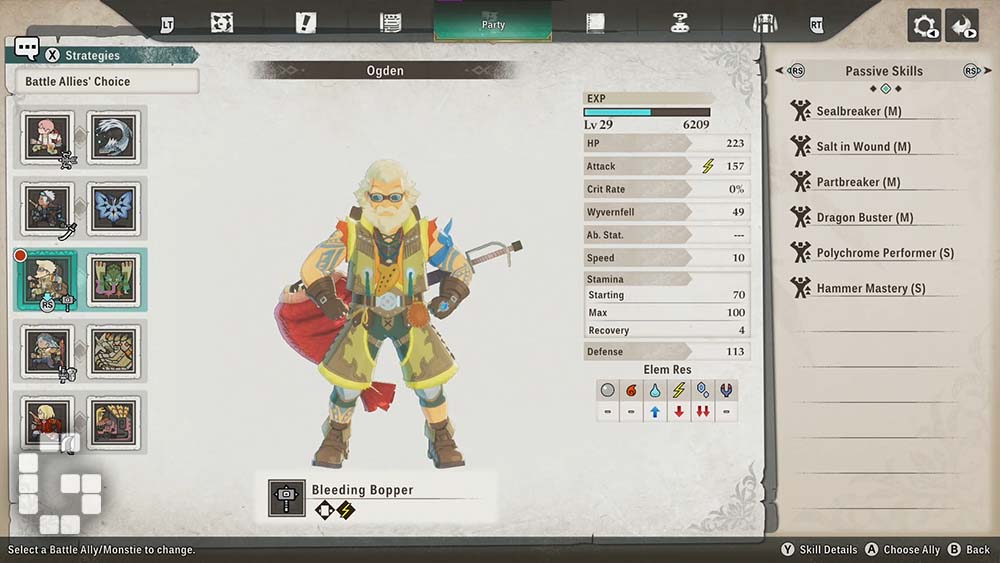
Players cannot directly control their actions in battle, but companion behavior can be influenced through equipment, assigned Monsties, items, and strategic priorities.
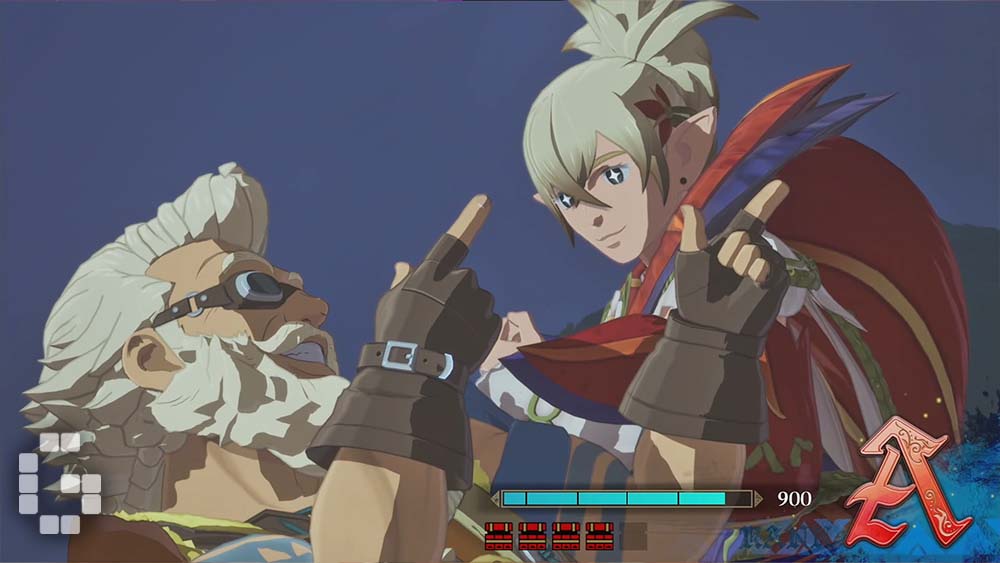
Aside from Thea and Eleanor, most of the team have been in service longer than the protagonist. This experience is reflected in dialogue and reactions: Ogden, for instance, may question some of the protagonist’s decisions or orders, not from malice, but from the perspective of someone seasoned and committed to protecting the kingdom. These moments add context to the protagonist’s occasionally indecisive choices, highlighting both the guidance and trust inherent within the team.
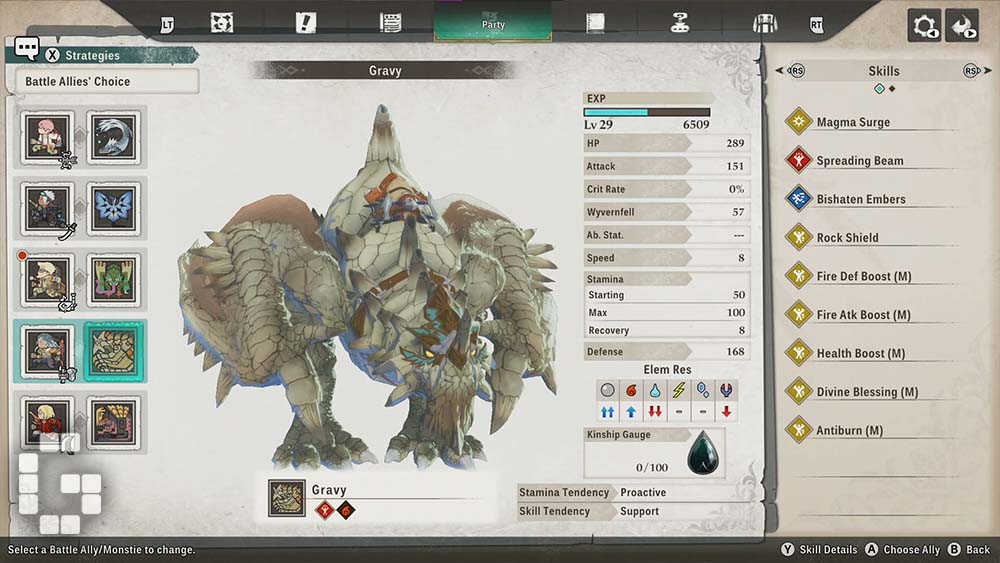
Party members can be swapped freely, and their behavior in battle remains consistent and reliable. Losing all hearts does not trigger a game over; instead, companions return after two turns with full hearts, maintaining tension without unnecessary frustration. Completing companion-focused side missions gradually reveals deeper aspects of each character’s story, unlocks new skills, weapons, and additional Monstie partners, and shows how they interact with the protagonist and one another.
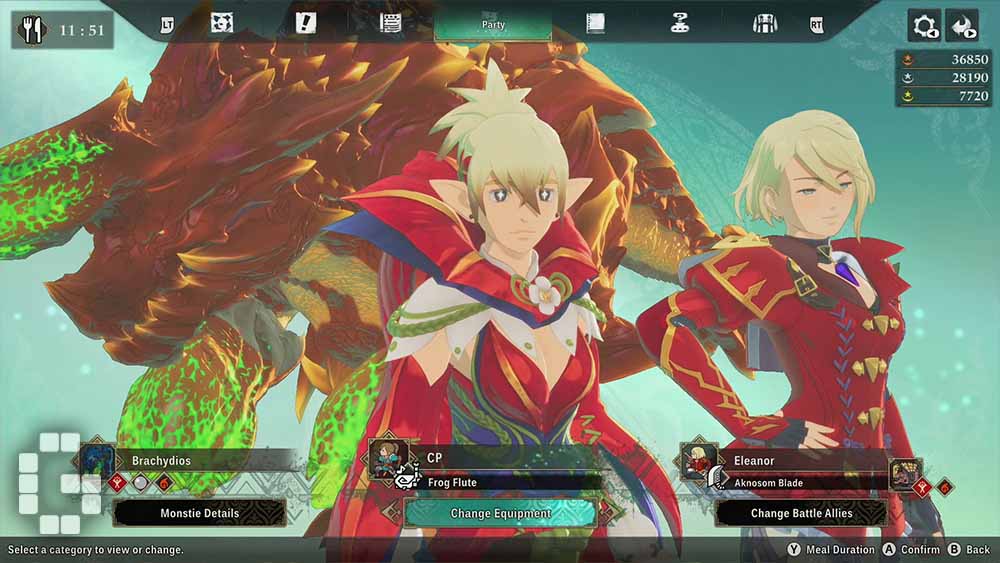
Over time, players gain a clearer understanding of each companion’s personality, history, and motivations, making both combat and narrative engagement feel more layered and rewarding.
Weapons, Gems, and Build Freedom
Weapon variety has expanded significantly in Monster Hunter Stories 3: Twisted Reflection, with two weapons assigned to each attack type: Slash (Great Sword, Long Sword), Blunt (Hammer, Hunting Horn), and Pierce (Gunlance, Bow). Each weapon now features its own skill tree, signature mechanics, and distinct battlefield role, rather than feeling like interchangeable stat sticks tied only to damage type.
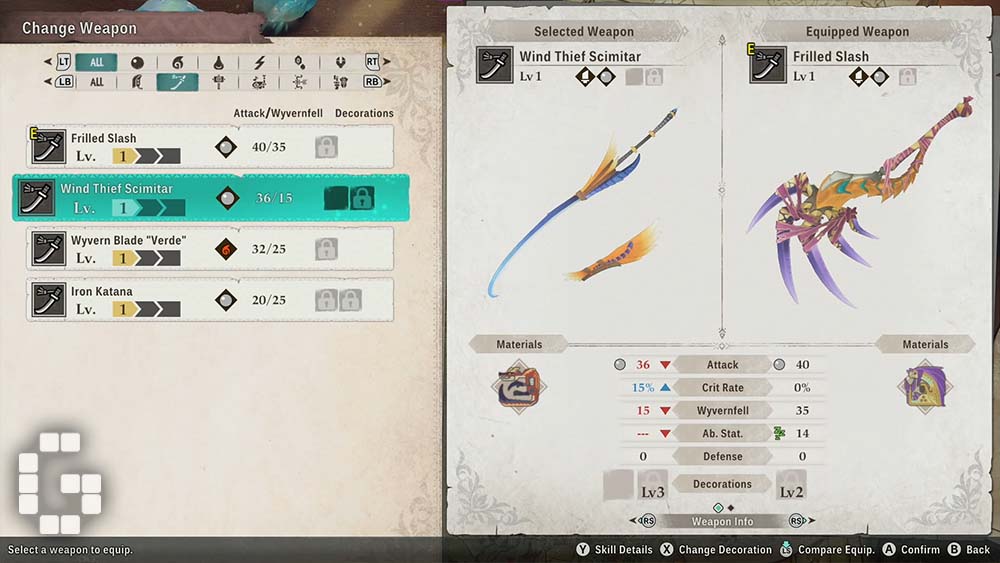
The inclusion of Long Sword in place of Sword and Shield is one of the most impactful changes. Long Sword introduces stance-based combat, counter-focused techniques, and momentum-driven damage scaling, rewarding precise timing and aggressive play. In contrast, Great Sword leans heavily into charge management and Wyvernfell buildup, making it a slower but devastating option for stagger-focused strategies.
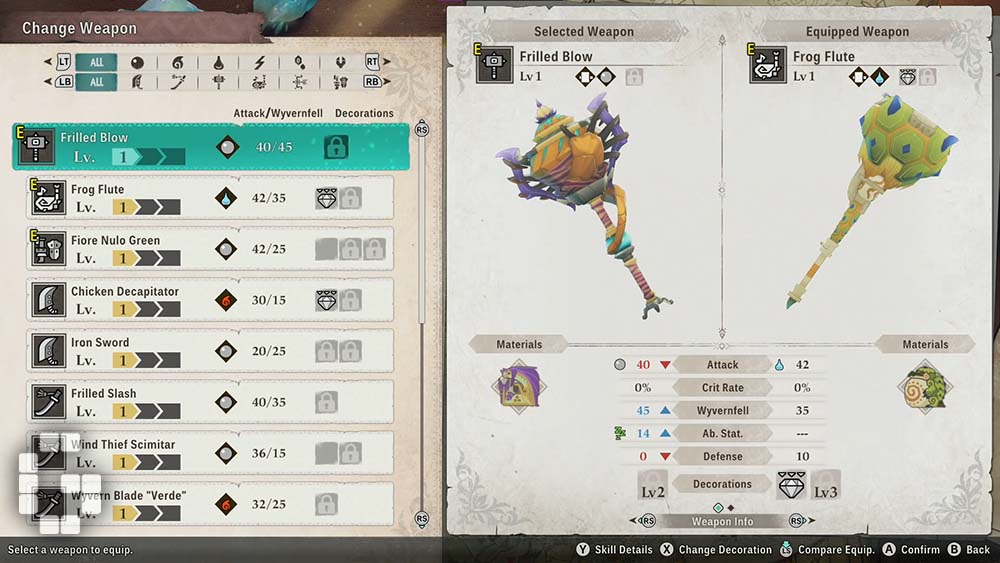
Blunt weapons also see clearer differentiation. Hammer excels at raw part damage and Wyvernfell generation, while Hunting Horn shifts toward a true support-damage hybrid, providing party-wide buffs through performance-based attacks rather than passive effects. This makes weapon choice far more meaningful depending on team composition and encounter type.
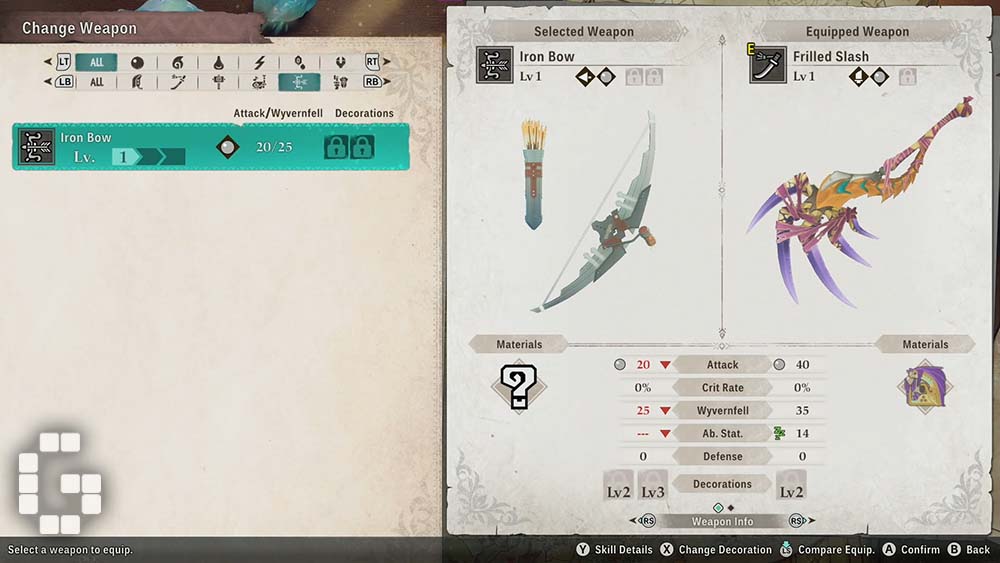
Pierce weapons benefit from the largest systemic overhaul. Gunlance blends sustained shelling with burst Wyvernsoul depletion, giving it strong synergy with topple-focused builds, while Bow emphasizes elemental pressure, status application, and turn manipulation through charged shots and debuffs.
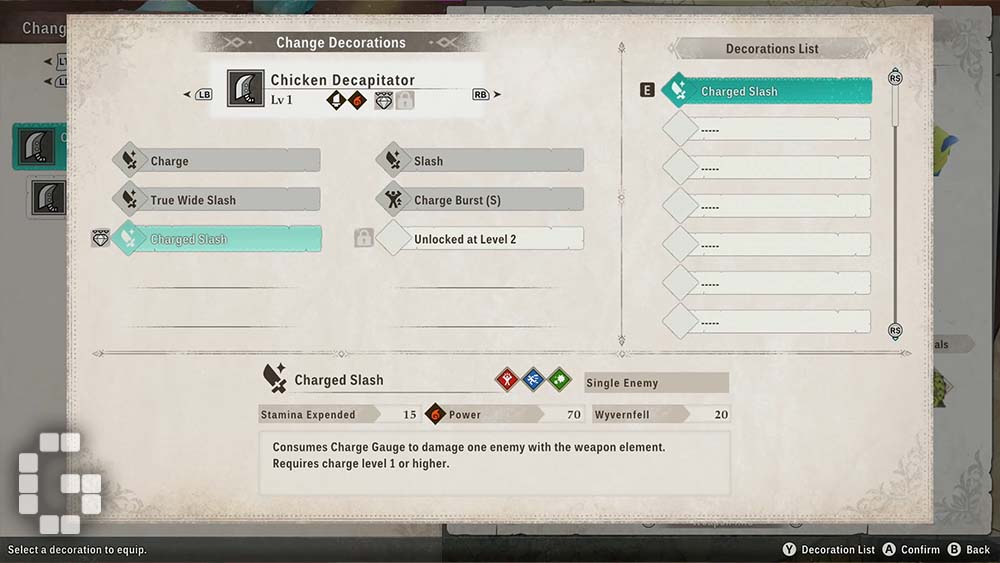
Each weapon now supports a revamped gem system that dramatically expands build flexibility. Weapon gem slots are dedicated to active skills rather than passive stat bonuses, allowing players to slot techniques that modify attack behavior, resource generation, or conditional effects. Armor gems, meanwhile, mirror Monstie gene effects, enabling defensive traits, stamina management bonuses, or conditional resistances that directly influence combat flow.
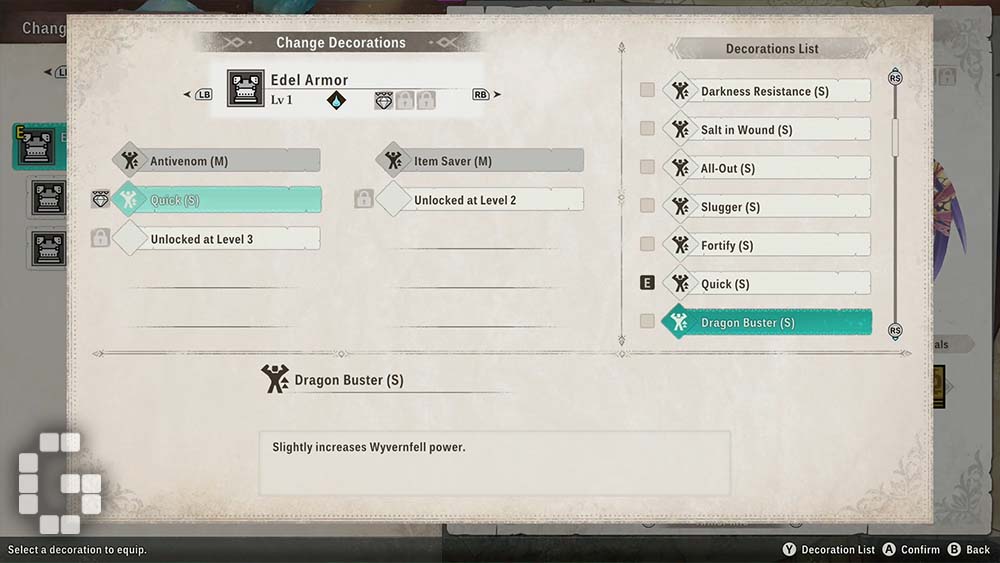
This separation between weapon skill gems and armor effect gems allows for far more granular build crafting. Weapons define how a Ranger fights, armor defines survivability and combat rhythm, and Monsties define synergy and elemental pressure. Together, these systems encourage experimentation without locking players into rigid archetypes.
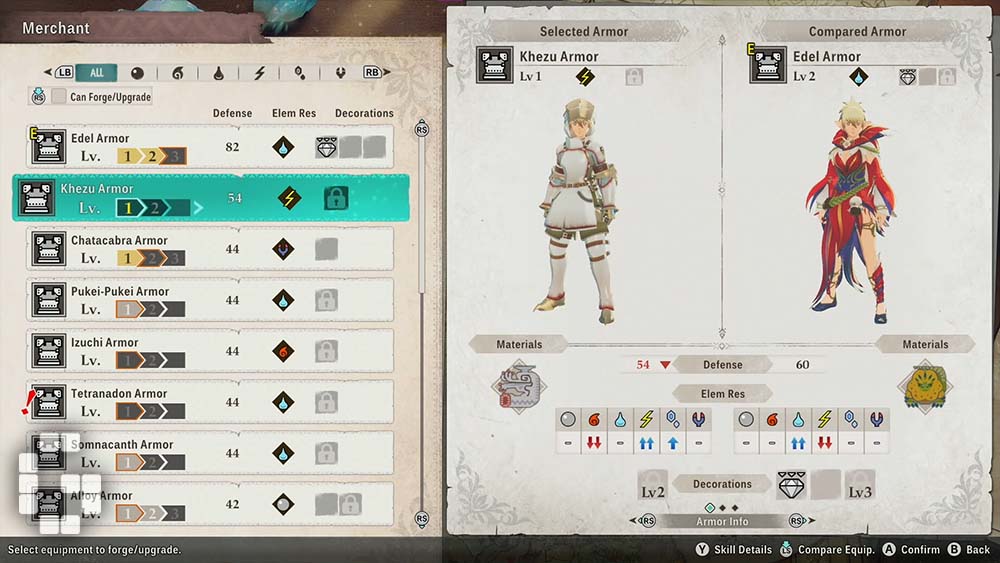
As a result, Monster Hunter Stories 3 delivers its most flexible and expressive equipment system yet, where weapon choice, gem loadout, and Monstie pairing are equally important pillars of combat identity rather than secondary considerations.
Meals and Survival — Crafting the Perfect Platter
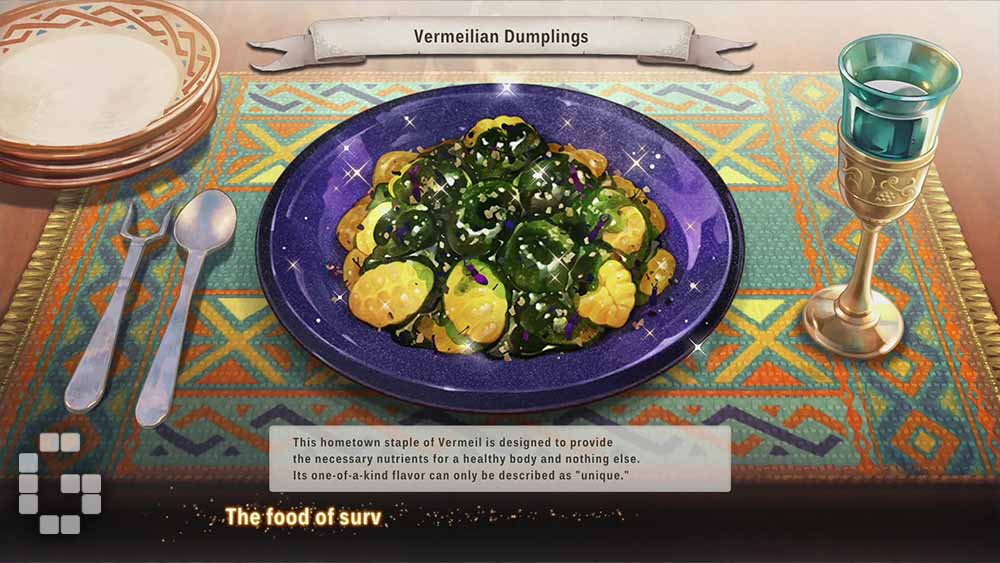
Another layer of depth in Monster Hunter Stories 3: Twisted Reflection comes from its meal system, which allows players to create customized platters to support both exploration and combat. Each meal is composed of four categories: meat restores stamina, fish replenishes HP, vegetables boost exploration abilities, and grains increase experience gain. Within each category, multiple ingredient options exist, and they differ in potency or effect. For example, some meat types restore more stamina than others, while certain fish provide higher HP recovery. Vegetables can vary in the exploration buffs they provide, like faster climbing or improved item gathering, and grains can offer higher experience gains depending on quality or rarity.
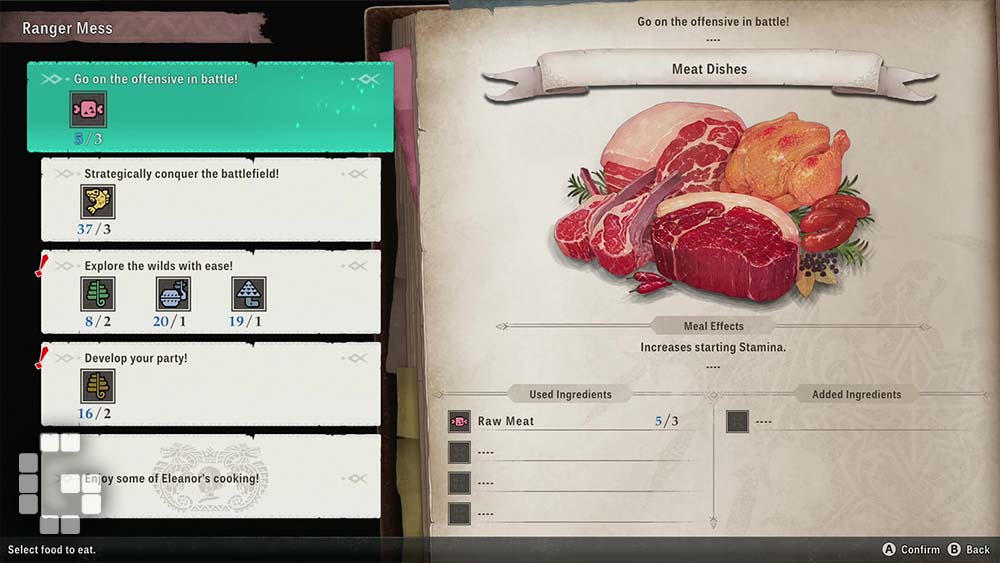
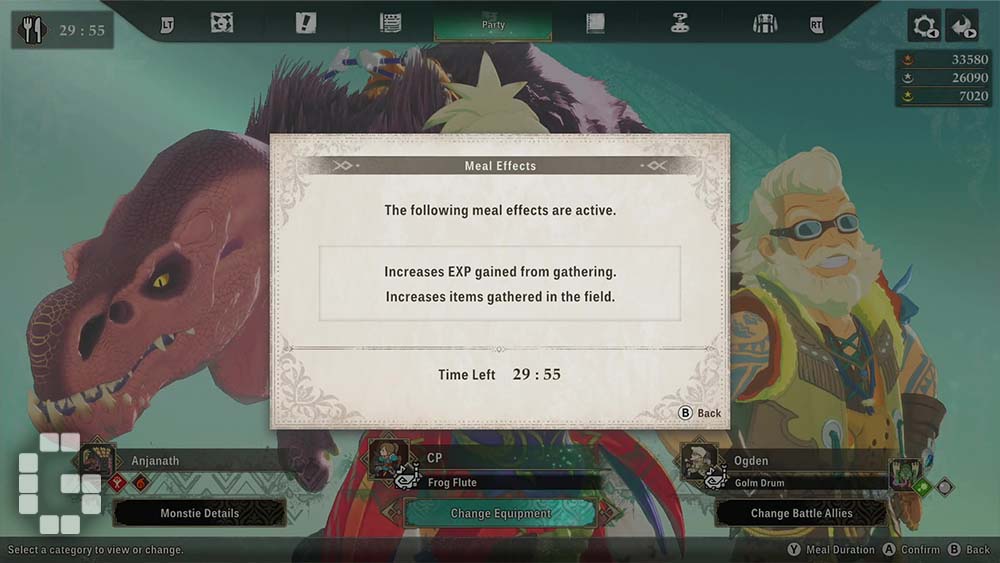
Players can combine these ingredients freely, forming a meal that suits their immediate goals or long-term plans. Once a platter is consumed, the game clearly displays the effects of the meal and the remaining duration for each effect, allowing for strategic planning before venturing into a tough battle, an excursion to another map, or a session of Habitat Restoration. This system not only rewards experimentation but also encourages thoughtful resource management, turning even simple meals into meaningful decisions that can impact survival, combat, and progression.
Verdict
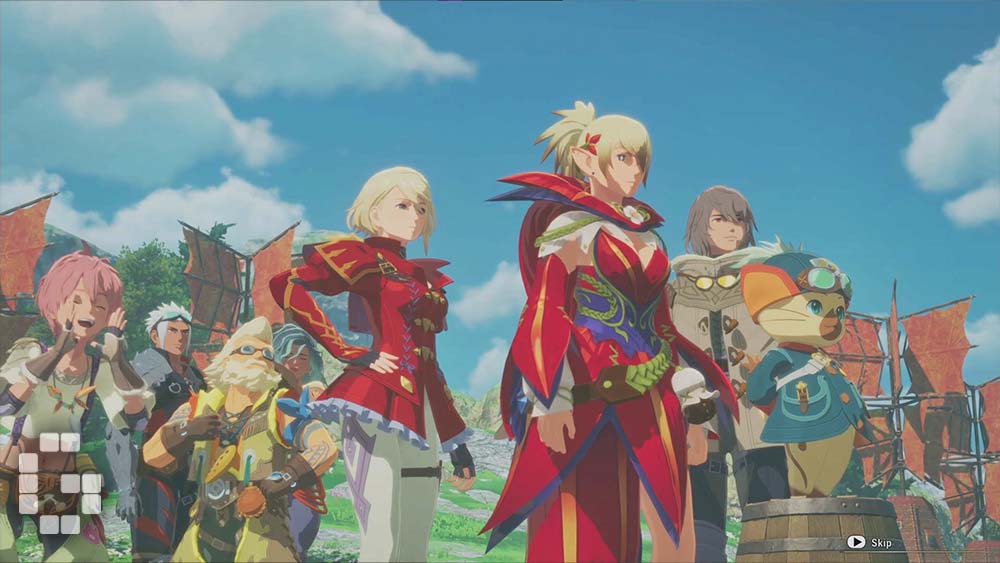
Monster Hunter Stories 3: Twisted Reflection is shaping up to be the most complete and confident entry in the series. Its emphasis on ecosystem restoration, deeper combat mechanics, and stronger narrative presentation elevates it well beyond its predecessors. The game’s art direction is particularly impressive, with richly detailed environments, expressive Monstie designs, and some of the most visually appealing models the series has seen.
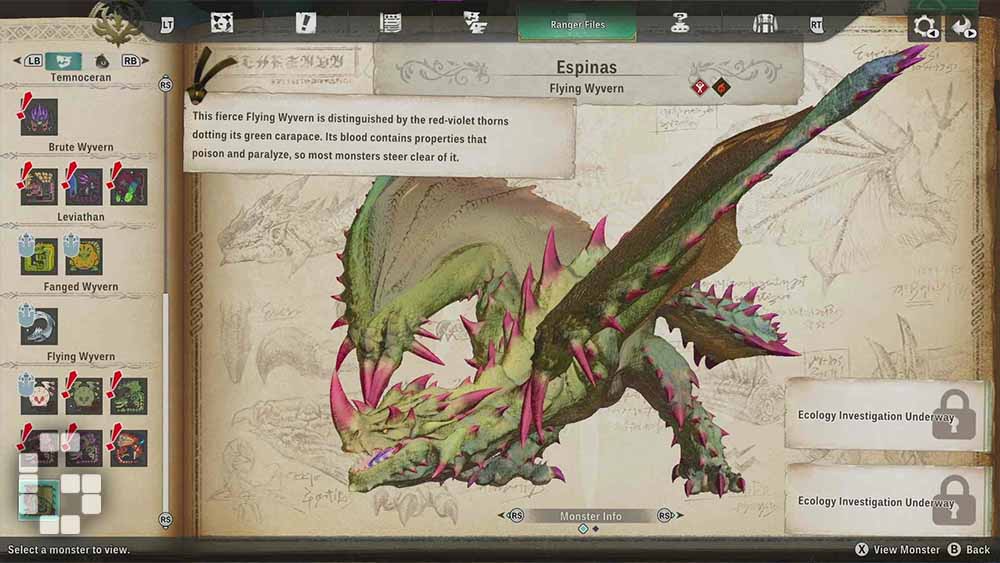
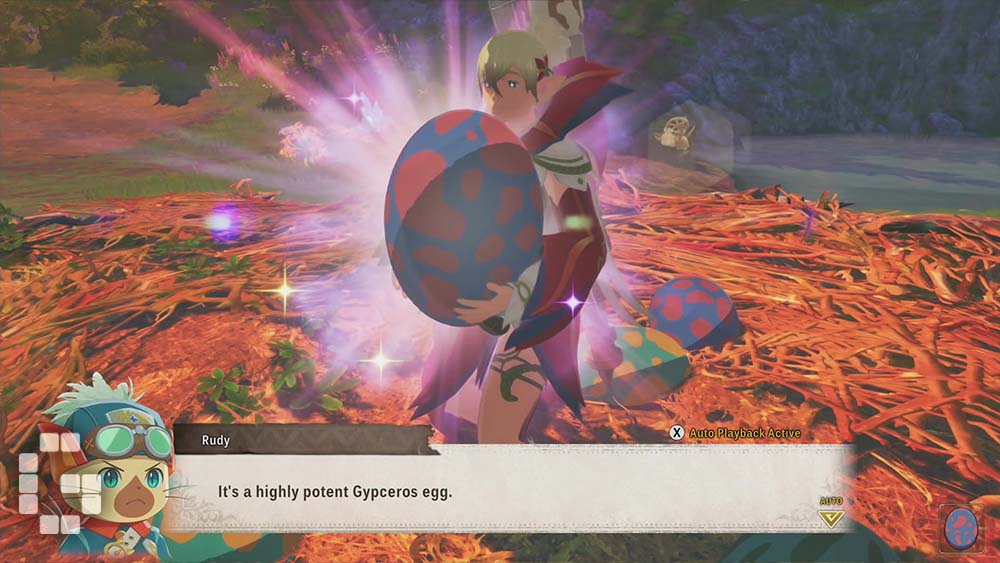
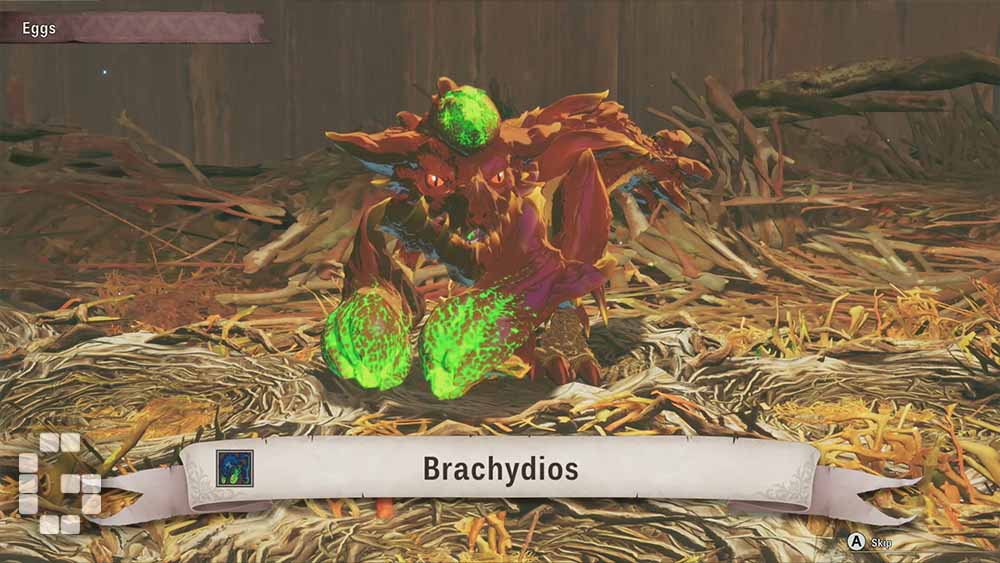
There are numerous challenging encounters scattered across the world, and players can even encounter powerful monsters like Espinas or Brachydios early on, with clever use of Paintballs allowing access to their eggs far ahead of schedule.
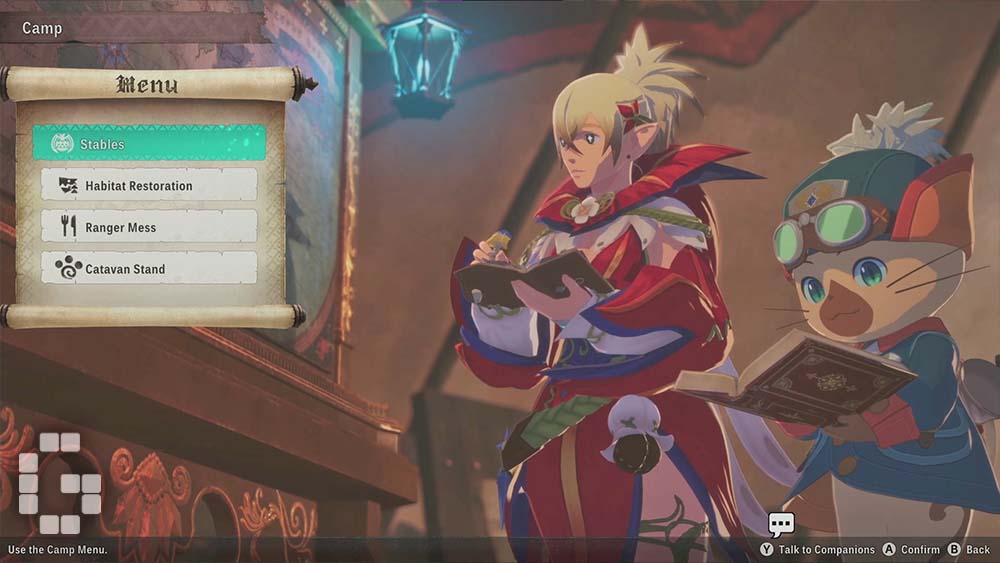
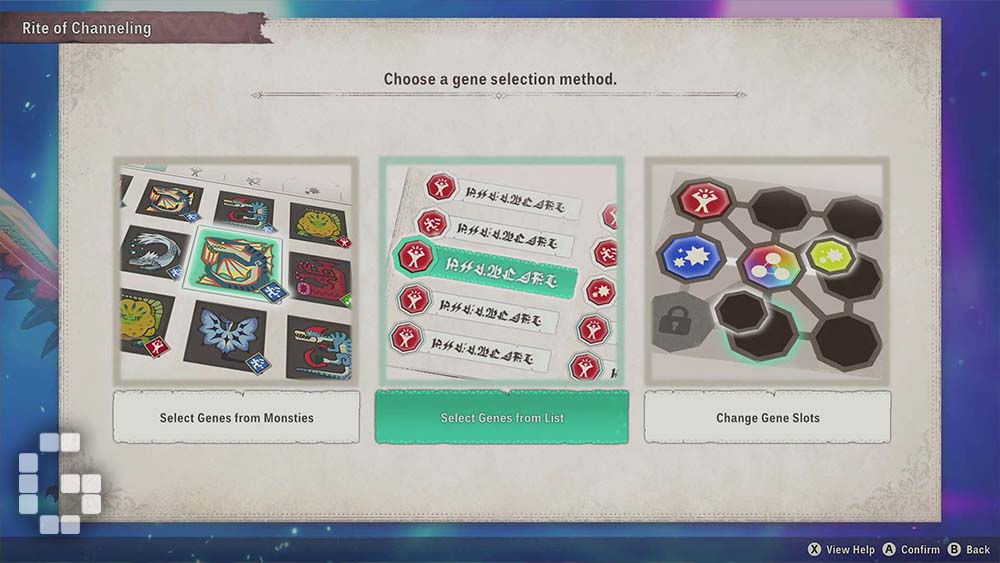
Quality-of-life improvements remove unnecessary friction, including the ability to freely experiment with genes without losing Monsties during Rite of Channeling. Long-time fans will also find numerous nods and references to Monster Hunter Stories and Monster Hunter Stories 2: Wings of Ruin.
While the lack of multiplayer may disappoint some players, the depth, challenge, customization, and presentation of the single-player experience more than compensate. For newcomers, this is an excellent entry point. For veterans, it represents the most refined vision of what Monster Hunter Stories can be.
Players interested in the game can check out their official website.
The Review
PROS
- The game delivers consistently challenging encounters that demand strategic planning rather than brute force.
- Its deep build customization systems offer exceptional flexibility across Monsties, weapons, and gear.
- Monsties are more expressive and mechanically engaging than ever, both in combat and ecosystem progression.
- The art direction and visual presentation make Monster Hunter Stories 3: Twisted Reflection a strikingly beautiful experience.
CONS
- The absence of multiplayer limits long-term engagement for players who enjoyed cooperative or competitive play in previous entries.